
Kelmscott Manor
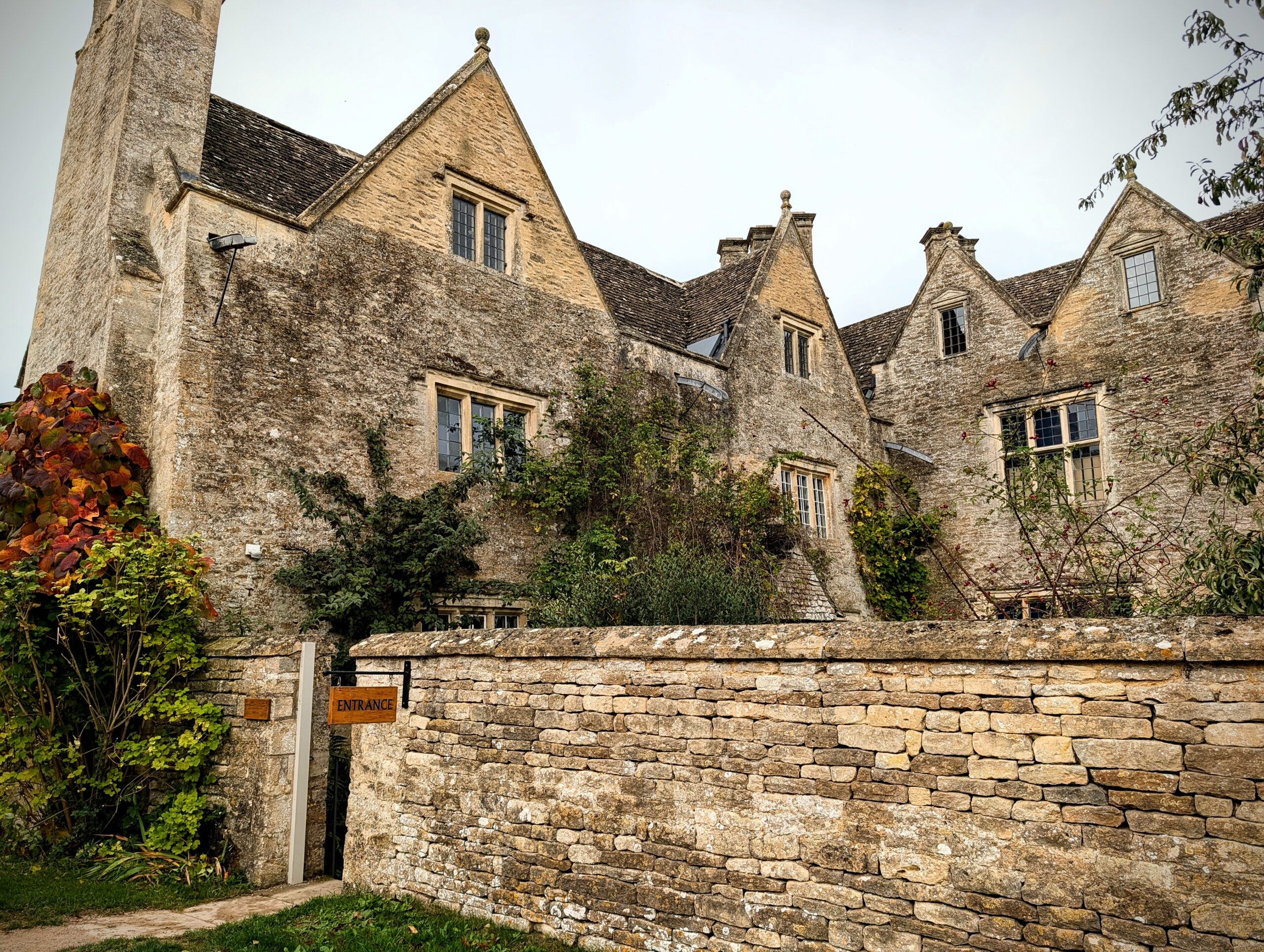
Often, ancient manors like Kelmscott Manor, the former country home of William Morris, are kept in the past as a way of preservation and yet have no reach into the future. My visit to Kelmscott left me with mixed feelings. The drive there and the walks down country lanes to the house were light and refreshing, the house was generally more dark and gloomy, reminiscent of an era, and so too the furnishings left me wondering about the saying: "Have nothing in your houses that you do not know to be useful or believe to be beautiful."
The house is built, not unusually, completely from stone so that's stone walls with slabbed stone roofs. Built somewhere in the late 1570s, the lasting qualities of stone stand testimony to an era when longevity spanned centuries rather than mere decades. Typical of the time, the land-owning farmer had the house built using local craftsmen using native limestone and timbers from ancient trees of mixed variety. Enter the house with its complexity of awkward rooms, and it's easy to lose any sense of direction. I loved the house, who wouldn't? Massive fire places, beamed ceilings, panelled walls and stone slabbed floors throughout gave you a sense of solidity seldom felt in today's modernity. I felt somewhat privileged to walk where ancients lived and worked, even when the privileged never needed to work for a pay cheque all of their adult lives.
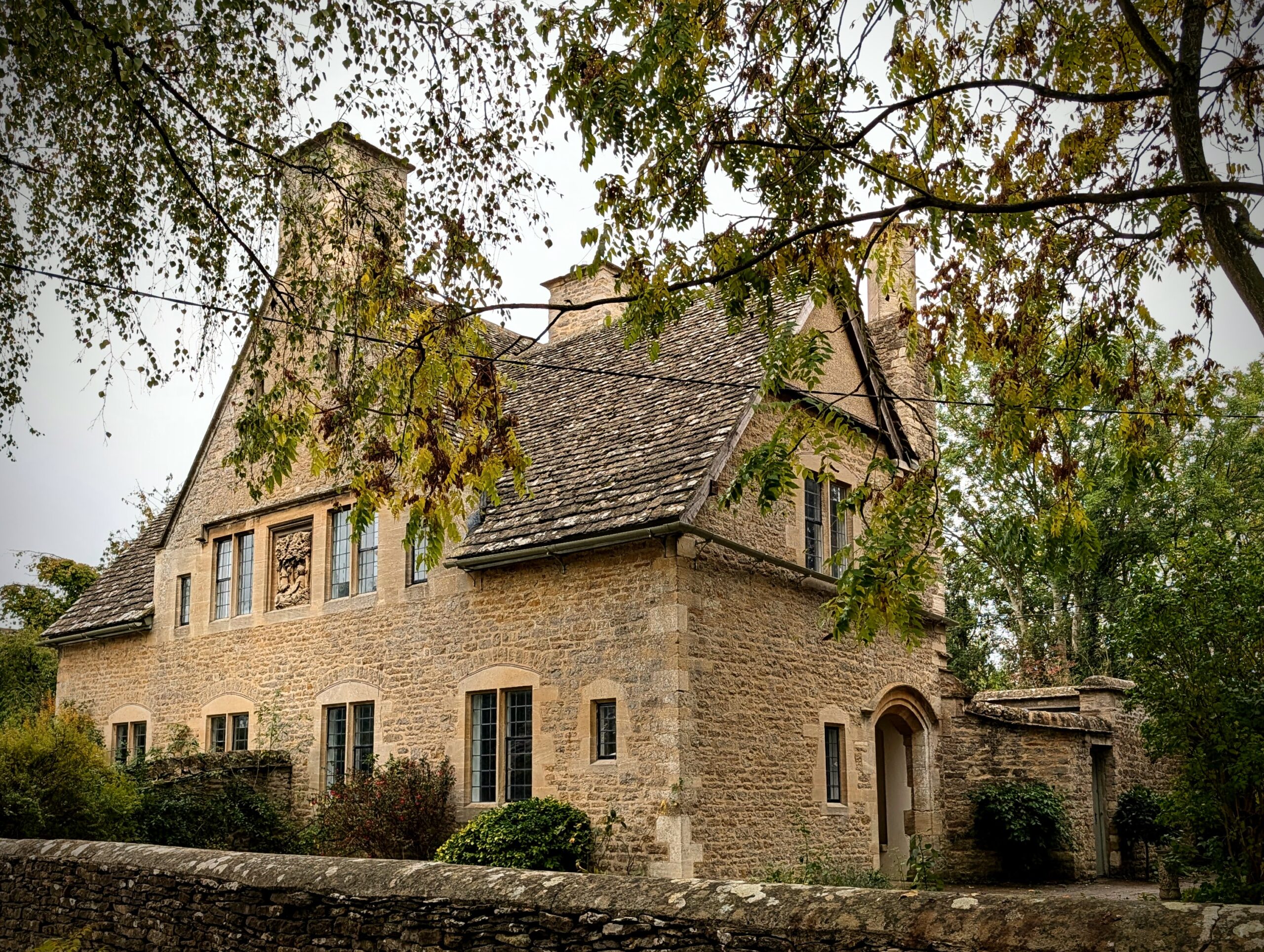
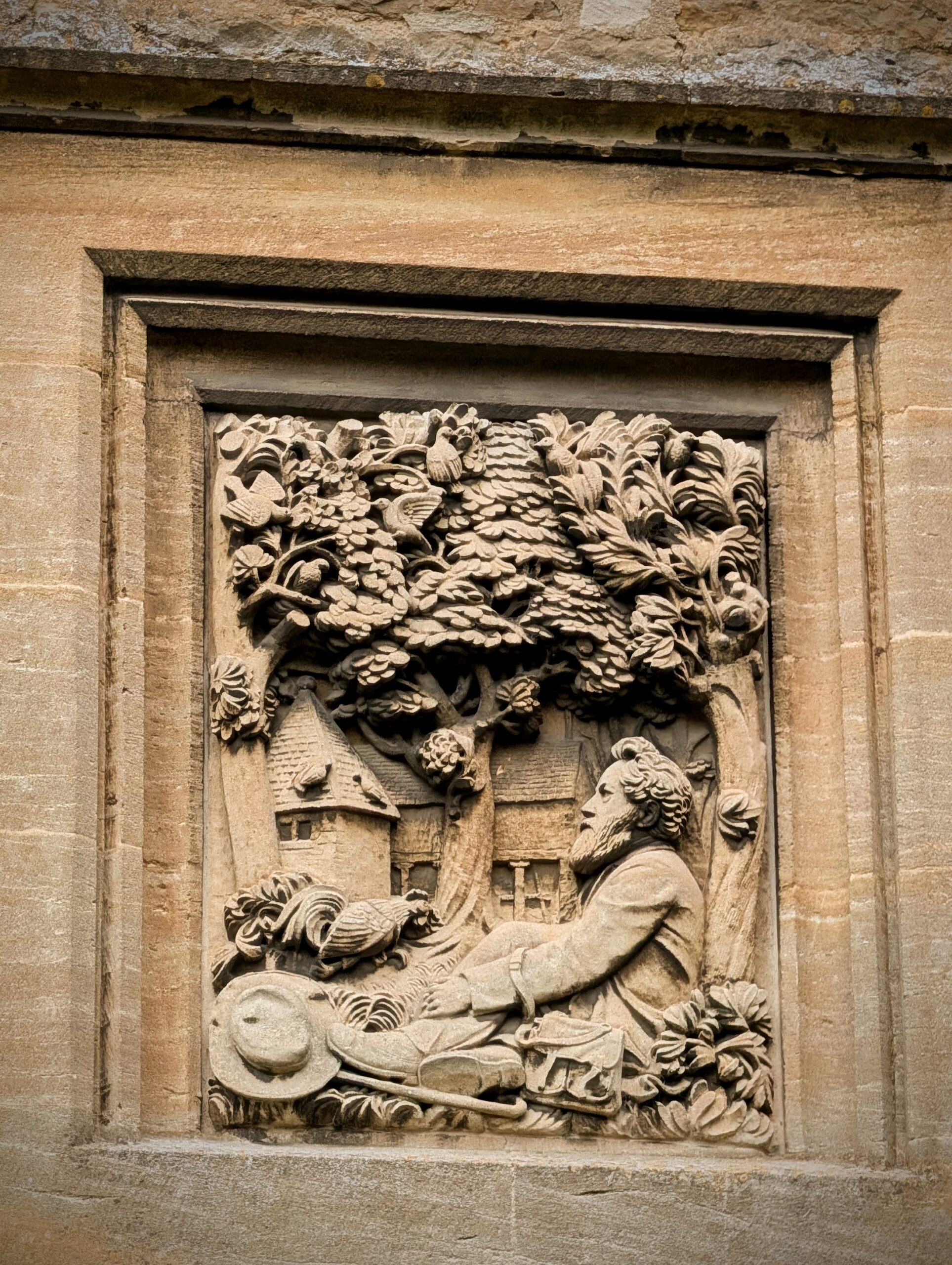
Houses surrounding Kelmscott manor were similarly built. The stone-carved plaque depicting William Morris languishing in the beauty of the manor is sculpted from solid stone.
I'm not altogether sure if beauty is always in the eye of the beholder. Mentioning that I am a furniture maker to the support volunteers in the house met with their suggestion that the beauty in oak pieces from the time of Morris were "lovely oak pieces" or, "...such beautiful carving." when I found it quite hard to describe the complexities of over-carved blackened characterless oak as anything like lovely at all.

Proponents for antiquities of this type will likely love the reality of pieces living as working chairs for two or three centuries. I'm thankful that I could indeed remake and replicate anything in the house with relative ease, and using no more than exactly the same tools and methods as available to those in centuries past, it would be enjoyable and not tedious at all. That said, my greatest enjoyment is never copying the work of another but designing the new is equal to the making of it. I don't decorate my work very often. Now look at the box framing of mortise and tenons pegged glueless, and you know unquestioningly that longevity was the fuller intent of the maker and owner, (hence the saying form follows function) having the pieces made for the farmer before William Morris moved in a century later. Such pieces had the longevity of 10–12 generations. Additionally, such pieces were not designed for slouching or man-splaying but yes, 'pulling on yer boots as you smoked your briar pipe.
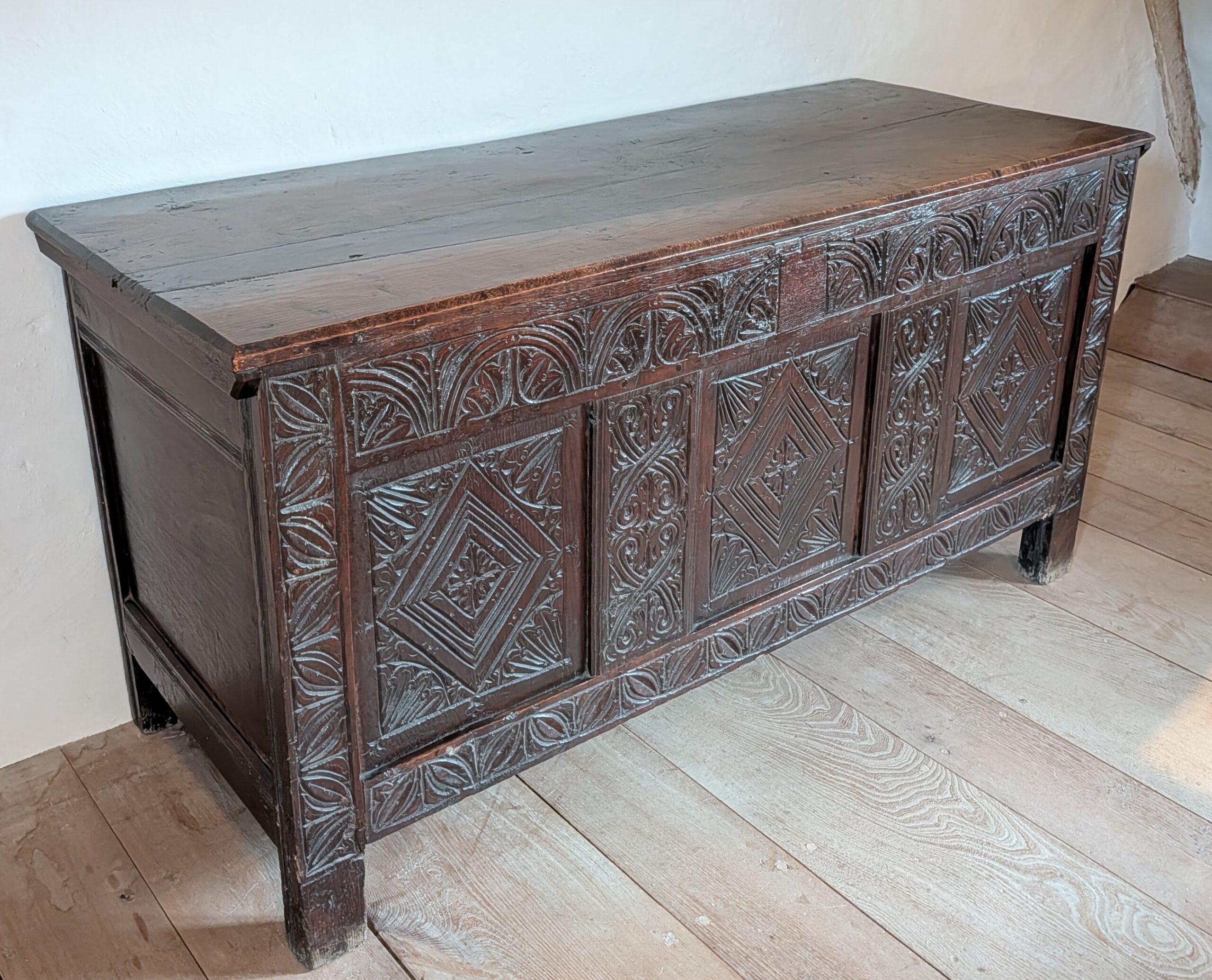
Most things past in the world of Morris were heavily framed from larger sections. Forget the fancier pretensions of Sheraton, Chippendale and Hepplewhite, designing furniture in the mid-Georgian, English Rococo, and Neoclassical styles from the early to late 1700s. These lightweight fancifuls for the privileged minimised the use of wood and focussed on creating something more fitting with the refined of our world. Of course, there is place for lightweight chairs, so the wood choice and joinery create the possibilities. If you compromise one with the other, is when you hit weaknesses one way or the other. An oversized or undersized joint can weaken other parts. Too big a tenon can reduce the surrounding wood of the mortise piece and a small tenon might increase that wood volume, but the tenon can then be too weak. It's about finding the balance without relying on formulas that stop you thinking. Understanding wood comes only through many years of working thoroughly with the various species we have access to and demand for in our work. Through this insight, we look at the intrinsic strengths of the wood, its resilience, results of stress testing and so on. I have often thought that prior to the various world or regional wars, wood was an abundant commodity and especially was this so in the Americas north or south. It would have been sustainable had it not been for the pure greed of those who actually believed that they owned whatever their hands came to touch. When one species ran out through incompetence and greed, the rich and mighty investors sent ships to other regions. Oh, well!
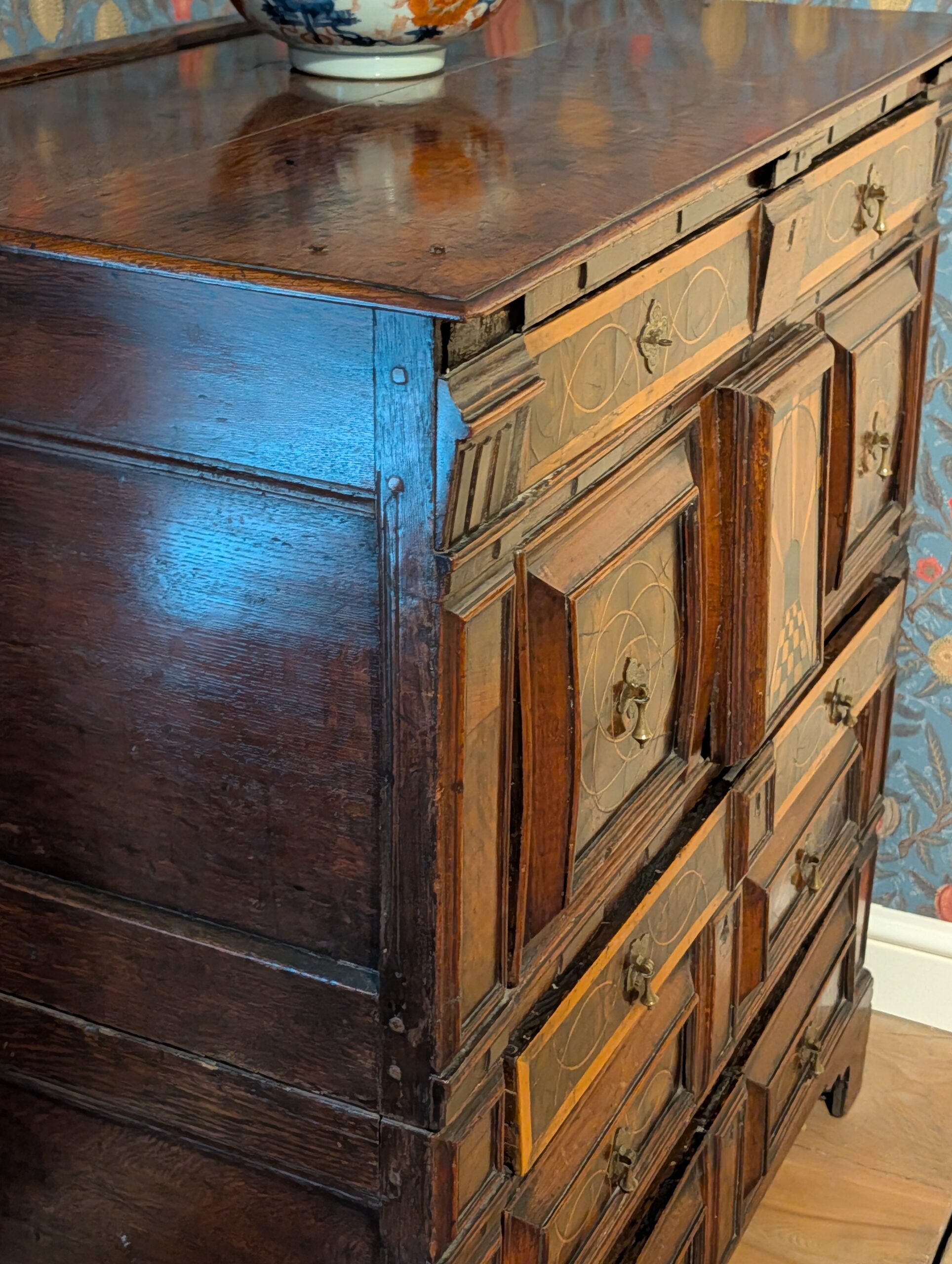
I confess to being somewhat disappointed in my visit, but that might be that I need to lower my expectations. There would be so much more to learn and pass on if I could have investigated the cabinets and other woodwork more, made notes, taken measurements and had someone knowledgeable to speak to, but the likelihood would be that those with the intimate knowledge of woodwork would be long gone now.
Comments ()