
My Floor Exercises
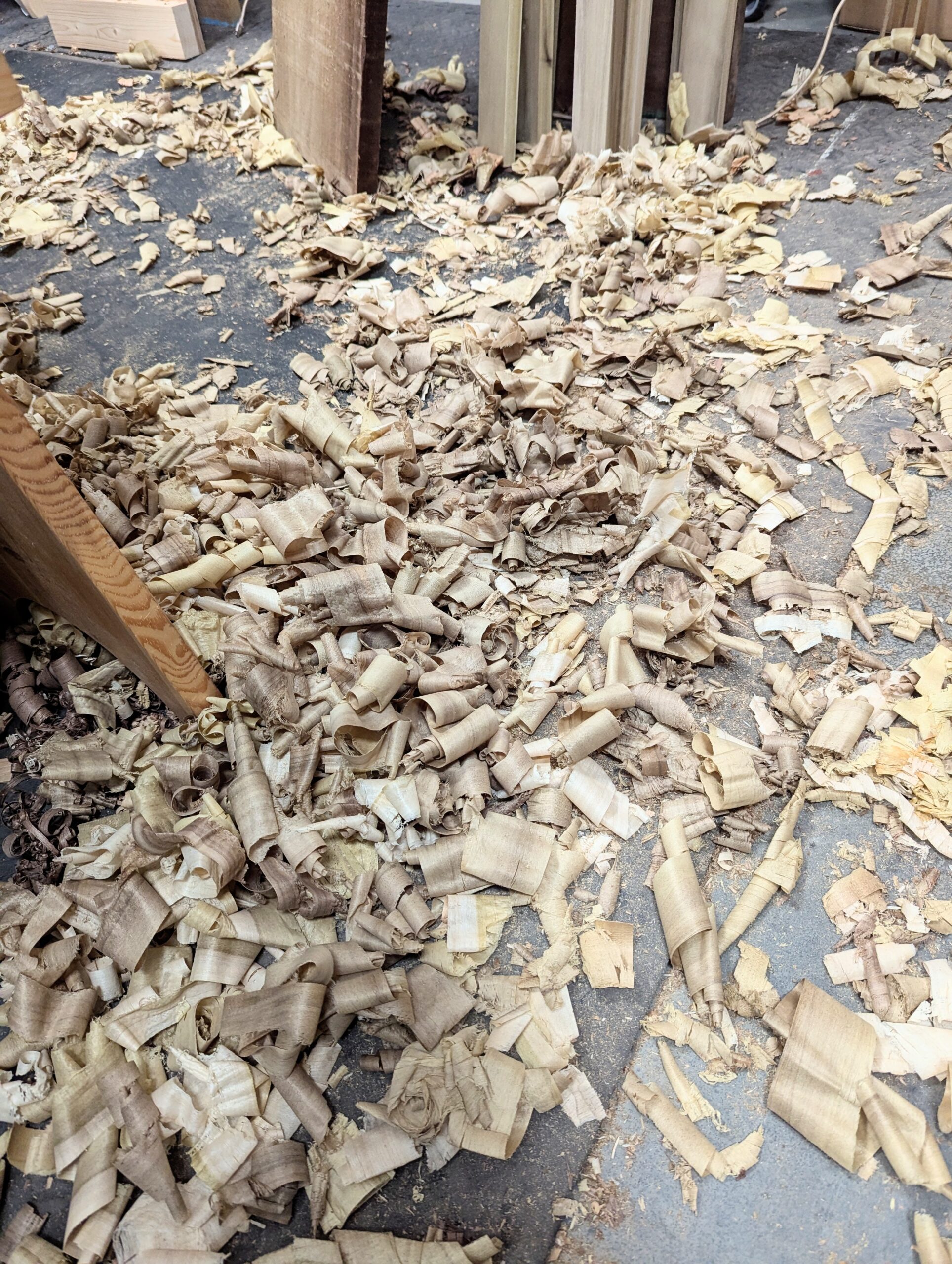
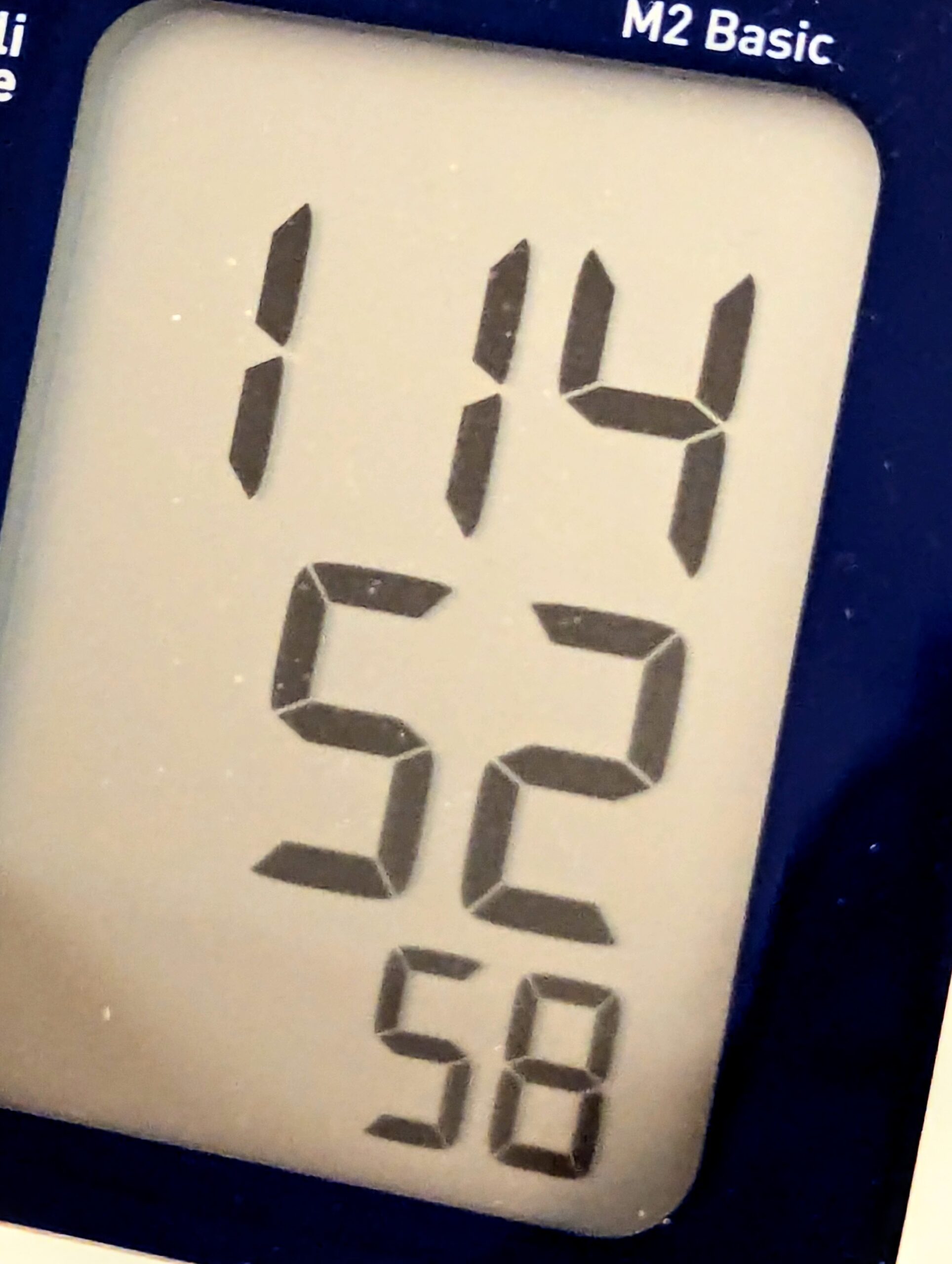
It took about an hour to create this amount of shavings, no more. Swept up from the whole floor, they'd fill a 100 litre bin bag. I planed wood for five continuous hours, and it felt really invigorating. I'd compare it to at least a marathon's worth of being good to my health. My blood pressure yesterday was 114/52 and went down to 104/58 with a pulse rate of 60 ten minutes later. I guess each plane stroke to be a couple of seconds and somewhere around 50lbs of pressure to each one. That's many a thousand strokes, don't you think?
People constantly say I should use power for efficiency. That I should get real. Well, my level of realness is a half decent bandsaw with a sharp blade for resizing stuff. They don't understand. They can't! Not only do they not understand, they can't fathom out why someone like me with decades of experience using both hand tools and machines would make a choice to not only use only hand tools but deliver his heavy machines to the scrap metal dealers.
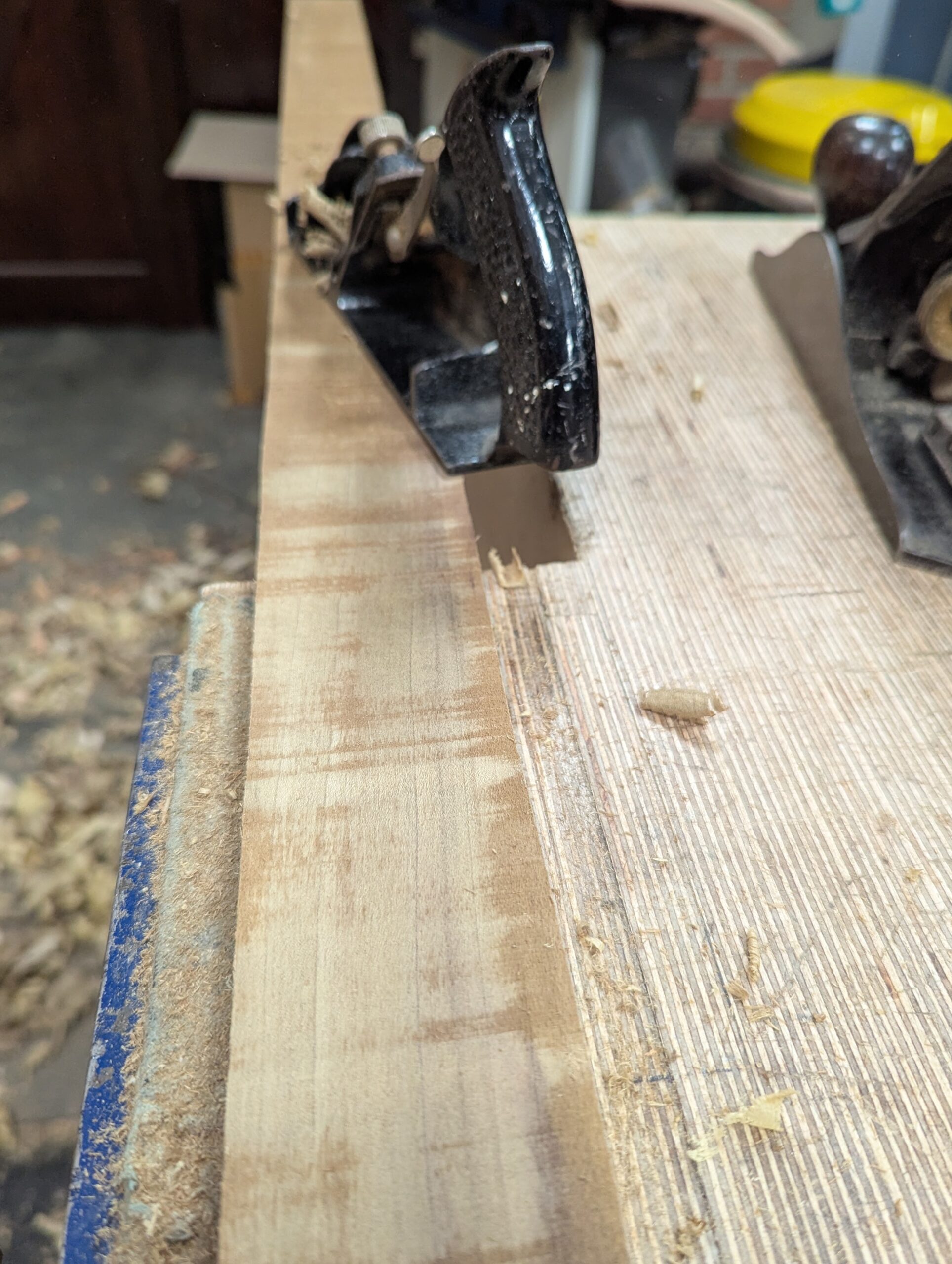
Planing four sides to 30 lengths of wood, truing them, squaring them and making sure they are parallel throughout isn't that big a deal, but multiply the number of strokes, thousands, by 30–50 lbs each, and you suddenly realise why you have a variety of very usable and functional muscles––it's because you lifted a few tons of real weight and thereby usable gain.
I work with the same three planes I've used for six decades. That too, along with my physical working out in my real work, seems equally impressive. I think of these workhorses with great fondness. Loyalty doesn't even come close to how I feel about it. How about faithful, sincere, dependable, unwavering?
Do others feel quite like I feel? I mean, a £10 set of Aldi chisels just keep going, and I have a feeling these, with their excellent, unsplittable hornbeam handles, massively solid tangs and excellent steel quality will possibly see me out. But thinking about a plane made in the 1960s that's been used for hours every single day for sixty years or 18,000 days that shows no sign of deterioration and, if anything, works even better each time I lift it to plane with, who even considers such a thing anyway?
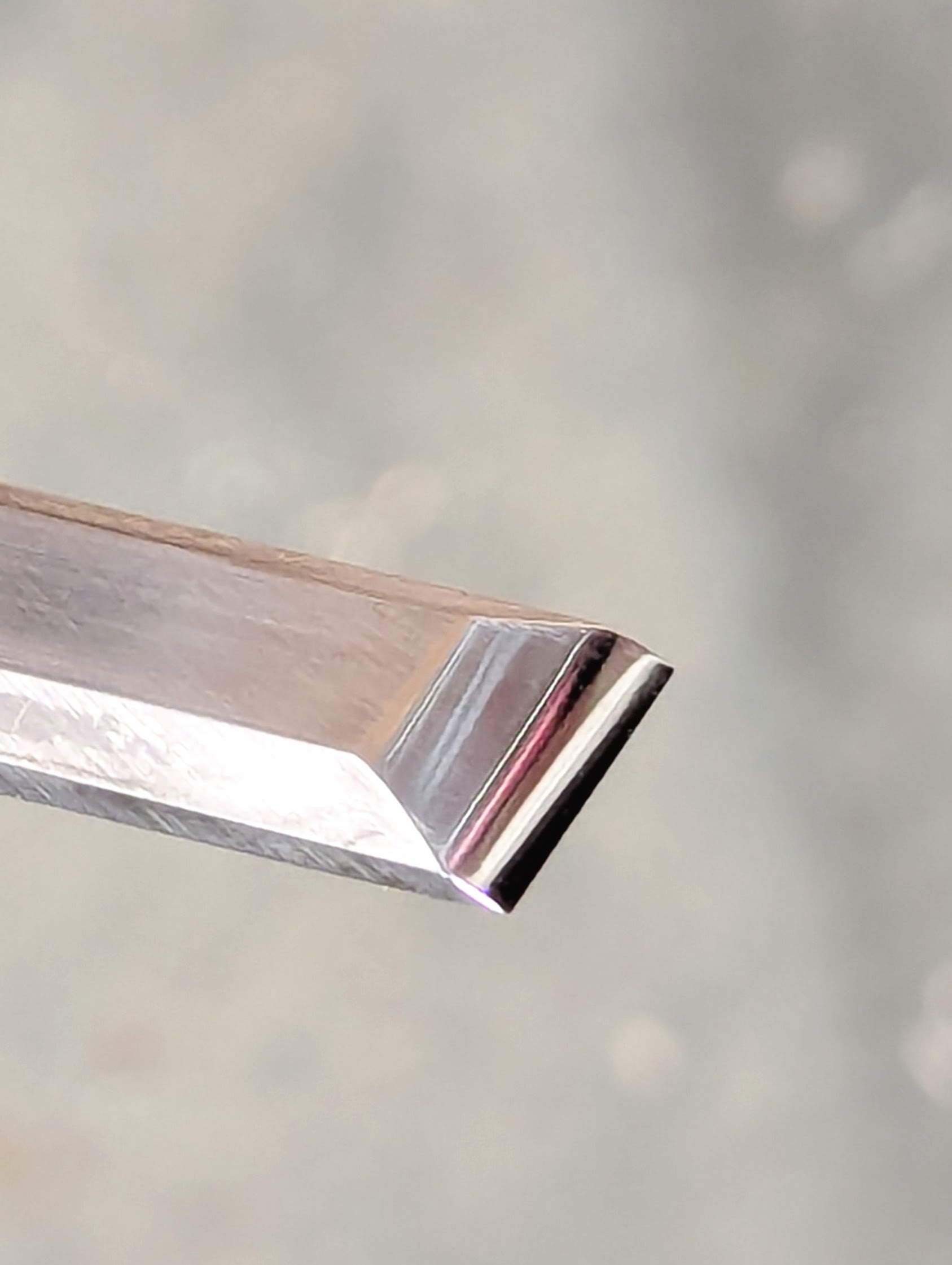
I can't say my planes are pretty. I can say that they are not, not really. #78s are really quite ugly. Black Japanning, angular, unyielding hardness and rigidity. Even holding one, with its cold steel handle and black paintwork as described, doesn't feel that great. I have wondered why no one has created a better one based on the same design but with some wood to it, maybe in bronze and much refinement. Surely, even so-called premium makers, who don't often think too creatively in terms of new designs, could think up something?
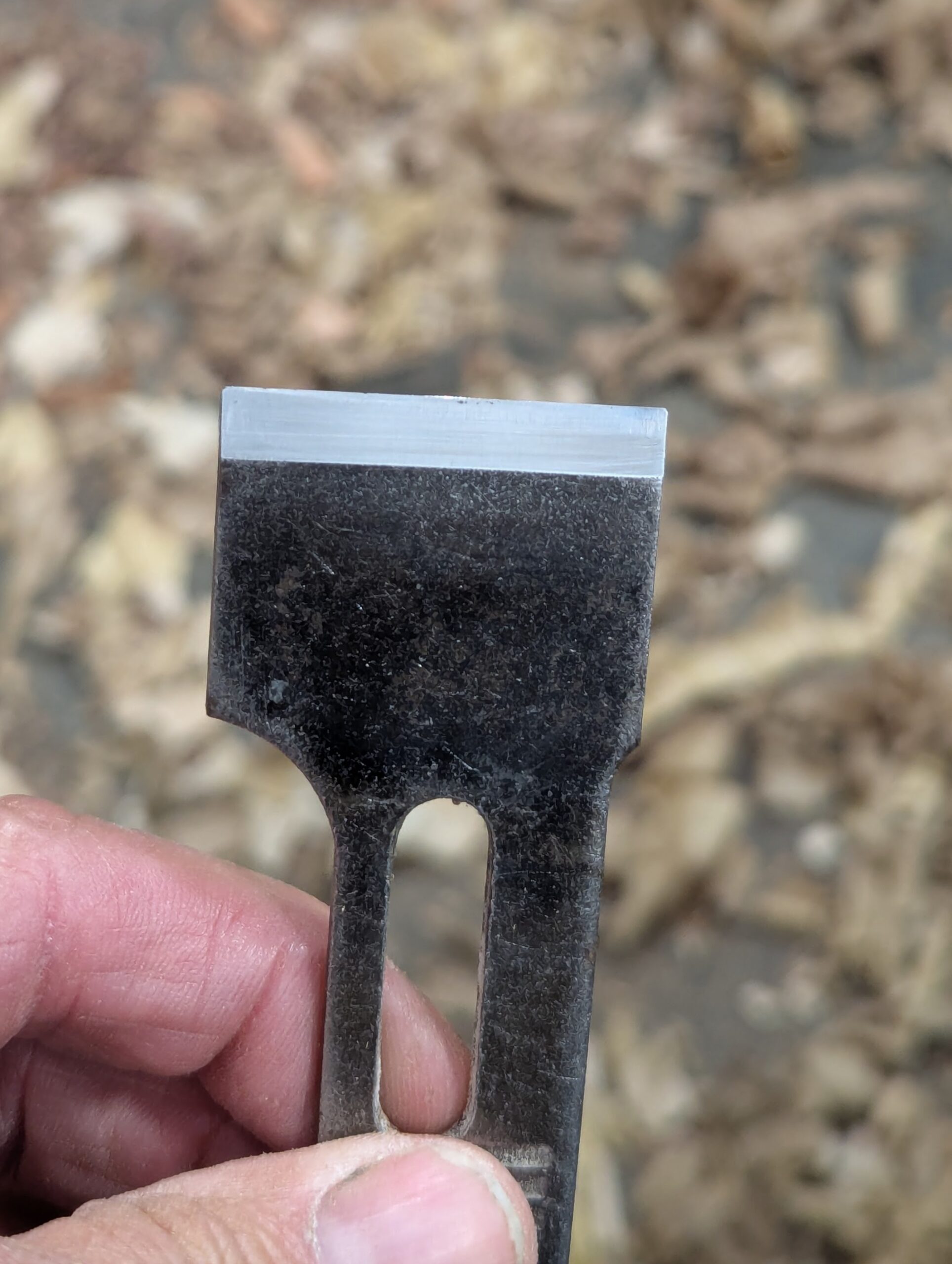
You do not need two planes for this plane to serve both purposes of scrub plane and rebate (rabbet) plane, but just a second iron. That way, you can minimise any need of additional shelf space. Keep a second iron that's square across for regular rebating (rabbeting––same thing).
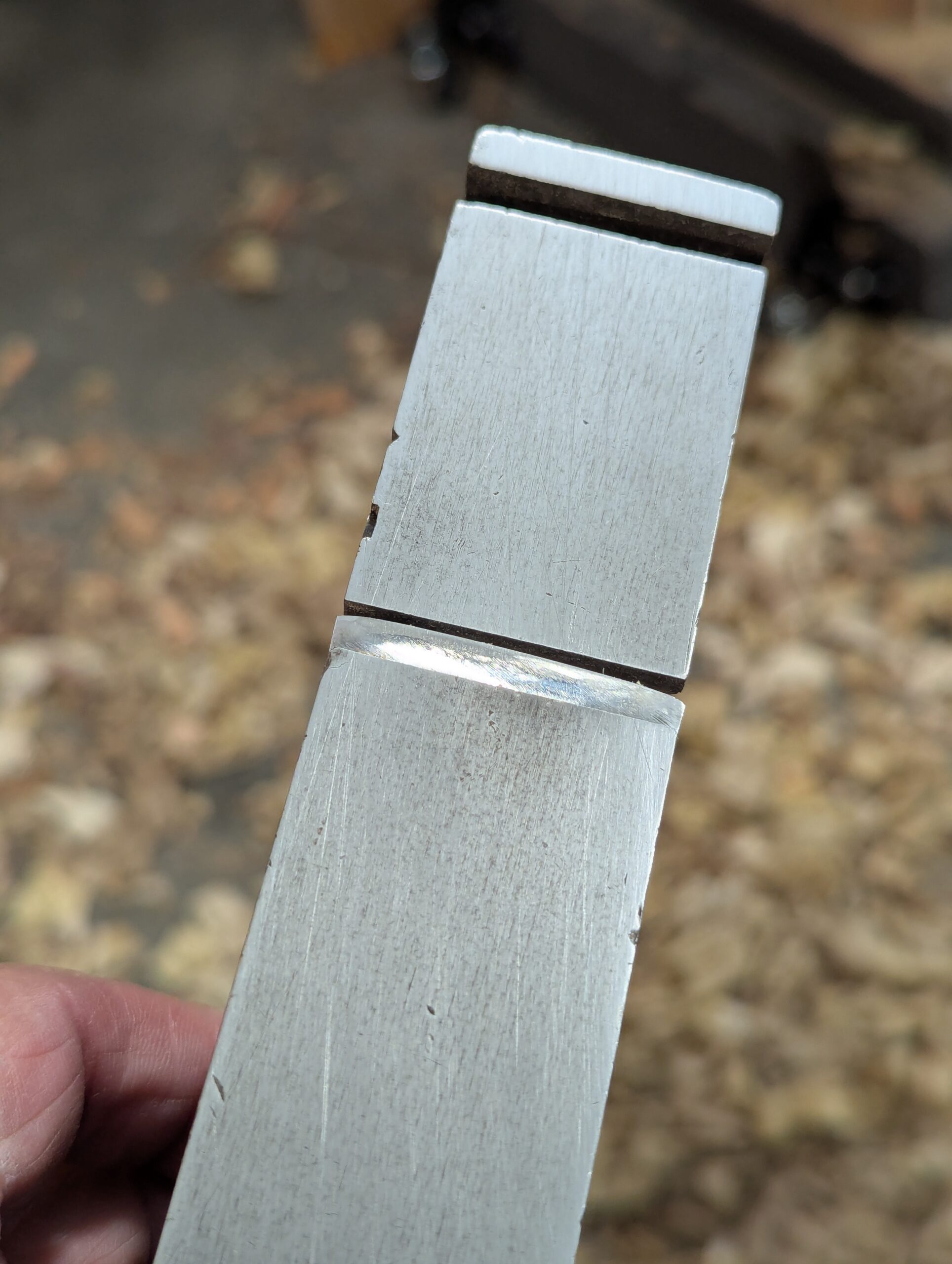
The surface reduction speed with this plane set up for scrub planing is remarkable––truly!
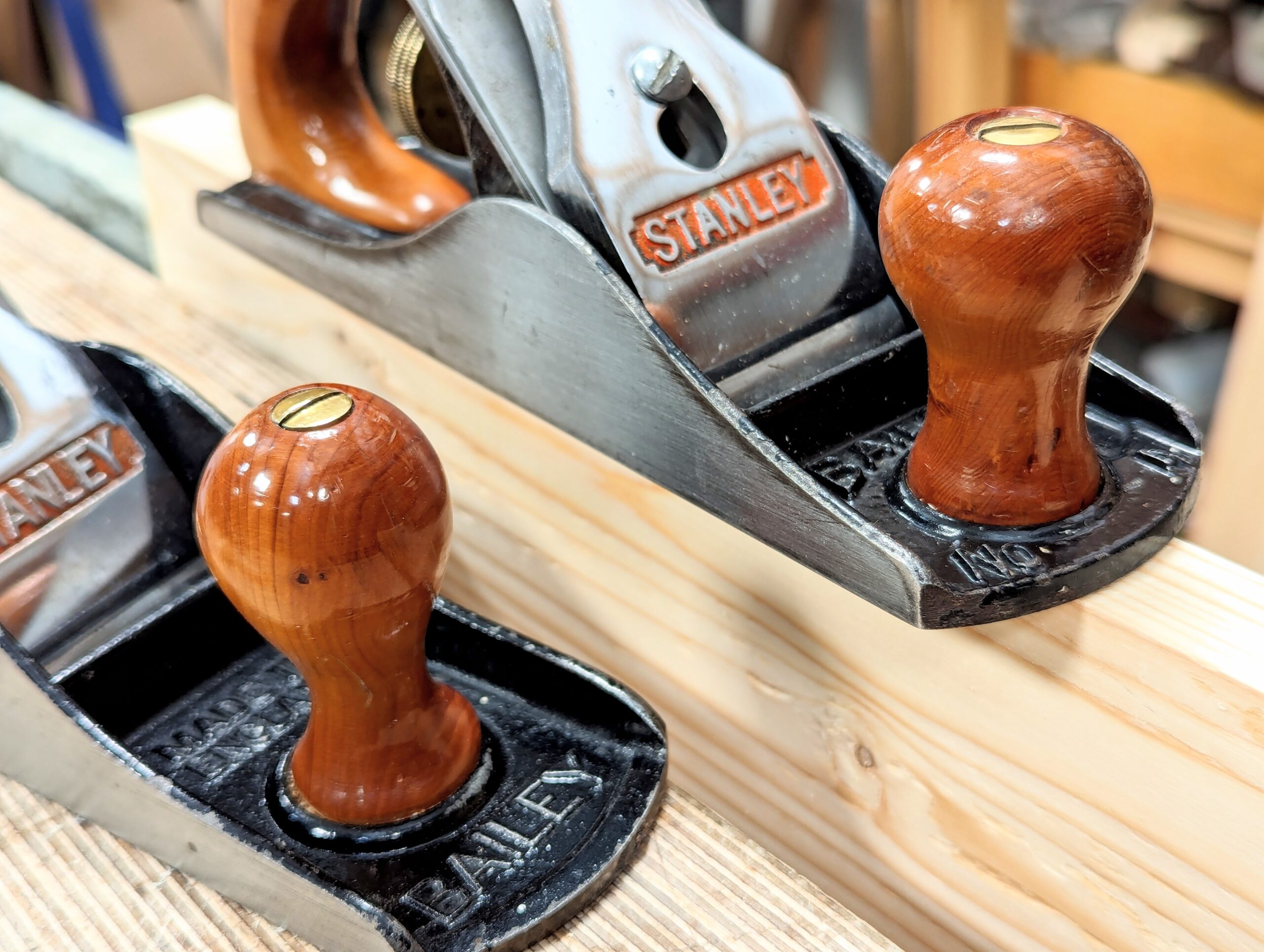
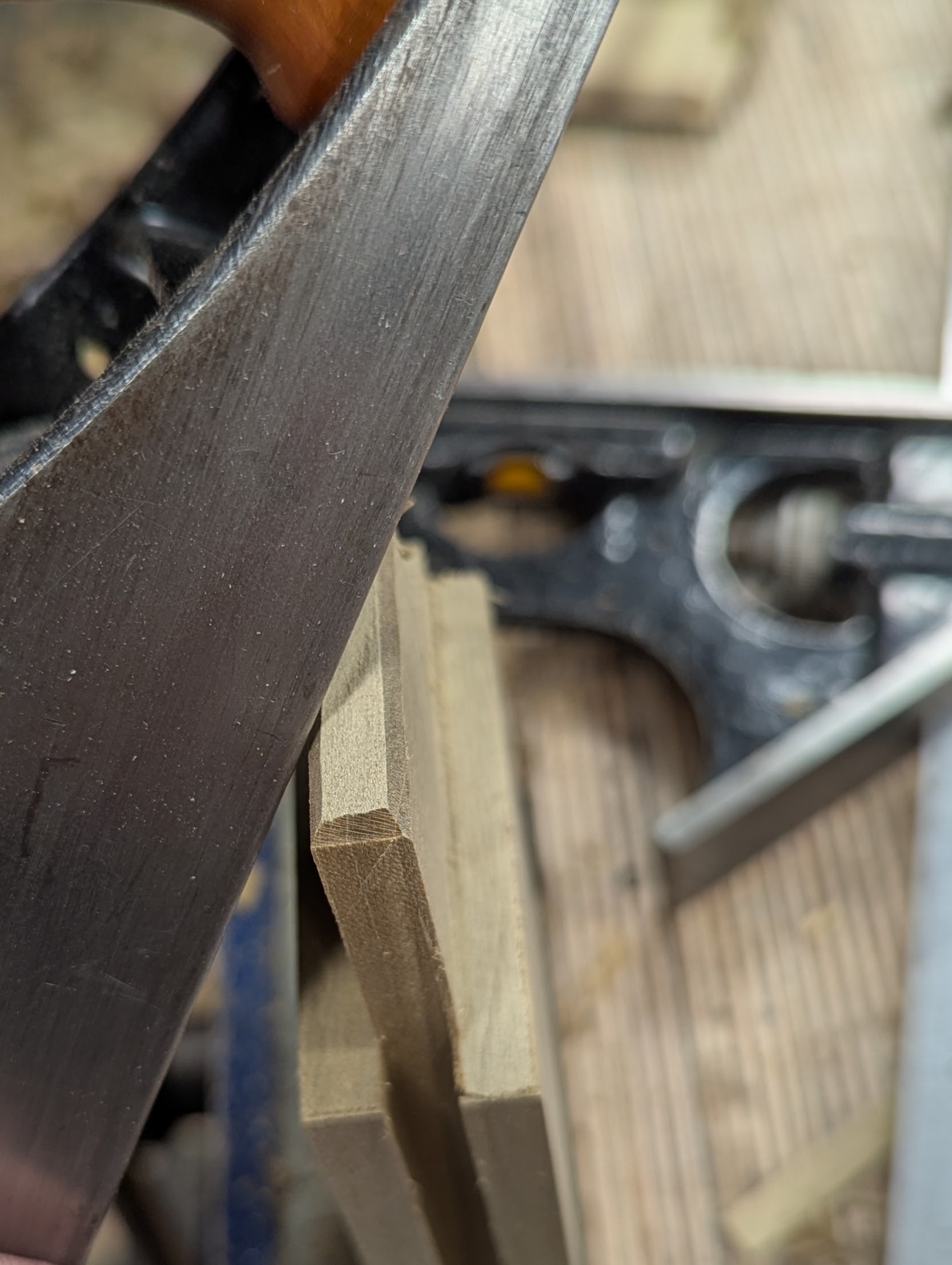
I have two cutting irons for my #78. One is a radiused iron I shape for carrying out scrub planing and such. What's the such? Bevelling and creating chamfers, taking off the arris from sharp corners on some work and bevelling the very ends of my tenons before I insert them into the mortise holes to give the tenon a leading edge and so reduce resistance. Works great!
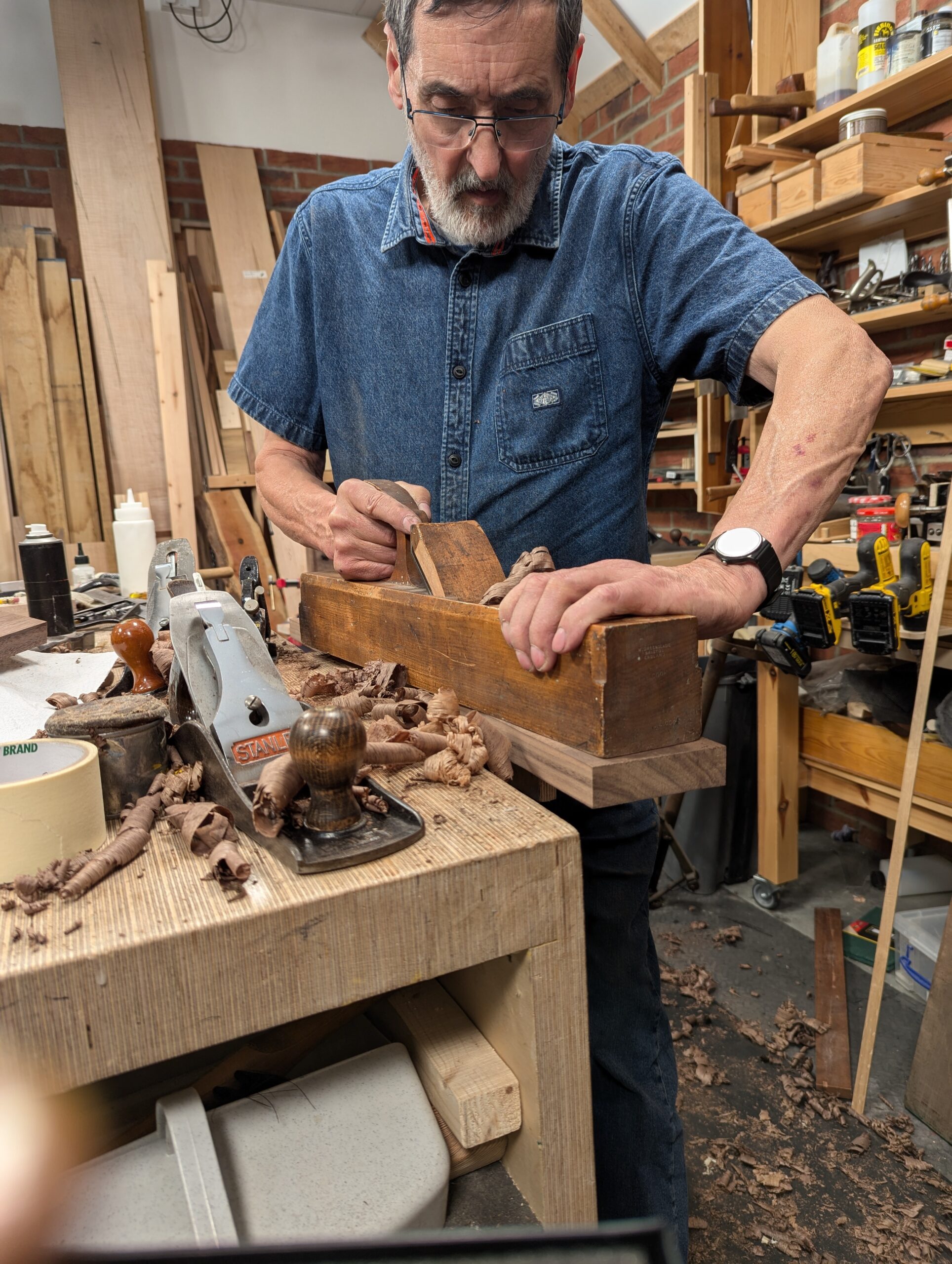
Weight to function is critical for me. I never went with heavy planes––hate them. It's not because I am weak but pragmatic. Coming from an age where all metal planes were pretty much shunned for decades, I simply asked the question of why they were so rejected. It was because wood on wood was as near as you could get to frictionless planing. Until you've experienced it you can never ever understand that that resistance factor was totally understandable yet most modern-day woodworkers use terms like Luddites to put people like myself down simply because we question authority as in we question by what experience and therefore authority do people try with great forcefulness exert their opinions on others. Do I do the same? Well, I have used every type of plane there is and used them substantively. Why do I stick so firmly to my lightweight all metal versions? They have proven themselves exponentially over all others, they are highly affordable secondhand and secondhand ones can be fettled to full functionality in a few minutes and, in a bad case, no more than an hour. Also, if you know nothing about this plane type, stripping it, refining it and setting it up is the essential work of coming to know the plane anyway. A must for everyone bar none. The belief that you need weight in any plane is erroneous. I don't care who says heavy planes work best. Usually, you will find some other energy behind such statements.

Thousands of woodworkers have read through my every blog one at a time, so perhaps you might consider that. Also, if you haven't got your own copy yet, consider buying my book, Essential Woodworking Hand Tools, to get the fuller information on the essence and essentiality of what hand tools work best and do and adapt too. It comes from the background of a working man established as a maker through five decades of working every day with the tools in the book and others too. What each and every plane type needs the very most, I should tell you here and now, is sharpness and repeat sharpening. I venture to say that even when you think that you are on top of that, you still do not sharpen up your edge tools enough and on time. . . talk about judgementalism!!!

I put my #78 aside once I have scrubbed off 90% of the really rough highs to get to the near-bottom of the lows, and pick up a converted #4 for a refined scrub level that's wider. The shallower radius on the wood's surface is discernable but only barely. On a stick of wood three inches wide by 7/8" thick and eight feet long, this whole process takes a matter of minutes, maybe five. Picking up a #4 or #4 1/2 suddenly becomes pure joy. Ten swipes to each face and edge, and you have a pristine surface, needing nothing else.
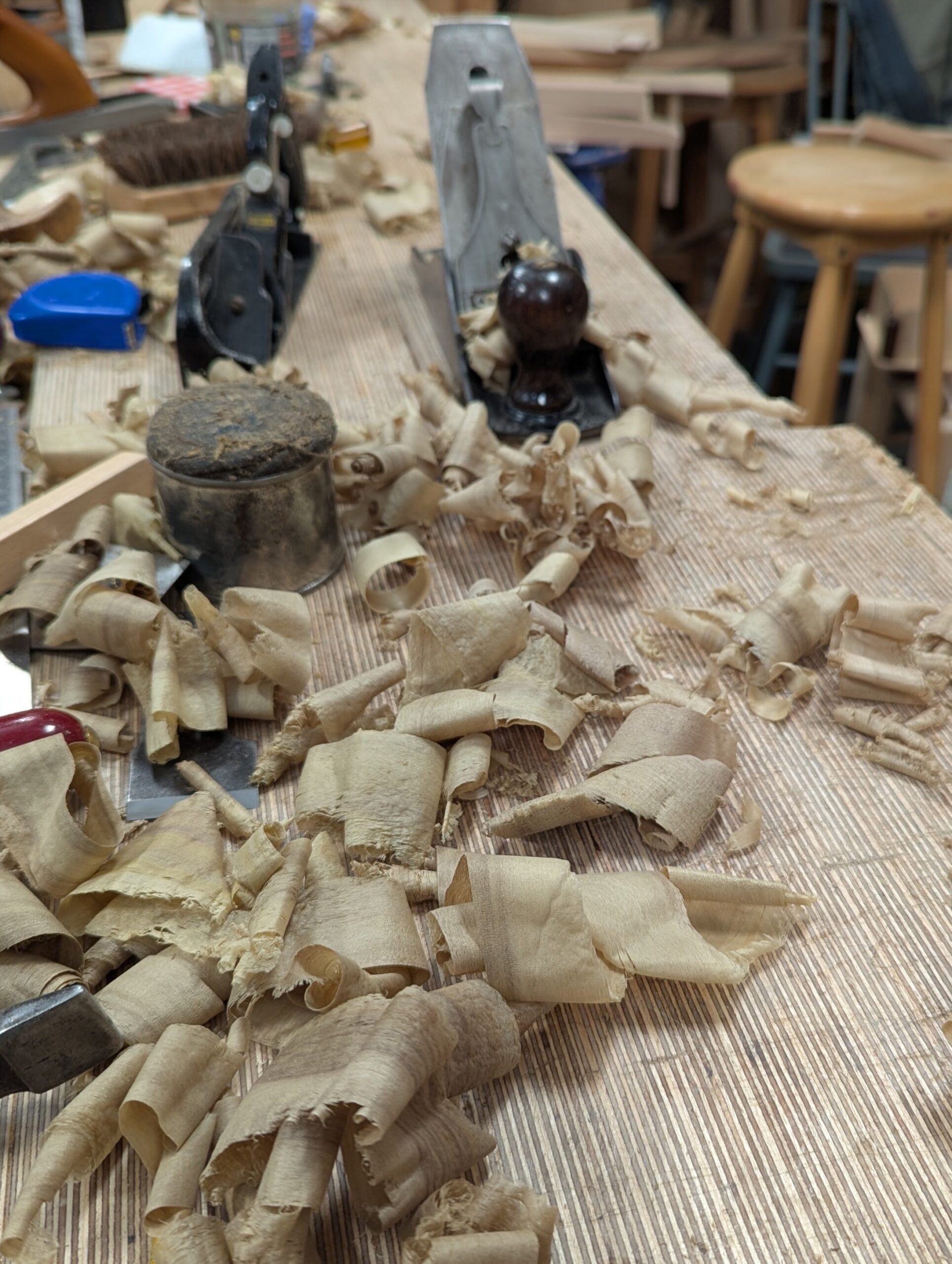
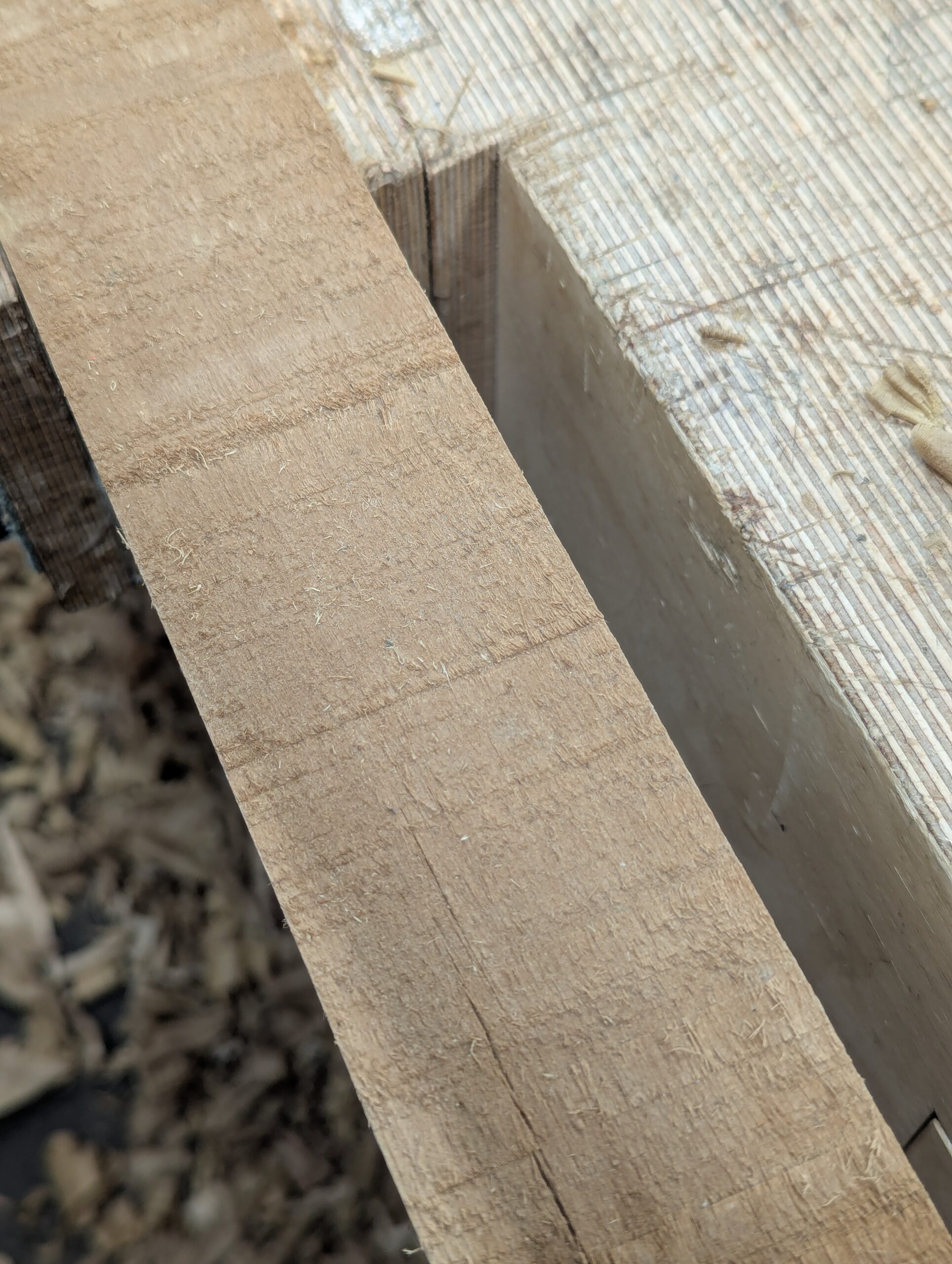

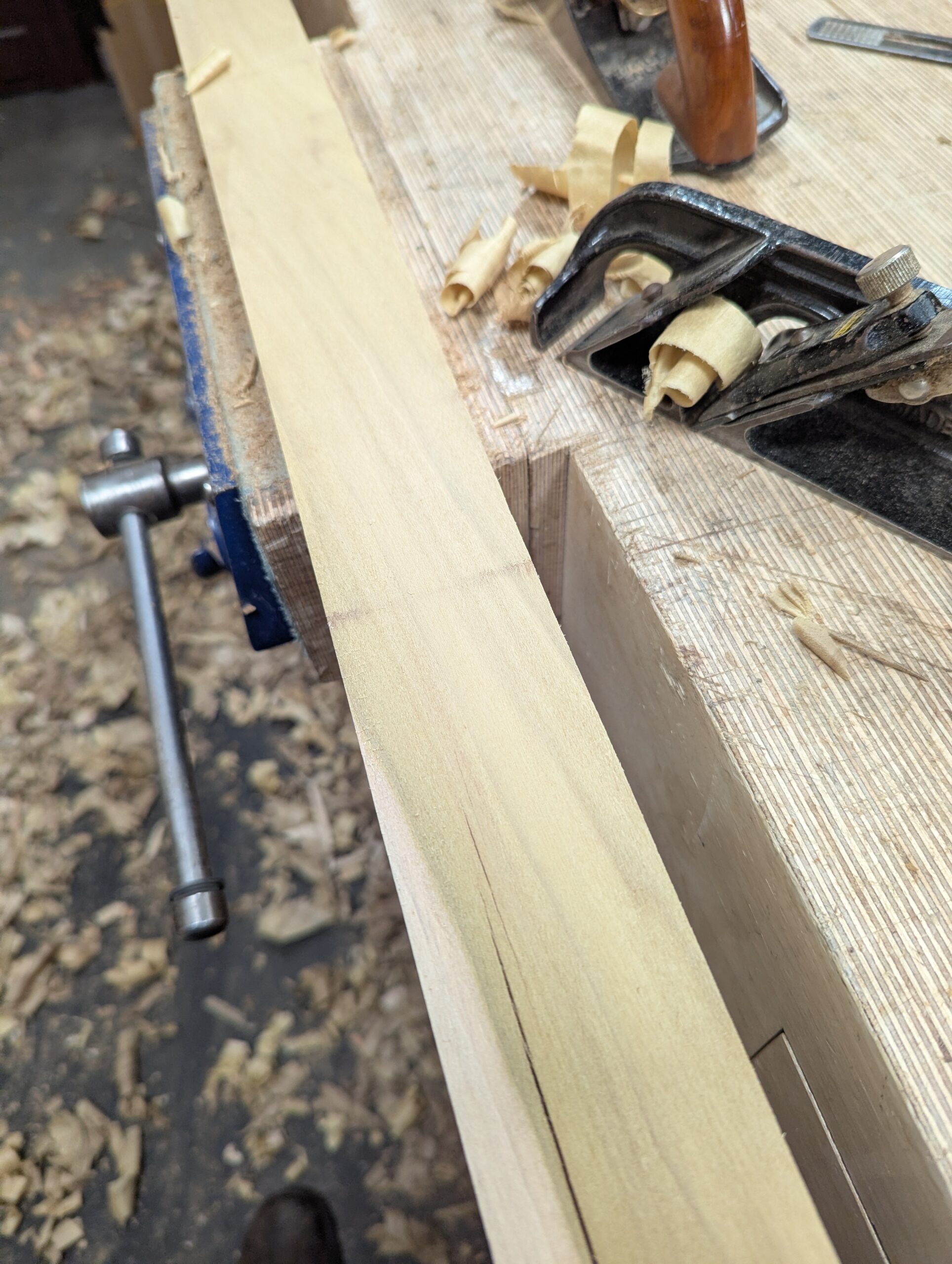
Keep it simple, everyone. Keep it simple!
Comments ()