
Living in Rooms Made For Life
I can't really explain it, but waking up in a bed you made from rough boards and seeing other pieces complimenting the room that you made with the same ten, possibly fifteen ordinary hand tools gives you a remarkable feeling.
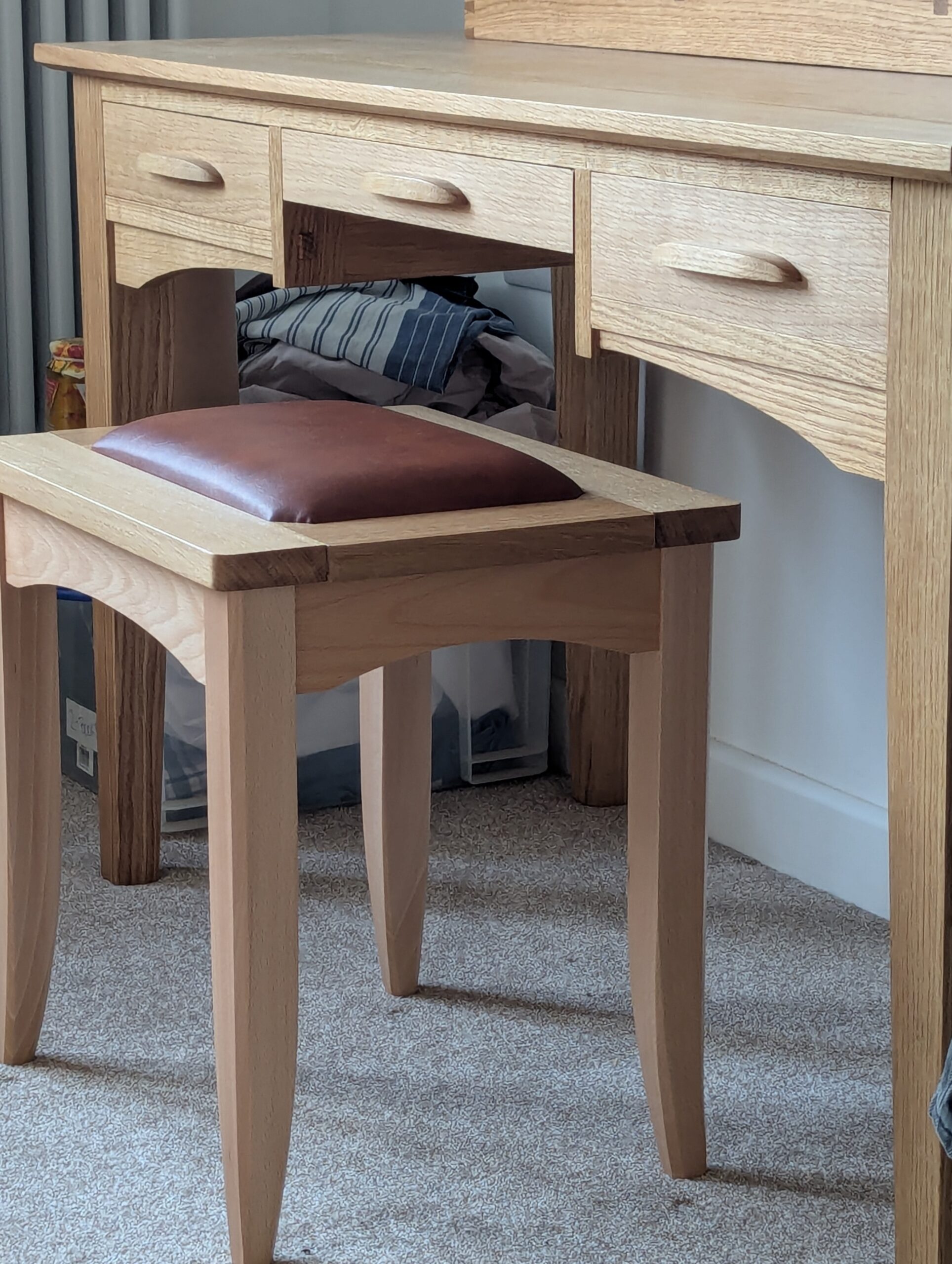
I've designed and made furniture to furnish whole rooms belonging to others on and off throughout my working life. As a cabinetmaker maker, that's what I do, hand make furniture. And though I have filled the gaps in the former rooms I have lived in that had furniture bought from time to time from elsewhere, I haven't really lived in a house where every room is wholly filled with pieces that complement my personal life and then too designs I specifically made for a family space. Since I made the various pieces, I have lived in and with the rooms and the pieces. My granddaughter gets a kick out of checking with me about the various pieces: she looks around the room, she's six years old, and says, "Did you make this coffee table?" Then she goes around the room and asks about the TV stand or the shelf above it, the bookshelf, the chairside tables and the placemats.
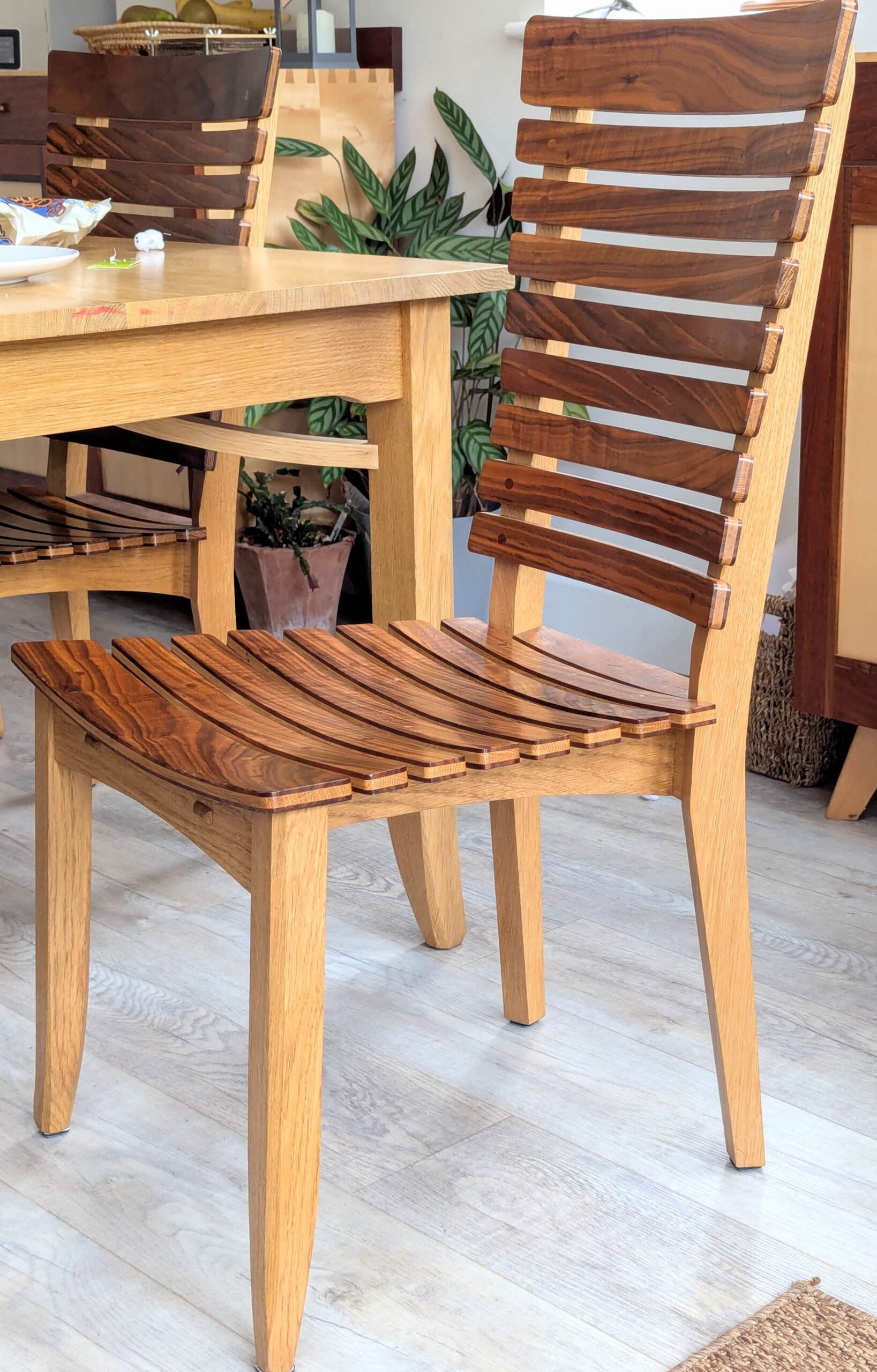
I have tried different things in the different rooms. Testing out your own pieces in day to day living is very different when you are a maker, designing and making to sell. That has been my life for decades. The wardrobes and bedside tables are different in situ than they are at the bench or on the workshop floor. How you reach into and across pieces, the heights and depths of things, take on a different dimension in use in the actual living space. How well did you do?
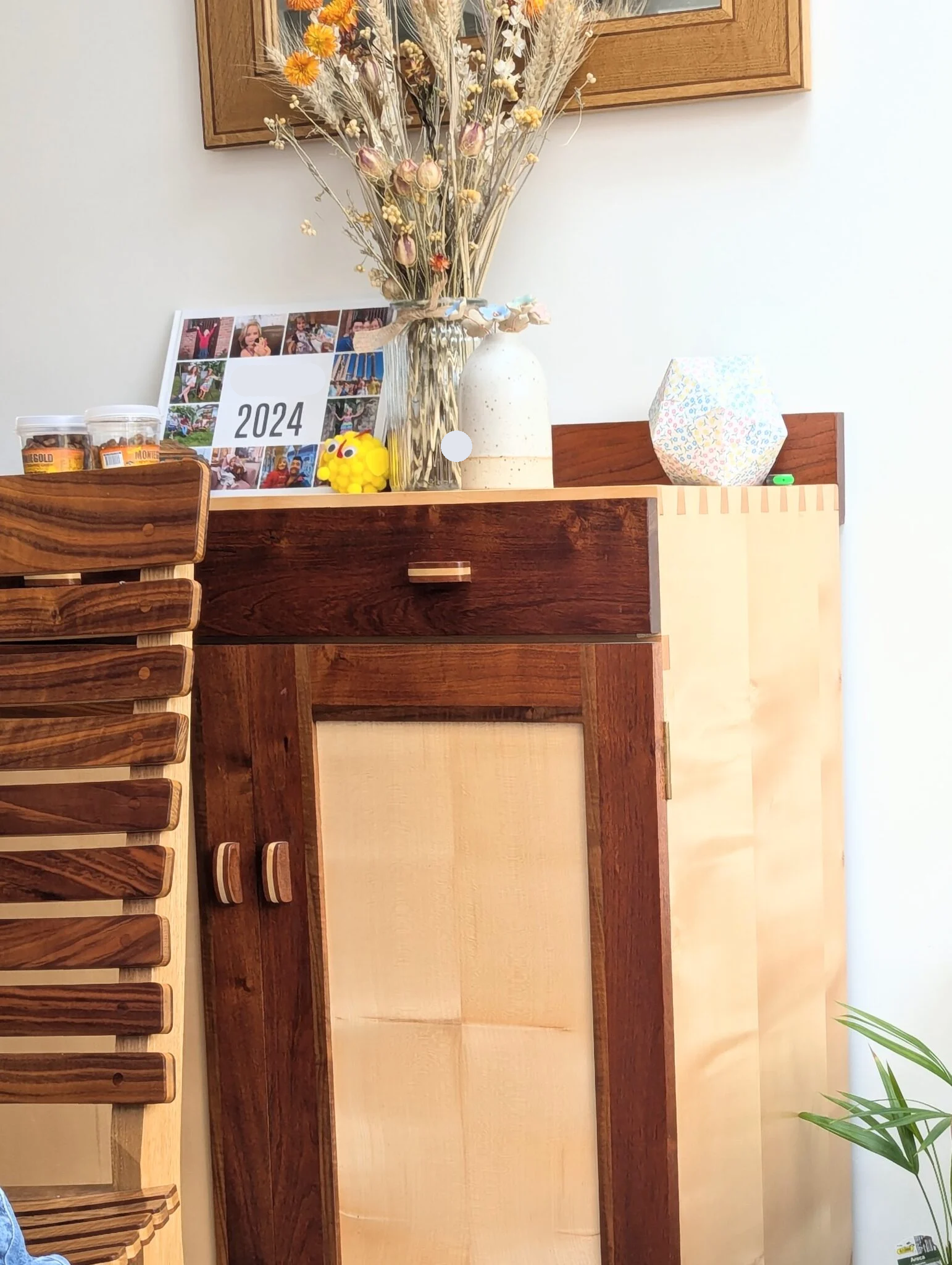
Also, the issues we might face could be a weakness somewhere. One thing that happened through some tight tolerances resulted in drawers and doors sticking. In such cases, the forethought should be to check drawers once a week. Houses are notoriously damp, despite our efforts at dehumidification. The moisture levels fluctuate dramatically at different times of year, depending on a wide range of issues. A stuck drawer needs the atmospheric moisture content surrounding the unit to be reduced. I just happen to own a dehumidifier and so, turning this on a for a few days will usually free a sticking or stuck drawer. This then means you can remove a few shavings from either side, replace the drawer, turn off the dehumidifier and try the drawer once a day. The atmosphere will be recharged almost immediately, but the wood might not reabsorb at the same speed, hence the trial and error approach.
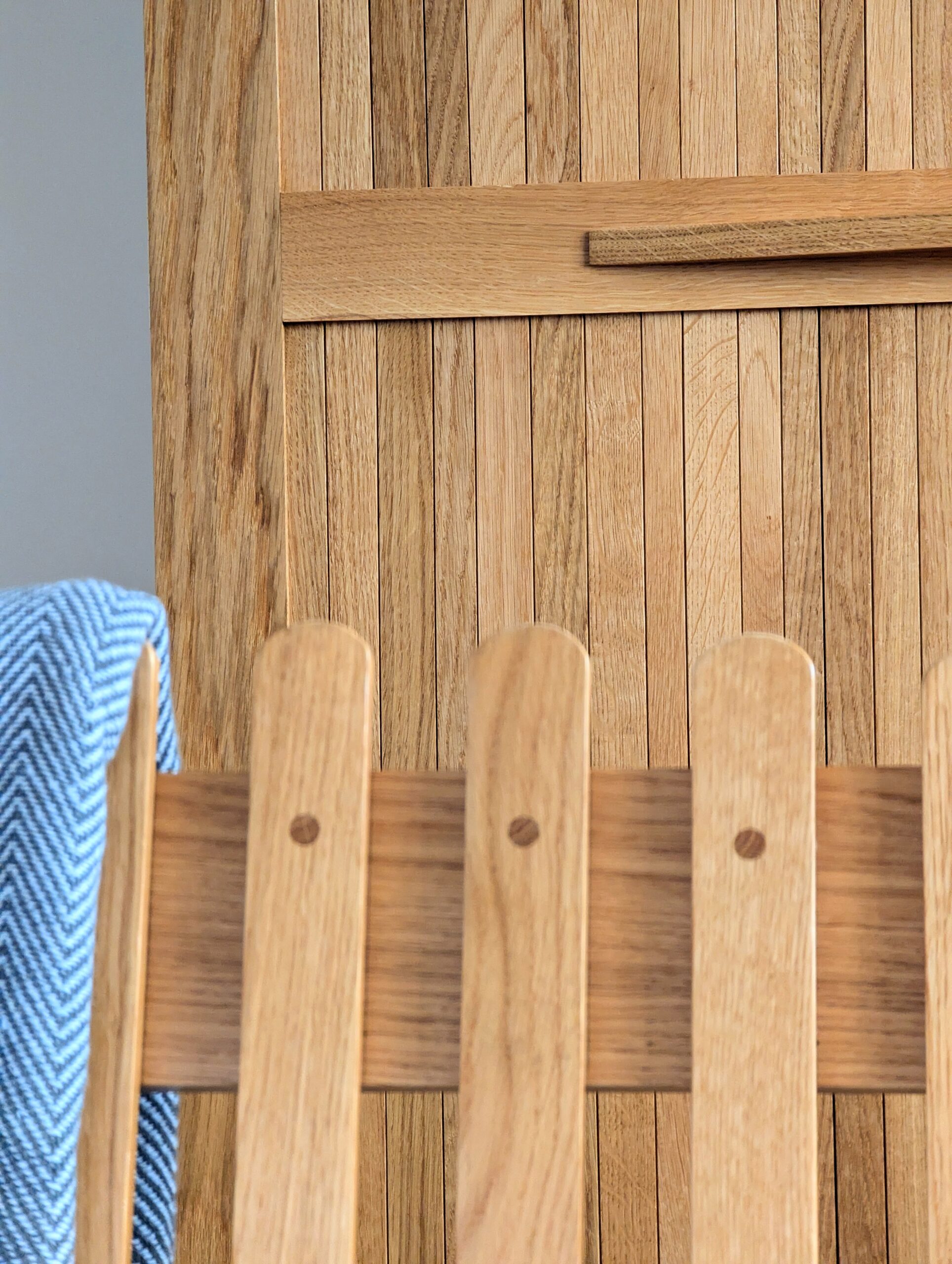
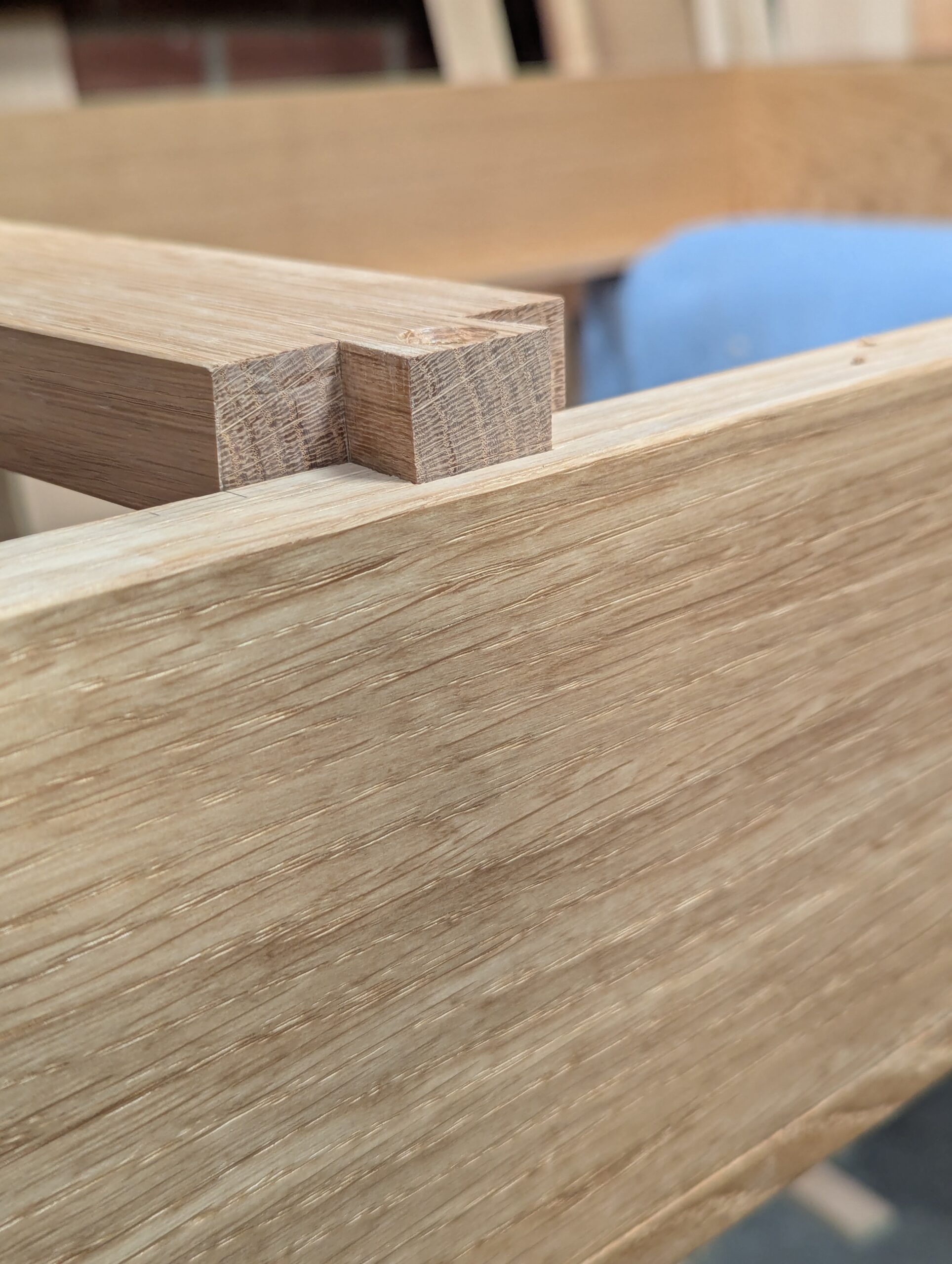
It's really the same with doors, too. On making my wardrobe doors, I made the panels from narrow strips of wood for three reasons. One, I like that tambour look as a design, two, I want to use up skinny strips of wood gathered through the year that I might never otherwise find a use for, and three, it's a creative way of creating panels whether you glue them together along the edges or not. One of my large wardrobe doors did expand and actually had enough strength in the expanding fibres to dislodge the mortise and tenon joint, something I thought would be impossible. I considered the possibility that I might have just missed gluing it in the first place. On all the eight panels, the remaining joints held fine and the strips, though not glued along their lengths, are still tight. I'm really pleased with the outcome after a year's use, and the wardrobe takes masses of clothes and bedding. Lying in bed, looking between my feet and the curved slats of the footboard, it's a very pleasing feeling knowing you designed it, made it, and it works really well. The repair was truly simple. I first checked on the clampability, the shoulder line closed up with ten pounds of pressure. Then used CA glue on both sides, enough to wick in. I applied a clamp and left the clamp on for two hours. When I took the clamp off, it stayed.
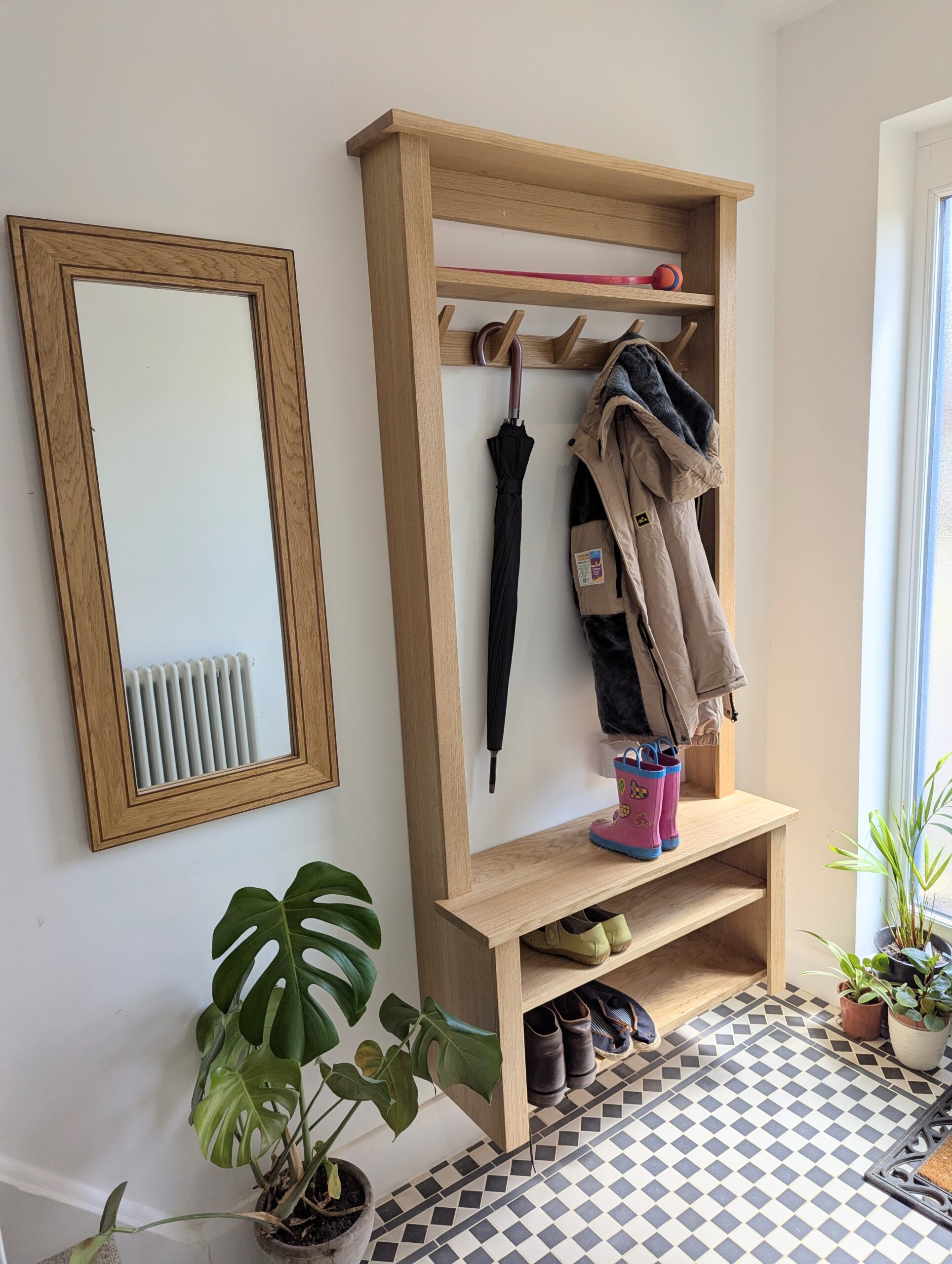
My latest piece is the cabinet I made for the hallway to the house. When guests come, it's an obvious answer to coats and brollies, hats and gloves, a backpack, even. It's a welcoming piece that says, "Hi!"
I'm not a puritan when it comes to joinery. Screws and nails and other fasteners help out with flatpack delivery and awkward staircases with dog-leg turns in winds. A single screw through a dovetail is an instant clamp where clamps don't work at all.
Living in each room over the past five years is the real test for heights and depths and widths and functionality. Small changes can usually be made, but I haven't needed to that so far. I can see adding another shelf here or there, even choosing a different finish or a different wood. I was surprised how dark the mesquite wood went through oxidation, but not equally so. I realise now that that's because of the location of glass doors and roof lights. Cherry did the same in the living room but less dramatically. I did anticipate that, though.
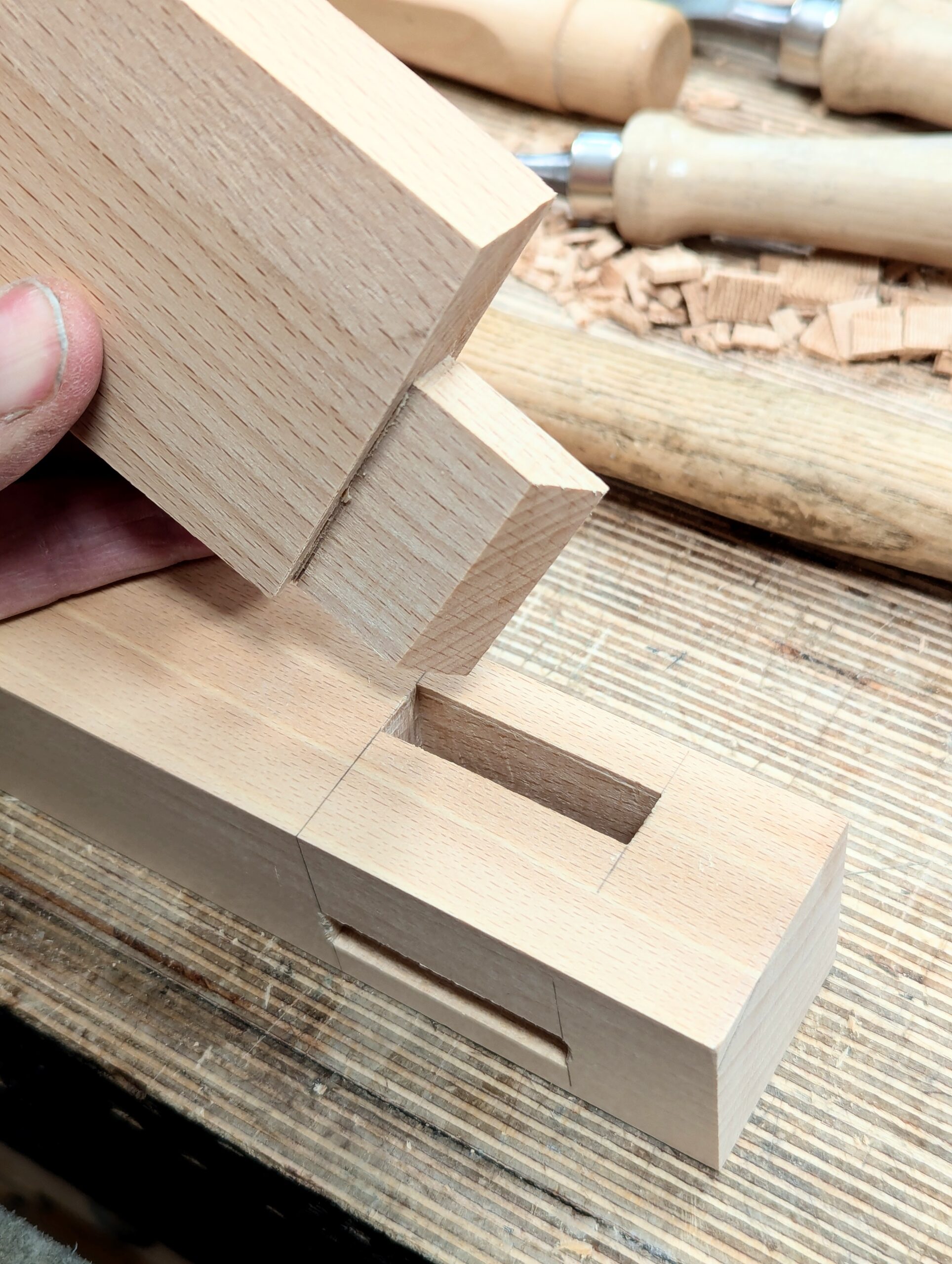
The root word for joinery gives my craft its much deeper meaning than mere woodwork and woodworking. This root word, harmos, is the word from which we derive the English word harmony. I like to think that joinery results in both our harmonious pursuit of joinery and woodworking but then too a harmonious outcome in a freestanding work of art. Within the limits of my garage workshop, I find indescribably harmony most of the time. How do you put that dollar value on a craft so fully understood?
Comments ()