
Writing On a Lived Life
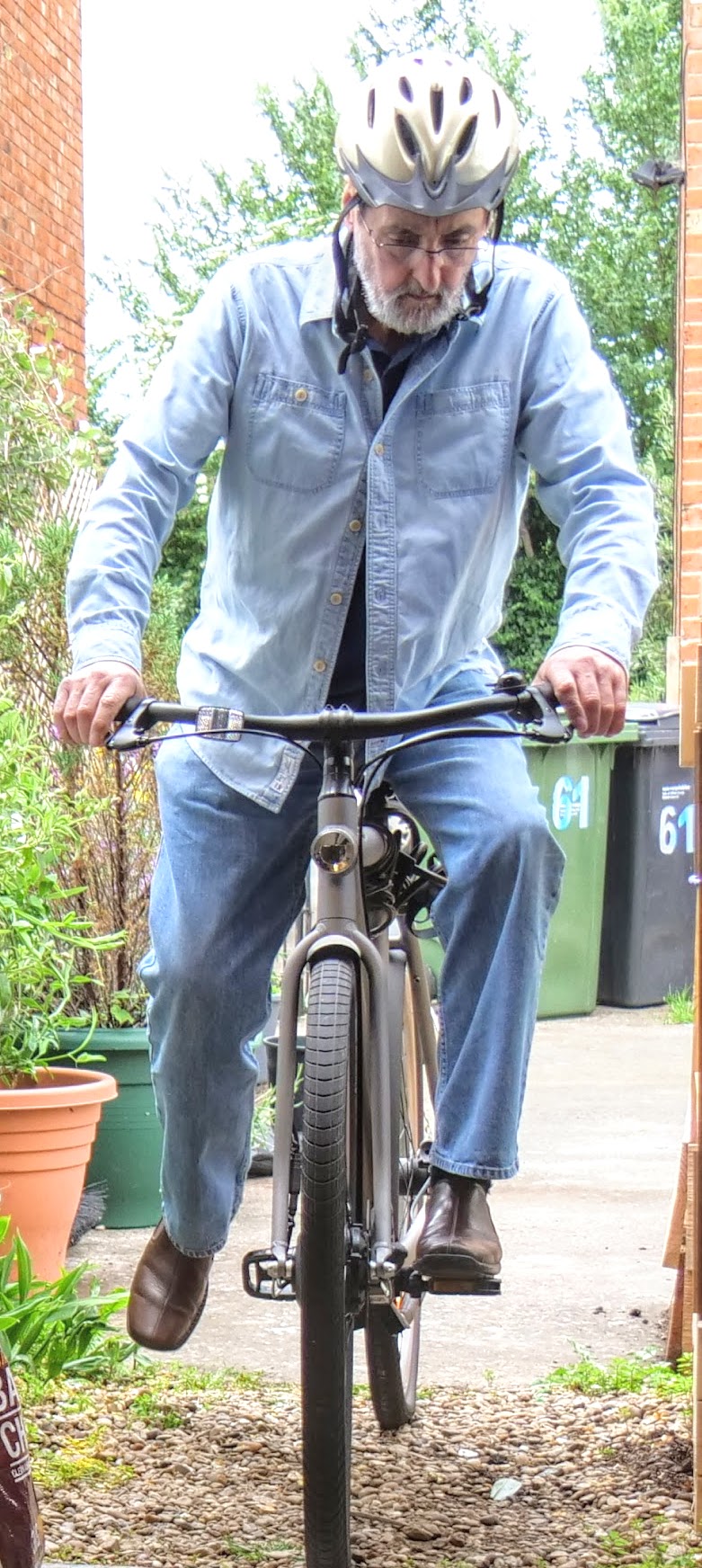
In past years, like many of us, I've had to recover from different things. The most recent of these was recovering from three busted ribs after a man, an athletic runner, chased after me and with no warning, rammed into my back. I felt my ribs pop on impact, before I even hit the ground to land on top of the bike I'd been riding. Of course, I could no longer breathe. It's an ongoing case that's now before the UK's Crown Prosecution Service (CPS). The man will face up to his aggression in court. Thankfully, I have pretty much recovered.
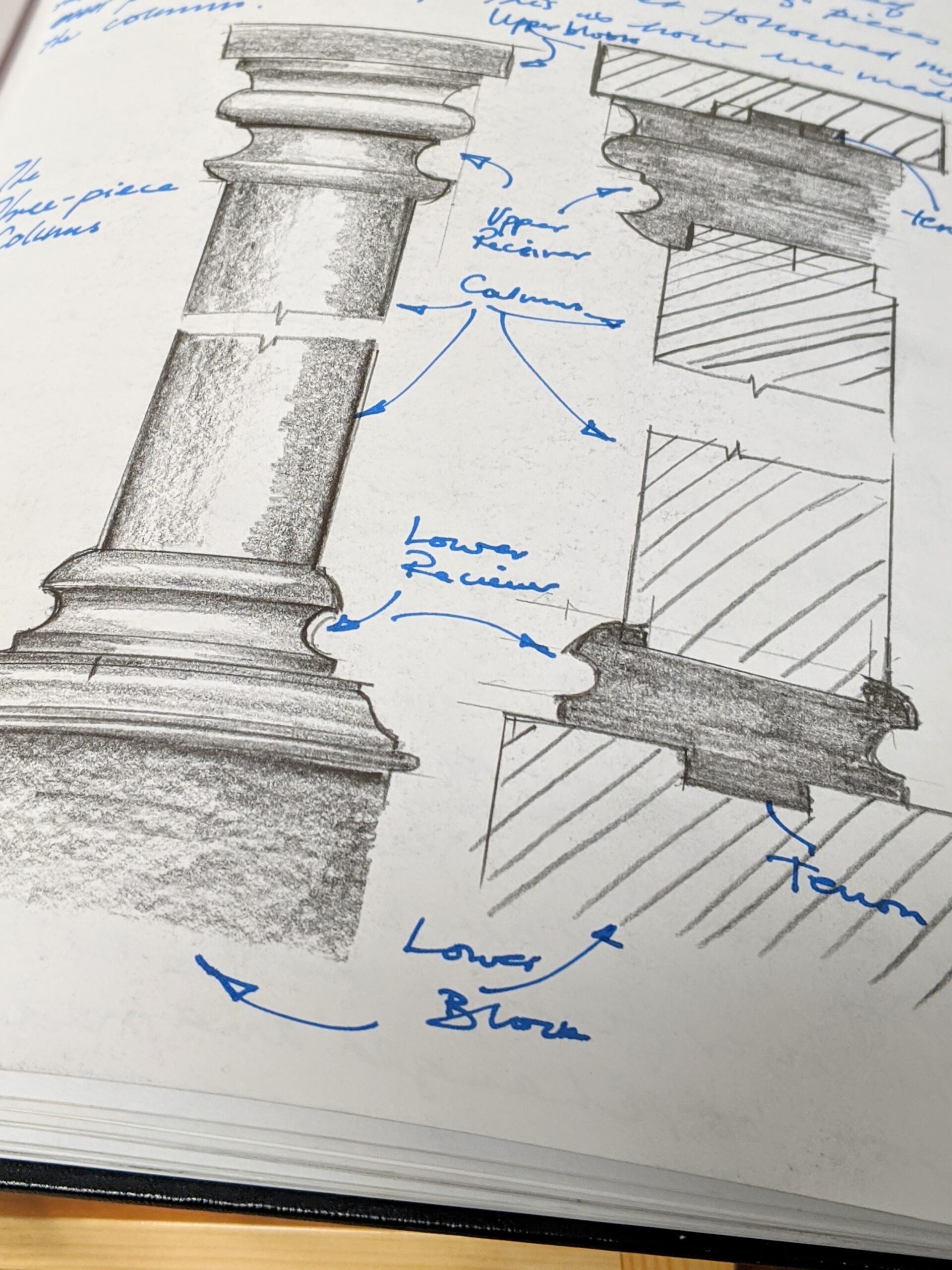
I've taken different steps of late to focus part of my writing on another less evident aggression I might at one time have discounted as being of lesser importance, but not at all of no significant importance. Over the last couple of years, I have written more about my life to produce an account of the most powerful influences and influencers in my life. Periodically, I wanted to acknowledge the people who changed my life at different stages, so it starts at home with my parents, passes through the schools I went to, and then it comes to my apprenticeship days. The craftsman teacher and mentor who taught me my trade, George, is, I think, the most pivotal. You will mostly know of George through my occasional writings already, when he himself will most likely have forgotten all about me. He was the single most influential in that, yes, he taught me my craft, but then too he taught me maths, English language and social studies right there at the workbench as we worked together building things wood.
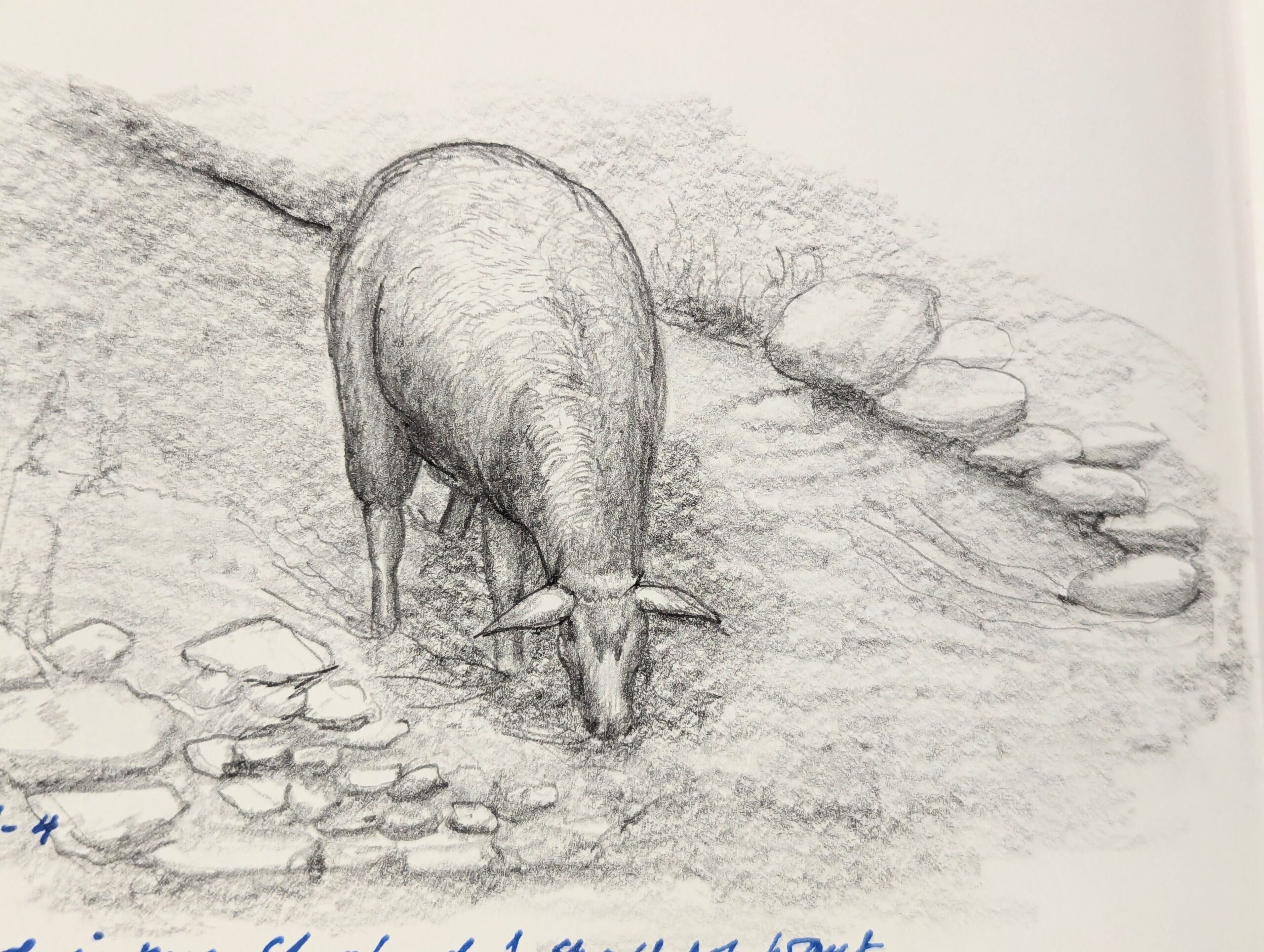
When I think of George, I think fondly of a parable told by a man, 2000 or so, years ago. This man was trying his best to describe how we should or could be seen by others we associate with in the day to day of life. The narrator described two groups of people, and likened one to sheep and the other to goats. If you know anything about these two animal types, you will understand the difficult nature of one type and the more compliant other. You can herd and lead one type, the sheep, but never the other. The compliant ones were being praised by the narrator because they all did the right thing in taking care of needy situations, whereas he reproached the other group because they took care only of themselves. George was a man who always seemed to me at least to take care of the needy. He took care of me for six years in the everyday of my younger work-life. I'm most grateful to him above all others. But then here is another contrast, though, a more important one: In the narration, the narrator praised the sheep for all the good work they'd done, and the sheep replied, "Master, when did we do these things?" For they were not conscious of all the good they did, they just did it, and it came naturally to them. When he chastised the other group, the goats, for doing only selfish things, they said similarly, "Master, when did we not do these things?" The claim of innocence paralleled their stubborn refusal to acknowledge their selfish ways.
I am sure, like everyone who writes an autobiography, that the words written end up being quite cathartic. It's the recognition with hindsight that gives you a more insightful consideration of the decisions you made over the years and decades. What you thought you did for this reason or that can end up being exactly the opposite. Often, more than we care to know or admit, we must see what something is not to see more exactly what it is. Sometimes, we have to see that what we thought was altruistic, kind, loving, was no more than the manipulation of our lives by others. In some cases, mine for instance, your belief can be all consuming. You give the whole of your being to it and at the end, well, you might just lose everything. How about your home, part of your family, your job, your work, your business and many of the things you brought to birth in your life. The last straw for me came from multiple directions. How about the thousand people who were all part of your closer and wider circle suddenly shunning you? Well, the book walks you through the life of a simple artisan on a journey in his woodworking through the traumatic outcome of a life living in "an alternative reality" to come out the other side to survive and thrive and be stronger than he was before.
The wonderful thing about my early years are the vivid memories I have of people, places, scenes and atmospheres. I have just completed those first 200 pages of solid text covering that, and thank you, all of you out there who nudged me in this direction by asking for the account. All those early personalities are in there, of course they are, but coming through those difficult times I encountered in school and on into the wonderful but still awkward years to maturing adulthood, working with the unique men who steered me into my future as an adult craftsman, has brought me through to my writing about my new life in the USA and the Texas experiences specifically.
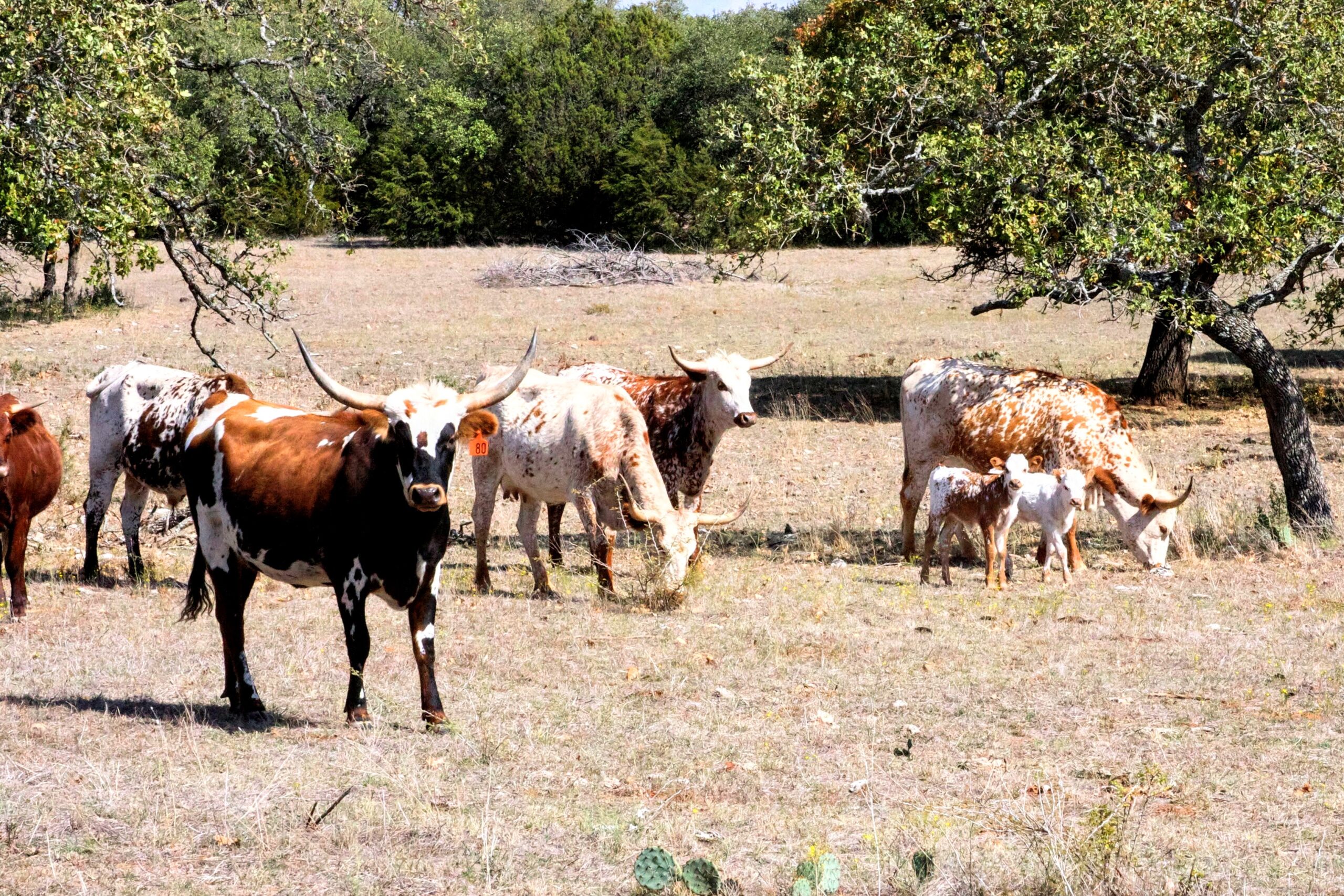
My early years of Texas life were unpredictable and exciting to say the least. It was a unique adventure no one else can live for you, but in the backwaters of south Texas, beyond the sidewalks and city streets and 80 miles from the nearest real city, I found a new life I loved living. To go from city living in South Manchester, UK to harvesting my own Mesquite, Ashe Juniper, Cedar elm and Pecan trees in the wilderness of a million acres in South Texas, surrounded by large and very wild herds of Texas Longhorn cattle, watching out for rattlesnakes and the odd mountain lion, I discover a life of self-reliance, resilience, loss and recovery and restoration. In my writing, and I am just beyond that period, moving away from the Texan southern border now, and on up towards central Texas. I'm moving along the first leg of the famous Chisholm Longhorn Cattle Trail but not in the 1860s-1880s, I'm in the 1990s on up and working between then and 1995.

The more recent years are all the clearer. The shows I went to popped up at different points every year. Selling my pieces large and small took place at shows like The Pecan Street Festival on 6th street in Austin, or Fredericksburg's Oktoberfest, places like that. This was the point where life changed dramatically for me and my family. I'd found new life in the USA, yes, and one I loved, but I also found people who professed one thing whilst living another. It's all in the book. People of faith that took my designs and the pieces I made, made them themselves, and sold them as their own, after they'd stopped working for me. Another pocketed cash from the till regularly to increase his wages by stealing and lying about it, that sort of thing, but then in many ways far worse things happened in my latter days living just north of Waco, Texas, roughly where the Chisholm Trail crosses the Brazos River and the last time I saw a mountain lion loping across the river in three long leaps.
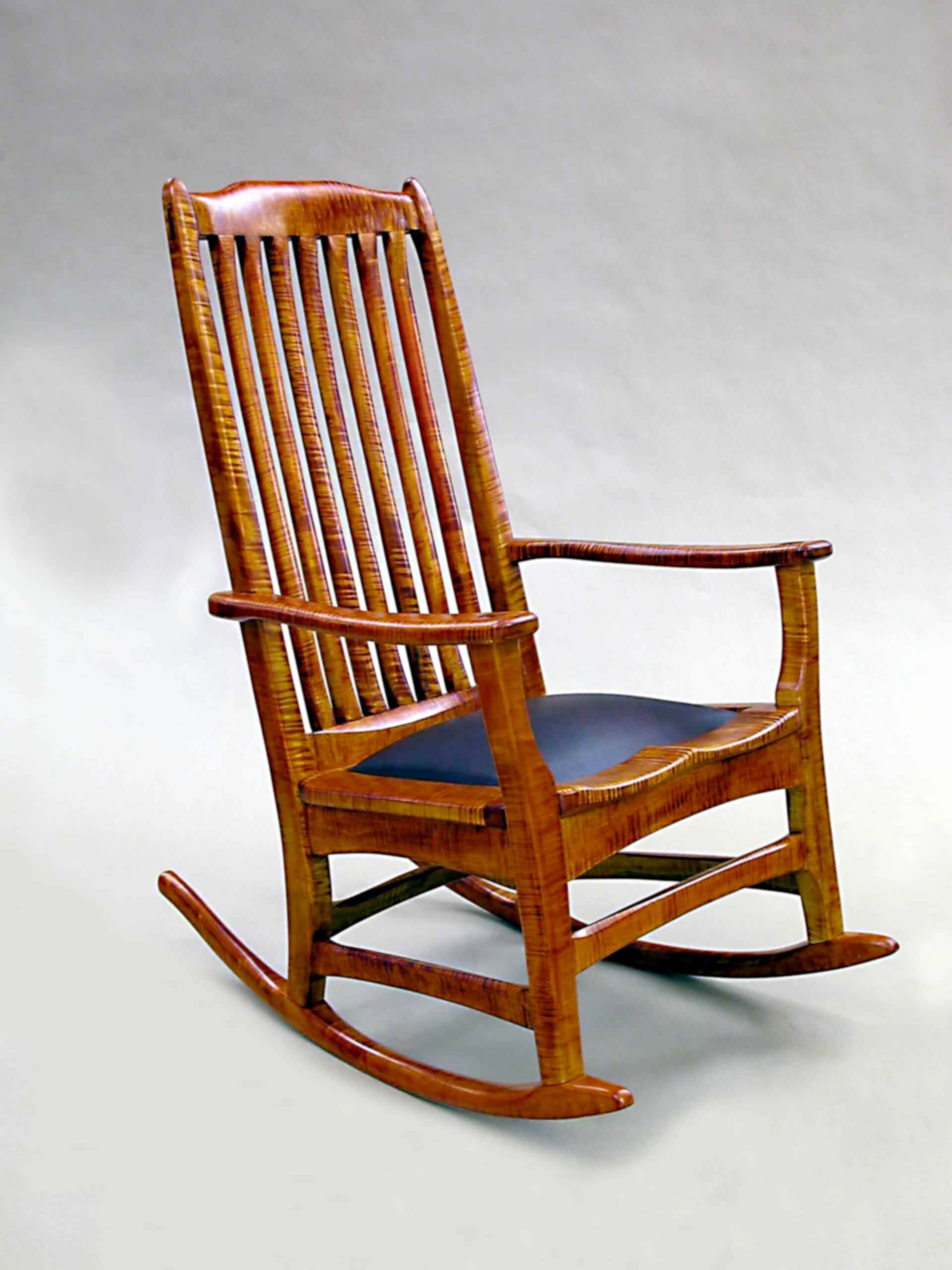
Of course, many of those who befriended me in the wild places, in my early walk in Texas, had a sincerity in their lives that was expressed through their genuine and sincerely lived lives. I look back on this handful of friends, ranchers and plumbers, the host of a Houston-based radio station, as I do on the Georges, Bills and Dericks of my early apprentice life in the UK––pivotal influencers always watching over me as many do even now. I'm hoping to close the final chapters of living state-side and then what it took to re-establish my life independently, returning to pick up the pieces and rebuild from the fractured remnants after leaving the USA to live back here in the UK. In the book, I am able to give a fuller account of all the marvellous people `I came to know from my Texas life. The ones that placed stepping stones in the mud and mire to stop me from slipping.
Arriving back to live and work in the UK with my family, it's 2009, I'm now 60 years old bar a few months, and the next leg of my adventure begins. I had left just about everything I owned behind me after living what the people I knew then called "an alternative life". Leaving Texas was one of the hardest things I ever had to do. The truth of my autobiography digs a little deeper than most might care to go––different than in my usual writing but just as truthful and real. I needed to fathom just how we can possibly give up almost every personal freedom to be absorbed into the lives of others, only to then find our life has somehow been taken over, even by something we did not realise was quite so invasively controlling and abusive. When I came to my senses, I left the USA and the life of woodworking I'd truly loved, creating pieces like those I made for the White House, with very little to my account. I had no other resources to draw on beyond what I could make as a complete unknown in the UK working with my hands. When does community life take over just about every dynamic of your life? Do we realise it's become a cultic association and is it possible to understand that, when looking from the inside of something you believed in, having given your life to it? I think it's important to answer these thought-provoking questions, don't you? By the end of the book, I hope to answer such questions and more. The end result is to see what something is not, to see what something truly is. Exactly what will that be?
Comments ()