
It Came Out Right
I remember when #4 Stanley planes would sell on eBay for around one pound, or even less if it was an English version. There are remarkable differences between some UK Stanley models and US versions. Oh, it's not really in functionality or quality where the difference lies, none of that, they both work exactly the same, it's more in availability. There are many more UK planes available than US ones. Considering that the population of the US is roughly six times more than the UK, why do they have so small an availability of these planes secondhand in the USA`? Well, there are a couple of reasons, not the least of which is and was the abandoning of hand tool methods throughout the decades of the last century by those in commercial realms. Power equipment took over, yes, but then too there was the diminished and diminishing influence of the unions and guilds that held things in check in Britain and then our old-fashioned principles that slowed so-called progressive ways of woodworking. By the mid-century and post World War II, progressives in woodworking state side had succeeded in dismissing anything that didn't have a tail plugging it into an electric outlet. A decade's difference and 12 volt batteries started to emerge; great big sticks sticking out below the motor and anything without was relegated to the archives of tool history.
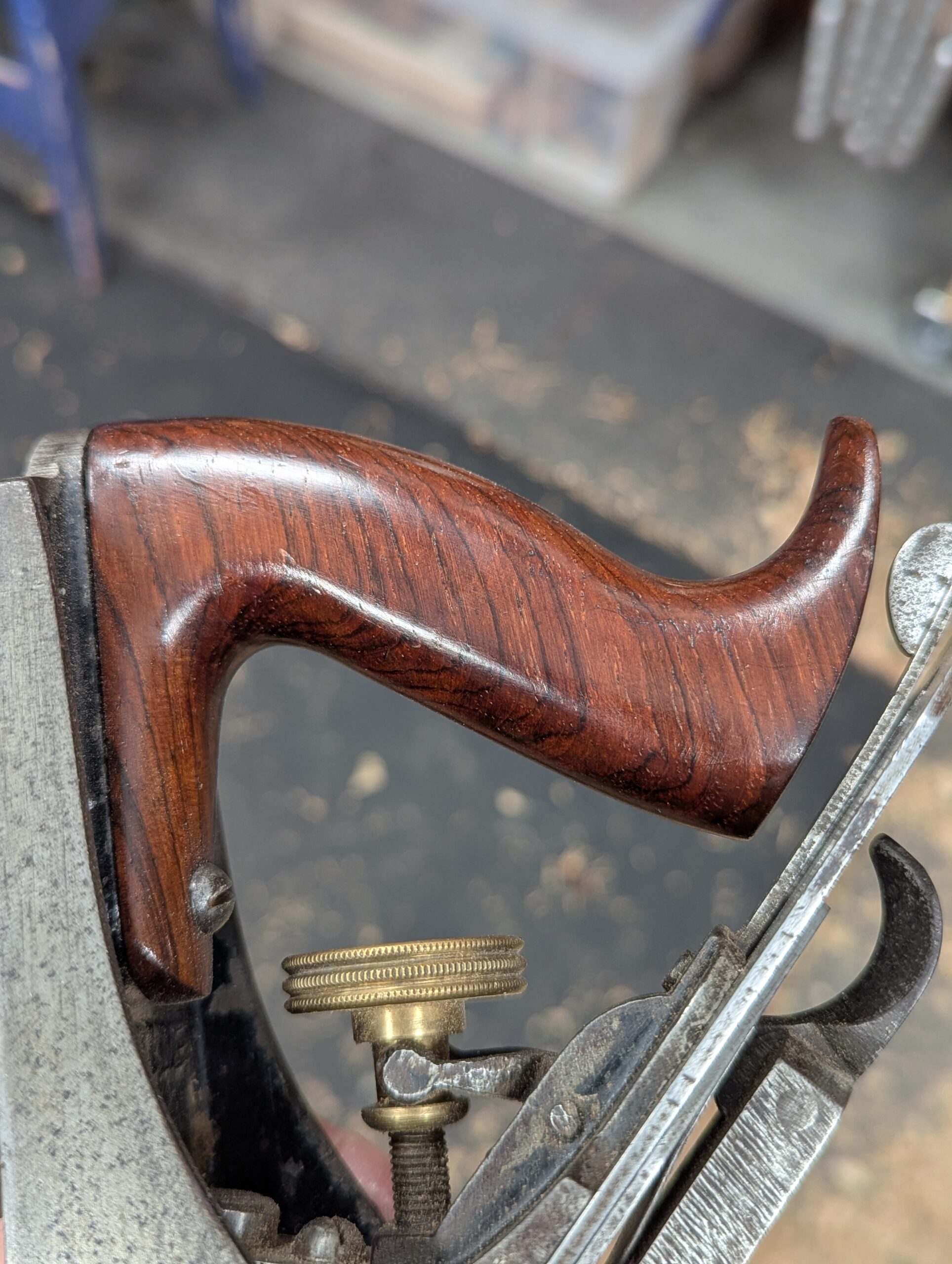
The UK's ubiquitous #4 plane started to appear on eBay back in the first days of eBay, selling for as little as a pound and costing more in shipping and handling charges to actually get. The prices remained steady and though I knew my influence back then would and did increase the price of secondhand versions, I predicted that demand could never outstrip supplies even if the makers continued producing them. No matter the demand by amateurs, there are enough UK made Stanley and Record bench planes to out supply both amateur and professional level of demand. This translates into there being a hundred or so UK made #4s being for sale secondhand for around £20 or less and all of which will take no more than an hour's fettling to give you an excellent working plane for a lifetime of woodworking (60 years, full-time, daily using 8 hours a day in my case) The fact is, we in Britain clung to these tools in the day today of woodworking, both in professional realms and private home use for our hobby. The power equipment had a much slower uptake in and throughout Britain and Europe than the USA where there was no time for smelling roses and the, "Gotta make the money!" was the going phraseology.
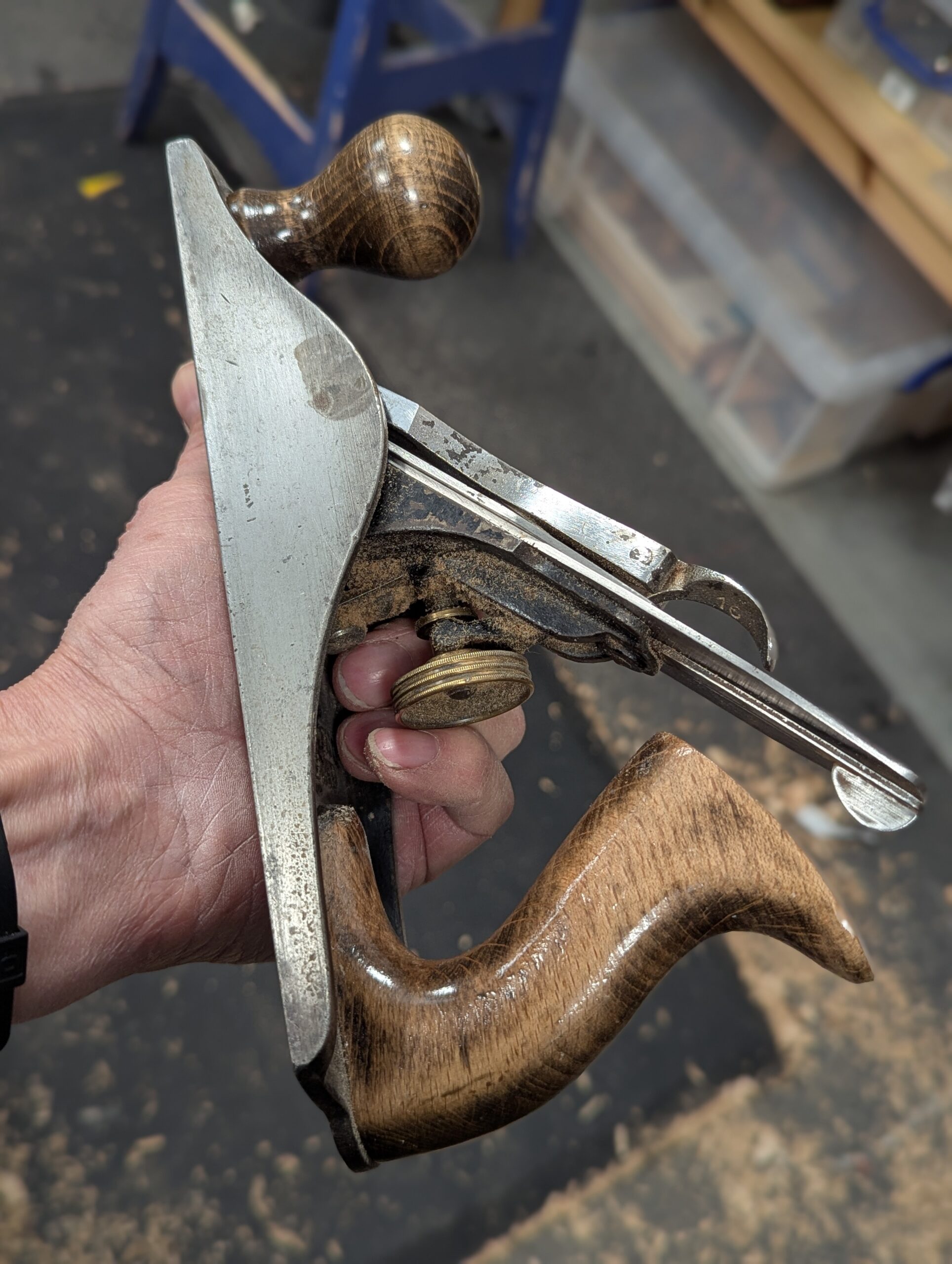
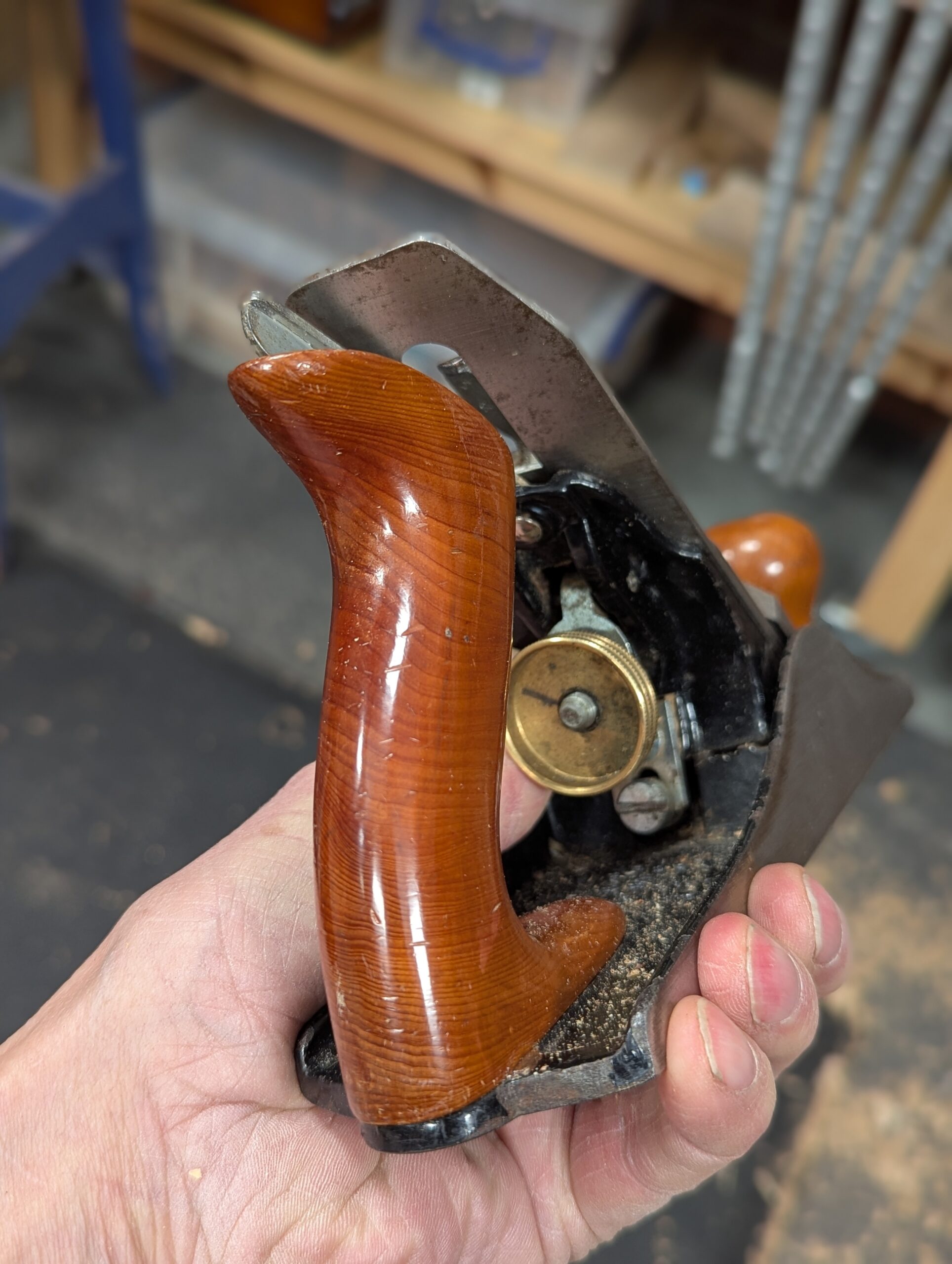
Even now, you can still pick up a decent #4 Stanley for £10 if you watch and wait. I have even bought 'buy-it-nows' for little more than that. No cracked handles and full-length cutting irons with not a degree of misuse. The saleability of the American versions is the slighter build and the rosewood handles. Even though rosewood handles have a propensity to weakness resulting in cracking in about a quarter of the time a beechwood version does, the feel of them when they are well-worn but well cared for is unmistakably good. This accounts for premium prices coming from our American cousins. Functionally, they are no better. My retrofitted Yew handles on my UK model Stanley's transformed the feel of my planes to match and surpass that of the rosewood versions, and, of course, the interlocking grain of Yew makes them superior.
I say all of this just to say that hand plane prices of Stanley Bailey-pattern planes, the model I prefer to BedRock for several good and just reasons, is secure in price for the ensuing decades of generations and there is no reason to pay more than £20-30 for a decent one.
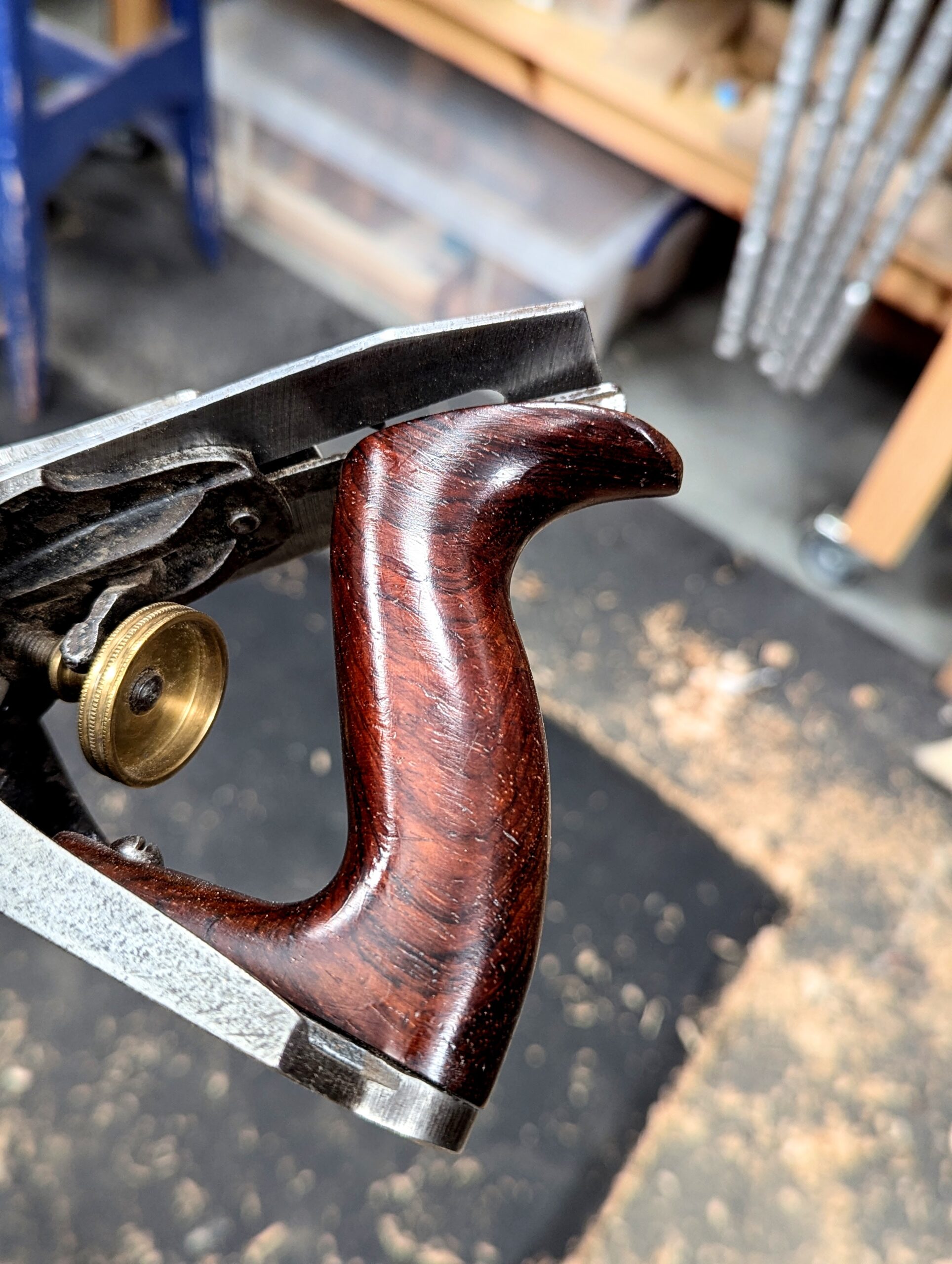
I do understand the nostalgic side of buying US versions for the scarcity of true rosewood handles, I just don't get into that much. My yew versions fit the bill through and through, and they cannot be improved on, as yew has amazing resilience when it comes to splitting and cracking. I have collected all of the I Sorby range of bailey-pattern bench planes through the years, and these also have Rosewood handles. They are much rarer than the Stanley cousins, and mine are the extremely rare black versions, not the red ones.

Comments ()