
Contrariness Creates Individuality
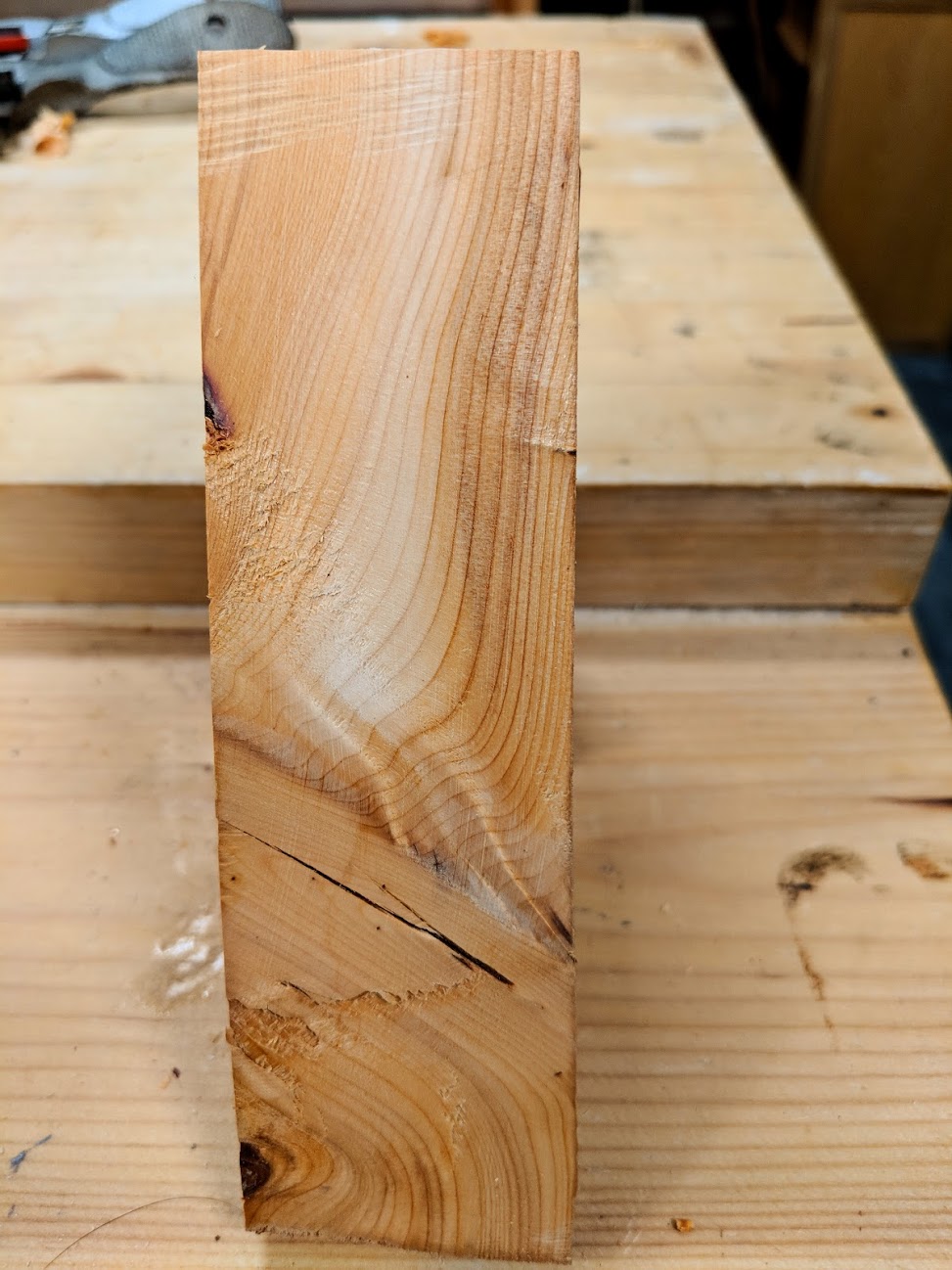
It's the way that the grain twists and turns and then, at an abrupt arris, the growth rings people sometimes call annual rings take off at unpredictable angles as though unable to make up their minds when they grew in their wildness. And then, just as abruptly, without warning, they switch back like a hairpin and end up at a tangent going the opposite direction to common sense. This is the characteristic of almost all woods owning more prominent growth rings, but not one of them equals the diversity of yew.

This aspect of growth ring, a span of 1 1/4" took 40 years before the chainsaw severed it from its stem and rootedness in the earth of North Wales. My chosen section came to me as a gift in my Penrhyn Castle workshop back somewhere in 2010. Yew is not at all an easy wood to work and especially is this so with any kind of hand tool, for in planing, the grain switches course to come back on itself in the rising and falling, dipping and diving away in its rejection of all things straight-grained and an obsessive intent on non-compliant undulation.
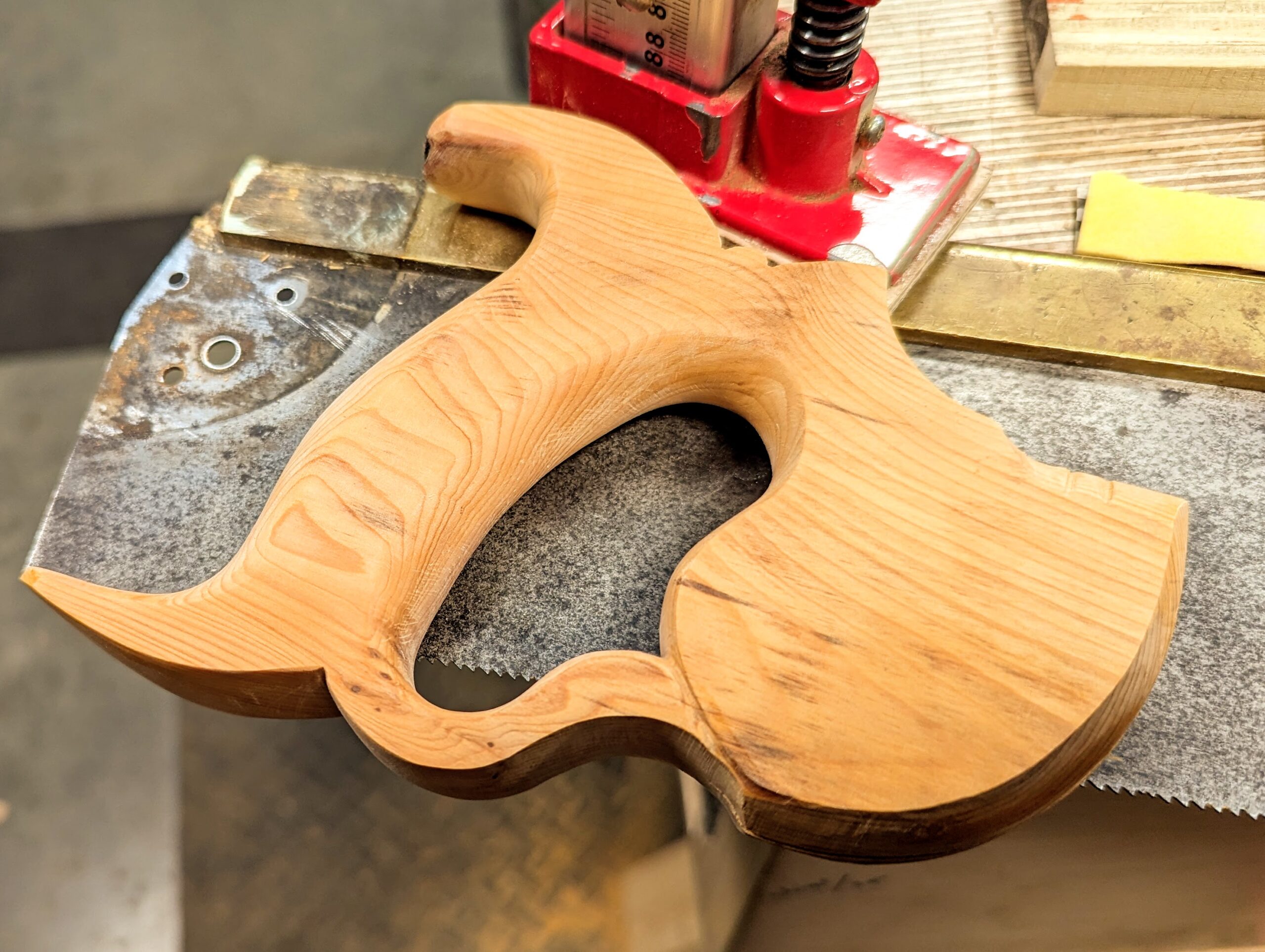
But for a small tool, a router plane, a saw handle, such like that, it's well worth persevering in the effort and even worth shaking hands with, though it might be difficult to find any absolute agreement with its contrary nature. And I have known such contrariness in the nature of people and even peoples. As with yew, I can even name such people and peoples and as with yew, when you are prepared to work through difficulties, you can end up with something quite lovely.

And such is true of mesquite also. This gnarly reject of all men grows in its estrangement, thrives in barren places and the barren wastes of the desert, sends down its tap root a hundred feet and finds sustenance to thrive when others simply die. That thrusting down enables growth and a life of resilience in the poorest of poor soils, but I have to say, when I befriended it in 1988, the wood offered me its hand and saved me by our befriending one another. Such remarkable associations can go unnoticed, be taken for granted, if we let them, but if we acknowledge the uniqueness others never find, we recognise a kind of salvation seldom found.
The Longhorn cattle, a hundred head, once settled in the shade and resting from perpetual grazing, but chew the cud as the stem draws up water, these silent influencers know none of the colours side by side in a finished box, the corner of an unseen dovetail and such like that. And here we are, we make new things from old trees and old planks of wood and marvel. Still, we mostly forget the backdrop grain pops off from. The place of its growing and the changes whether wrought in the growing of the tree. My small plank of yew, slowly diminishing in size, has made my saw handles, a plane or two and then the plane handles for three of my bench planes.
I have known the intimacy of different woods in my lifetime. Found grains of colour contrasts that lay side by side in the growing of seasons, recording storms and droughts in silence, expanding, reaching out, spreading shade and extending drip lines to the outer reaches and couldn't withhold my gaze from the beauty in grain no other ever saw.
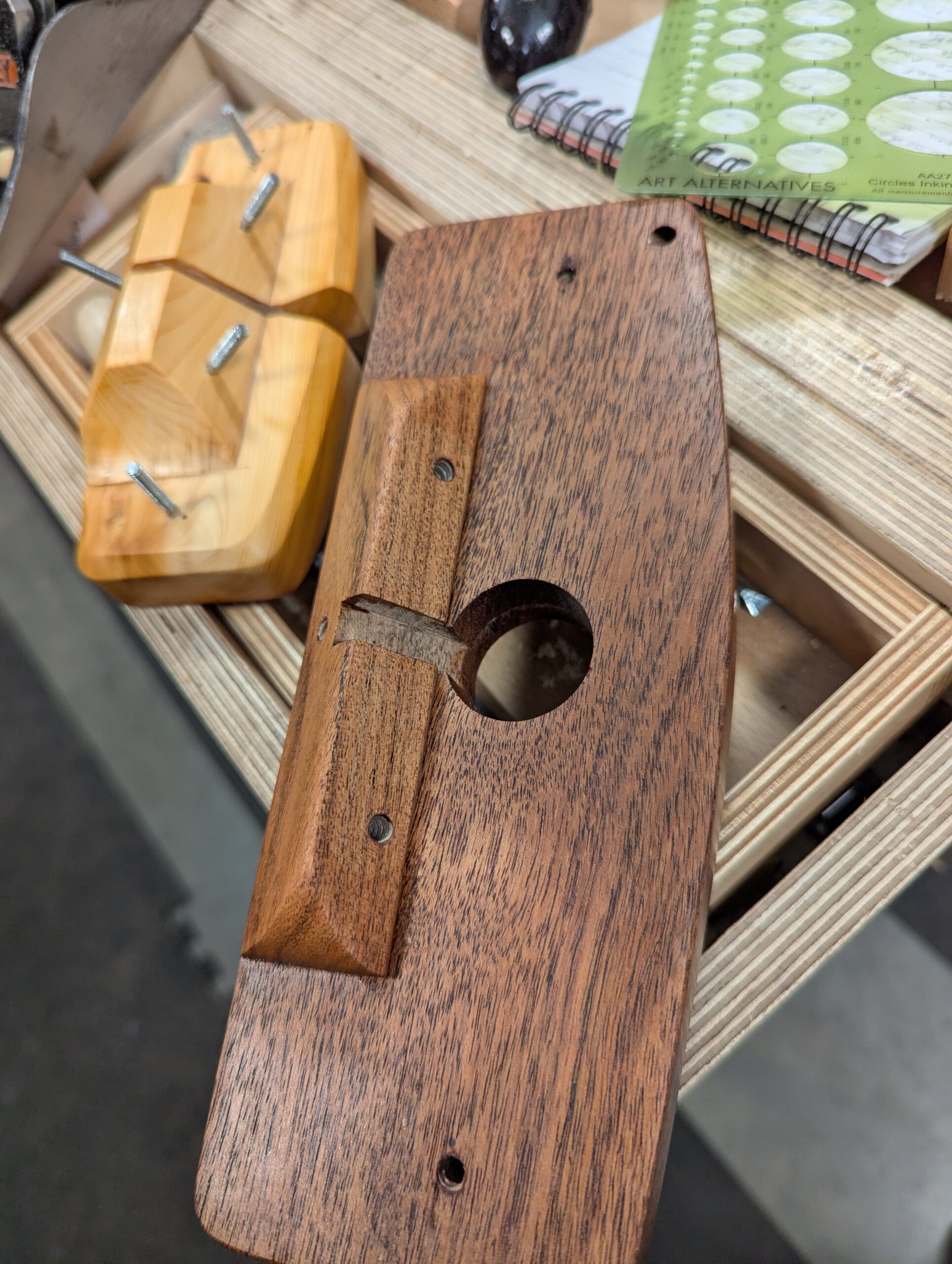
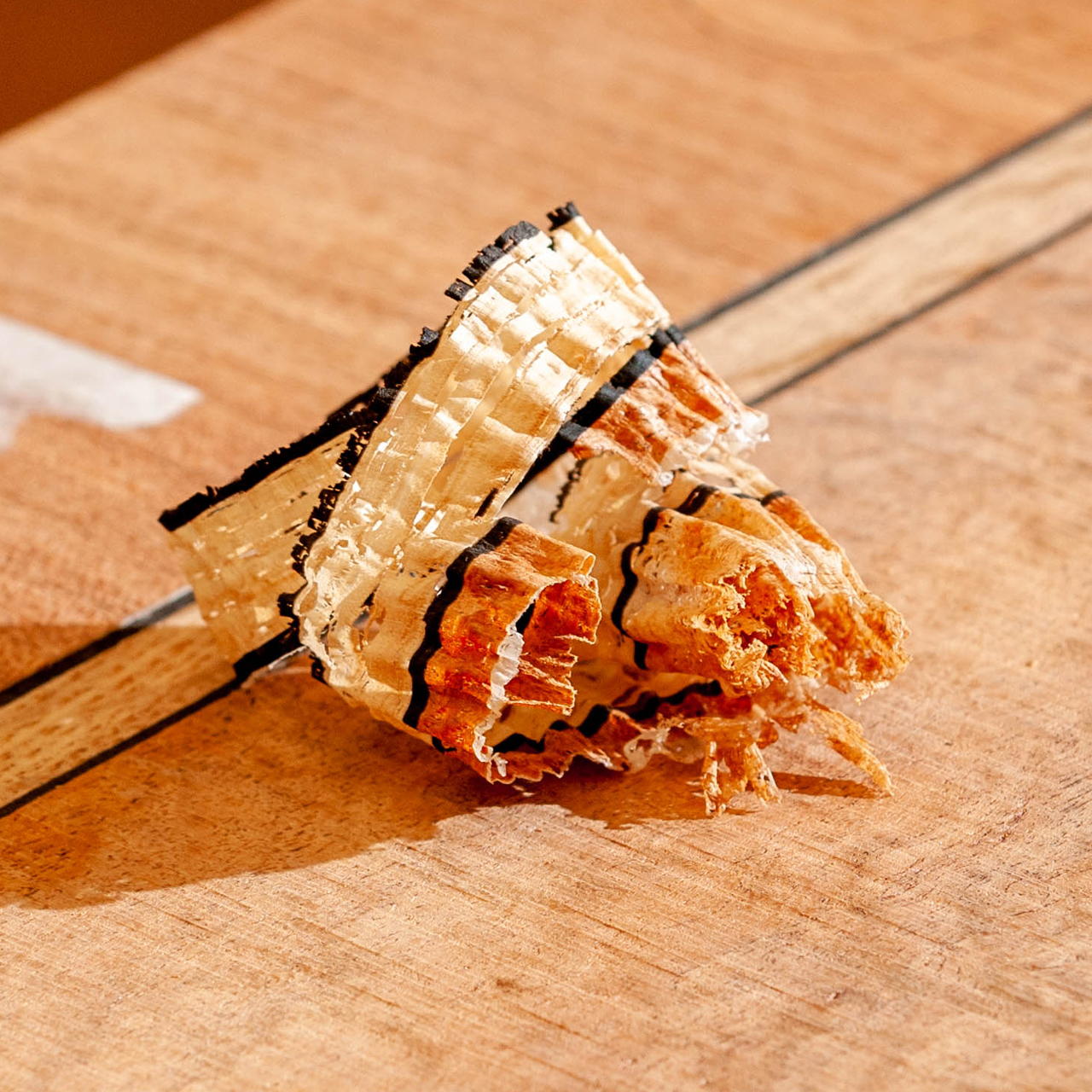
It's the swirling growth rings in some woods that deliver vibrant colour and configuration in absolute dynamic synchrony. Some woods, yew and cherry come to mind, together with mesquite, darken by degrees until they eventually settle for the final hue. It's a natural oxidation when light oxidises the lightness of newly exposed wood. Depending on the wood type, changes take place; light woods tend to darken a little but not massively, whereas darker wood do darken considerably for a while but eventually stop the darkening, hold, and then they can begin to lose some if not much of their colour and especially when exposed to light.
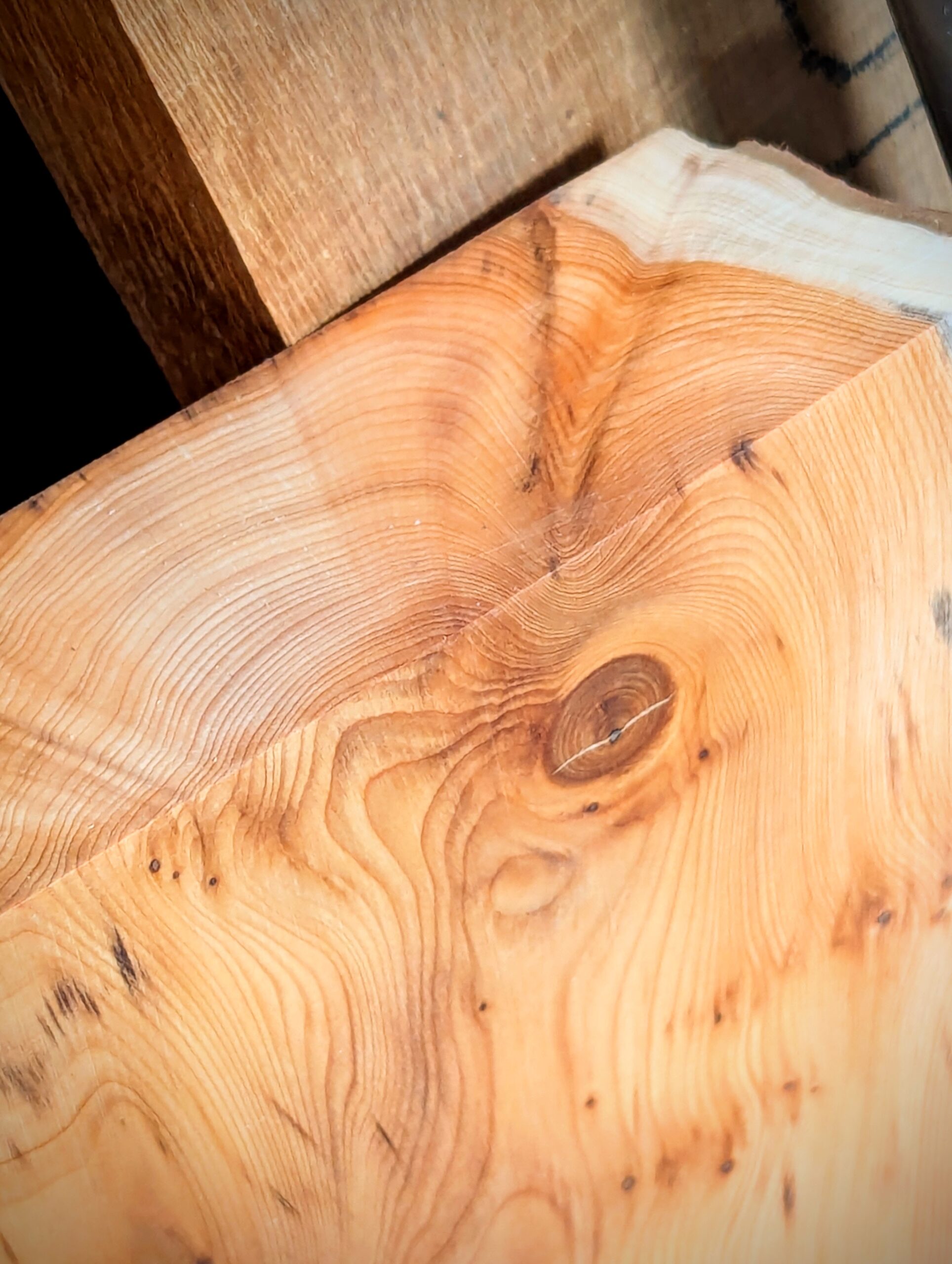
Without inviting input, few native European woods offer the diversity and colour of Yew. I doubt I would ever go for yew as a furniture wood, but for individual small pieces it often works. I'm thinking handles of every kind, and doorknobs, tools and tool handles. It works for light pulls, if anyone uses such things these days, but also door wedges, dried grass vases and numerous treen ideas. What about stool seat and legs? Intarsia is another option too.
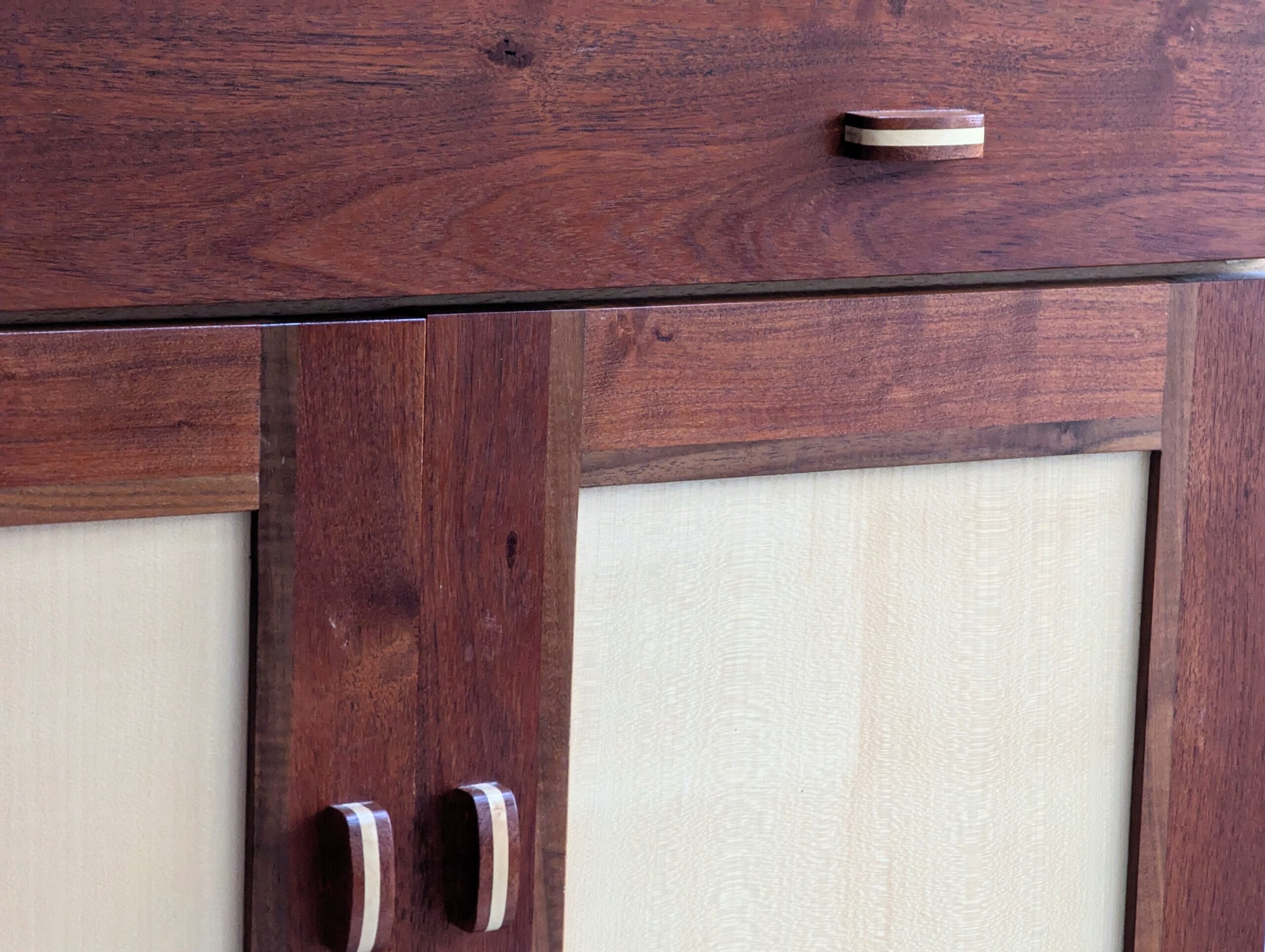
Mesquite changes markedly over a couple of years, whereas sycamore retains its own version of apparent bland paleness. But then, here, after its first appearance, a mass flash of medullary rays sparkle like stars from the whiteness to draw a smile from you in return. I'm happy for the changes that take place. It's like an ultra-slow time-lapse over years instead of minutes you glimpse month on month until a final settlement of galaxies sets in.
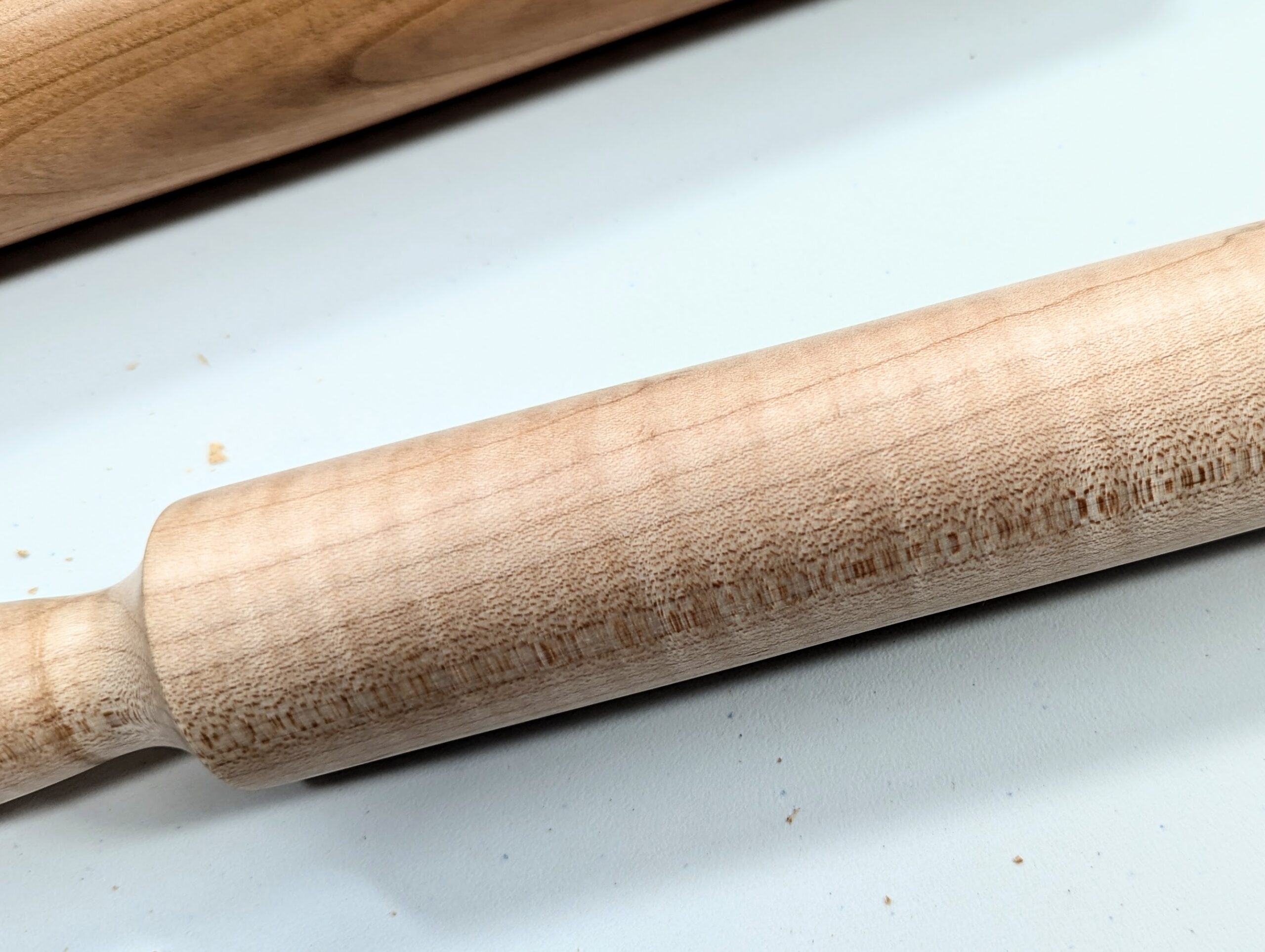
I used an offcut of curly maple to turn some bits and pieces from and, of course, more medullaries spoke out silently in volumes as my skew chisel skimmed off that last level in ribbons flying like sparkling fireworks to wrap around my wrists and hands.
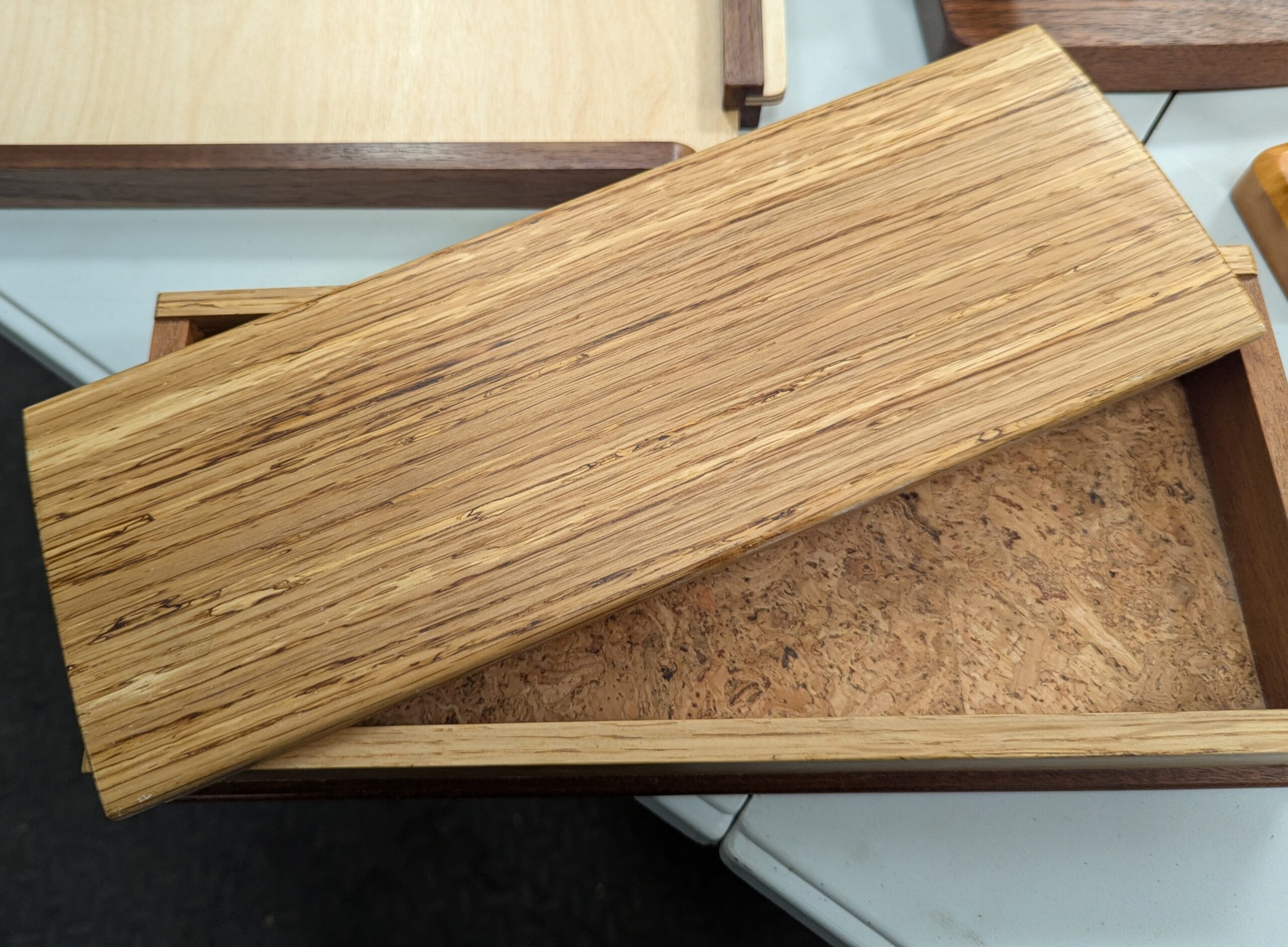
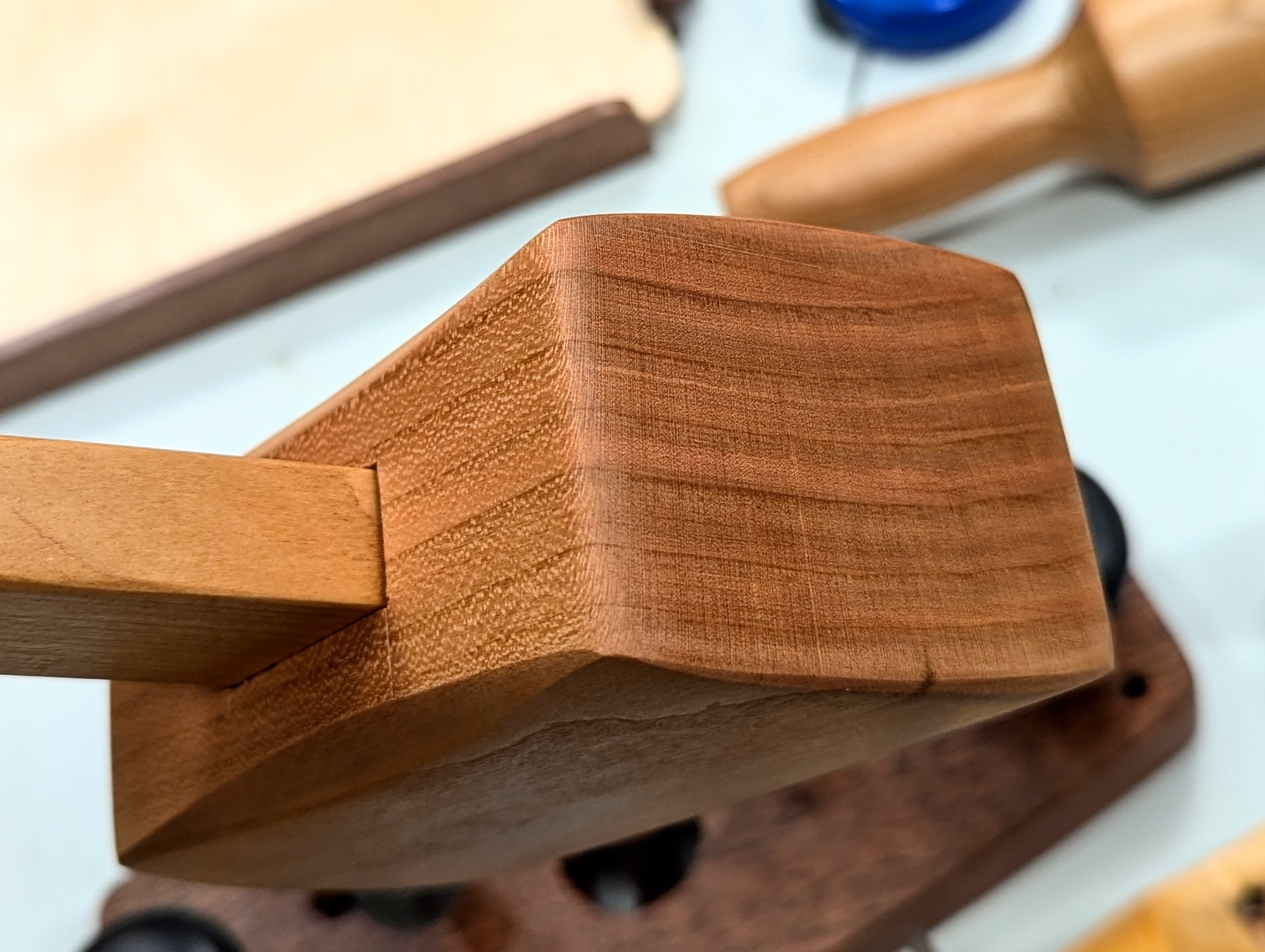
There is an acceptable contrariness in wood that might be intolerable in humans. On the other hand, are we not all different and through our differences, do we not create contrast rather than the boredom of ultimate compliance? Spalted oak, as in this lid, is the rarer gift of unpredictability to us than in other woods. I remember vividly planing the surface of this oak piece that showed no signs of its diverse patterning before the plane took from it its outer roughness left by the saws parting off into planks. What kind of gift is this that separates itself in vibrant richness of colour through the process of decay. Does this not show that, even in decay, comes order?
It's such a rich gift to understand the wood we work, but then the more the reason we work it, the way we choose to do, that cannot be spoken by the mereness of words. Understanding wood comes only through an unfolding revelation that defies the shallow investigator, be that through lenses or experiments, but comes best by the working of the fibres with chisels and saws, planes and spokeshaves, and then too, as much as you can, through a lifetime of high-intensity hand tool woodworking.
This coming year becomes my 63rd year since I first worked with wood. I know now that I will never fathom the depths of the most commonly grown pine. The NASA people fly out to space and spend billions to seek out new spaces for future possibilities. Their Parker Solar Probe left in 2018 on its passage through space into and past the sun's outer atmosphere. The plan in seeking information about how the sun works was successful thus far. We'll see soon. As our chisels feel their way into the inner fibres of cherry on our own, equally impressive revelations come to us in our search of more earthly treasures of knowledge. We seek and search for mastery and understanding. Yes, a bit of a comedown from outer space travel, I admit. But then I looked at the striking face of my granddaughter's Christmas gift, and I encountered space travel of a different kind.
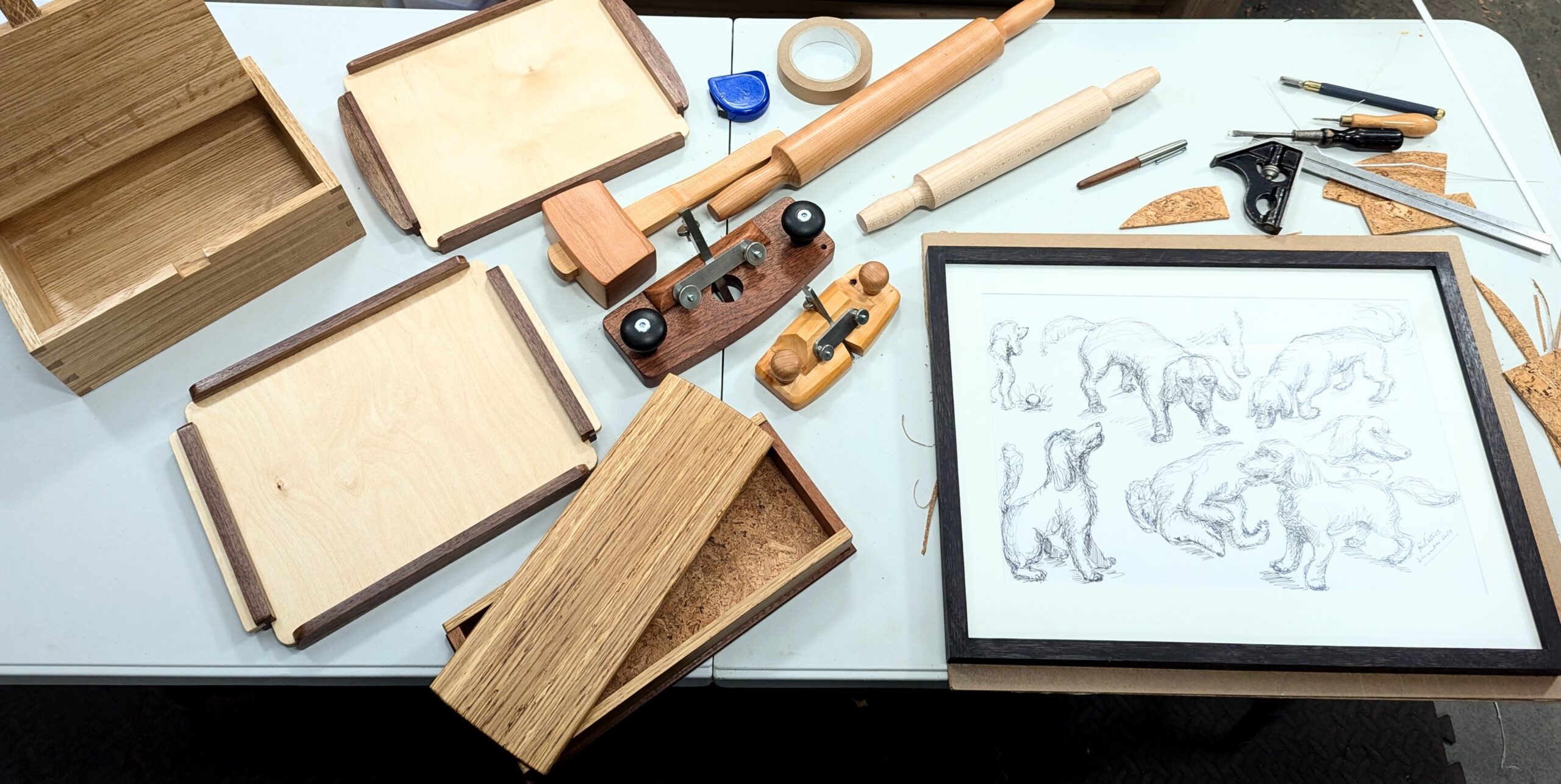
The gravitational pull of wood comes to us as woodworkers and though we may or may not be drawn attentively to the different species, something about it, its character, feel and warmth makes us volunteer into working with it the way we hand tool woodworkers do. We want the hand tools because they make the amazing difference because we part the fibres more searchingly. It's not unlike the gravitational pull of the earth we live on and are held to and in place by. Wood has been my chief of earthly anchors since 1963. I really encountered it for the first time aged thirteen, and it's held my fascination ever since. Without it, I would have been set adrift, lost in the sea of consumerism and false economics, blinded by science and a more empty way of knowing. This kind of lostness, my being lost in my working, contrasts markedly with being lost in the science of it. The opportunity of my way of knowing cannot be quantified in everyone's life, I see that, but simply seeing it for what it is and minimising the free flow influence of artificiality has been key for me.
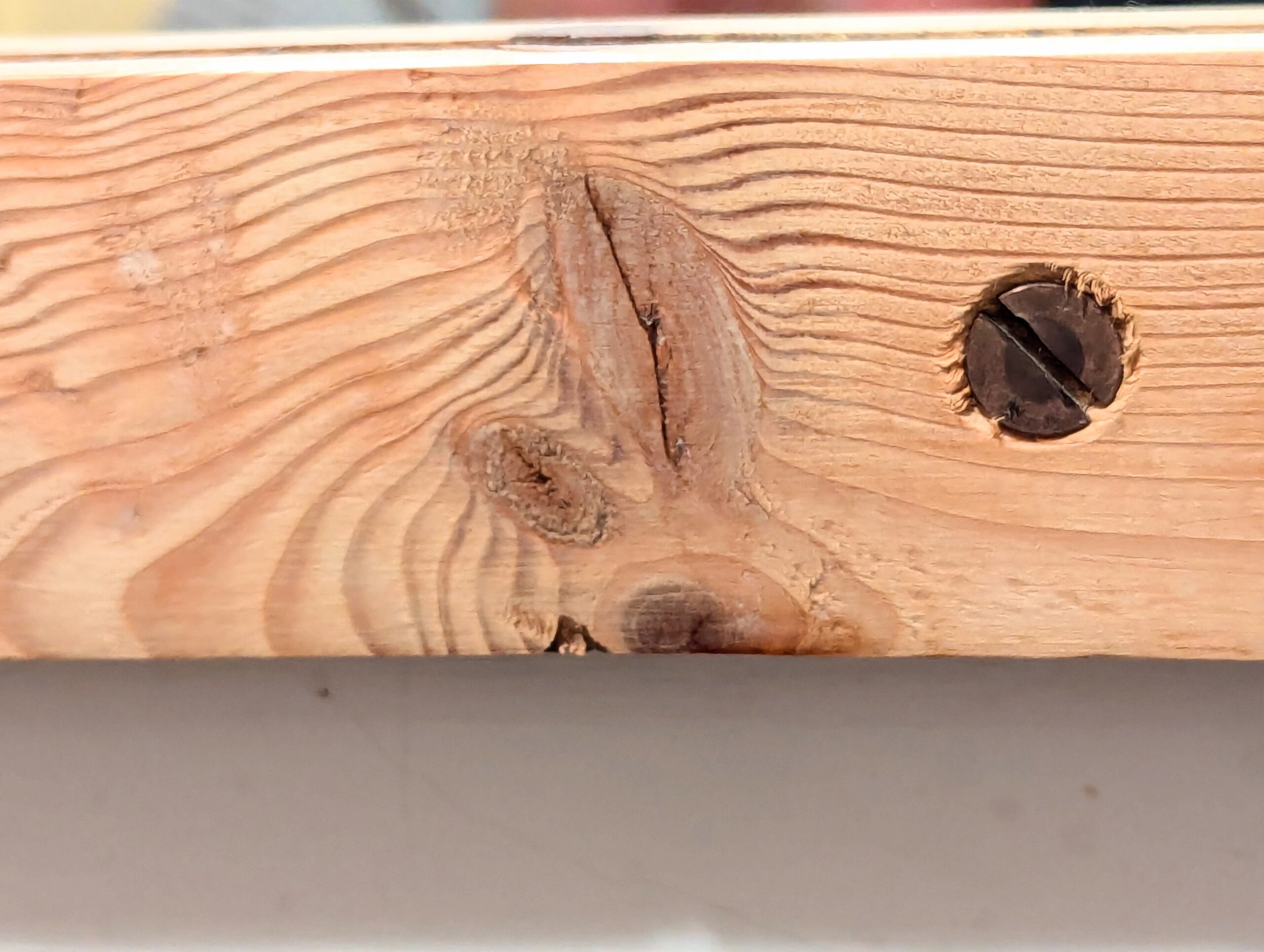
I couldn't help but see the Koi carp swirling and circling away from the screw head in this cross rail of a frame surrounding a mirror. It held me for a few minutes, along with seeing how the countersink surrounding the screw showed cuts with and against the grain in its half-inch encirclement. See how the water ripples away as the fish surges away, the babes afollowing. Life is mostly about awareness levels and perspective.
Comments ()