
Election Memory
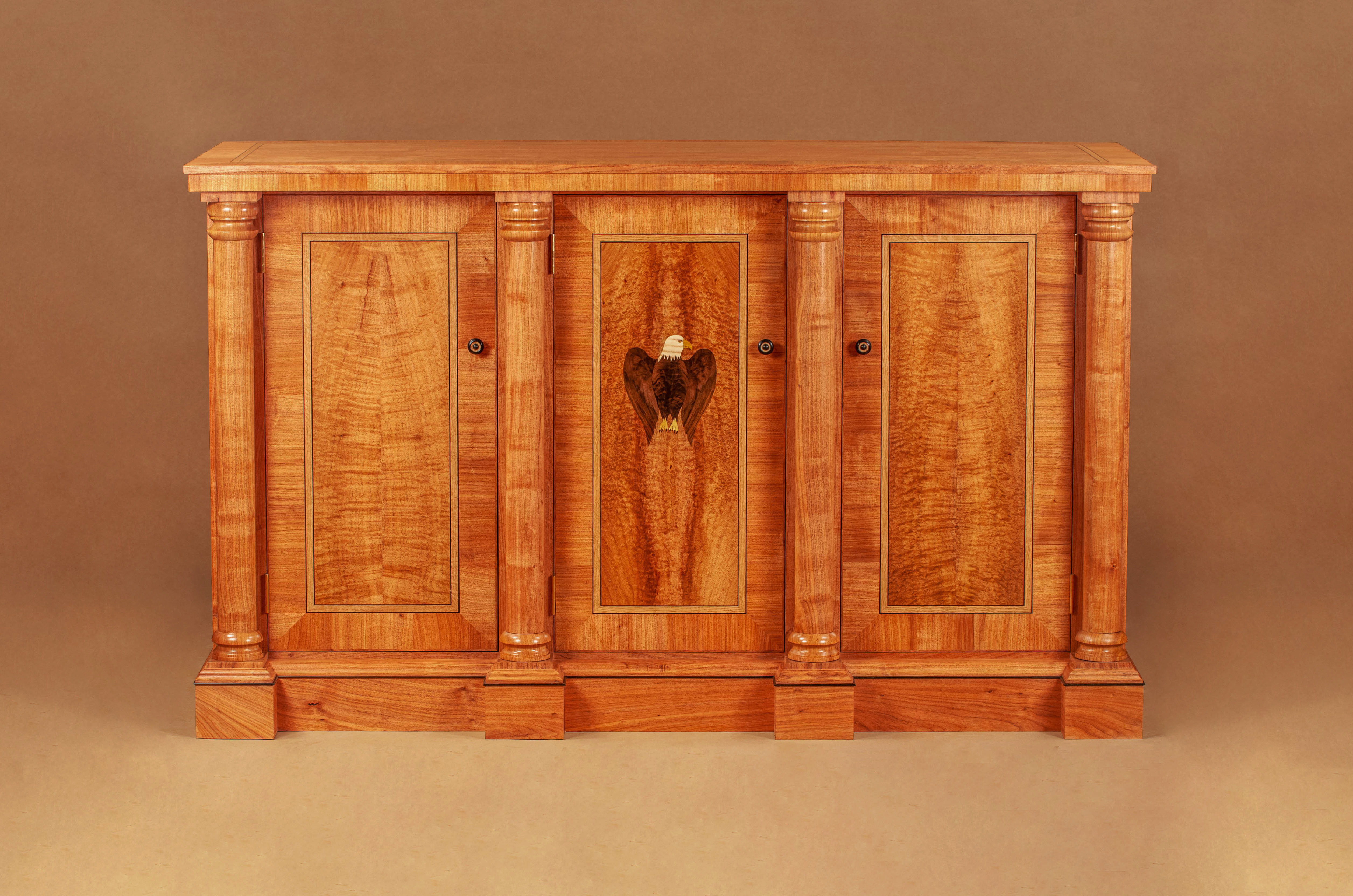
In thinking about a new USA President about to come, I was reminded of a Craft Fair on the weekend of Thanksgiving in 2008 where I sat with a man, a friend, who I had known for eighteen years. We were having a nice chat when a message came to me that mentioned the possibility of me designing two new pieces for the Cabinet Room of the White House––they would inevitably be added to the White House Permanent Collection, no less. Quite a prestigious honour. My initial thoughts were, "This is a joke!" and then I allowed myself a fanciful thought that within two months became the lived reality of a few men making what stands below.
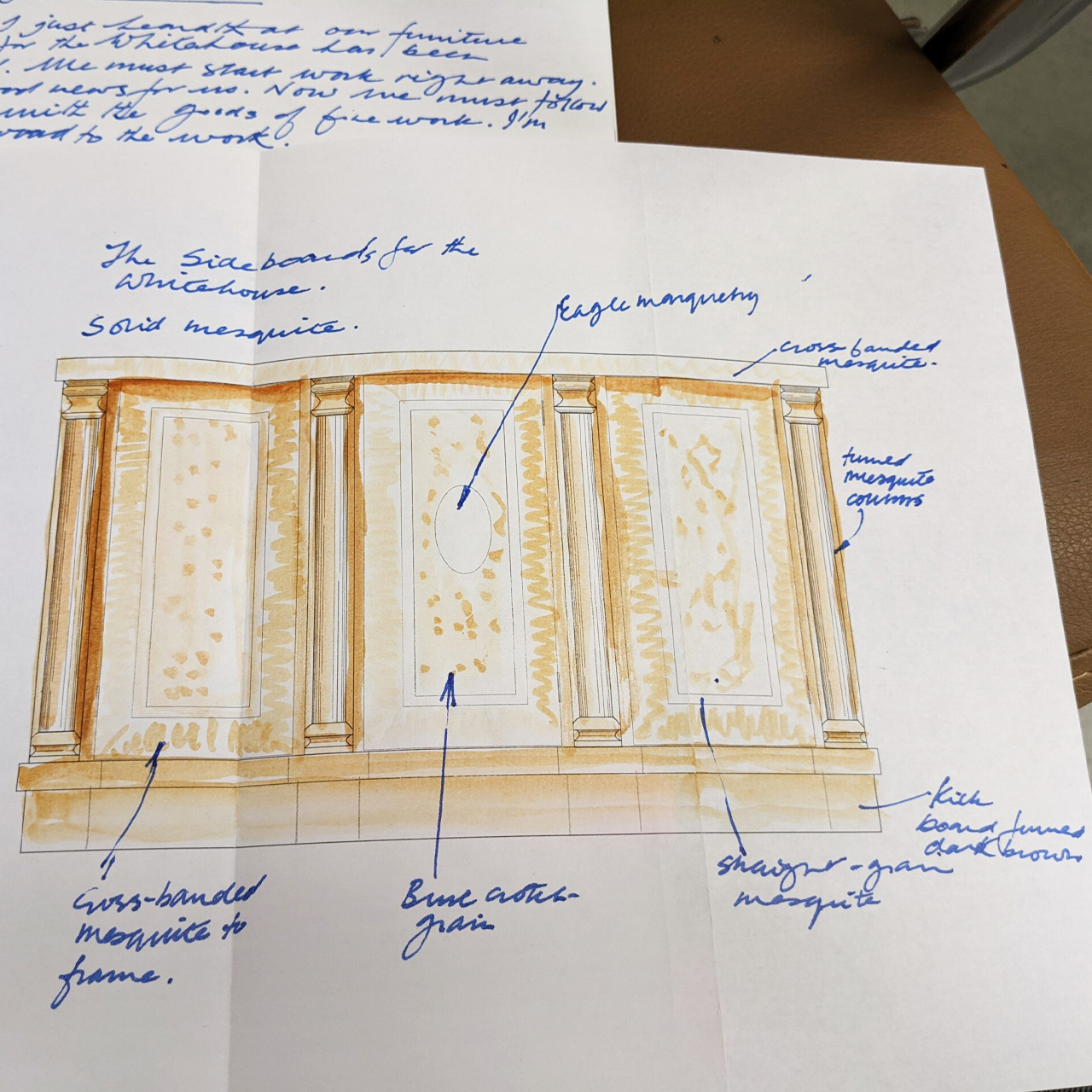
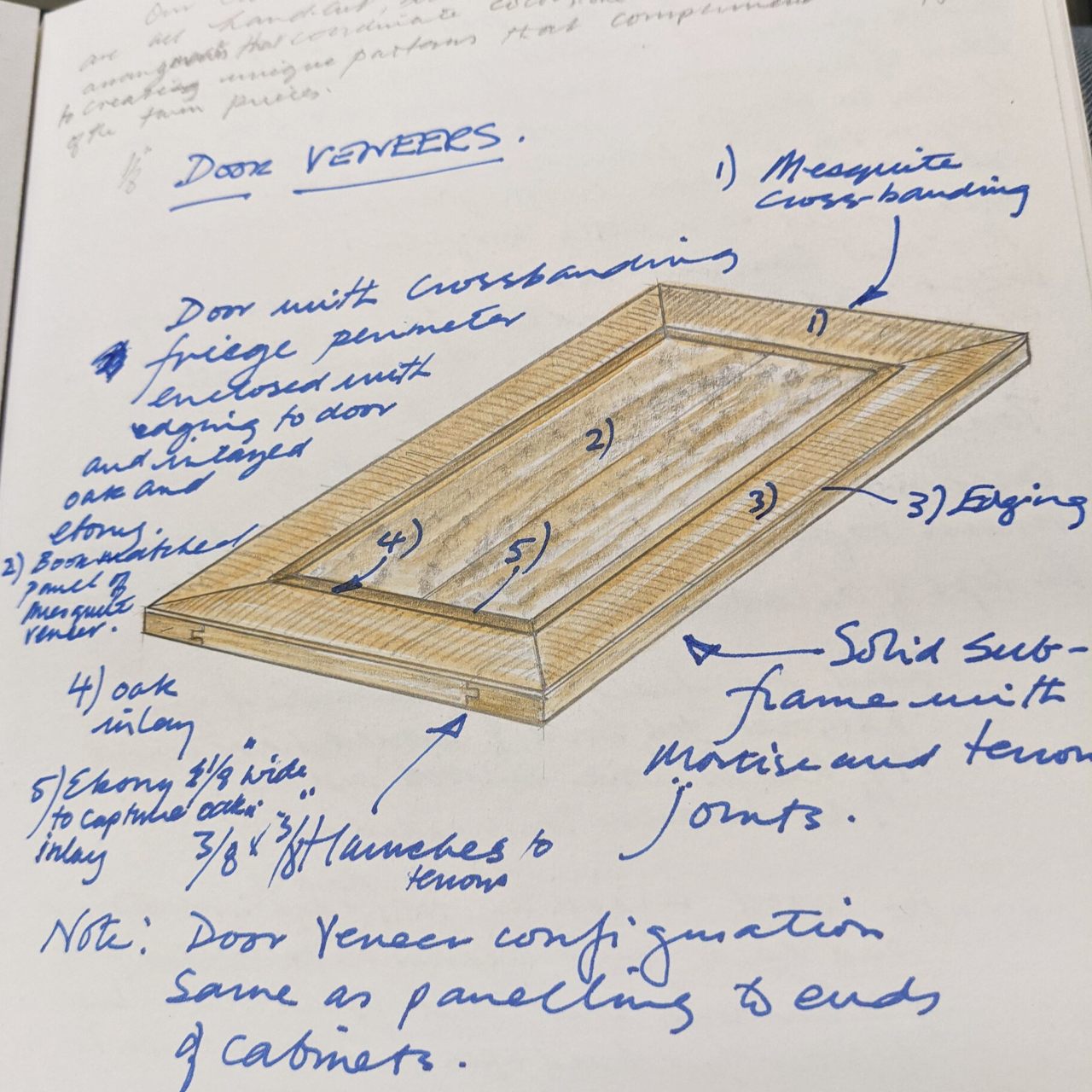
The personal journals, kept then and ever since, tell the fuller story of how my designs arrived at the White House. On the 15th December 2008, I wrote: Well, I just heard that my furniture design for the White House has just been accepted. We must start work right away. That's good news for us. Now we must follow through with the goods of fine work. I'm looking forward to the work . . . Later I wrote ...we now have less than a month to complete two months worth of work. And...what a privilege to be working on work ordered by President Bush. No small thing! I unfolded the drawing I made. Considered the details of all of the joinery, the complexities involved in making it, the woods, the people I needed and then the existing commitments that also had to be delivered, the ones already scheduled and such. In the midst of the coming weeks, I had two woodworking classes. They could not be cancelled. No Way!
The delivery date dictated was the 23rd January, but, unexpectedly, that got cropped halfway through, and we lost five days of production. Suddenly, we needed to deliver by the 19th––in time for President Bush's departing speech and President Obama's Inaugural speech. I was working full-on on both the twin cabinets and then teaching a full-time weeklong class, the dates of which I couldn't change.
To say the work was demanding would certainly be an understatement, and to say it was exciting would do the same. Presently, in the background, President Trump's words are coming from my laptop as I listen to the President-elect saying, "We're going to do it fast, we're going to turn it around, and we're going to turn it around fast.". That was going through my head day in day out during the building of the White House credenzas. I loved it!
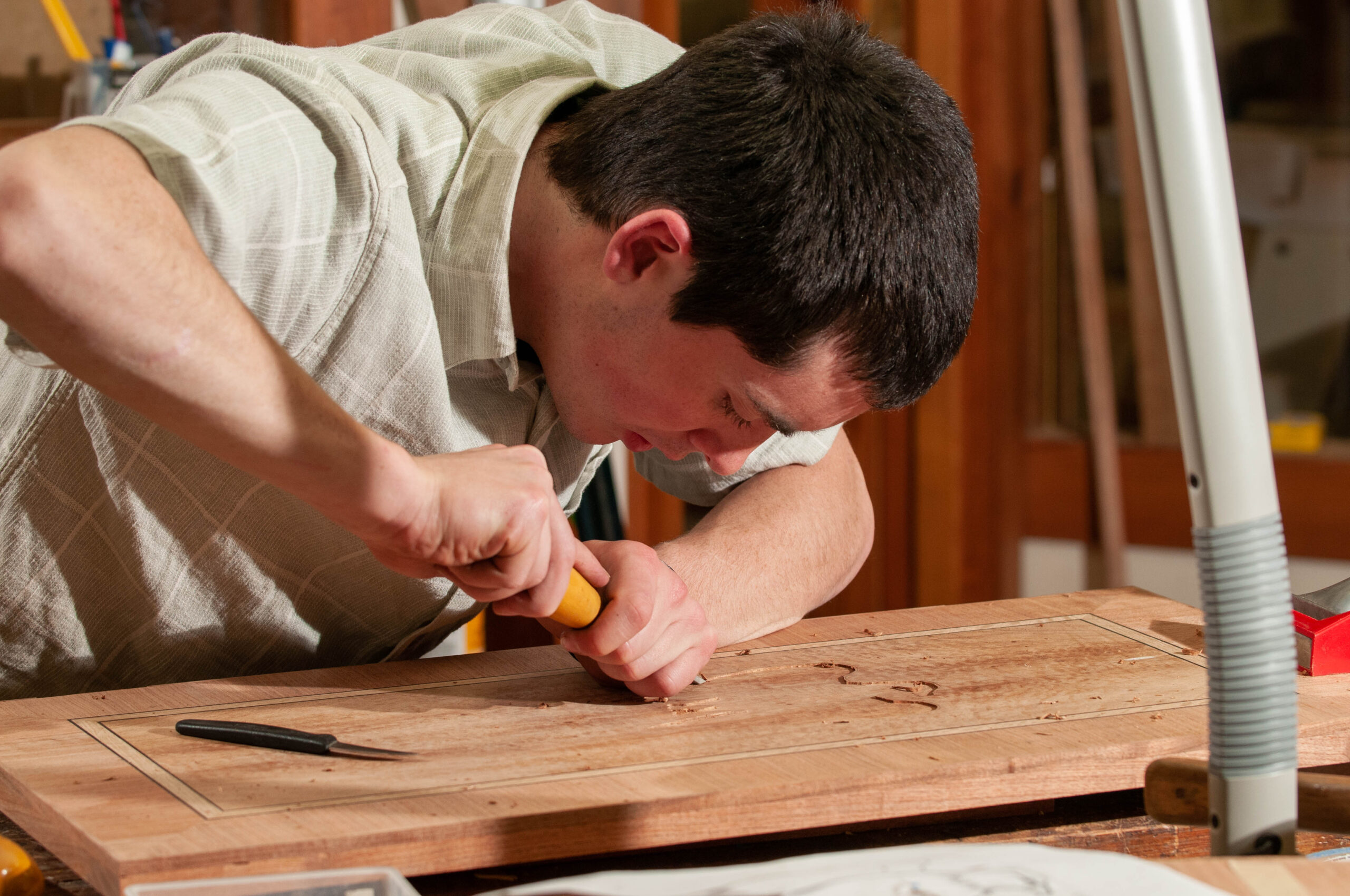
With the plans now drawn, our first meeting was to discuss the time frame, the number of leading cabinetmakers we had to work on the pieces and then any support volunteers to work in the background, fetching and carrying, tidying and sorting. It was nothing for us to work another eight hours beyond our regular commitments on the White House pieces.
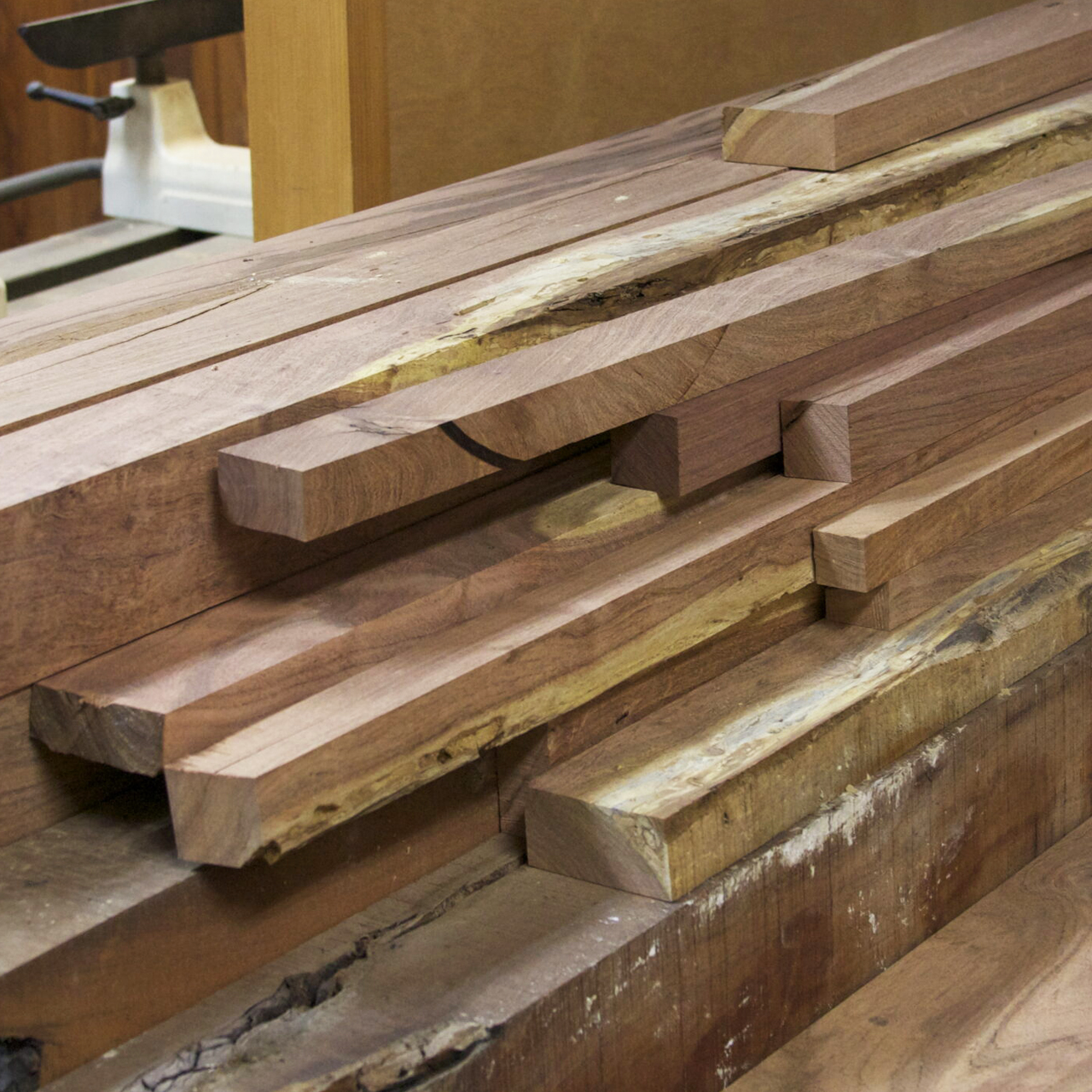
As the work progressed, standing on levelled podiums anchored to the workshop floor, it became obvious that these designs were not being made or intended for any kind of average home or office. Visitors to the workshop came and went and asked who the cabinets were for. We all kept schtum for fear we would never get the work done if we were plagued by reporters wanting to know the scoop. In the last day or two, adding the doors and applying the finish, it was the eagles (one in the centre door of each of the two cabinets) that finally gave the game away.
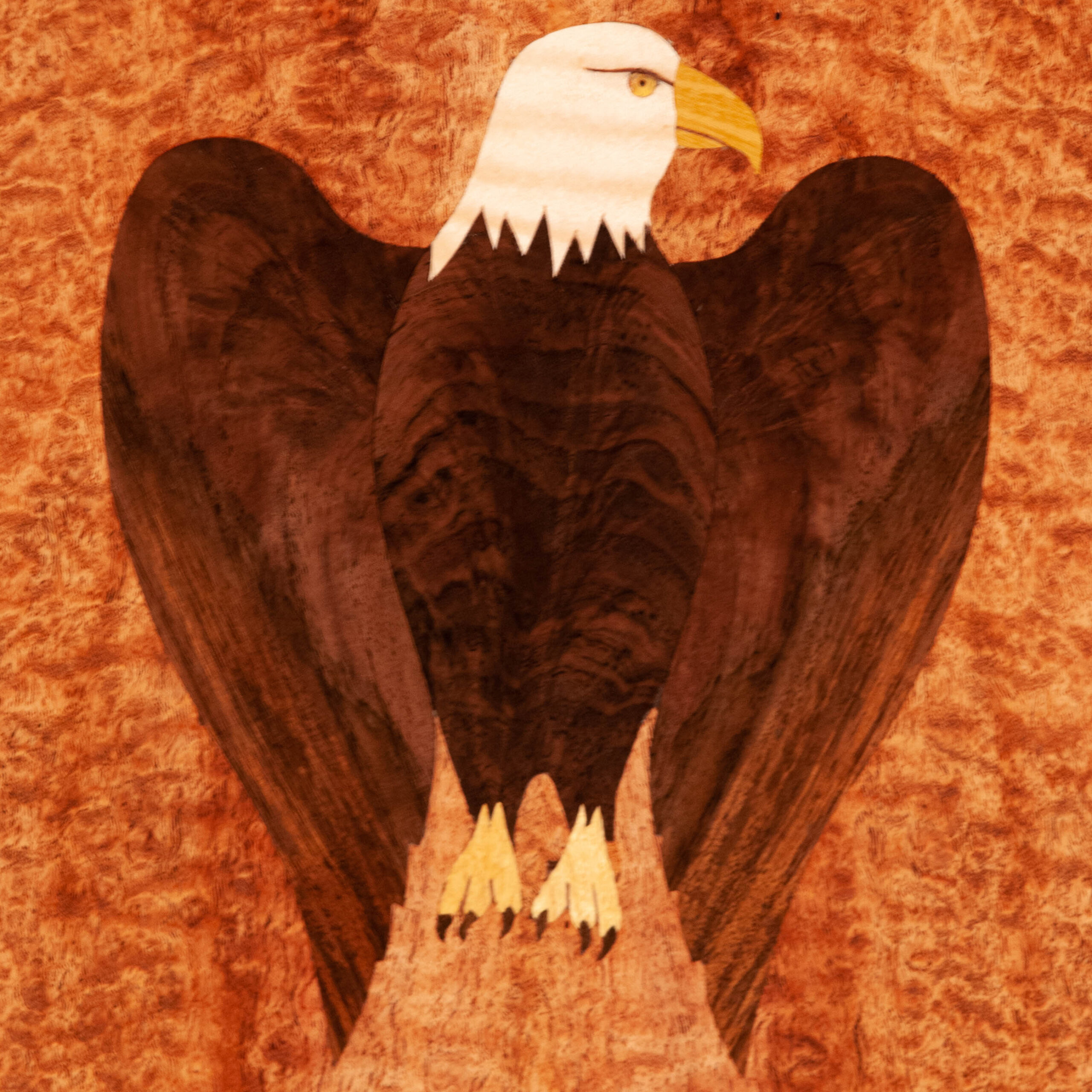
There was something iconic about them, a contrast between the ordinary and the extraordinary. They stood out from all that we had done in the making so far. Because they drew so much attention and so many questions, we ended up removing the doors for some escape.
The news came that we needed to deliver in time for the Presidential handover of Office and Power. The workdays lengthened and thankfully the class I was teaching had now ended. Mid-flow I had other commitments from my day-to-day life. What seemed like good ideas three months before we started this work now loomed as big mistakes, and any time lost would have a knock on effect.
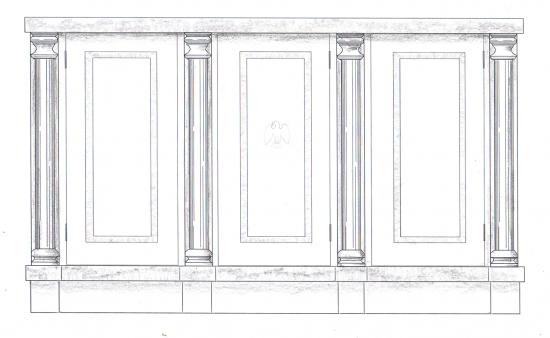
As the day closed in, flight ticket booked, and before I knew it, I was in the White House, walking down the corridors of power, escorted by the First Lady's Assistant, into the Cabinet Room.
My support in the work came from many of those I had known long term; first as teenage youngsters, and then in their late teens and early twenties as adult craftsmen in their own right. Following the current US election results and the exchange of power from the Democrats to the Republicans, I see President Biden in the Rose Garden about to give his speech about the imminent transfer of power to the new President-elect Trump Administration. I'm sure the world senses new hope internationally with the settling of so major an issue. I recall my own tour of the White House by Sarah Armstrong, assistant to The First Lady, which included a walk through the same Rose Garden. Though apparently warm enough this week to speak to the press outside, when I was there it was below freezing.
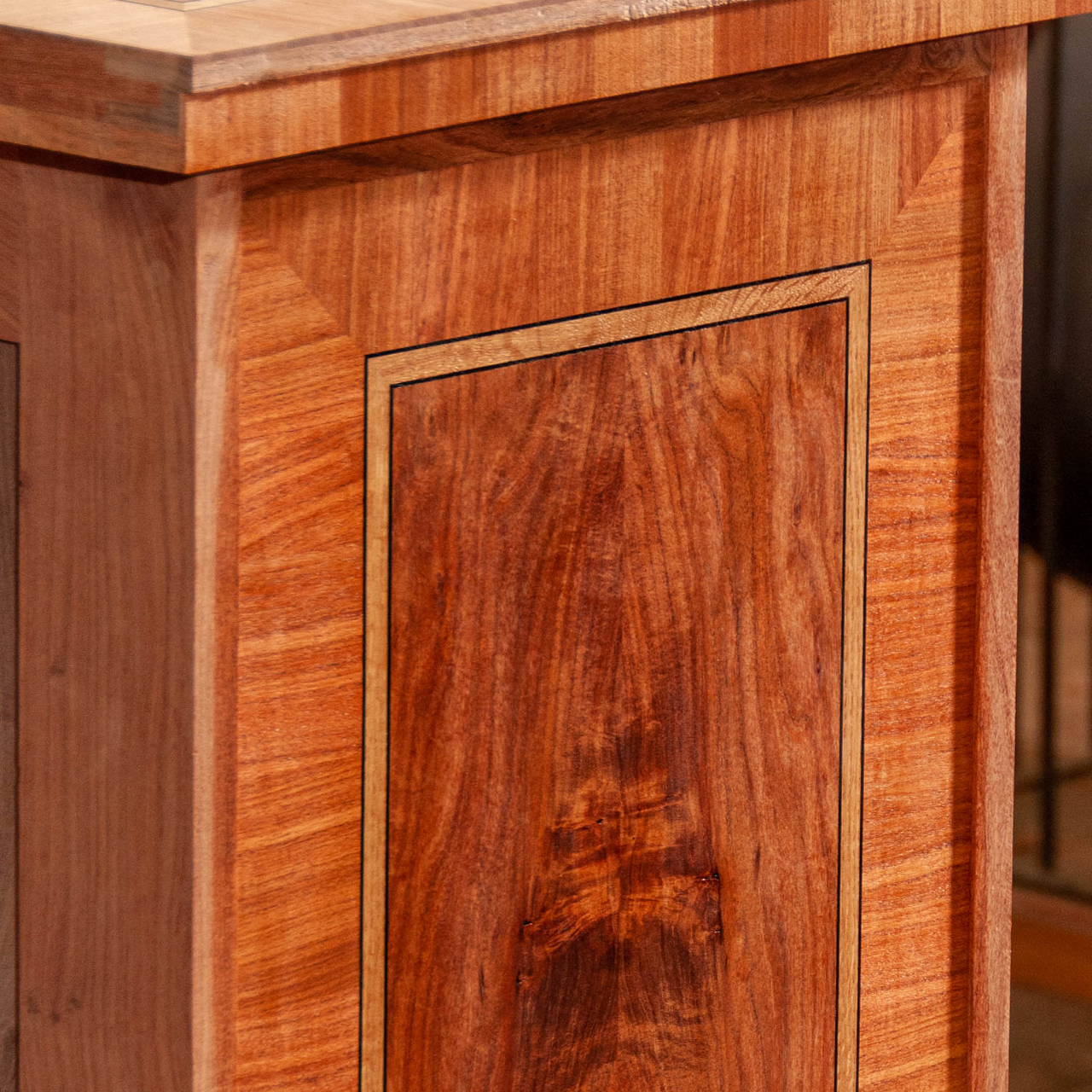
Reading through my journals, I see exactly how impossible the job we'd been entrusted to do really was. With all of our existing commitments and then the shortening of the time allotted to meet the White House schedule, we worked at quite a clip. My journal records our nighttime working, often until three in the morning, sleeping for a couple of hours and then coming back to start the new day.

Looking back, I think of the work unifying our friendships of the day. The names are indelibly recorded, of course they are. There were key makers and then there were the volunteers who came in to volunteer alongside me into the work; we needed these young men to complete the work on time and that included my two youngest sons. These were a gift to me to perhaps in some small way pay back the USA for my 23 years of living there in Texas and experiencing the freedoms that wrought in my life. This would be my final design made in the USA.
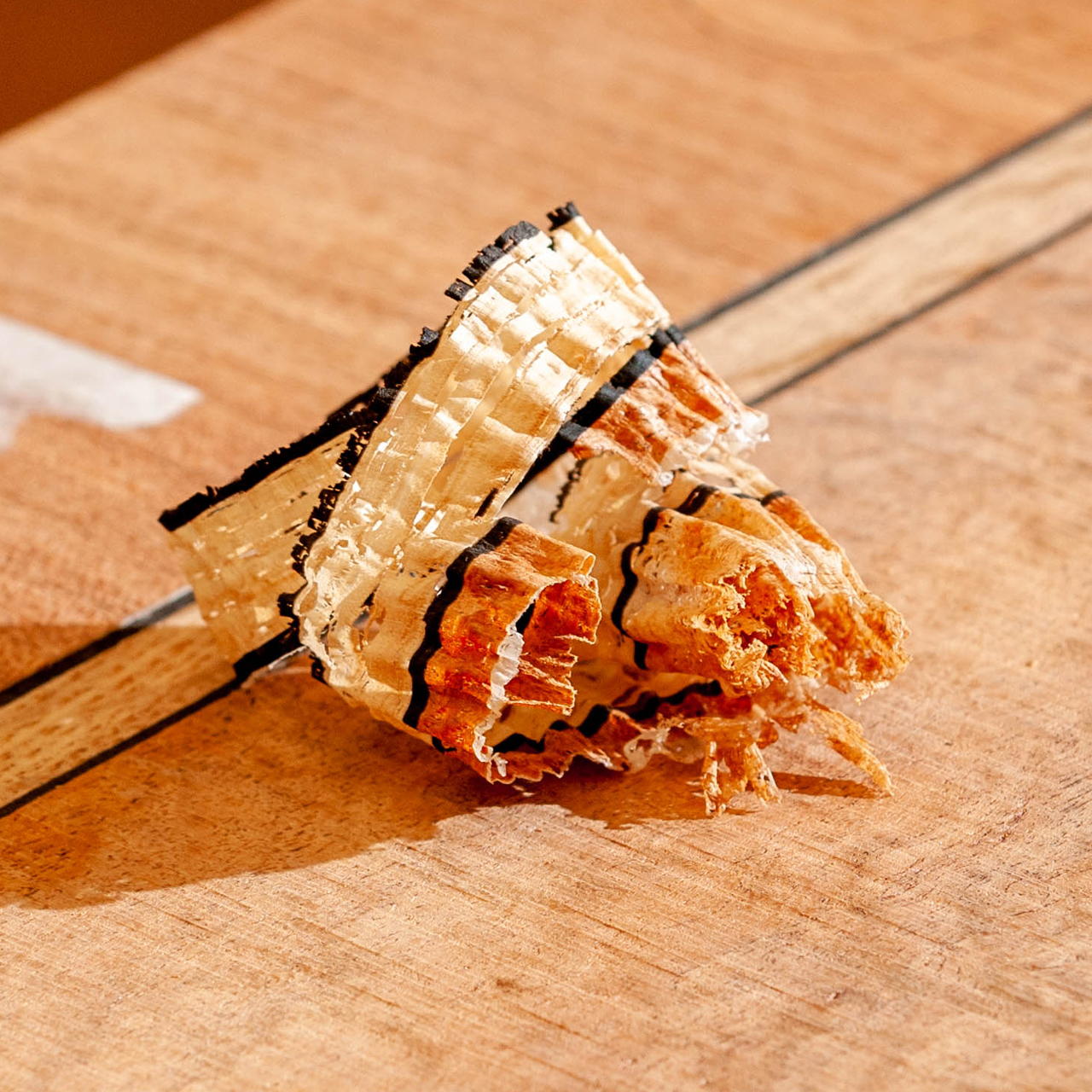
Many things went wrong in the closing months (and years) of my life in central Texas, but it never discoloured the longer-term life I spent there. It was, to say the least, an exciting journey and the end result only strengthened my resolve to recover the foundation I built my new life on there, which was to reach out to others around the world and encourage them to follow their passion. The closing of that chapter opened all the more doors for me, and that came with the advent of our new and emerging digital world. Crossing from one continent to another became the bridge of resolve I needed to recover and re-establish my life in the new realm, influencing others to pursue skill as a part of their lifestyle.
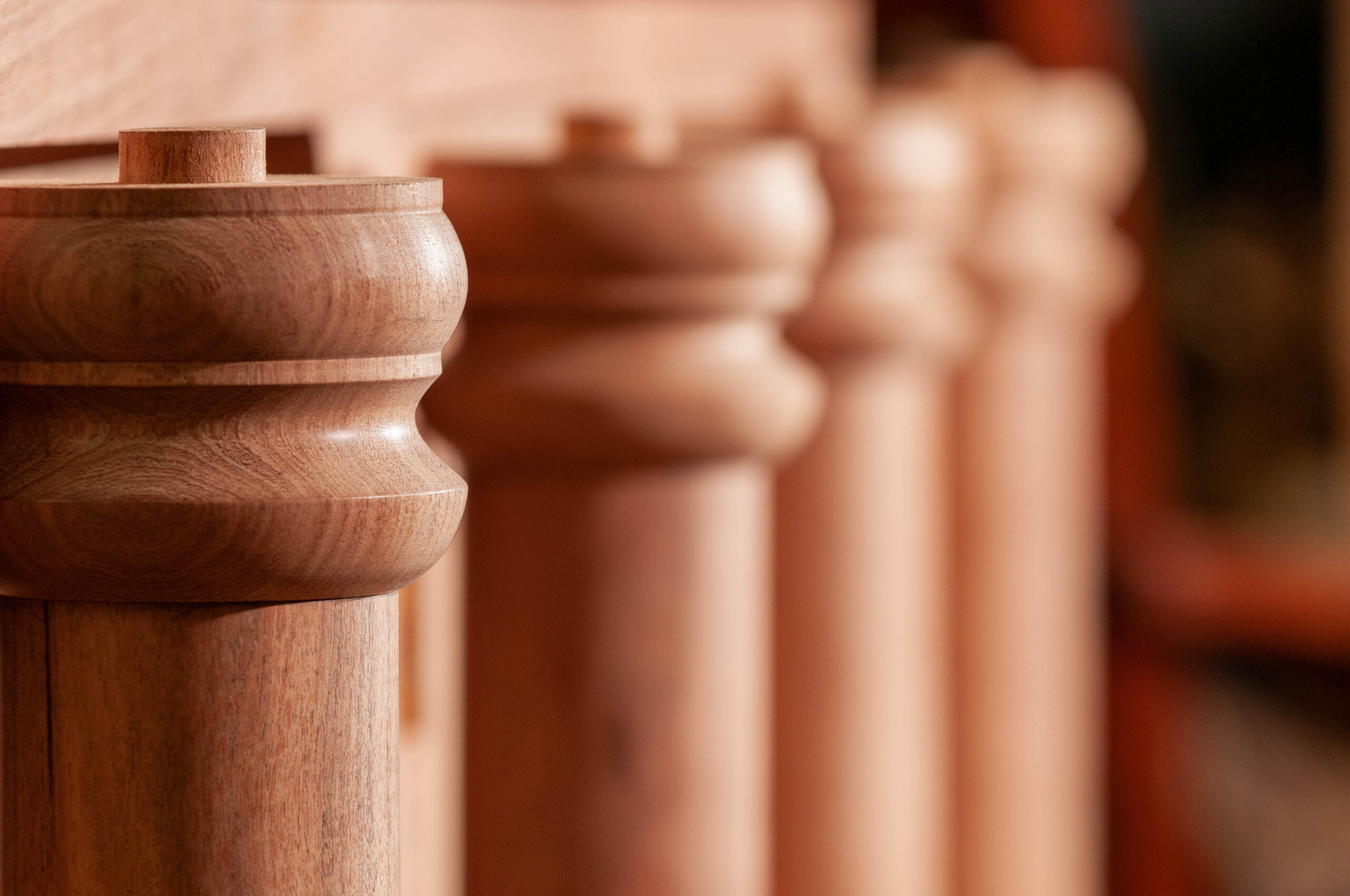
Just when I am about to say this article is finished I read something from my journal, look down a cutting list, see a thumbnail sketch and a memory recall is triggered. On the evening each of us signed the two pieces somewhere on the back of the cabinets, we had an Open House in the workshop for local friends and neighbours to come and see our finished masterpieces before the blankets went on for the long drive to Washington DC first thing in the morning. Washington, DC was a 22-hour drive non-stop. We had volunteer drivers in two vehicles, so the drivers could switch out part way and return, leaving the two comakers to drive the last leg. We had to keep the pieces safe and the temperature constant throughout the journey.
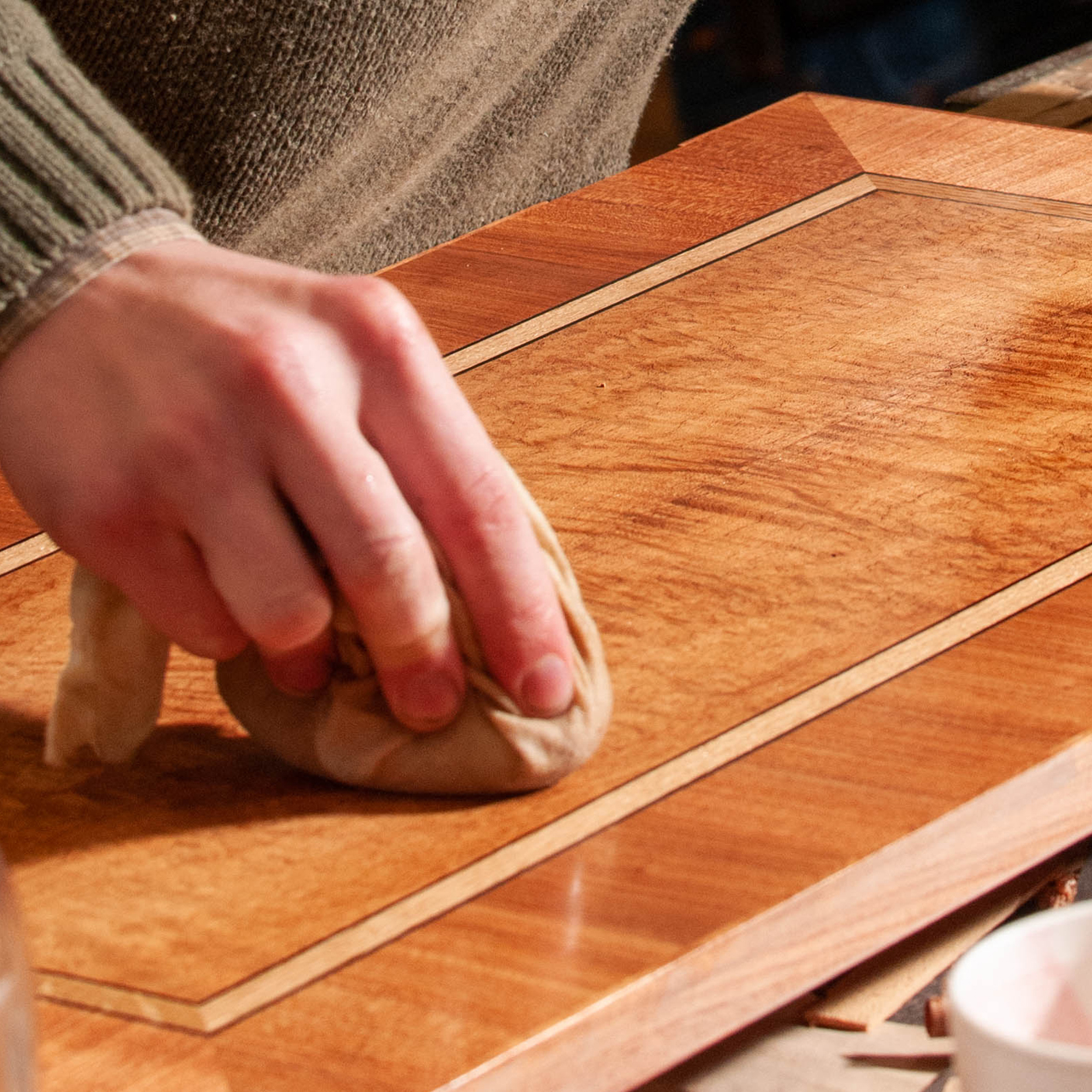
My flying up eased the burden on me. We all met up at the same hotel and unloaded the pieces into the hotel rooms, where, believe it or not, we applied those final coats of shellac by French Polishing. When the cleaners stood outside the hotel doors of our rooms and saw us carrying these two rather bulky box shapes out and loading them in the back of the truck, they must have wondered what was going on.
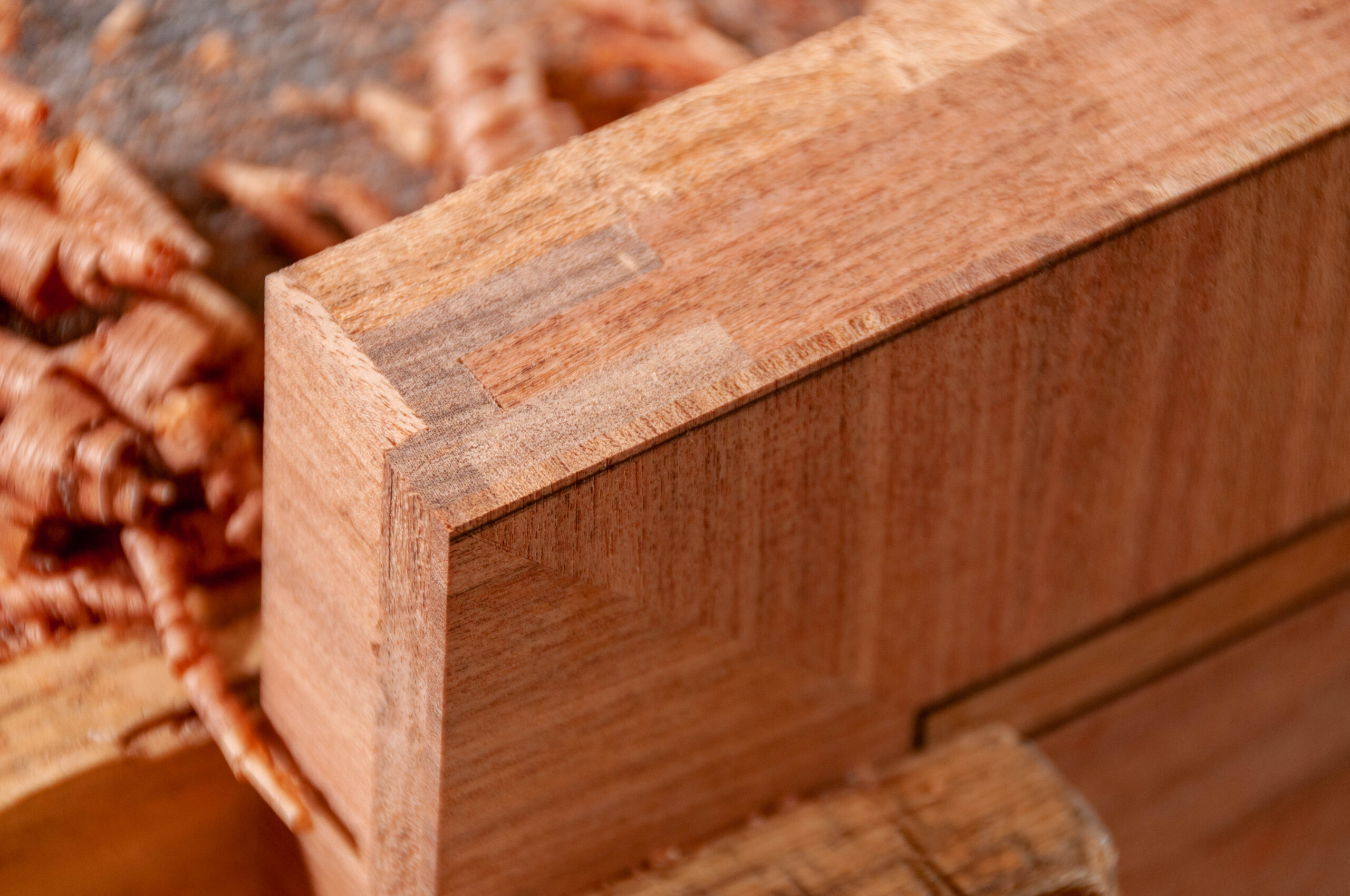
The thing that unites my experience of 2009 and today's political move is witnessing the extraordinary events of the dark afternoon as daylight left the streets surrounding the White House. Black suburban vehicles with red and blue flashing lights that bounced off the white walls and window panes as we took our place in the line-up to leave after delivering our beautiful pieces. Handing over the pieces we make is not always an easy passage––you get attached to them. Those hundreds of hours from taking a tree down to slabbing the stem, cutting the hundreds of pieces and then joining them together is no different than bringing new life into any work of art. This blog is nothing to do with politics or our, my, affiliations, but to speak of how we combine the things and people in our lives to make. We will all have our views on the political spectrums taking place on various continents, but I have fond memories in the challenges of making all through the recollections of my life.
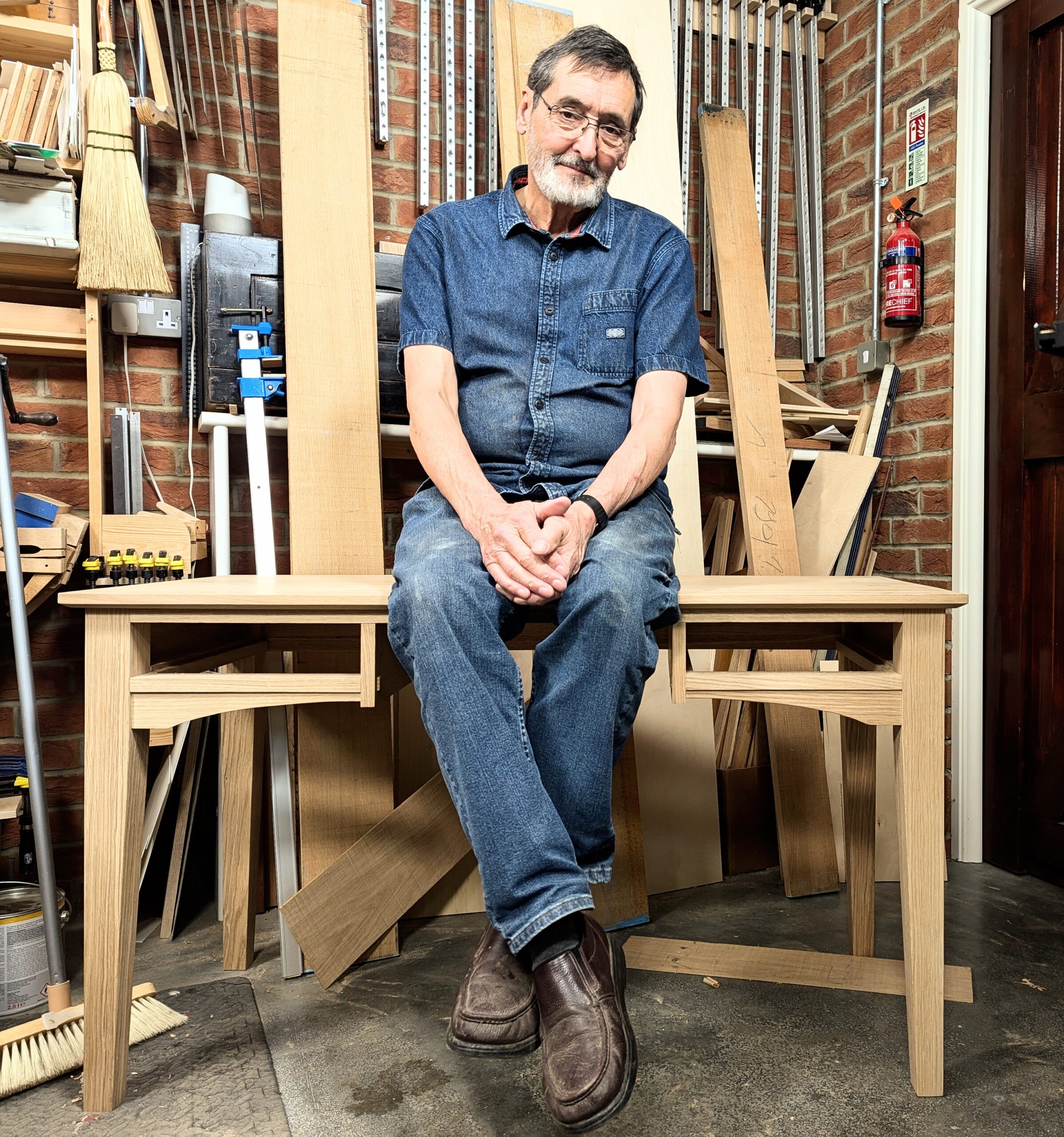
So here I am, a little short of two decades later, bemused, of course, watching the politics play out and seeing the world make itself ready and fit for the changes that will inevitably come. . . And wondering!
Comments ()