
Wood, Working and Ply
My newest project is nearly done and filmed and it's another 98% hand tool project and though I have used plywood it is also 98% woodworking too. A few weeks ago I put a plan into action that came to me many monthsd back. Premade manufactured sheet goods have immense value in industry but most of them work best by machine because, well, that's what were designed to be worked by. The equipment you need for working these so-called engineered materials are wide ranging but for the main part MDF (Medium Density Fibreboard), pressed fibreboard, OSB (Oriented strand board ) and several more do not work well at all with hand tools.
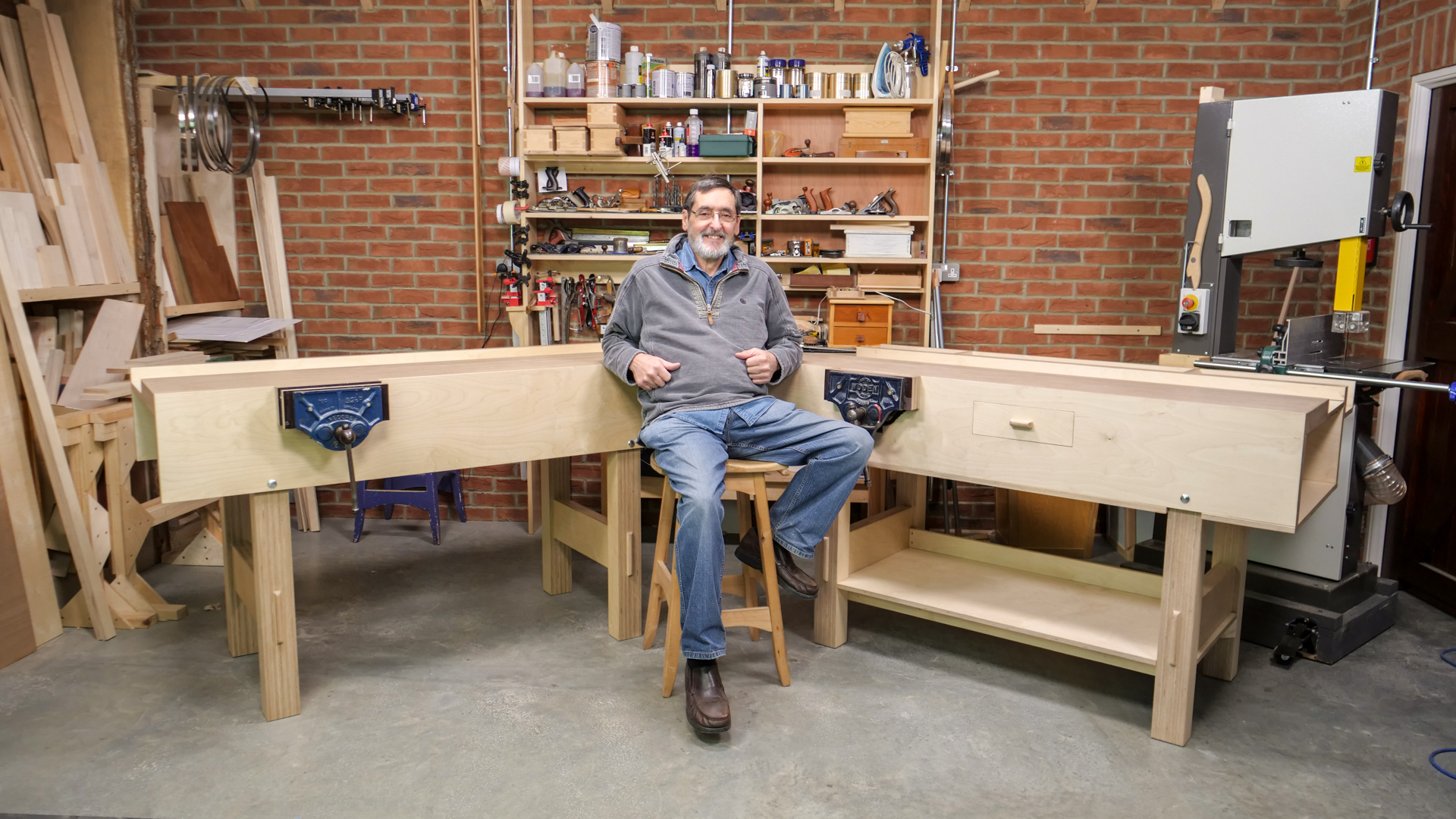
It's been a few years since I introduced my plywood workbench made altogether from Birch plywood. Plywood is one of the better inventions in woodworking even though it gets cheapened year on year because most product makers making or using plywood demand cheaper products year on year to increase their profits. In essence, this is a form of shrinkflation where the wrapper looks the same on the outside but hides the lesser content size inside and is therefore less filling with more filler.
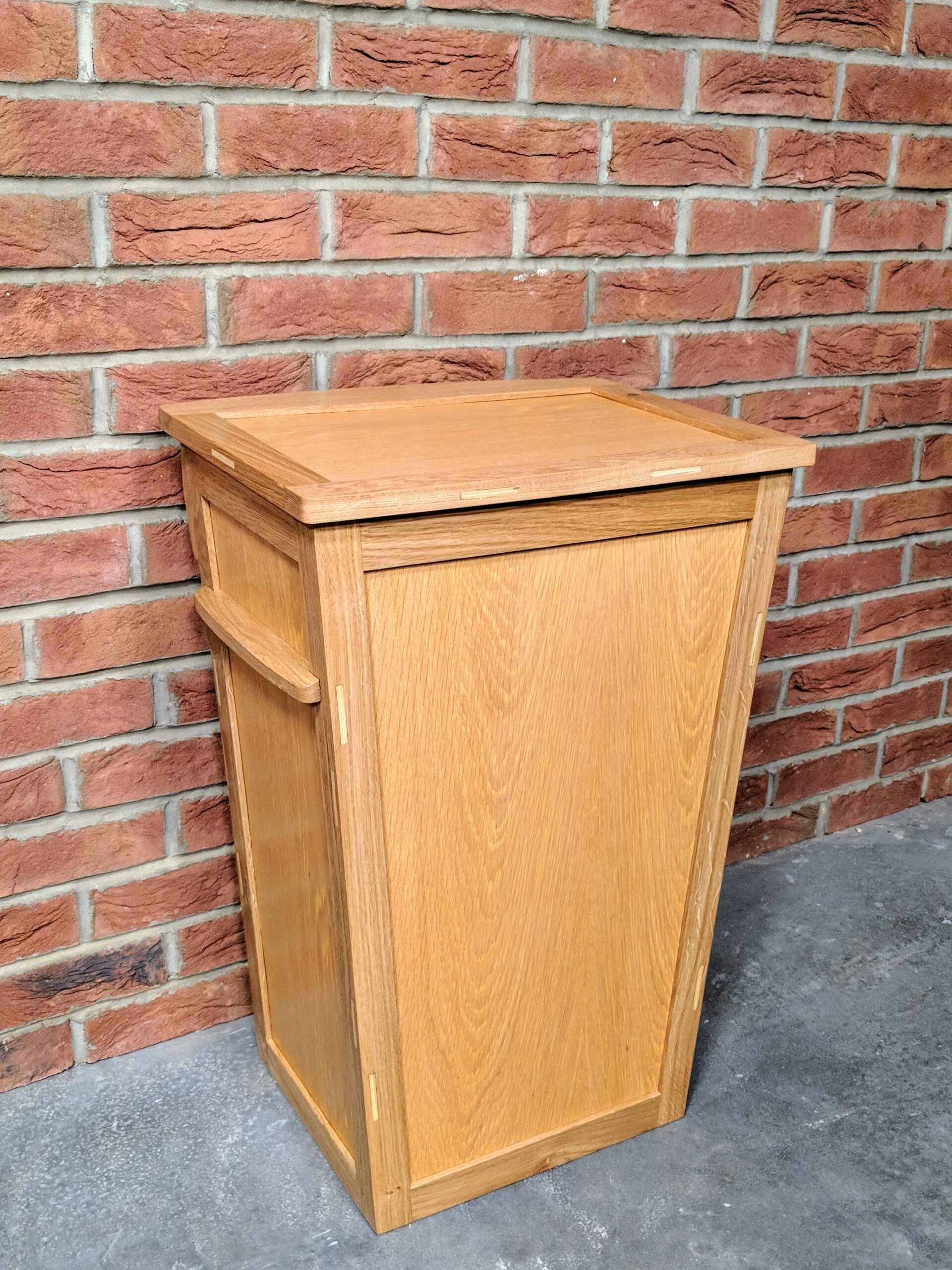
It was a few years ago when I made my oak plywood-panelled laundry/waste bin using a decorative plywood for the panels held within the grooved frames of oak. The frames were mortise and tenoned as per tradtionally; mitered at the tenon ends and haunches. The design worked really well both structurally and aestetically. Innovation even in such small ways puts an important part of you into the work.
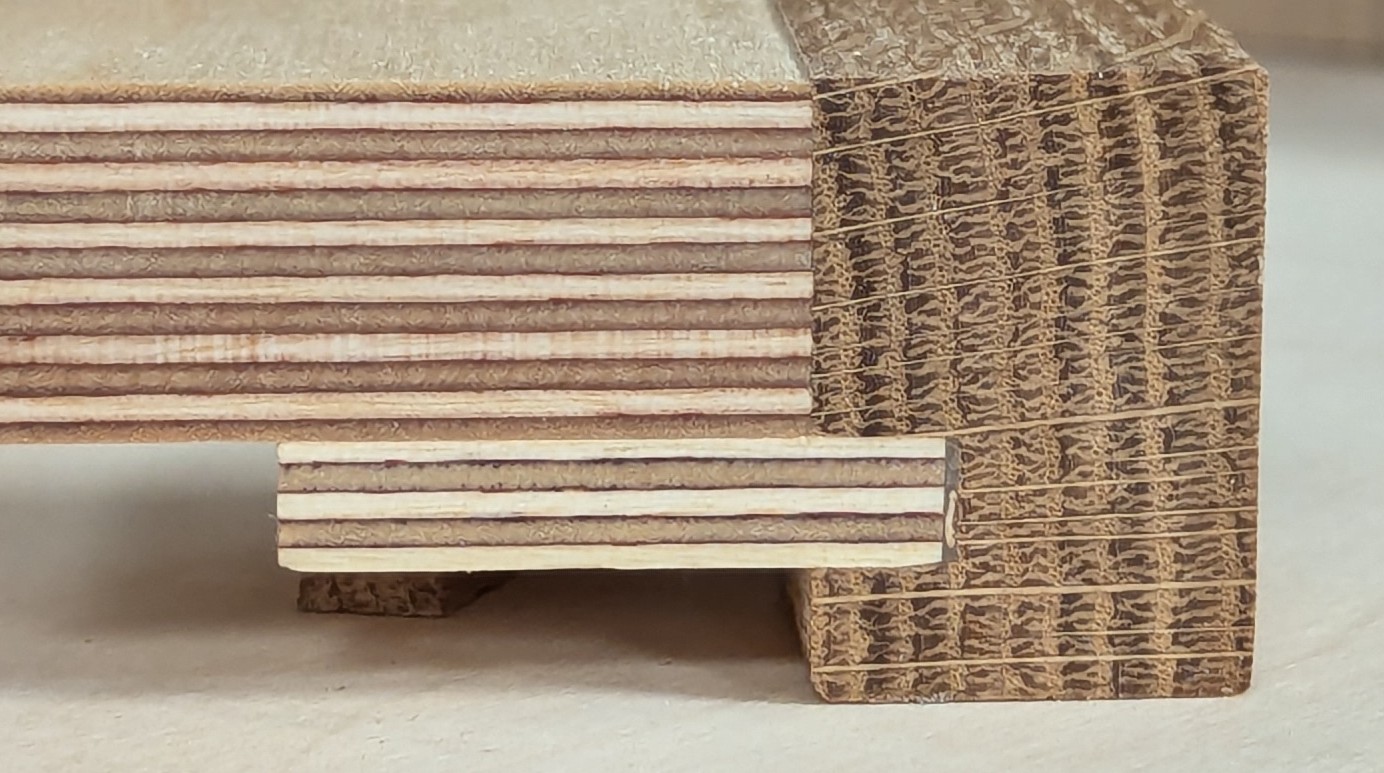
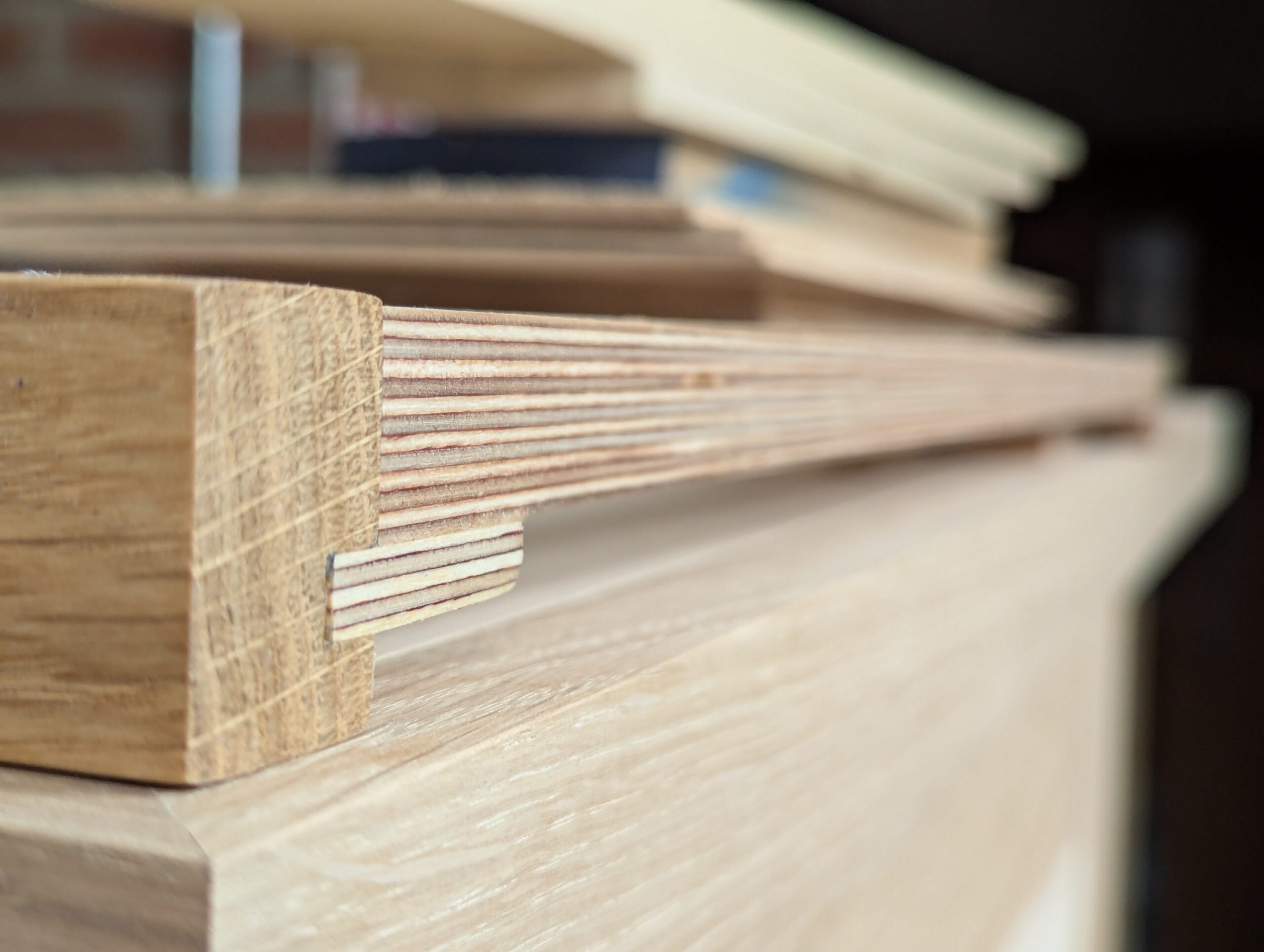
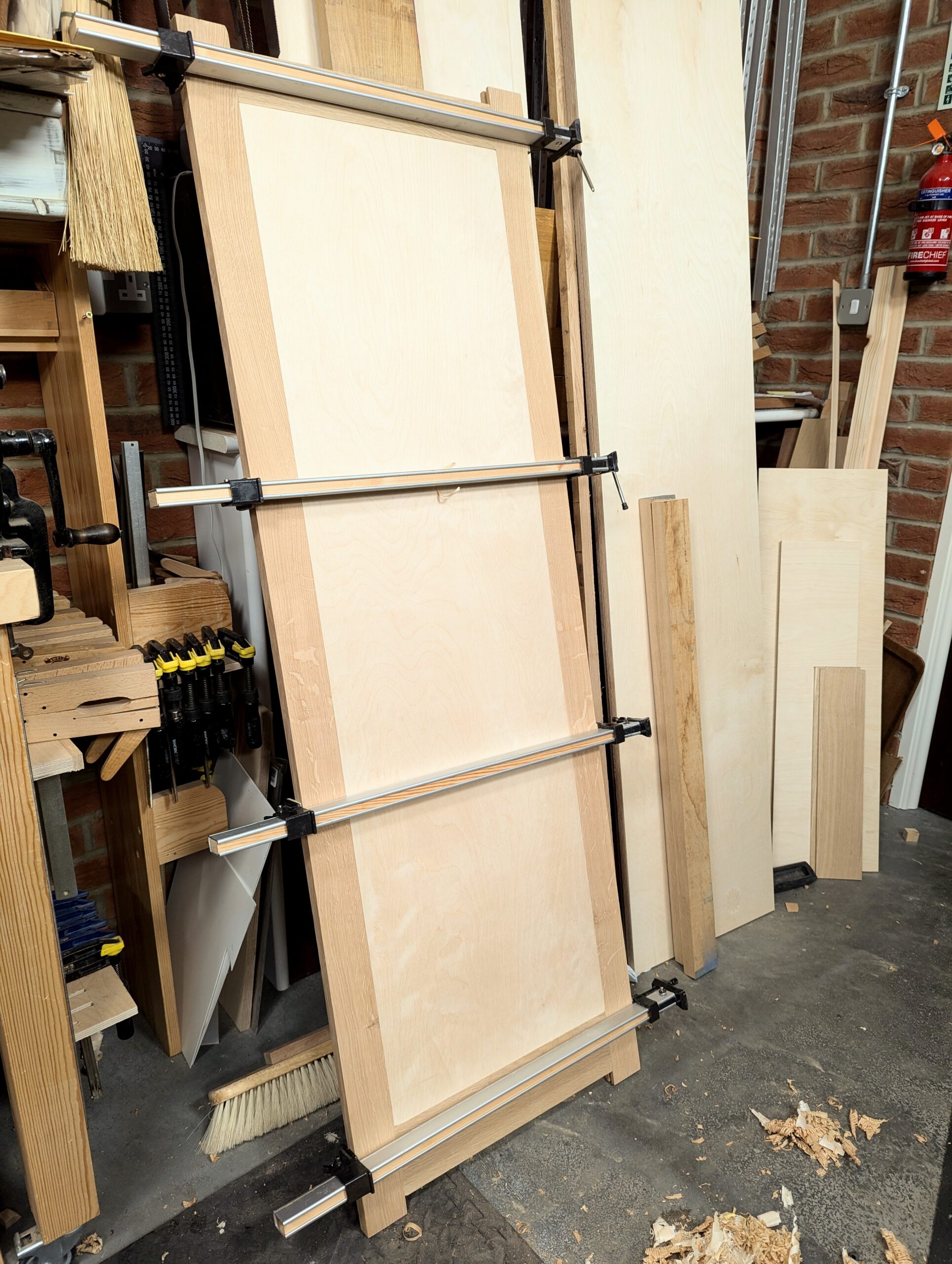
These past few weeks my ideas developed along a new line in design. In this project I used sheets of either quarter-inch or three-quarter inch birch plywood as the main panels but then added quarter-inch plywood tongues to the edges for fully engaging into hand ploughed grooves in the solid wood. It's a stunningly strong concept and it is indeed all done with only hand tools which critically is what I wanted. I felt we could be advantaged by a quality concept that has indeed become traditional in use and in something that saves considerable panel-making time.
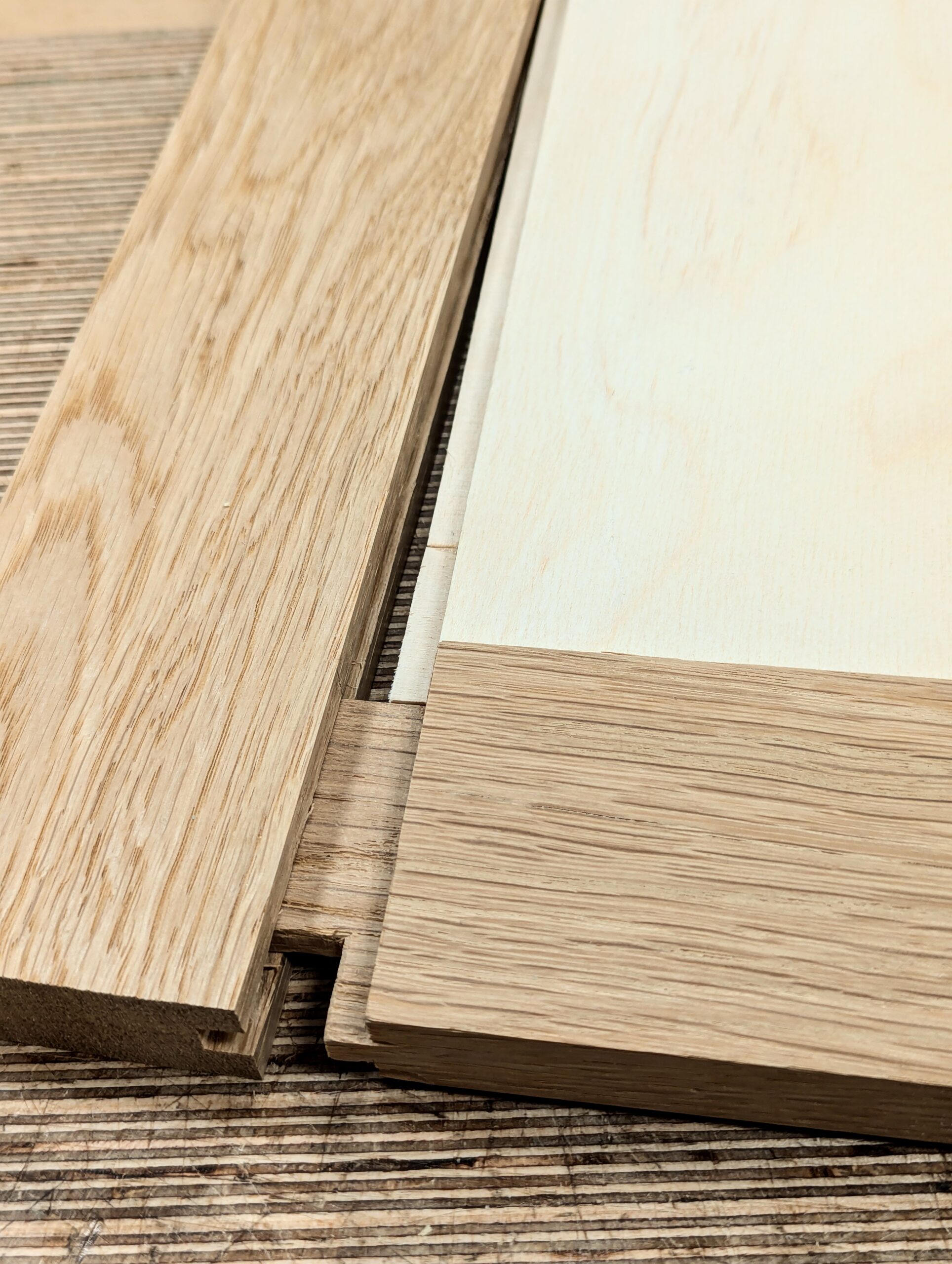
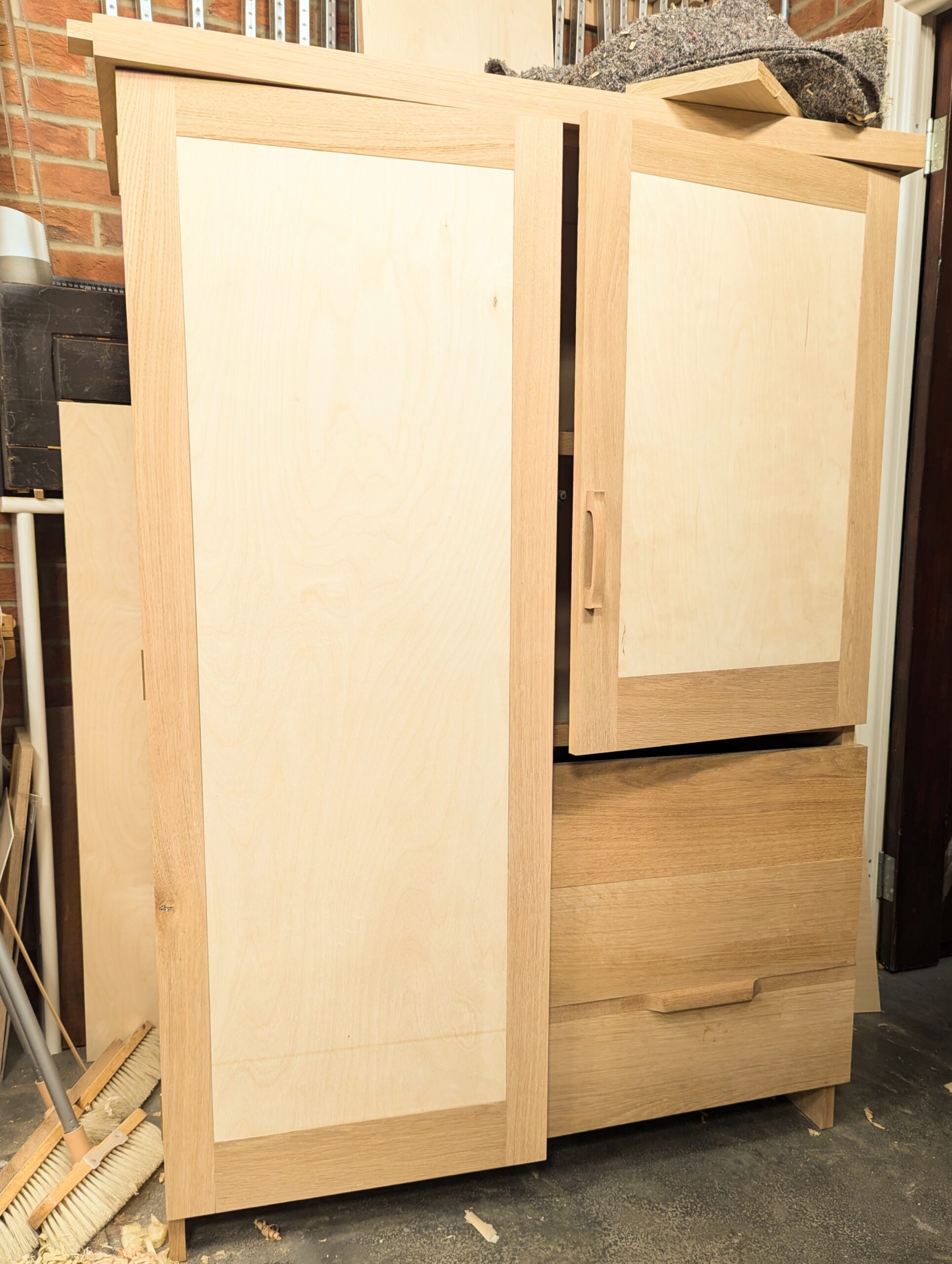
To make my cupboard I did not want lips to my panels and neither did I want planted stops or moulds holding the panels in place. The frames are near flush with plywood facing on the outside. It's quite an unusual design. I had an idea that the concept would give me something a bit, well, different. I also thought it would be robust. What I did not know was that it would be incredibly robust and so stout that I cannot move it easily on my own.
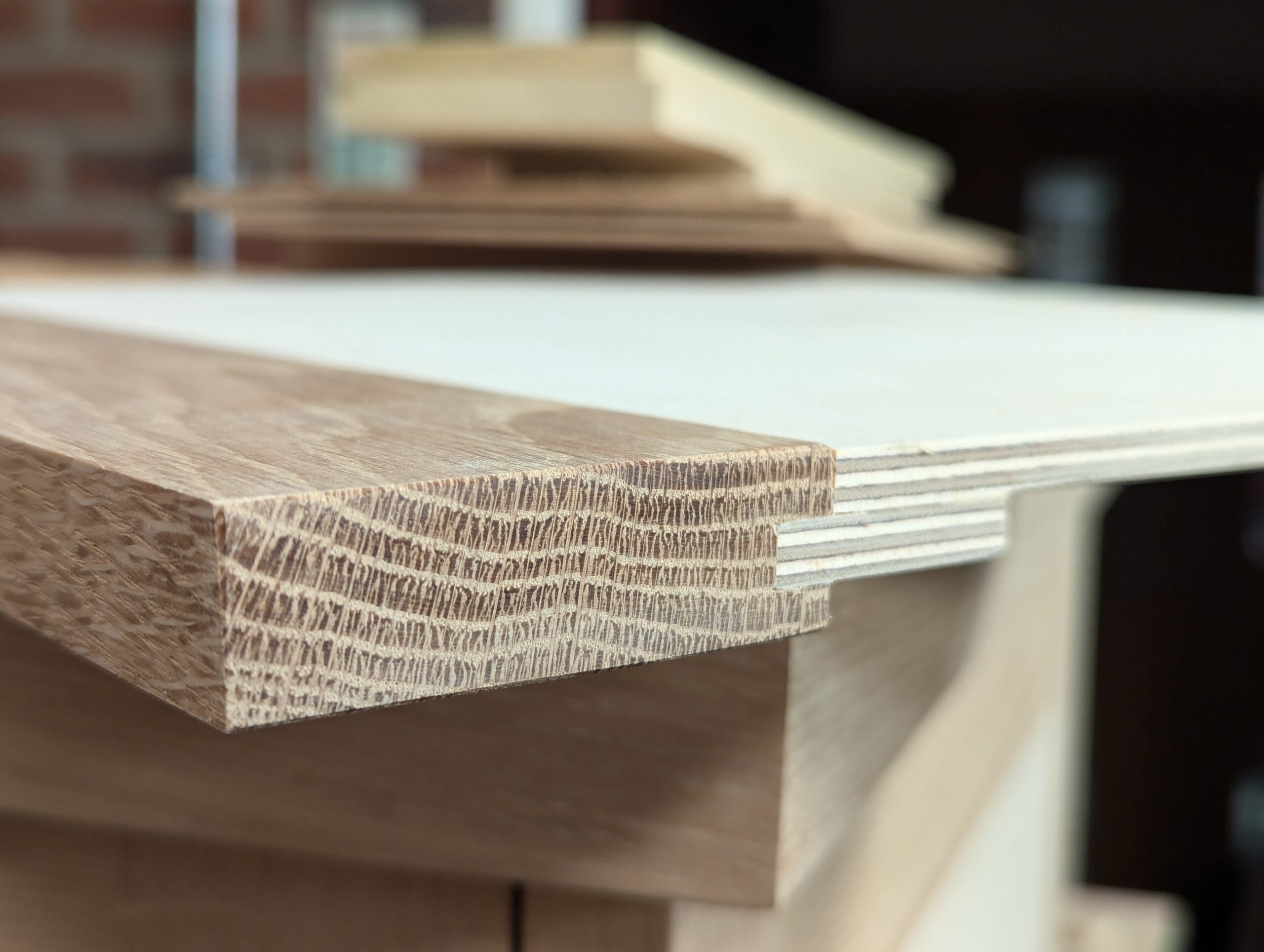
We are just about to complete this unique piece but the outstanding feature is that is is wholly flatpack. Yes, it bolts together with basically a dozen fasteners I picked for dismantling with a single allen (hex key) wrench. The joinery elsewhere in the frames is very traditional haunched mortise and tenons joinery together with dovetailed drawers using housing dadoes also.
I am hoping you will join me on this project. The techniques and concepts are adaptable and scaleable and the plywood substantially cuts down on panel-making time and cost too. Here is the link.
Comments ()