
Going Back
Sometimes I think it is often more important to go back to something we might have inadvertently moved on from that once spoke more strongly to us than what we moved into later but somehow quite forget its core connection. My reason, and there was ony one, for becoming a woodworker was for the love of using hand tools. Machines took over but not because of my choice. They were seemingly the mark of maturity by my bosses at the time. My maturing in age and thinking logic if you will seemed to qualify me for higher levels of production and others put me on that production conveyor belt. But it was also because my then boss, an idiot MP, wanted speed and efficiency. He also wanted to drive his gass-guzzling mass of a car and to live in luxury without ever getting his hands dirty. When someone calls you "Boy!" from the getgo and never asks your name you know you have a class system. Thankfully I freed myself from this hideous and archaic system and asked myself why I was doing so much by machine. The answer was clear, I'd simply become inured by the exposure to machines and i'd almost lost my first love.
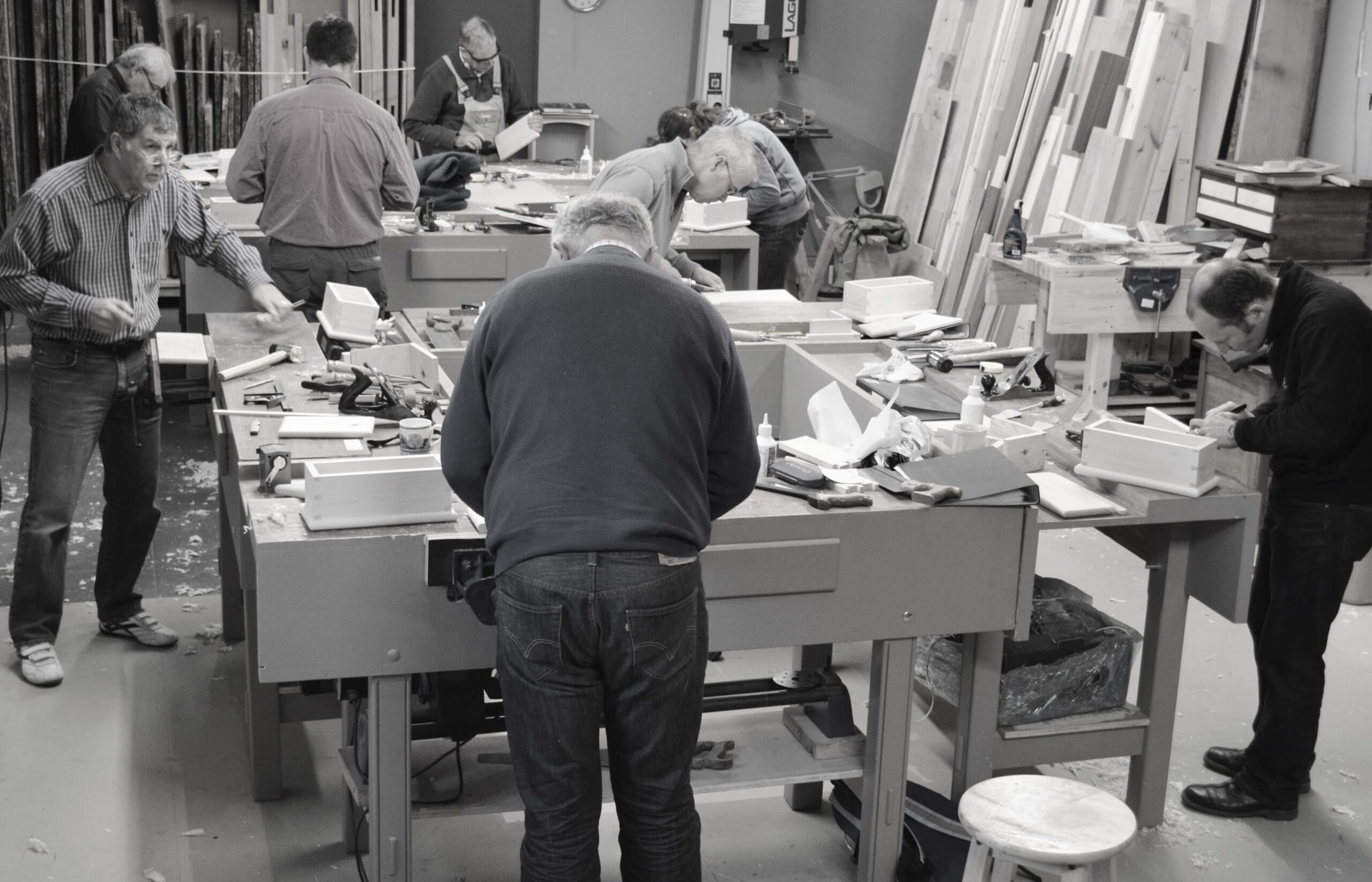
Machine cuts can distract us and for some it becomes lifelong to use machines only. Those advocating them as the better path influence others on a major scale and so then the path in life we've chosen for ourselves gets distorted. Even now, after over a half century of daily furniture making, someone out there, someone who just doesn't get it, who cannot get it and may never get it, tries to persuade me that machines are the better choice. Read John Bunyan's Pilgrim's Progress. The promise of ease, shortcuts, better this and thats and before you know it you're bogged down wading through stuff you never thought you would, you're buying equipment to clear out the machine mess, wearing things to protect your lungs, your eyes and your ears and so on. I wear eye glasses purely to see well, and nothing I do with hand tools affects my hearing and dust or shaving particulate I make using hand tools will not harm my lungs, nasal passages and throat and mouth. I say all of this with the caveat that we must each of us still be responsible as we are not all created equal and some things we have done or do or will do might well weaken our immune systems. Think smoking and other harmful influences here. The boss I spoke of above had us pushing asbestos through tablesaws with no protection at all. Anyway, I'm so glad I chose the path I did and stayed with it. No regrets here!
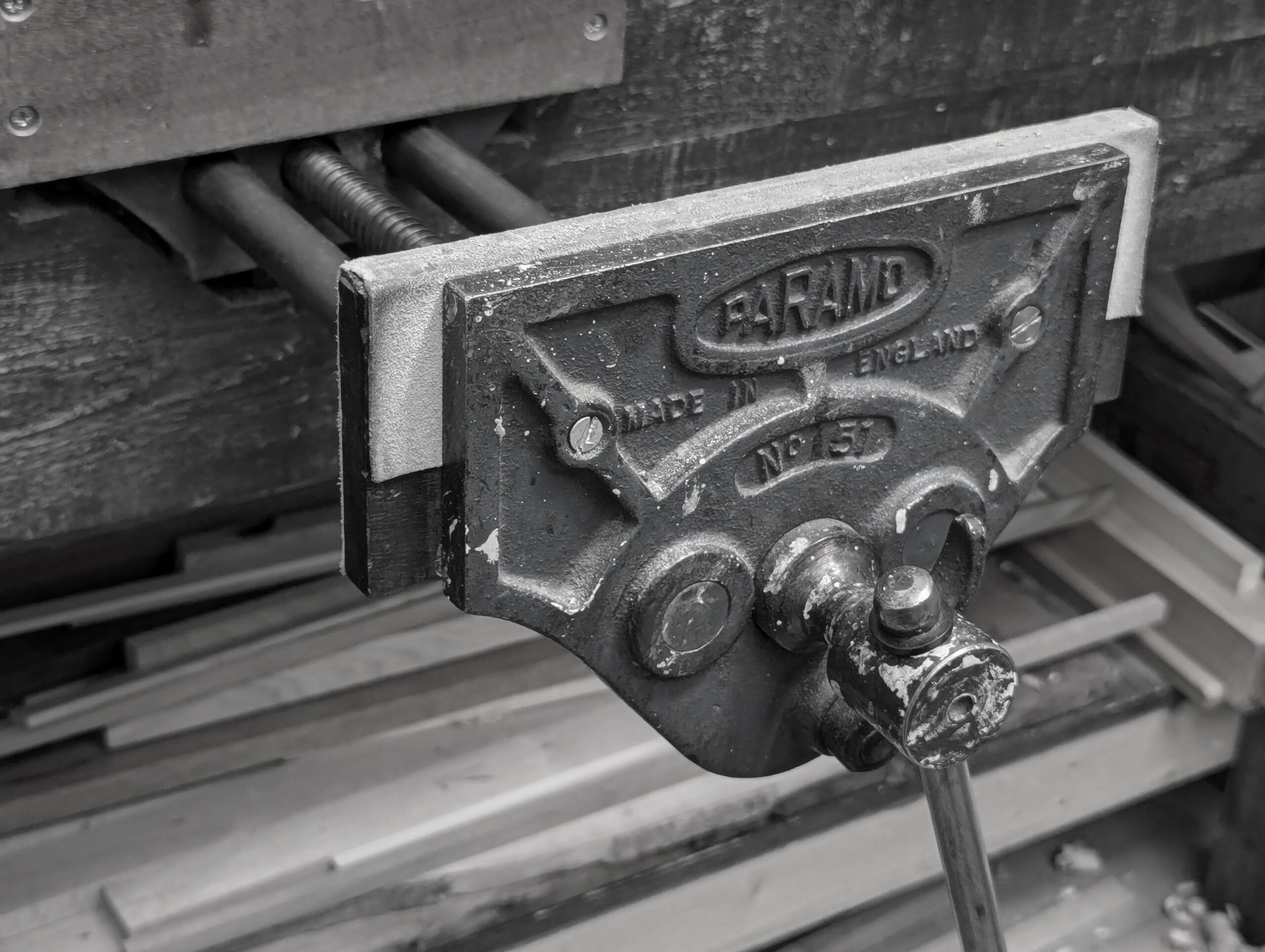
George placed me at the opposite far corner to his 10-foot long workbench by a monstrous vise the size of which I'd never seen before. The bench was never called a workbench; everyone referred to it simply as "The bench." He bent from the knees to squat down and pulled from beneath his side of the bench one tool after another and placed them in the well in front of me. Yes, this bench, a joiner's bench, had the traditional English joiner's well running the length of the bench slap bang in the centre. As he layed each of the tools down one by one, placed them, I sensed a sort of reverence in both movement and placement. "You use these." George said. "Mind you take care of them. When you get your own you can give them back. There's no hurry." That was how I came start my woodworking as his apprentice.
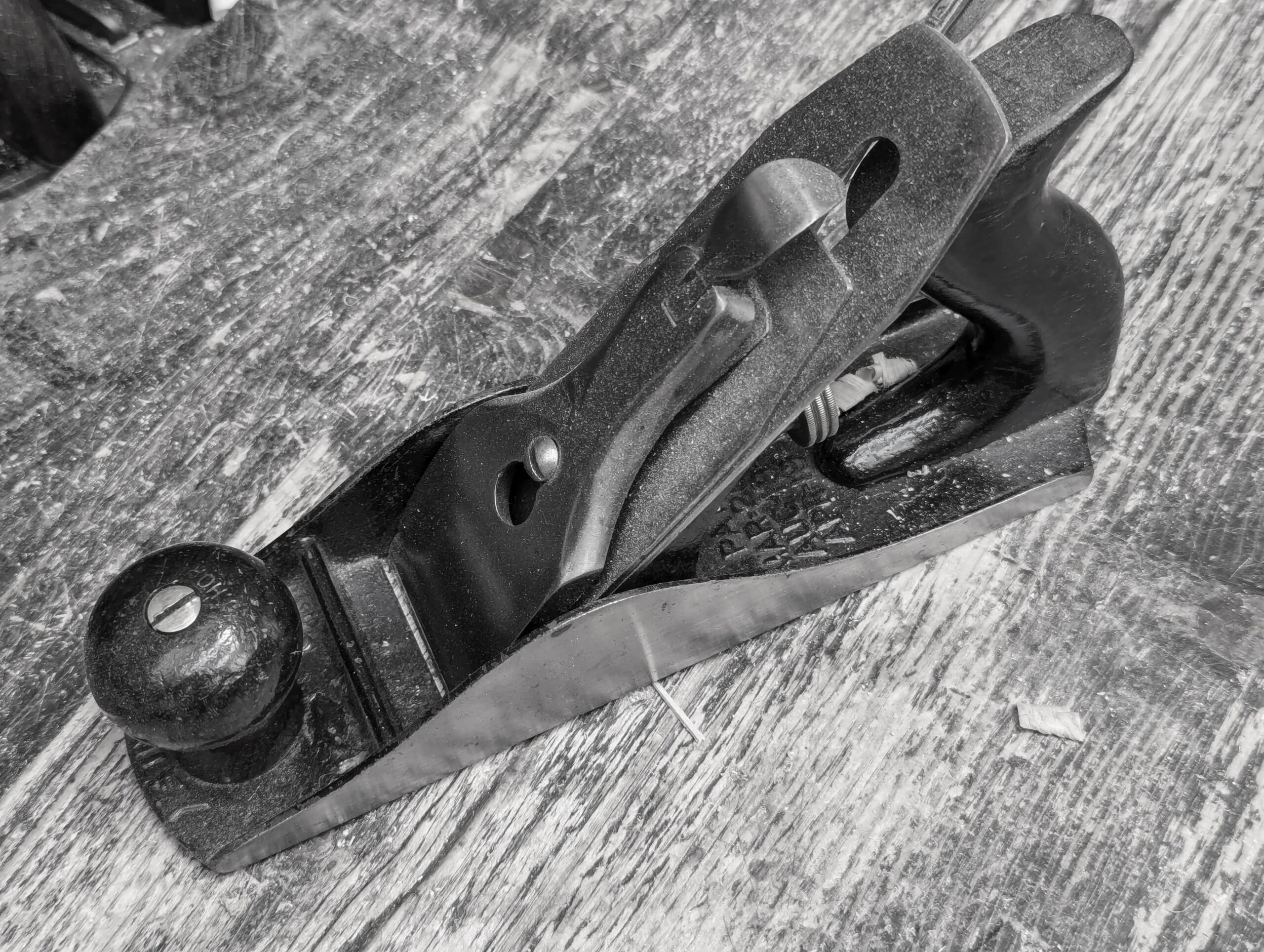
Without doubt, George was equipping me in the loaning something I knew then to be a valued gathering of tools that cost him when he could least afford it. There was no way I could have found the money to buy the set he provided at that time in my life and neither could my parents help me with it. Though the tools were important, and I really valued what George gave to me in entrusting them to my use, it was what came with the tools that enhanced them. What came with them was the friendship, yes, but more than that, the working knowledge of them that he imparted to me over the months and years and then the skills that would carry me through with a wage-earning capacity forthe next 60 years to date. And it wasn't always what `George said that spoke to me so much as him patiently working and by this example came the unspoken teaching that would train me to watch, to listen, to consider and to follow. By this example I engaged in the art of joinery. A piece of wood entered the recess cut into another and the two would remain connected for two hundred years. By this I learned and by this I began to reach out to others along the way to teach them my craft. I did the same with my own sons, my apprentices and then my students. George has always hovered over my shoulder, nudged my elbow and told me what to do. 'Not that way, this way! Not so hard, listen to the plane, the saw and feel the weight as they pass into and over the wood. This, Paul, is living your craft. You must develop sensitivity, cultivate patience, allow time for the tool to cut. By these thinngs you will discover the joy of work.'
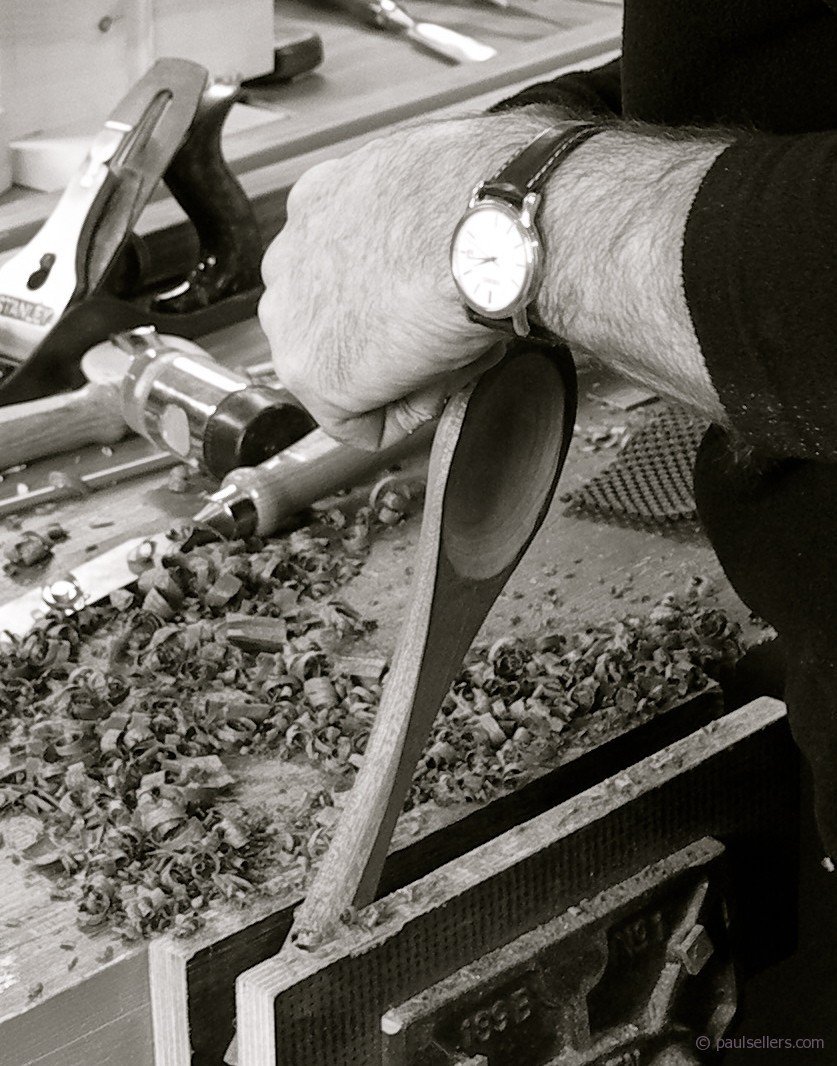
Laying foundations as solid as mine was more important to me than I could altogether understand at the time but what I see now and have for decades was what I could built on that foundation. Over the years I've expanded it a thousand-fold and more in the number of woodworkers I have trained and then too in what I' ha've written and produced as a writer on my craft. But I want to now backtrack for a period because my own 'tricks of the trade' are what makes my work efficient and rewarding and able to despatch some of the comments that keep cropping up that say "you can't do this or that using hand tools" when in reality they are saying theat 'they' cant do it because they never persevered to a level of true mastery because they chose the easy path.
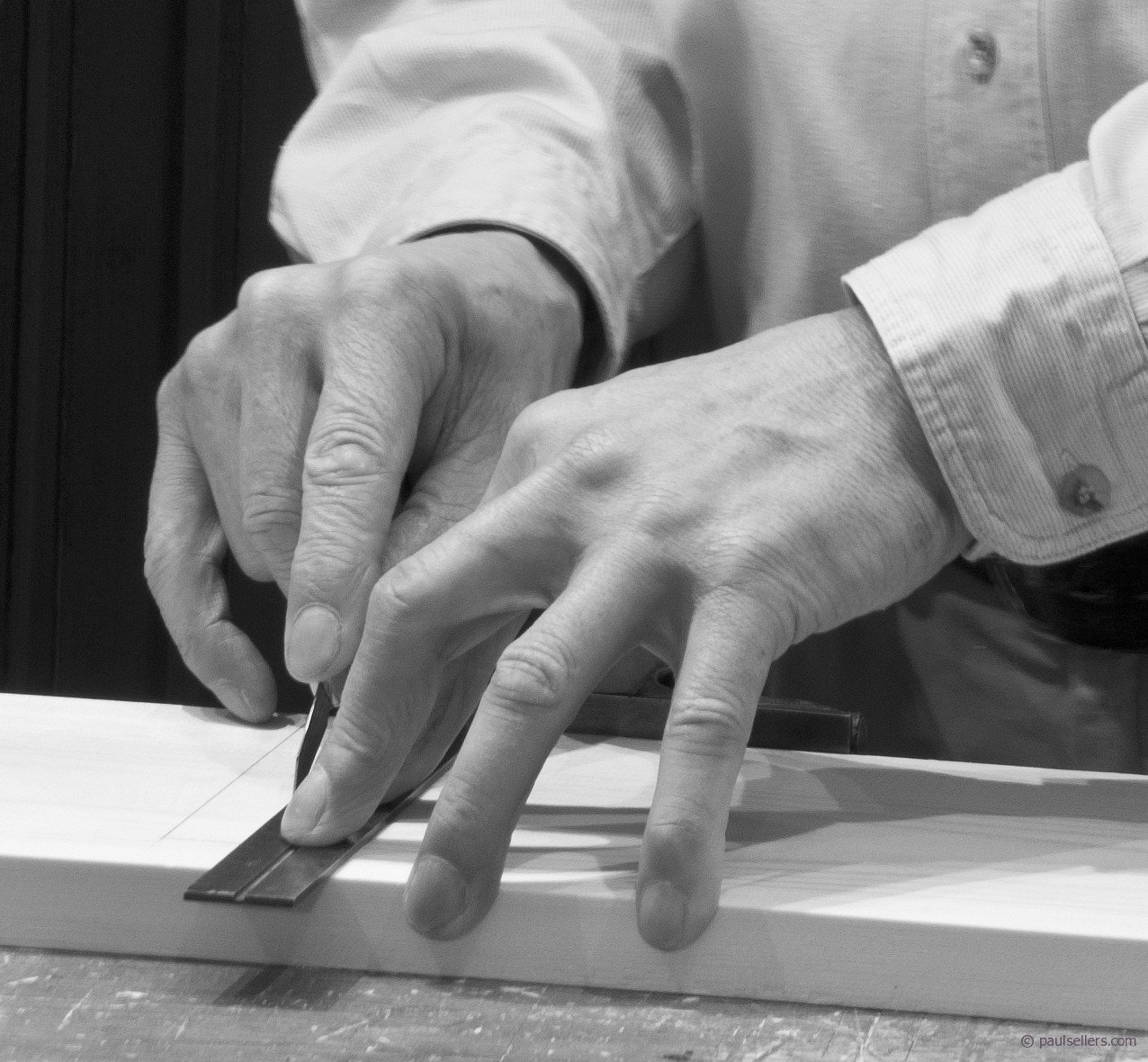
My initial goal when I began teaching was to ensure that my craft of woodworking with hand tools didn't die with those who passed and never wrote down a single word and had no apprnetices to pass on their knowledge to. As many if not all professional machinists tell me, "You cannot make a living by working with hand tools." Even though that is principally all that I did in fact rely on. But my audience through the years was and still is looking for something different than merely machining wood. Decades ago I discovered exactly how wood should be worked for the better if and when we rely mostly if not almost wholly on hand tools for the working of it. Put a machine between your headand your brain and then, most importanly, the wood itself and the whole dimension of woodworking changes for a very significant reason. The woodworking hand tools in your hand are a definite extension of your hands, physical strength and your brain. They are an extension of you. That is never the case with machines because the power of you is missing. The best way to learn real woodworking is in the using of hand tools. 35 years have passed since I taught my first class outdoors under a sport's canopy in Kerville, Texas. and 45 years since I irst started to train those first apprentices of mine. I have forgotten now how many woodworkers I have trained one to one in my hands-on classes and workshops be that carpentry, woodturning, joinery or furniture making. I do know this though, that it is in the thousands. My very specific and definitive curriculum came from my working knowledge and background which now spans six decades of daily making both to sell and to teach. It's as important to me now as it was when I first began because I believe it's the way I know best to ensure the craft lives on in individuals who feel as I do.
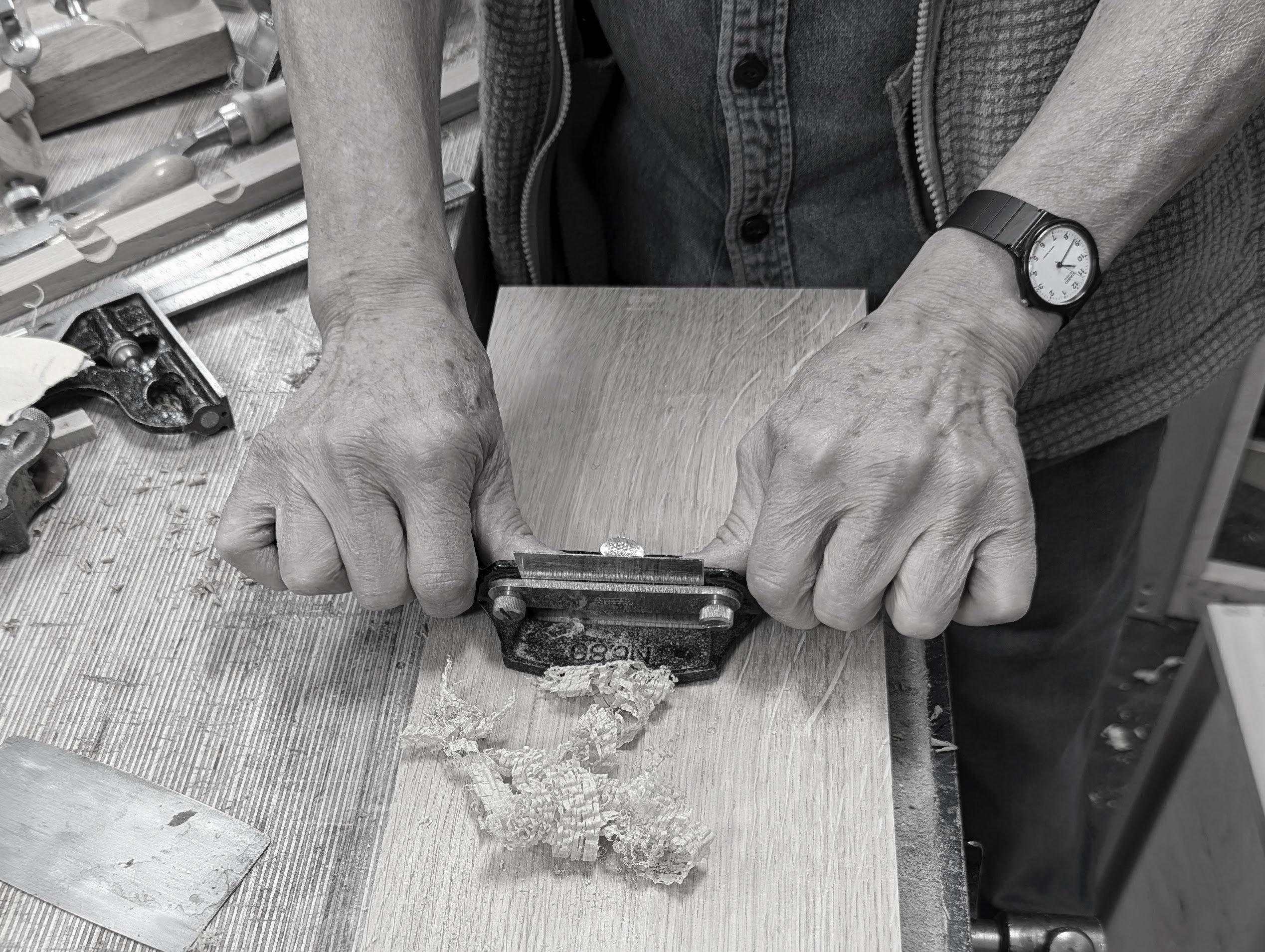
In the coming months I will be blogging more as in times past when we first started teaching and training through my blogs and subsequently through videos. I still have so much more to impart and intend to fill in the gaps. Writing is time consuming but I love to write, photograph and draw. My teaching and training others throughthe decades brings all of these art forms together in one place for us. We have made and posted many hundreds of videos and posted 3,000 blog posts since we began our online presence for others to learn from. I want to put even more flesh on the bones because this will expand your knowledge and it's you that will keep the craft alive for others.
Comments ()