
Since March 2021 I've Made . . .
I can't explain it. I don't need to but I'd like to if it was of value and if I could do it justice. When I make I want me to do it. Currently, I like doing many things. I'm not much of a passenger and I'm not a spectator. I don't play any kind of game except the ones I learned to play and then abandoned never to play even once again. I enjoy riding my bike and like digging into soil to grow food. The size of these tasks is in accord with the life I live. I ride my bike only for exercising my legs and own two bikes, one pedal power alone and the other electric assist to allow me greater distance without excess waste of time. The assist version allows me to go further and saves me from using the car. In 2019/20 I did not use my car except for essential trips like picking up wood, going to the recycle centre or moving what cannot be carried on a bike. I reduced my fuel bill by four-fifths that year and I was fitter. I also increased my circuit ride by quadrupling the distances for the added exercise. I found the wintertime harder because of the rain on ice. I think an electric bike pays for itself in fuel saving over a three-year period if you use it and the battery holds out.
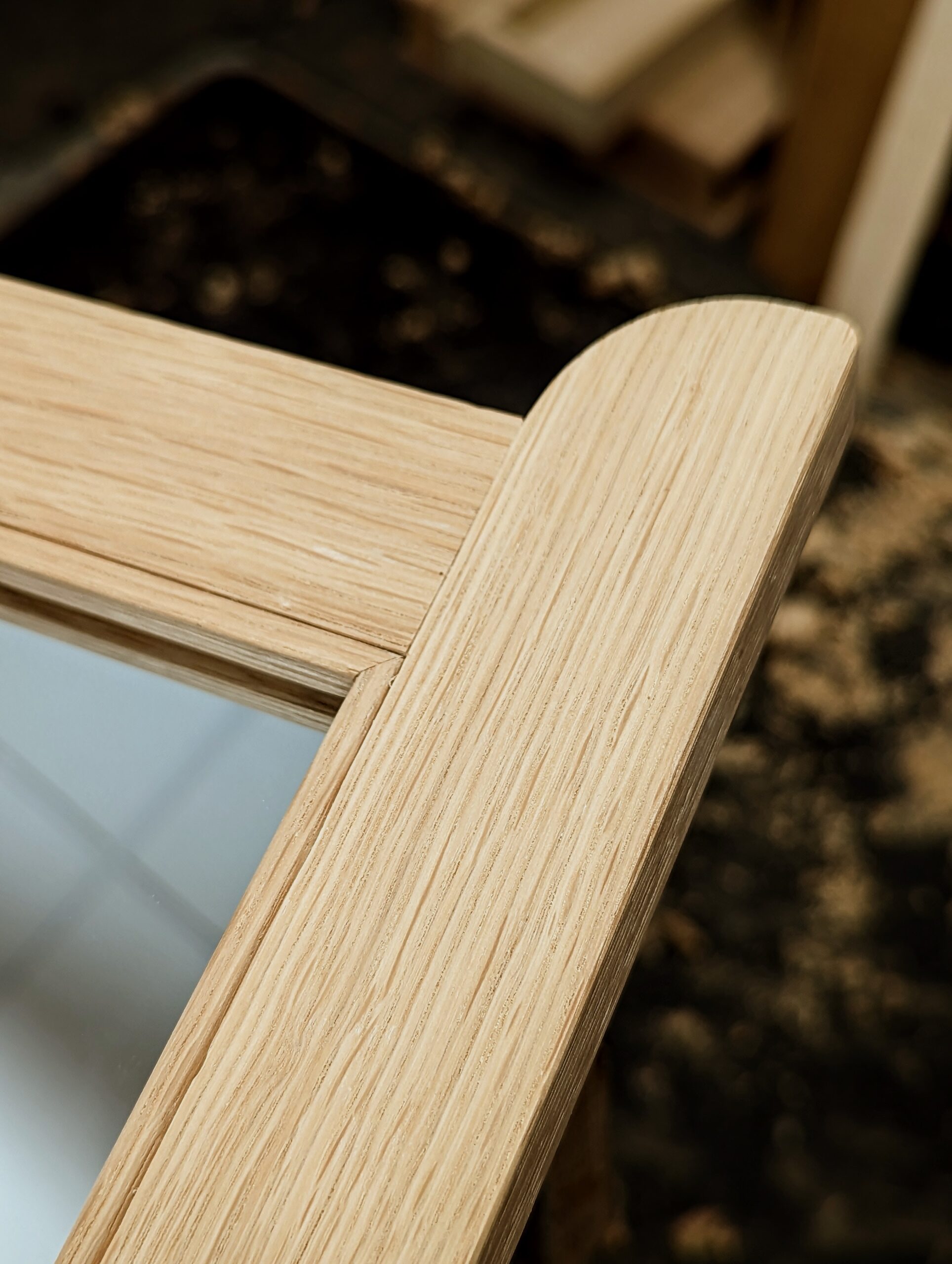
Now for woodworking. If I average making 10 mortise and tenons a week and take my 58 years working 50 weeks a year and six-day weeks then I have most likely made 29,000 hand-cut mortise and tenons. I've made that many at least and most likely double it. If I include machine-cut versions then I've quadrupled that but that's not making that's faking making really. This month I have hand cut 30 dovetailed corners ranging in widths from 2 1/2" to 8" wide. That comes out at 21,750 in my lifetime and it is likely to be twice that amount and I have never once used any machine or power equipment to fake-make a single one. Why so many? When I lived in the USA my workshop was open-door so throughout the working day visitors could walk through and for each group, I would cut a twin dovetail corner to demo my skills and help people to see the simplicity of cutting dovetails. I often did ten dovetailed corners for visitors a day and at woodworking shows it would be nothing to cut 30 dovetails in a day. They take me two and a half minutes to do and that included planing them up to pass around. Not too time-consuming. I was in the US from 1985 to 2009 so I guess in that time I might have actually cut 30,000 for demoing alone. You'd think I'd be good at it by now and of course I am.
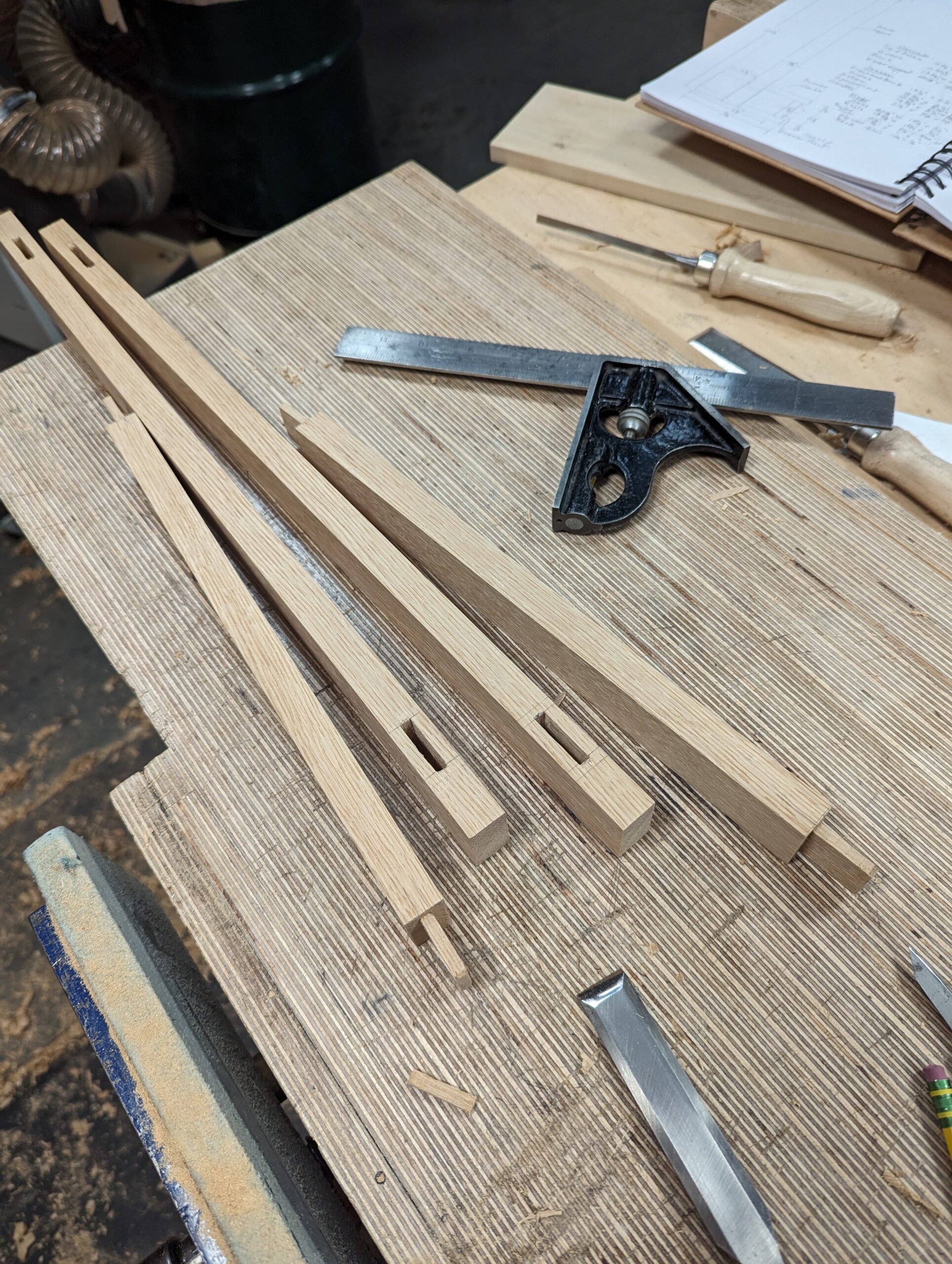
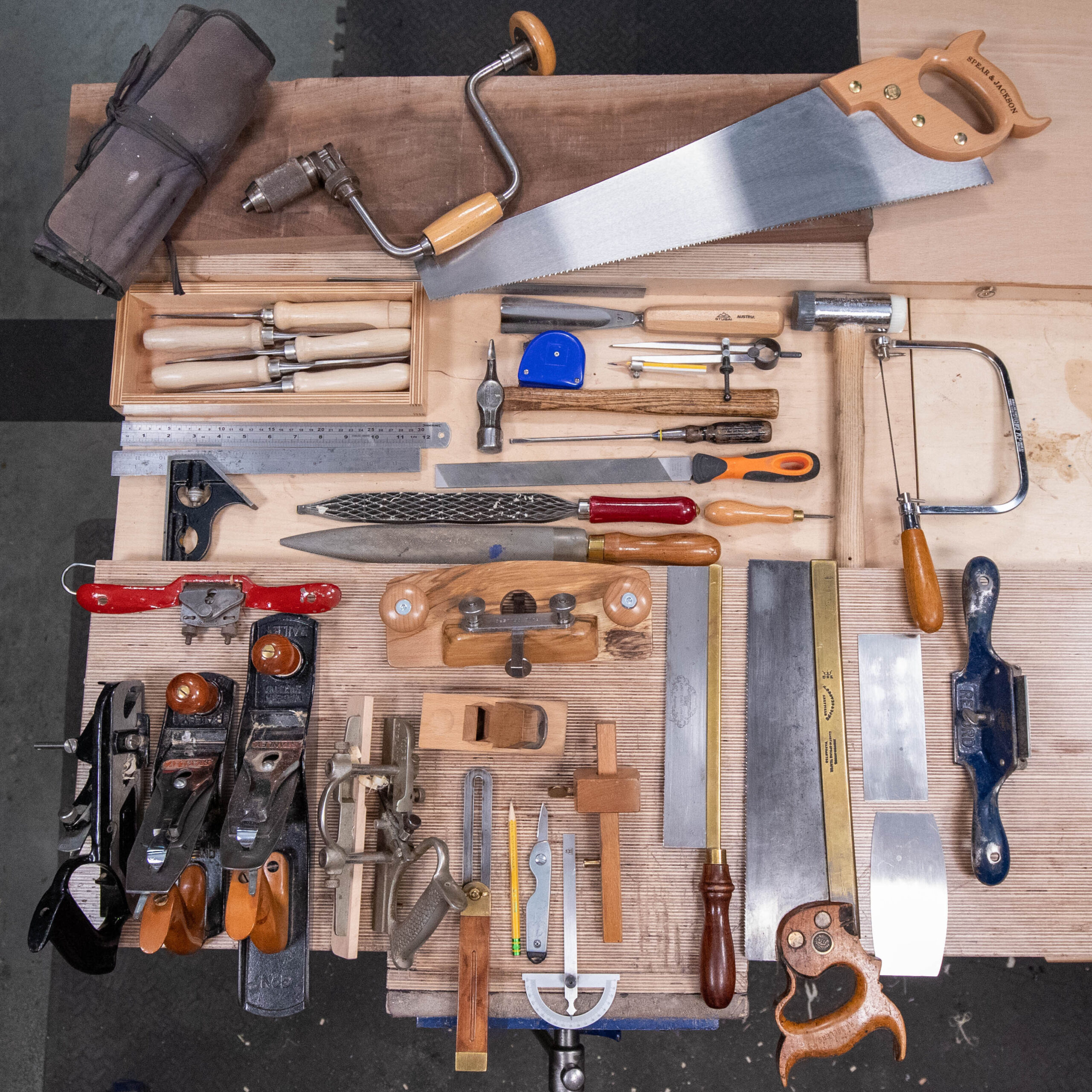
This week I timed myself cutting four mortise and tenons to make a second oak mirror frame and the four corners took me a total of one hour so fifteen minutes apiece. The shoulder lines and joints needed no trimming or fitting nor did I use a shoulder plane because the shoulders off my knifewalls guaranteed perfect seatings to each one and on both sides of the shoulders. But it would be wrong for you to assume that you have to make 30,000 mortise and tenons to get excellent results. Following certain patterns guarantees that you will get them pretty much straight off after a short period of practice on scrap wood. What was it I can't explain? Oh, why I still enjoy doing it. There is a premise that I have used since I got the revelation of it for teaching others. With ten hand tools and three joints, you can make just about any piece of furniture you need.
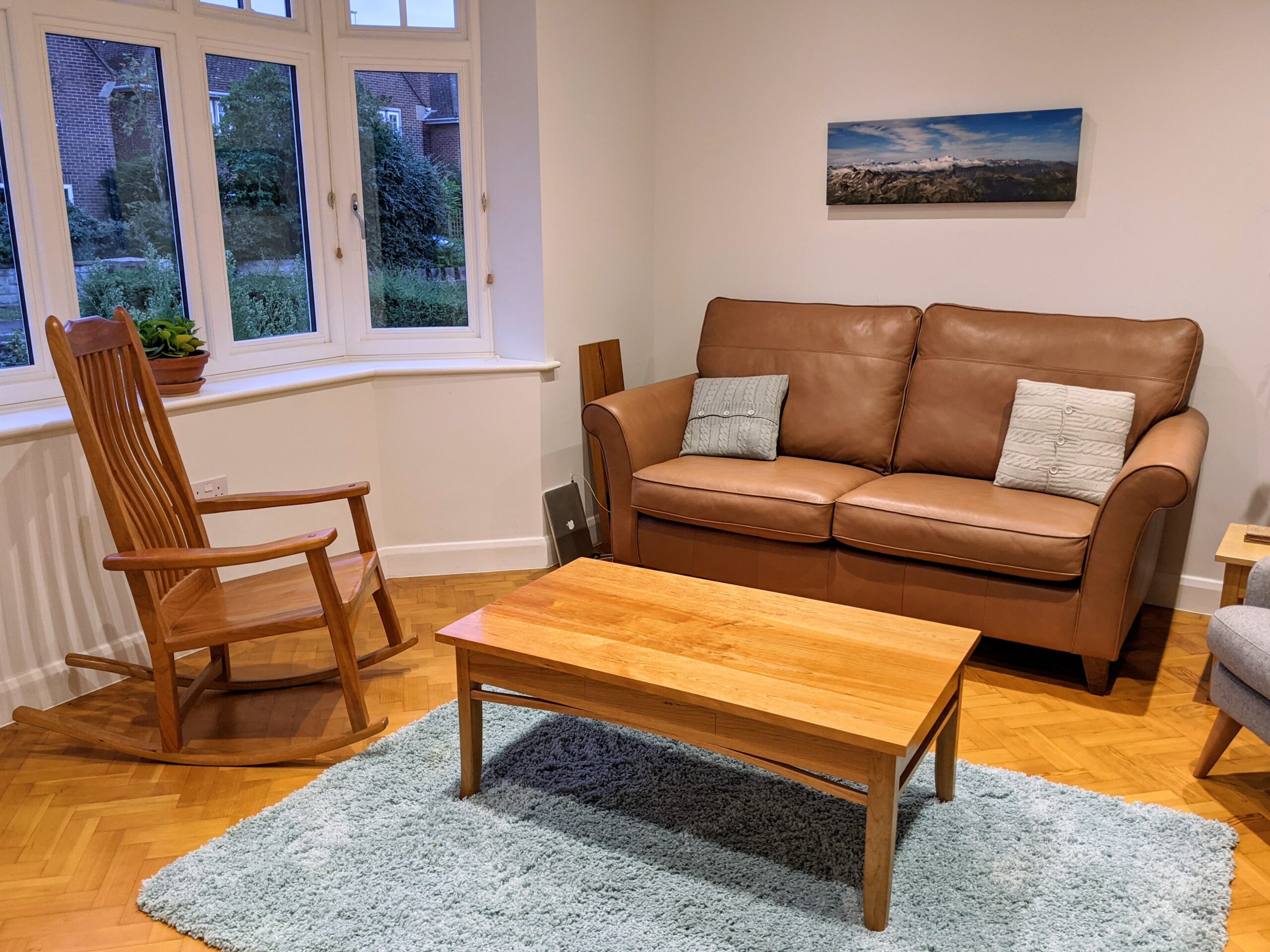
The following pieces are pieces I have made over the last two and a half years. I delivered the first piece for Sellers' Home in March 2021. In designing most of the pieces I made two. One would be a prototype and the other the one I would install in the house.
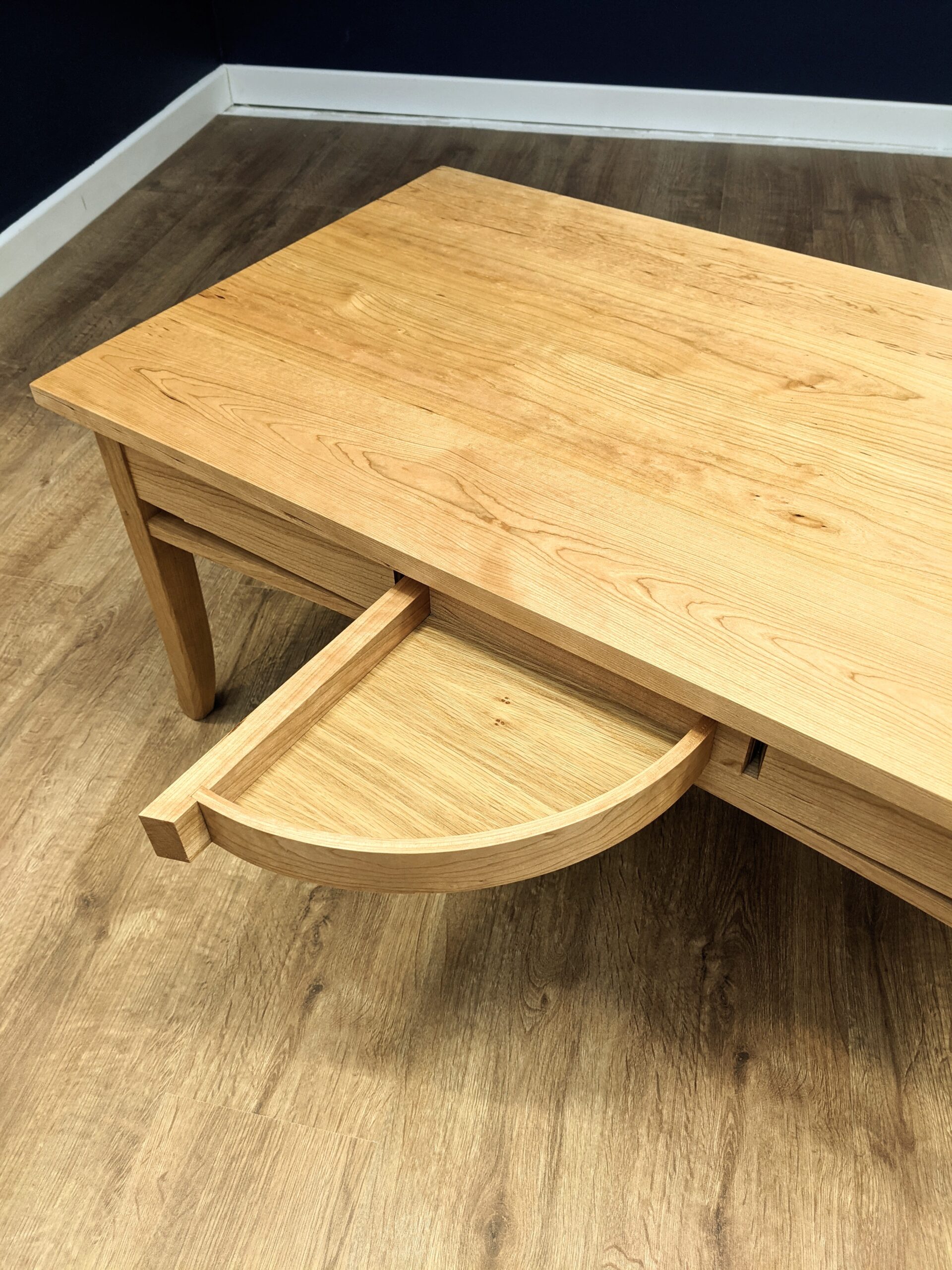
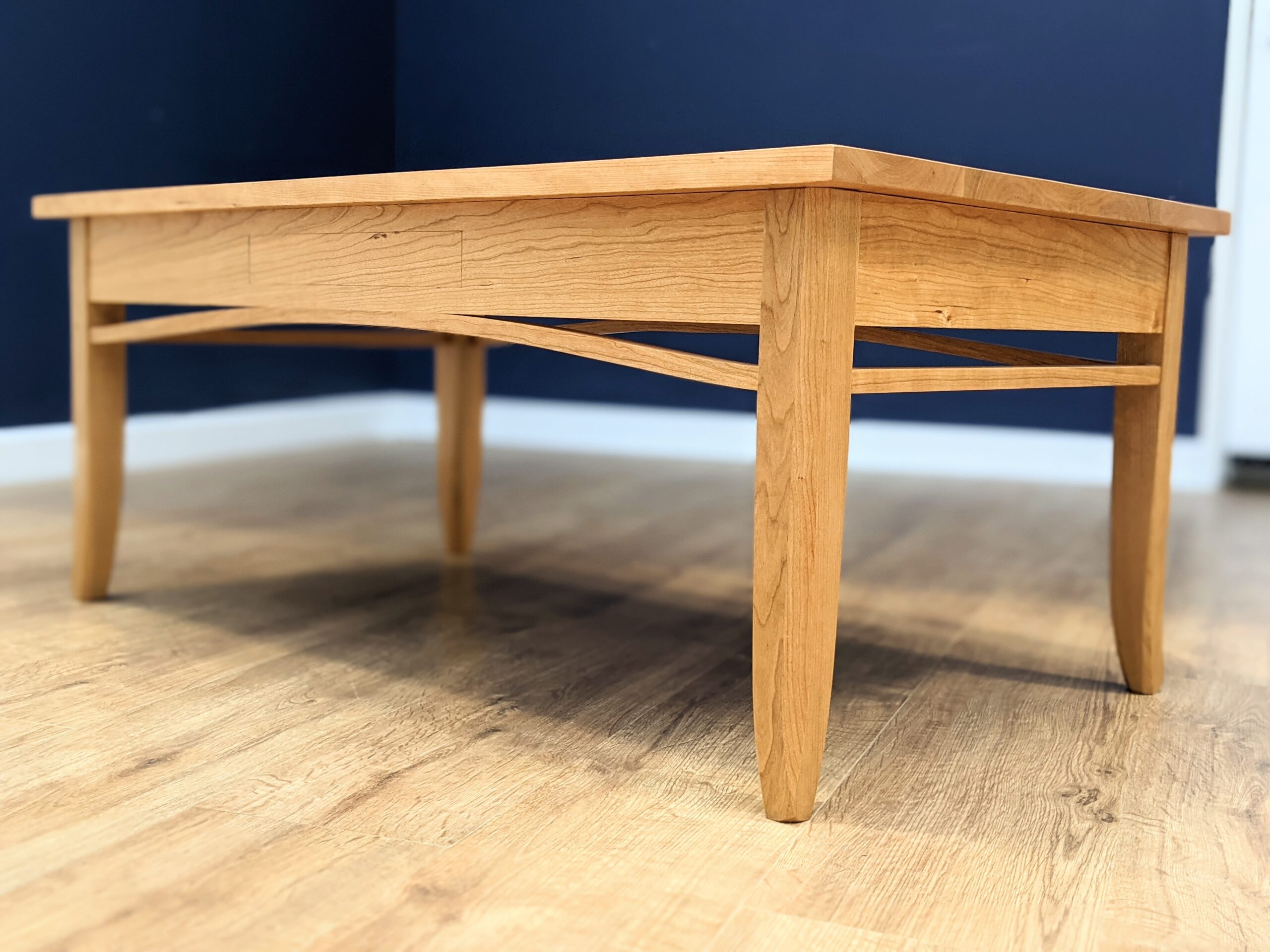
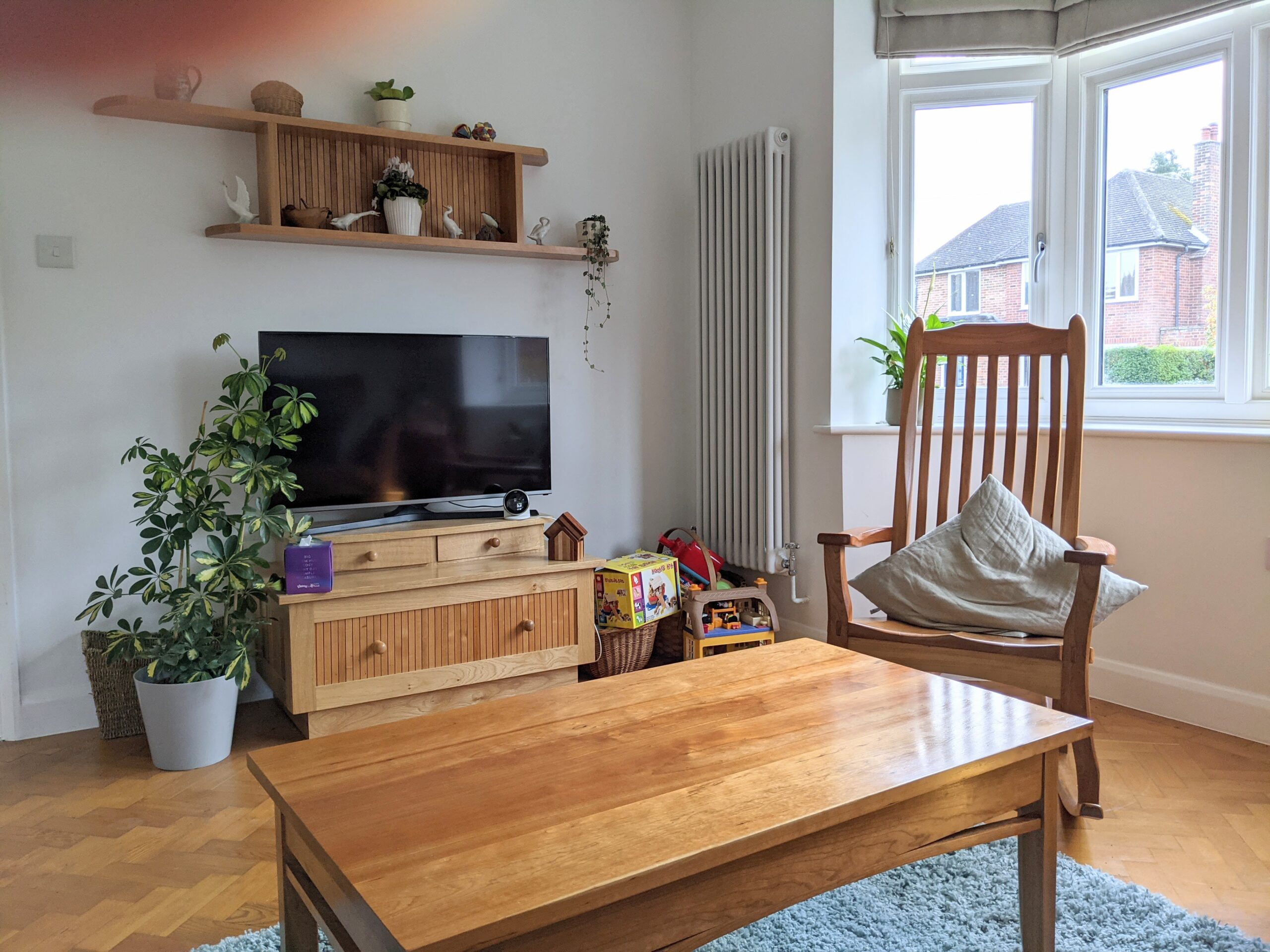
I wanted to add an additional idea to the coffee table and that was a hidden drawer that could be popped out for keeping the remote.
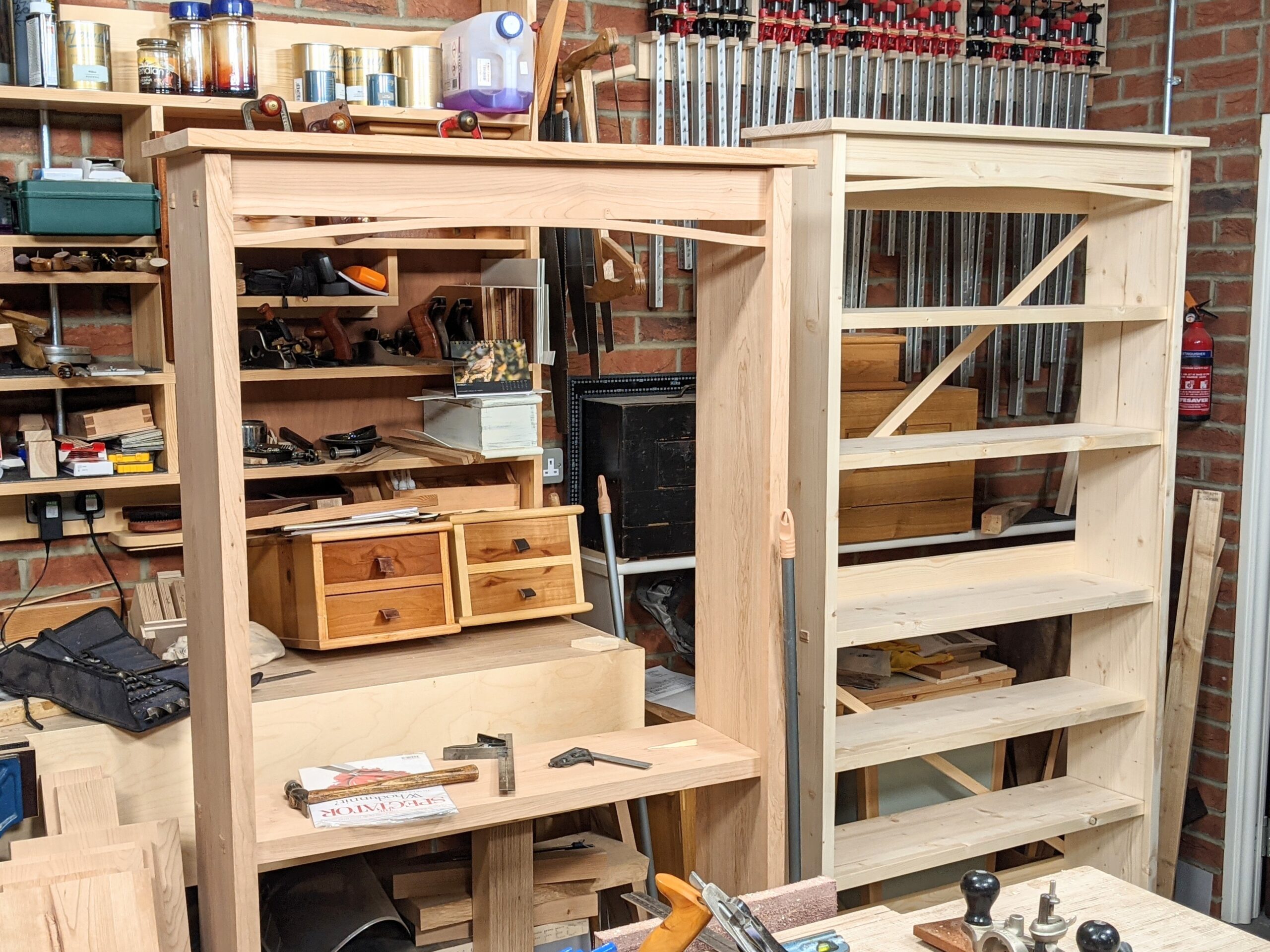
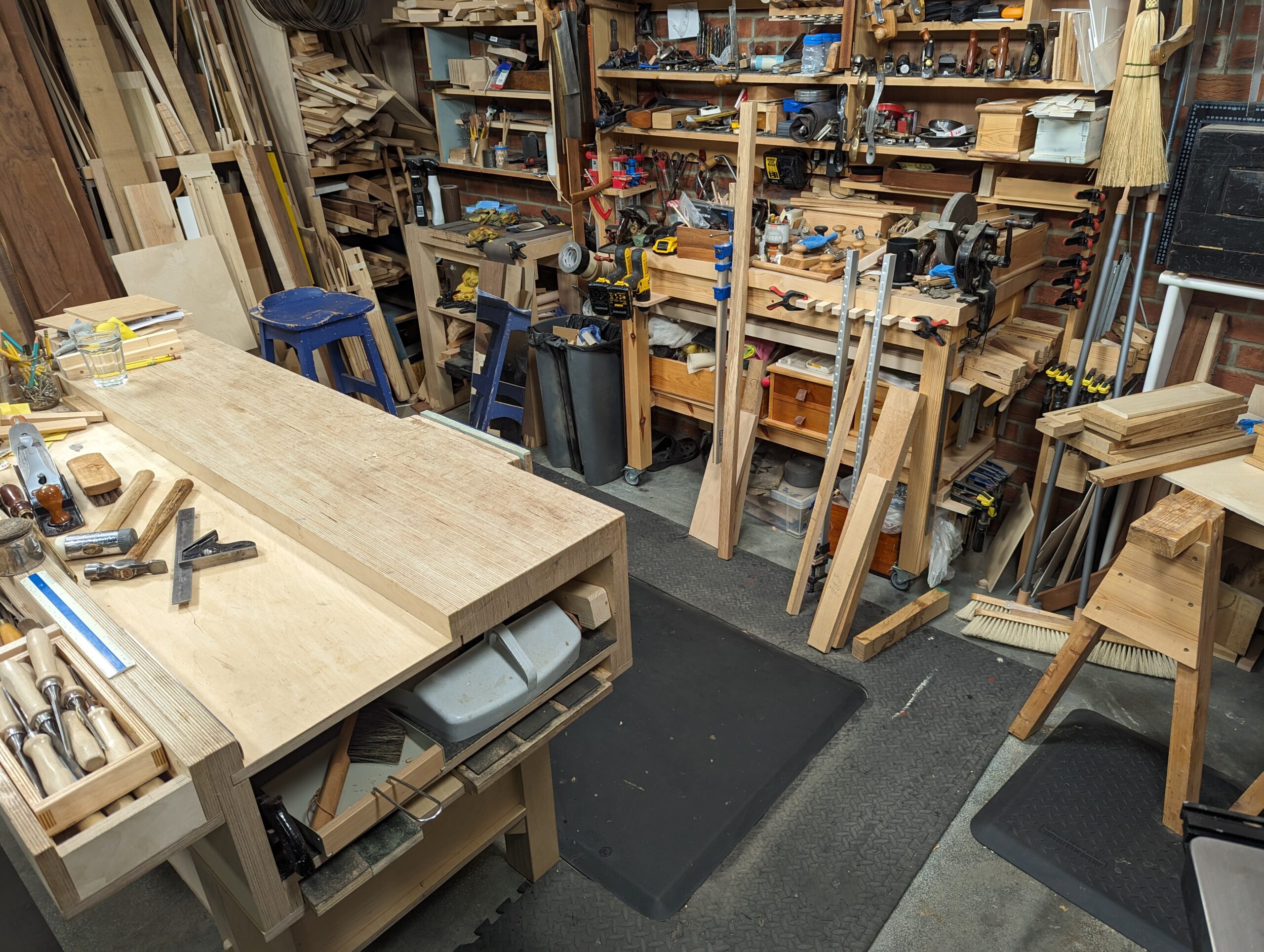
There is nothing at all random about the items of choice for making. We put out a survey three years ago and considered different options. One option covered places of making. We found that a garage was the most common place to make in and that determined our using a garage replication as the footprint size for us to reconstruct for filming in. Below is the actual workshop we have been making in. It's more than adequate even for sizeable pieces like king-size beds and an 8-seater dining table.
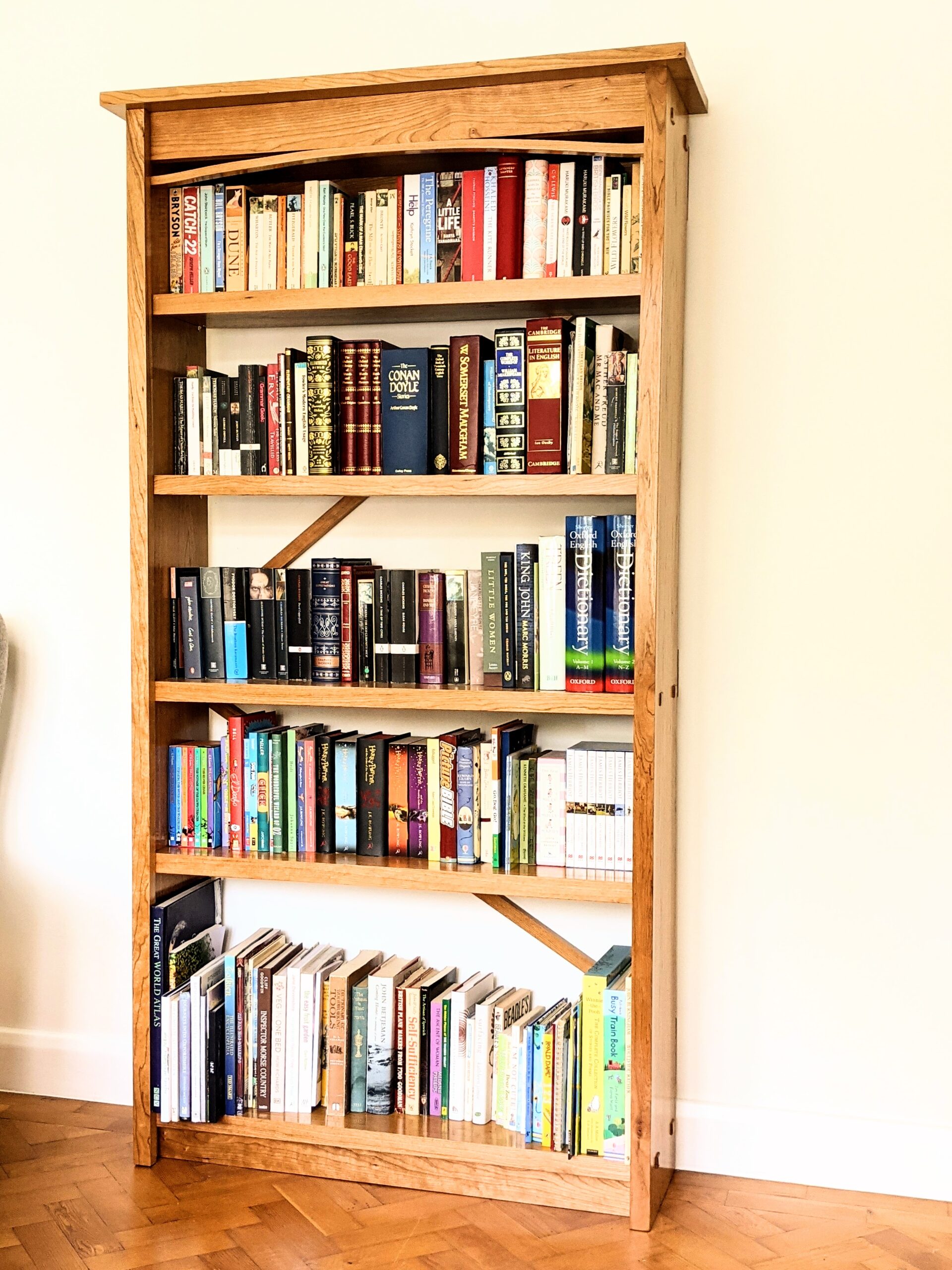
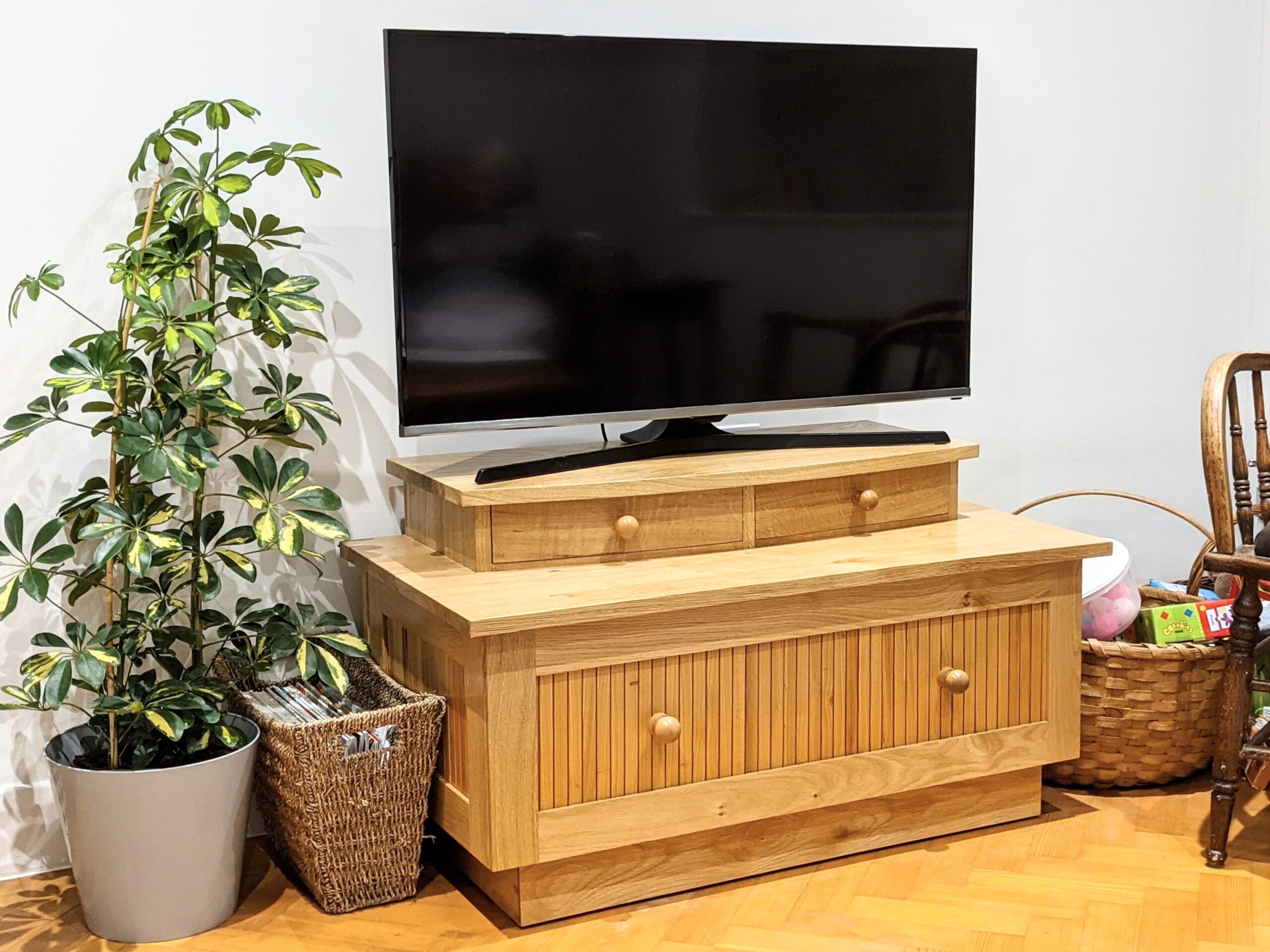
The TV stand is invaluable to the Sellers' home now. The deep drawer is ideal for storing toys, games, puzzles and blankets. The design is unusual in that I liked the idea of tambour strips for facings and such rather than a simple flat front from a solid piece.
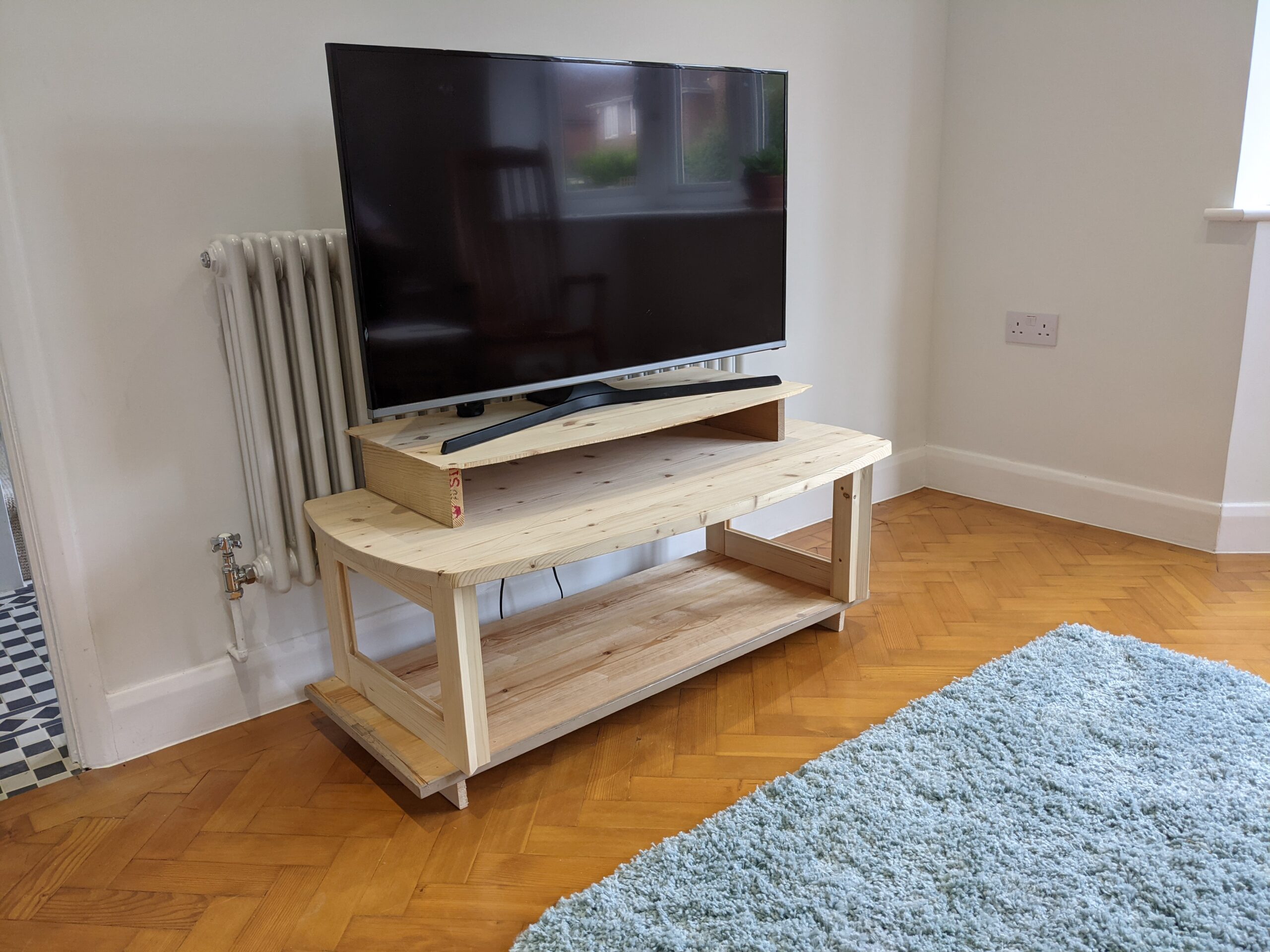
The whitewood works well to capture ideas and place them in a room. It's an easy wood requiring less energy to work and usually, the wood can be repurposed if it doesn't make a product.
I like coasters even though many finishes are liquid-resistant including spirit alcohol, They make really good gifts for friends and relatives. I usually make several sets like these by ganging up the laminations and then crosscutting the length on the bandsaw. Planing the end-grain versions needs a truly sharp plane but the long-grain versions plane easily. I made it hard on myself on this set by combining end-grain with long-grain side by side.
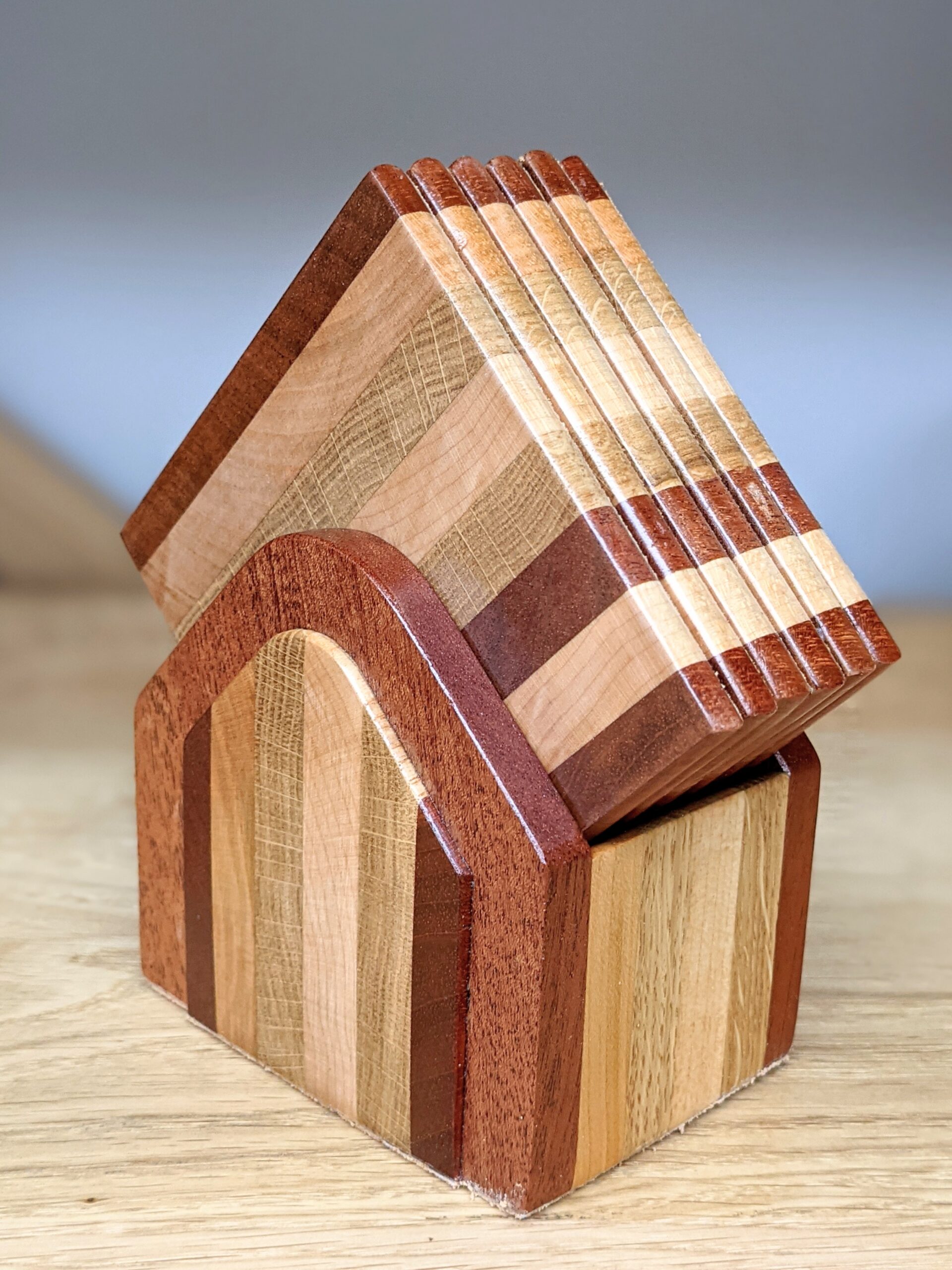
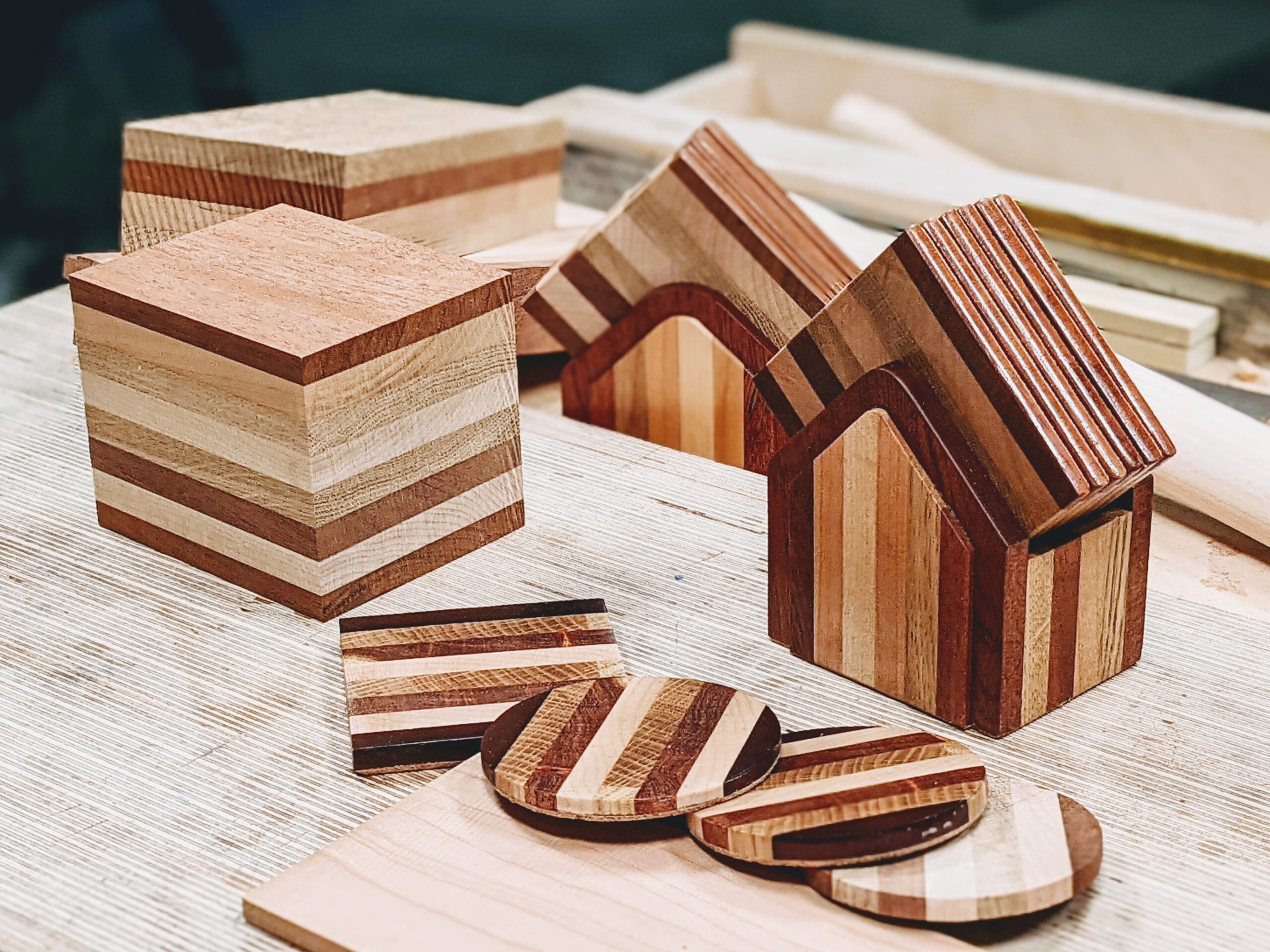
The living room came near to conclusion within a few months. But it was in this year of 2021. over a couple of months that I concluded the design of the Paul Sellers router plane and then developed it into a kit of metal parts. This has nothing to do with Sellers' home except we use the plane throughout just about every project these days. I want people to be able to make their own and then have ready access to a kit of the metal parts that alleviated metalwork.
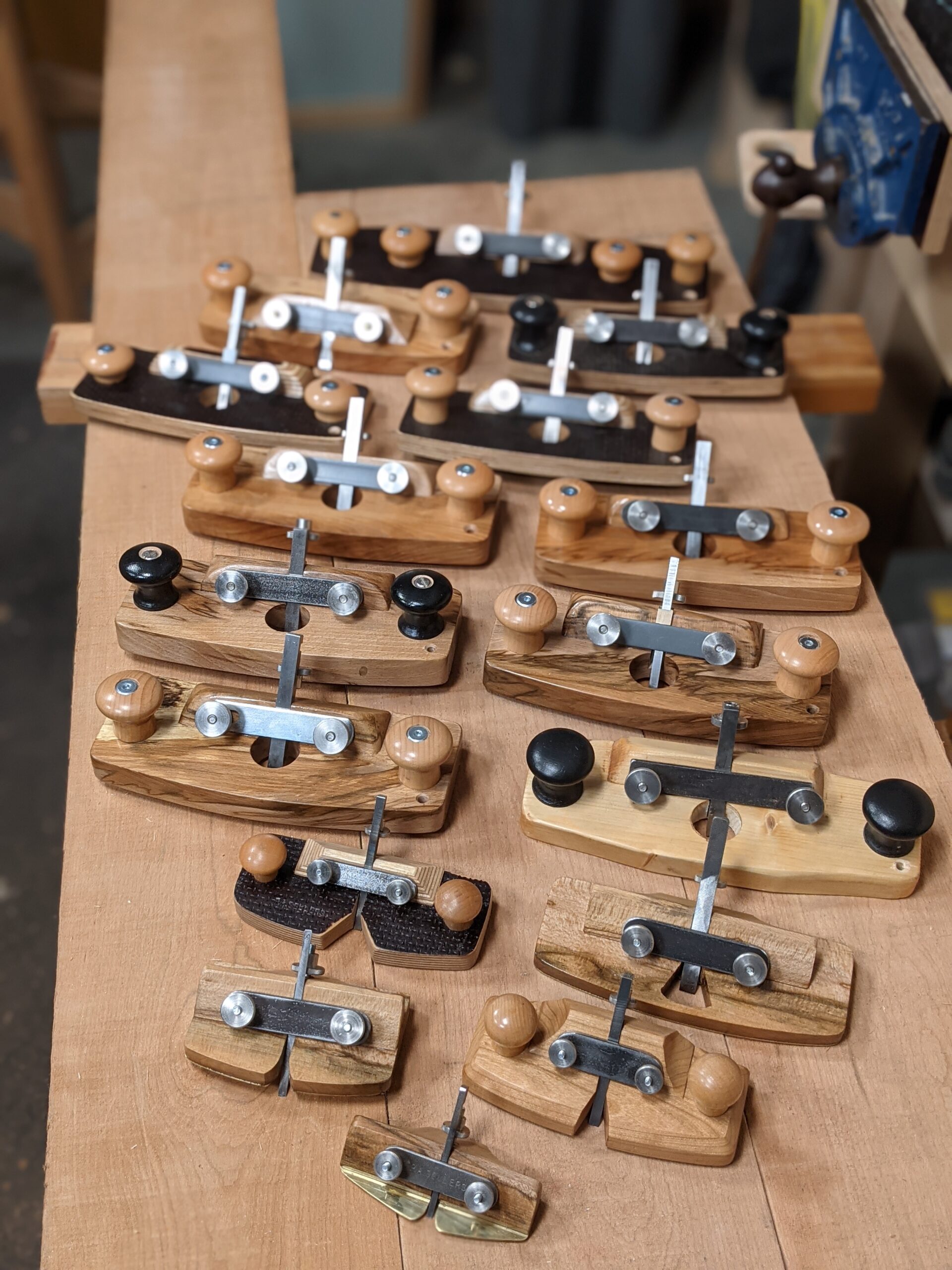

The router kit of parts can be had from us here. And here is my how-to-make-it video I think you will enjoy.
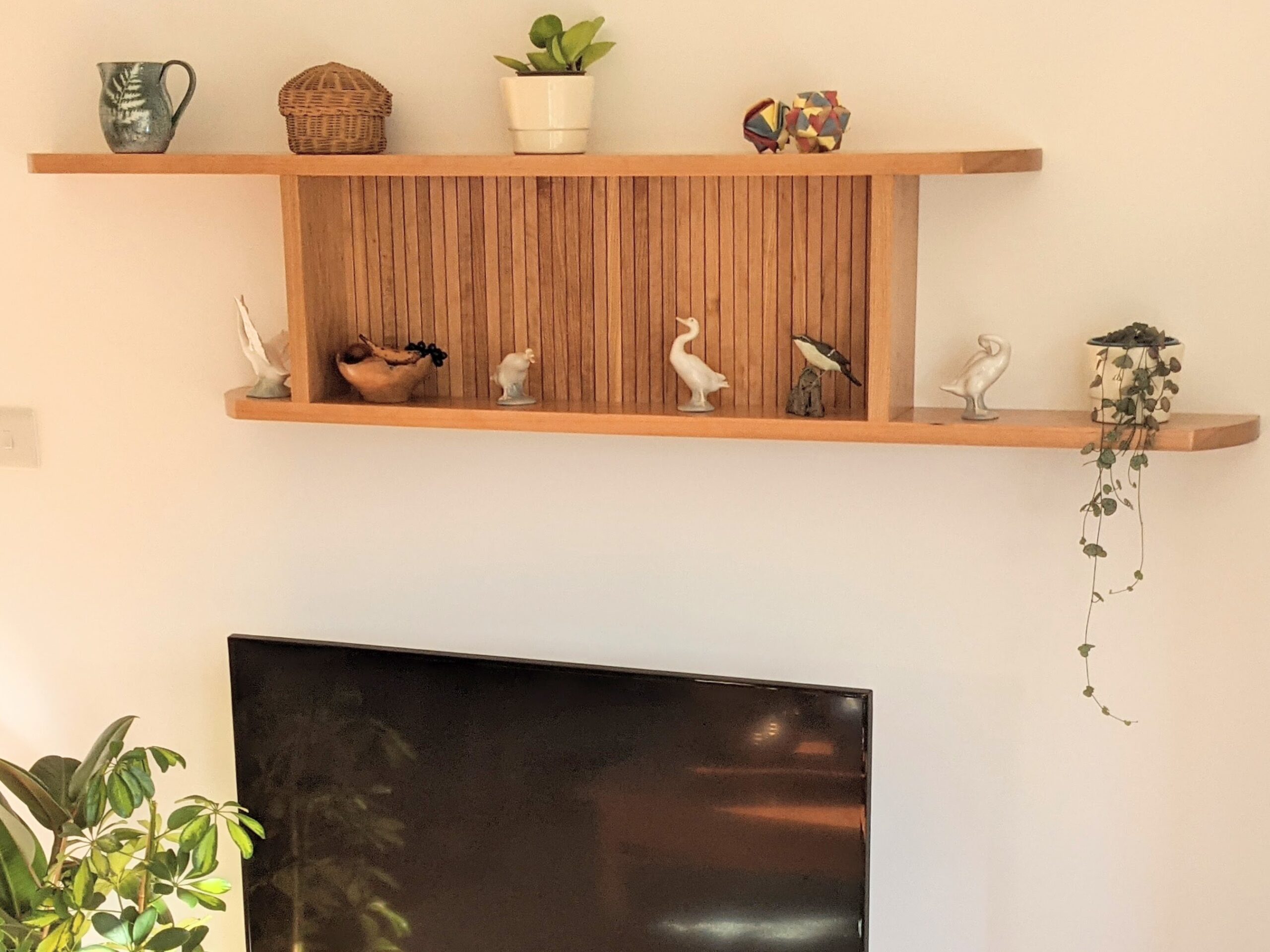
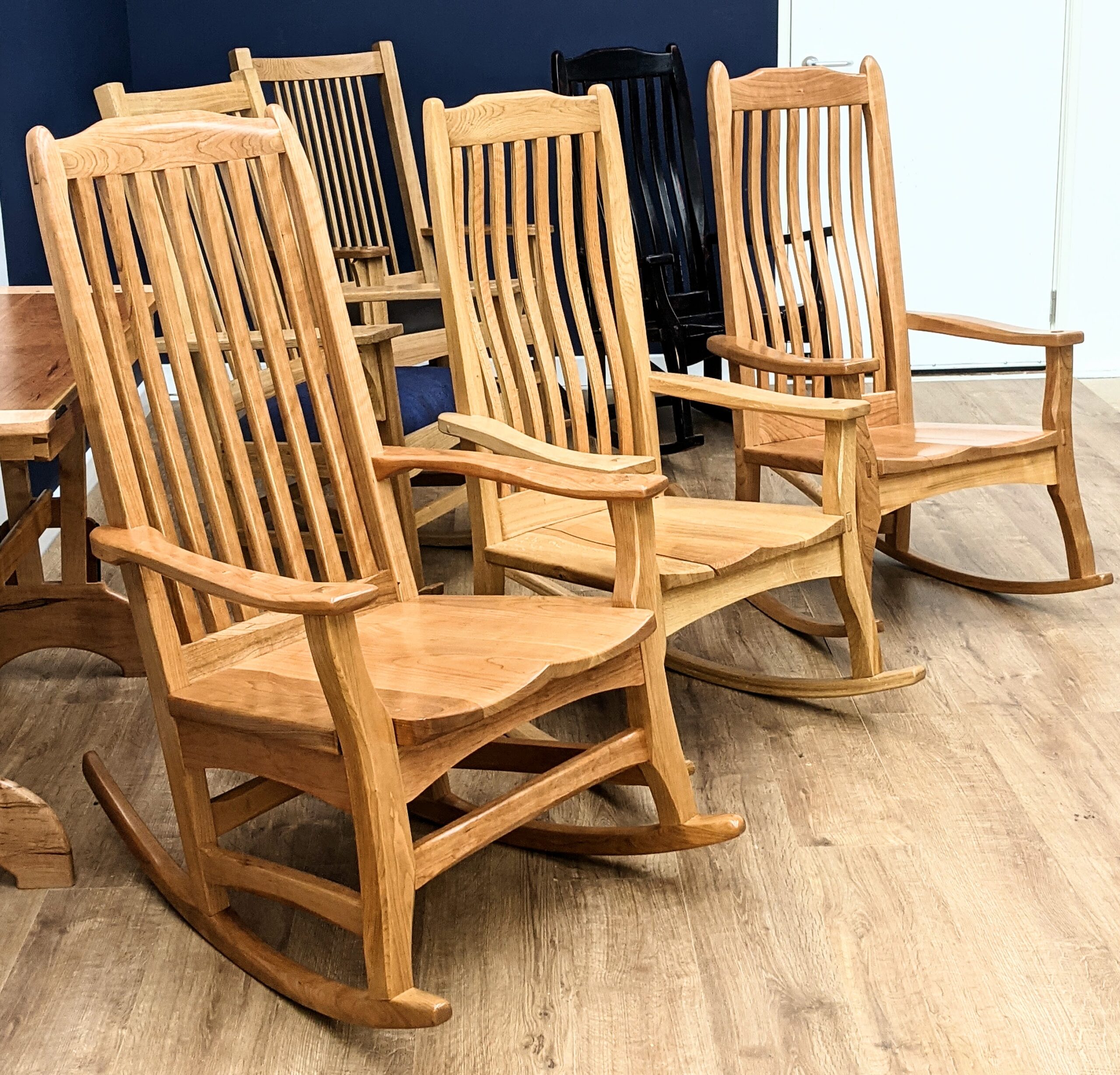
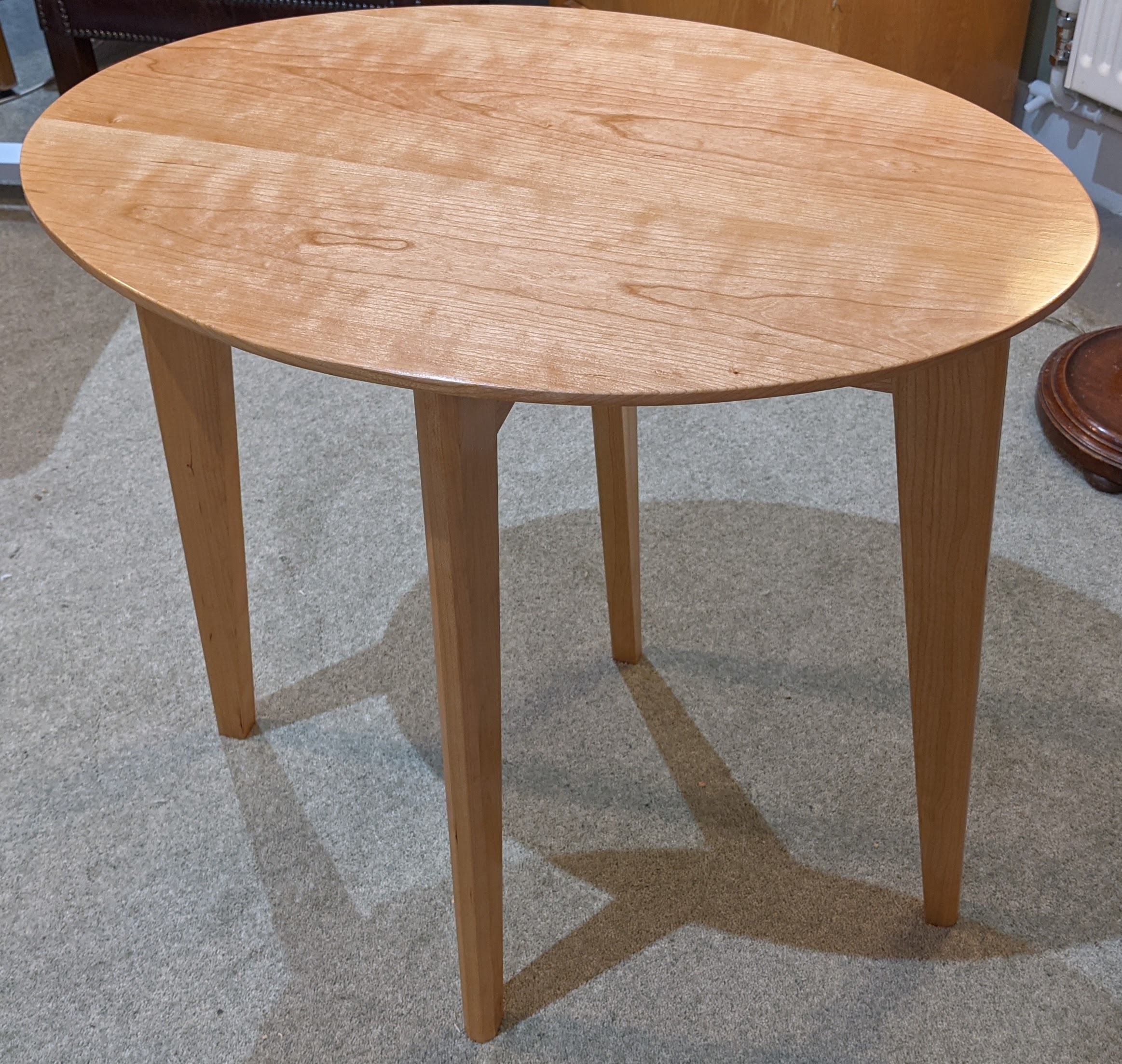
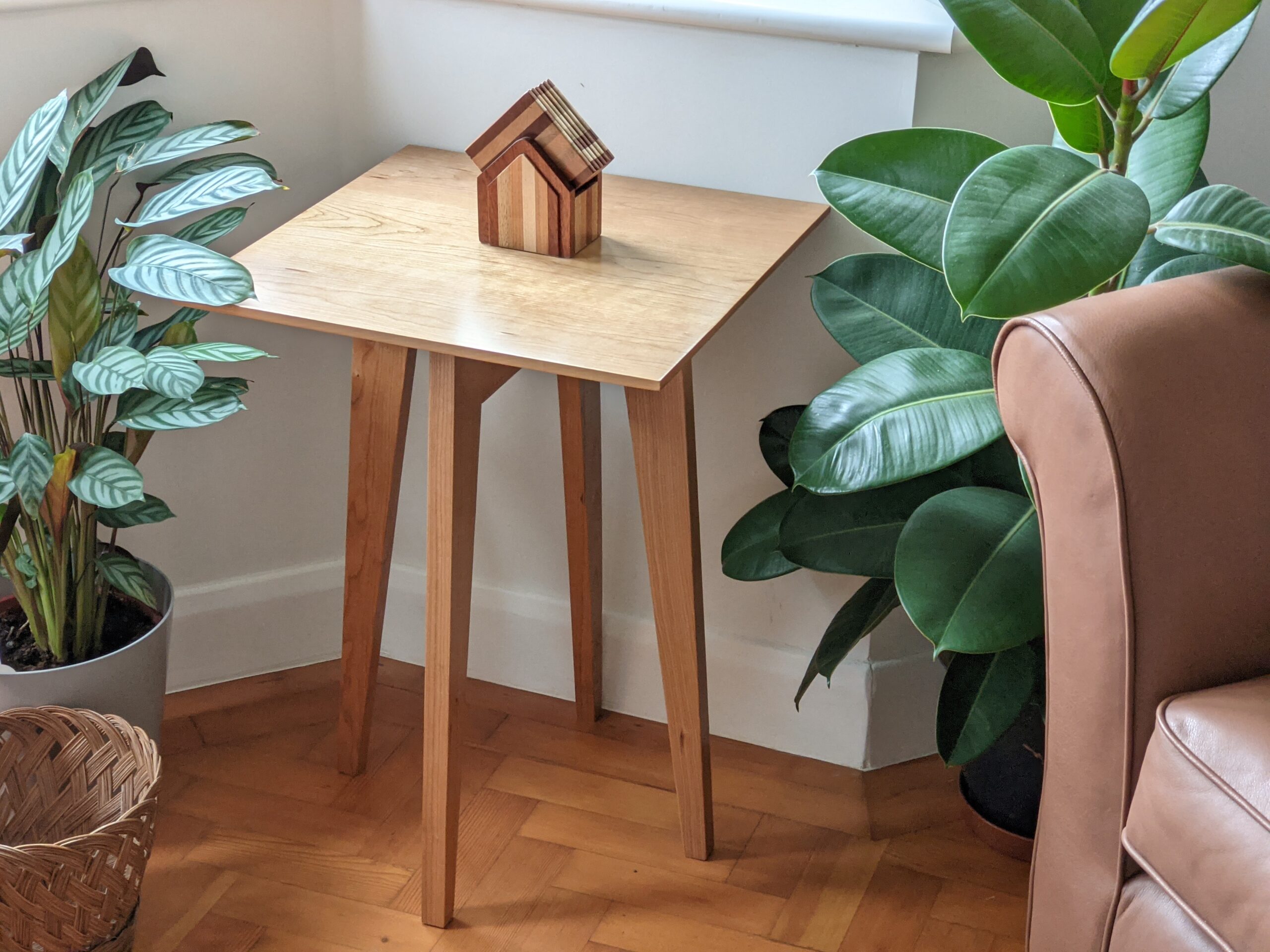
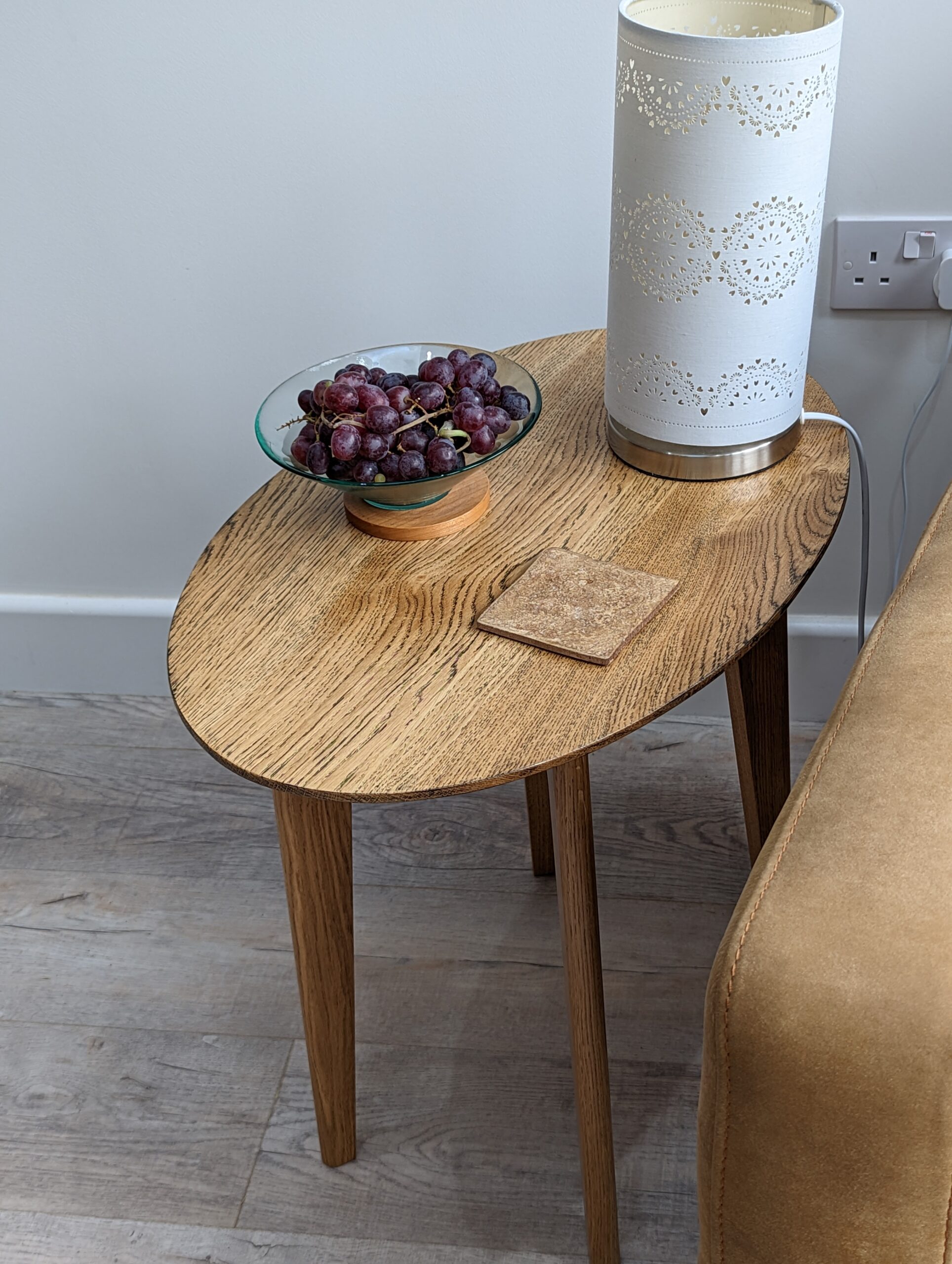
Occasional tables fill in the gaps and corners for convenience with guests. These cherry versions are smaller pieces and can be made from short sections of wood.
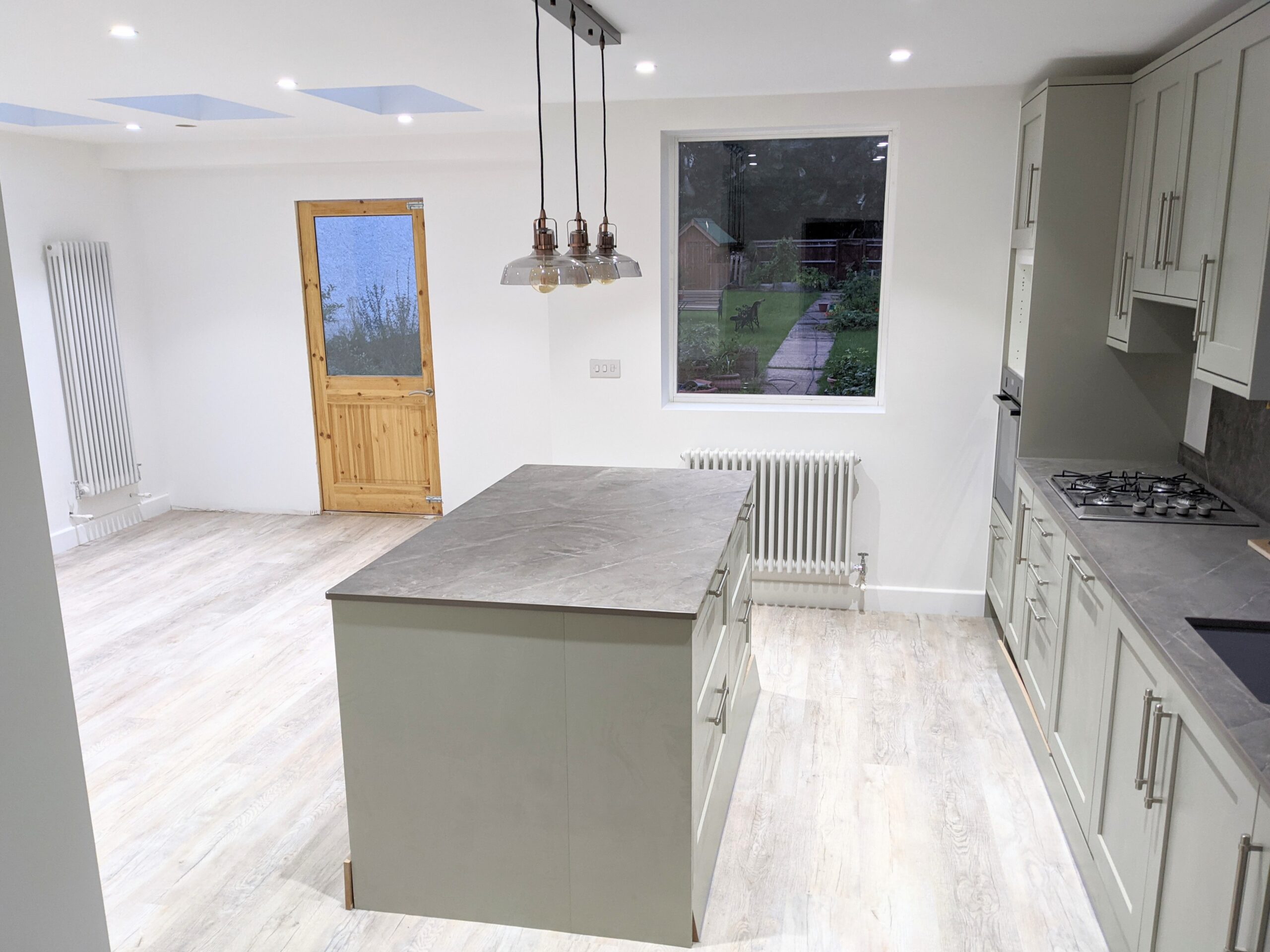
Once the living room was concluded we looked afresh at the new dining kitchen. The builders did a great job of removing brick walls and restructuring the whole of the rear half of the house to give us a clearspan full-width area with a third floor and combining what was a dining room and a kitchen into a kitchen dining family area leading onto the back garden.
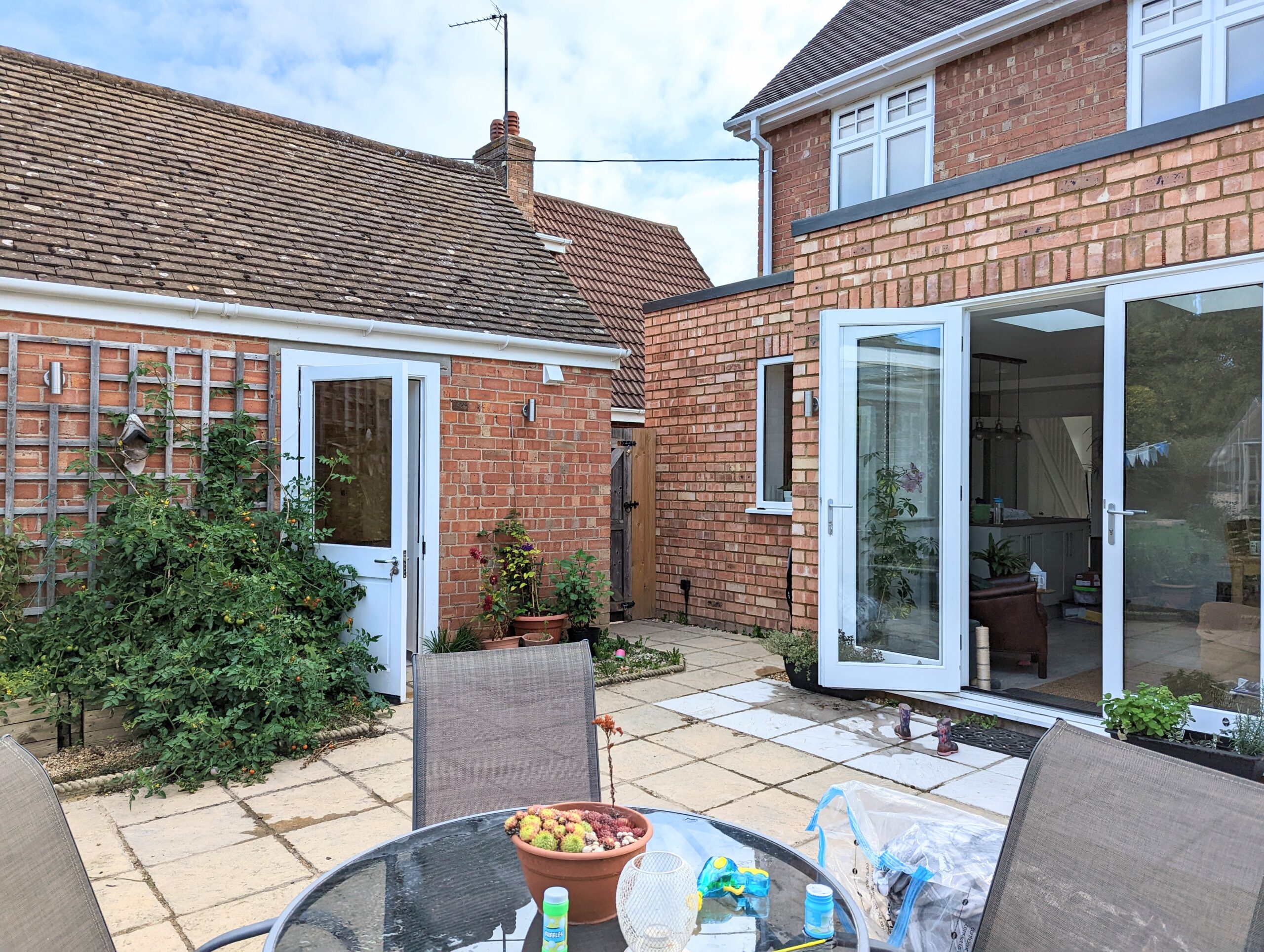
The first piece to be designed and made was the oak dining table. There was nothing random about the choices of pieces. We put out a survey and have made accordingly.
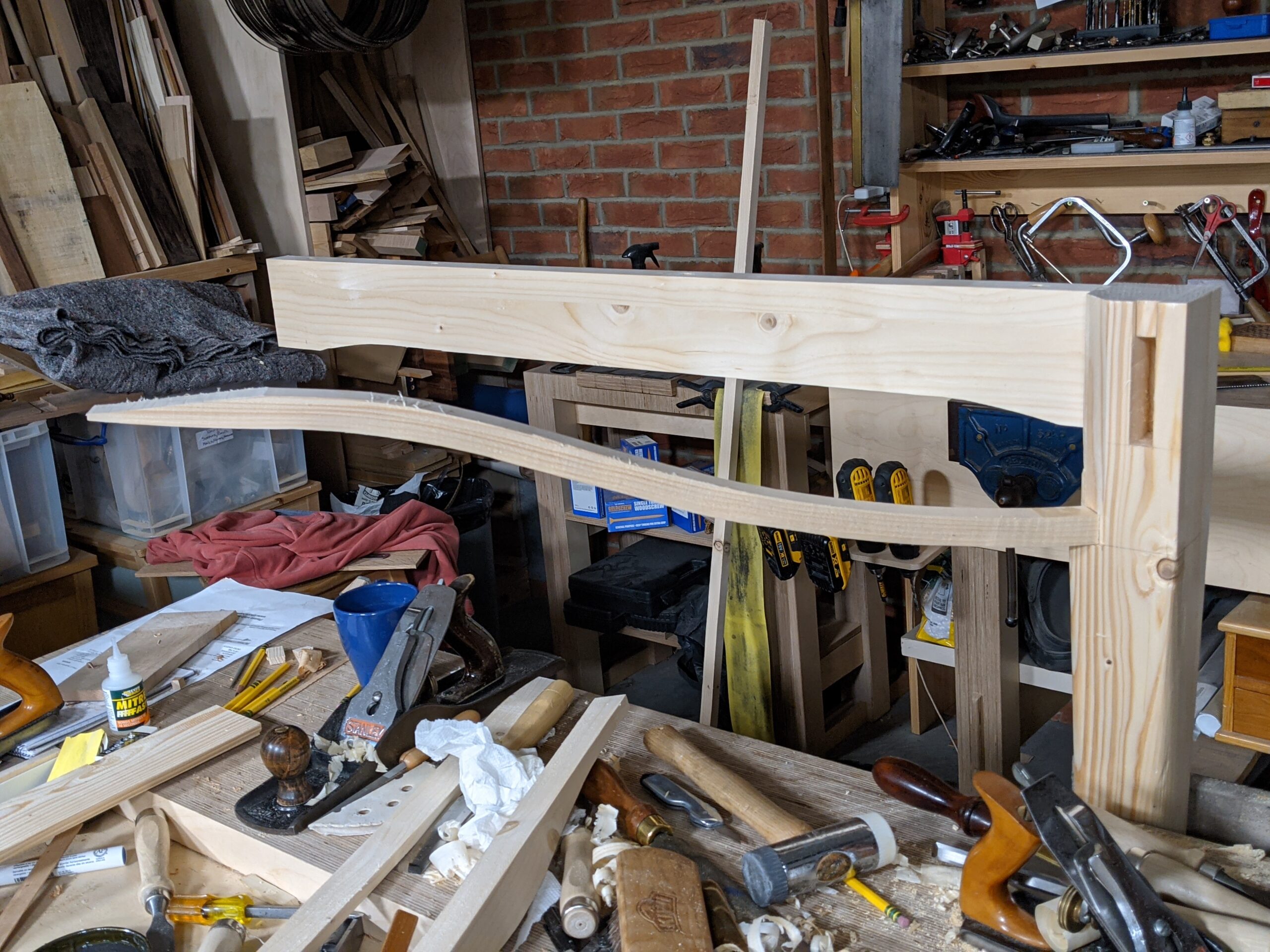
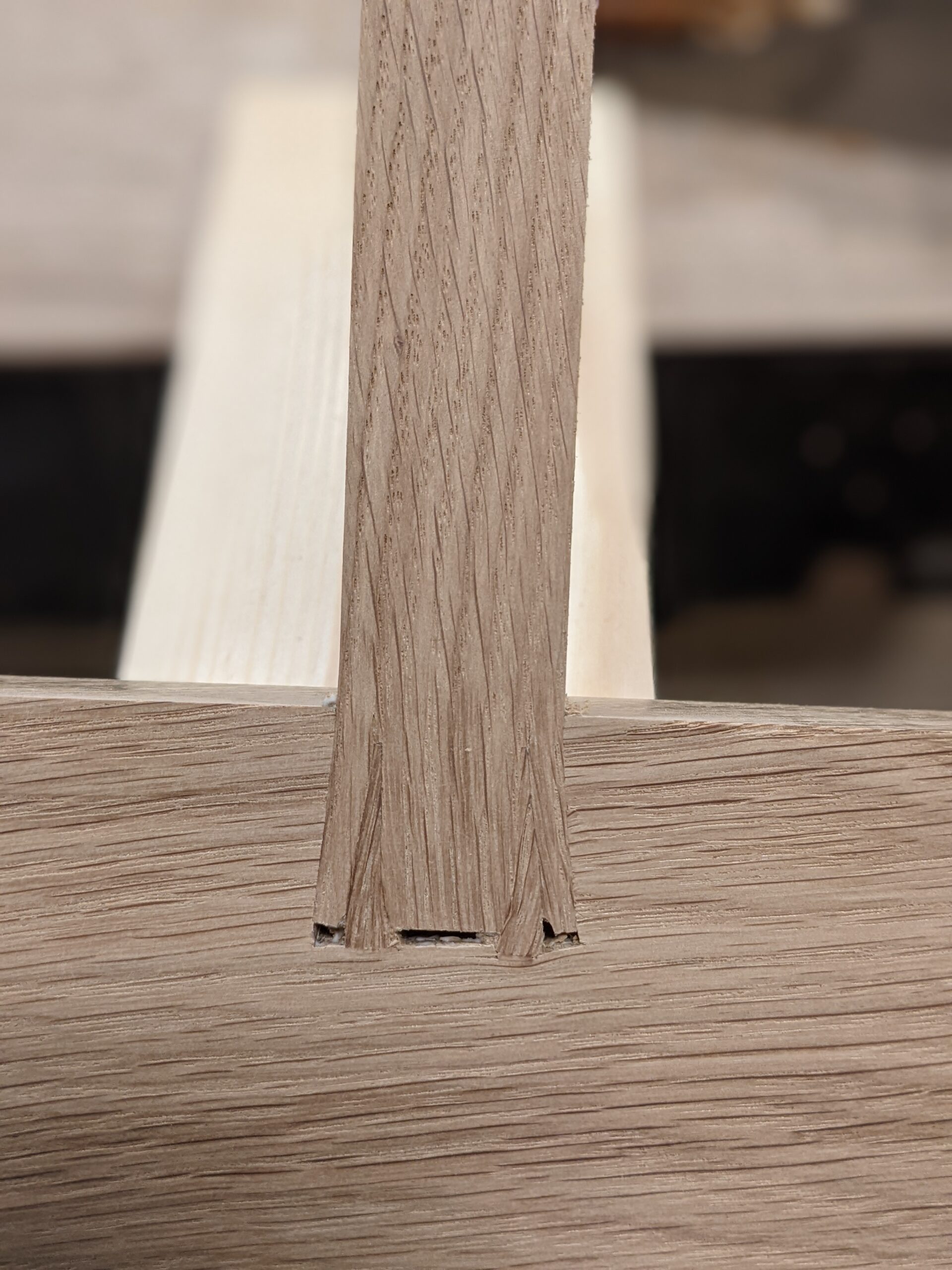
I experimented with modelling to test out joinery with fox-tail wedging to mortises to add strength through unusual features like this.
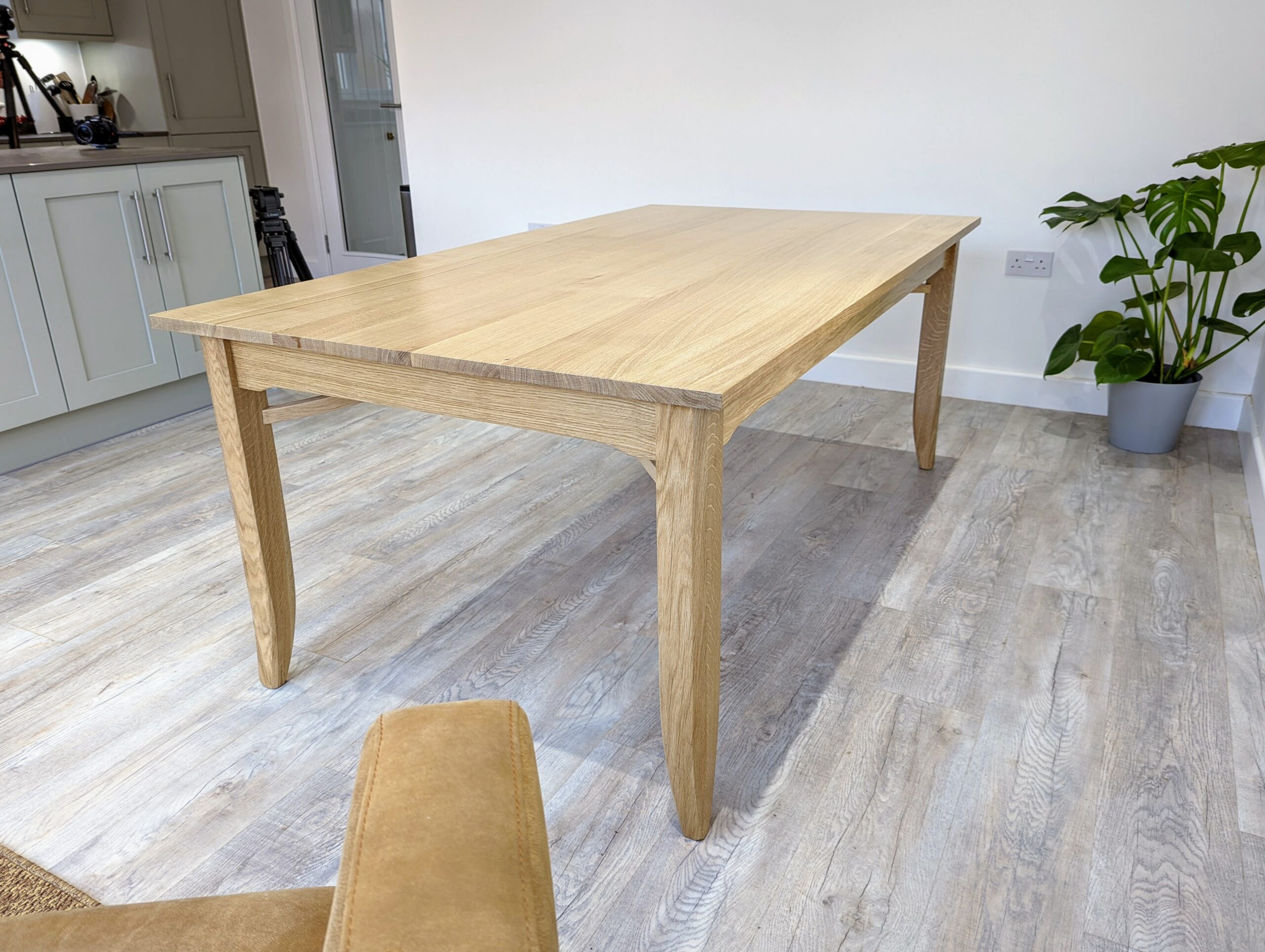
When the table was completed the house felt as though it was coming together.
Chairs tend to be the nightmare of any furniture maker simply because they are so very demanding to make and then time-consuming too but . . .
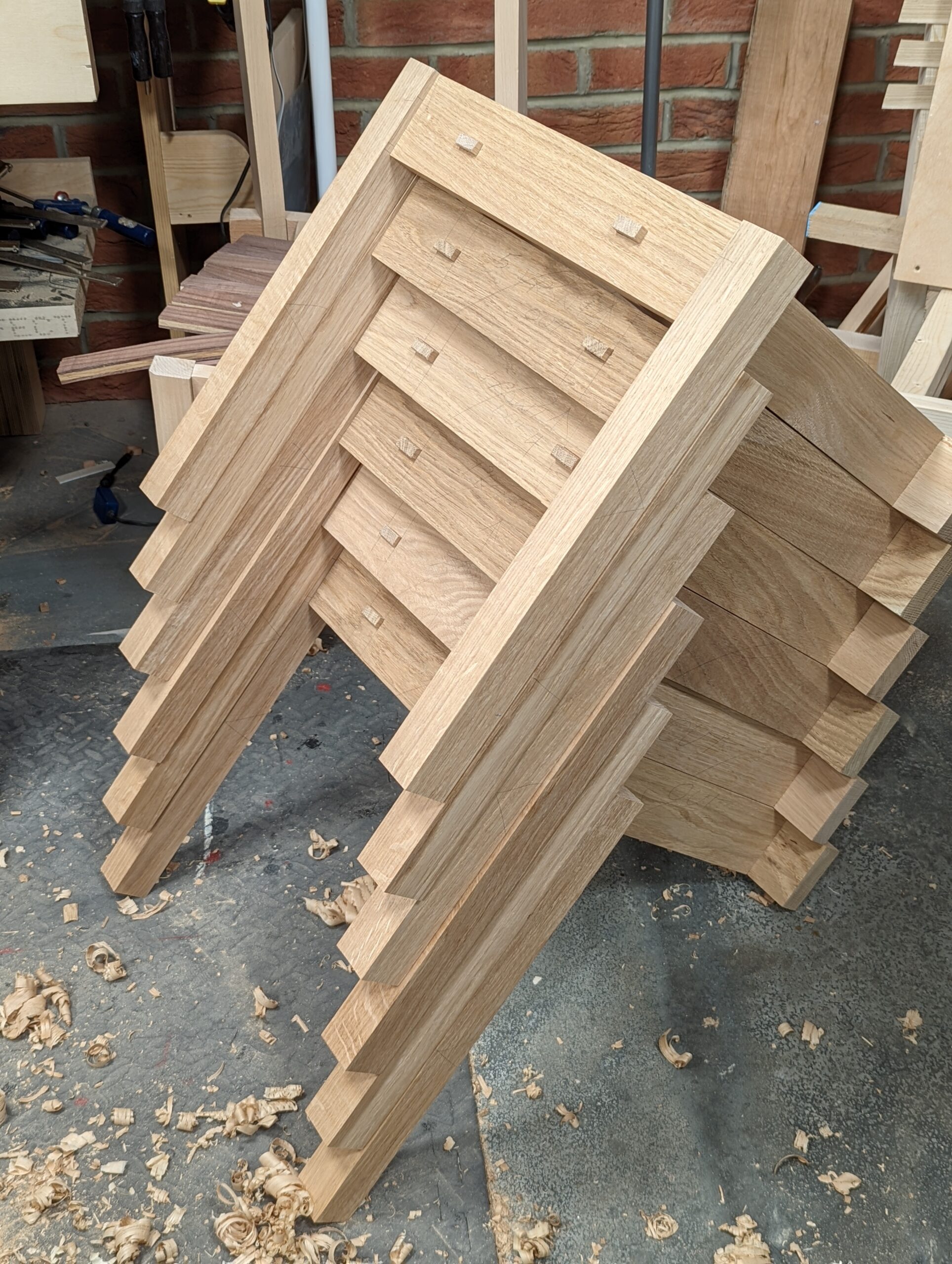
. . . one by one they emerged in a combination of oak and black walnut.
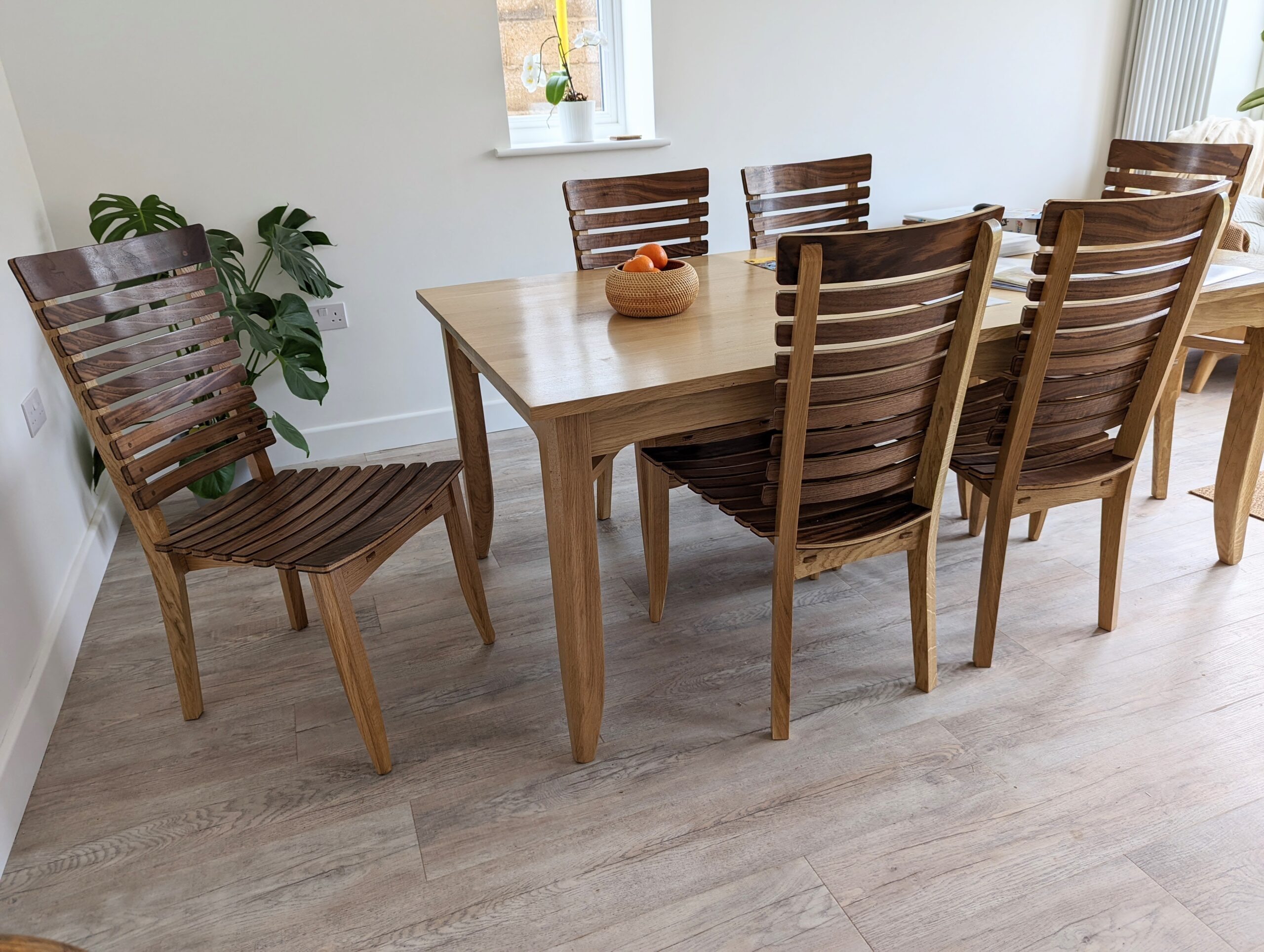
I was happy with the new outcome and of course, a dining table is nothing without dining chairs.
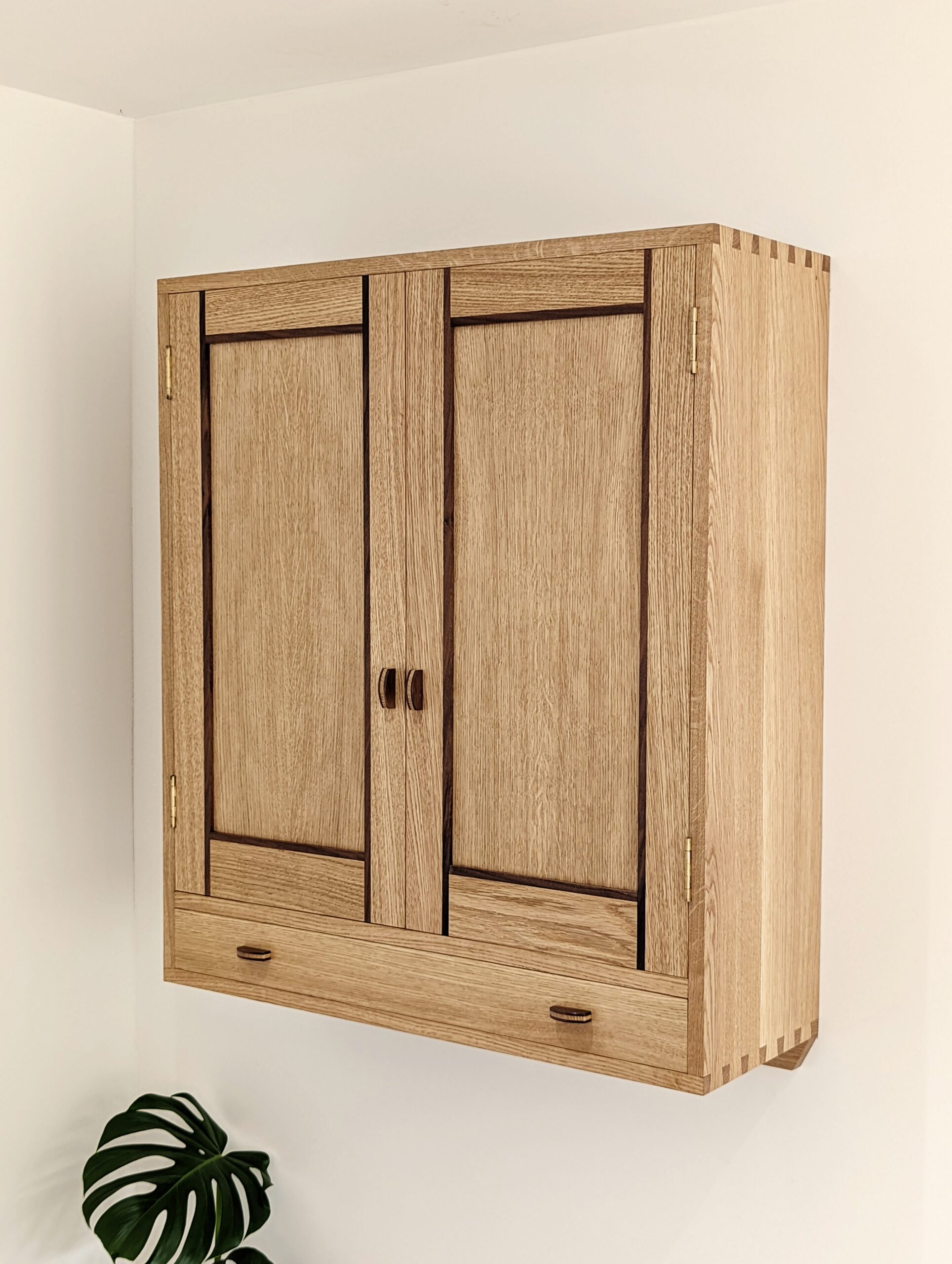
This week Joseph and I finalised the drawings for the hanging wall cabinet and the sideboard both of which complement the dining table and chairs.
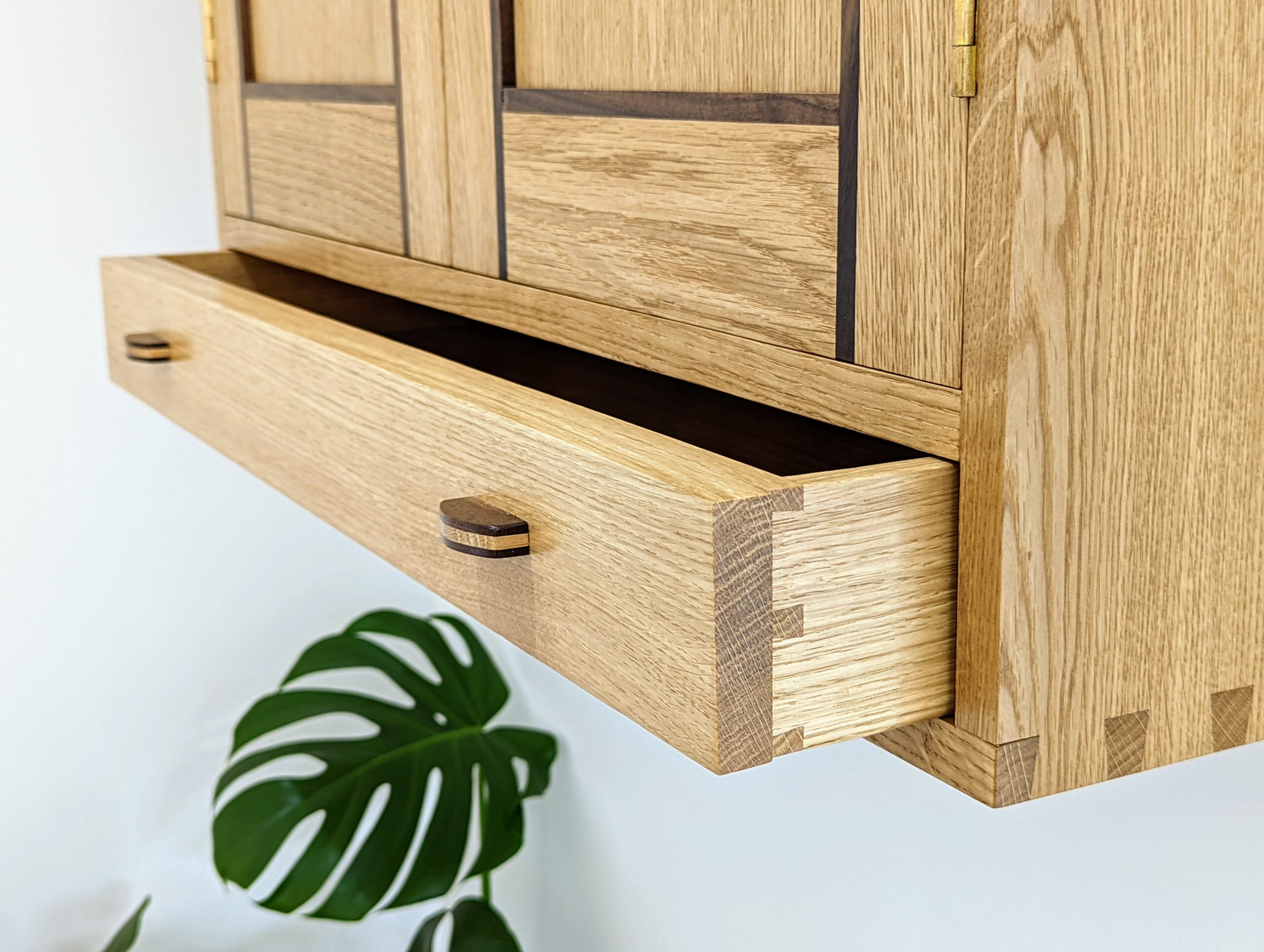
The sense of achievement can be overwhelming when you think that so far we have made most of what you've seen principally with only 12 hand tools.
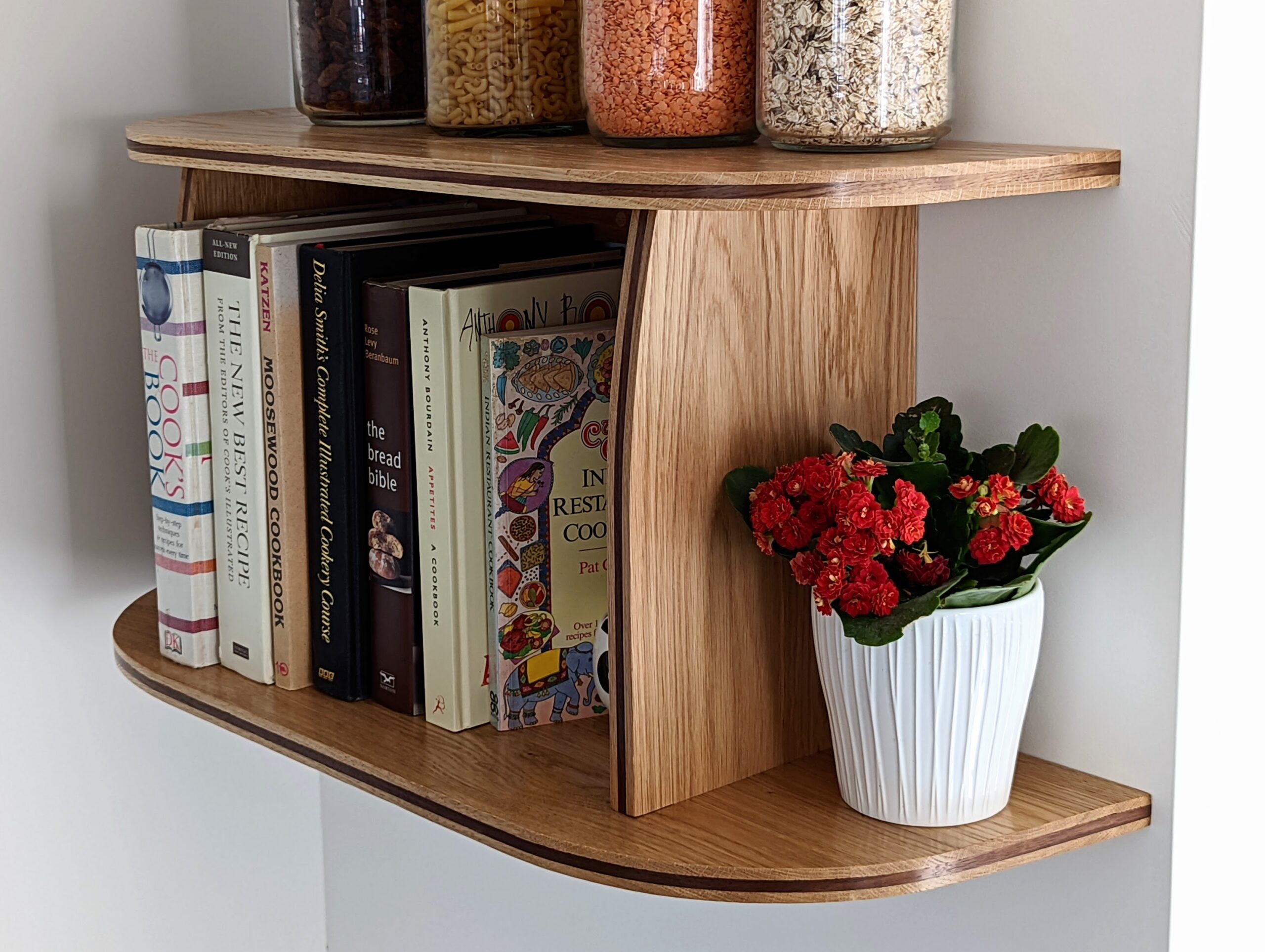
There are always corners in any room that benefits from small wall shelves like this and what better use than for those special family cookbooks? In this unit, I used sliding dovetails for their intrinsic strength and minimalist look.
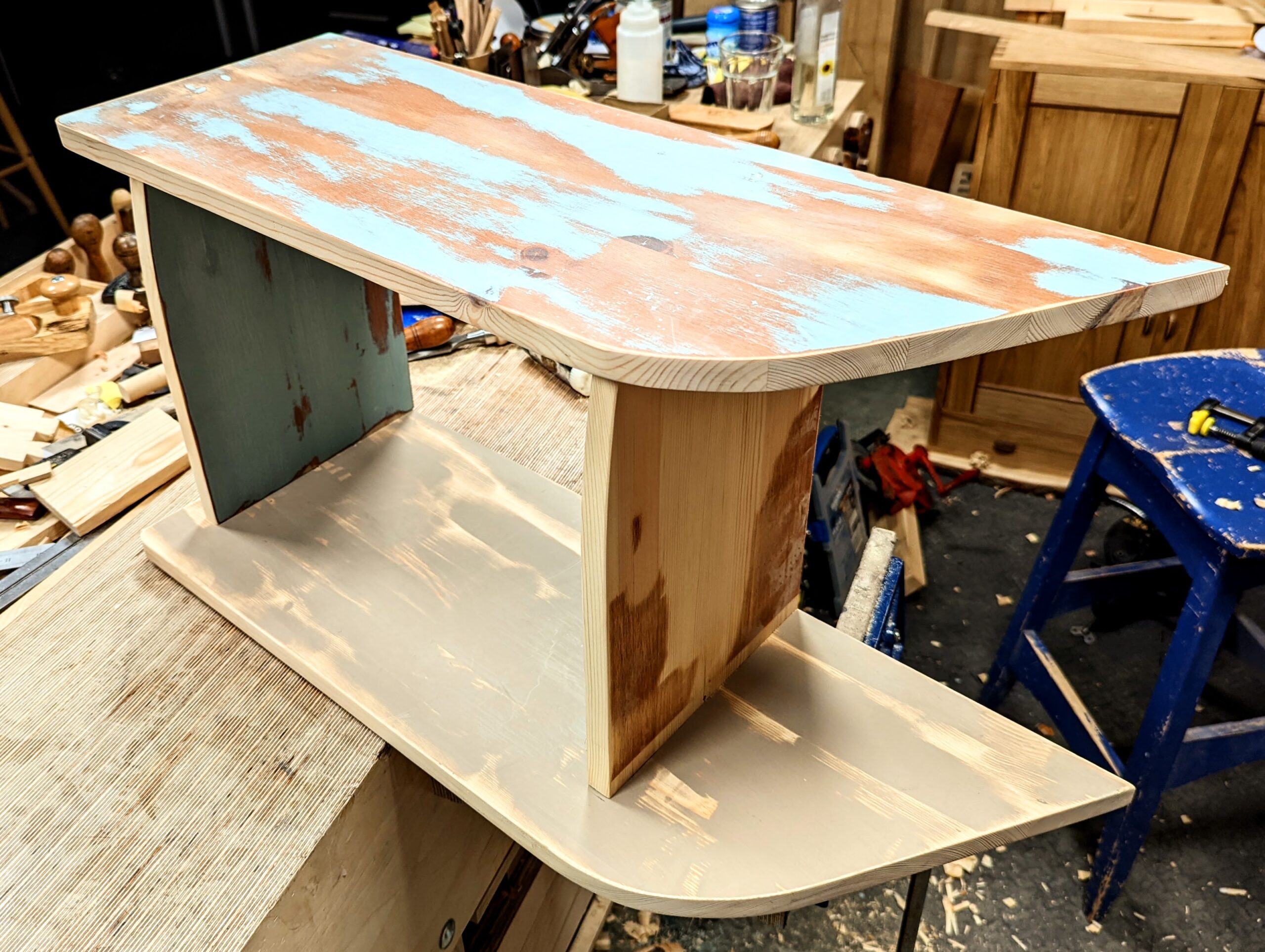
My design prototype came from some upcycle scrapwood pine.
Another rather complex-looking piece is really nothing more than an oversized dovetailed box in sycamore and mesquite. I made two of these, one for the underside of the wall cupboard.
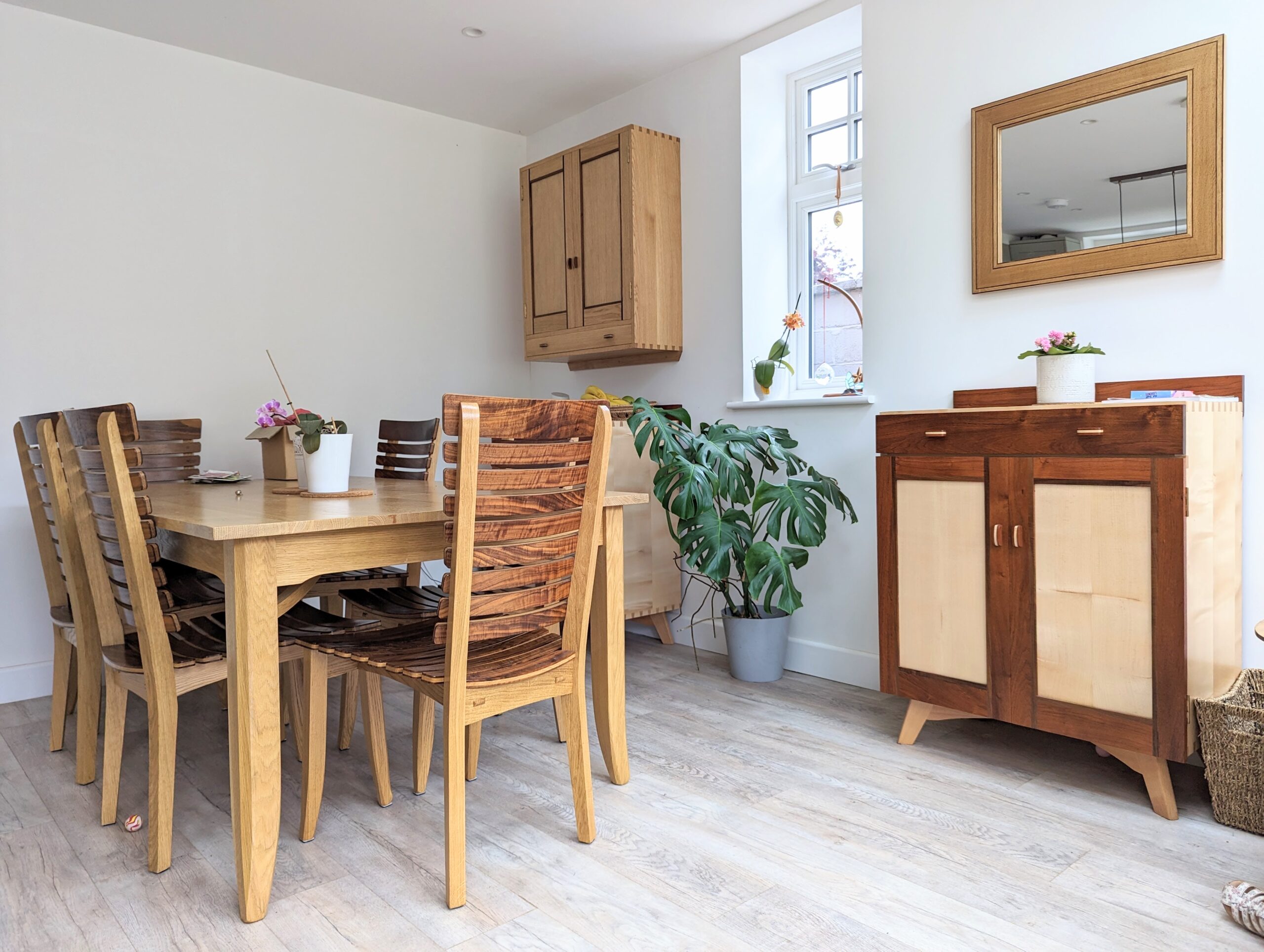
Here's a different angle to see from.
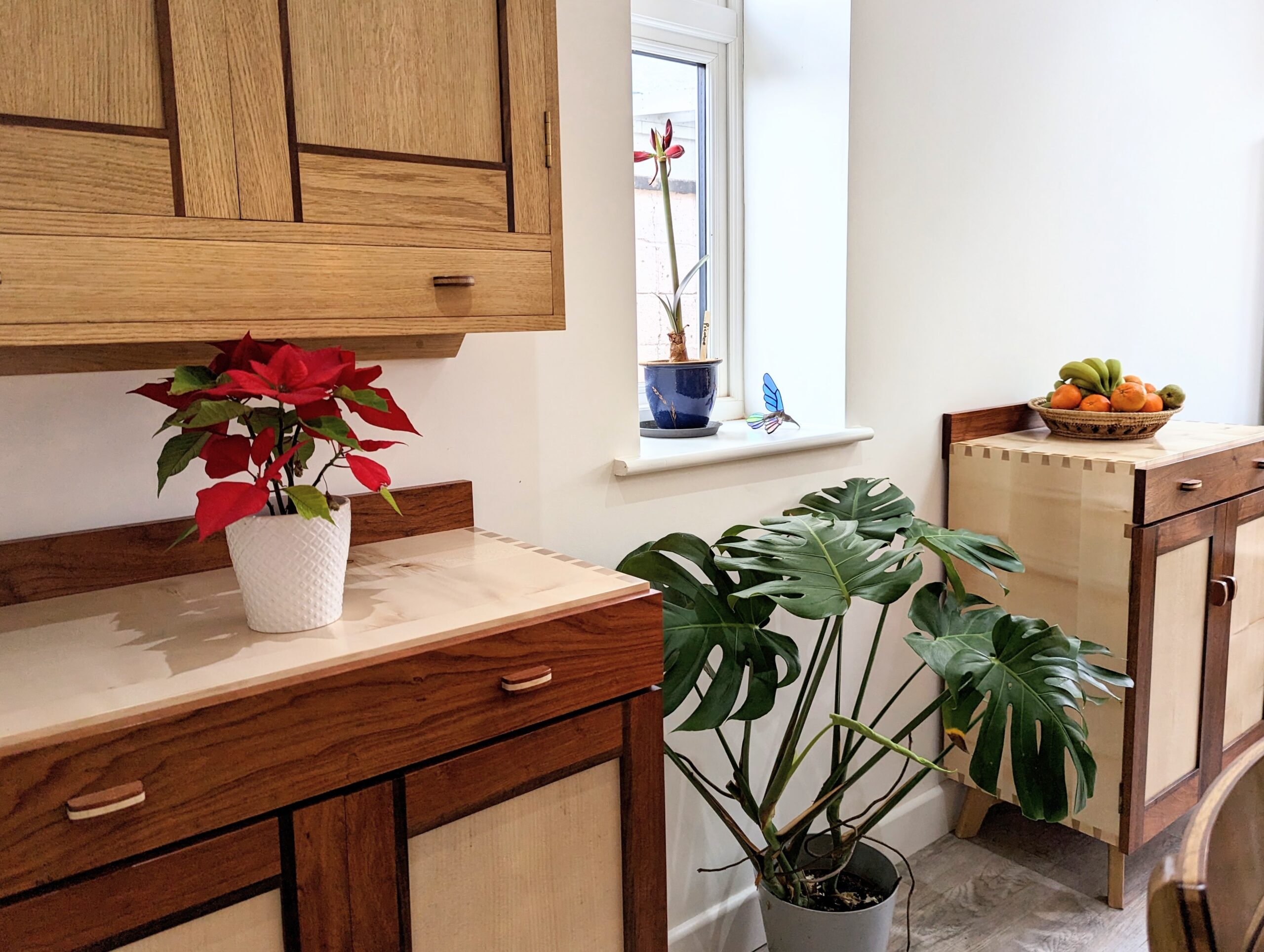
A few smaller accent pieces filled in the blanks yet again. I made more occasional tables . . .
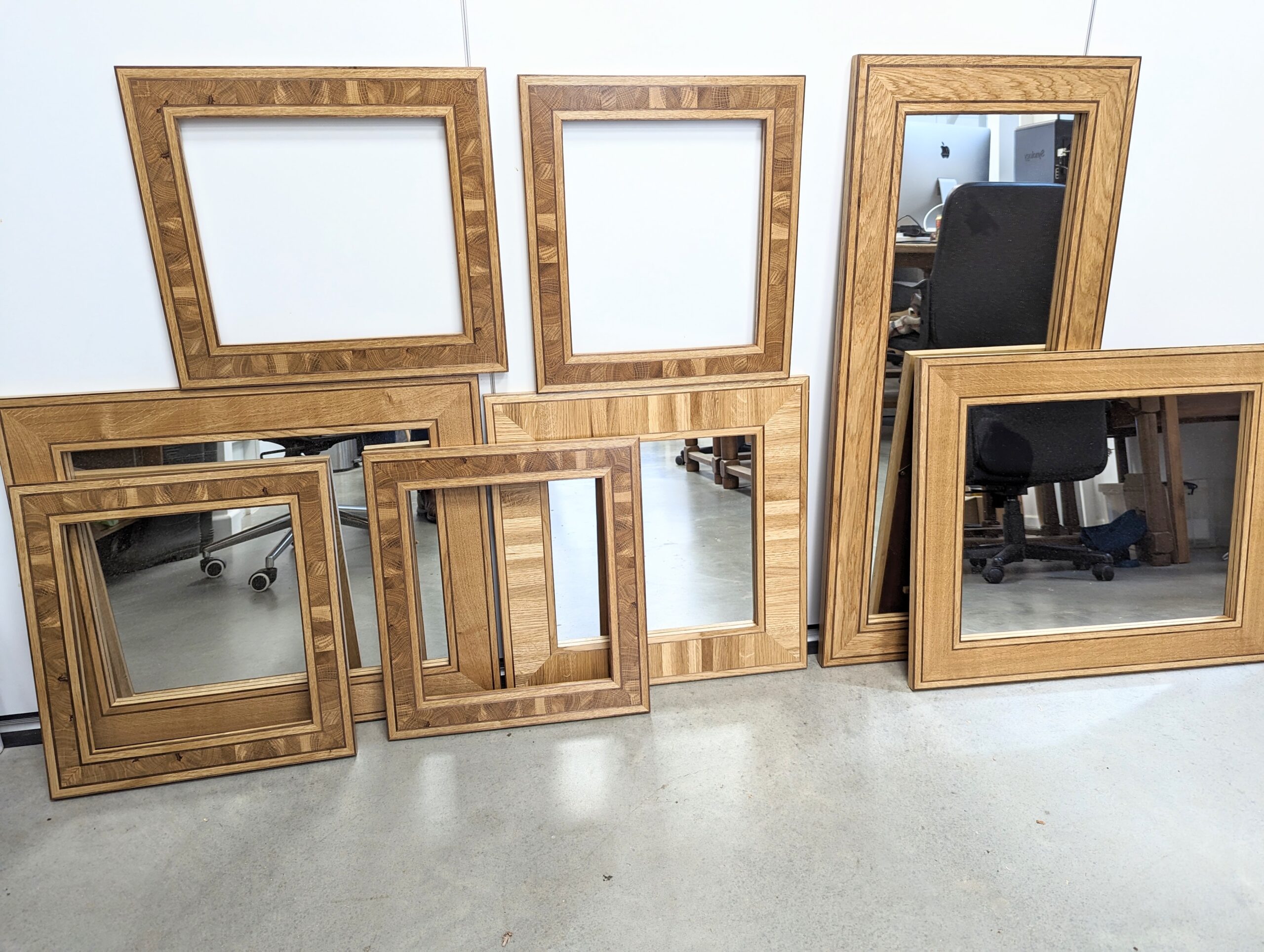
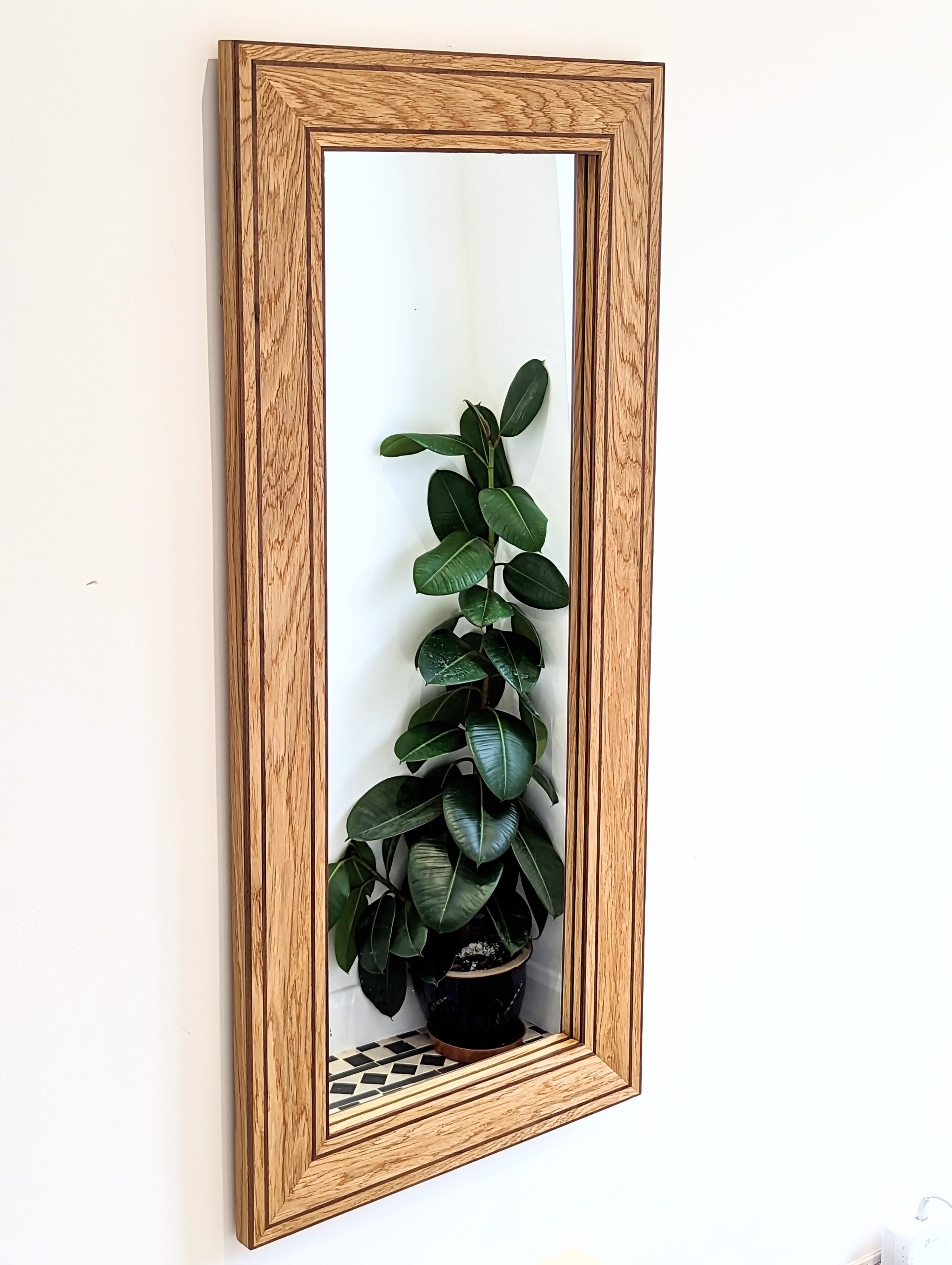
. . . and then the wall mirror decorated this room and the hallways with a longer version.
Moving on into the upstairs and thinking of kingside beds and wardrobes can be a little daunting but the challenge for me was making things that could be moved singlehandedly by this 73-year-old man. So between making and moving, climbing stairs and installing, I had my work cut out and remember that the only machine I used on all of these pieces is a bandsaw and no I did not buy machine-planed stock, only rough-sawn.
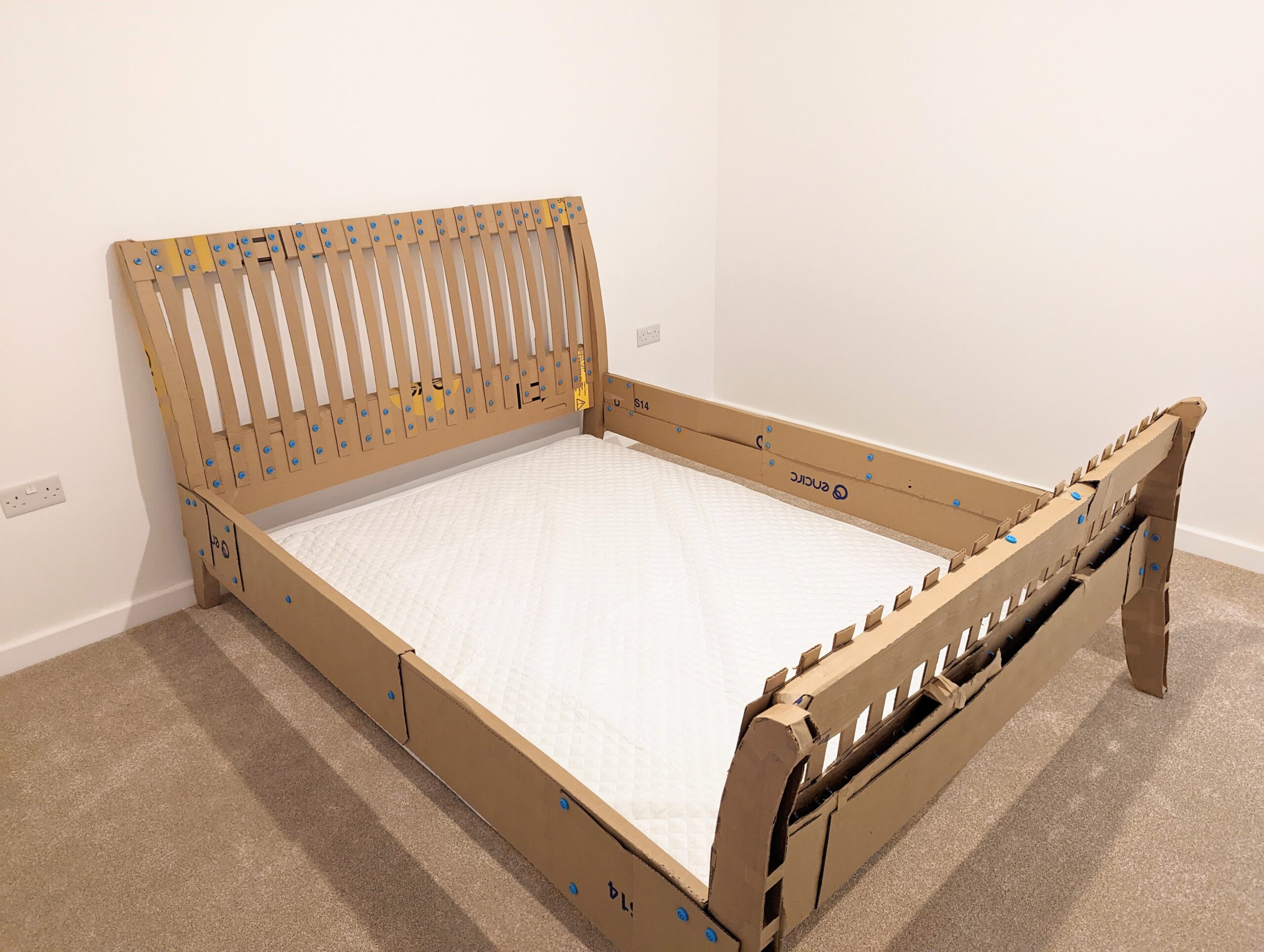
Yes, I made a cardboard facsimile and I am so glad that I did. It took me three hours to do it and it was so well worth doing. It meant that the team could see what I intended in a much more tangible way than say a drawing or description. Imagine turning up at your customer's house and placing this in there for them to look at. They'd know you were serious!
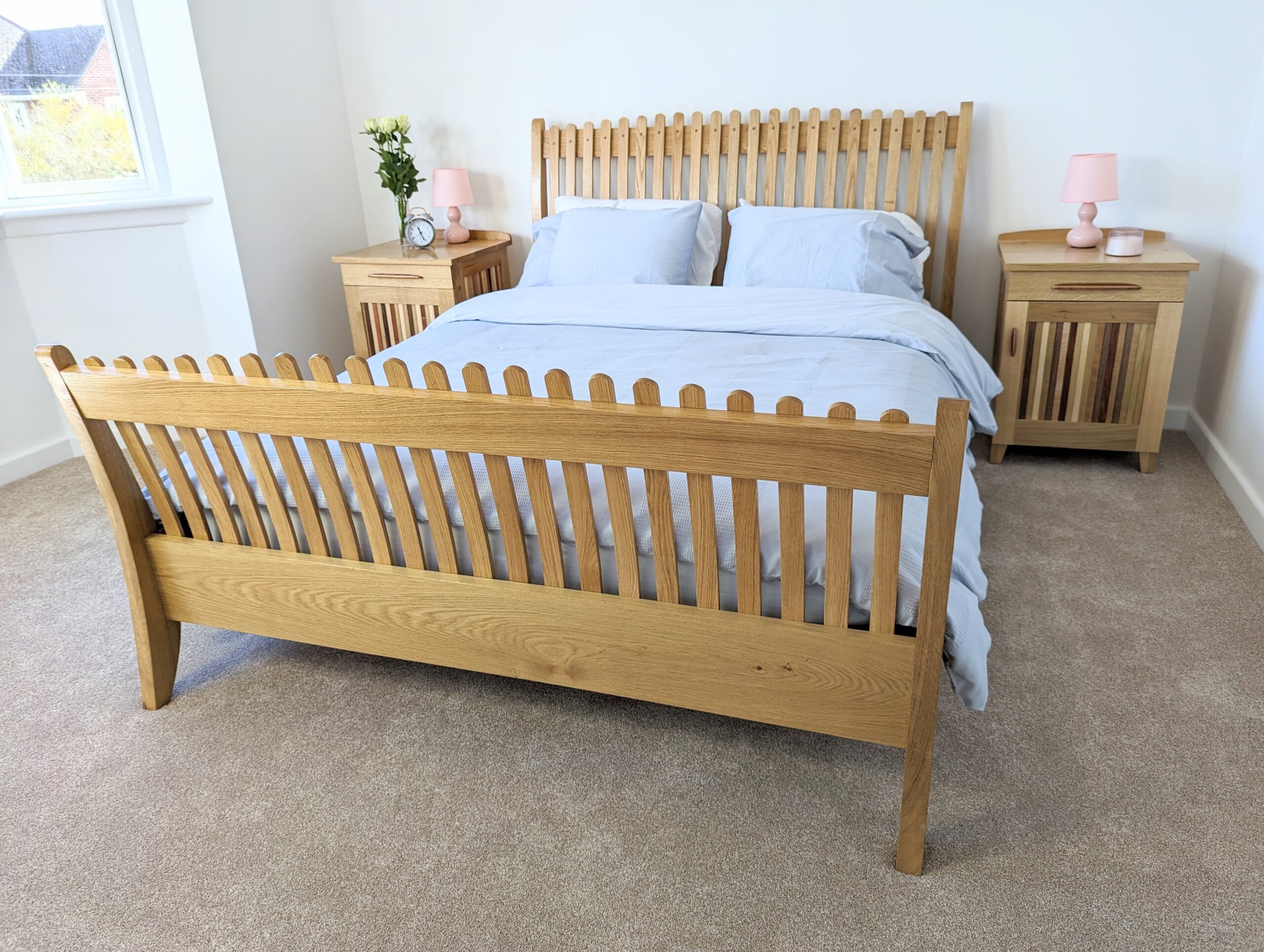
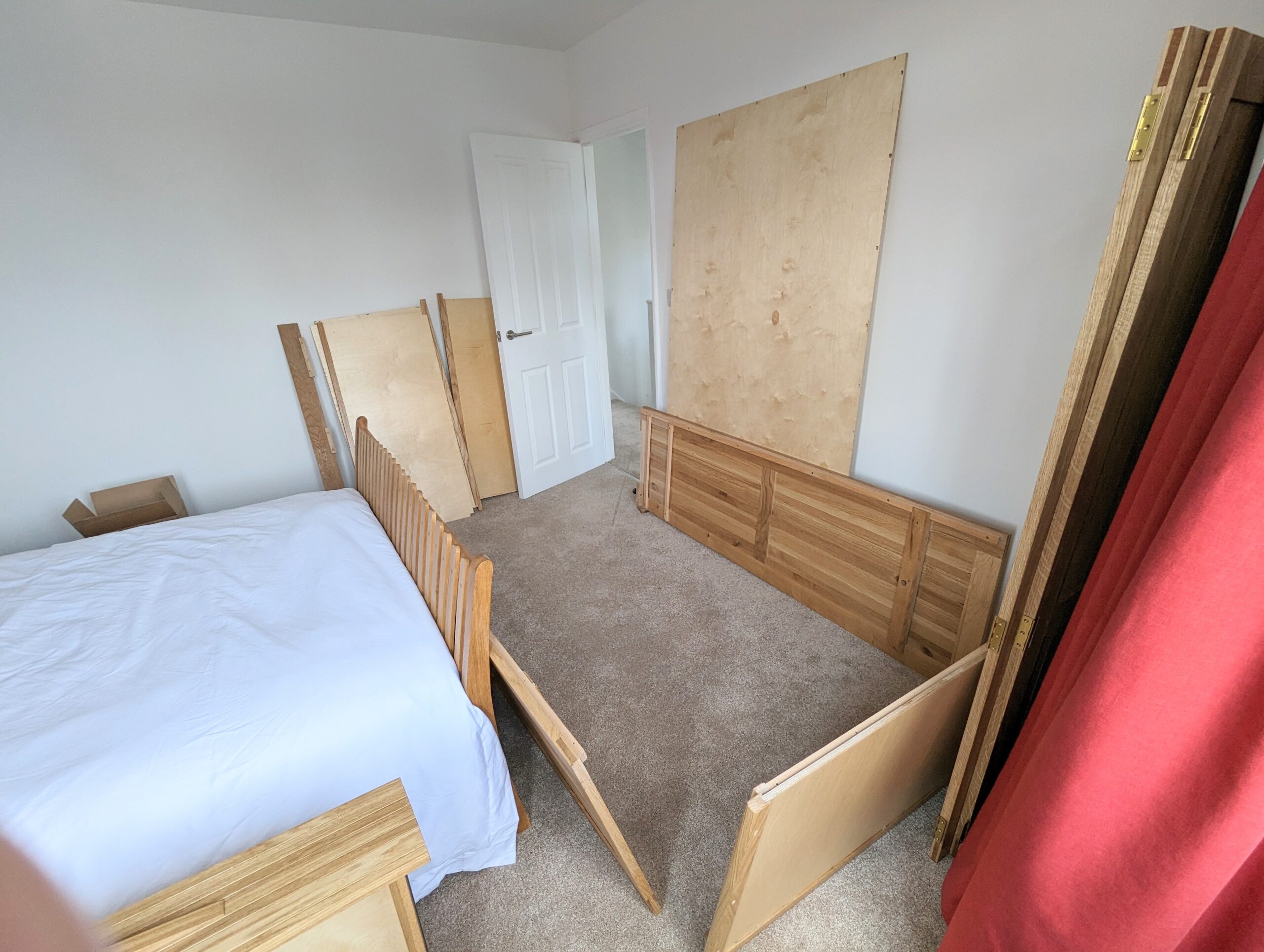
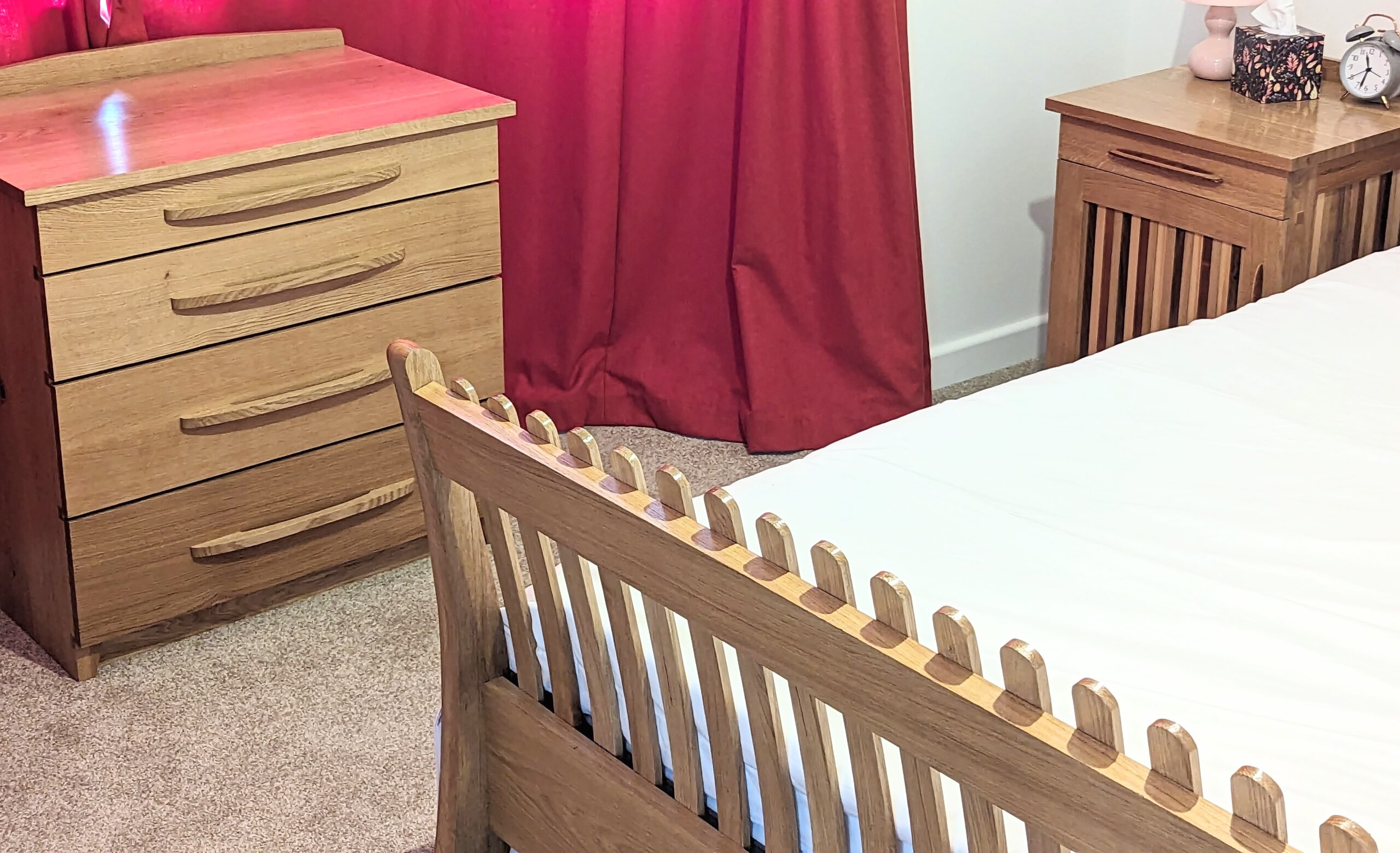
The first major piece for upstairs was the kingsize bed in solid oak. The good thing is that all beds are made to be dismantled and this one was no different. I used bent laminations to give it pleasing lines yet I kept the design simple and not overwhelming to anyone. It's also scaleable so it would make a great design for any child or single bed too.
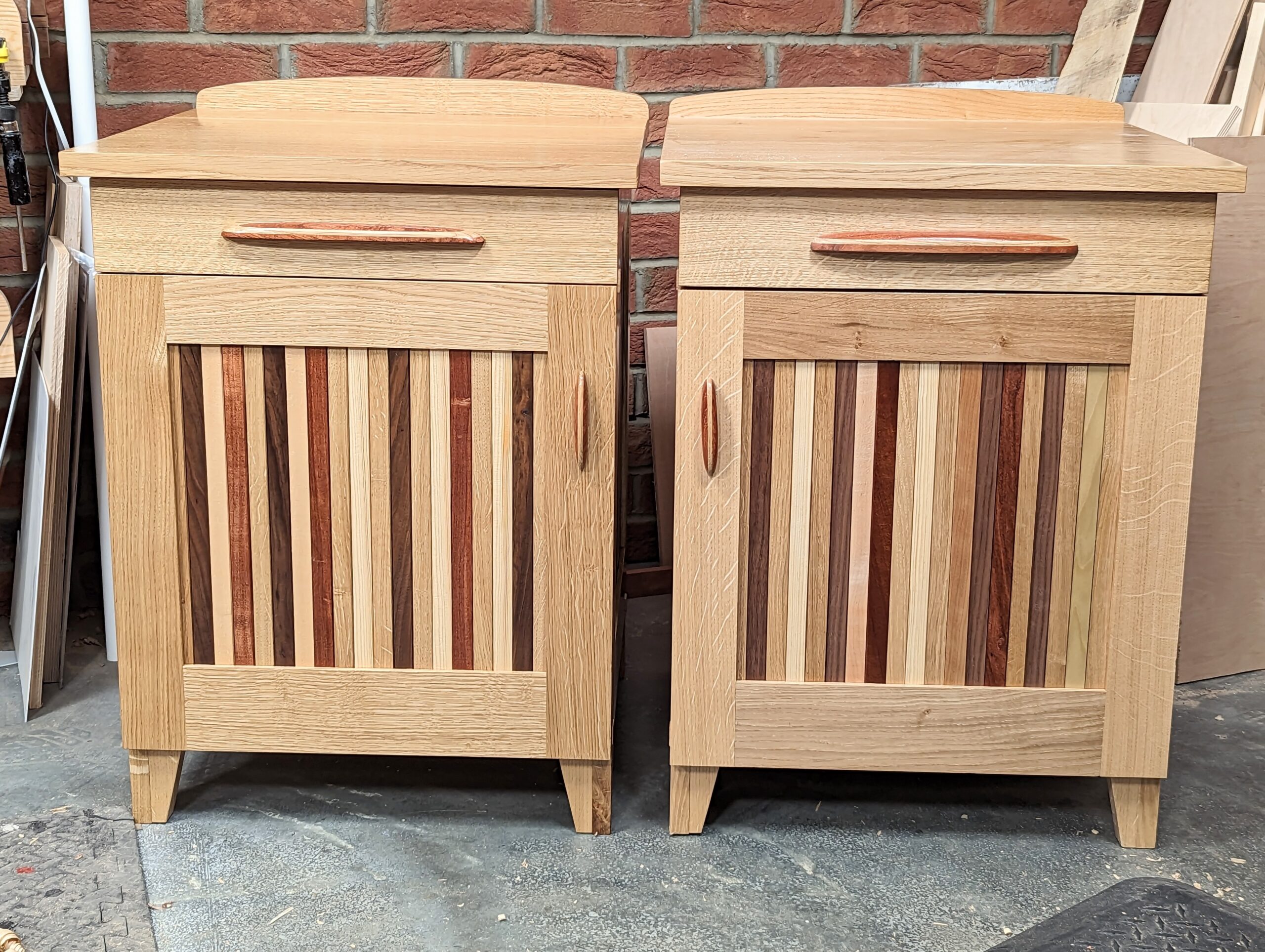
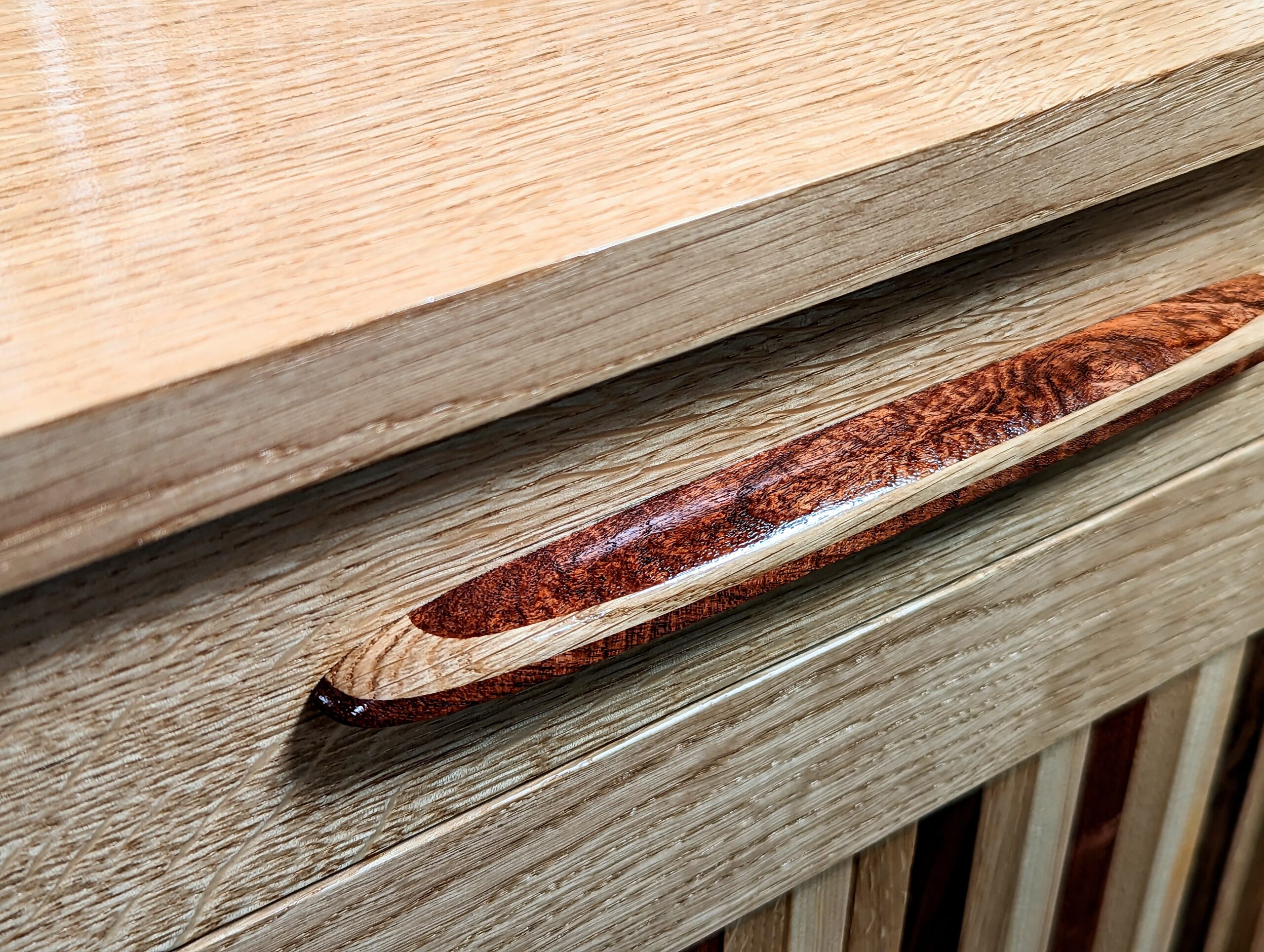
The two bedside cabinets or nightstands were very simple and yet quite distinctive using up scraps of mixed woods for the doors and side panels.
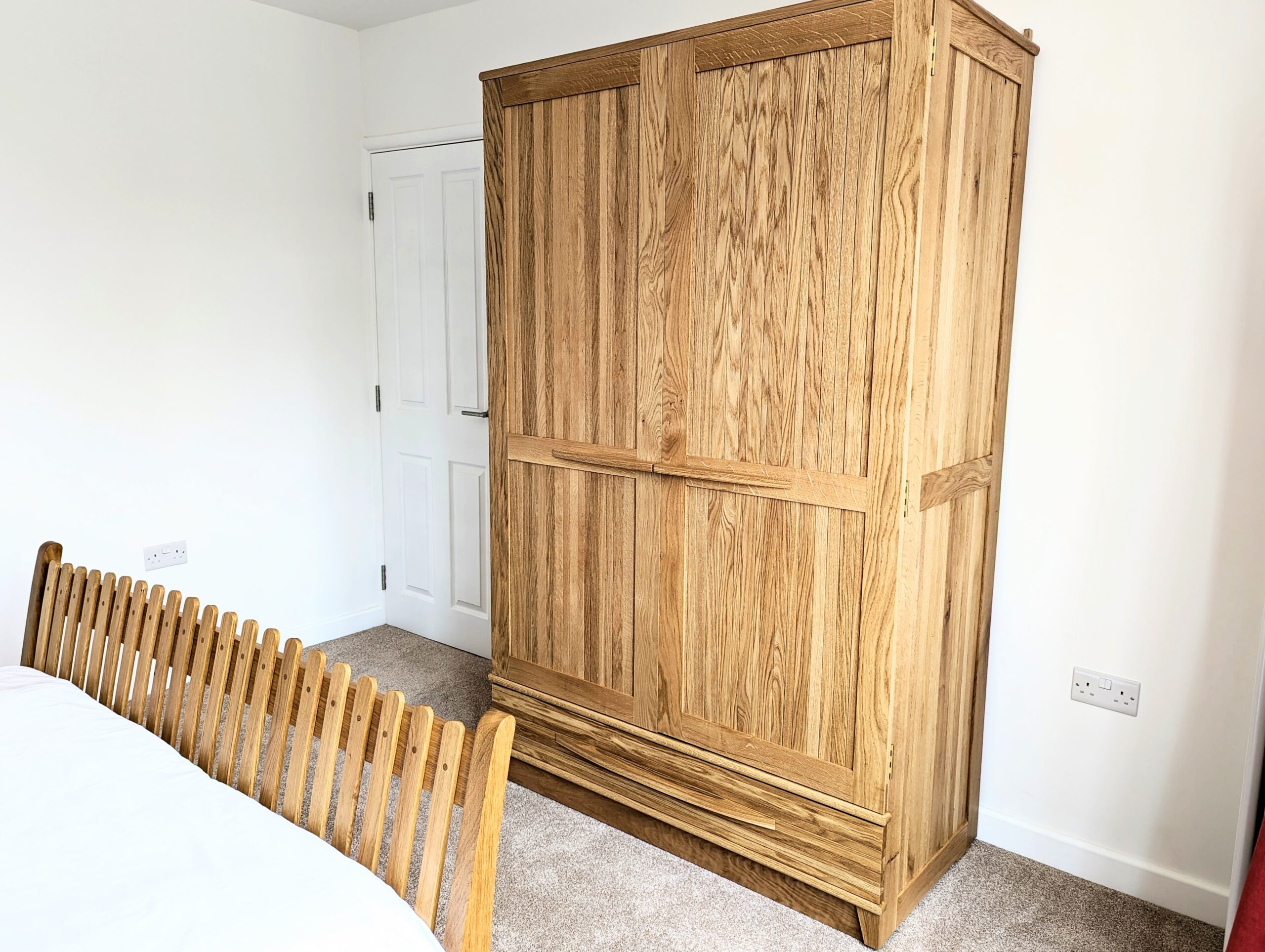
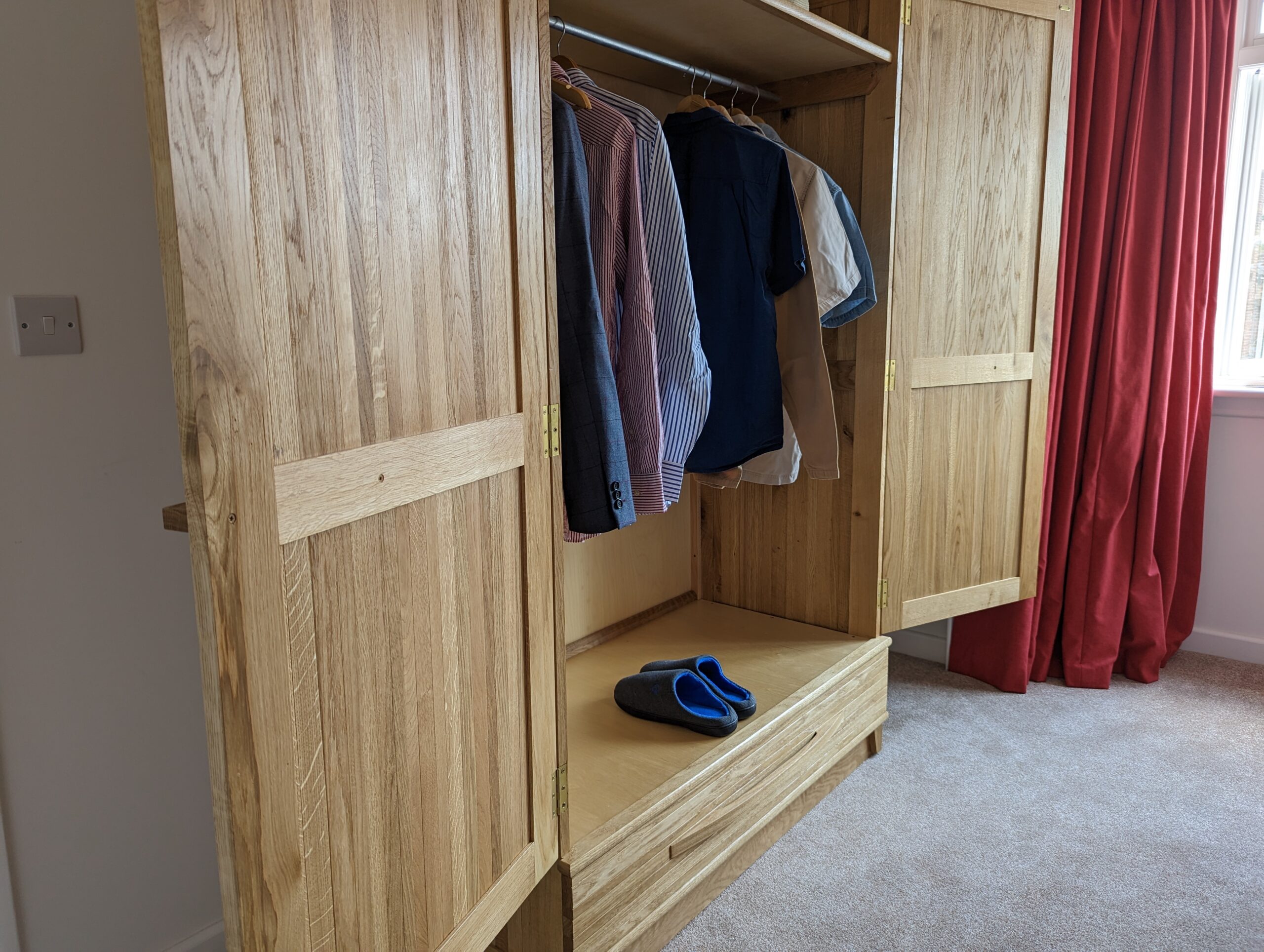
The wardrobe was quite a challenge mostly because of the size but then too it's a knock-down version arriving when done as a flatpack but of course utterly handmade. I loved it.
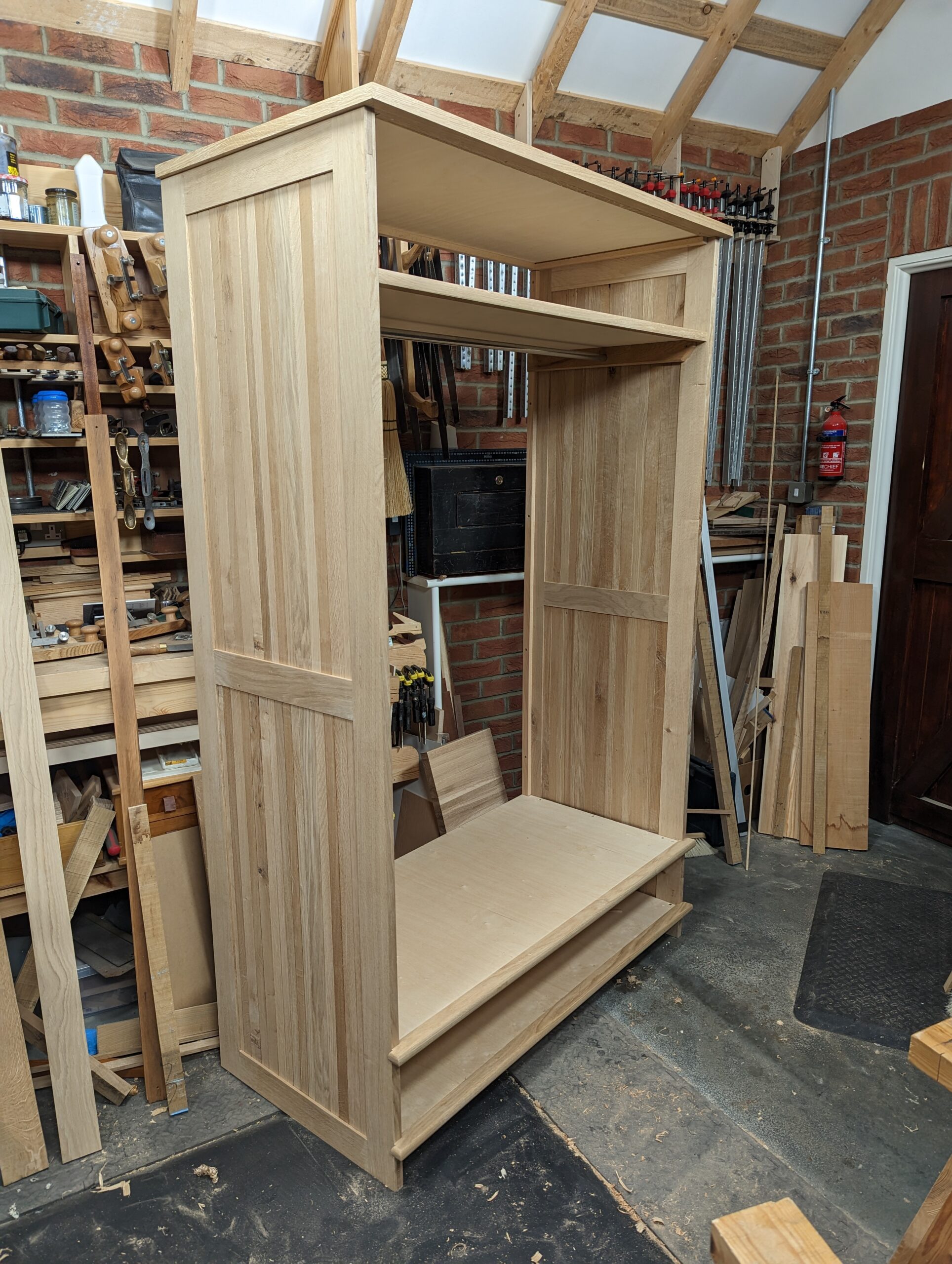
The panelling for the wardrobe was innovative in that I used up dozen of off-cut rippings for the side panels and doors.
The compact chest is one of my favourite pieces.
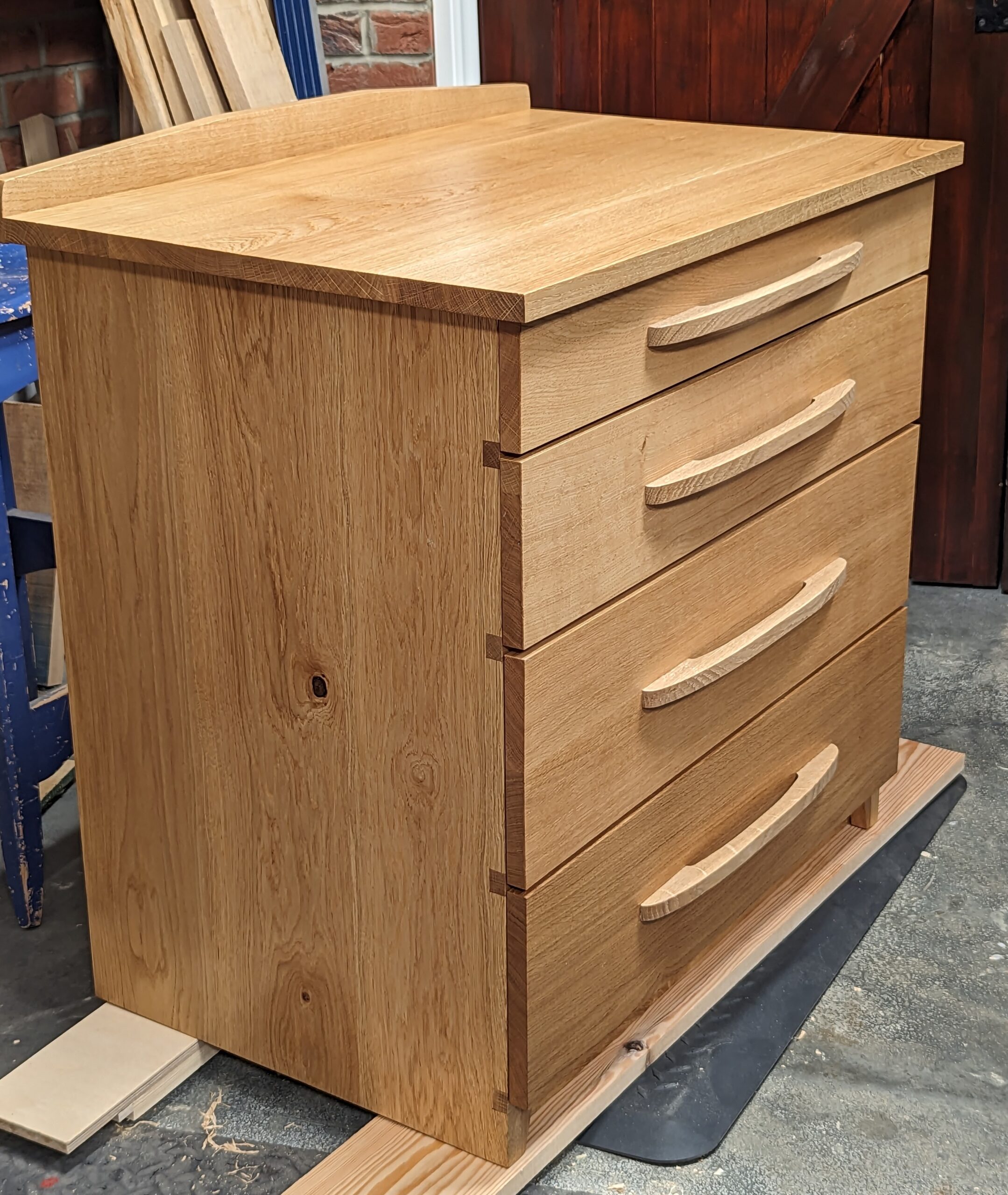
It just came together so well as a design and is easy enough to make too.
So, if you wondered what I have been up to since Spring 2021 this should fill in the blanks. But here is the most important thing to understand. Every stick and stem was made with these hand tools below and a single machine, a 16" bandsaw.
Another fact some might not have understood is that they were all made in a single-car garage-sized workspace. Bottom.
Am I boasting? Not at all. I am just showing that this is all you really need to build your own houseful of furniture. Come and join us and we'll learn together here at sellershome.com
Comments ()