
Peer Reviews . . .
. . . Or Peer Pressures?
Some time ago I went to the trouble of creating a short and creative video to show (prove) that taking a couple of simple steps could upgrade an inexpensive but well-made saw to parallel that of premium saws costing six to seven times more. Buying some saws, even from reputable makers, will almost always be markedly improved if you take the two simple and basic remedial actions shown in the video. And it takes only a few minutes to do it. I know, you shouldn't need to do that with a brand new saw but resharpenable saws need resharpening every few hours if, like me, you are a full-time maker. No saw made with resharpenable teeth will last with an acceptable cutting edge giving clean and clear cuts longer than those few hours. There is no question about that.
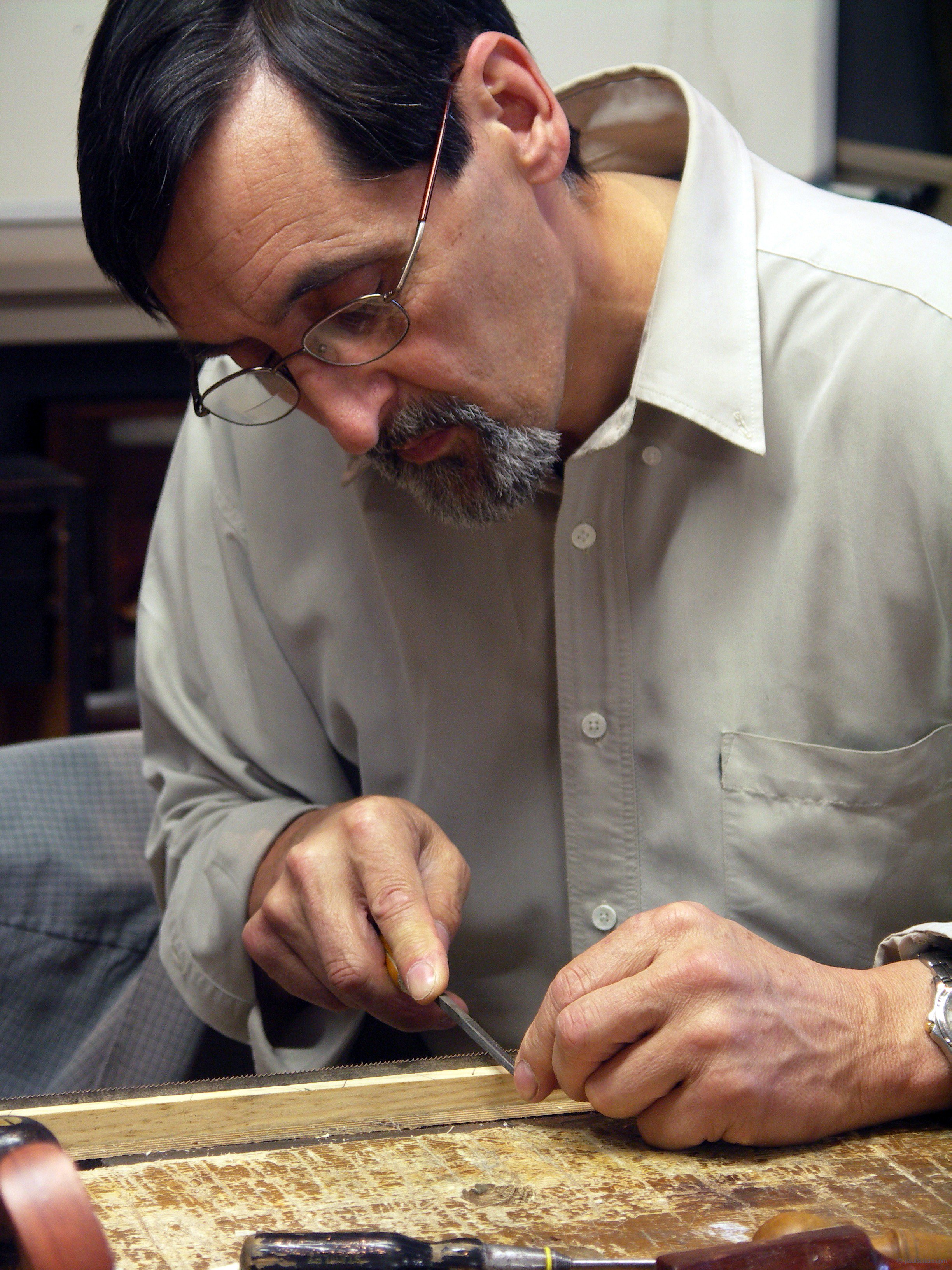
The saw in question came with too much set, about three times too much, and with teeth stamped out by machine and filed by machine. Such saw-making is sadly lacking the quality only hand filing can give to a saw but, and it's a big BUT, what difference does it make if you will now have to resharpen that saw a thousand or two times over the life of the saw? It's really no different sending out plane irons and chisels with a 25º ground bevel that's not honed surgically sharp. Sharpening sharpenable tools is a fact of life.
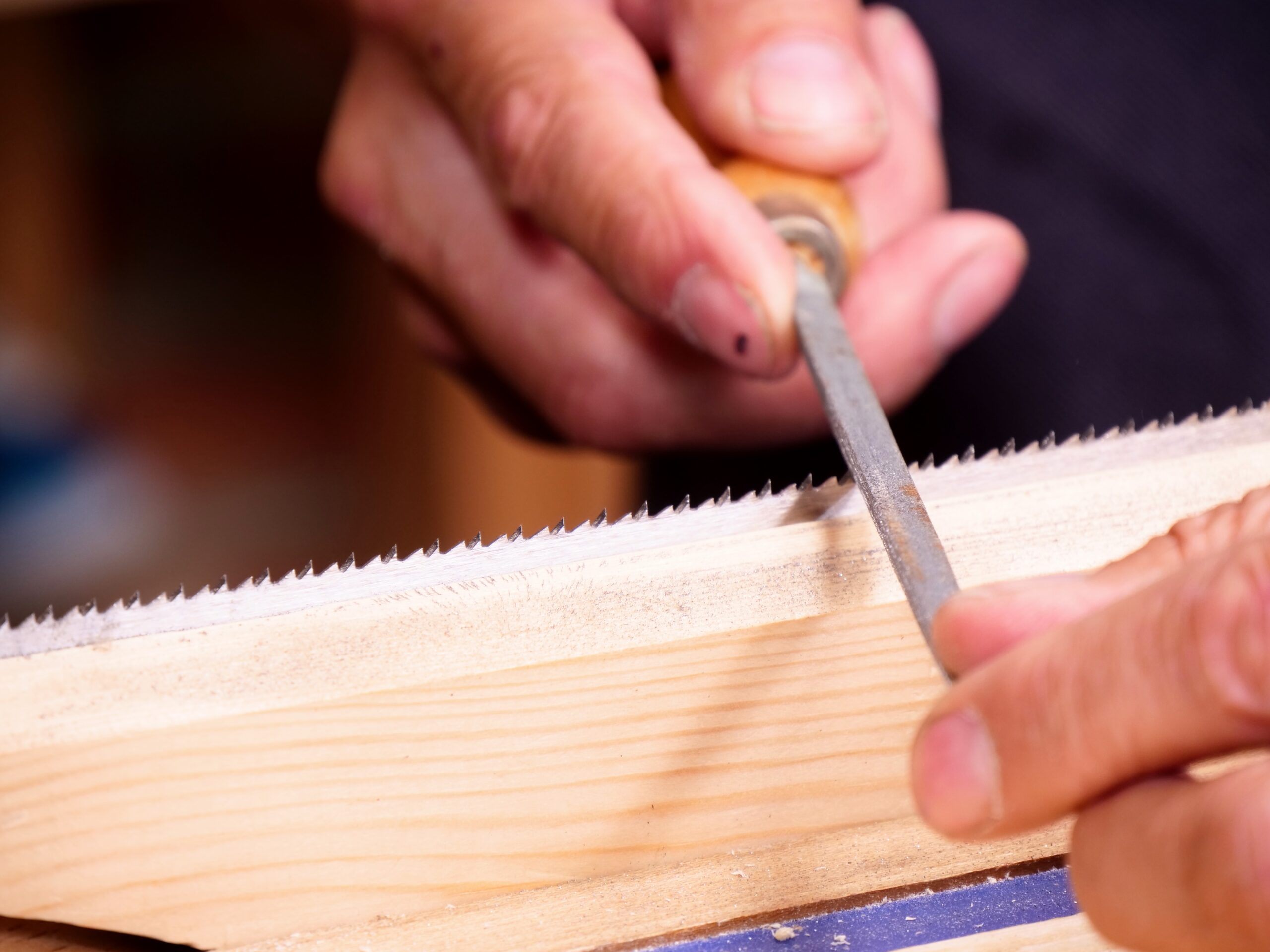
The video was crystal clear. I compared the saw as honestly as I could with a before and after visual showing the obviated difference. The subsequent hand-filed and de-set saw (I worked on for only a few minutes) took half the number of strokes, far less effort and of course a much thinner kerf than before the small modification. Just taking out the heavy set would have reduced the effort needed alone, but the sharpening put the icing (with a cherry) on the cake. The outcome was indeed to establish about as perfect a dovetail saw in the style of the Gent's saw as you can possibly get. For around £17 for this 10" version, I then owned a saw equal in functionality to any saw I have ever used or trialled. I have been using my own original version by the same maker/distributor for over two decades now and it looks as though it will go on until I am about 120 years old. I sharpen as needed which is about four minutes work every six weeks or so. Not high demand in any way at all. Also, and worth pointing out, ALL saws benefit from a quick saw tip touch-up before shoulder cutting if you want that extra crisp shoulder meeting line that usually needs no trimming. Saw teeth can and should be customised according to task. This is what we do!
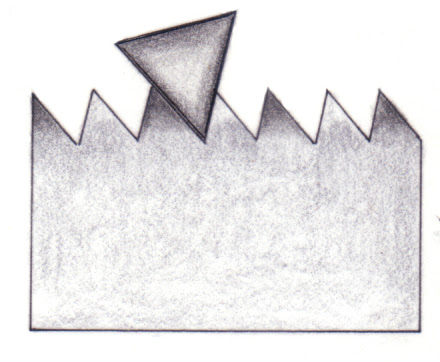
Now, I sharpened this saw to a ripcut saw pattern which on all of my smaller toothed saws is what I do. My maxim hovers around saws with ten teeth or more per linear inch of tooth being specifically sharpened to a rip-cut tooth pattern. Smaller-toothed saws will crosscut equally well with a rip tooth provided they are sharp and it's this that saves the need for two saw types and the inconvenience of switching saws for shoulders and cheeks or shoulders. With most tenon-type back saws, 90% of the work we do will indeed be ripcutting which is along or with the grain; tenon cutting and dovetail work is pretty much all long-grain cutting for the main part with a small amount of crosscutting. This means that the filing of the teeth is square on and straight across with the file held and passed into and through the gullets as level as possible with each pass. The only adjustment will be in the angle the file face is presented to the front of the teeth. We can rotate the file towards a more perpendicular front tooth to get a more aggressive cut because we created a rake that hits the wood more aggressively. It's really the simplest and most convenient of the two sharpening types used on traditional Western-style saws.
99% of those watching the video were creatively thankful in the demystifying of this specific output for sharpening ripcut saws. Both new and seasoned woodworkers from the amateur realms expressed their thanks by the thousands, but for every five to ten thousand of those 300,000 cheering and clapping encouragement there would be one naysayer making flamboyantly confident yest quite stupid statements and offering them as god-given facts. You get the tone in different offerings. One was quite clear––"Ain't got no time for this no how." Most usually prefaced what they were about to say by saying something along the lines of, "I've been woodworking as a professional carpenter for 20 years . . ." or, "I appreciate ... but this guy knows nothing about blah, blah, blah sharpening saws." Usually, they say you should sharpen every other tooth, point the file towards the handle end or then again point the file towards the toe end, evidencing that they most likely use hard-point saws designed for crosscutting two-bys or sheet wafer board and not refining joinery like dovetails. Often they make statements rather than ask questions, which would be much more respectful and less dismissive. Those with quite rude and crude comments and indeed miss the whole point (pun intended) anyway because why? Well, simply put, they just got offended.
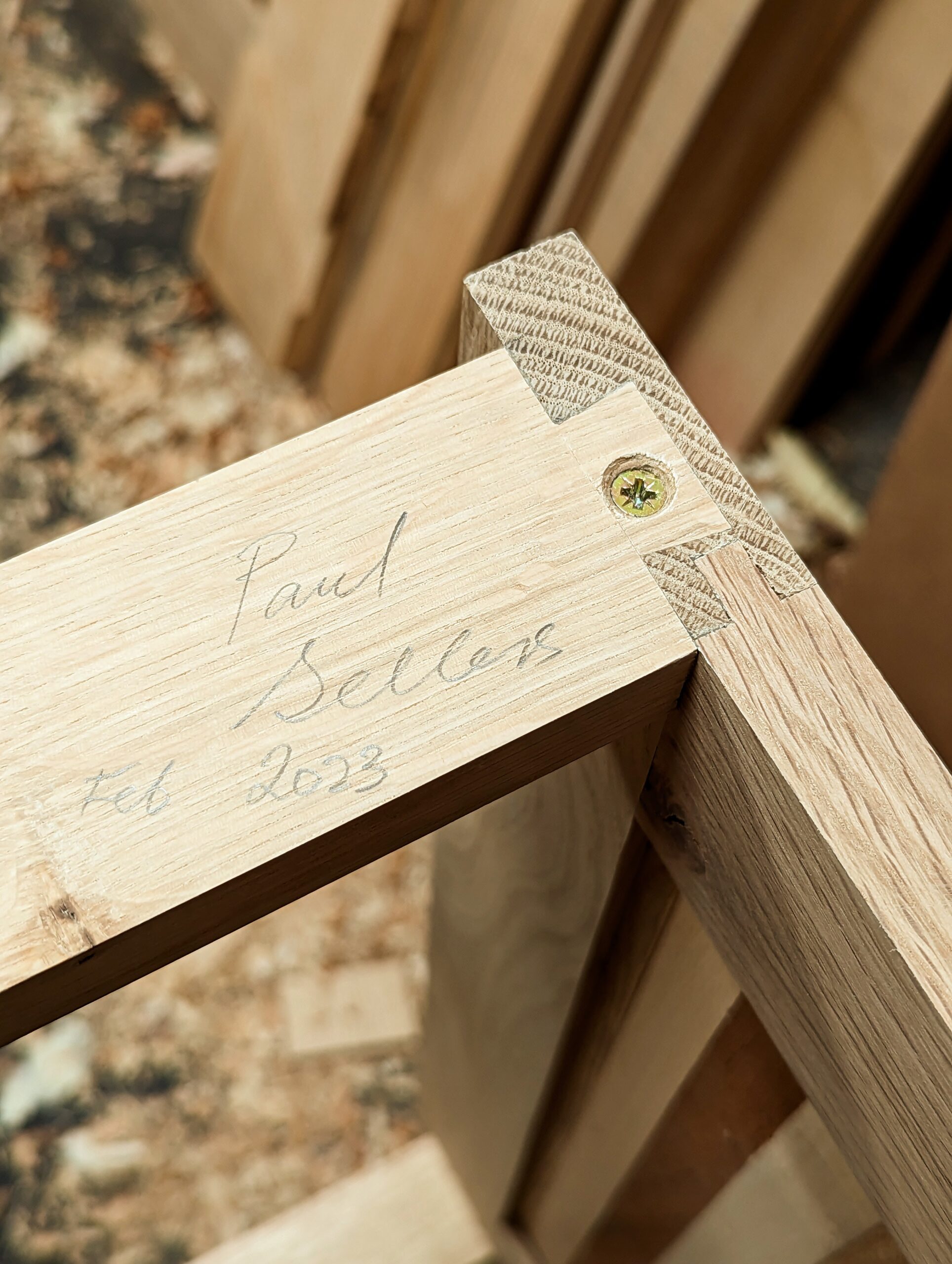
I faced a similar dilemma when I put a lone screw through the centre of a dovetail that would never be seen again in its lifetime. The reasons put forth by long-term woodworkers ranged from rust that would cause splitting, to there being no need for the screw. I gave several clear reasons for doing so but though they had ears and eyes to hear and see they could not see nor hear because, well, they were offended.
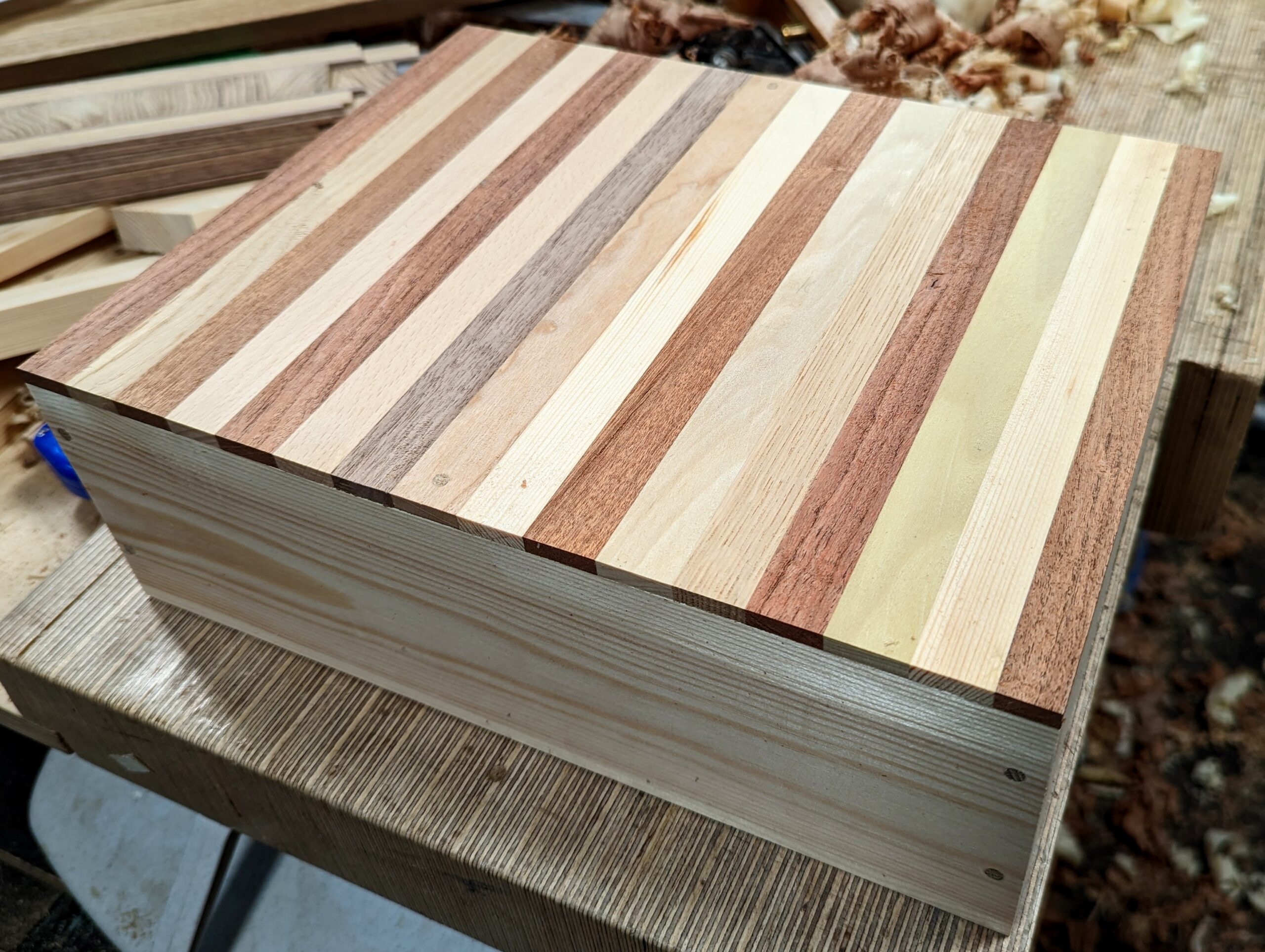
So I continue to battle my peers but not at all to be offensive, sensational or in any way obstreperous, simply to prove the idiocy of some things that I believe need to really change for the betterment of our work and working. There are many examples I could go into too. What about flipping the grain for tabletops to orient the growth rings to prevent the risk of cupping, using narrow strips as laminated tops and such? Well, this is all well and good in industry but in our home shops, we can be in and of ourselves unique, unconsciously individual and different; we can be ourselves and choose our wood and the risks for ourselves. We know our wood, we are not anonymous makers in industrial settings and we can take ultimate responsibility for what we do and make and the how-to of it. We can take any risk we want to and to that end find there was no risk at all.
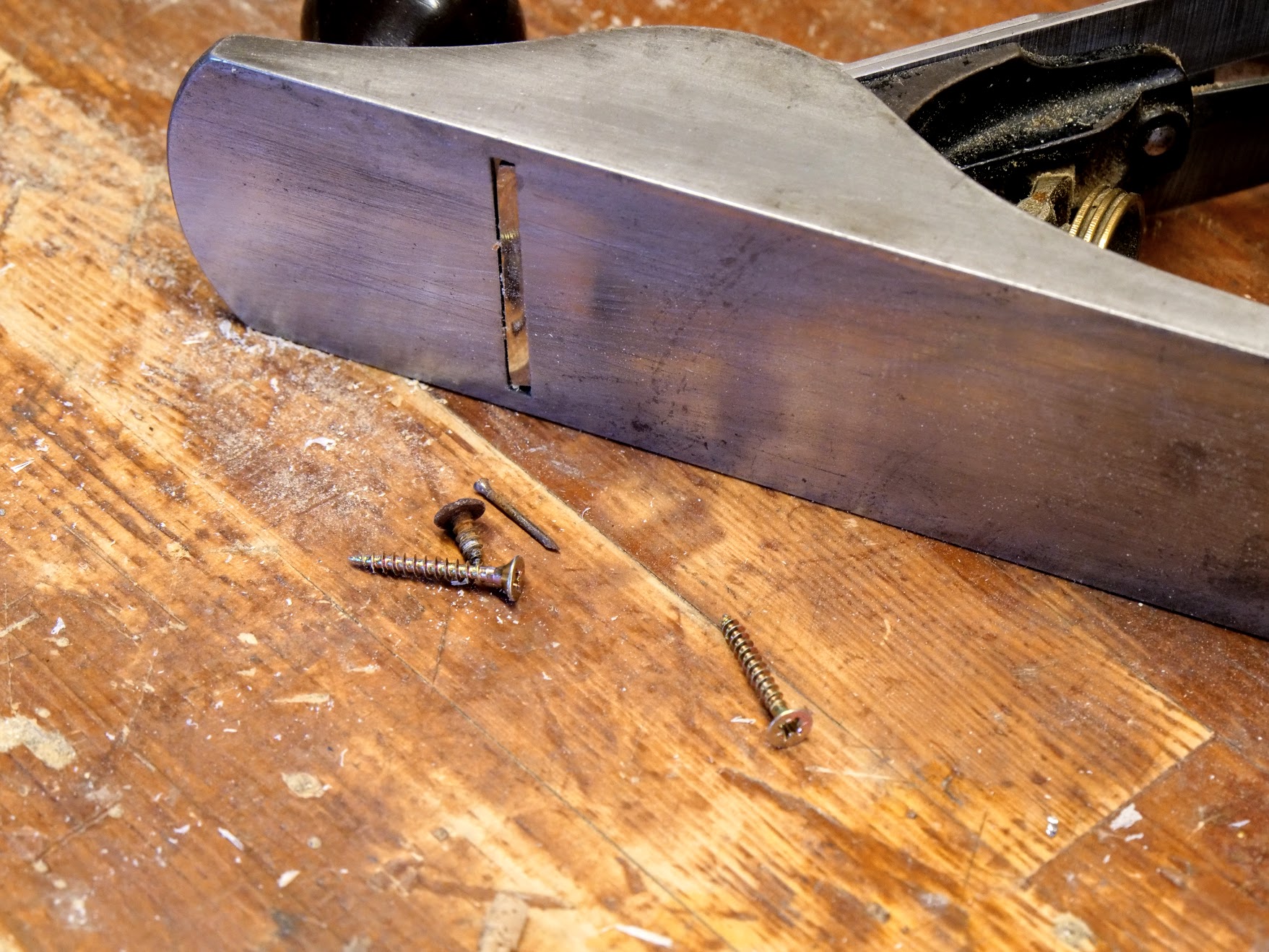
If a question came up in a trade exam at beginner level as to how to set your plane down during work I would fail as I would in these other points mentioned. Often, in my support of teaching and training mainly but not only those new to woodworking with hand tools, I do some things to comply with those industry expectations even though in the realness of my woodworking I probably would not do it at all. The only time I might lay my plane on its side is if something was spilt unexpectedly on the workbench that could harm the cutting edge or the sole of the plane––think nails, screws and broken glass or grit. Working on a concrete or gravel path to ease a door from sticking, I would do the same. These scenarios make complete sense.
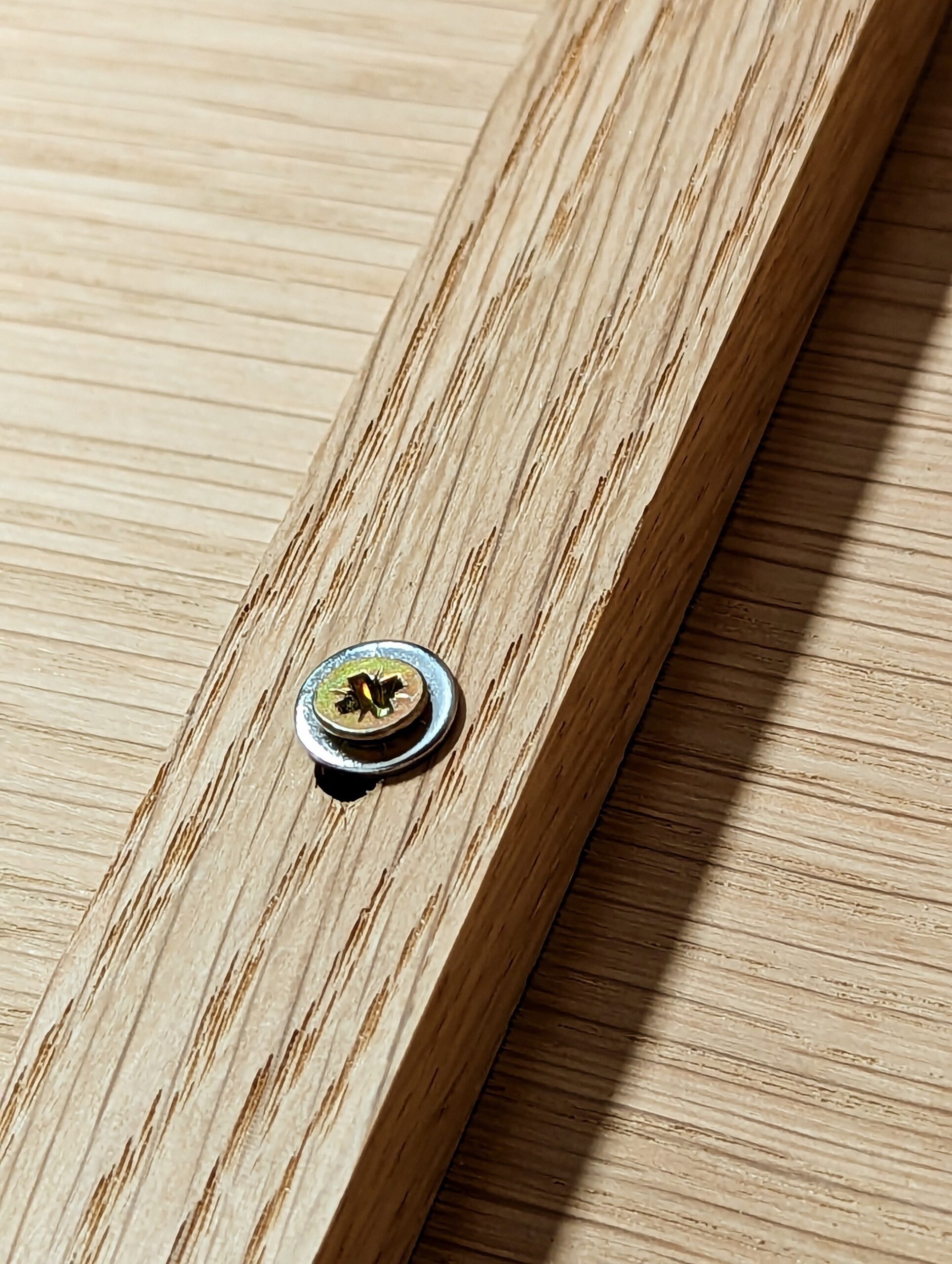
On my new and latest project, I will be anchoring drawer supports going across the grain of the sides with screws but not glue. I will use the front screw as the fixed and immovable anchor point and drill only a round hole screw-shank sized; I might just consider using a circle of glue around this one screw too. I have another trick up my sleeve that works really well too. A snappable link probably never seen before I think. The two screws that follow will have elongated holes and a washer between the screwhead and the drawer support to allow for any expansion and contraction that might take place in the side panels. In real life, I most likely would not do this on every project every time. Why? Well, in real life all wood species react differently to moisture variability levels from the atmosphere and in the woods used. Some woods readily split with little provocation and others resist remarkably. Beech to oak is a good consideration. It's often hard to get beech to split whereas oak seems apt to split just in the looking at it by comparison. In the woodworking industry, all woods are treated equally and mostly because the operators and makers know very little about the properties and characteristics of woods they use. Businesses must assume that the variations in staff knowledge will be as wide as the Grand Canyon. In our home workshops, we work according to our relational knowledge and we ask for advice from friends or those we may know who have good knowledge of the different woods.
So why might I not make allowances and use practices that give a more guaranteed result? Because in 58 years of working wood, I have come to know for myself what actually happens with wood, with the sharpening angles of tools and then too my own mental and physical limitations. I have never had wood split because it was overly constrained by the screws because I take steps to understand all of the information around me in the making and delivery of the pieces I make. The wood I use is always down in moisture levels to a level where expansion and contraction is minimized. Here in the UK we mostly live in less extreme conditions of weather as well as a more climate-conditioned environment where fluctuation in atmospheric moisture is minimised. That said, I customised my work when I lived in Central Texas because a tabletop sent to West Texas could and most likely would shrink markedly and the same tabletop sent to say Houston or the East Coast areas would expand beyond belief. This relational experience enables us to keep our output safe.
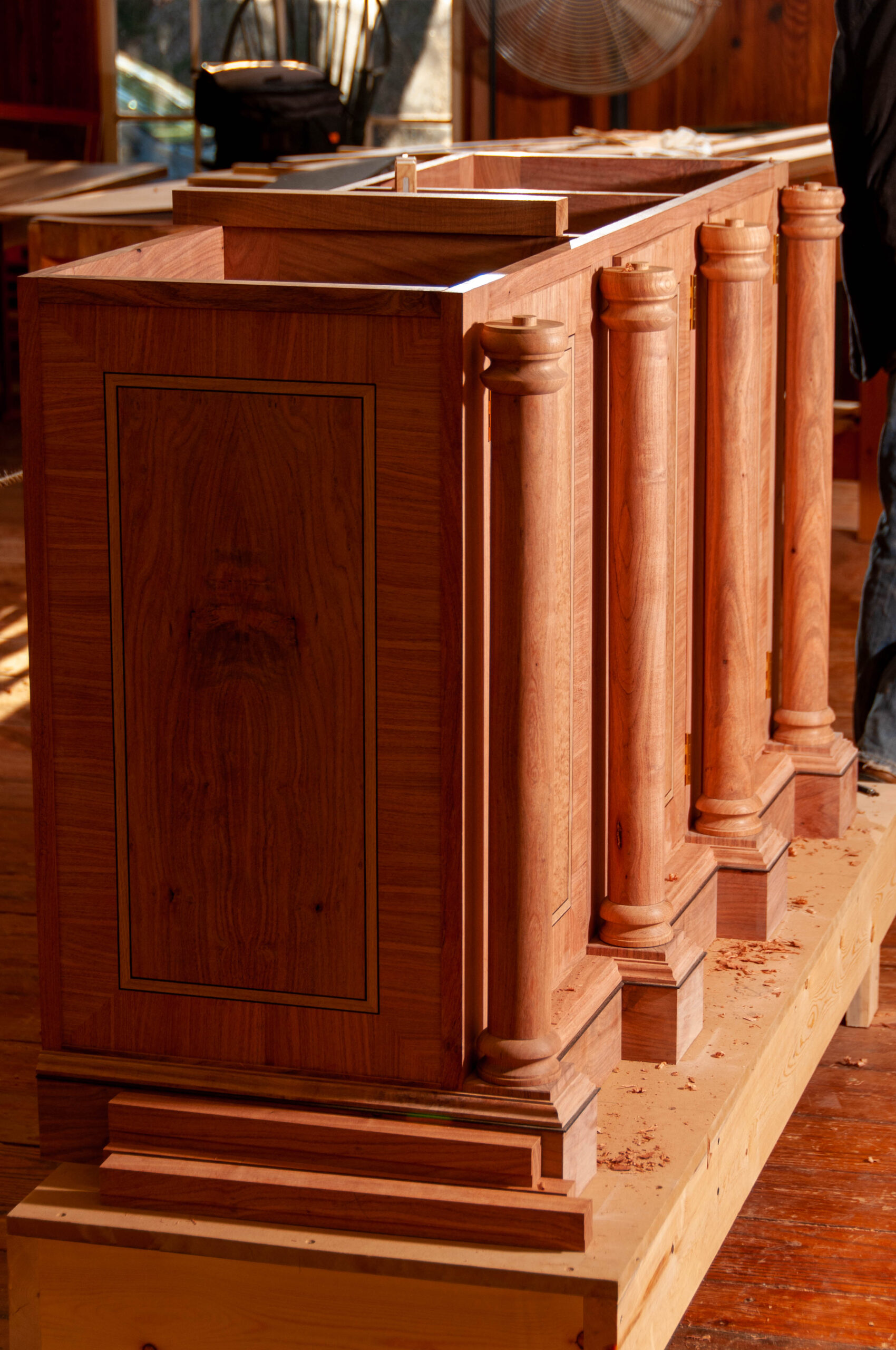
Experience gives us the understanding we need to make and create with better judgements than just reading an article or book. It does take time to accumulate this inbuilt knowledge base but fear of failure should not be the only guide. I made a piecrust table six feet in diameter and extendable to eight feet from solid wood that should never have been built and could never have been built in any other wood than the wood chosen. The piece was stunning and would never have existed had I not taken the risk. So too the pieces I designed and made for the two matching White House credenzas back in 2008/9. Solid wood throughout with crossbandings and inlays that should never have worked and yet worked perfectly and stand inside the Cabinet Room of the West Wing. Did you know that I sharpen my ripsaws with a micro-bevel to each of the teeth to increase the longevity of my rip saws? Hmm! Where did that come from? Not from watching another, not from reading about it but from feeling how something so small could make such a big difference. Do I do that every time? No. About every three sharpenings because even a micro-bevel like that lasts through about three sharpenings.
We can always listen to our peers and strive to discern between the critical and the critique. that way we are not sidetracked from our purpose and we can consider what is said, be prepared to make adjustments but but then think as to whether we feel good about it and not be bullied to compromise our individual responsibility in our work and if we are prepared to make and live with the consequences of our own decisions. That said if we all listened to our peers and did what they said we might just be kissing hand tools and hand tool woodworking goodbye, along with the individuality that makes us the unique being we are!
Comments ()