
The Lure of Unpredictable . . .
. . . or the lure of a mechanised performance!
The most predictable thing about wood is its unpredictability. I would say that that is the case in most natural materials used in most crafts and that is why we have such a predominance of man-made alternative materials; for any type of mass-making the materials must be controllable and equate to the mechanised methods of manufacture which them means standardising things as best we can. If there is one thing most machine manufacturing is intolerant of it's variability and unpredictability in the materials used. Of course, some naturally occurring materials are predictable. Glass is such a material; sand, soda ash and limestone go to make up the identity of basic glass but they are combined to make a new material and are not left in their raw state. Metal ores are mostly predictable and stable as are or can be many other materials we use to make from. Science and technical controls help greatly. In our world of wood, climate control works for a period in the preparation of materials and then too in the conditions during manufacture or seasoning of it. It's after that that we face our challenges. Ever made a perfectly fitting drawer with perfectly parallel outer edges and go in the next morning and find the drawer immovably and impossibly stuck in the opening that's now beyond gap free? Out comes the heater to marginally shrink the wood on a localised level. Engineered boards for woodworking help manufacturers control many elements that normally affect solid wood, especially swelling and shrinkage, twist and distortion of many kinds. Other grown materials have variances in stems, fibre sizes and so on. Hence we have high-fire ceramics to produce consistent abrasion in man-made waterstones for sharpening and then too leather substitutes in plastic-coated fabric for stretchability. Genuine bonded leather is the equivalent of chipboard or pressed fibreboard. Don't be fooled by the words genuine, bonded and leather. It's comparable to burger meat and a steak. Both can look good and taste fine (says the vegetarian) but they are not one and the same.
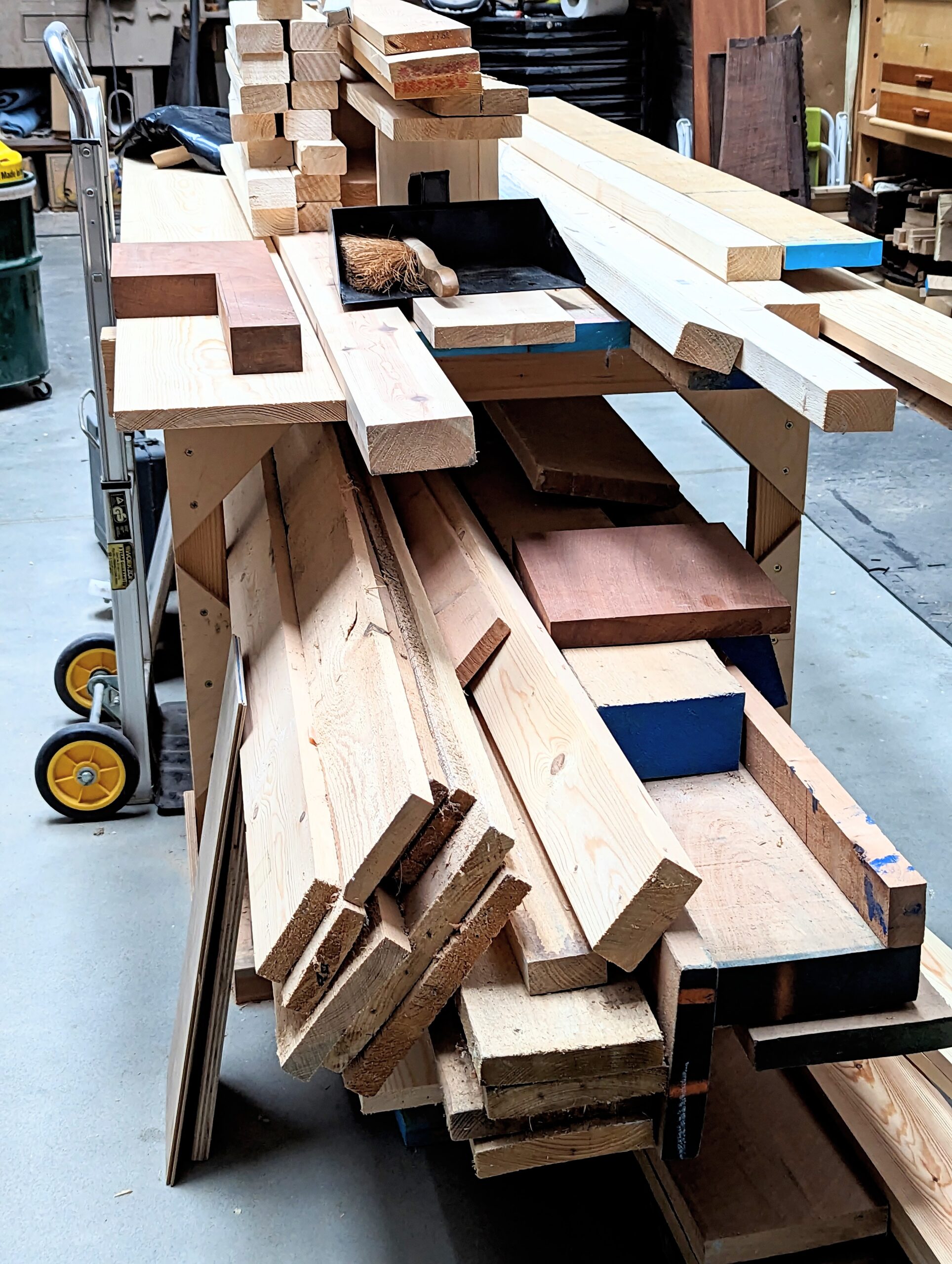
In my world of woodworking, mainly the hand tool version, real wood of any and every type is the less predictable entity; I understand why machinists love the machines that make the outcome more predictable–push a button, slide the fence, adjust the depth of cut, set the power-feed and step back. The board comes out predictably parallel, twist-free and dead straight and rip-tear-free as well. But you need to work with it quickly, stack it tight between tasks, strap it down with steel bands and try to control the environment as much as possible to prevent the uptake of moisture on damp days. I therefore understand the question, "Why would anyone including you, Paul, do it by hand? Mortise holes and tenons taken from mortisers and tenoning machines fit like a hand inside a well-fitting glove and a chop-sawn mitre is a perfect forty-five and square across every single time you drop it down into the wood to cut. All challenge is eliminated and it's fast, fast, fast.
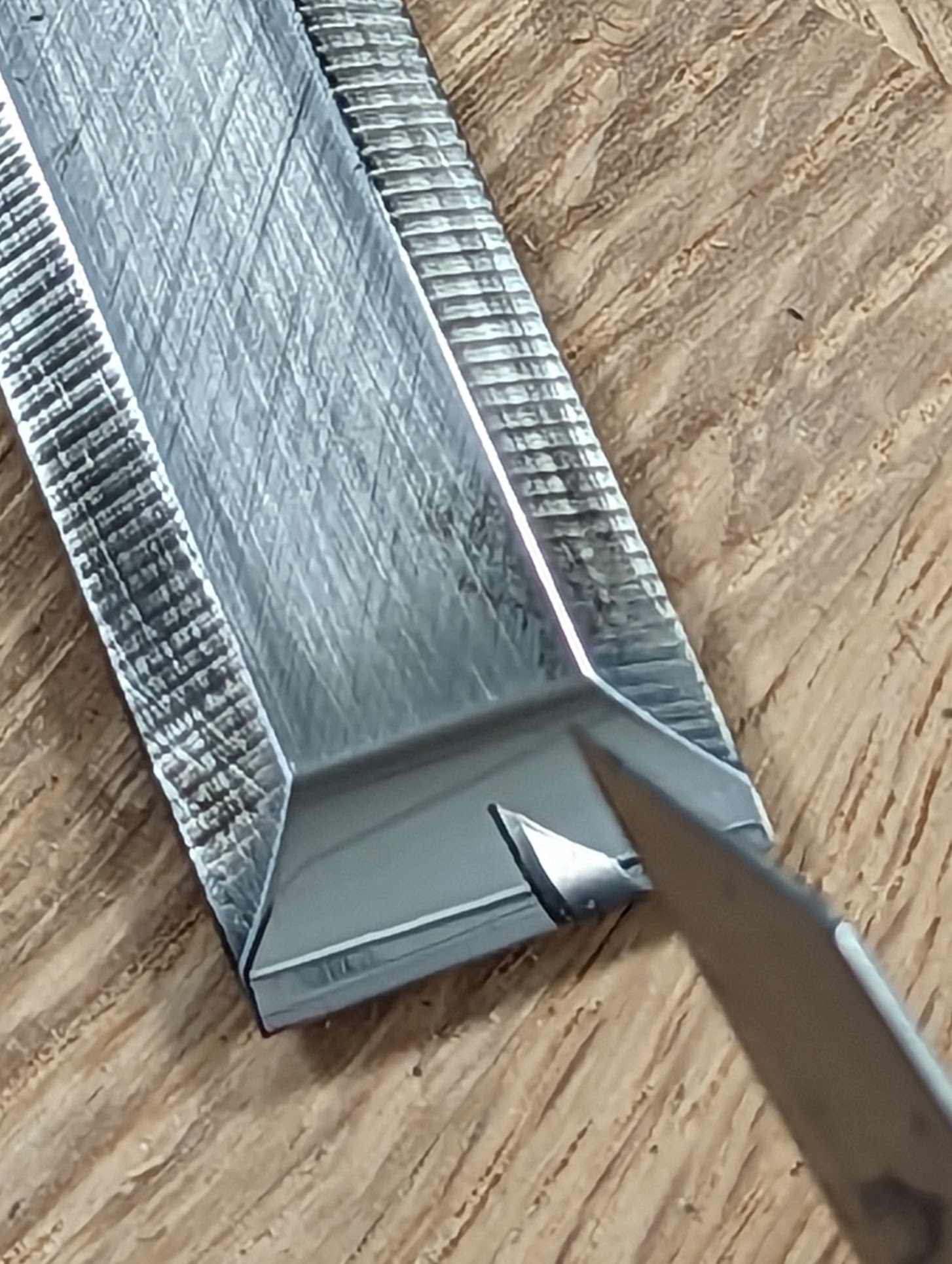
Well, aside from the space-hogging machines take up, the cost and noise, etc, I believe in the challenge real woodworking gives me in the day-to-day. It is exceptionally good for me (and you) to encounter adversity and the occasional unpredictable and rebellious grain in wood. Does that mean never use a machine? No, not at all. There are times when I look at a sheet of plywood I want to use and I know the very best way to work the surfaces will be with a random-orbit 5" hand sander and not a hand plane, scraper or even plain sandpaper.
I ate some cashews last night. I noticed in this batch that there was a percentage of the nuts that were dry and crunchy, I particularly liked these.
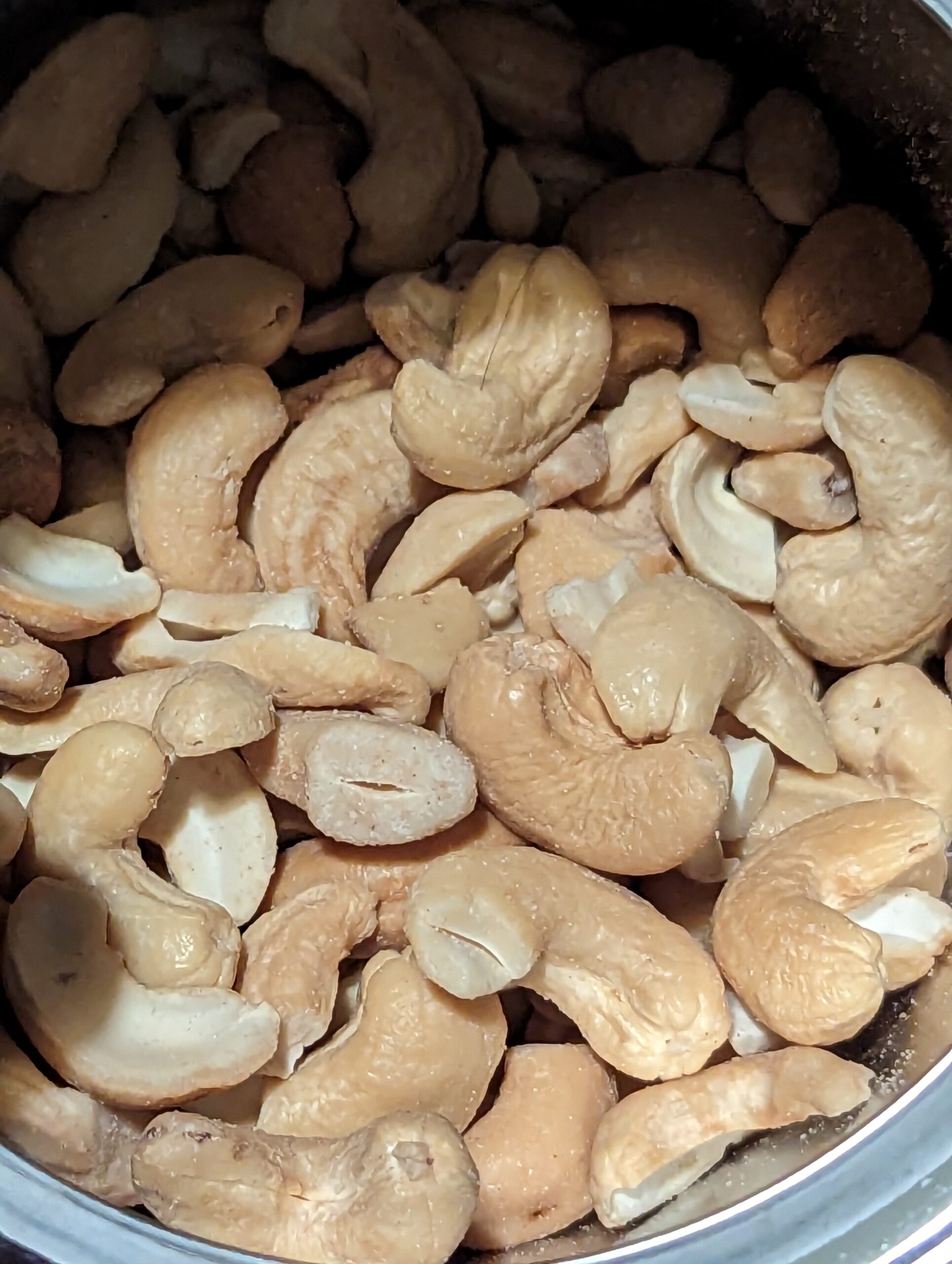
After a while, instead of dipping my fingers in the can and picking the individual nuts randomly, I looked inside for the dry, crunchy ones and started eating these in steady succession. Then I picked out a pile to eat. After a minute or two I found that I was enjoying the nuts less and less and realised that this was because all surprise was gone and there was no longer any contrast between the softer ones and the hard ones.
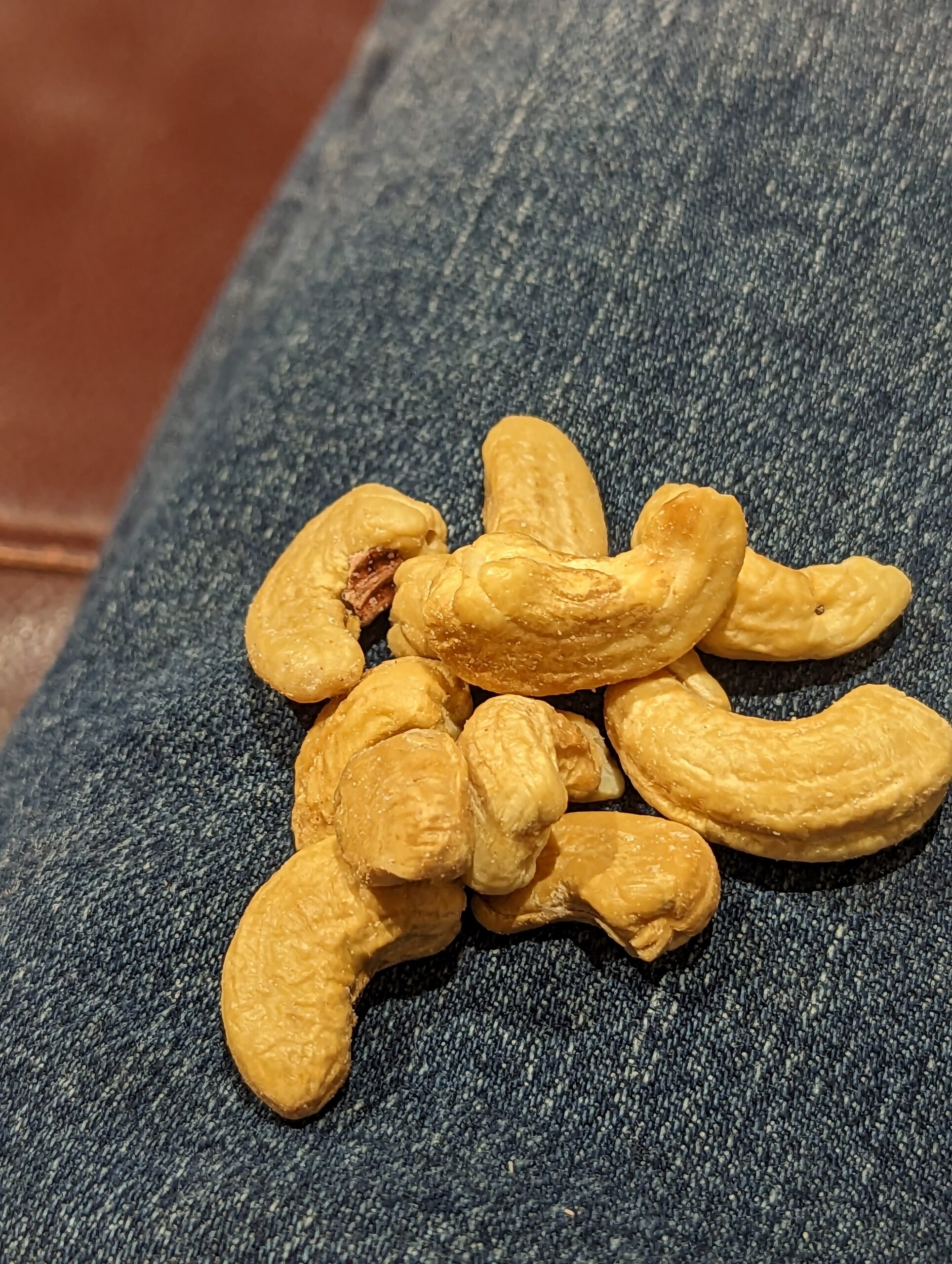
Going back to my former way of randomly selecting the nuts restored my enjoyment. So it is with hand-tool woodworking. I like the challenge in unpredictability. I like unpredictability. It keeps me on my toes, gives me challenge and thereby greater fulfilment. This then adds value in the reality that it has. Challenge relieves any boredom, demands critical thinking through every single move I make and the outcome brings 99% satisfaction to my very soul.
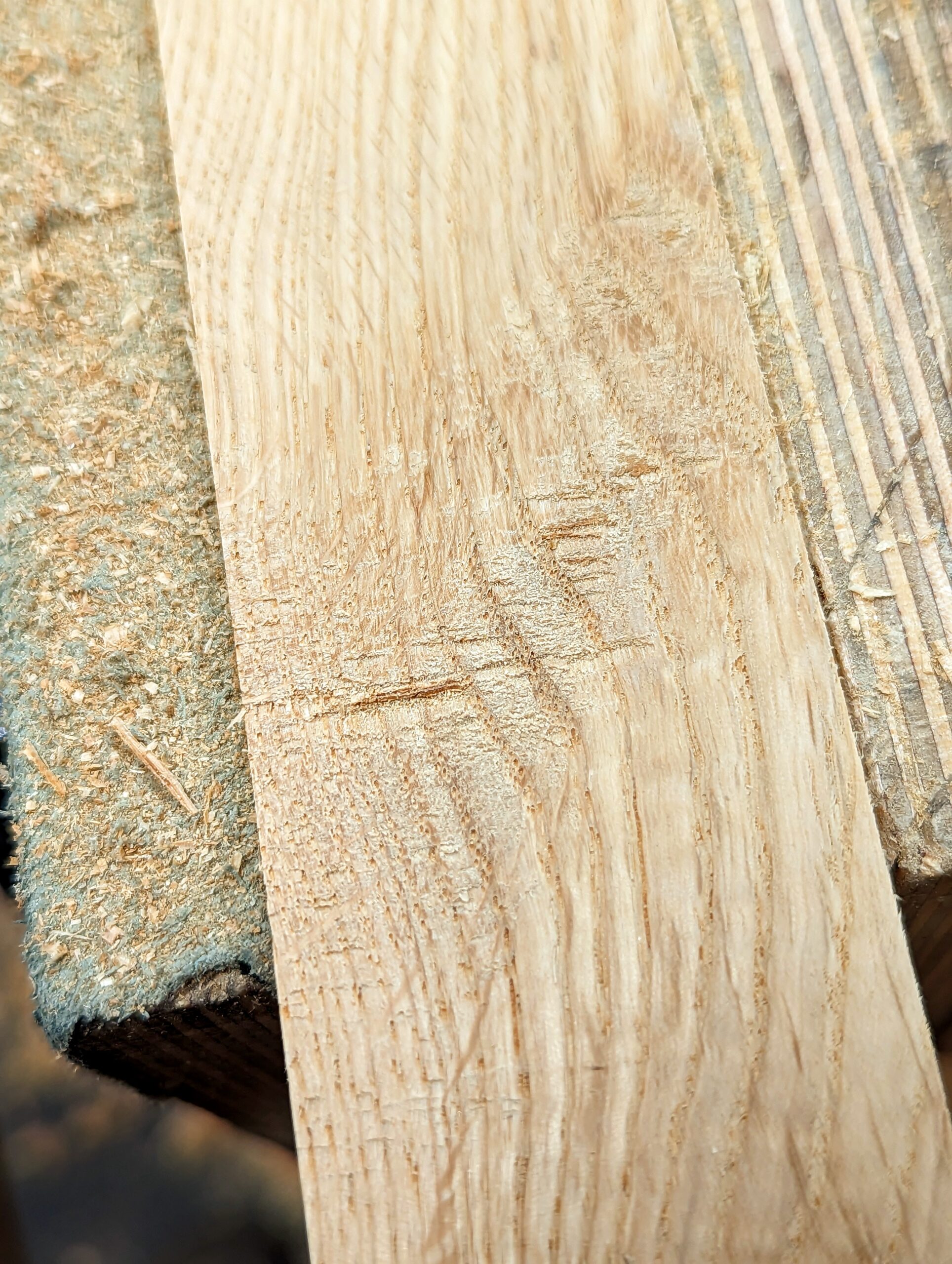
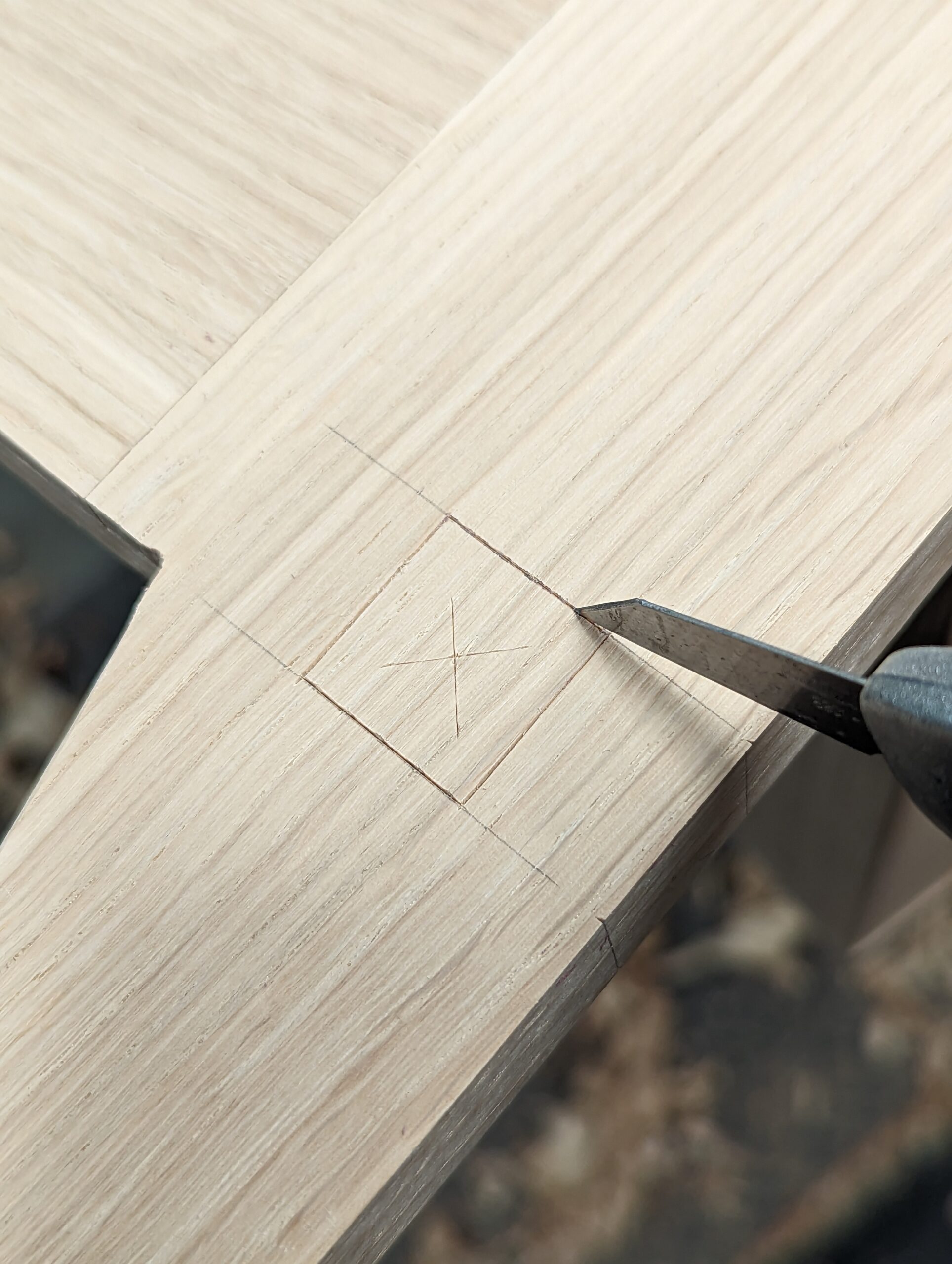
There are consequences to all the elements that handwork demands. The accuracy of knifewalls depends on how often I sharpen my knife and then the quality of the cut the sharpness of the chisel, the saw and the plane. I like looking at the placement of the tenon with the knot in the wood or where I plan to chop the mortise. Yesterday, I ploughed out a groove and before I knew it the top corner of the inner wall of the groove split and tore where it would be clearly visible. Immediately I thought of three fixes that I could do to take care of the issue in under a minute or two for whichever I chose. Sometimes a misread plane stroke tears with the touch of the plane's cutting iron and the damage is done but not as badly had I forced it through the cut. My 'Uh-oh!' encounter is of minimal consequence. I flip the plane or reach for a piece of flat steel and deal with it. It's over in a heartbeat and I would not trade those for any other piece of kit. A sawn knot in a tenon on one side of the tenon might need a pare cut on the opposite side. These are the high-demand, minute-by-minute decisions that only ever enhance my experience of immersive woodworking. There is nothing minimalist about it – it's total maximisation.
Comments ()