
Planing
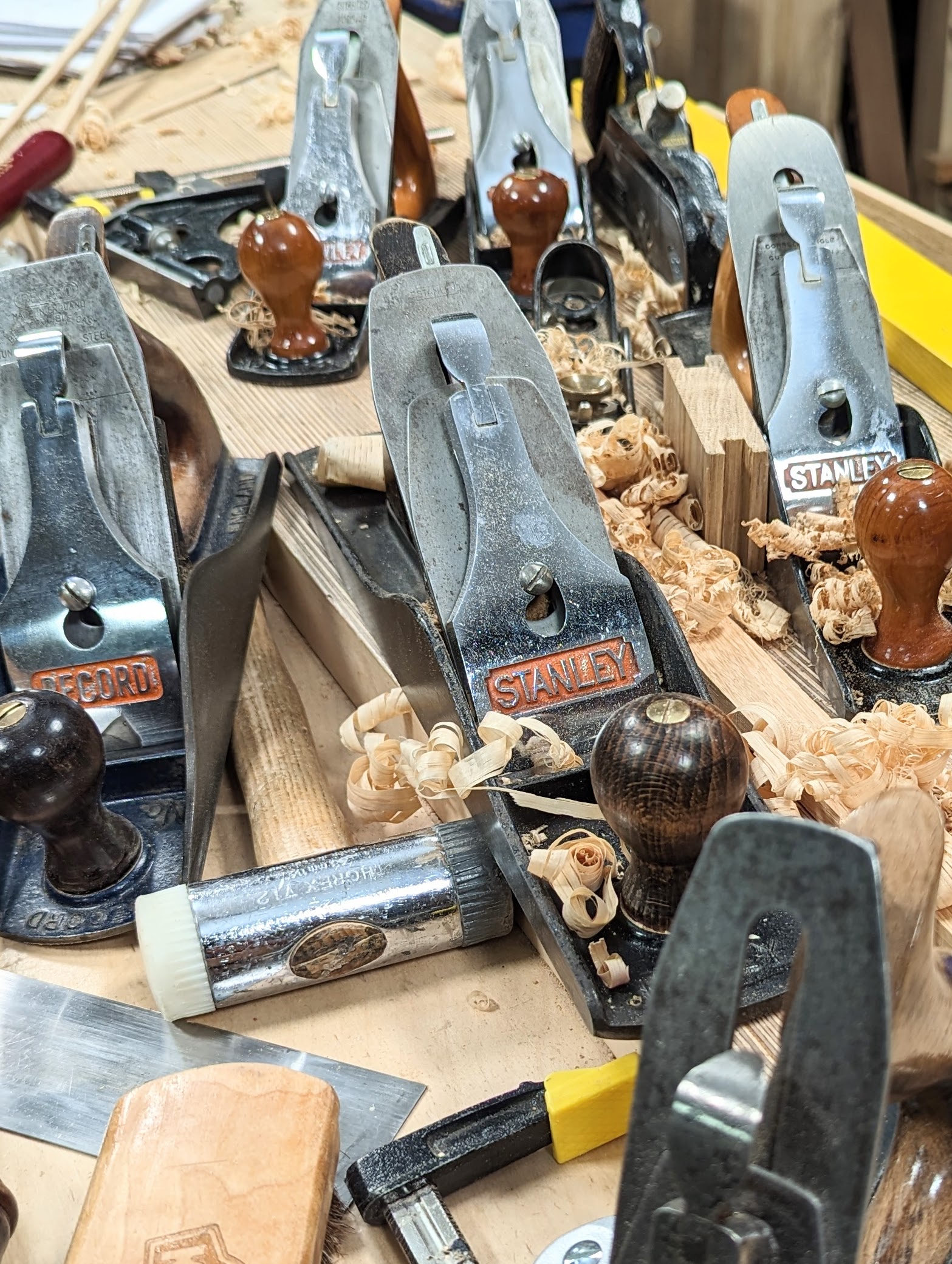
It looks excessive and might be for some but it's not in the life of a productive maker. Woodworking with hand tools in the life of a productive worker must be strategised throughout. Strategic planing soon becomes a way of life when you are a full-time maker but anyone can adopt the practice to make them more efficient and the sooner you understand the reasoning the sooner you will save time. For me it was an evolving process and it been for almost six decades for me to arrive. You don't need to wait. Nothing's changed except my more creative knowledge of how best to work with each category of tools: that's planes, saws, chisels, hammers and so on. Strategic planning is not something I plan but something I practiced according to need decades ago. This is what gets my work done and I want the instancy from each tool chosen and especially the plane picked up, worked and put down in a position ready for action when I need it. This is less about how they are placed generally on my bench. I place three in order and from left to right know where the #4 scrub plane is in relation to my other #4s. If it's not in its bay (a sloped tray that takes three planes side by side) I can tell by two things which plane is which of two #4s I use all the time in wood prep. The handle on my adapted-to-a-scrub version #4 has a slightly larger handle though I doubt you could tell. It also has identifying pinpoint pin knots to its tote. Three of my planes have yew handles. This sets them apart from the rest anyway. Identity is everything.
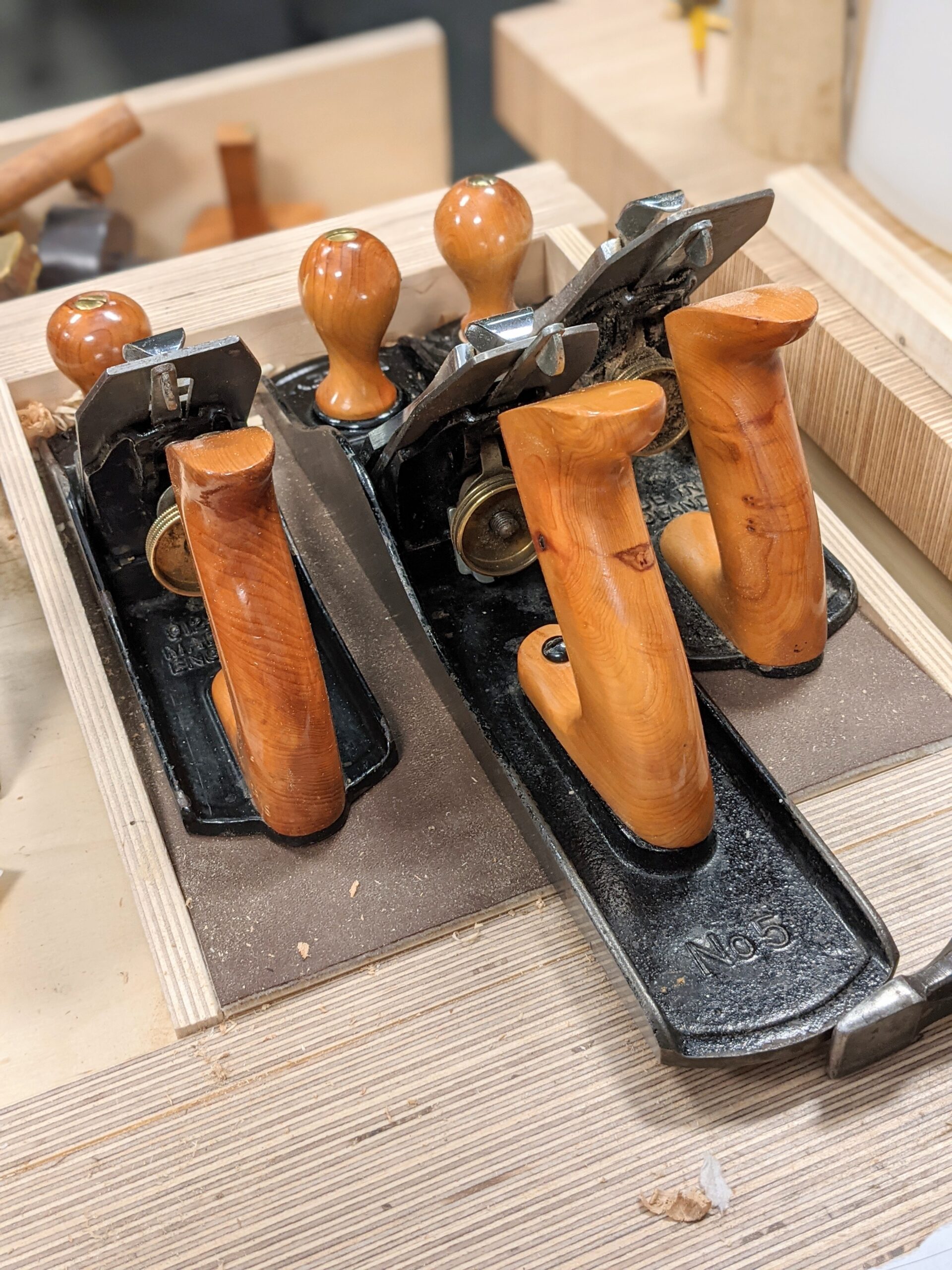
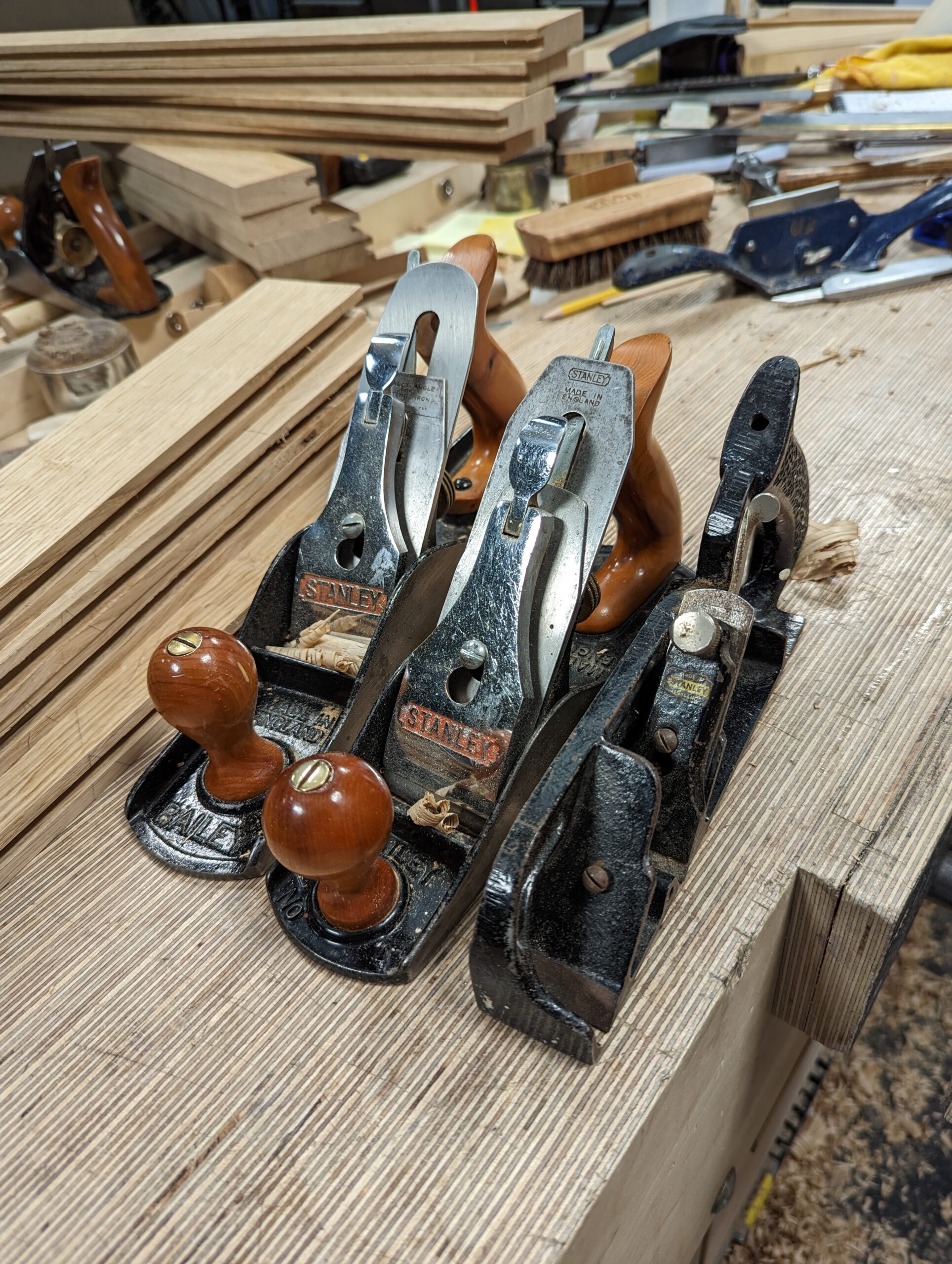
My most used planes are my #4 and #5 smoothing and jack planes respectively. Two #4s mean I can split my use time between two and have a refining set of shallower depth on the one and an alternative deeper set to the other. It's always the same way; yew is for fine work, stained beech for deeper cuts that tackle any remaining defects like slight cups, bows, twists and crooks. My #5 is another refining plane. I should say here that my scrub planes go ahead of these and do all of the donkey work to take out 95% of wood defects. They must be used carefully as by nature the blade protrudes much more heavily than refining planes and this being so any inclined grain pockets rising against the direction of the cutter will rip and tear. I have grown accustomed to sensing grain through the plane itself in an instant and can flip it around to a pull stroke in a heartbeat and before too much damage-by-depth takes place. That said, sometimes it is beneficial to go against such grain as these can maximise the removal of material and keep the plane pulled by the grain to the surface. The trick is to know when to stop and turn the plane so that enough wood remains to refine the surface through any subsequent strokes with the plane.
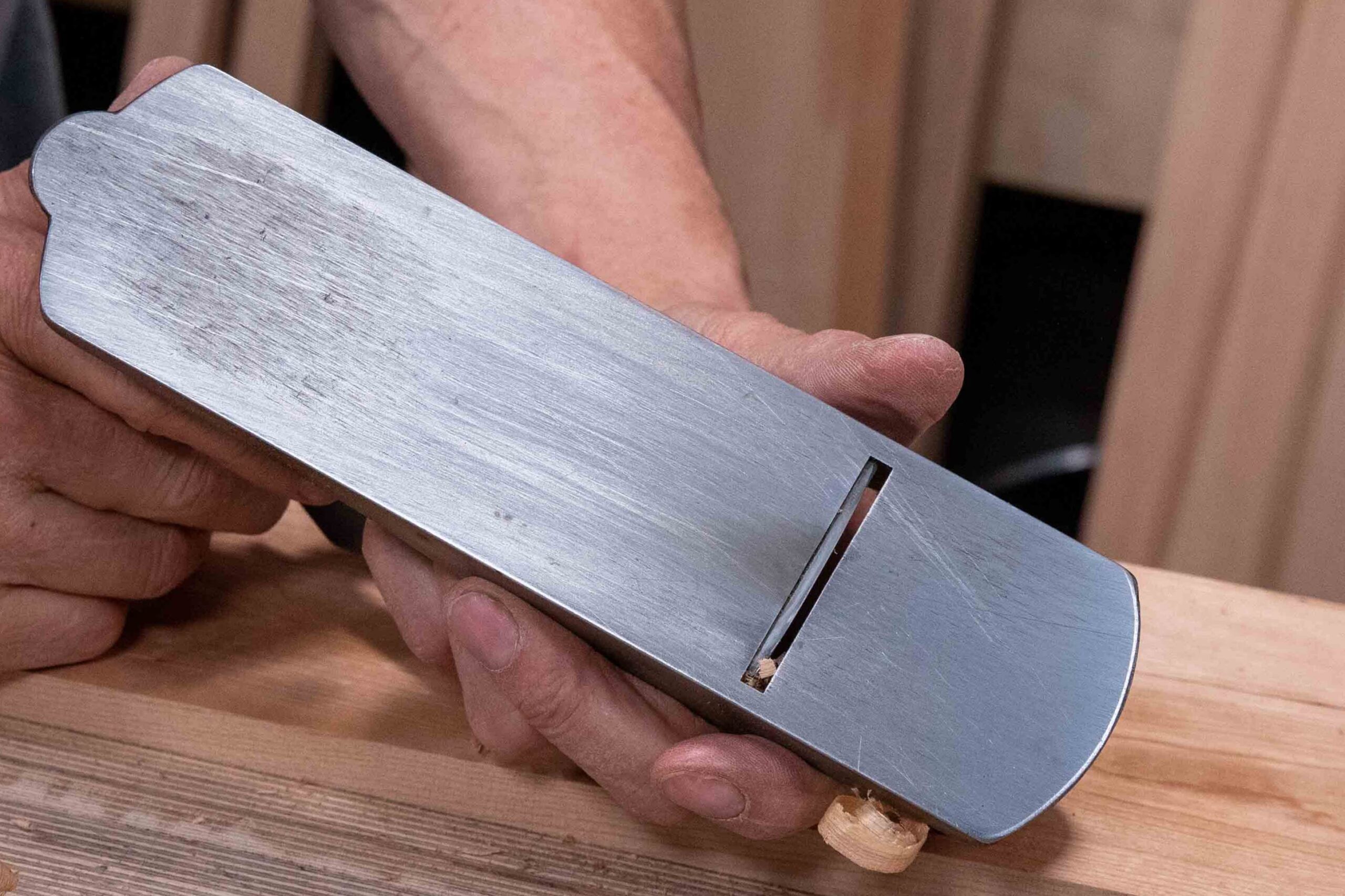
I have grown to love my two scrub planes for what they offer me in the day-to-day of preparing my material for final refining. This practice is not new but old. Vintage wooden planes went through various restorative processes as the soles wore down and their mouths gained a wider opening. That would most likely be after 50 years of use. Wood is a surprisingly resilient material and especially beech, the predominant wood used in British and North American hand-plane making. Such planes were ready to use as scrub planes with no more adjustment. The wide mouth gave gain and heavy shavings achieved the goal of heavier cuts and a mouth open enough to allow the expulsion of thick shavings. Cast metal planes are less accommodating and the mouth must usually be filed to open them up.
This past week or so I have been making large panels and doors for the wardrobe I am making. Four panels have about 40 pieces each and those 40 pieces have four faces that I hand planed to finished size so 640 surfaces straightened, trued and finessed by simple planes. I was glad for my strategy. It worked, kept me sane and kept me exercised. The same planes have and will surface plane the panels and the frames after gluing up.
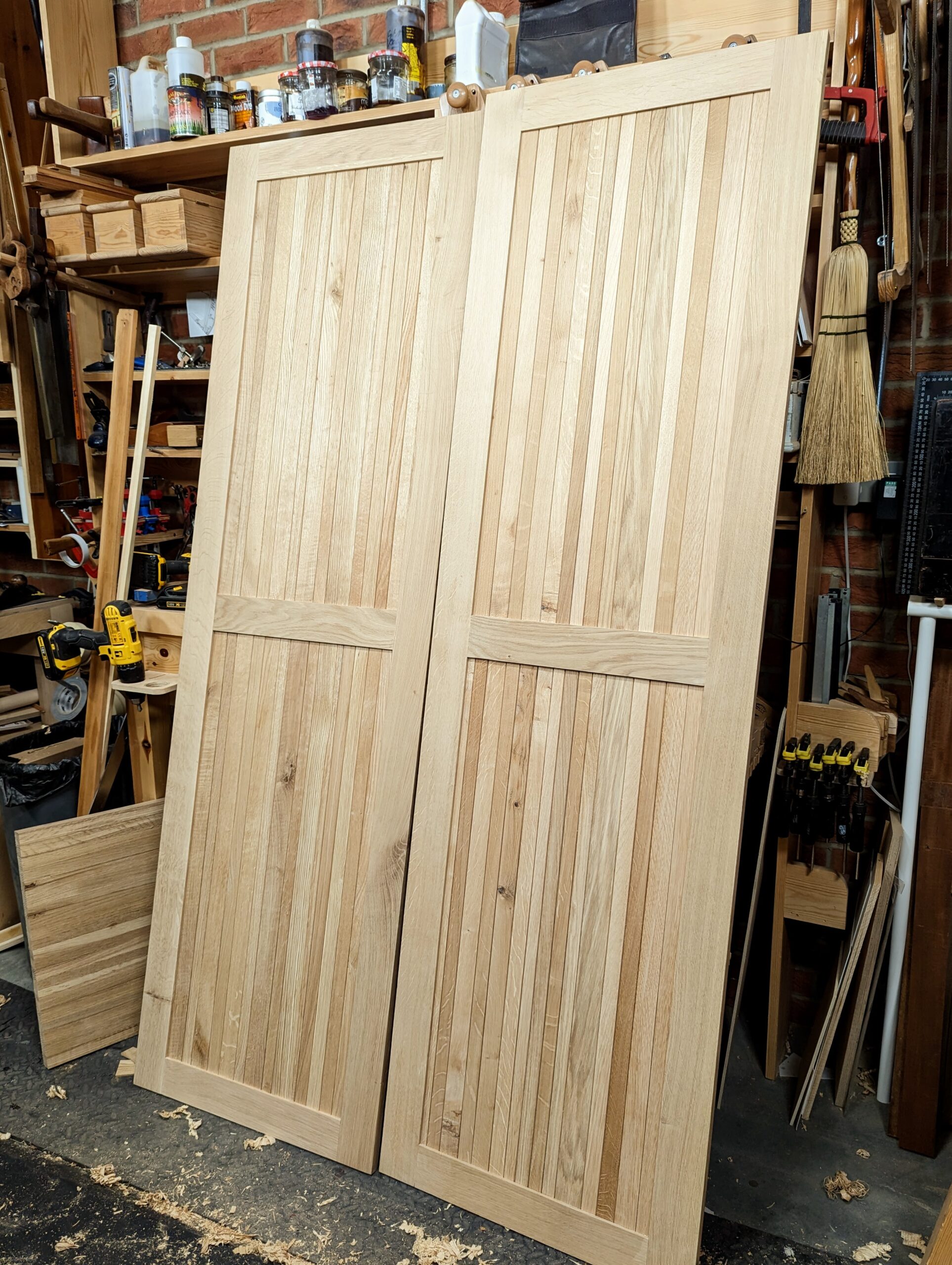
I cannot imagine tackling all the planing for these side panels without the adaptation of my two highly efficient scrub planes. Soon I will be assembling the carcass for the wardrobe and the I have doors and a drawer to make.
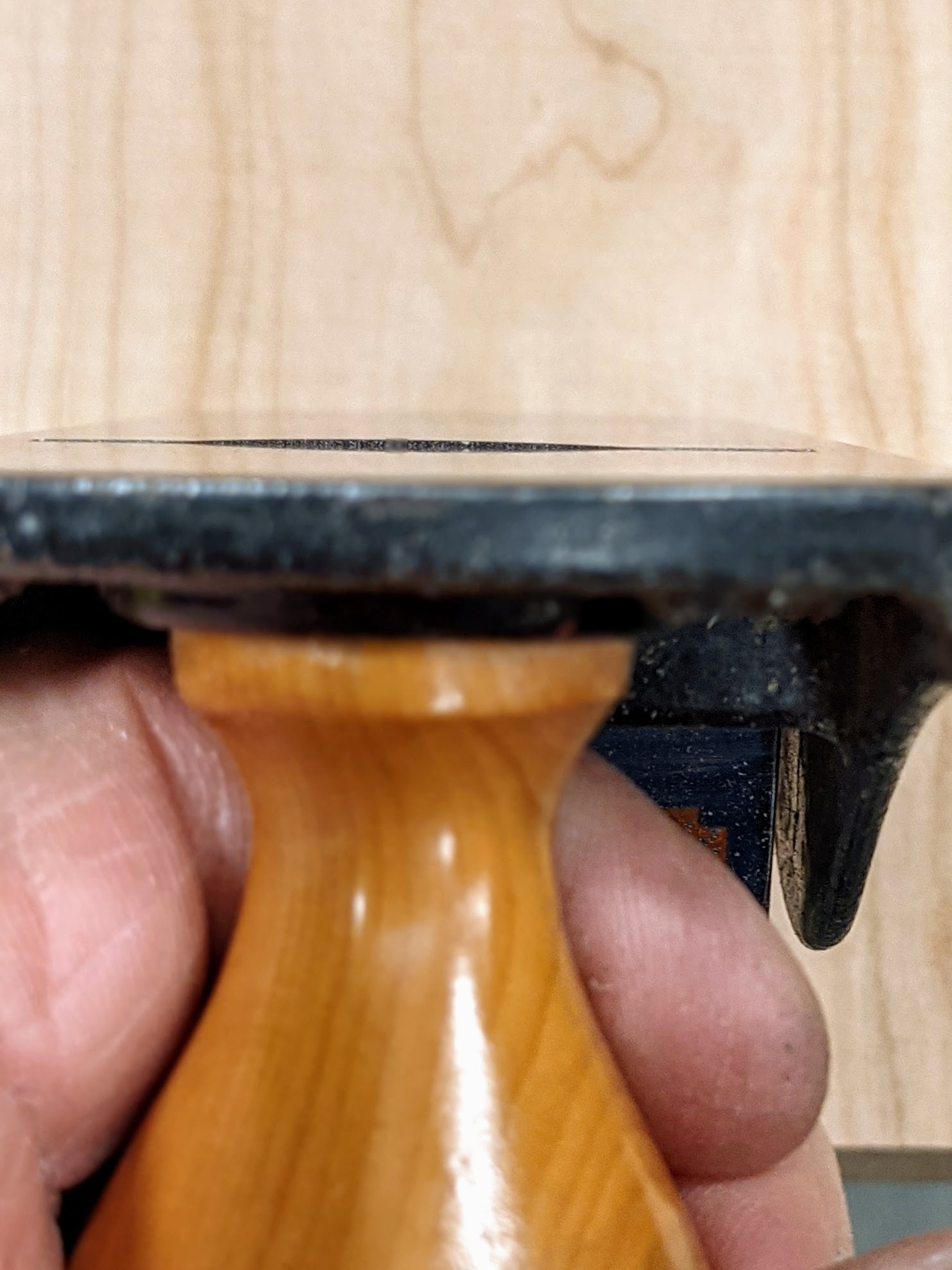
My #4 adapted scrub plane above gives a wider cut and follows on after my adapted #78 below.
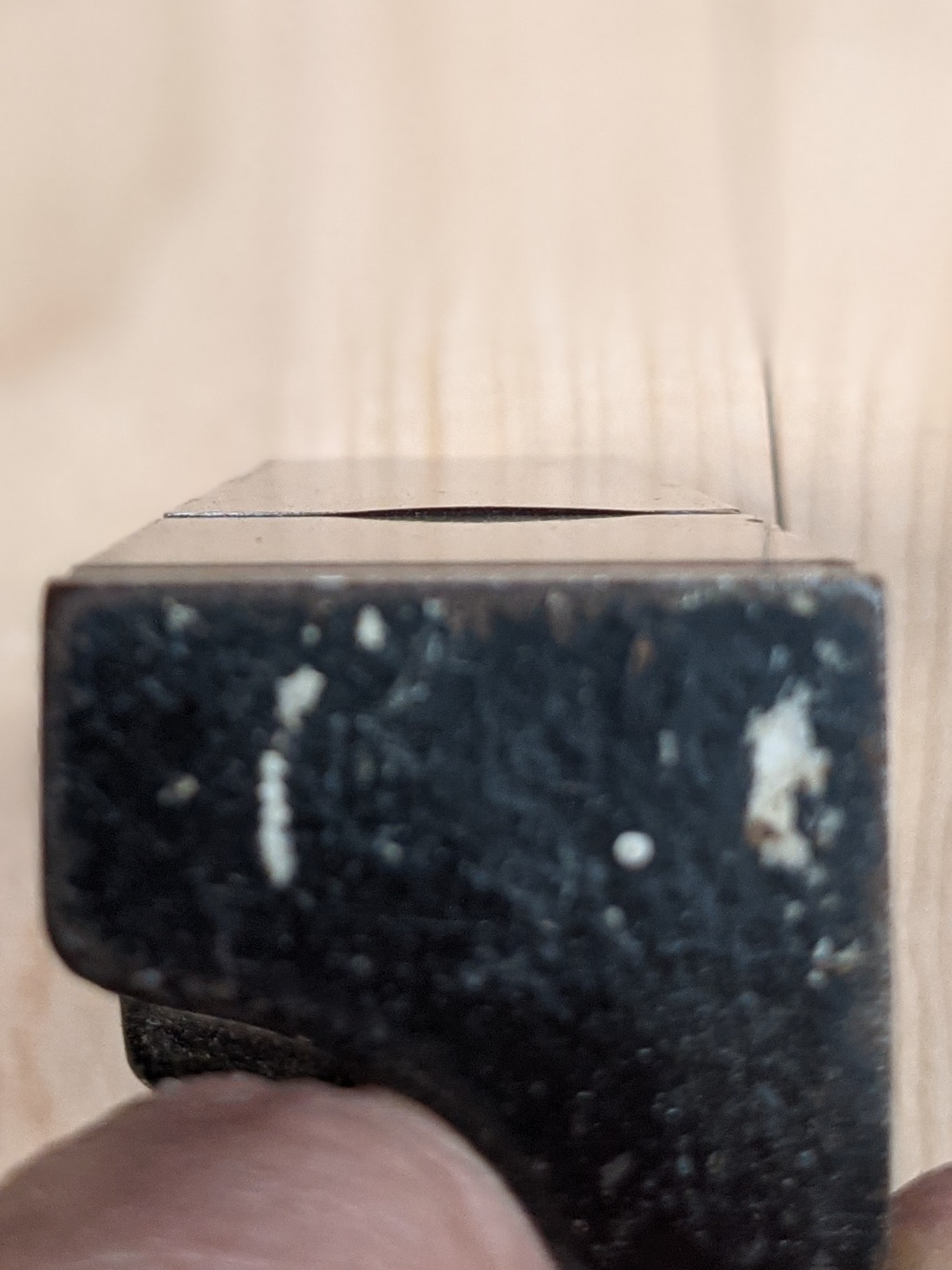
Following on from these is a breeze with any other surface planing.
Comments ()