
It's Easy to Think . . .
. . . that the work is always easy for me as Paul Sellers. It's not, not at all. The flow seems fine in the reviews I check before videos go out, but getting there takes structure through planning, micro- and macro-adjustment, attitude changes and other such things too many to list.
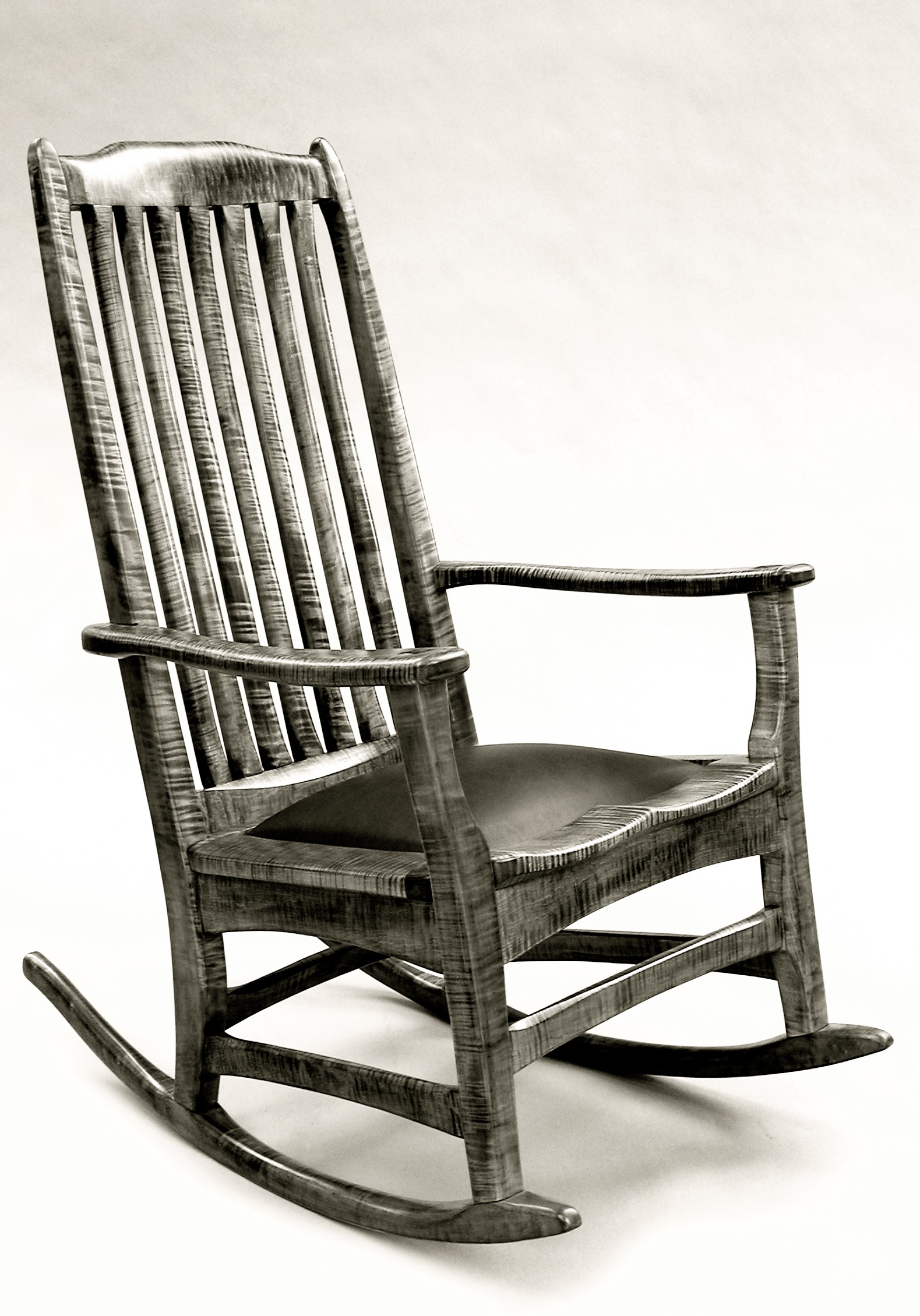
In the making of many things, I think I have run the gamut and perhaps more than most – certainly, more than most in my making using only hand tools over the decades. I have thousands of pieces under my belt. From spiral stairways to massive shop and bank doors to small boxes of any and every kind, birdhouses and bunk beds, dining tables aplenty and then the chairs to match. Designing pieces for others to make in the plurality of cabinet makers working alongside me was my norm in times past. I designed chairs I never made alongside cabinets spanning many meters long. I made drawings to work to and passed my ideas along through the drawings they made to. I went from houses to offices to store interiors to remake them for a more up-to-date look and ruined the soles of planes and saws working plastic laminate into twists and turns to create the right flow. You would think confidence would build in immeasurable amounts and in some ways it does but then there is something of real value in not being so completely confident that you lose the edge a lack gives you. I learned this in my younger days of climbing severe and extreme climbs on different rock faces. The grades of climbs change according to different conditions. What might be easy enough up to 30 feet off the ground changes dramatically when the height-gain changes to 200. It's the exposure you see. I didn't do any technical climbing with much-sophisticated equipment. I free-climbed mostly and then too mostly on my own. It was hard in those days to find others to partner with.
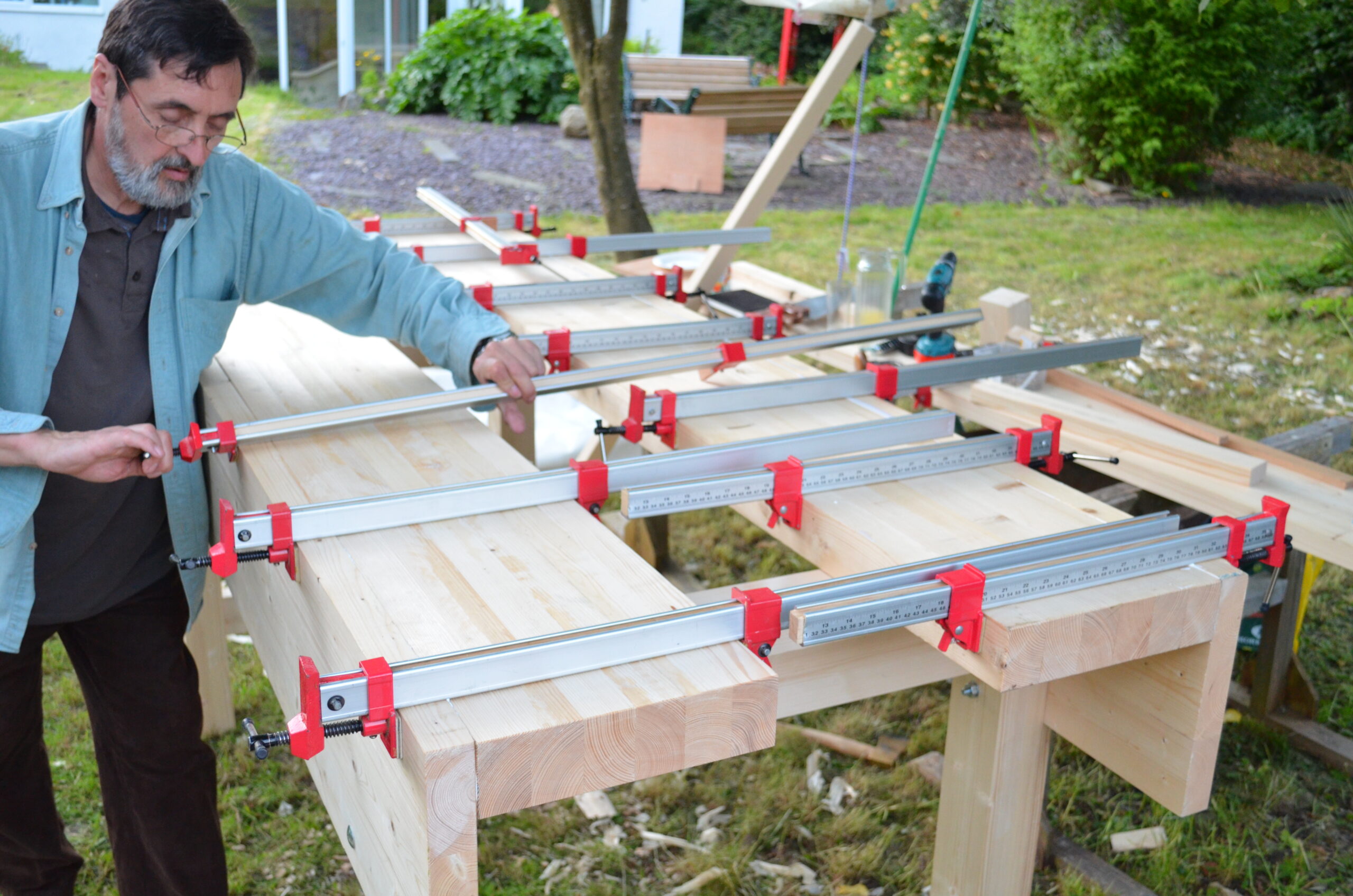
This morning and over the last few days I have considered my work and the impressions given as I review the videos. Mostly, I am looking for silly bloopers like calling a dovetail a mortise or a millimetre a centimetre, oak walnut, things like that. It doesn't happen too much but they are there and sometimes they cannot be edited out. Other issues might be a poor safety choice: not wearing a mask is an instance or cutting towards my hand with something sharp. In actuality, I often wear a mask when I really don't need to but it appears careless though it is not. Because our extraction is so good our very sophisticated measuring device with which we check air quality doesn't even pick up significant change after using the bandsaw and such for a prolonged period. I still try to wear a mask though, to encourage everyone to wear one for their own wellbeing and safety. With cuts towards my body. Often these are again appearance only rather than any kind of danger. Lens warp distorted reality by making things look much closer than they actually are. It's best not to have even the appearance of some issue rather than risk others copying what could be dangerous to them. These are the things we might edit rather than give the impression that this or that practice is acceptable.
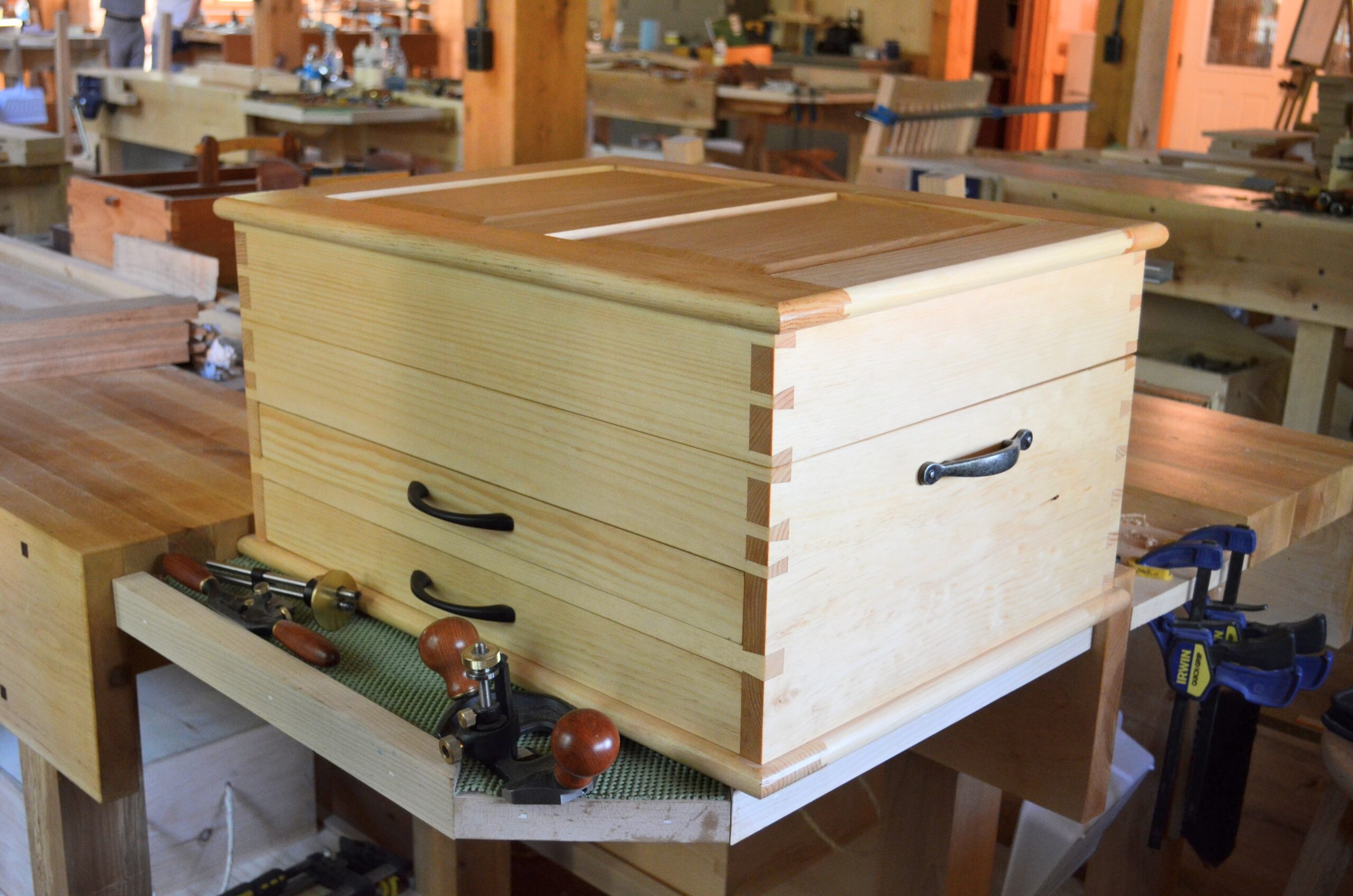
When I design things large or small there is an excitement that comes from the as-yet unknown outcome. I recently made some wooden combs. It seemed a silly thing to want to do but I wanted to see how I could design the making process itself and then make them well enough as a saleable item at an affordable price. I thought that the price should come in at around £25 per comb. It was more an experiment but I realised partway through that they were indeed saleable and the variability could cater to a variety of hair types and comb types too. I got the production down to two combs complete in about an hour and less if I made in batches of ten. I am trying to design things that can be made for others to make and make a living from making them. I have about five designs designed to that end.
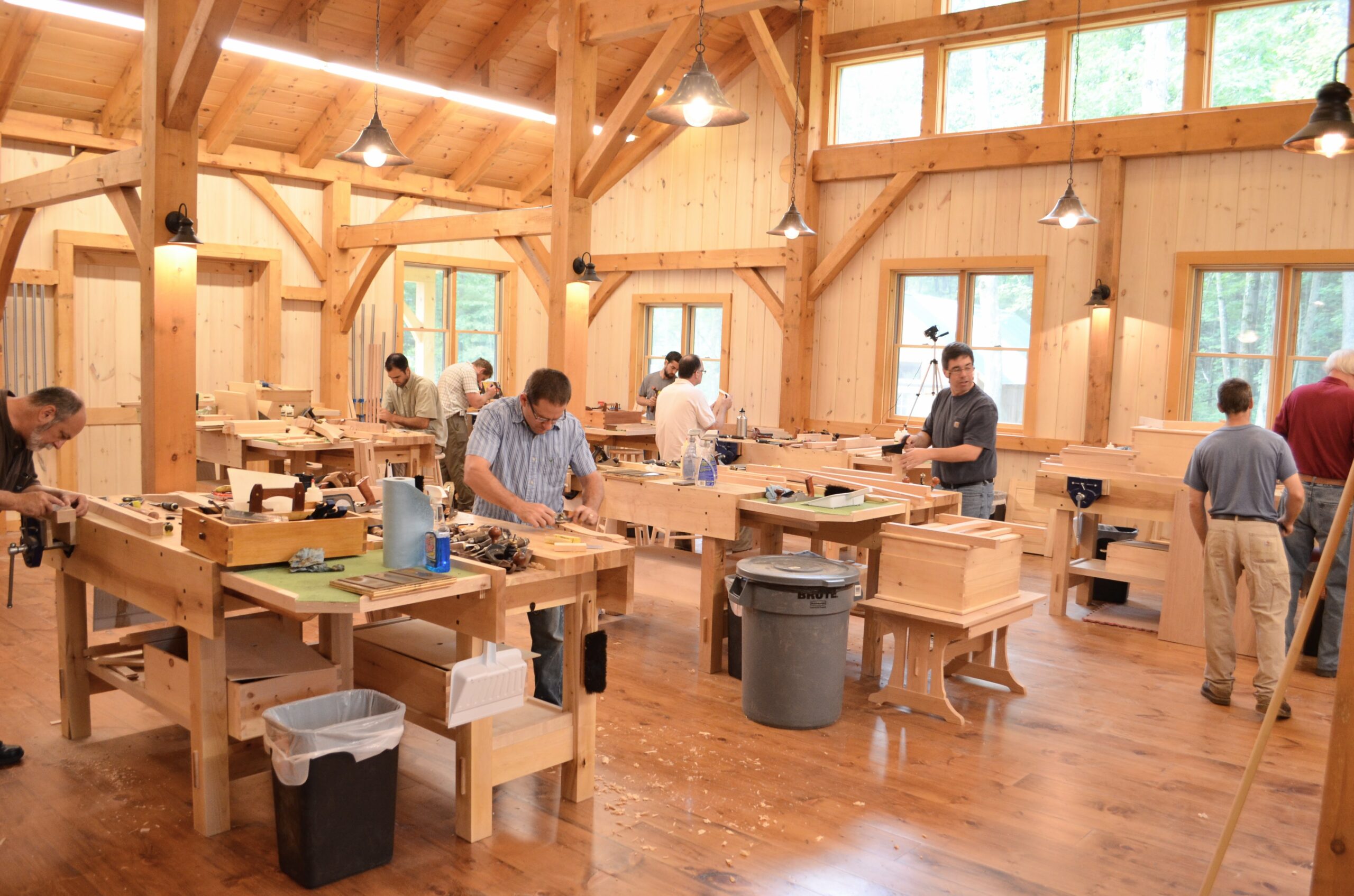
The last ten years of changed direction did not change my making life and lifestyle but added to it with filming and that changed the dynamic of making in many ways for me as well as for others. Entering the world of the USA to both live and work there ushered me into the world of machinist woodworking but almost all of the machinists I met were enthralled by my ability to do what they did with machine-only methods by primarily hand methods using the hand tools they knew very little of. It gradually unfolded, but I rose to the challenge to try to change what I saw as a one-man quest at that time and alone in Texas, the state that could engulf my native Britain almost three times or take ten European countries with room to spare. Though it began there in Texas with its population of 30 million I now reach around that many in a year online and all of those that follow follow because they like the concept of making by hand with hand tools.
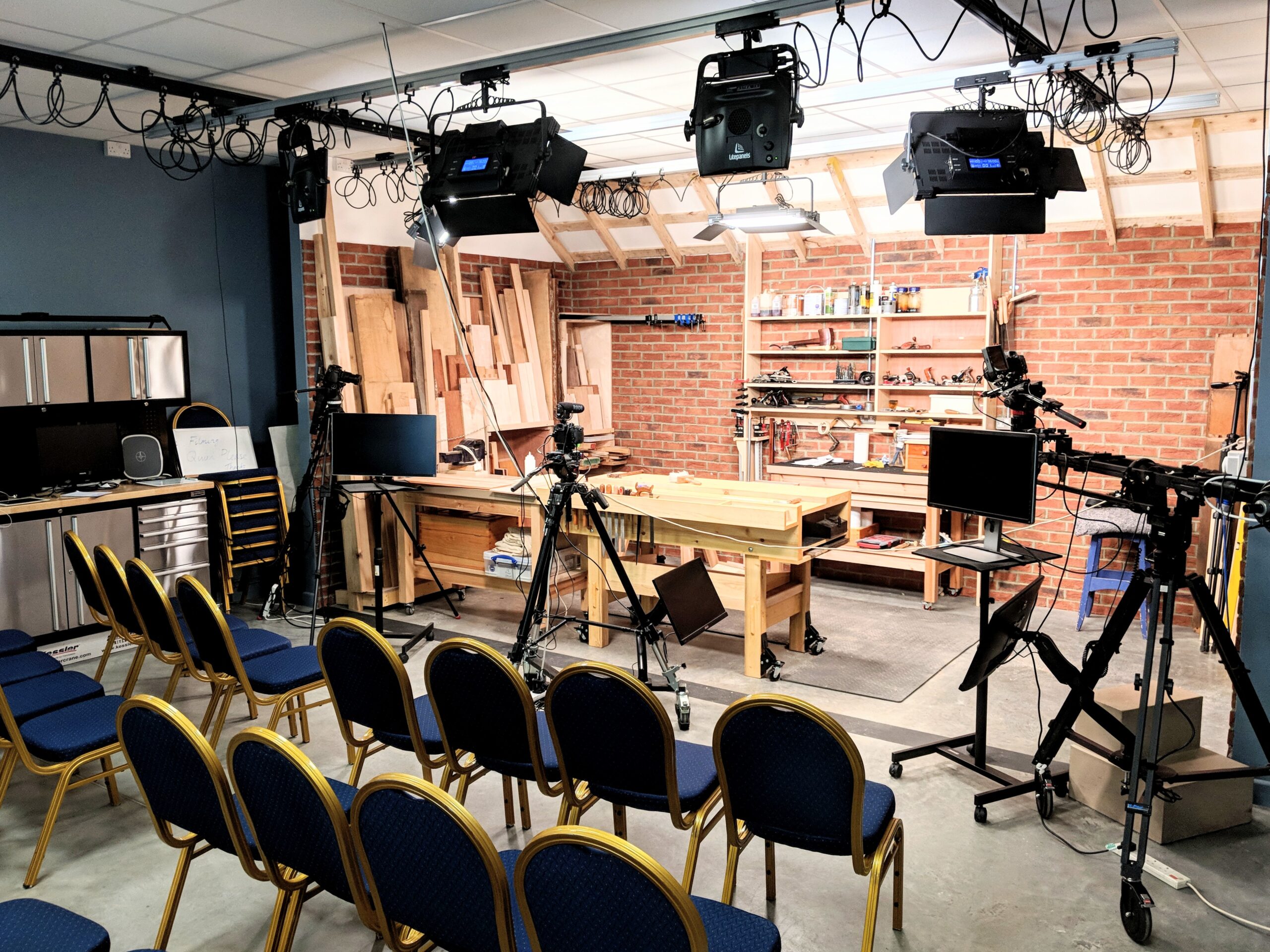
In those early days of the mid-1980s, I felt quite alone. Woodworking shows showed no signs of hand tools except for salesmen selling specialist hand tools and support equipment like sharpening equipment and guides of different kinds that were going to redefine your hand skills. of course, they didn't. Skill does not come to us that way. Skill comes by practice coupled with the determination not to give up. The end result was starting two schools that taught hand skills one to one, but that is history for me now. The most important thing was the stepping stones these schools provided for me to reach woodworkers around the world. `the first school equipped and enabled me to start writing the curriculum for hand tool woodworkers to learn from and this prefaced my creating online content in different disciplines including my videos through which I chiefly teach. That is how I reached most of you. What you now take for granted came at great cost to me. but I did not want to leave this earth without leaving a legacy. My writings form the basis of my early intent and I find my success wonderfully measured in the planting of seeds in the human heart.
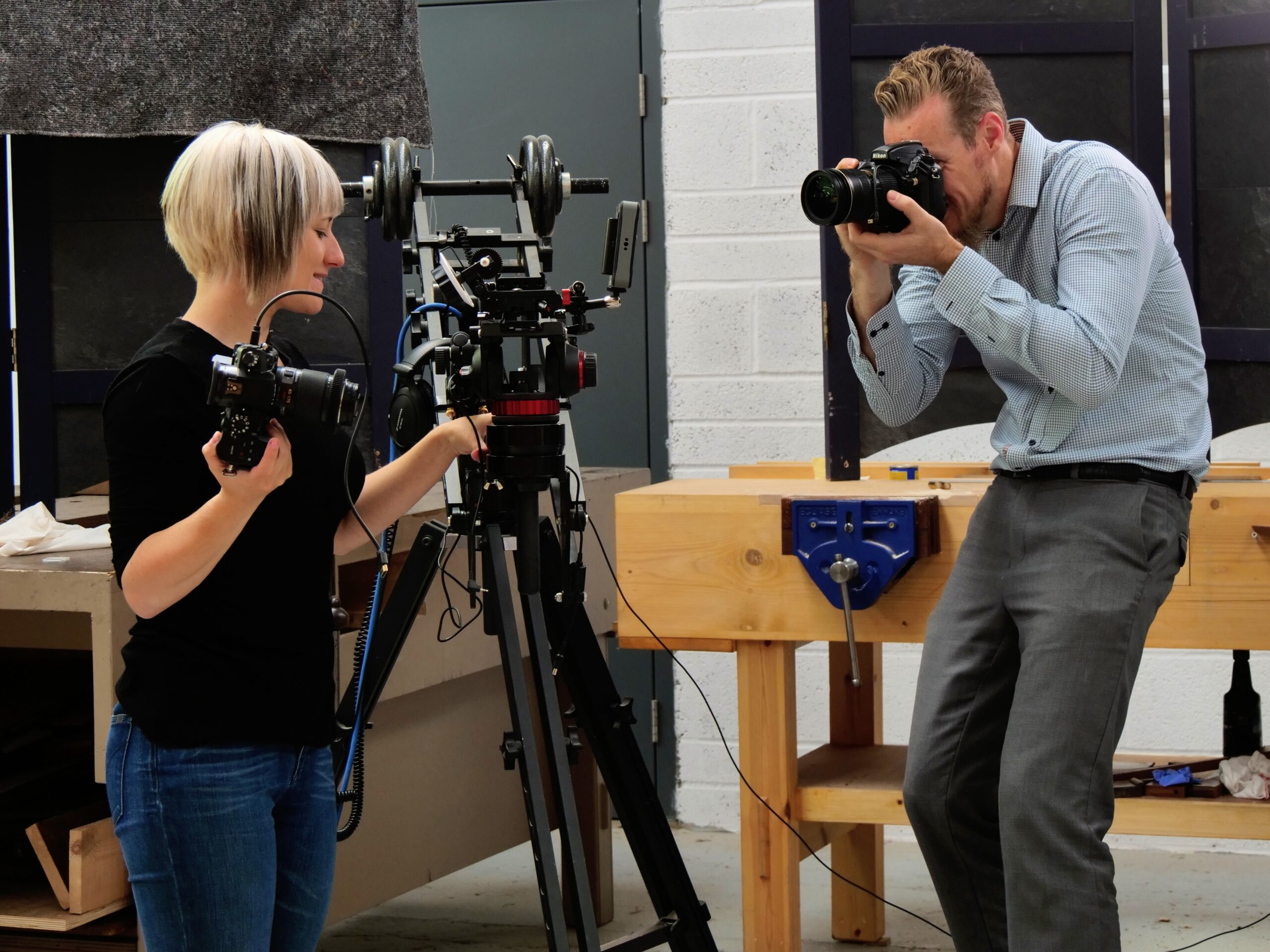
Remember my video series building the workbench in my back garden in North Wales? I had already filmed a wide range of hand-made hand tool project videos to accompany my first book back in the day with a film company. This new filming was indeed a new venture and an adventure that cost us in many ways we never really expected. Joseph was behind the camera and I didn't have a clue. We were using two inexpensive camcorders. But what surprised me was how much influence the filming played on my work. It made me realise how experiments have an influence on the outcome. I did not want to play to the lens like an actor or an anchor person in their artificiality and unrealness. I wanted the realness of honest handwork relying on skills that would inspire others into my world of real woodworking.
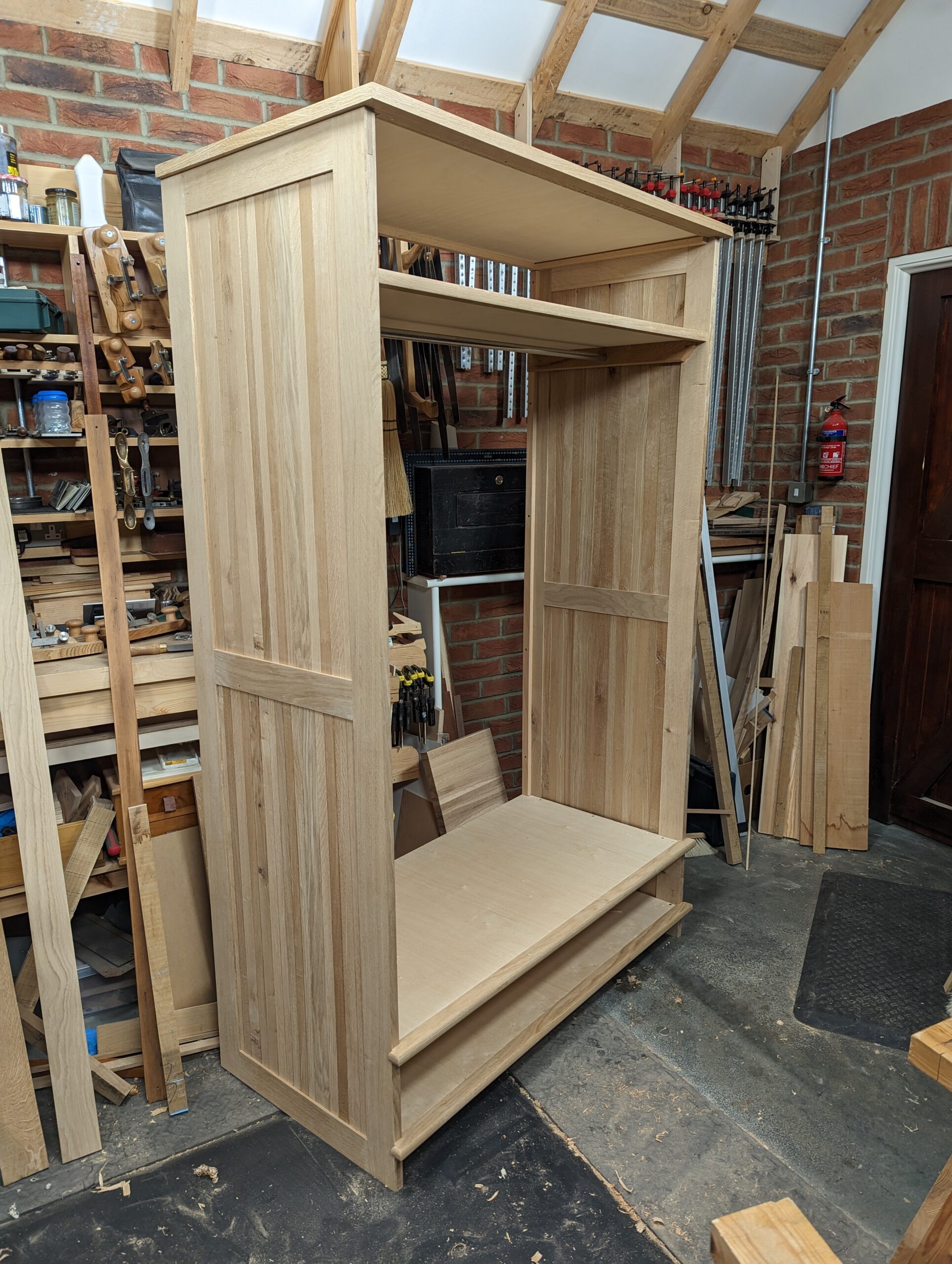
As I settle at my workbench each morning I'm influenced by you. I am thinking about the work ahead before the cameras start rolling and I am considering the steps I must take to bring clarity from your side of the lens. Of course, when the videographers come in they might determine additional tweaks to get the lens into an exact position without interfering with my working functionality in the cutting and fitting of wood to wood. In some ways, and even with the best intentions, this then translates inevitably into making what I see what you need to see but usually the lens is exactly opposing. I must sometimes twist and turn into unnatural positions so that a camera points over my shoulder or my actions become so obvious that they cannot be misinterpreted. At this point, I often stop to describe what I can see, what I am actioning and what I might expect to take place but cannot possibly be seen. This then is what I never had to contend with in my former life isolated as a lone maker working in my castle.
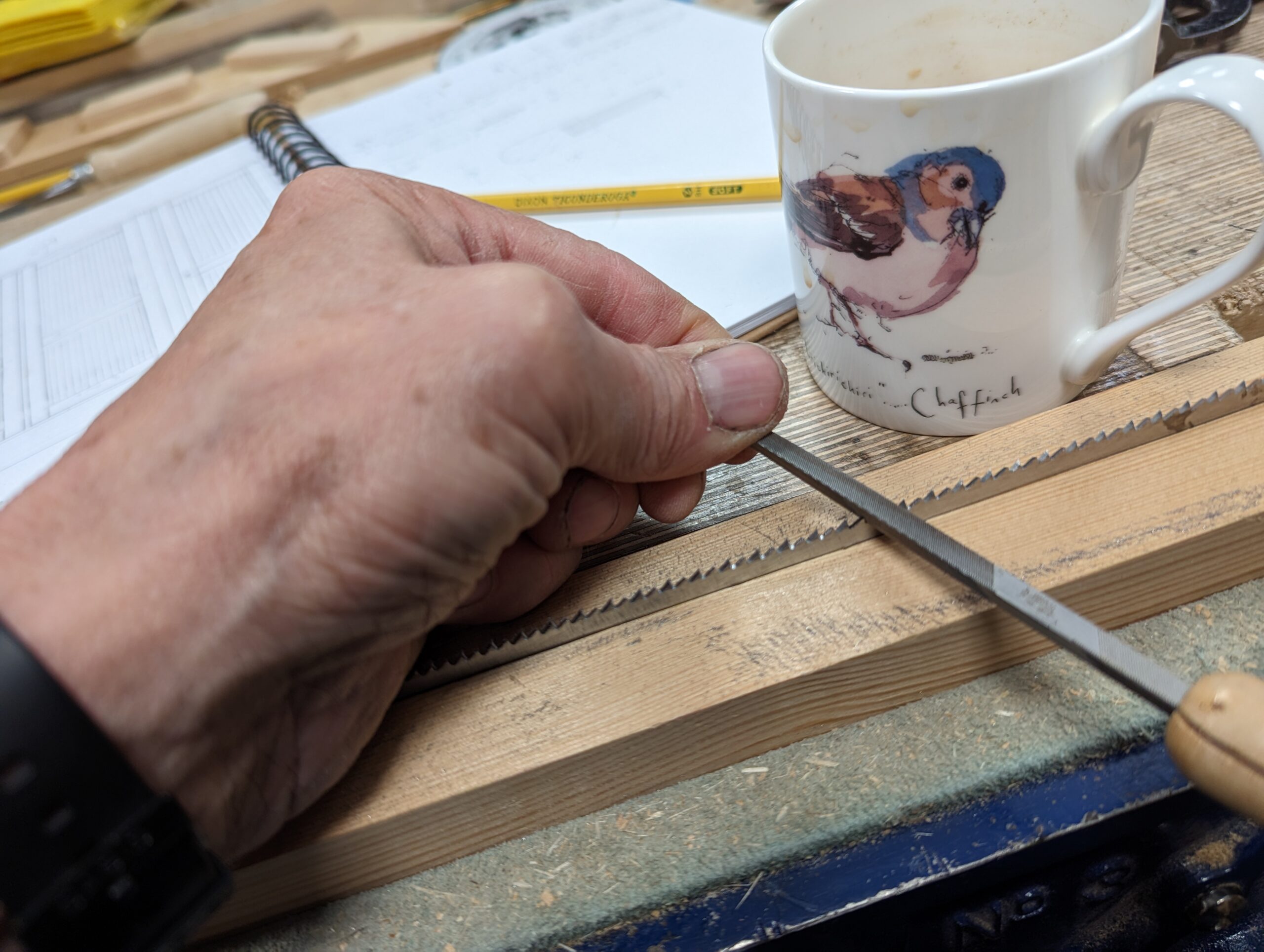
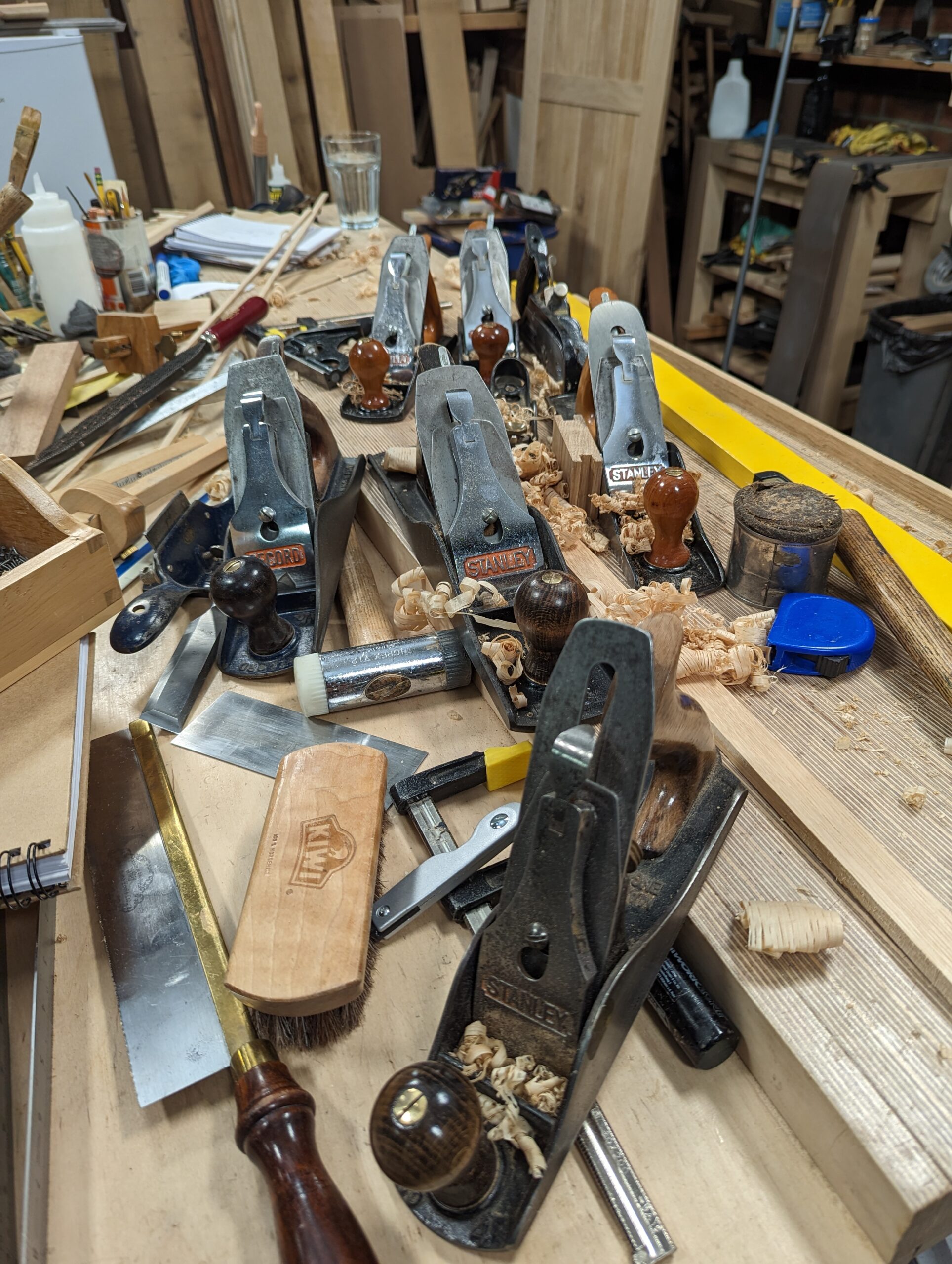
But there are pockets where and when no one comes near throughout the day or week. Times for me to make and experiment is what I have done throughout my decades as a maker and designer. Here my domain is established and I can keep an excess of everything out on my bench be that tools, wood, shavings and recording notebooks and journals as and if I want to. I think sometimes this infuriating positioning is my favourite and the next favourite is picking up and putting up to regain space. This is what you cannot see or feel or know that I enjoy.
So the search for answers changed my workshop and practices in ways the majority may never need or know. It took a paradigm shift for me to engage the changes needed but I have enjoyed these changes very much and thinking through how I can present what I know, though no less challenging than making a new and unknown design still captivates me in the most unexpected ways.
I just thought you should know that it is not always easy and rarely an easy choice but once I have done it I usually feel, well, enthralled!
Comments ()