
Stain or Finish?
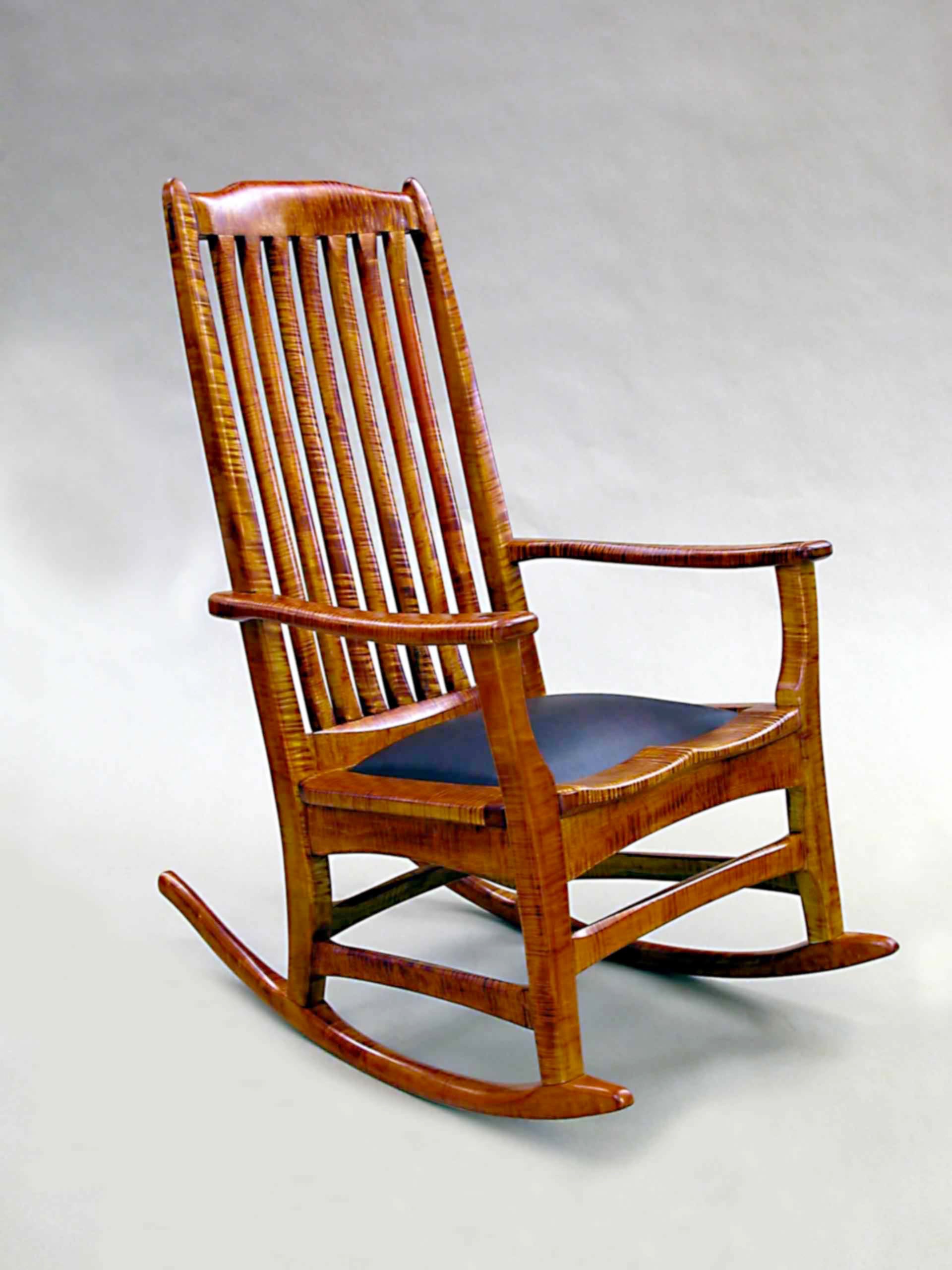
Having lived and worked in the US for over two decades I grew to know the obvious differences in words and terms used between American English and pronunciations and the English ways: sidewalk = pavement; pavement = road, carpark = parking lot and then you come to stain. Many US woodworkers refer to finish as stain which can get confusing because stain is mostly, not always, an added colour intended to change the colour and appearance of wood for a couple of reasons whereas finish is the surface treatment added to the wood to enhance the visual appearance and feel of the final surface and also to protect it from staining and discolouration through daily use.
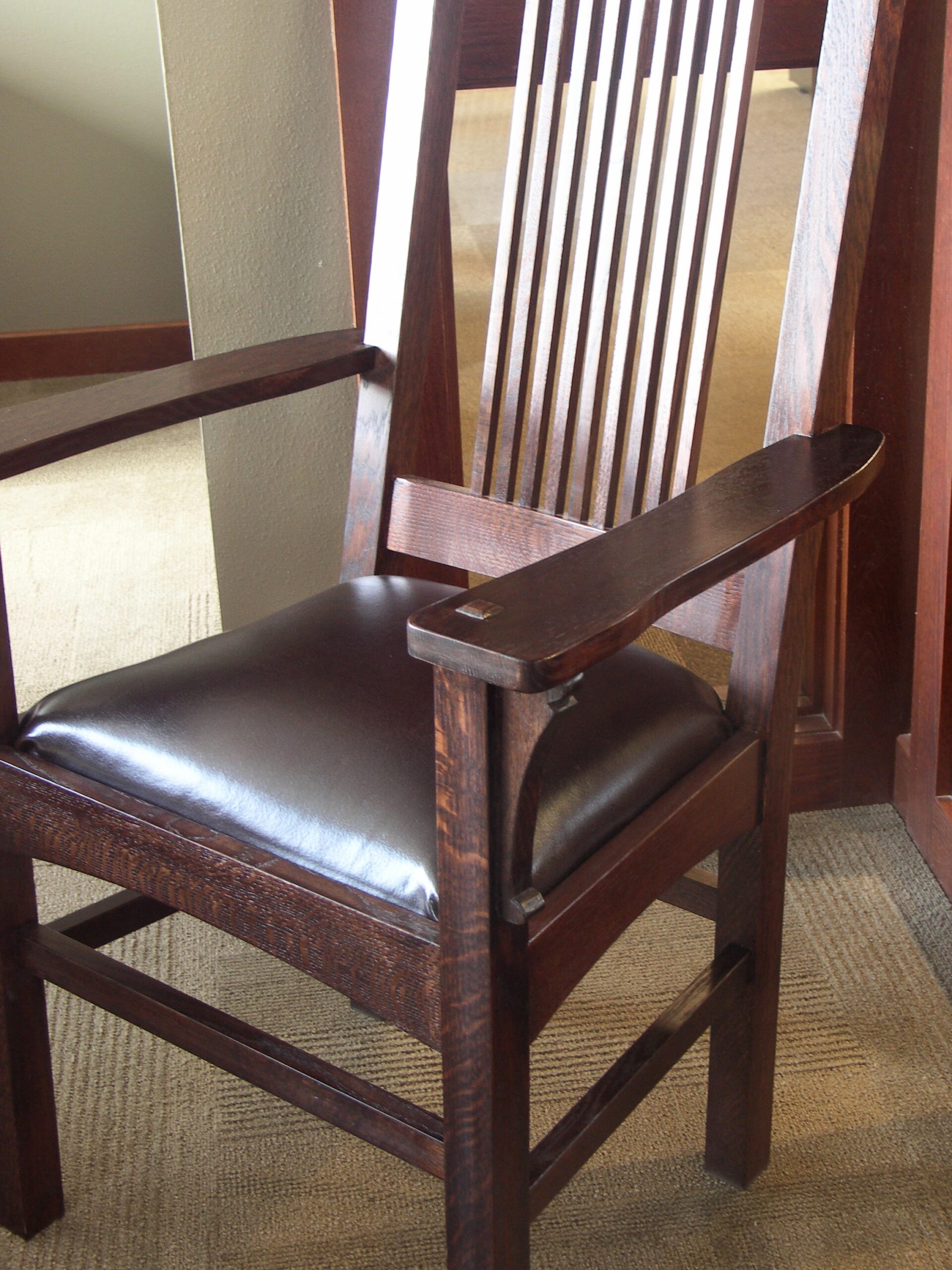
I rarely use stain on any of my projects these days, I want to rely on the wood itself and the way I arrange and integrate the natural colour, texture and diverse grain configuration as part of my overall composition. I had to adjust my thinking when I arrived in the USA to live and work because it seemed to me at least that it was 'ingrained' in the majority of customers to request seeing a colour chart of stain options they could choose from. And stainining any any and all continents is no new thing. That being so, many want to match something they already exists in their home or office. We once made a whole office suite for a new county council office fit out of furniture pieces with all the pieces made from oak. The oak was ultimately distorted by stain to where its whole personality was lost to the then dominant stain. Yes, it was as per instructions, but I would not look to an impersonal council office for answers in design. The black or dark stain had nothing it needed to match to except some archaic past.
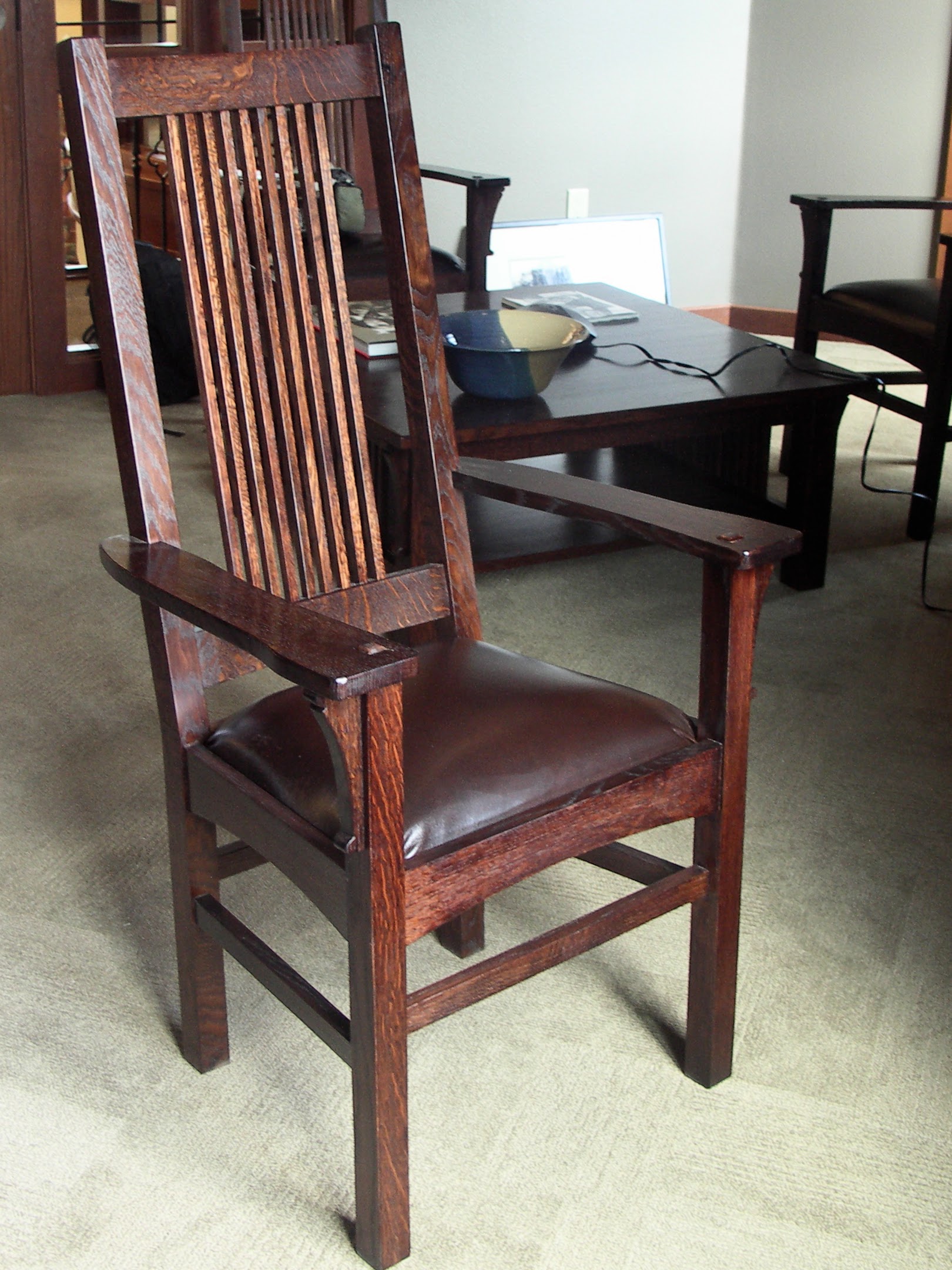
The names given rarely match any kind of wood; dark oak, medium oak and light oak gave nothing at all to do with the colouring of oak wood in the same way 'walnut' stain is in no way comparable to say dark or black walnut. So why stain at all? Staining is not, of course, anything new. Go back through the past centuries and wood has been stained and with good reason. We see stain used a lot with woods like mahogany because the wood comes in a million shades of red and the patchwork-look is less attractive to the point that the contrasts are just too much. We used potassium dichromate as a chemical solution to age woods with tannins naturally present in woods such as oak and mahogany. Mix a teaspoonful in a cup of cold water and apply to the wood and the result is transformative. aging and darkening the wood immediately.
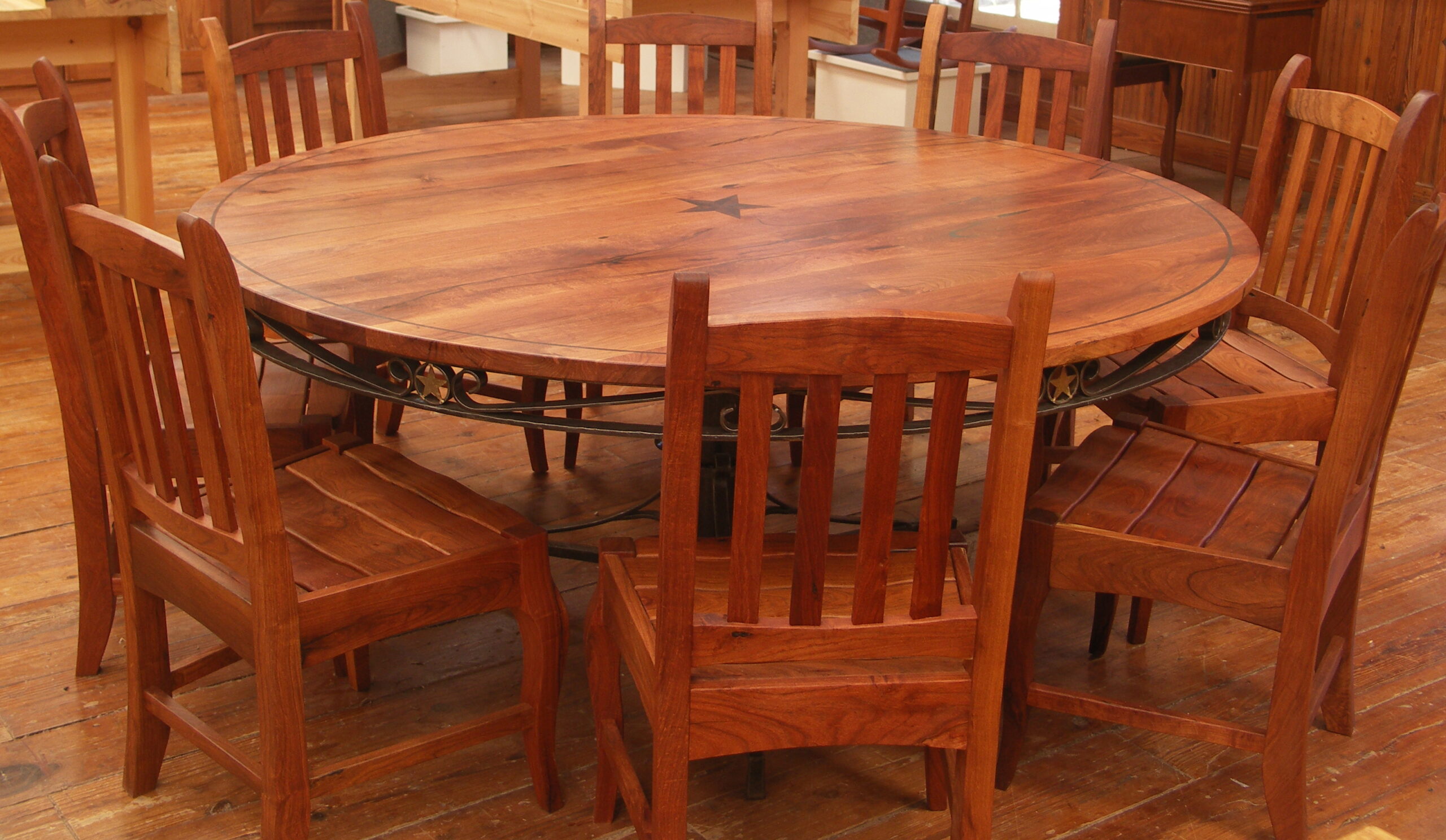
I designed the original rectangular table for a Texas customer in or around 1992. Customers wanted square and round versions too and inevitably we made extending versions as well. The chairs were my Texas design of which we sold hundreds of them for around $1200 a piece. Yes, they are a bit clunky, but they were also very popular because they were so Texanese. The ironwork undergirding the table was a part of my design but what's hidden in some of the designs like this is the extendability so it went from eight chaors to twelve.
There is no stain on these mesquite pieces but they do darken by oxidation with time so I prewarned my customers that this would happen. No one ever objected.
This walnut table, made from some Texas walnut, was unstained too. My son Joseph made it when he was 19 years old and he made it to sell. Using Danish oil which is not relly an oil per see, the wood would darken considerably. Oil finishes darken any and all woods to some degree but without any stain being added.
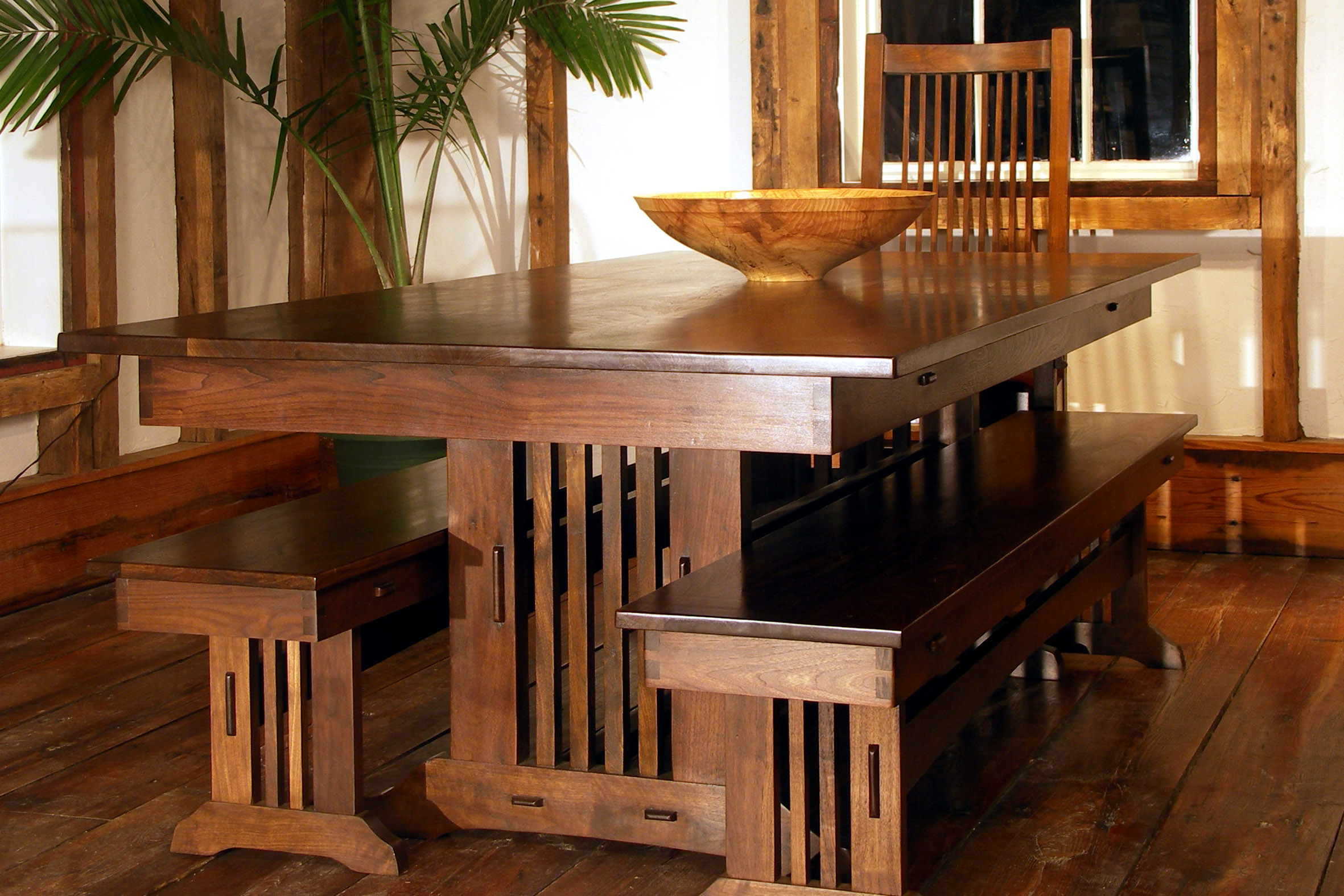
Staining and dying is an individual choice. Not many violins or cellos would be sold in the white and you will not see many played in a fully fledged orchestra. I think my lasts staining or dying came about 8 years ago but it does not mean I( would never do it. Some pieces can indeed be really enhanced and some woods look rubbish and undressed without help. Think maple, for instance. Even highly figured maple seems underdone without colour to increase the contrast of reverse and alternating grain patterns with some woods chatoyancy is everything.
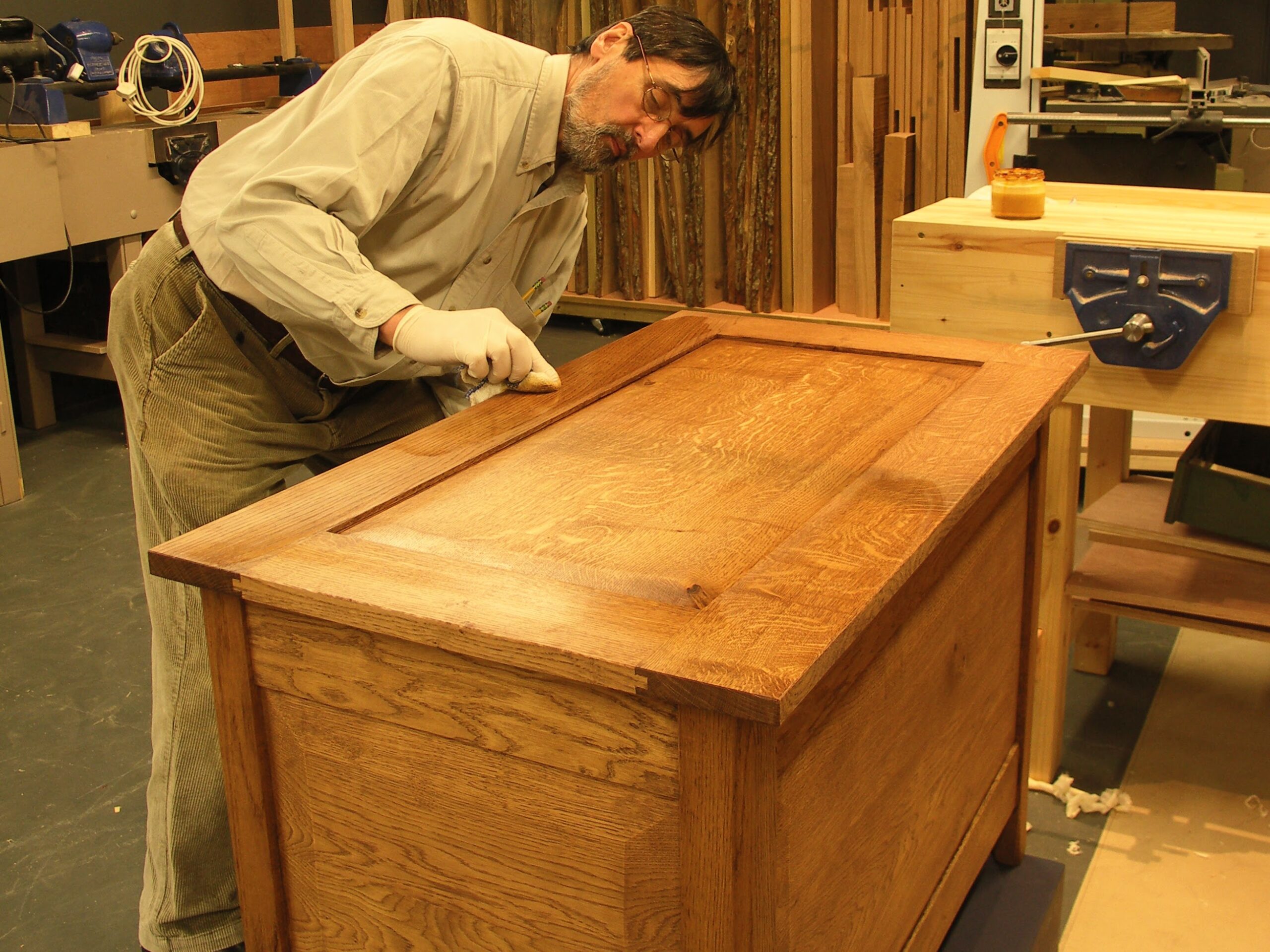
This chest above sold because they asked for stain and I gave it the coat they asked for.
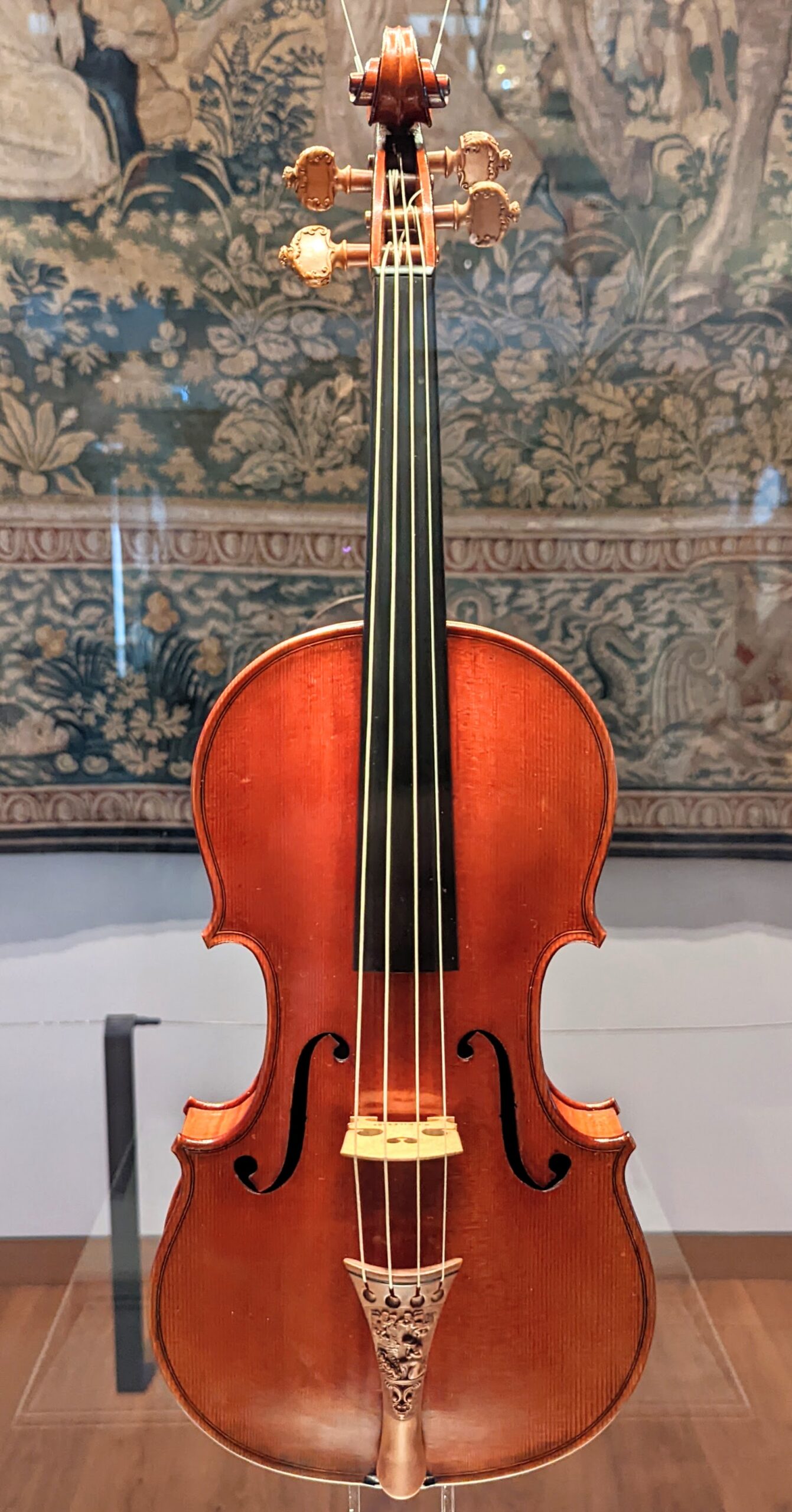
This Stradivari violin was made somewhere around 1730 and was owned by him until he died in 1737. the woods used would all be white woods with no colour of particular note and would have yellowed by now had not colour been added to the varnish. Analyses showed that Stradivari used a penetrating oil that sank into the outer fibres of the maple back, bouts and the spruce top (front) this drying oil sealed the fibres in preparation for subsequent coats of varnish that formed the upper layer lying above the wood as a mix of oil, pine resin and added pigments.
Comments ()