
Slopes
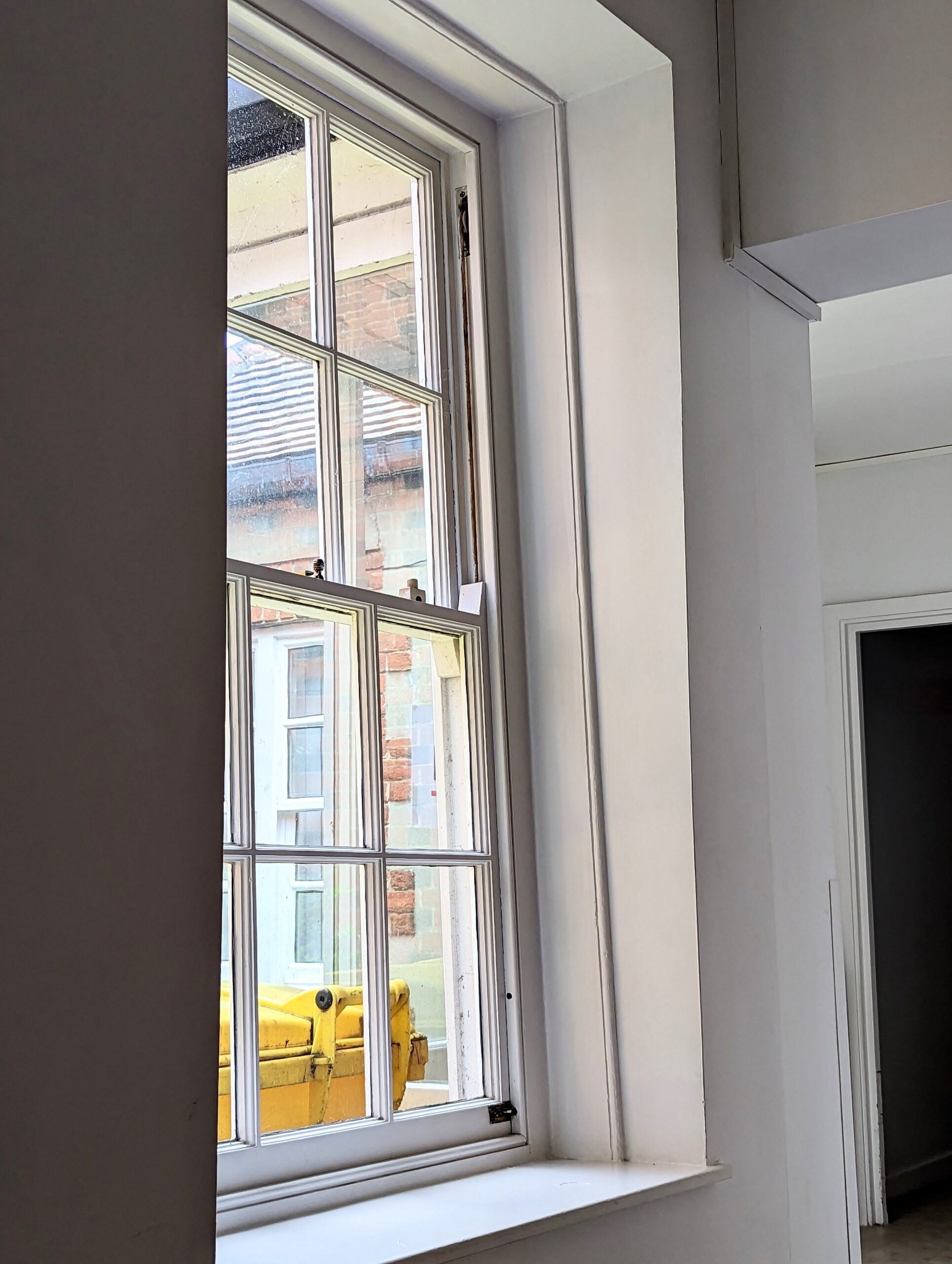
Slopes have purpose and meanings we might pass by and take no stock of in our passing but to designers, they are as highly relevant as arches to openings for doors and windows, to tables, chairs and a mass of other furniture pieces. Whereas the core reason in both arching and sloping is not for design decoration per see, they are still features without which some things would function less equitably, sag, collapse, and weigh in in some wrong way. My slopes came this week in a medical clinic waiting for my annual blood tests and then in a bookshop. The former was in a sloping window frame, the other in shelves sloping slightly front to back to slide books to the backs of the cases. They seem small things; one was to take the weather away from the sliding sashes giving the windows a rain-free and unimpaired view from inside, the shelving used gravity to locate the books within. In both cases, pun intended, the designers used gravity as a feature to the designs. Though over a century apart, I thought how useful is that design is not dead and the human mind is often thinking up new ways for things to work, to be benefited by natural influences like wind and gravity.
This sloping window faced the prevailing wind which drives the rain towards the window so the architect came up with the idea of a slight tilt for the windows and I thought to myself 'That's clever forethought!'
Such a minor slope but with a major impact on the presentation of books when the flat face needs to be shown for selling or promoting. The simplicity of dropping the back hole a notch took care of manufacturing issues so the shelves can be used level or sloping according to preference.

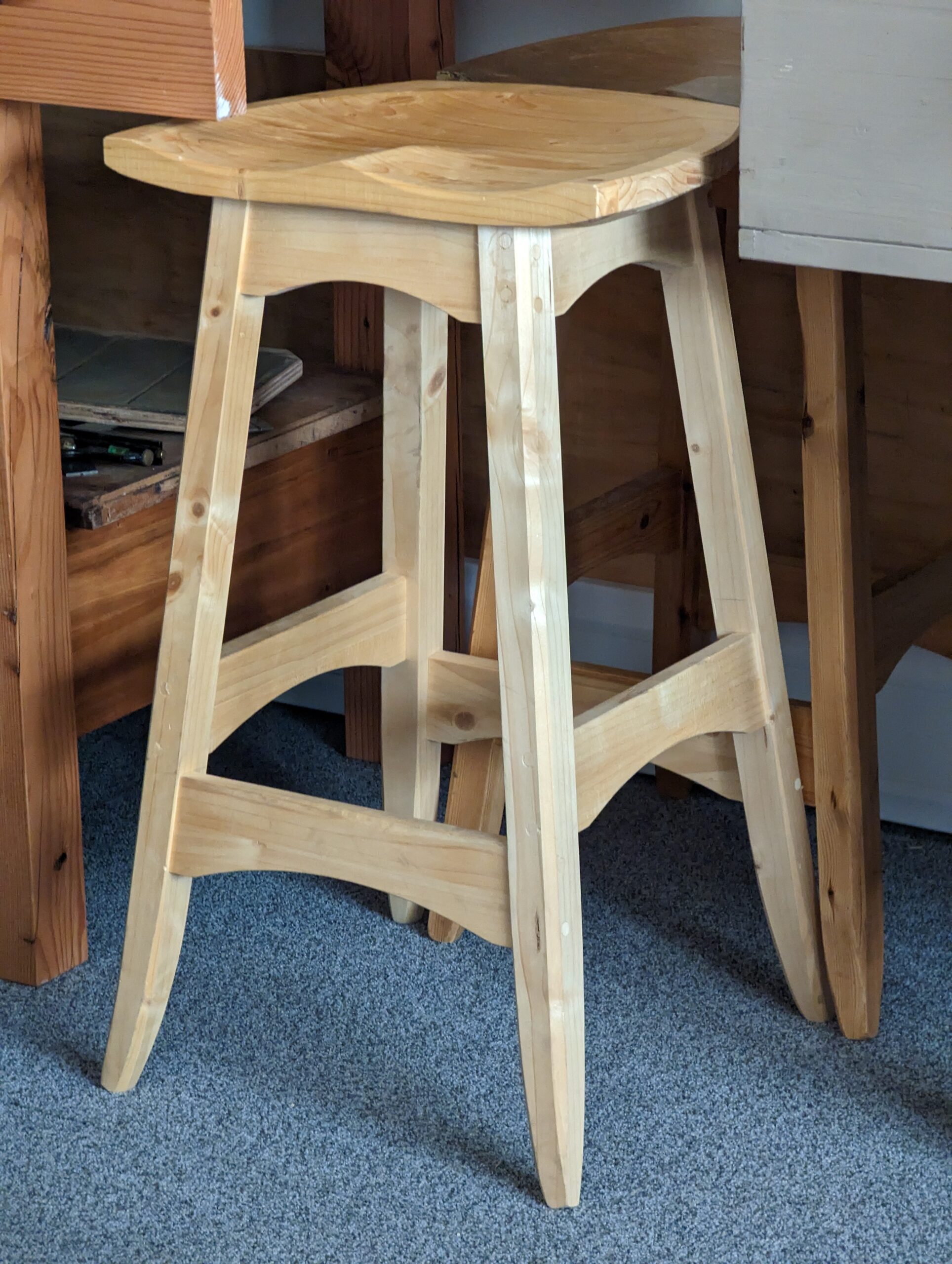
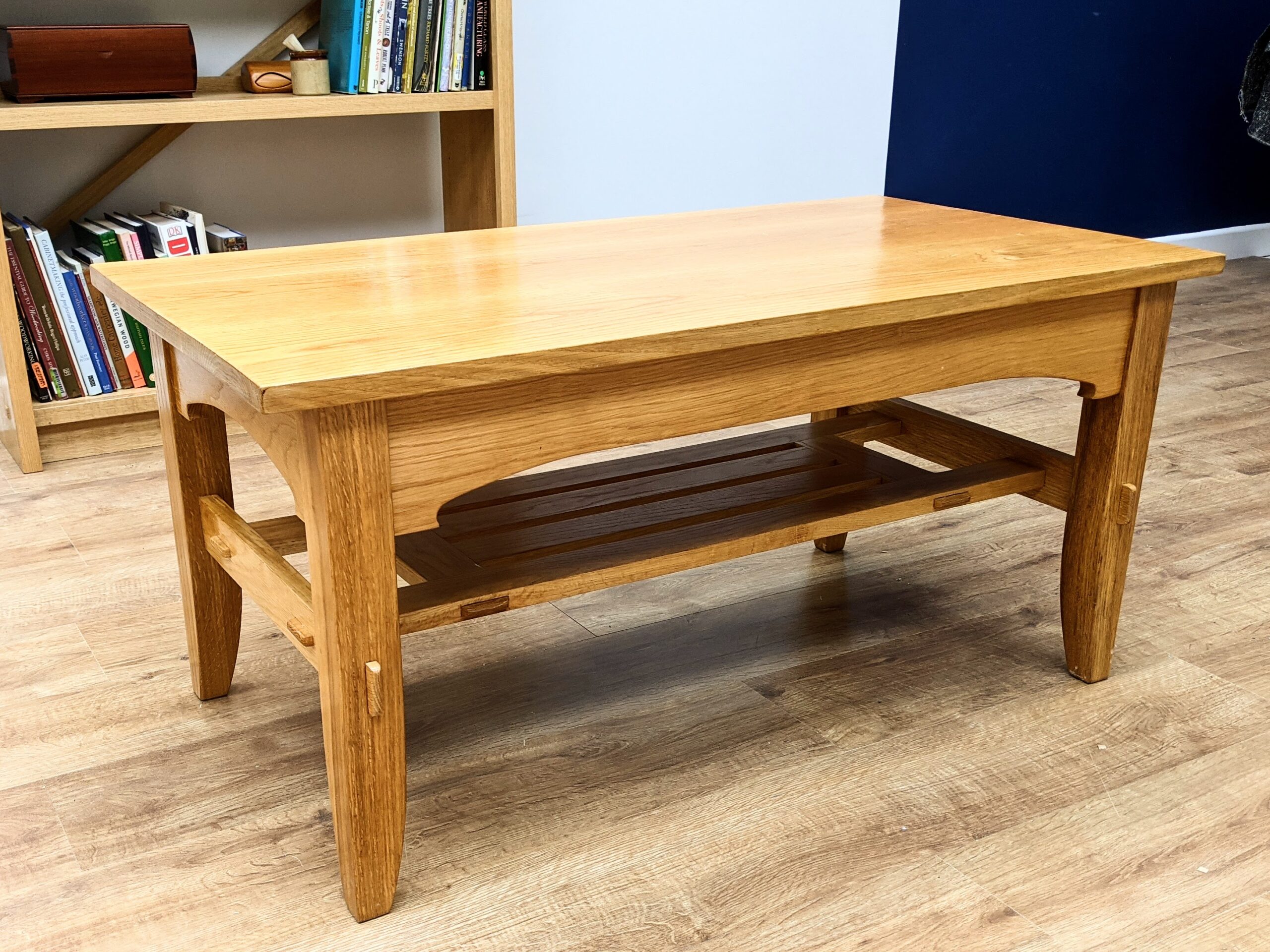
In the distribution and transfer of weight, arches really know no equal. They have lasted millennia and whereas concrete in different forms also dates back millennia, the reinforced concrete is relatively new. By using reinforced concrete we managed to replace most stonework to achieve similar clear spans with minimal support via slender columns. In our world of woodworking and furniture making we use arches to lighten the appearance and the physical weight whilst ensuring no compromise takes place around the jointed areas of say a chair or a table. Some pieces with parallel rails look heavy and clunky and that is because they are. We can reduce the weight of a piece by a good percentage and that is why they were used so much on pieces we move minute by minute; chairs are working pieces and good examples because no other piece of furniture is subjected to more abuse than the humble and overworked chair.
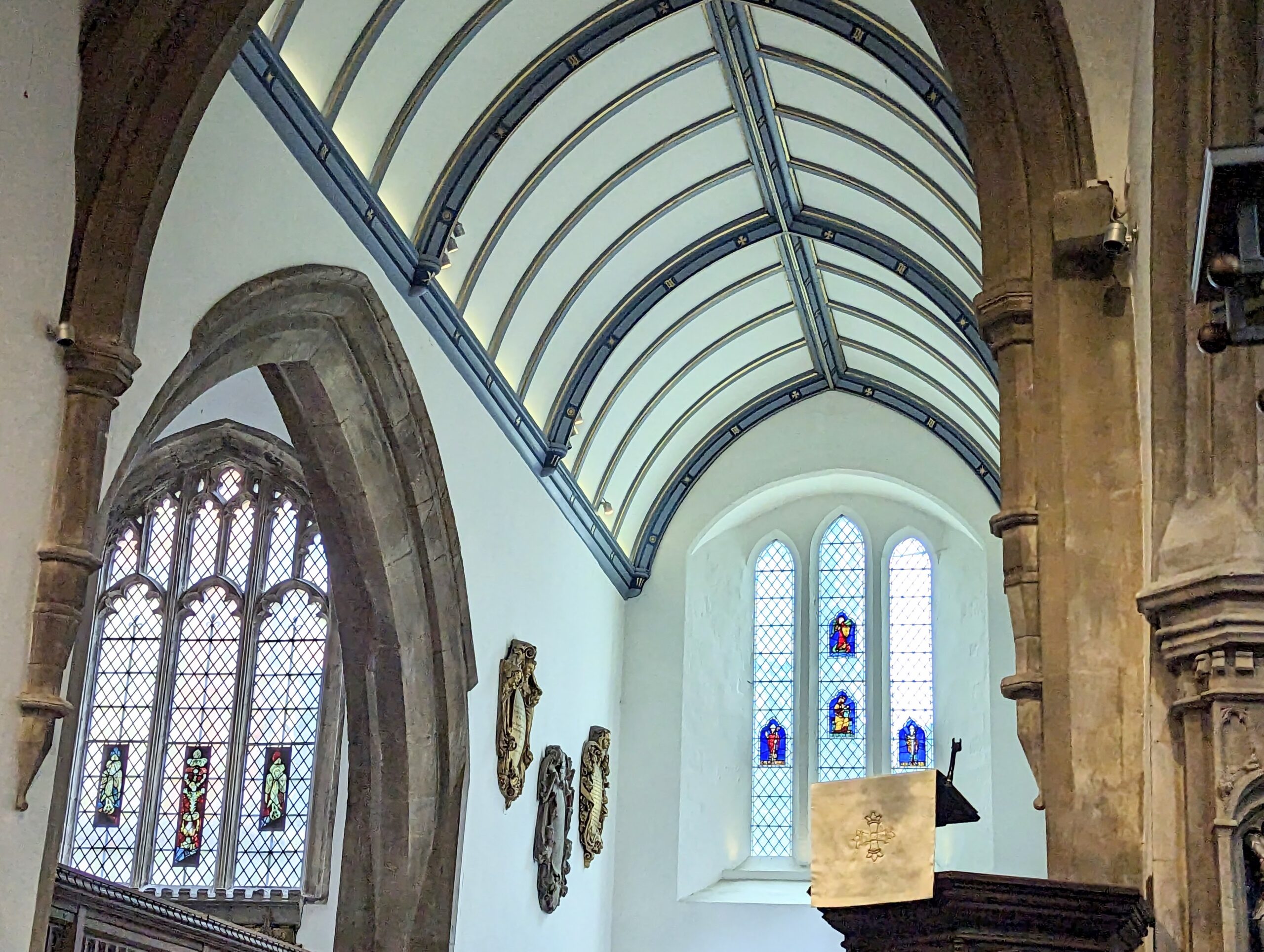
The backwards slope of a book shelving system will, like arching in furniture and buildings, go largely unnoticed yet they stop me to take in proportions and shape all the time. You cannot walk past almost any building in Oxford without encountering many a dozen in a single building and therefore see just how important arching was to stonework and therefore the woodwork housing windows and doors.
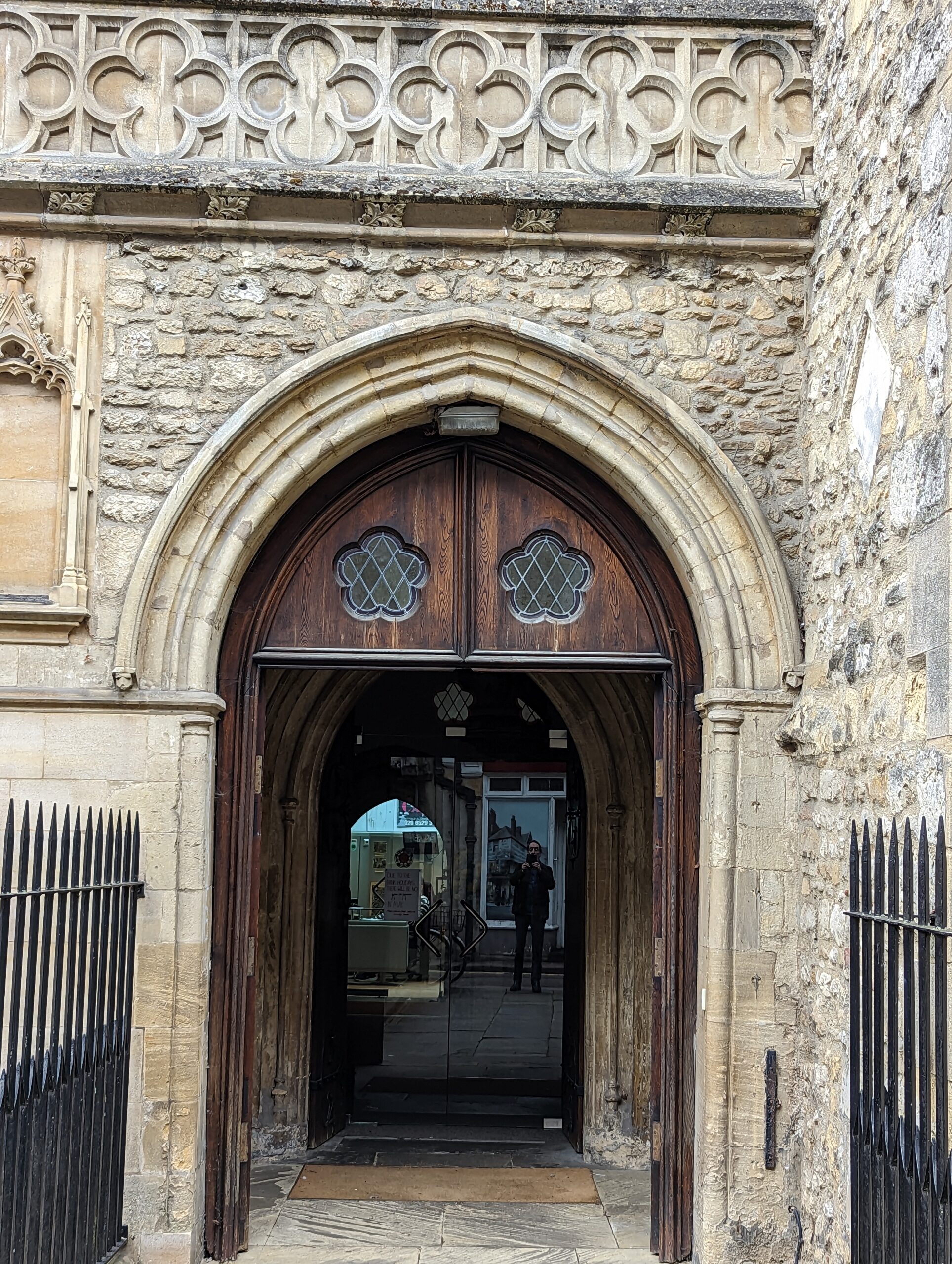
Less usual archways were used to the same end of spanning wide areas and expanses. Elliptical arches always add an elegance no matter whether it be a building or a piece of furniture.
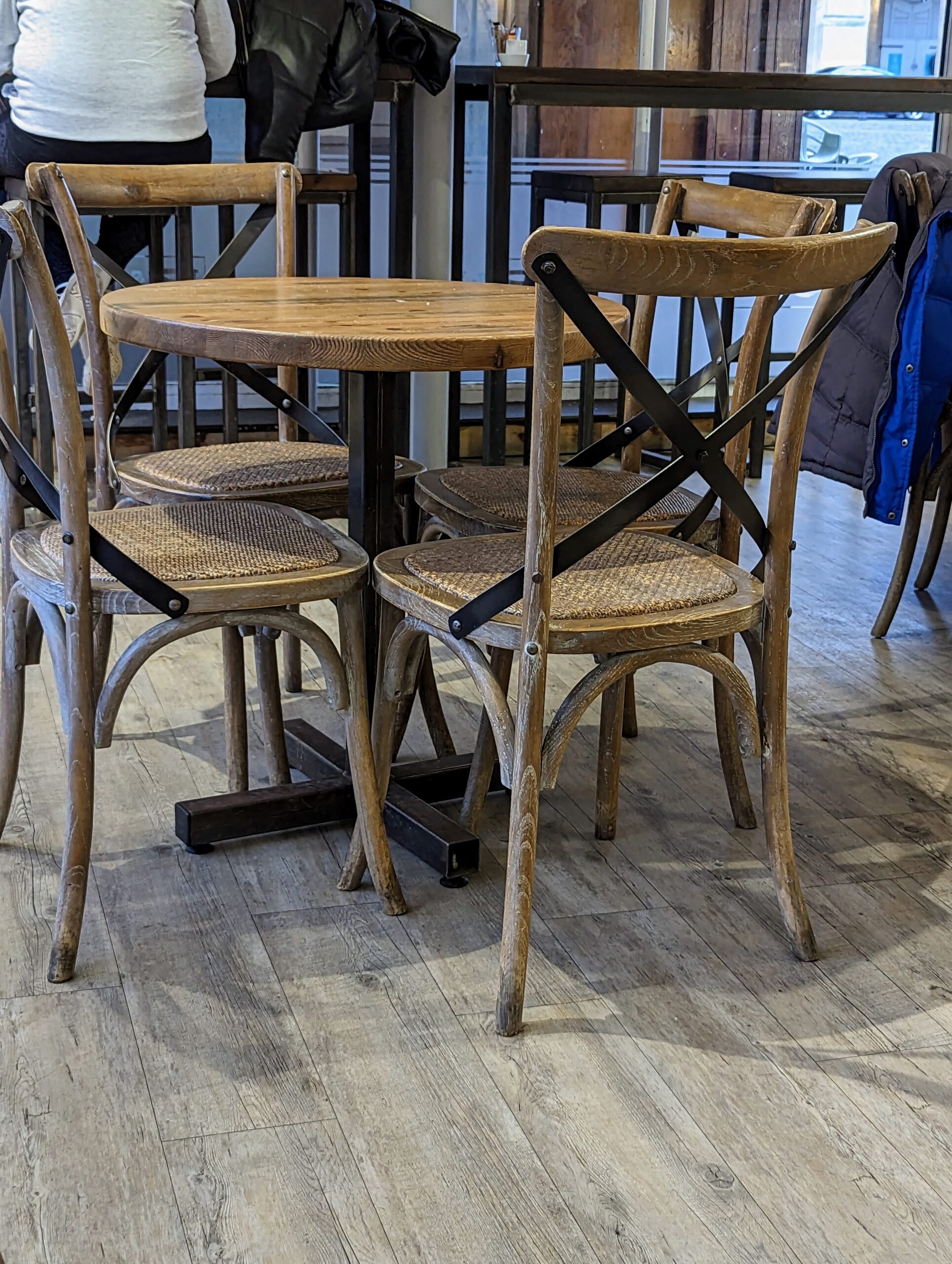
And then there are the frames of Thonet-style chairs below where bolts and screws attach the components as third-party fixings. In his displacement and the replacement of all joinery and the tedium of joint making, he came up with one of the first mass-production chair designs and at the same time came up with a design that considered lightening the bulk and weight of costly distribution and packaging to deal with the bulkiness of these pieces. In the lightweight framing, joinery itself would severely weaken the extremely lightweight components his chairs were to become known for.
Comments ()