
Are We Any of Us Truly Self-Taught?
The more I hear it said or read of it, the more I question the reality of it. There's something about even considering ourselves to be somehow self-made or self-taught that says one of two things: is it at all possible to be self-made or self-taught or do things come to us that teach us naturally and some learn from what they have seen and others simply don't because it is less significant to them than the other? The second is that we see ourselves more highly by even saying such things or positioning ourselves more highly above those around us. By this, I mean mostly that we were actually freely given something that facilitated the lift-off we needed to achieve and then added experience to it to make it more personally ours. Nonetheless, we were all given a start somehow and always by another. Not too much of anything actually had its genesis with us. I think the term is more bandied about now than ever, but when you dig down even just a little you'll find an article or a book reference that someone read that sparked an interest and prompted the early steps. Even more likely nowadays than ever will be a watched video to trigger events . . . even a bad one . . . that inspired us to move from inactivity and on into action. I dare even say these terms should be ditched in favour of something like 'I researched it', or 'self-motivation drove me to find out more.' In the world of woodworking people, I venture to suggest that 1 in 100,000 woodworkers learned part or the whole of what they know from watching others, reading about it or following one-on-one instruction. There is nothing wrong with that.
Having said all of this, I've mastered all the more from teaching myself through experimentation, trial and testing but that is in the most recent of years to build on pre-existing knowledge passed down and 'given' to me through many decades. This passed-on knowledge undergirded most of what I did and do. Changing tooth patterns to saws, adding this bevel to that one and then even chopping with bevel-edged chisels rather than mortise chisels was mostly trial and error based on previous experiences and changed attitudes. None of it was or is too scientific because I don't have access to specialised equipment, labs, etc, but in most cases, science would only prove what we experienced artisans already know intuitively. I don't need slow-mo, x-ray equipment to tell me what actually happens at the cutting of my plane travelling along a fixed platen with measured force and fixed speeds. What this equipment cannot give me is the infinite variability I get from my felt humanness in the working where I vary all things in the motion of the tools working the wood. Did you know that what most people call 'chatter' is nothing at all to do with the flexing of the unfortunately so-called "thin irons" in bench planes but more to do with friction on the sole, diffidence of the user, the speed or no of the presentation, angle of presentation, dullness of the cutting edge and more? It's actually true. But if you maker and/or seller of thick irons the first thing you say is that your plane irons eliminate the likelihood of plane chatter that occurs through thin irons even though that is not the cause at all. Every plane I own has the thinner irons from the makers and they never ever chatter. How can this be? Mostly what people get us skidding, a form of skip and jump over the start area of planing– the list that I give above are the causes. Add a slight barrier to the sole of your plane, be it wax or oil, and you'll get zero "chatter" in the ensuing strokes. To prove me right, next time you do experience the extremely rare phenomenon of true chatter, touch the sole of your plane with the rag-in-a-can oiler and it will disappear in the first stroke. Try it!
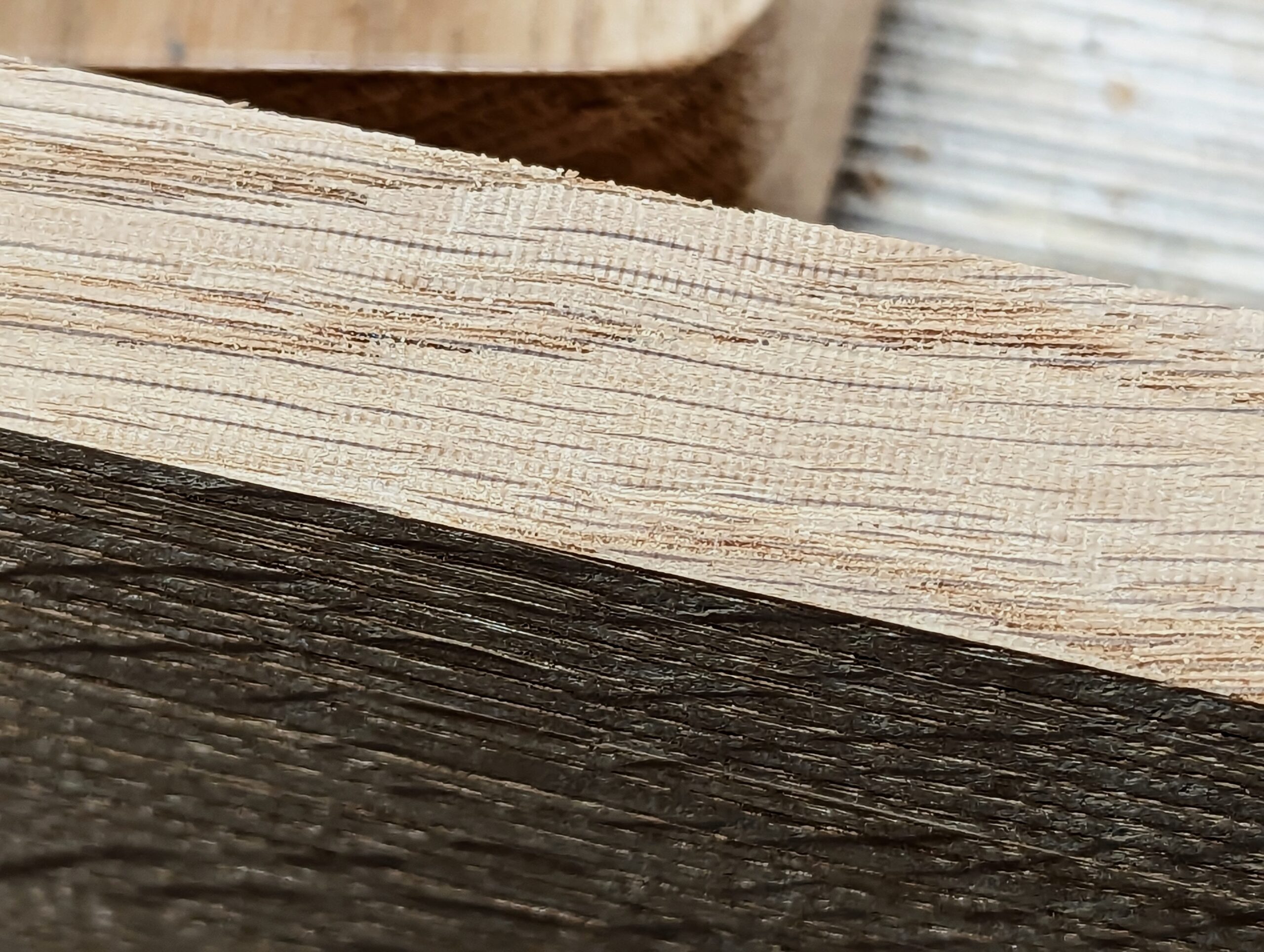
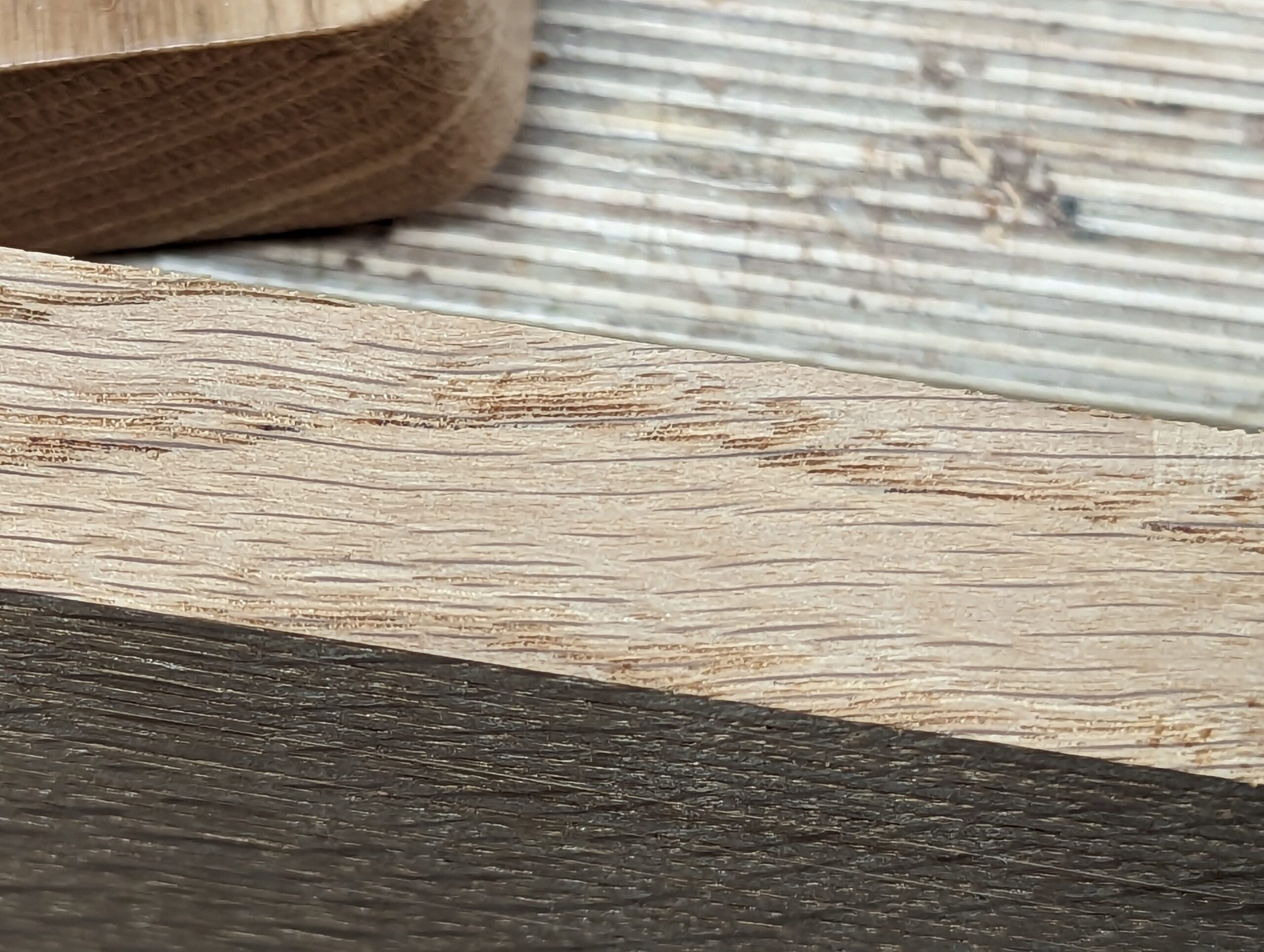
But such 'scientific' experiments are quite interesting even if of little if any value. You cannot get visceral feeling, micro-adjusted, second-by-second sight-adjusting perspective from simply watching a video. It's in the thrust and retreat of planing, the chop, the paring of chisel work and the handling of tools in the realness on wood where we maximise the feedback of our working. No matter how good the audio, sounds transmitted directly from the wood and the tools in my resident atmosphere give me a hundred times more informational feedback to adjust myself to.

In an age where more information is available at the fingertips than ever in history, how many can say that they are indeed truly self-taught, self-made independent individuals in much of anything at all? I think those that say such things usually do so in the hope of impressing others. Somehow we present ourselves on a higher plain than the ordinary of the world. I look at makers of most things and most things seem to be knock-offs of another's work–Stanley, all-metal planes and wooden facsimiles from different continents are good examples. They may have small nuances contributed by the makers, a different alloy, larger adjustment wheels and such but looking at them critically and the wheel was already invented two or three centuries before. Remember the first discovery of an unearthed cast bronze smoothing plane of 5,000 years ago in the opening of an Egyptian chamber.
Once we accept that there is very little new under the sun we can rest back and enjoy the whatever of what we learn in bite-sized bits over the days, months and years that preceded our assessment of being somehow self-made and self-taught. We will indeed, if we are honest with ourselves, find that in all that we have and do we were indeed handed something and by gradual accumulation, we made it ours to become more able or experienced than those just starting out. The truth all too often is that we want someone to admire. Our adopting the techniques of others from here and there gave us a more customised outcome in our work. We became highly efficient with our energies and output but mostly it didn't really originate with us until the style of it became recognisable as our style, type, way, etc. That's when the ownership rights to the work became our intellectual property. Whatever it is we got we usually got it from something passed on or handed down and we took it up as if it were, well, just lying there for the taking of it. There will of course always be pedestals to place ourselves or others on. Fact! That's never going to change.
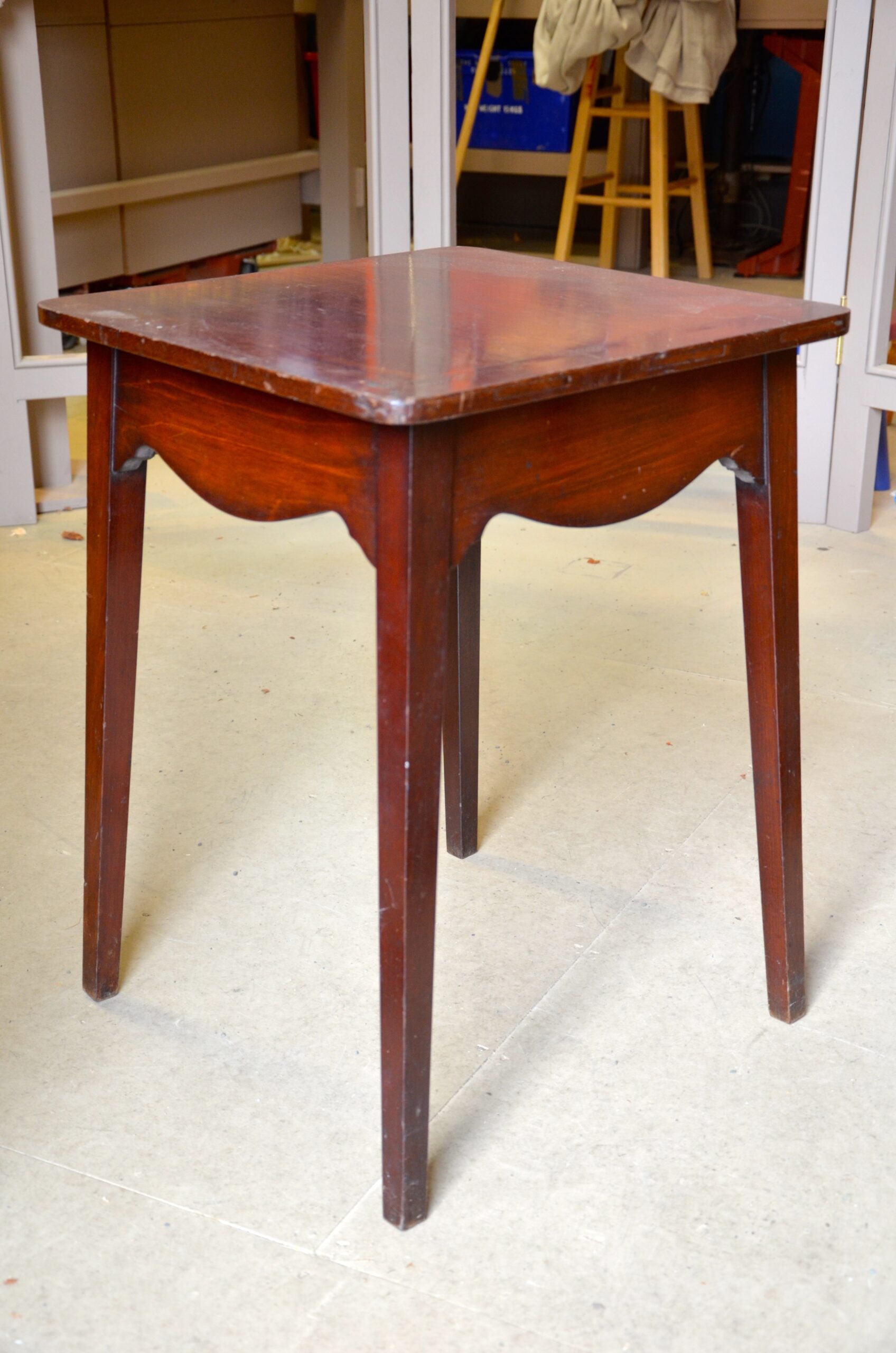
Studying a piece of work a few years ago, I replicated the vintage piece purely for the sake of learning from it. That crafting artisan from ancient times taught me almost as much as the many years of my apprenticeship. I saw nothing but humility in the work done. That man submitted himself to his work and the wood he worked into conformation. I could follow his example and even though I never met the man, somehow I felt like I knew him. I also realised that I could capably apply the same mastery I had gained through the years in the mastery of the planes and saws, the chisels, spokeshaves and knives I used with my real experience. But as I dismantled the joinery, saw chisel cuts, plane marks, identifying symbols and such, alongside saw cuts, I saw things I had never seen before; I was trained all the more by what I saw and received from this one crafting artisan. Not having seen anyone cut or watch the working of it in action enthralled me. It was as if I was sitting at the feet of a two-hundred-year-old master. This basic investigation of that singular man's work a century or two later fed my creative soul enough to change my life and the way I worked. It happened in my mid-sixties. I am not sure the YT gurus of this age ever admit to such things. Mostly it's become more about speed and a return for money rather than fulfilling ways to work. In this man's work, there were no broken fibres, no excess energies or misdirected cuts; the saw cuts stopped to lines marked with a pristinely cut knifewall and the unsanded surfaces left from the plane's cutting strokes still held good after a century or two's use. It's hard to acknowledge such men and women of old who left their mark openly though hidden from view inside for those of us who follow. I doubt the marks of the chopsaw and the tablesaw or powered planer will impress us down the road aways.
But now, of this self-made man and this self-made woman. What do we have? Are we admiring someone with chainsaws, chaps, headgear and climbing ropes in place because of skill or because of speed? Have they created something from nothing or did they build on something seen, as I believe we all did, to become something from nothing–a self-taught magnet of watchability, perhaps, entertainers if you like? Can any of us truly claim such things as self-taught, self-made? I think mostly not. But perhaps they never made such claims but we in our want and need wanted to put them there on the pedestal. This is especially true now that we Google this and that or watch Youtube and some other resource. Perhaps a better title might be 'self-motivated copiers' or something like that. I see nothing wrong with learning from others. It's the claims of self-made and self-taught that I challenge the more. The copying of others there is nothing wrong with but the unspoken claims of originality is little more than what we might even call plagiarism. I think nearer the truth is our adoption of things whether consciously or unconsciously. We can and do copy without realising it many times, but copy we do.
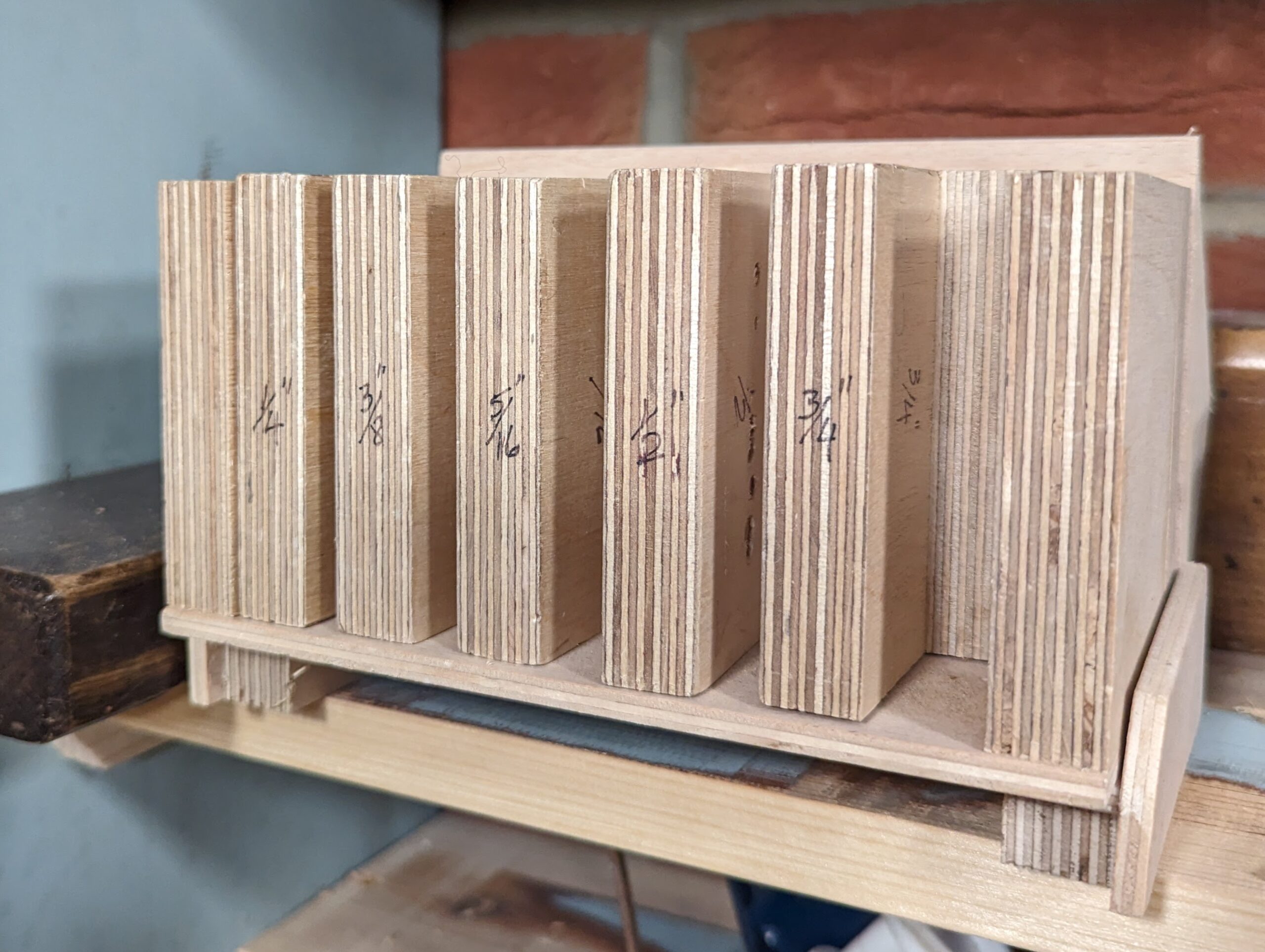
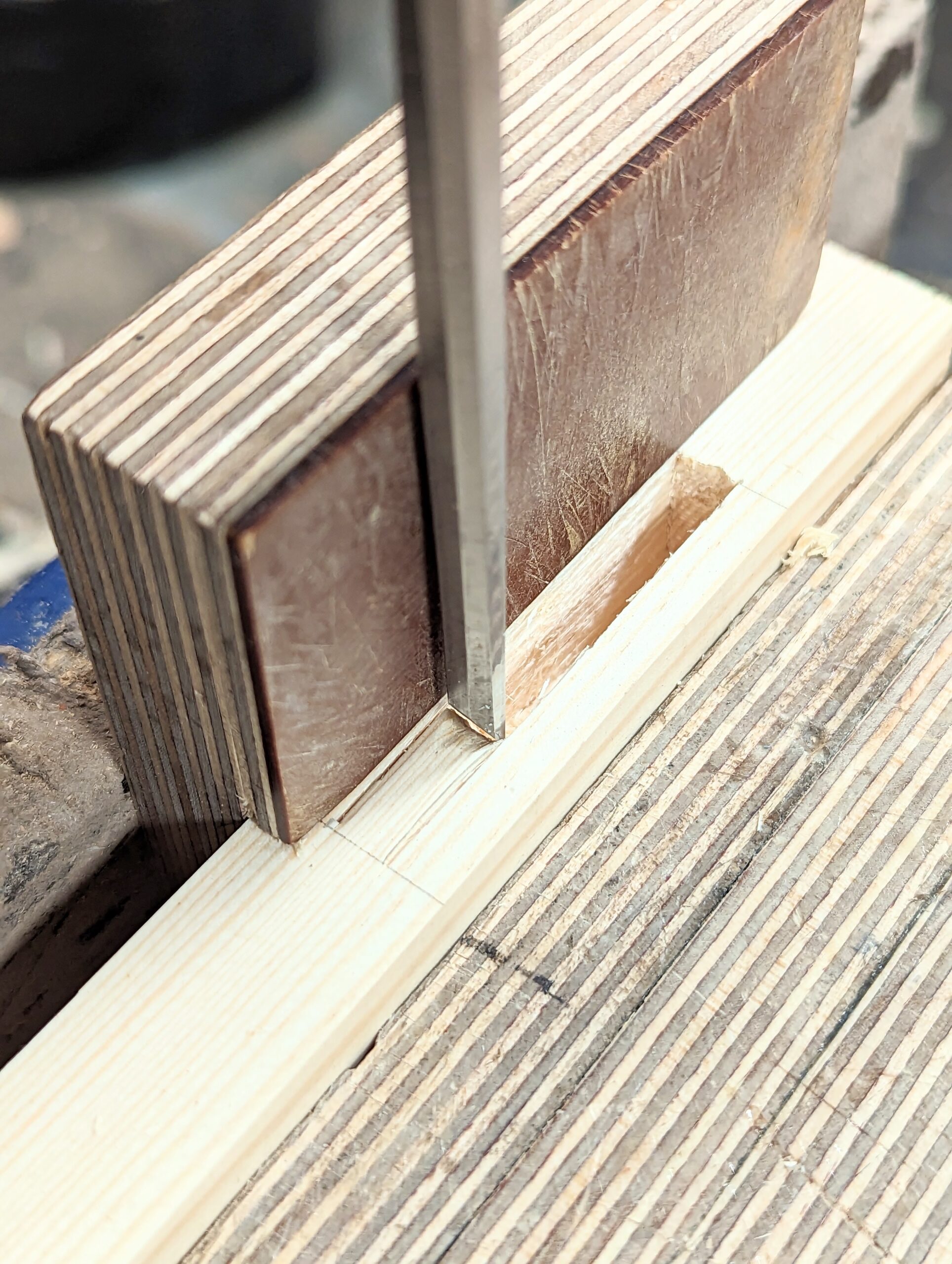
So have I invented some things and further developed others? I believe that I have, yes. They were hitherto unseen before my presenting them to the greater, great-big world. I designed an alternative purfling tool for cutting fine grooves for musical instruments or string inlays that can be homemade in a matter of minutes. We didn't own one so we made one, it was that simple precept of need being the cause of invention. I invented a special push-me, pull-you knife for truing, trimming and levelling the added inside corners in musical instruments like violins and cellos and such. I invented the mortise guide you see me use in every mortising video. I have also developed other ideas resulting in products, a tool, a technique or an aid of some kind for different elements of making. Whether they were around before me I might never know, but I do know that I had not seen or heard of them before and that is how many things originated for me. I also, such things gestated simply because I had a burden to be a solution. Most of what we have is an adaptation or adoption of what already preexisted. In my 58 years of woodworking, I have invented so very little. Why that is may well be because my forebears handed down most of everything in hand tool woodworking that we use today. The majority of violin makers follow patterns of making and then too the shapes, etc following one of the ancients–Stradivari, Amarti, Guanari and so on. I believe that there are makers making instruments that are every bit as good as those who paved the way 400 years before. Some produce very strange-looking violins that have almost no body to them yet they sound amazing and some say as good as or better than those ancients I speak of. Some things you cannot get away from, it seems, as they still have four stretched strings and tuning pegs. Radical shifts in violin making still occur through one maker's experimentation.
Motivation is everything because it undergirds the dynamic that drives us. My deciding never to work for money again freed me to invest more reality into my day-to-day. Shifting as I did from make to sell to make to design and add in make to fulfil my life required absolute inner honesty and a paradigm shift from how I was trained to think. Money and the amount you make is the most common denominator for assessing the success of another and whether some will even associate with the other too. When others got involved to"help" me in my endeavour it became a big mistake for me. There was a gradual takeover of intent and direction and we were partnered in our association but the intents became obvious over a two-year span. My intention from the beginning was to clearly educate woodworkers worldwide with what I had learned through the decades. Their intention for the main part was to translate my knowledge, skills and abilities into money via ownership of my copyright and intellectual property. Big learning curve for PS. I split and started over from scratch and was never happier despite the added hard work to establish what we have. Pursuing independence at that time may or may not be what you want. There are easier ways to make an income than doing everything the way I have done it. But the thing that undergirded all my work has been the lived life as a working artisan. In our digital world, we can find the information needed in a matter of seconds and some people find it, copy it once and set themselves up as gurus teaching it.
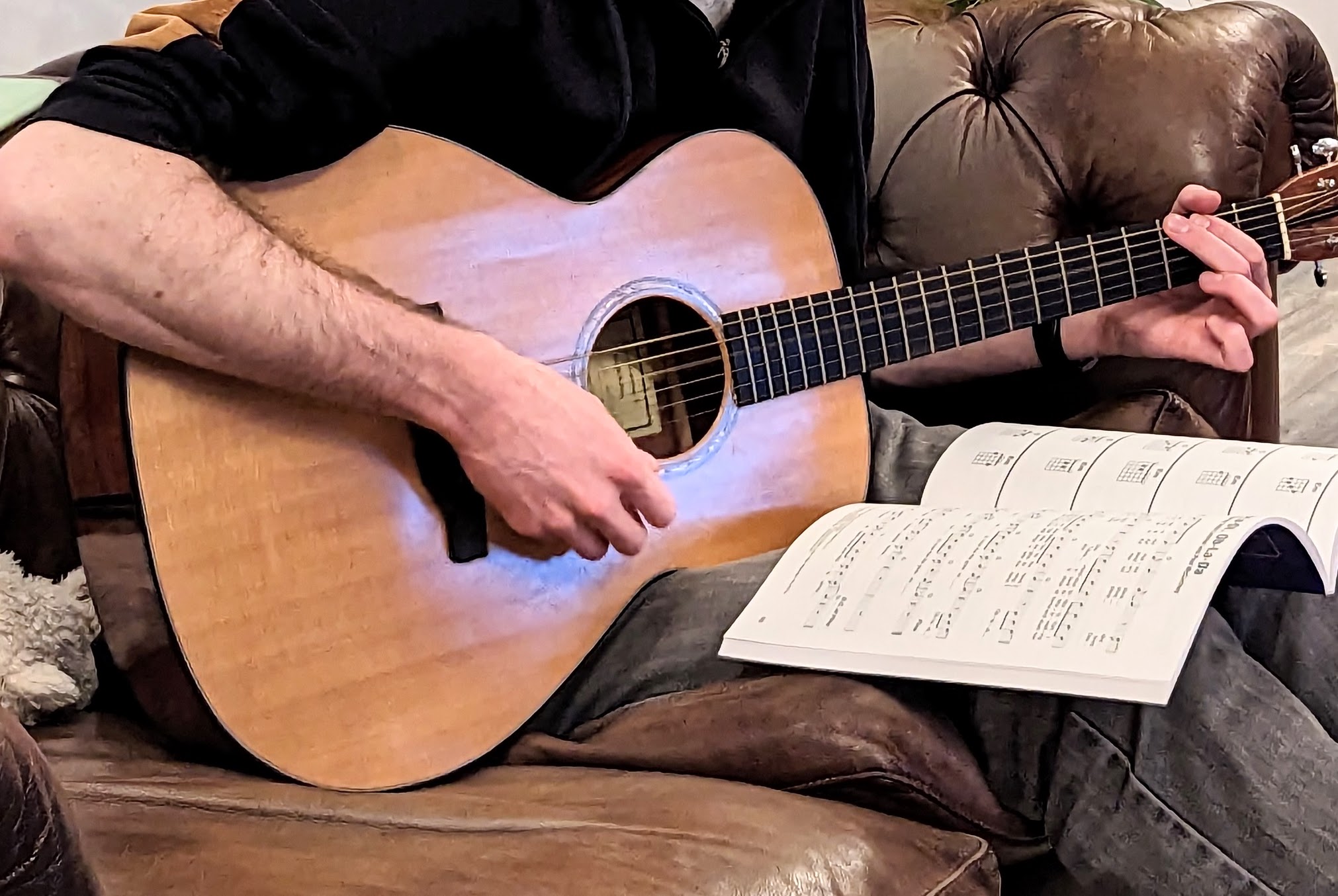
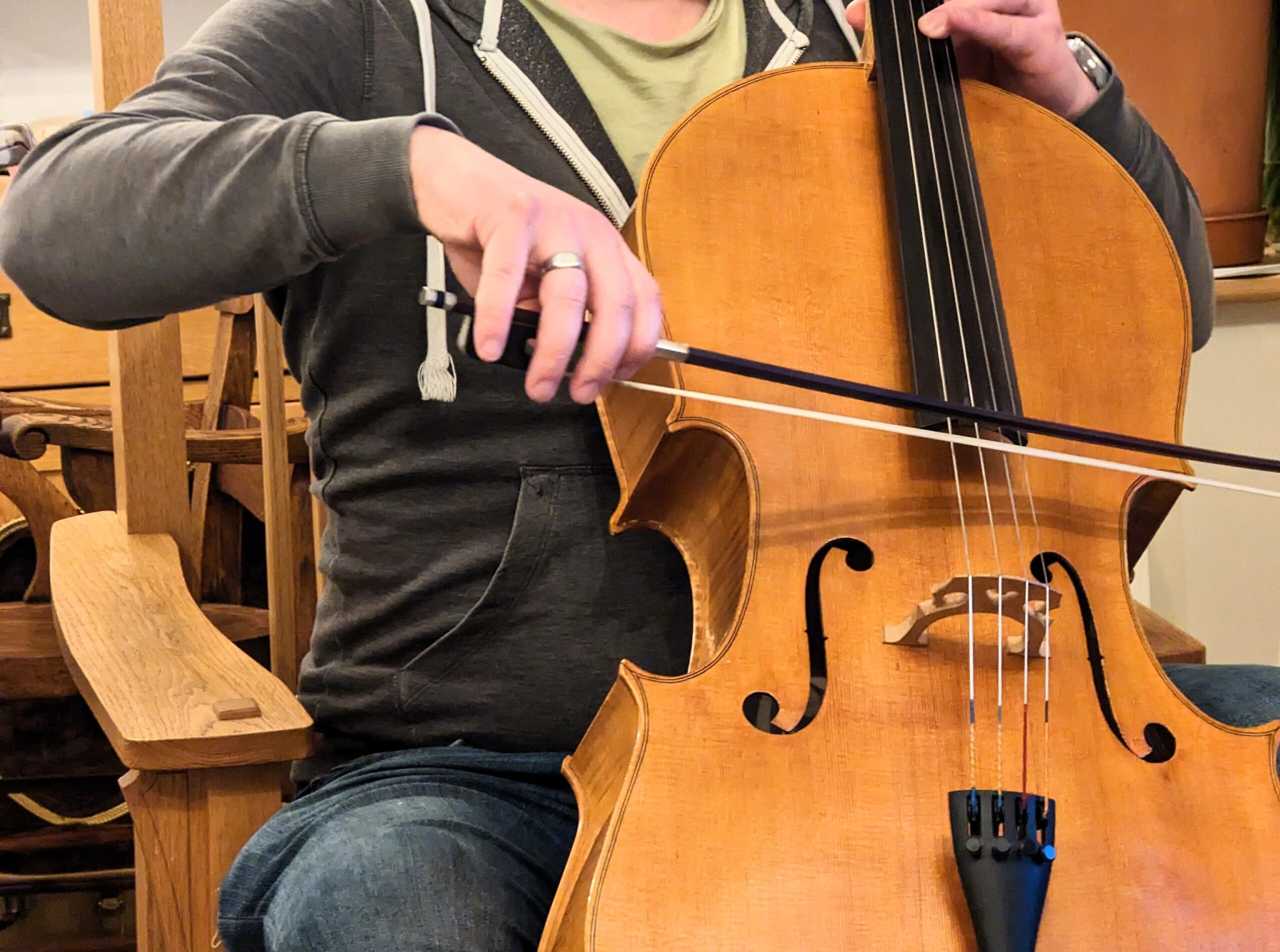
The fact that we often refer to this person or that being gifted is because, well, like it or not, we were given abilities in the first place that we could build on. Singers train their existing, usually good voices further and exercise continuously, but in all cases, they had pretty dynamic voices that could be trained to begin with. Musicians combine a variety of abilities to play, read music, add inflexions into their playing and more when they play a piece. Those that can't read and were so-called self-taught did discipline themselves to listen and match notes to keys and strings. I am sure that they also composed music. Some people can deconstruct food and determine every ingredient down to the finest quantity simply by eating or should I say tasting the food; they pick out each ingredient one at a time because they have the knowledge of and ability to separate and taste the essence of each part. They'll tell you which part was roasted, fried, salted and soaked in olive oil or whatever oil and much more. Such people are gifted. They were indeed given abilities. That is not to say they didn't subsequently work to become much better at their gift and in no way does anything I am saying take away from their achievements
Comments ()