
Mesquitetry
It's a wood you'll never forget, mesquite! More than interesting, more uniquely different. As my handsaw slipped through a cross-gain cut the strong and sweet essence wafted up in a split second and I was translated to a 35,000-acre ranch in south Texas watching a rattlesnake sidle up by the handle of my now silent chainsaw for the warmth of the motor. I was 36 years old, half the age I am now, I had just dropped a mesquite tree with a straight stem seven-eight feet long and had delimbed it ready to load. I figured it to be a ton and a half. Suddenly the tree limbs, laden with the sweet bean pods, were surrounded by a good-sized herd of longhorns chewing on the beans. This can be intimidating, but though I had been alone there for the day I never felt intimidated or frightened, just cautious and respectful. There was too much activity and retrieving my chainsaw from the snake with the crook of a branch was easy enough. The snake left and `i watched it until I knew where it resettled. I always carried a shotgun on my excursions, just for emergencies. I didn't use it on such trips. I could usually work around killing an animal.
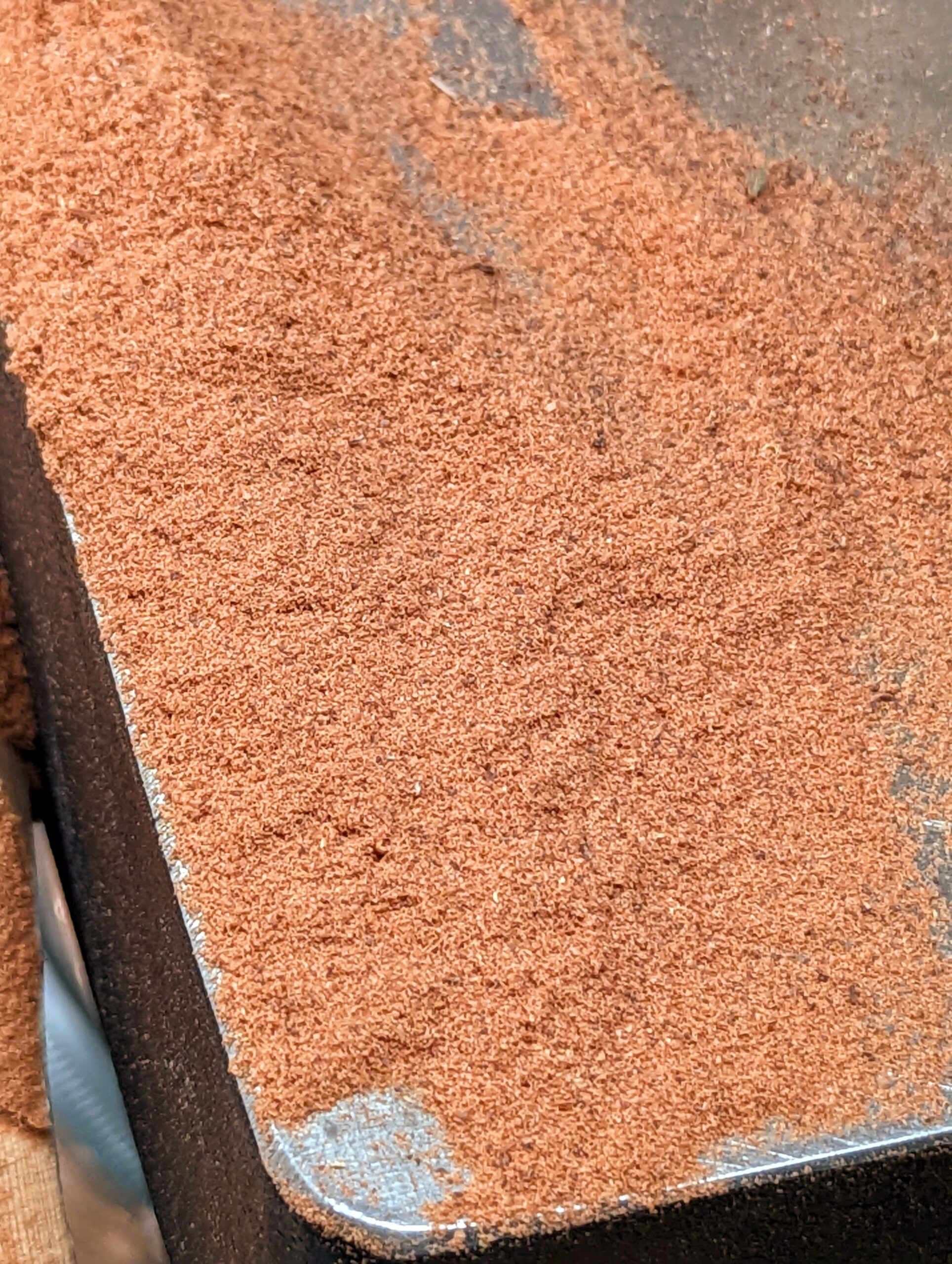
The scent in my garage studio carries a mix of finishes and mixed woods most of which I am unconscious of most of the time so the treat of mesquite was unique only to me. I ripped some strips on the bandsaw too and seeing the sawdust accumulate there on the table reminded me that the accumulation of good memories are recorded in the canyons of our minds for us to savour at later times when the feast might be less than it should be. Imagine the translative qualities of a simple and complex smell that can remind you of days working in a vast tract of mesquite 35 years ago and then a powdery heap of sawdust that emanates from the waste scraps burning hot in the woodstove to keep the family warm overnight in the sub-zero winters of Texas during an ice storm.
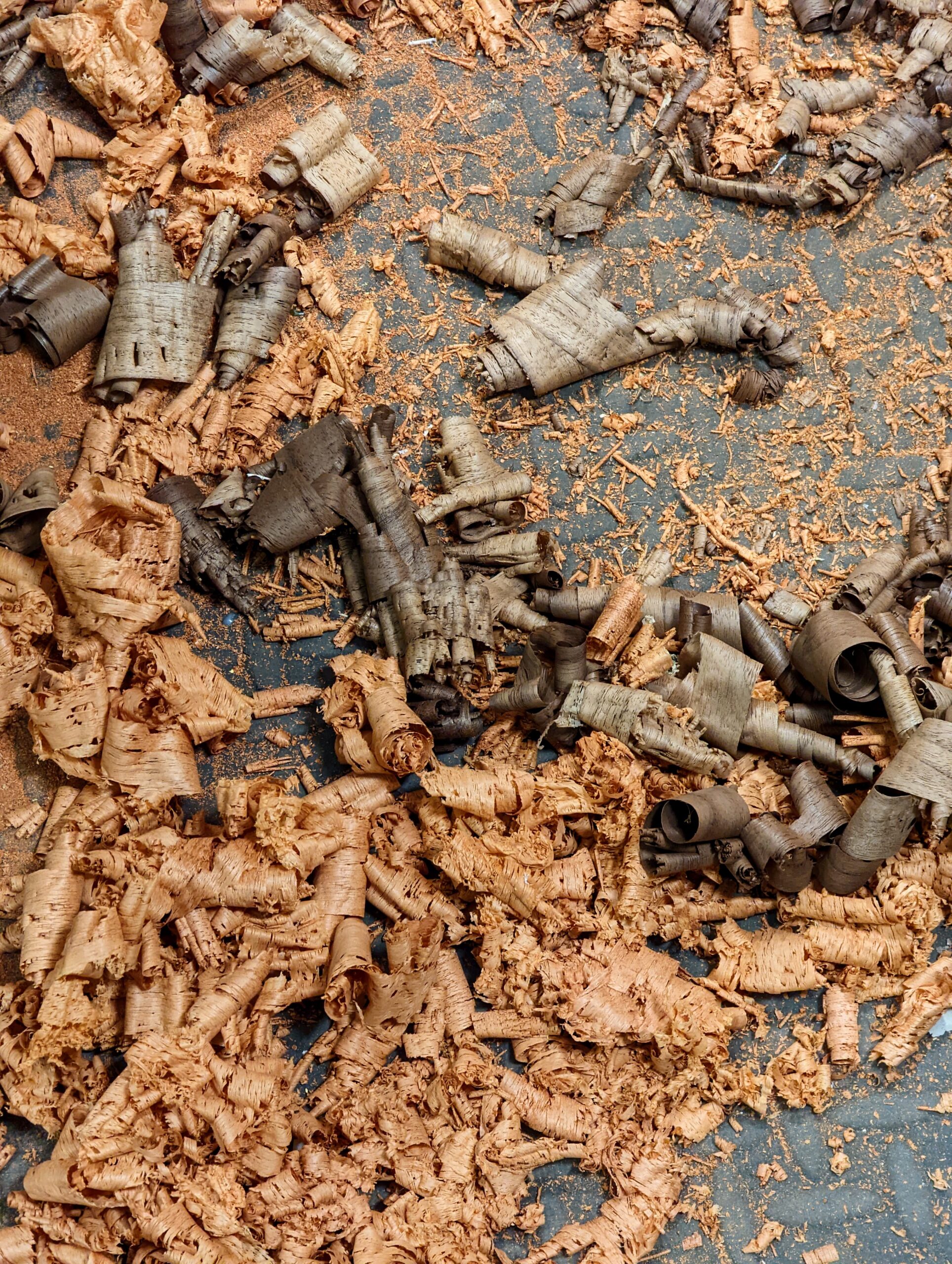
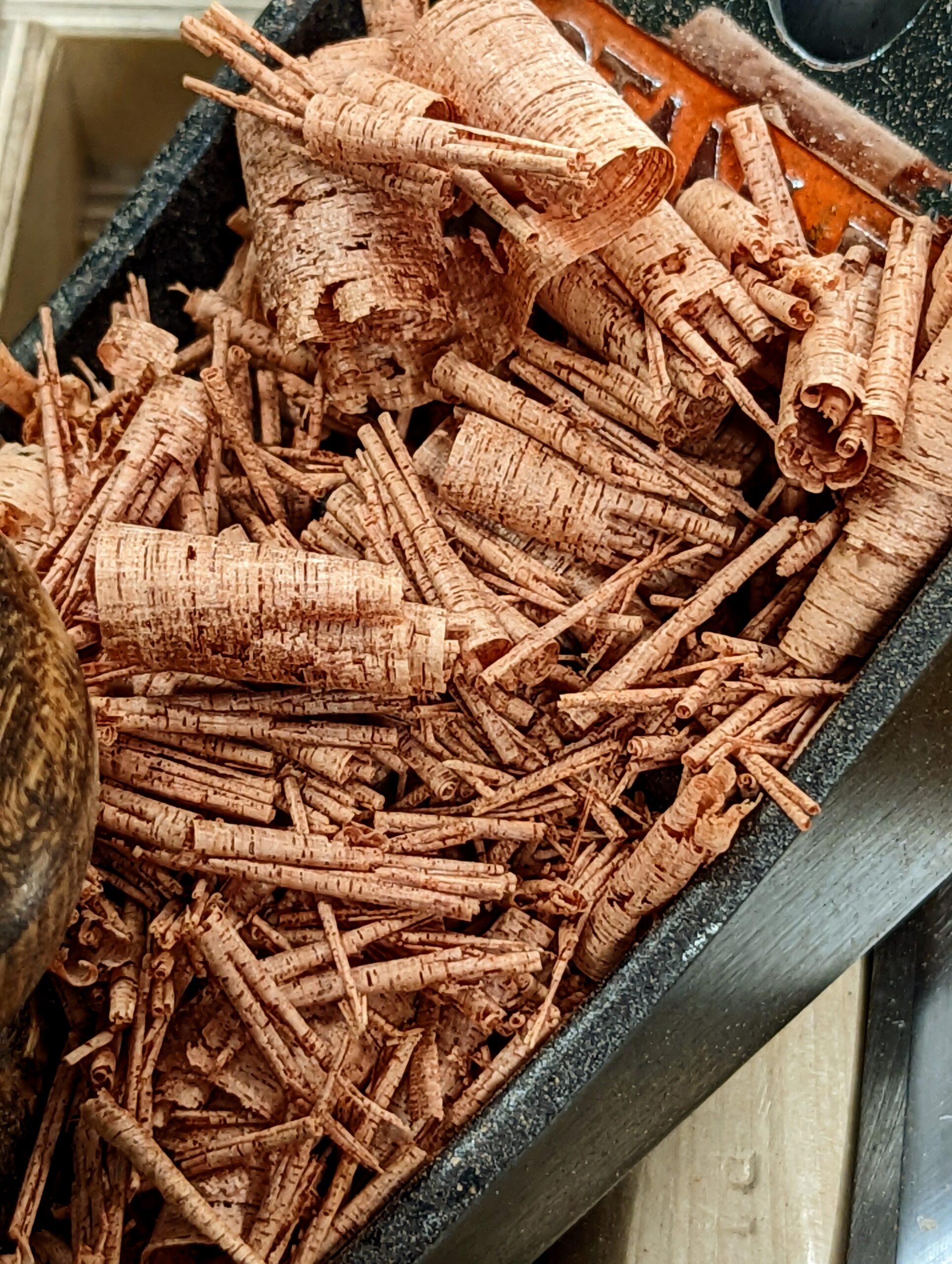
As I planed the stiles for my doors the accumulation of the rich red shavings contrasted with the walnut I'm working alongside the mesquite. Even the shavings of mesquite are different, actually unique to mesquite. You don't get these types of shavings in other woods. I think it's to do with both the hardness and brittleness of the wood itself. It's not quite twice as hard as oak.
Some people have an allergy to mesquite and some develop an allergy through working it over a long time. I am careful with it when machining because of that. I too developed an allergy even though I took good precautions. I don't have the allergy now but still, we must take care. We have a very sophisticated device for measuring our atmosphere for dust levels and though we do register, we are well below any levels of danger simply because of our hand work.
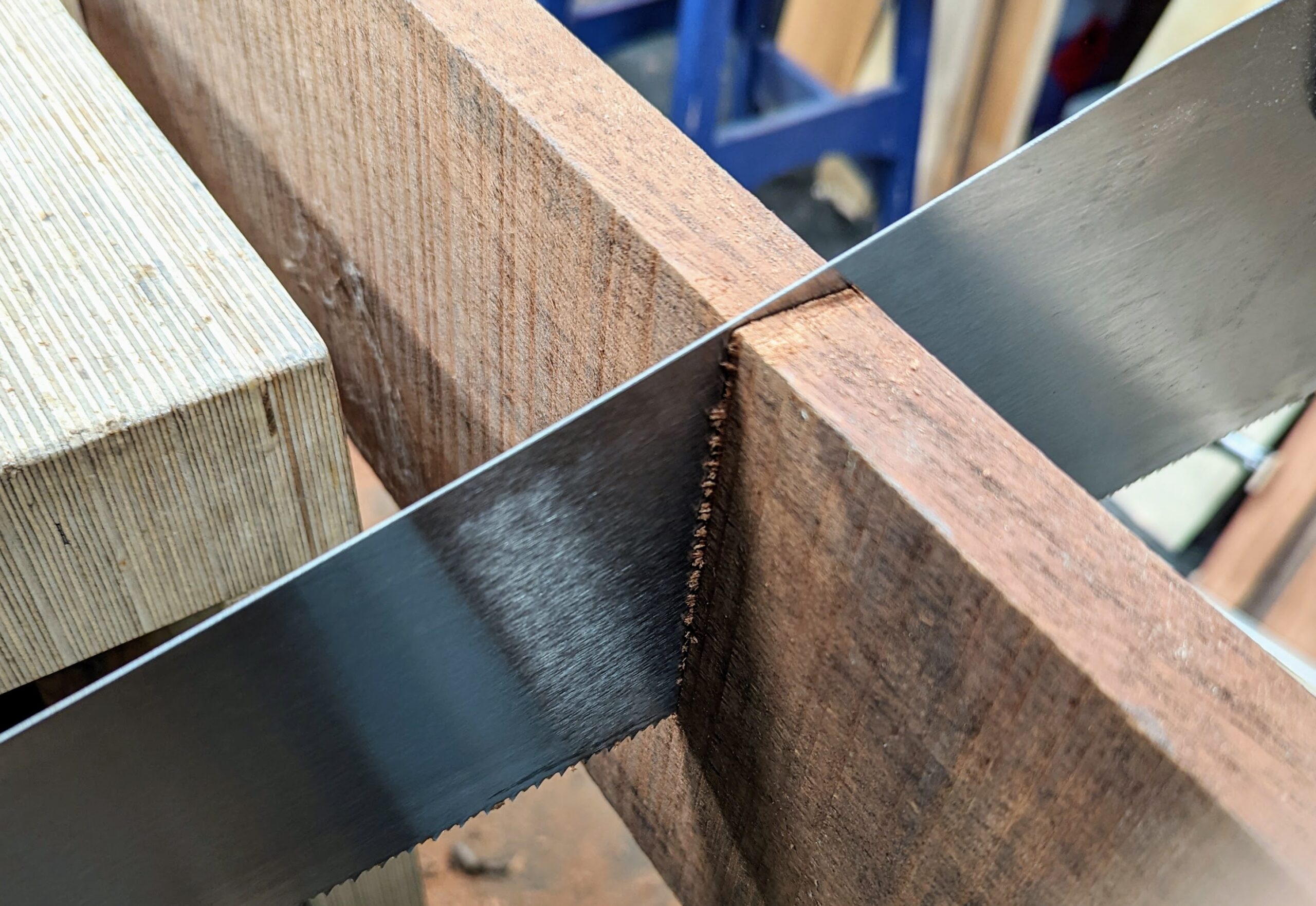
The handsaw and planing with a hand plane don't register in the device at all. I like that. I also like the feel of both in mesquite because it is so very different though not always obliging. Very few woods argue with a #80 cabinet scraper . . . only the very softest ones really.
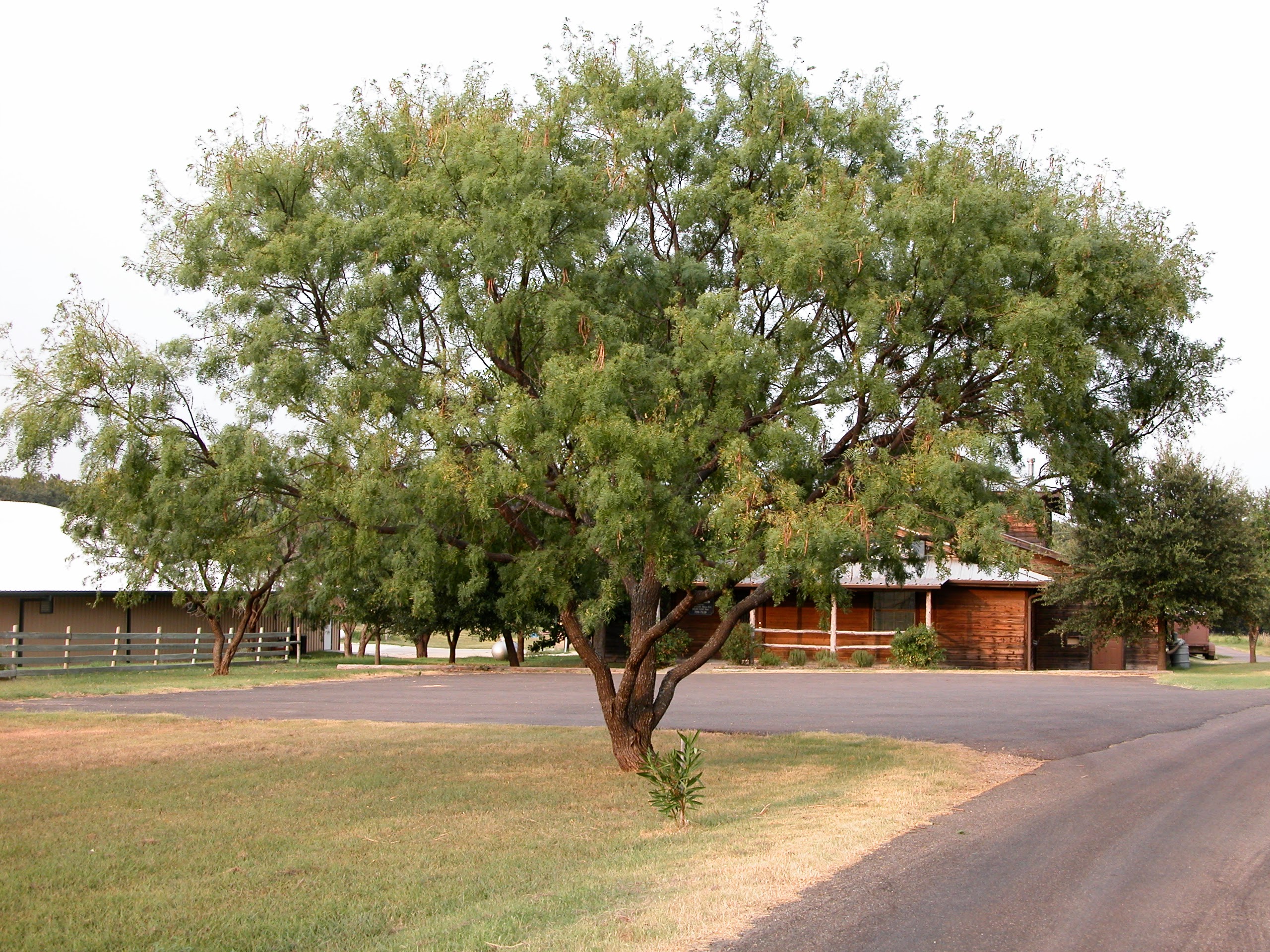
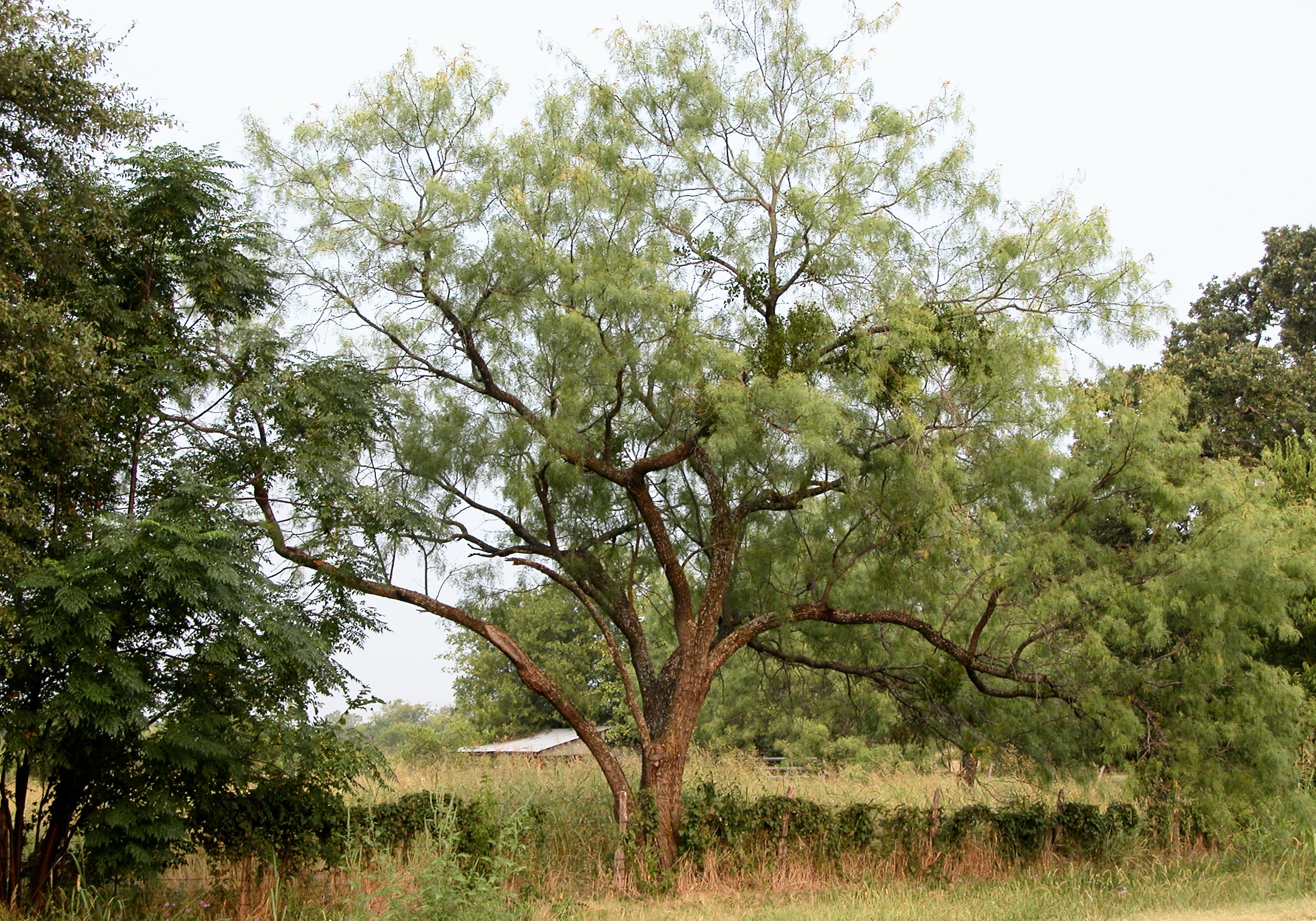
This mesquite tree standing outside a person's business in Texas could be 50 years old. Mesquite is very slow growing and survives and even takes over where other trees cannot. The owner is a Texan born and bred and he was pretty precious about the tree. This is very typical of mesquite characteristic growth; lots of flailing branches from a short and almost non-existent stem. It makes the tree a good source for firewood logs as you cannot do much else with a tree like this unless you are very inventve.
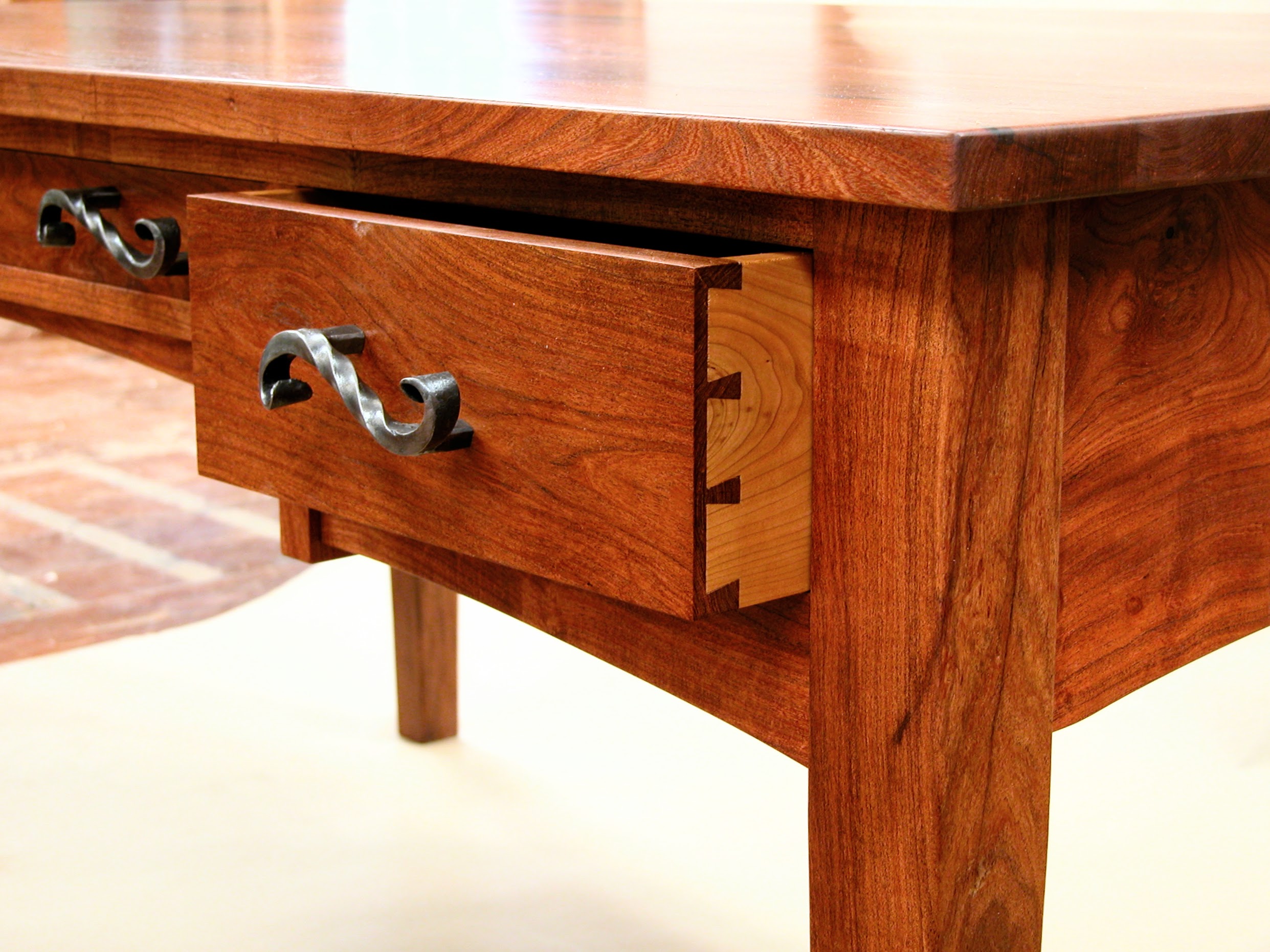
Mesquite does not readily plane by hand but when it does it is like glass and only declines in quality when you sand it no matter the fineness of the abrasive Mostly it will be machined before use because of its omnidirectional grain. Look at the top tree picture and imagine it in a hundred years more and you will see why. Even the branches in and of themselves twist and turn like a corkscrew.
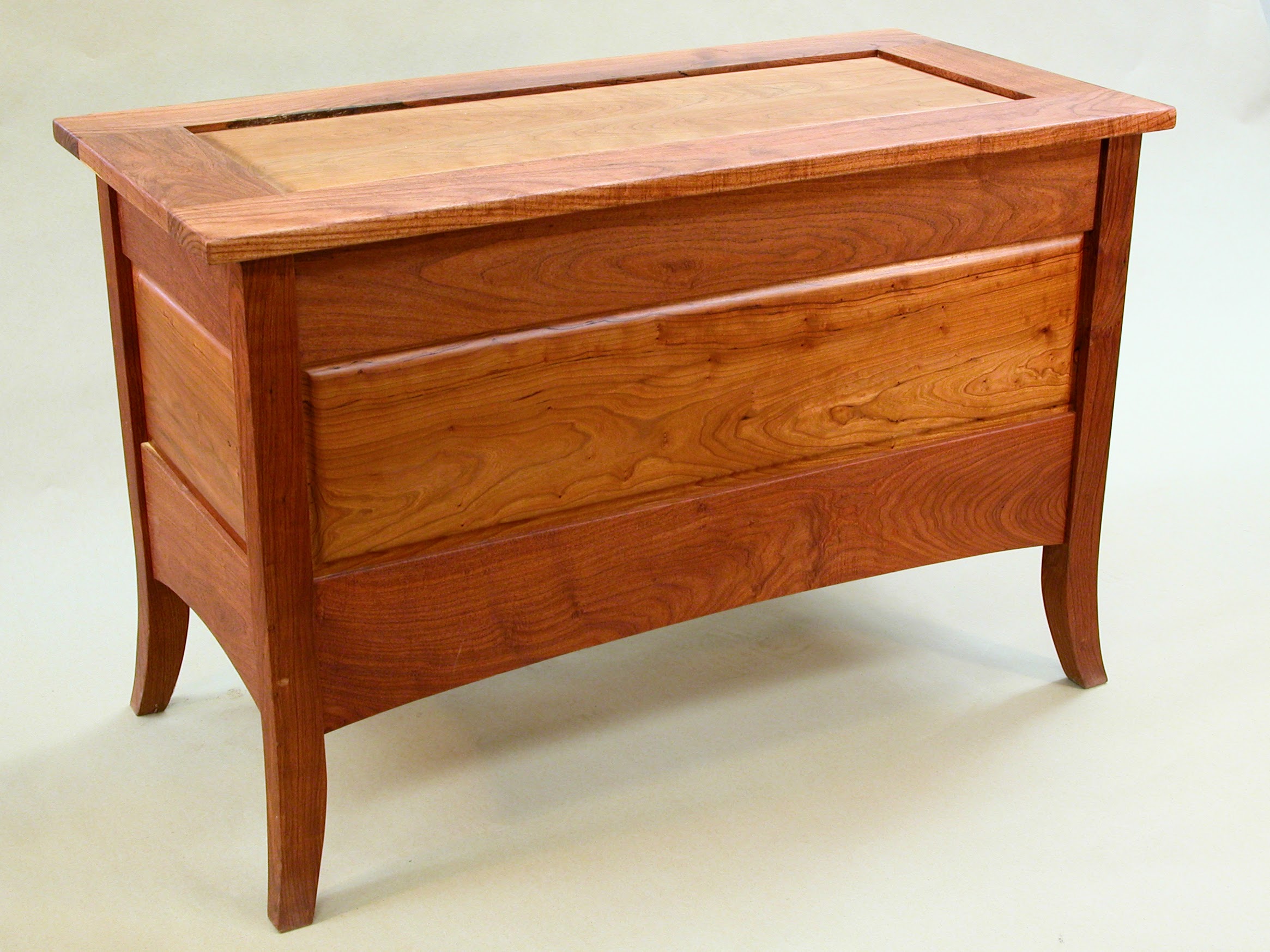
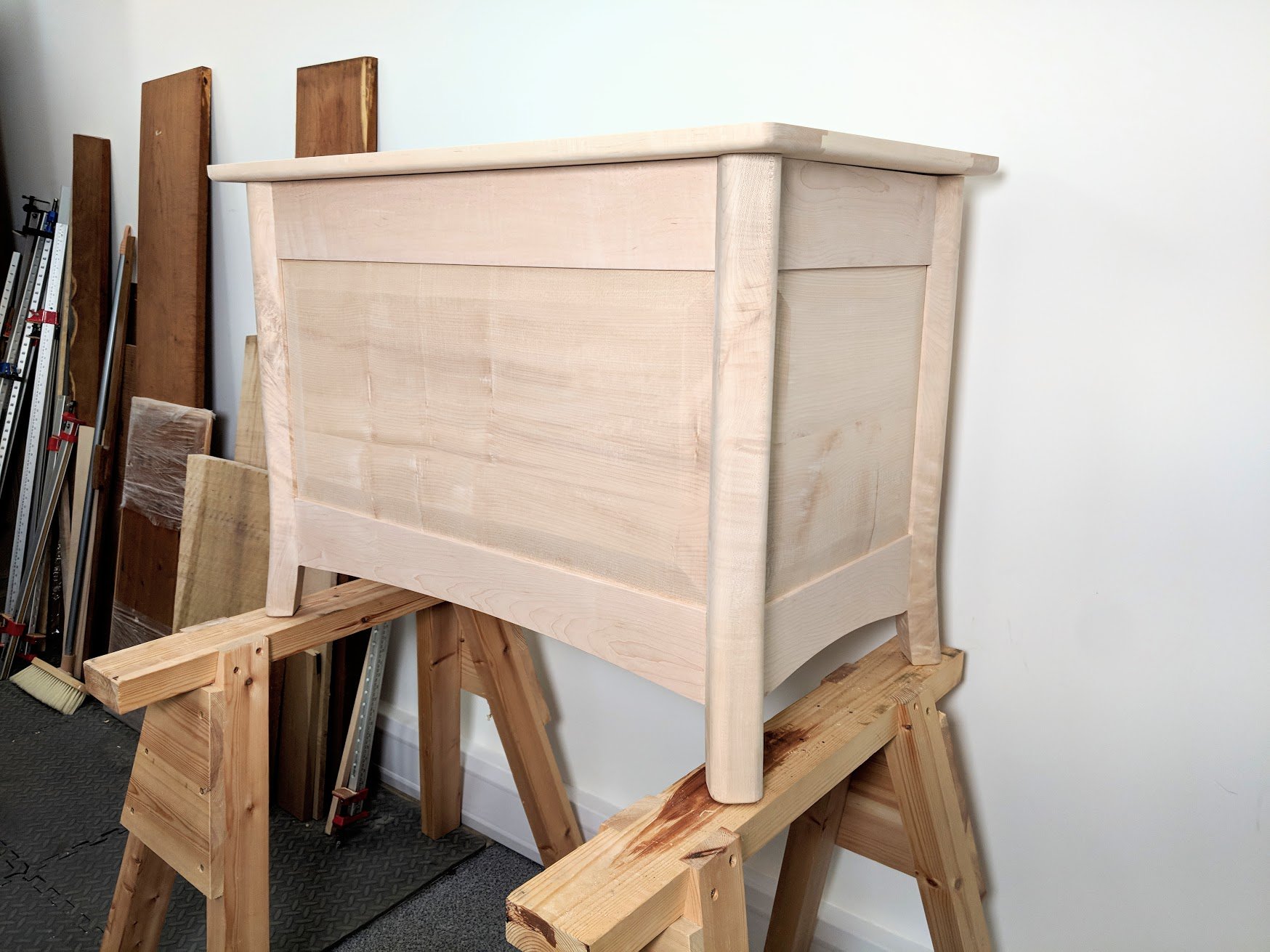
My new millennia version from 2018 was more complicated but it was another sycamore piece I liked. Notice the legs turned at 45º so this meant the legs were fire-sided with one wide face to the outside. This is a woodworking masterclasses project.
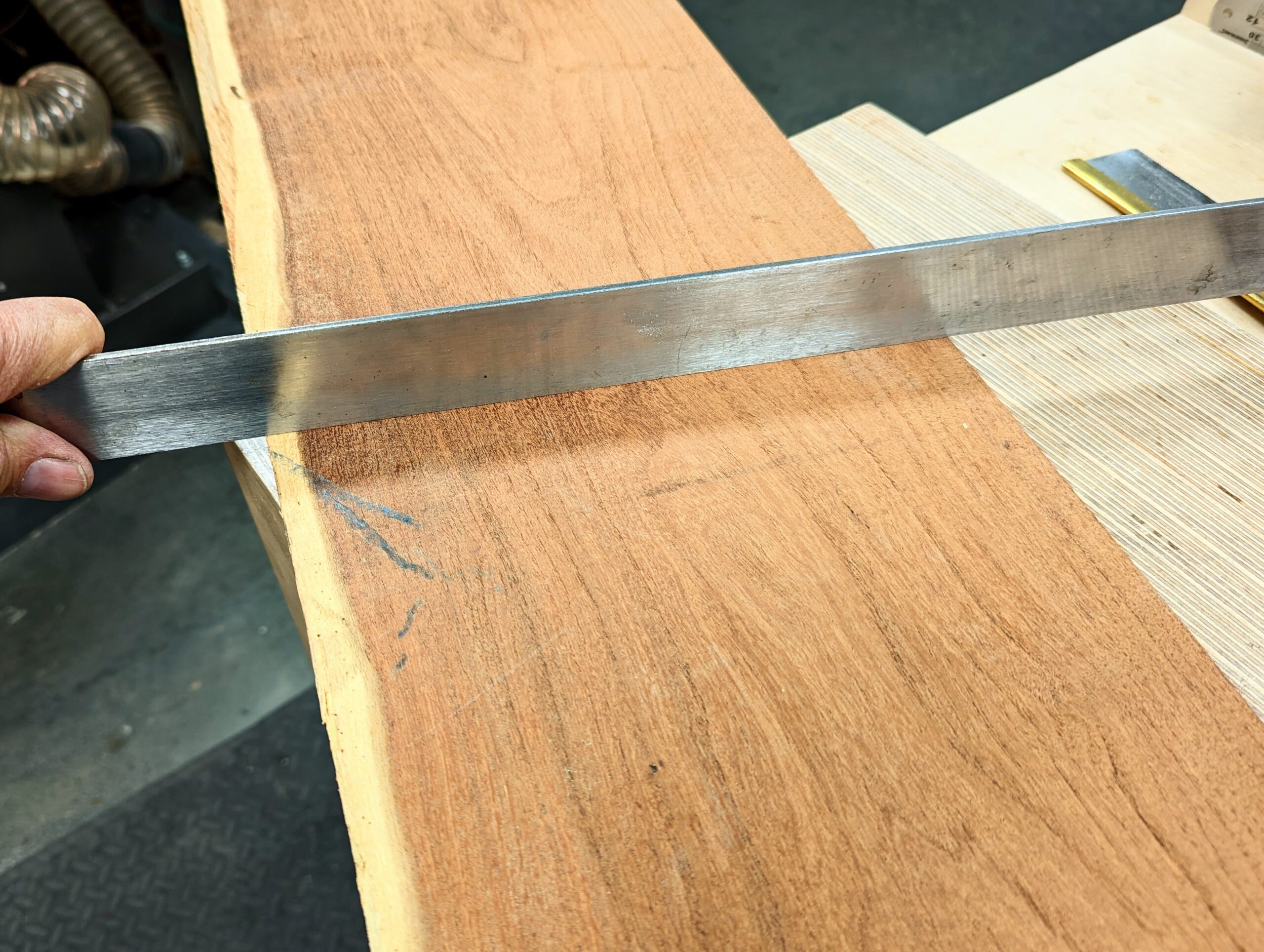
I have had ten good-sized boards for a couple of decades. After slabbing and drying they stood in the workshop at my house left alone. The boards were all planed or par-planed by machine. When I began transitioning to leave my US home in 2009 they went into a storage container until 2016 and then crossed the Atlantic to the UK. This week I put a straightedge across each one of them and they are still as true as the day they were cut and dried. This is mesquite. It has to be the most stable wood in the world bar none.
Comments ()