
You think . . .
. . . it takes 57 years to perfect a dovetail.
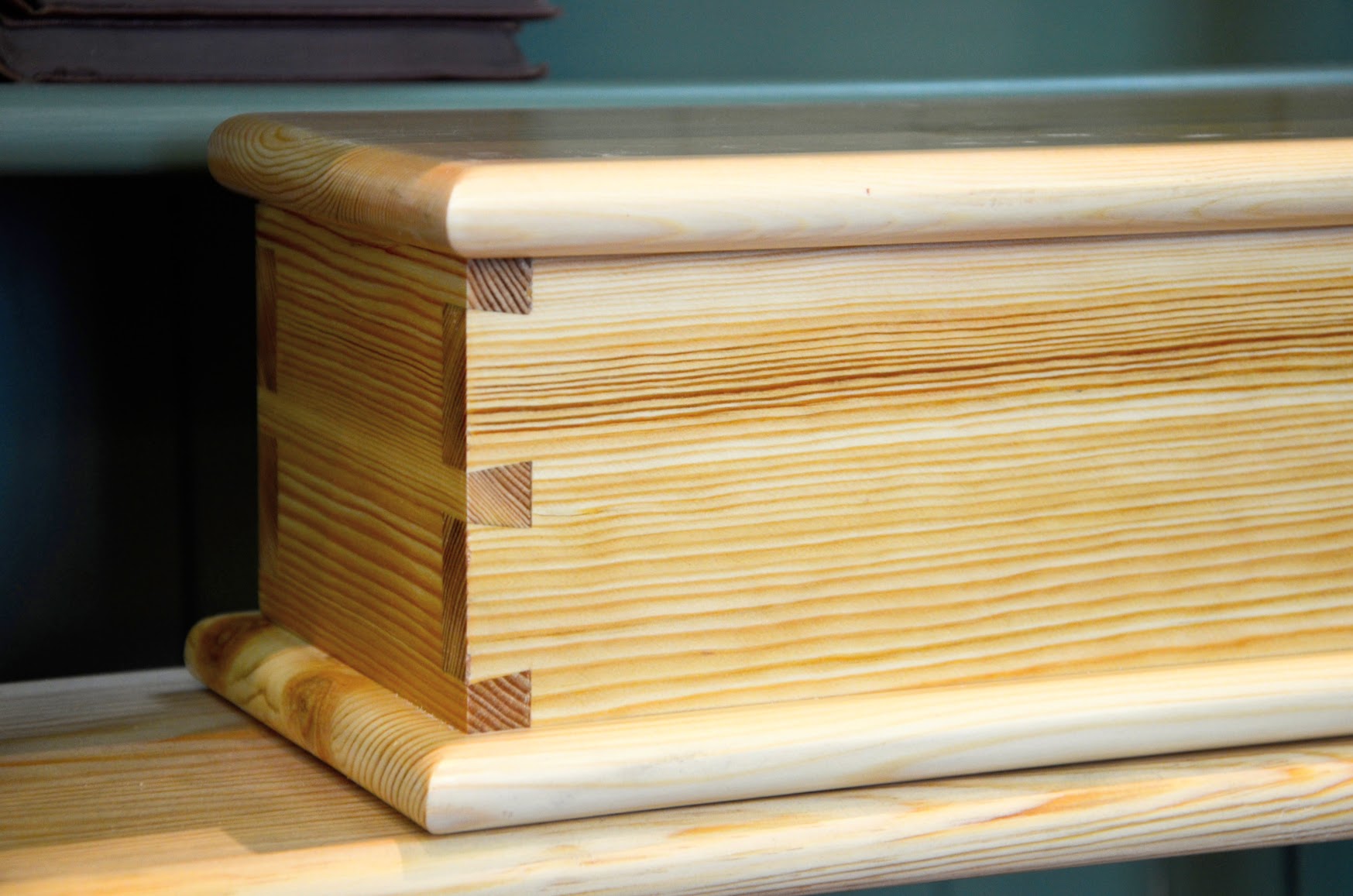
Of course, it doesn't take anywhere near 1% of that. I sometimes post a video or a picture showing a perfect joint I just made, a dovetail, a mortise and tenon, or a saw sliding and gliding effortlessly through the wood in perfect alignment. That shoulder line coming off a knife wall meets, greets and seats airtight against the stile first time and so on. And then the comments come in one by one. I take most of them down straight away. Why? Mostly they are not helpful or are even mostly unhelpful to most.

When I first started training and teaching it was one on one in the workshop and at the bench. I say bench because hand tool woodworking relies on developing skills that cannot be had any other way but by the doing of it. No sliding fences, dialled-in distances, power feeds and so on. Hand tool woodworking is all about you -- your connection to the wood and the tools, your energy moving the tools, synchronising your whole being to negotiate the hand tools to the wood. The tools rely on what you feel in the zone, where the resistance is, how to negotiate it to result in immediate successes and so on. It is this alone that makes hand tool woodworking a stand-alone enterprise and not merely the flip side of the same coin as machining wood. Most people can learn enough about machining wood in an hour on the chosen machine, less mostly. This learning is 98% about safe practices. Not much more. Hand tools are about skill and the development of skill and they do take longer not so much to learn about but to master. That's why I wrote my second book Essential Woodworking Hand Tools. All of the books I had read were mostly about the history of them or they were very generic and written by writers and never by crafting artisans with decades of full-time making under their belts. I am a dying breed. A remnant if you will. I wrote the book to pass on the knowledge but only in hopes that there would be enough in the book for people to say, 'I want this!'
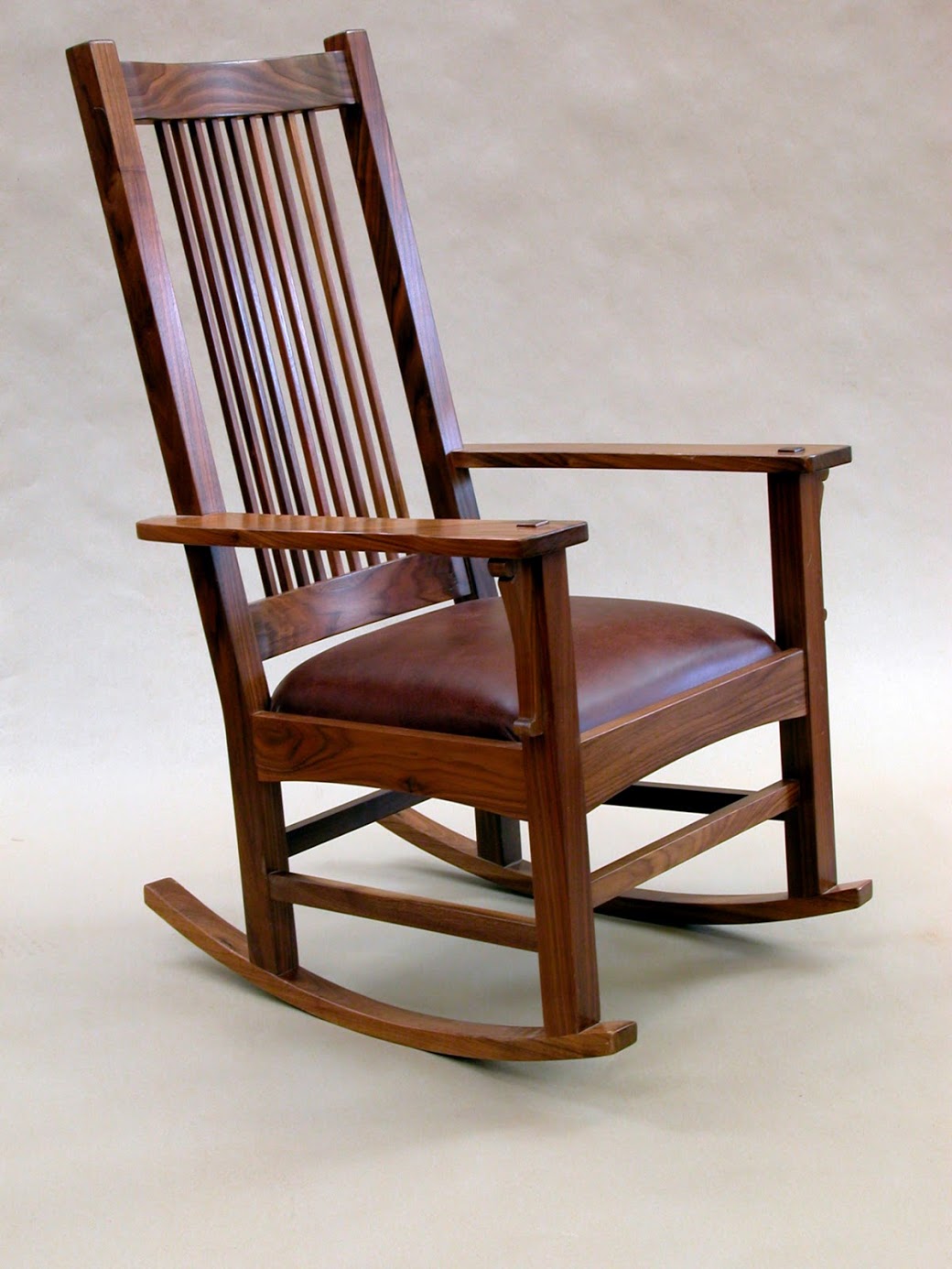
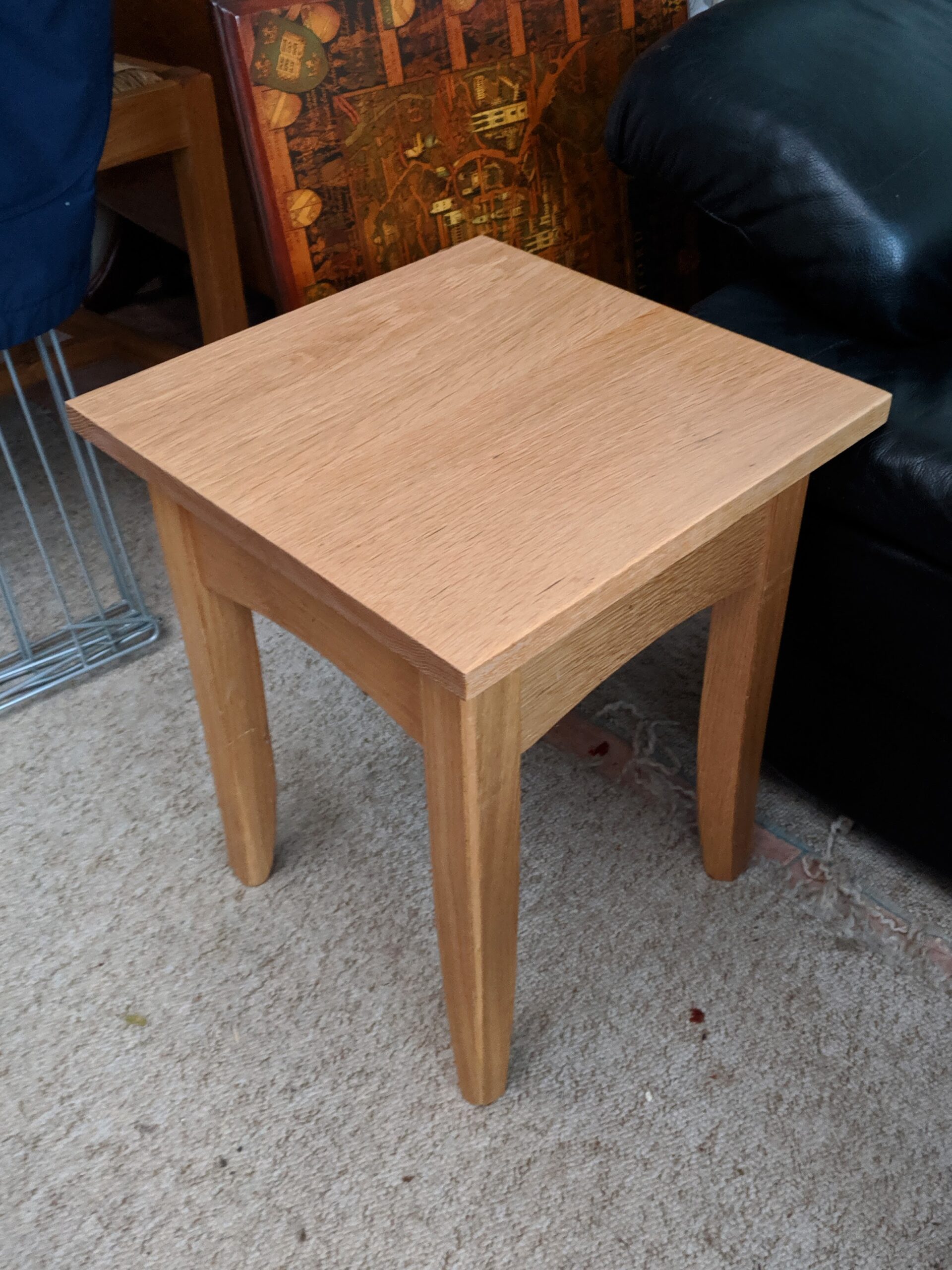
I often read comments after a video or picture that say something like, "Yeah! You only need 55 plus years to get that good!' Referring then to my extensive woodworking career. Or in today's Instagram, "I suppose that’s what 50+ years at the workbench gets you though; practice may not make perfect, but it sure gets you close eh Paul?" Of course, it does not. In my weeklong courses over almost three decades, every student made a dovetailed box with near-perfect dovetails, a wall shelf with six housing dadoes, two through mortise and tenons and two stopped tenons and arched rails, all hand cut of course. The last project was a small chairside table with mortise and tenons, tapered or shaped legs and all from solid oak. In 95% of cases, these were men who never used hand tools beyond chiselling open a paint can. They all succeeded. I say this because anyone who went and chopped twenty mortises following my technique will have half of them come out well and even perfect. `same is true of dovetails. negative comments that seem jokey are often a sign of pure negativity and can even be passive aggression. I have spent 30 years investing my life and work in the lives of those who want hand tool woodworking as part of their lives. It is working!
And don't forget all of the work we have done through the years to provide all of the foundational woodworking for those new to hand tools on our common woodworking site commonwoodworking.com. That is working amazingly too!
Comments ()