
Workbench - Make it!
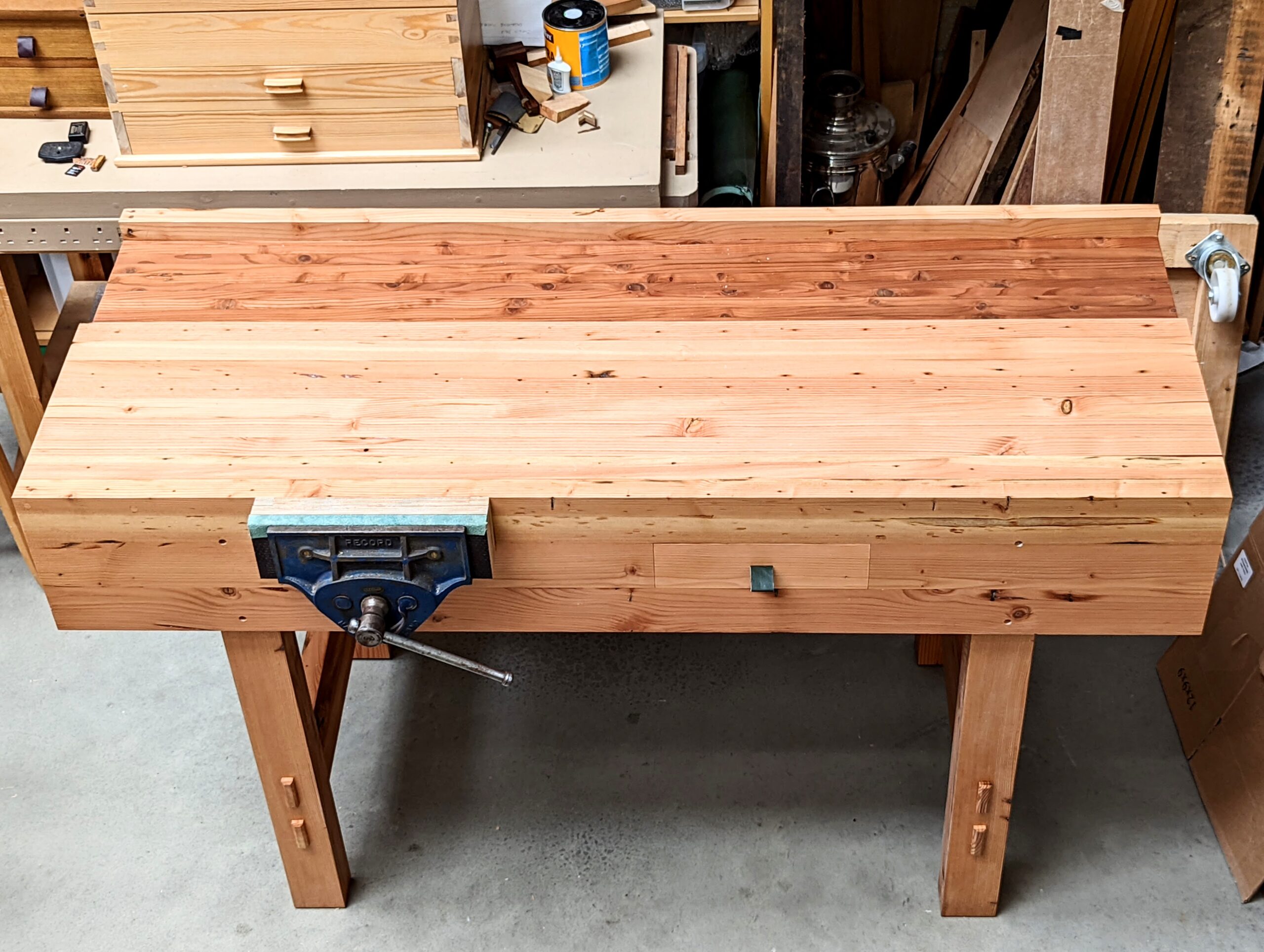
It does seem that those new to woodworking are a little intimidated by the thought of making the workbench they need yet they definitely need it to get started. My workbench is a dead simple workbench to make. I designed it in the face of the massive behemoths woodworkers in lofty realms seem ever-wont to make. Mostly this expresses little more than pride and also puts the first bench out of the reach of new woodworkers. Two woodworking schools I know of here in the `UK installed massive workbenches into their schools and left no room to move around them. It was silly and came from inexperienced woodworking teachers who for some reason completely misunderstood the reasoning around workbenches. Truth is, you don't need much, you never need to make a hounds-tooth dovetail to make one, you DO NOT need hardwood to make a lifetime workbench, and what does it matter if the tenons are a bit gappy and so too the shoulder lines. Even a poorly made workbench will build your confidence, give you a place to work at and better still, you will have made it. You will be building your skills from the get-go and almost everything is fixable and it doesn't need to be there and then.
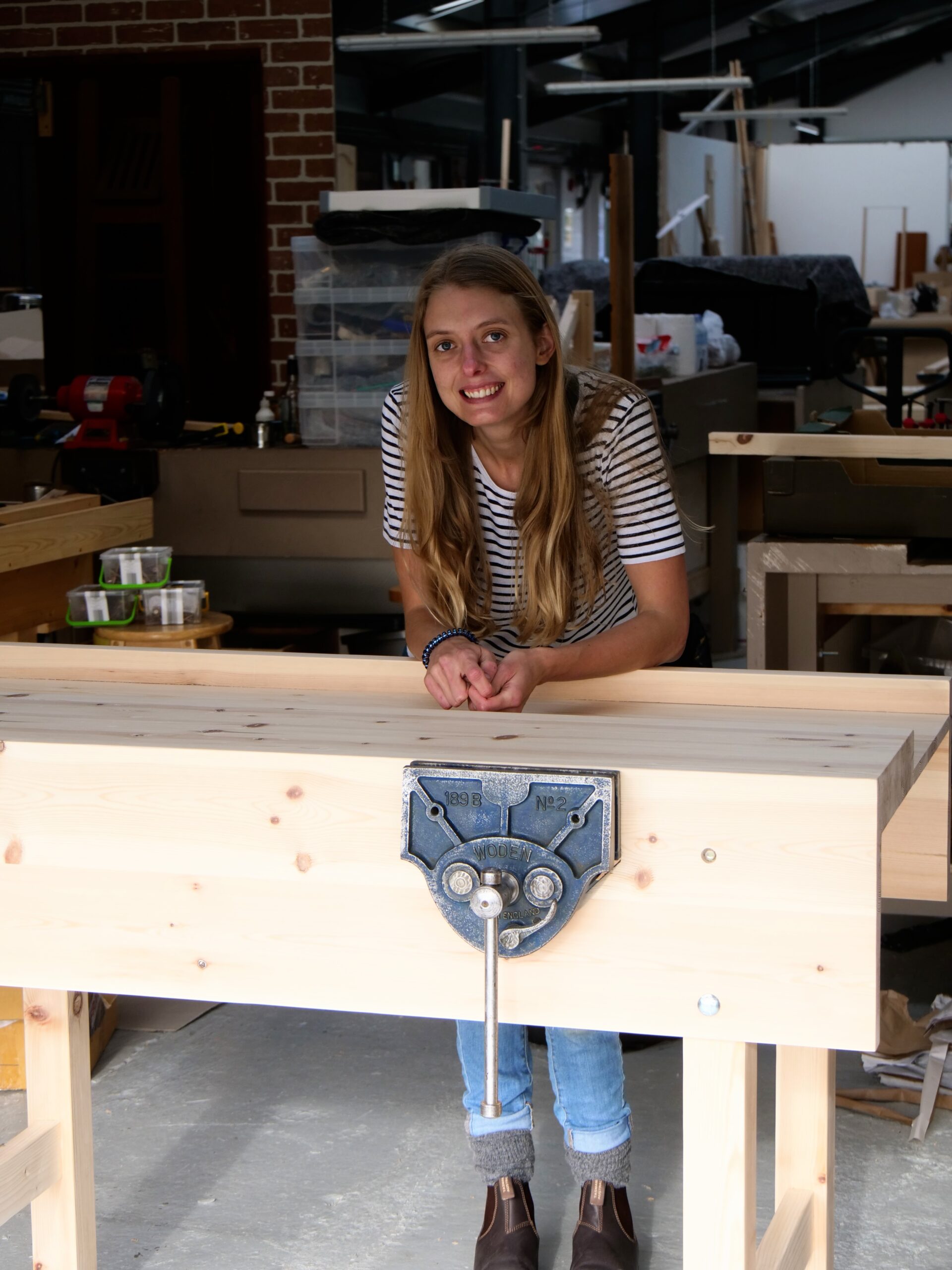
Texts and emails come in and it is obvious that it's more the size of the project that puts people off. I have worked from a two-foot by five-foot workbench for decades. When I made lots of window frames and doorframes I needed I wide and long bench. 3' by 8' long in fact. It took up too much room. I refined my needs and today my benches are all between 5-6' long, always about 2-foot deep and never higher or lower than 38" tall. Never ever go for a low bench unless you are particularly short. The rubbish of needing to bare down from overhead on the work to plane and saw is indeed not true at all. 6,500 students worked at my benches through thirty years and no one ever said the bench was too high or too low.
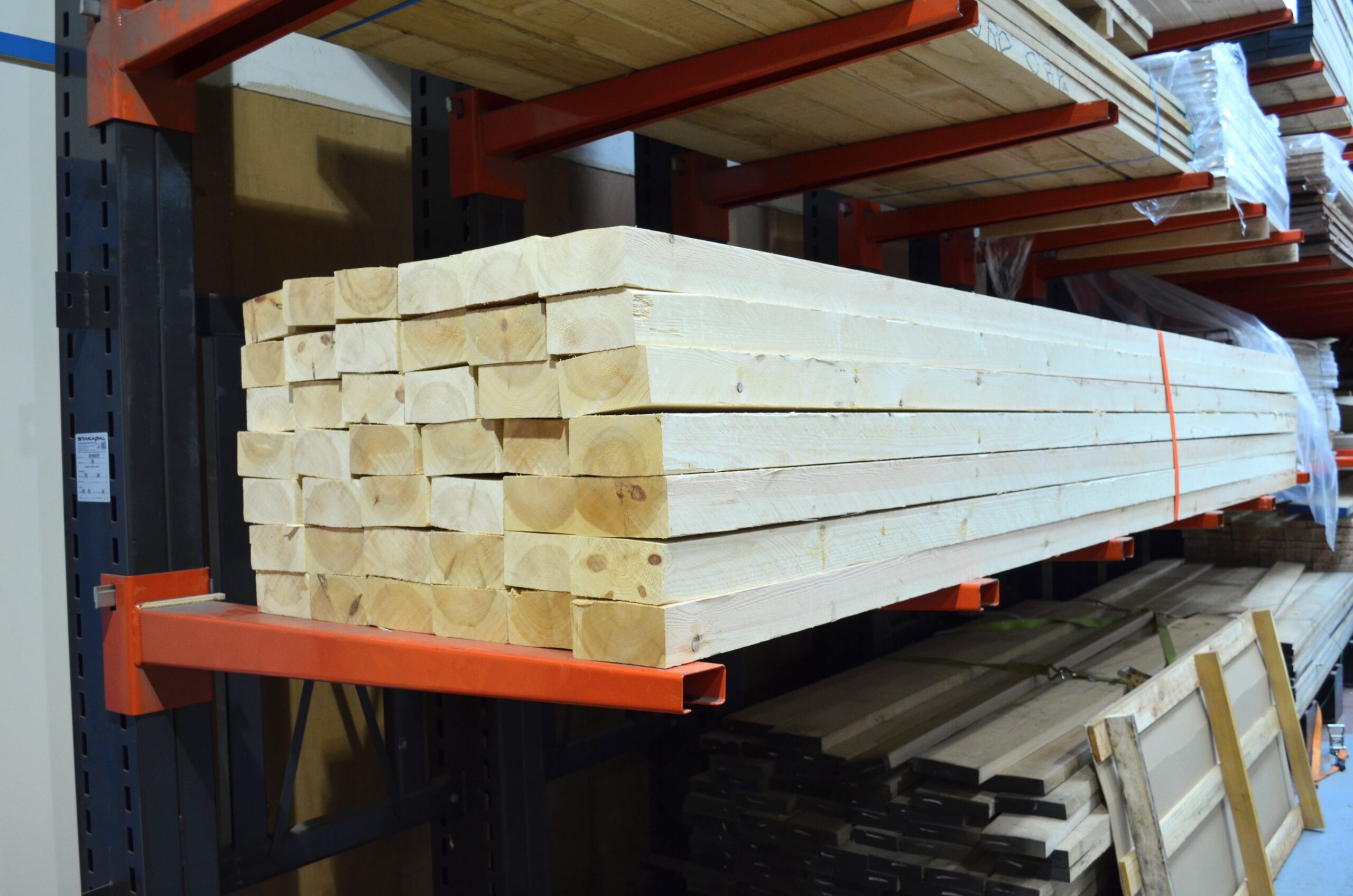
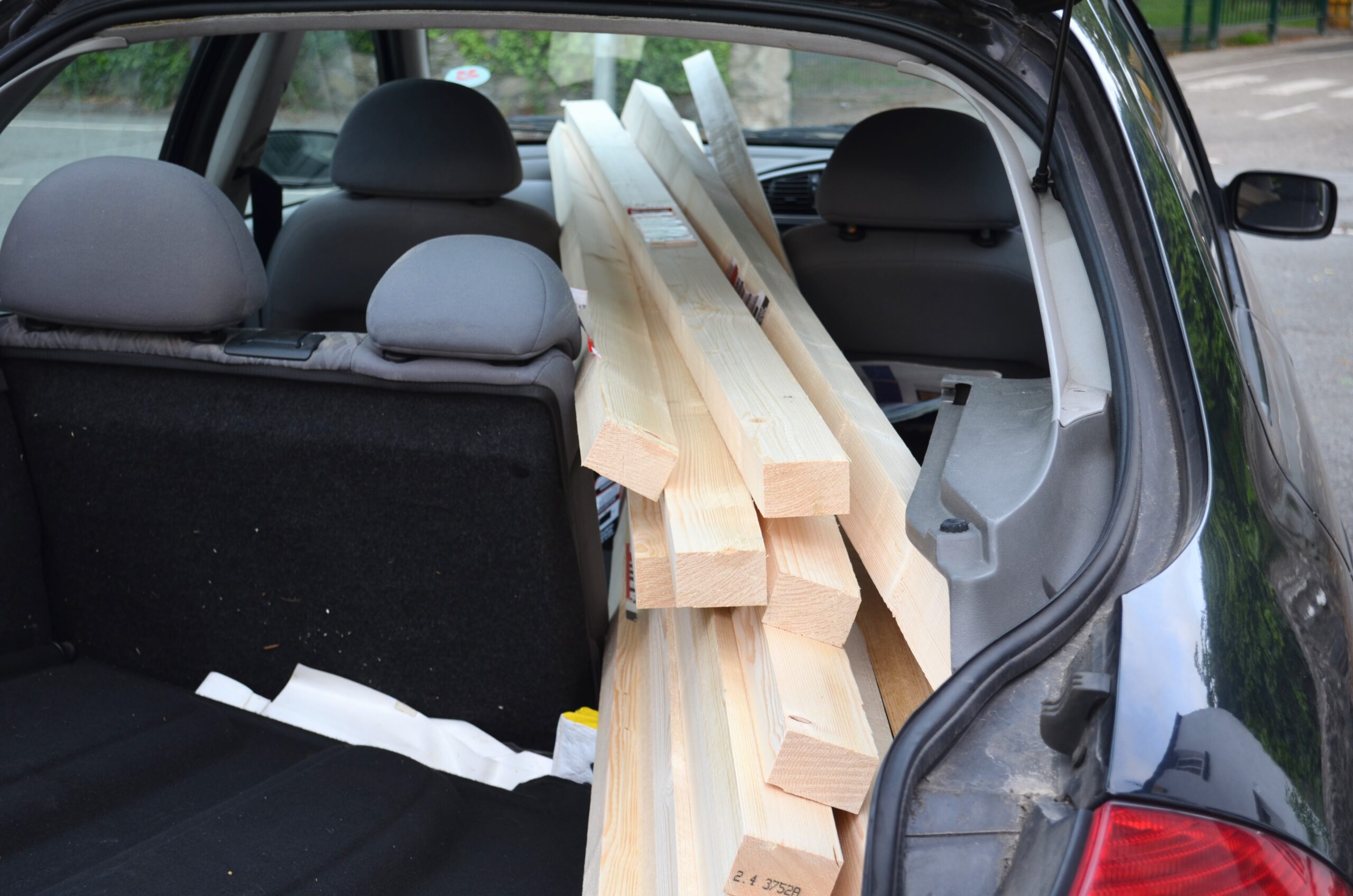
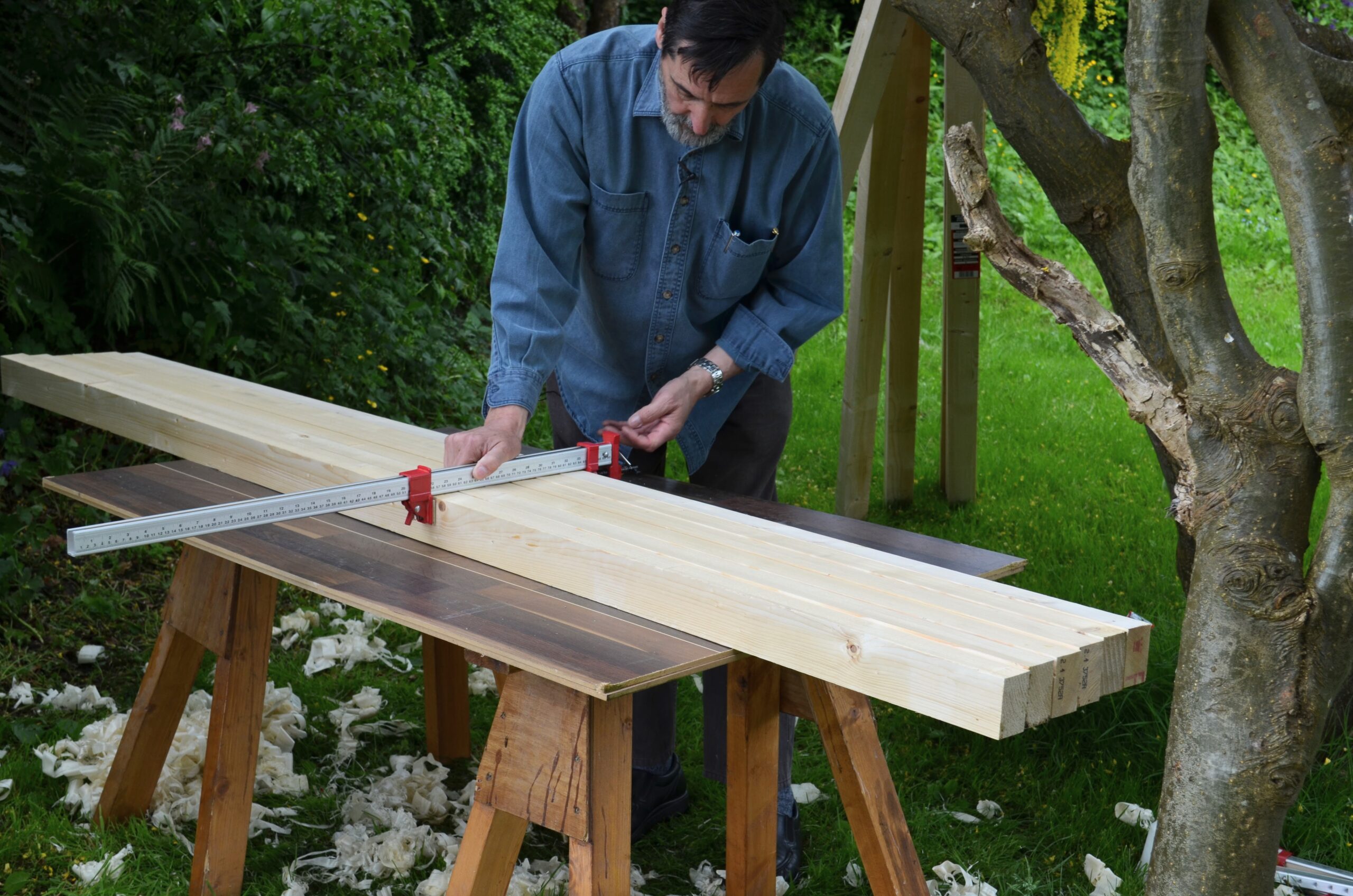
So, wood from the lumber store (US term) or from the builder's timber merchants, building supply is graded differently. It will be kiln-dried but it's not likely to be low moisture content so expect or plan for considerable shrinkage. I still work from a workbench that is now 13 years old and it shows no signs of any deterioration at all. It's a wide-topped bench which I will never build or work from again. A complete waste of space with no place to keep tools out of the way. A bench with a well is worth two or three of a wide topped bench. Best thing to do is to stack studs on end against a wall with free airspace around them for a few days. Studs will dry down remarkably quickly. You can make the top as thick as you like but you really don't need anything thicker than 60mm (2 3/8"). If you can only get US stud size 90mm (3 1/2") and don't want to rip just use that width. It will work fine. Legs and rails as per my original design should come easily enough. You do not need to plane wood dead true, just take a whisker off the face to create a good glueing surface. Studs are often rammed through the machines leaving uneven surfaces that don't mate too well, or they have been saturated stacked out in rain for days and then dry unevenly. A surface skimming creates a good surface and clamping will take out curves and such and the glue will indeed hold forever.
No as for joinery - we woodworkers think a workbench needs to be like a piece of beautiful furniture. Why, oh why do we think like that? It doesn't at all. Is it because we are trying to prove something, be accepted by our peers, or be seen to be something special? We're ordinary, friends! Plain people. We can live without being and admired and we can enjoy woodworking admirably well with a rougher-than-normal workbench. Of course, it's not likely to be a rougher-than-normal workbench by the time we have actually done it. Basically, you have twelve basic joints to make. If you make eight quite simple mortise and tenon joints that are somewhat loose they will work perfectly well. The housing dadoes for the aprons don't even need to be tight and if you wanted to dispense with them and just glue and screw the aprons on that would work fine. From there on you only have laminations left. ``the well board does not have to be grooved if you don't want to so you see you shouldn't be intimidated at all.
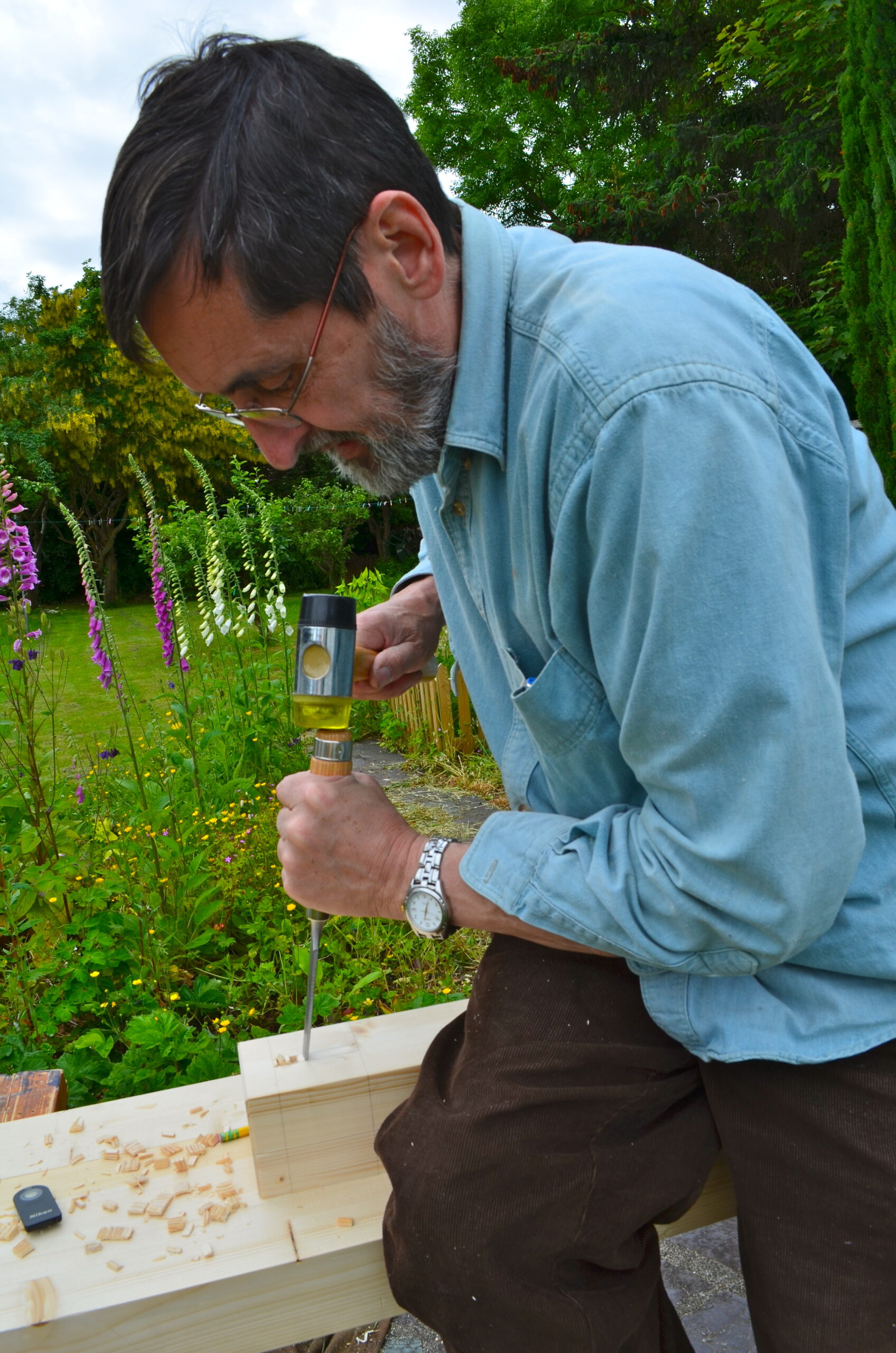
Now the tools are pretty minimalist too. a panel saw, a tenon saw, a bench plane, chisels, combination gauge, square, knife and a poor man's router plane takes care of everything. Now go for it. Get making. One frame and then a second. See this as your training project. In a couple of years, you can make another if indeed you feel the need to. You make a bench for yourself for you to work from, nor for friends to admire or to validate you in some way. Just enjoy!
I think it was right before Roger Bannister ran the first four-minute mile. The wind socks showed the wind to be against him when he was about to run. His quote? And I paraphrase, "If the British wait for good weather to do anything, they will never achieve anything!"
Comments ()