
Marking Gauges
I've written about marking gauges from time to time. It's a general term, marking gauge, and includes the various mortise gauges, combination gauges and the marking gauge singular with its lone pin. Through the years the single pin has generally been called the marking gauge and twin-pinned gauges with one fixed pin and the other adjustable partner nearby being referred to as the mortise gauge. These two names identify the two gauge types perfectly. The third marking gauge is referred to as the combination gauge because adding the third pin to the opposite side means you can own just one gauge and lower your initial outlay starting out. It was a great idea and you wonder why it took a hundred years to develop it. Or do you? Why shoot yourself in the foot when you can sell two gauges instead of just one?
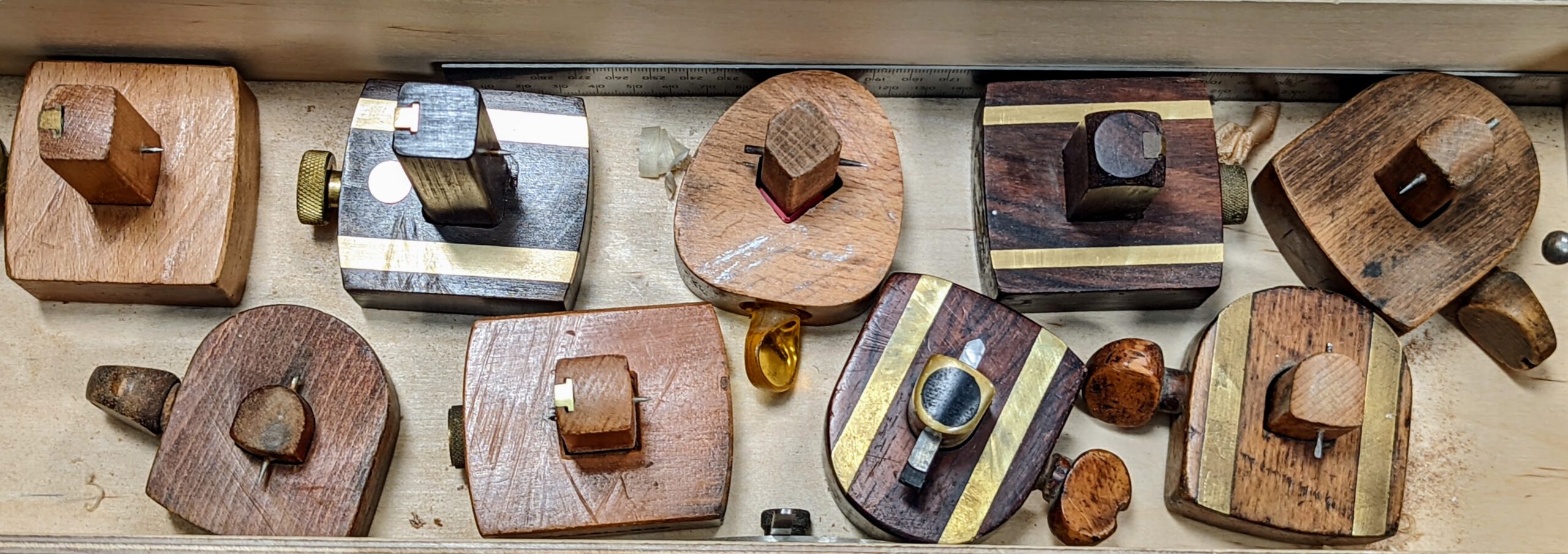
I am sure today that I most likely own 50 different gauges. I have favourites and I have written on modern makers manufacturing them even to quite high standards. One or two Asian makers sell them under the banner Vintage Combination Gauge when they've been made brand new a month or so ago. Should you buy new or vintage? And then there are UK suppliers importing the same or similar gauges from Asia and selling them with insufficient information as to country of origin, calling into question the honesty of such outlets. In Britain's recent history the country of origin had to be stated clearly on the package. Not so today. I have bought both new and old through the years, domestic versions and, well, imports. They all work just fine. Why 50 gauges? For my classes. 16 students, three gauges per bench space. Not greedy really!
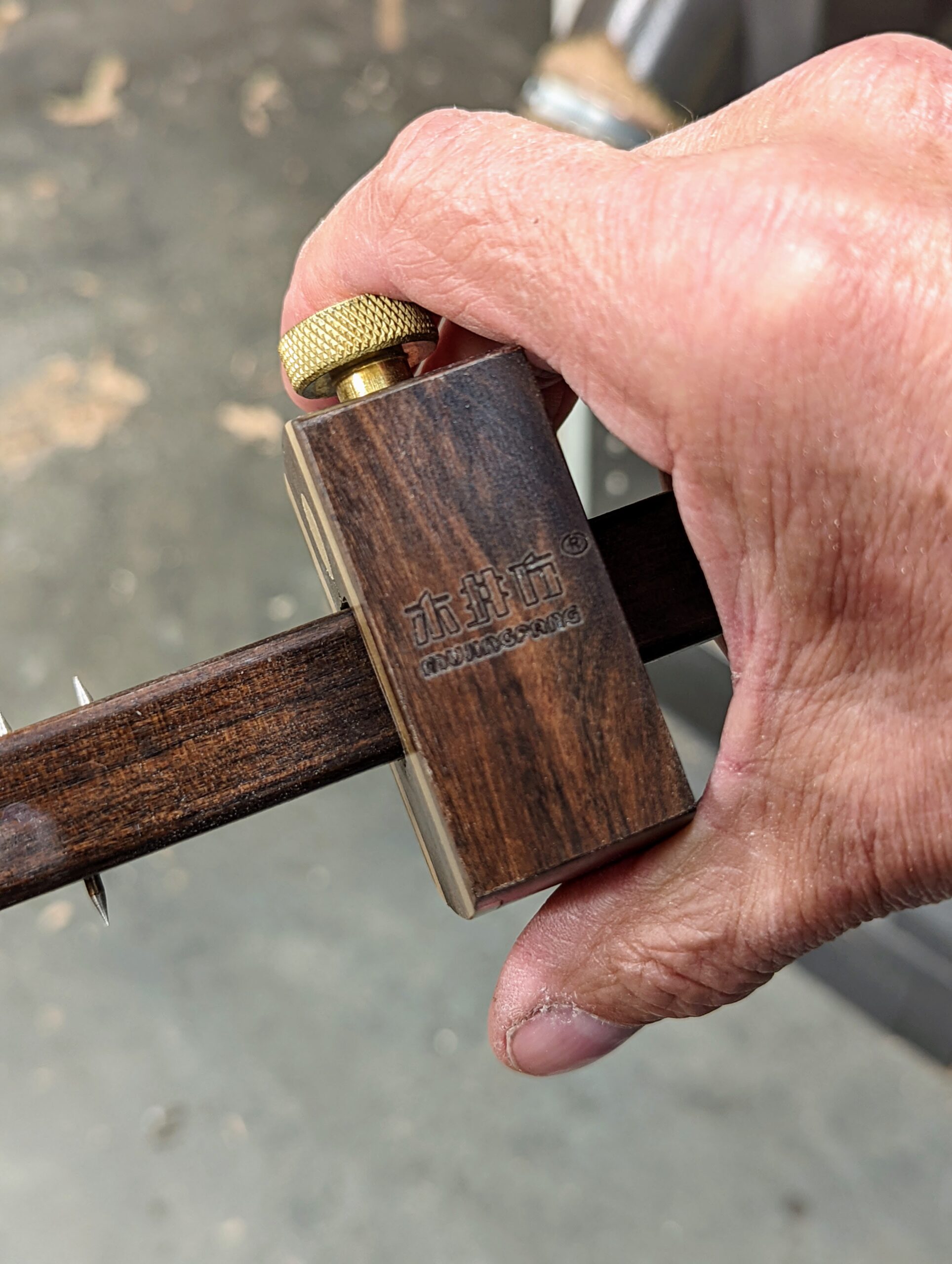
Modern imports, new ones, always feel too angular and sharp-cornered for me. They need finessing to feel right in the hand, but that, to we woodworkers, is but a few minutes with a plane, a file and some 250-grit sandpaper. Once done it will feel as good as an old and well-used one. But this will not cost you less than buying a genuine vintage version anymore. Inflation is catching up on everyone it seems. What did cost £20 a month or two ago will likely cost you £30-35 with or without free shipping today. I must also say that something else has changed. A year ago I would have seen a hundred vintage combination gauges for sale on eBay, all between £10-14. Not so today. More like only a dozen worth looking at. I doubt that this will change in the future. Perhaps that is why the imported versions have gained in price -- demand.
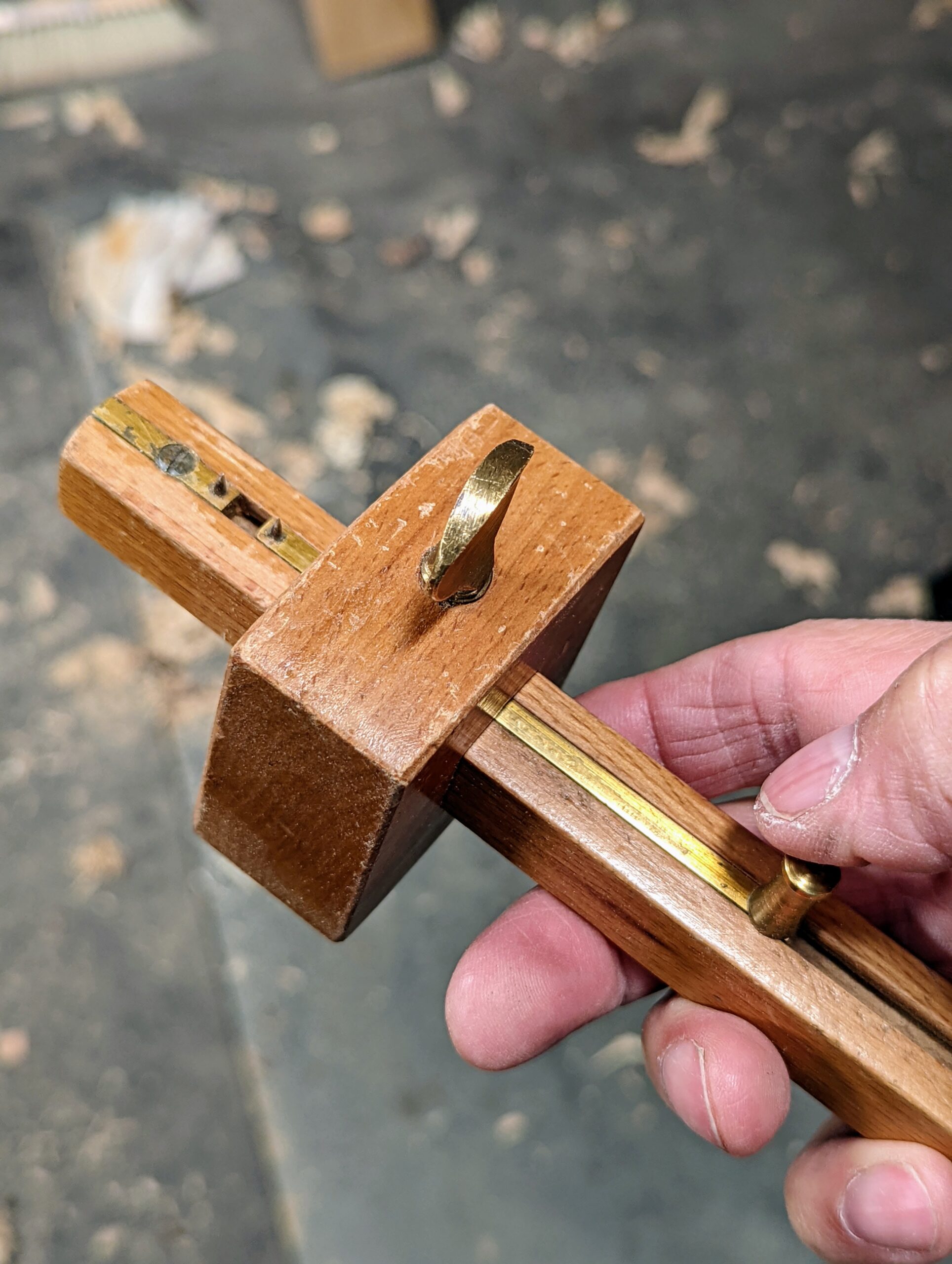
Considering this, I wanted to suggest the number of gauges you might look to own. In my projects, I seem to have projects that need a permanent setting to a couple of gauges where possible throughout a project -- one setting might be essential for the mortise holes and another for the tenons. Tables very often have different distances from the outer faces. So too on some doors for whatever reason, not always but often enough. Another gauge setting delineates the thickness of stock you need to plane down to or saw to. Then there are the hinge recesses, flap width and depth, two different settings so two gauges, ideally. Of course, you can change settings and reset them for repeat markings later or elsewhere. As I said, ideally, keeping a gauge set throughout a project is always the best option.
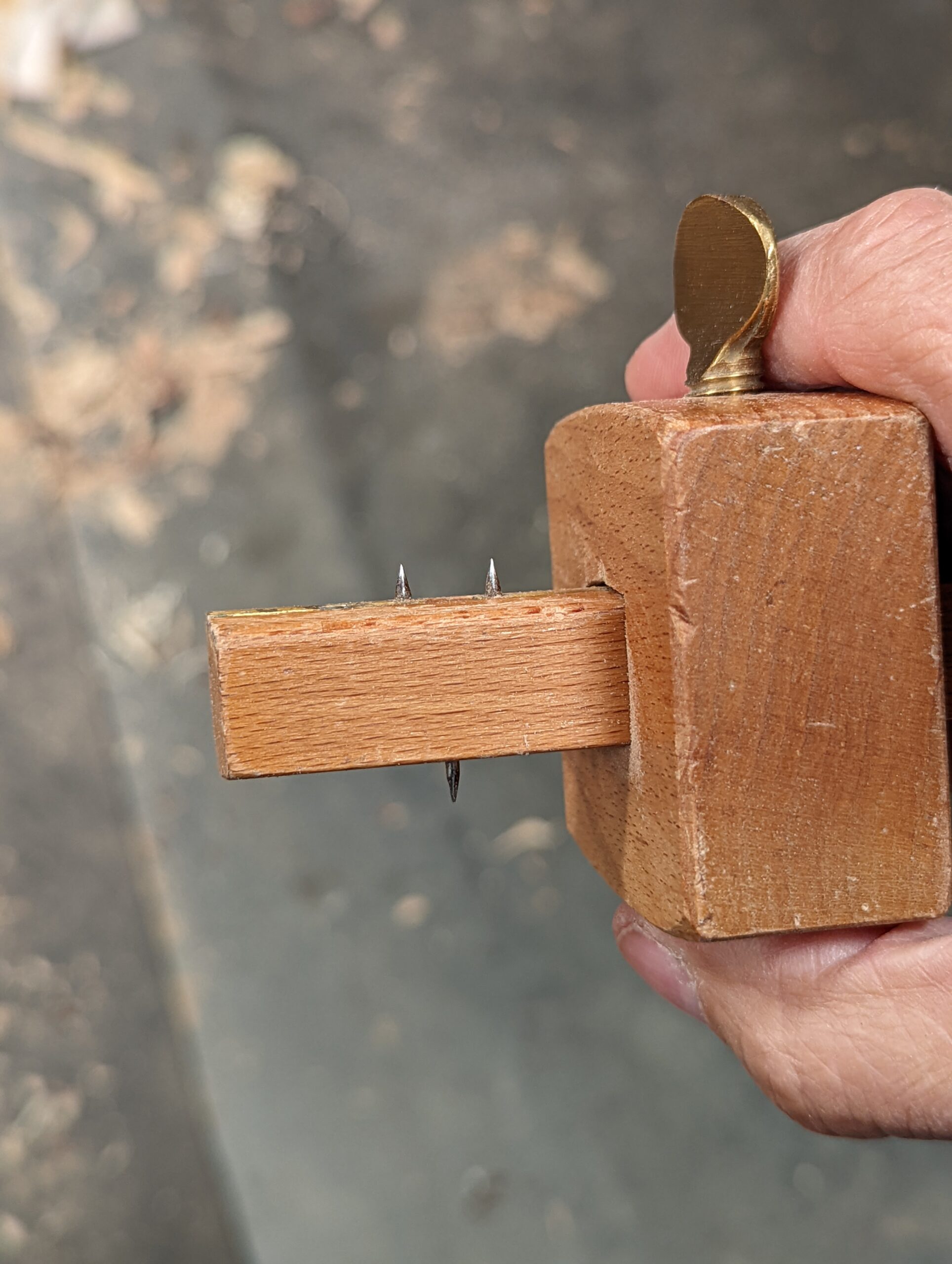
Which gauges you buy is up to you. The combination gauge is an uncompromising one-size-fits-all gauge. That said, most makers past and present avoided the nicer oval shape that fits the hand so pleasingly. The best more modern marking gauge was the Stanley 5061, a UK-made version that I have written of here. They no longer make them but they come up now and again on eBay. Here are a couple of blogs on how to convert an existing gauge to a 5061 type: https://paulsellers.com/2011/10/make-your-own-5061-style-gauge/
https://paulsellers.com/2011/10/make-your-own-1061-gauge-2/
I posted a video on YouTube here during the main lockdown UK when I made a few of my own videos because of isolation. The gauges were simple to make and perfectly functional and can be made from just about any scrap hardwoods you have in your waste bin. I was surprised by how popular the video was, 2.6m views to date.
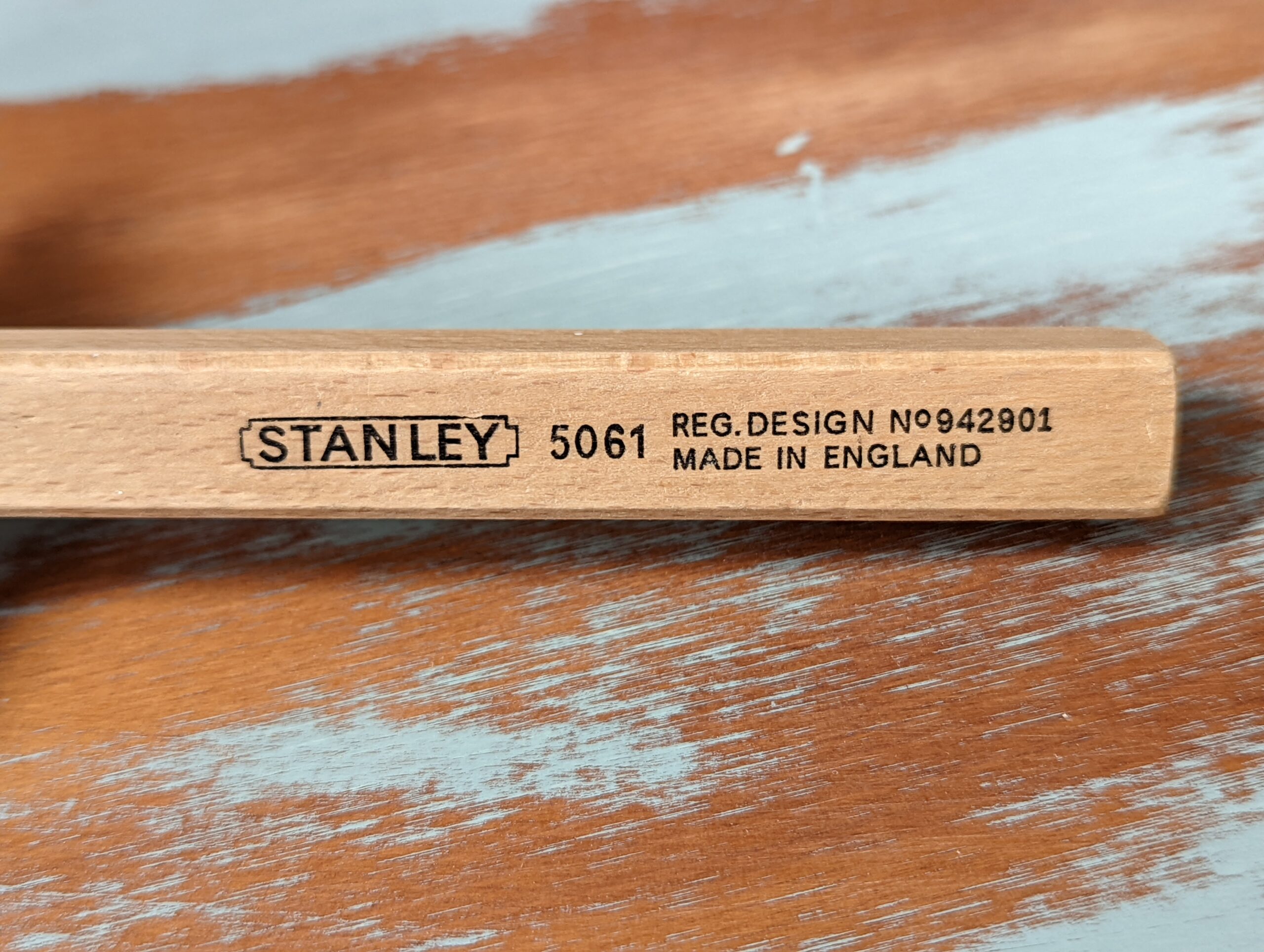
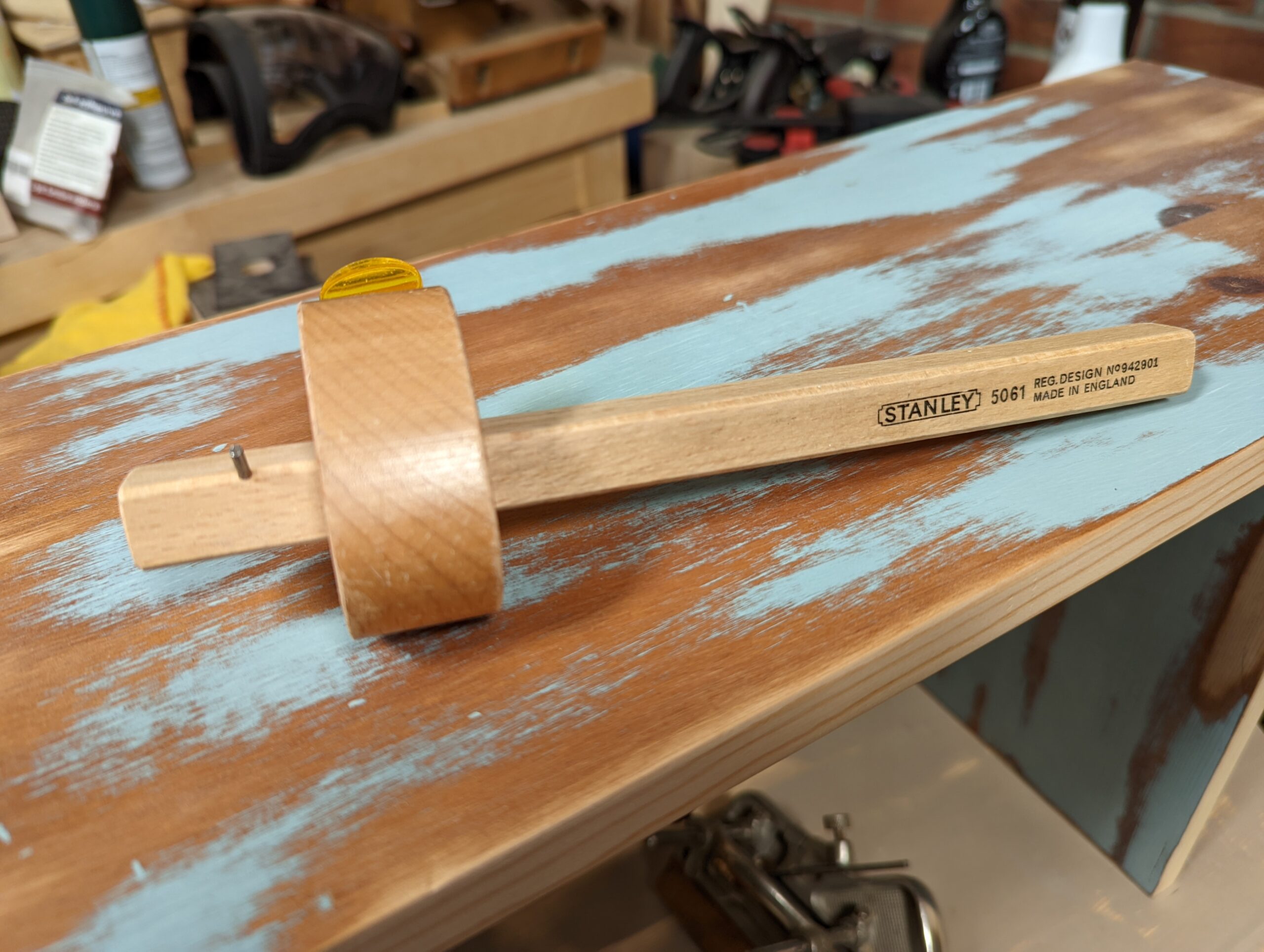
As you can see, Stanley put some effort into their #5061 marking gauge. It suits the handhold perfectly, left or right.
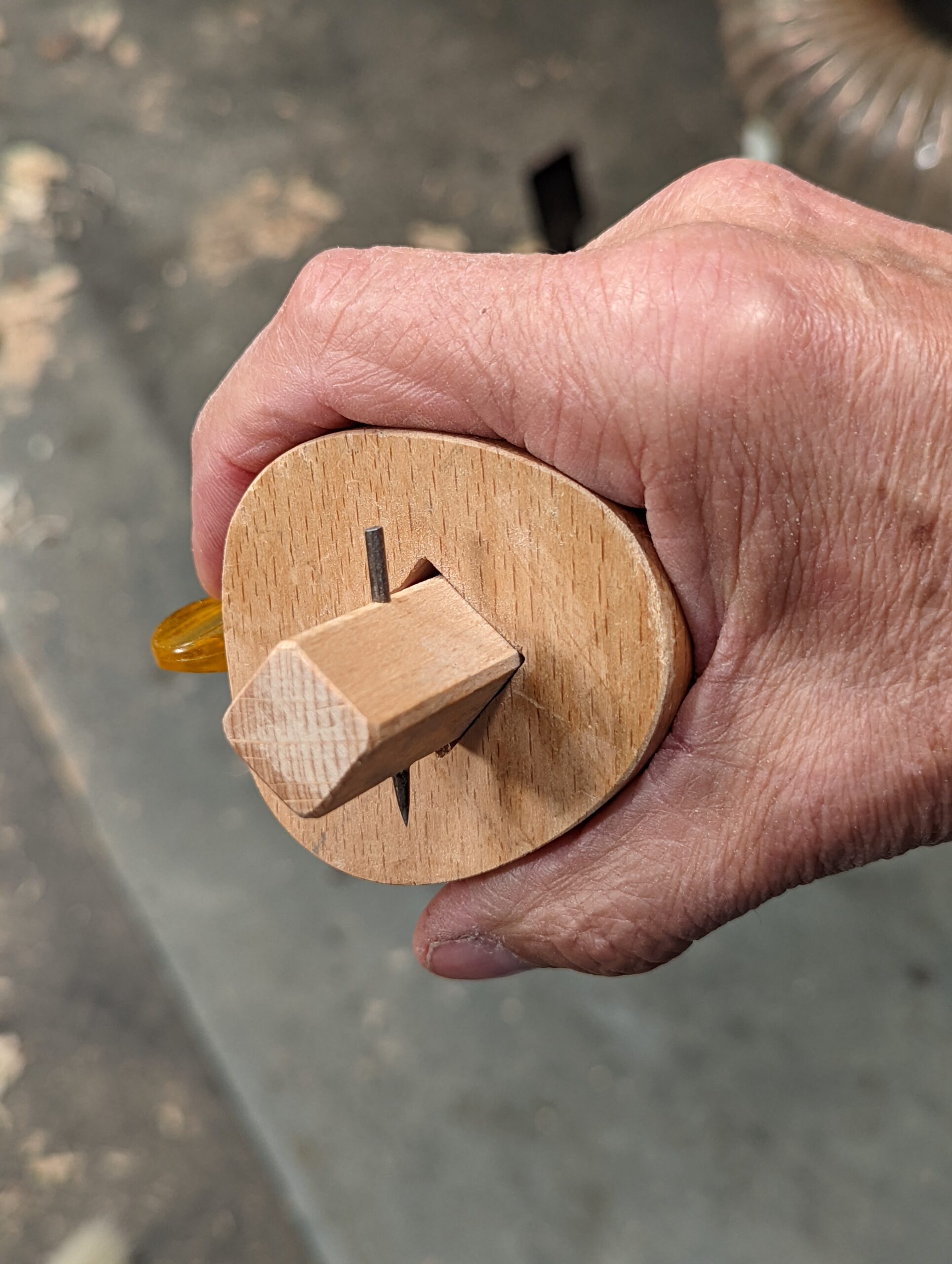
But the gauge offers much more than a good fit. The pin is always in the most visible position and the trailing of the pin when marking means that the gauge faces the very least resistance.
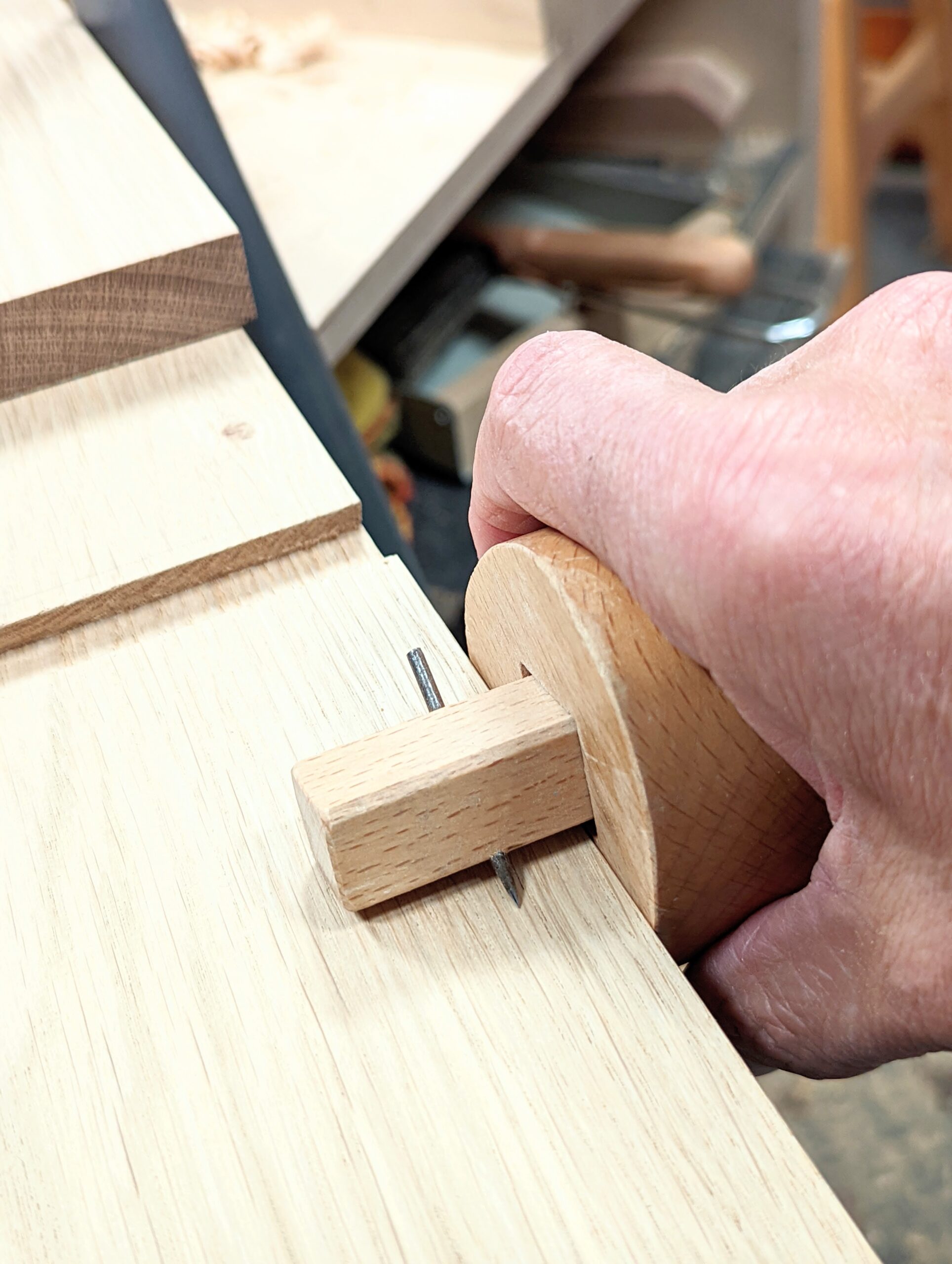
It is the easiest of woodworking tasks to reshape lesser gauges to fit the hand as with the Stanley version. In one of the blog posts above, I show how the remove the pin and reinsert it from corner to corner as with the 5061. Even if you choose not to reshape the stock of the gauge, changing the pin position is a great improvement anyway.
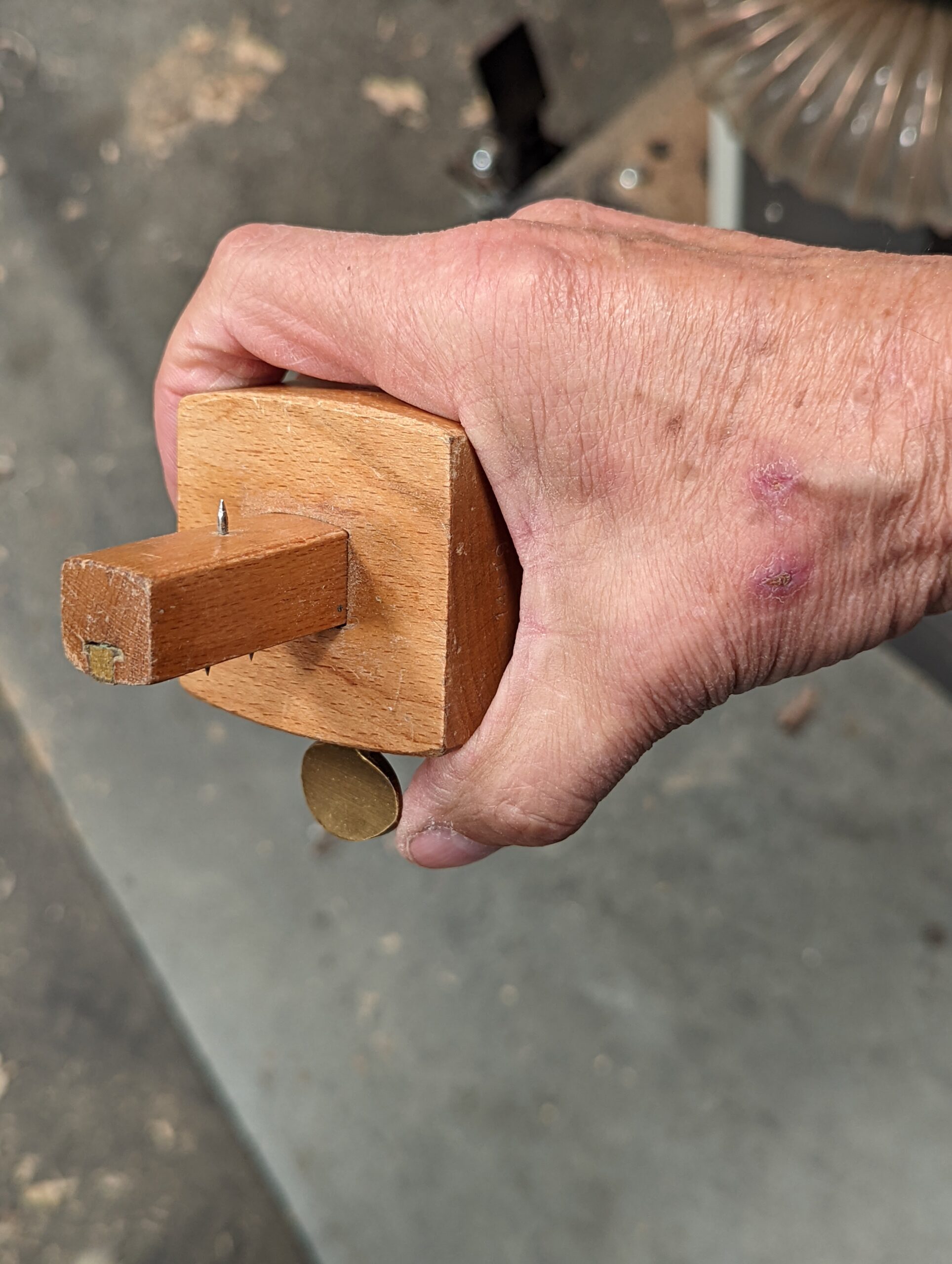
Even though the hand can adapt to the more square profile of the blocky combination gauge, it is still left lacking when it comes to comfort. thankfully we use it for just a few minutes in a given day.
Comments ()