
Rethink Part I
I often wonder where reinventing your life came from but I do get that sometimes, maybe often, we have to walk away from a past, past concepts and look to a future we might not be able to wholly predict. There is a singular anchor in my life that still holds firm after almost 60 years. It came when I chose woodworking and to become a furniture maker. It became an obvious extension then to develop my design ability in all that I made and then, by necessity, to include designing and repurposing my life. But that early decision was but clay on the wheel. Giving shape and substance to my life as a maker evolved over many years. It took some rethinking, a turn or two and a u-turn and then taking the risks to make new happen in terms of direction. I don't know that anyone is asking for advice but I feel I should say some things that might help others.
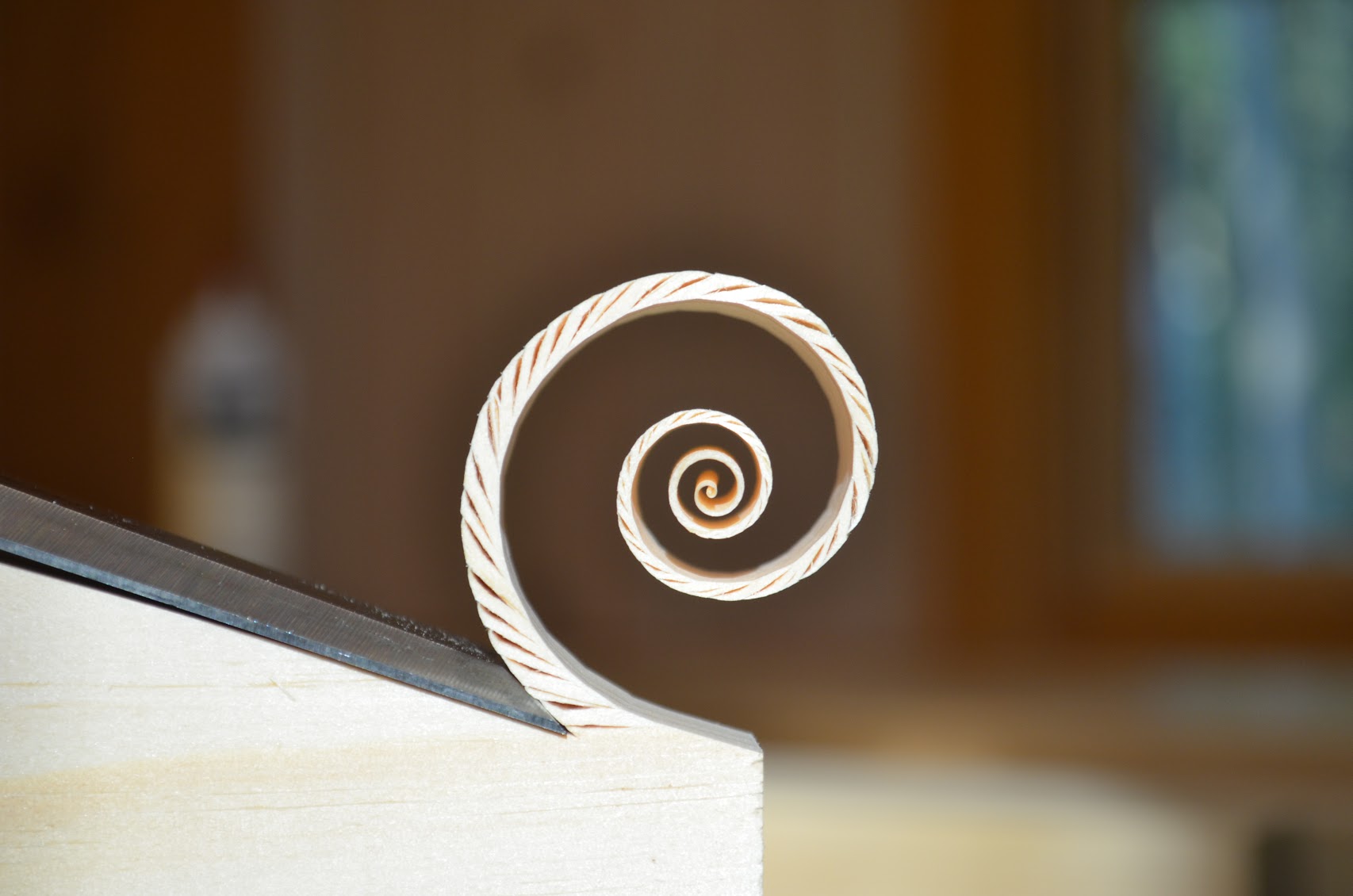
Often we proceed along a path in hopes that we've done the right thing only to find we need critical thinking to get through the maze of what went wrong. Sometimes we caused the issue by a faltering step, a misguided influence or something like that, but often it comes as a result of unknown others. There have been times in my work where I have faced an element that seemed so very impossible to me. The cut could never be made: it would be impossible. The grain ran the wrong way and to place the chisel the one way I could would split the wood awry or tear out the grain in an irreparable way. So I take my chisel to the sharpening stones, hone the bevel to the lowest possible angle and polish it to 15,000-grit so I can see my face curving in the macro-camber of it. I lower the chisel to the wood, feel for the exact angle and gently engage the cutting edge to the merest fraction of penetration. Though no deeper than the smallest fraction of an inch, and with a pressure equally matched, I feel for direction, effort and energy and the impossible happens by the performance of many minute acts. So it is in rethinking the impossible in our lives and especially is this so when we are secure in taking one direction when something seemingly impossible tugs at us to take another.
As parents, we always want what is best for our children. I have yet to meet any parent who did not want the very best of good for their sons and daughters as they grow them through their childhood to become independent adults. Does that mean that we always know and do what's best for our children? In general, I might say, 'Yes!' but I know we don't always get it dead right. The problem is that on the journey, the decisions we might make might also be a one-shot opportunity that's date sensitive and irreversible. We do, however, want them to, 'Get a good job.' and to 'Be happy!' And we can indeed be quite impressive in expressing what we want in our interpretation of how that looks. We can also influence to get what we want for them rather than get them to actually achieve what they want. This is especially difficult for them because they are so very loyal to us. Somehow, I am sad to say that all too often that translates into this and that exam, qualifying for a university entrance, gaining a top-notch degree and getting that so-called good and secure (mostly money-making) job by which success is so often measured. However, at many venues whilst touring the USA and addressing audiences of around 200 (almost always mostly men) between 2005 and 2012, after I asked how many of them would actually pursue the same degree course they went through, a mere 5% of hands went up. When I asked the same group how many actually used their degree and what they had learned through their degrees, 95% answered "No!" After asking them if they were doing the job they actually wanted to do that hands up for yes was a mere handful too. But I am not exactly sure that in today's world there is much of an alternative choice in that most job applications rely on a university degree as a filtering process to determine whether indeed someone might be employable somewhere in commerce of one kind or another. This sad but significant turn of events further supports that university degree qualifications trump technical college diplomas ten to one when in my world neither of them tell me very much at all about the character of someone I need to work with me. Of course, technical colleges of old simply kept the same content but with a different name that added university and degree into the title and product. I ask myself time and time again whether a degree does very much to qualify anyone in any field of creativity if most teachers and lecturers never worked in any applied field outside of the teaching industry? Of course, the best crafting artisan does not always make the best teacher and the better teacher is not necessarily gifted in making and creativity. I see this almost everywhere these days.
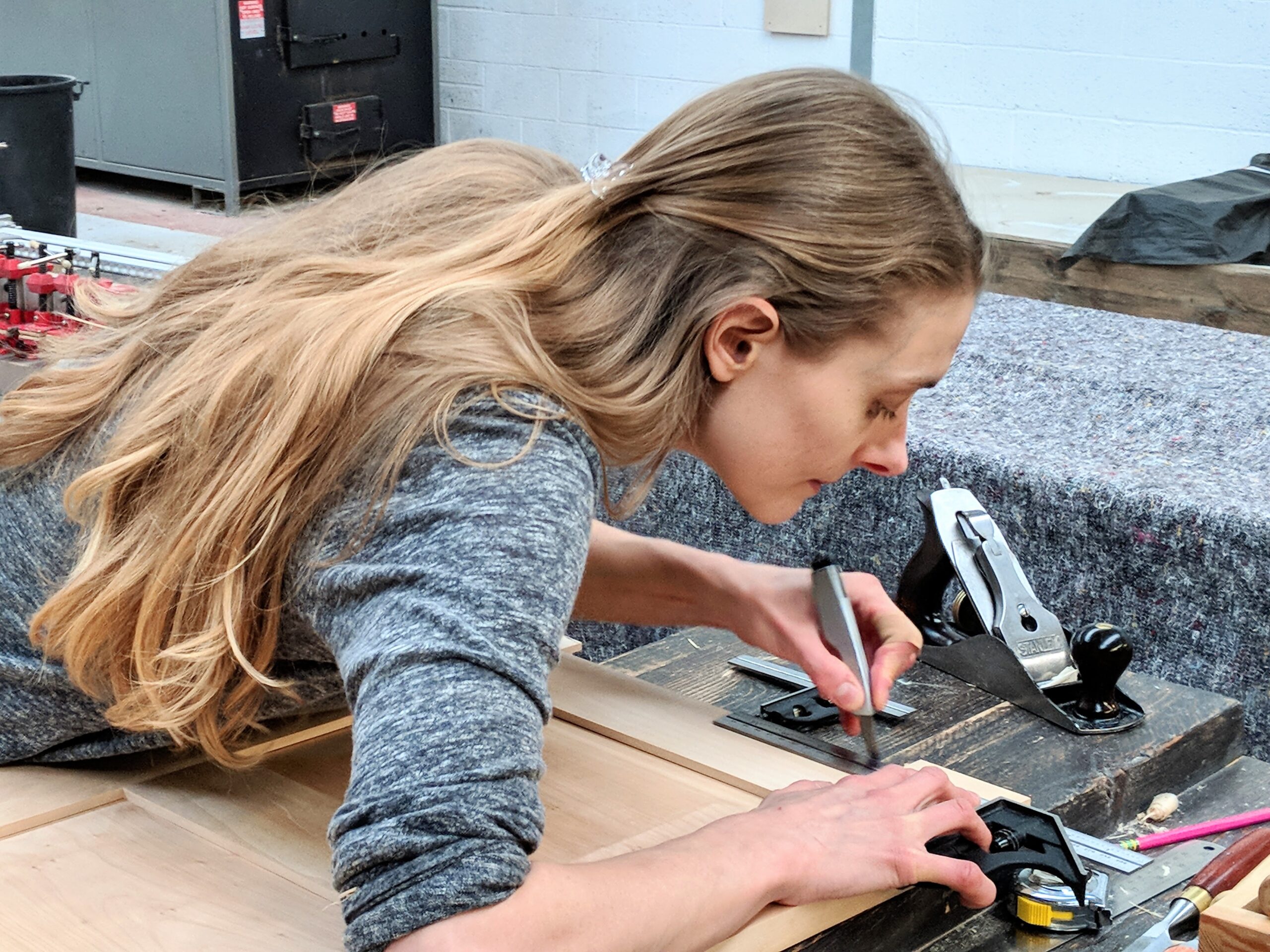
Watching Hannah these past few years, six, in fact, has taught me that what we need in the world of making and creating is an environment that can provide oversight and mentorship with a vision to pass on all that individuals like myself have learned that can be passed on. In my case, it has been providing a working corner of my shop for several young people to be mentored in craft.
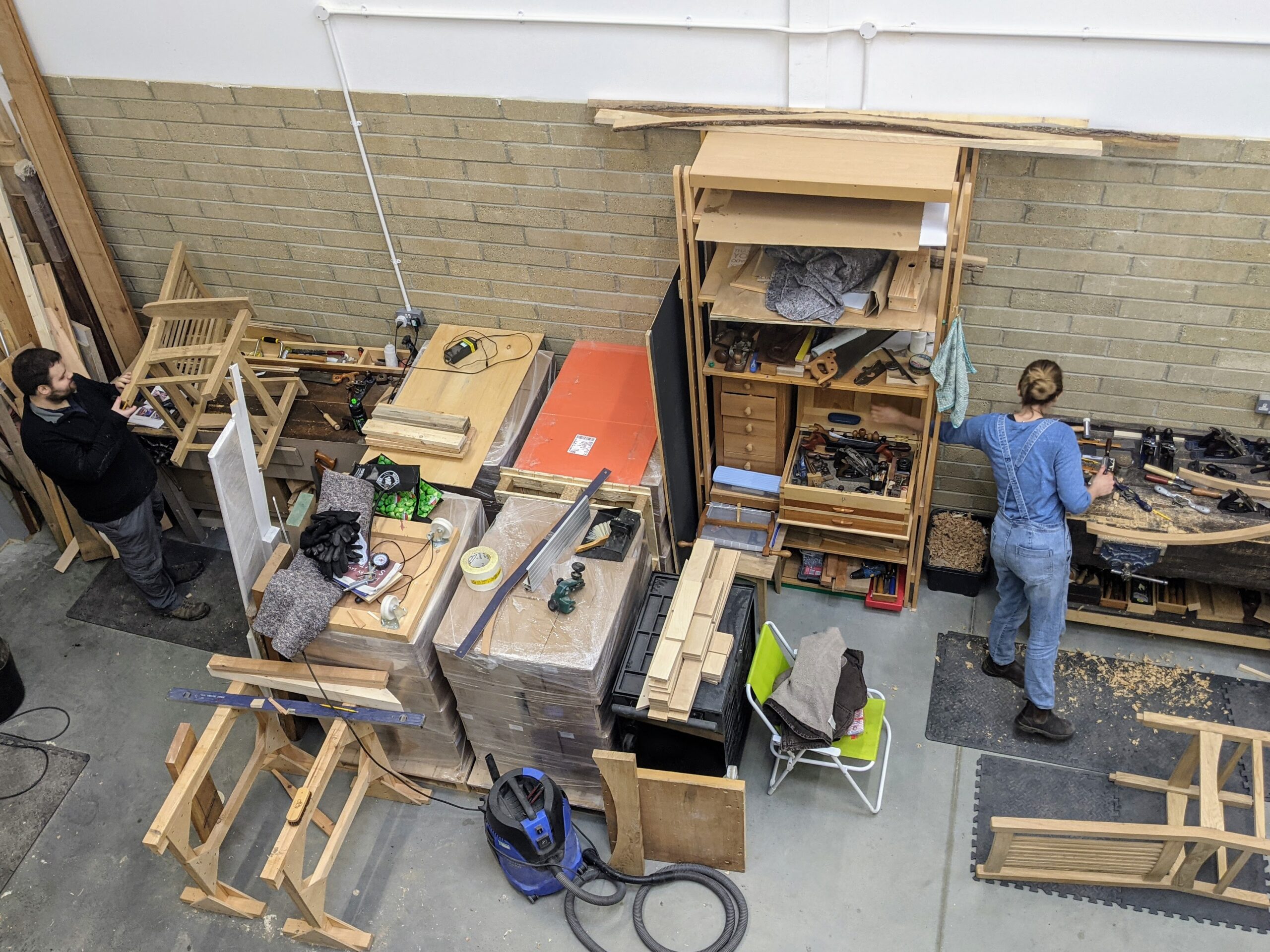
All of those presently working in my workshop and in the past have university degrees yet none of them needed their degrees to be with me and none if any had actually felt any clarity in choice of degree courses. Our paid staff did indeed learn their craft of videography at university and I value that because for them it was a wonderful stepping stone that gave them the grammar of videography. But it is what they learned in the outside afterwards that really gives them the experience and support for exploration into their craft: an environment to learn in and exchange views in, to grow in. It made them the creative people they are today. In what way?
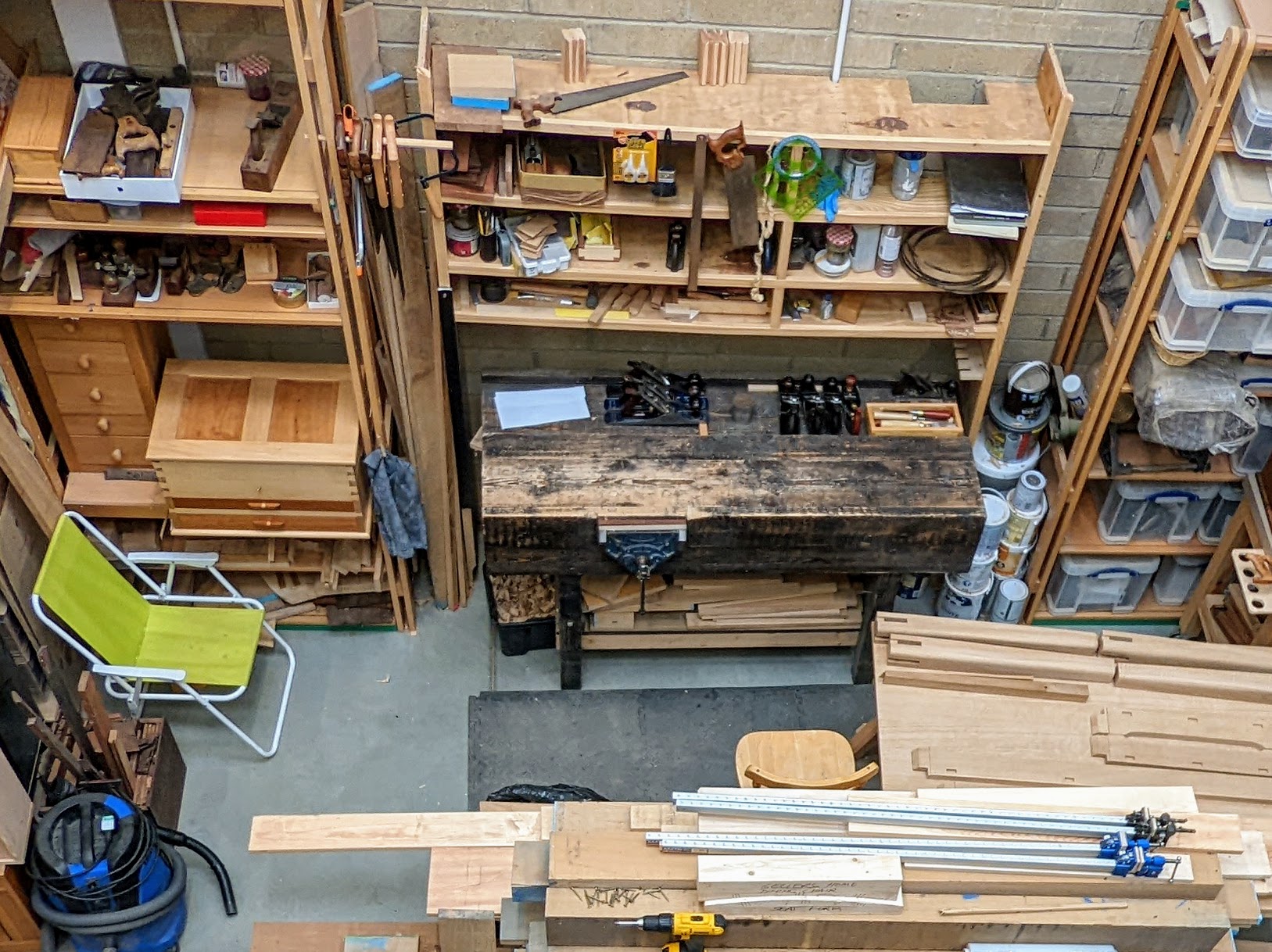
Will is just completing a drone course for our videography for the times when we want to enhance our offering to include outdoor elements of our work. The garage workshop is their studio on the other side of the imaginary brick-wall divide that separates me from them yet is the platform where they can exchange the reality of filming with the world of editing, writing and producing a living work as close as possible. Ask me when I learned the very most about my craft and I will say in the last three years, and before that, it was the previous three years, and before that the previous three years, and so and so forth. You see school was more working with building blocks and then came the real world where the theatre of life takes place outside of the artificial realms creating pretend situations. What do I mean? When being trained as a police officer in training camp artificial scenarios are acted out in scenes of crime, of violence, of accidents and so on. In the heart of hearts of participants each knew when they were there that no one was going to be violently assaulted and that they could indeed control artificial events knowing that in a few minutes life would return to normal. Months later the situations all changed and real thugs tried to kill them or they were pulling a dying person from a car wreck who would not stand up and walk away from anything ever again.
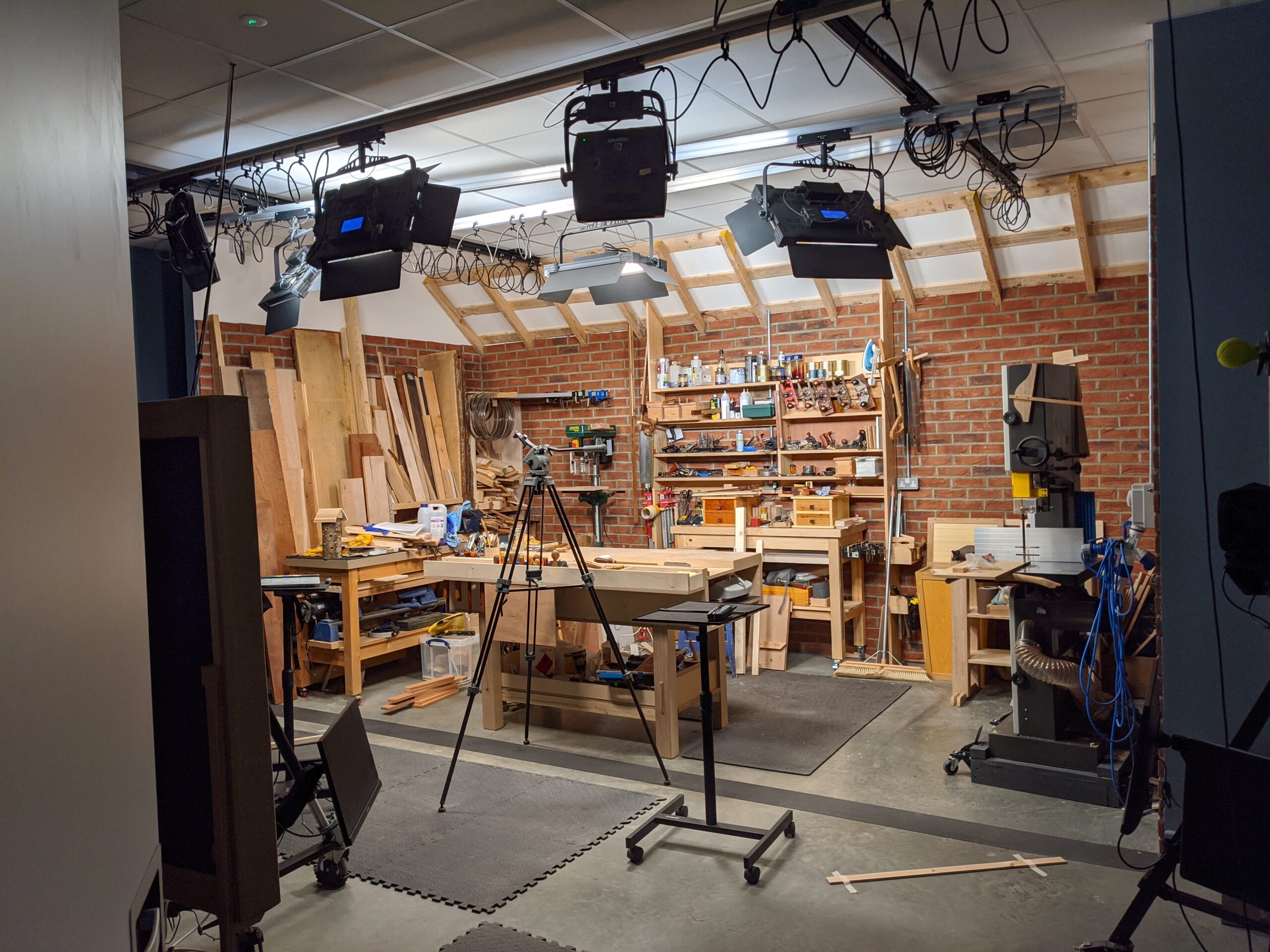
I love that everyone at the workshop strives to be creative in every sphere of working and that goes from bookkeeping to social media, video editing to building furniture, choosing music and much more. My router plane kits are going out most days now and a year ago the idea was only gestating in my mind because I knew that I had to be a solution. Everyone that I work with has the same creative attitude. They strive to be a solution and to be that solution you must Rethink who you are and what you do, will do. Life is mostly about becoming. It's a process. We do better at going through processes if we consciously make decisions along the path that lead to an end goal in the same way we use a map to plot a destination. This means choosing the method of transportation, the direction of travel, the number of stops along the way and things like that. If we can choose what we want to become, the 'A' to be 'B' is mostly logistical. Courses, people, opportunities along the way can open the doors. I enjoy the very thought of successful achievements along the way not the least of which is spending quality time with my children as they learned life alongside me. The pieces I made massively filled me with great joy and that especially includes the ones I have built in the recent years where `i can express myself as a mentor and influencer in my craft. Did I know that this would be included in my life when I answered my calling to become a woodworker and furniture maker? I didn't at all. It simply became a burden to which I could become a solution. My decision to pass on the art of woodworking combined with skilled workmanship was indeed a highly conscious decision. It wasn't just something 'interesting' to do, I felt I was called to do it. A calling begins with a voice, 'vocare', vocation. That voice is an ongoing calling of dedication that leads and directs you in the process of becoming. My calling is the preservation and conservation of the craft I belong to. It has become a culture within which I have influence. The important thing about any culture that we should never forget is that it influences everything that you do. Everything!
Comments ()