
Something New To Think on
I thought I might pass something along, something that explains that might interest you as it does me. It's solid and it's mostly about a solidity we might not consider and think about. I have often suggested that what people, woodworkers and sellers of planes and plane irons, often talk about is plane chatter, how what such people name as plane chatter is rarely if ever the very rare phenomenon of plane chatter but quite simply what I call scudding. Those selling thick plane irons rely on the simple phrase to sell thicker steel plates by often disingenuously stating that their, "thicker plane irons stop the chatter you always get with thin plane irons" or "our thicker plane irons reduce the risk of plane chatter". This not quite truthful practice led to the now common practice of retrofitting planes with thick irons costing two and three times more than the eBay find of a #4 Stanley, thereby negating the bargain price of £20. In reality, the thinner plane irons that came with the plane originally would have worked just fine if only you had the confidence you were gaining stroke on stroke just by continuing to use the plane and discovering your own swings in responding to seeing the scuff marks you made but persevering. As I said, plane-iron chatter is a rare and unique phenomenon, but it's not usually what people think they are getting from their planes. It's extremely hard to get a plane to create chatter intentionally, and guess what? My planes with the standard, original irons have never chattered in my 57 years of using them every single day six days a week 8-10 hours a day! I will say this though, those new to woodworking often end up with iterative lines and uneven bumps on the surface of the wood. Especially is the so at the very beginning of plane strokes and then too at the end of a stroke. This, my friends, is most likely not chatter but what I call scudding.
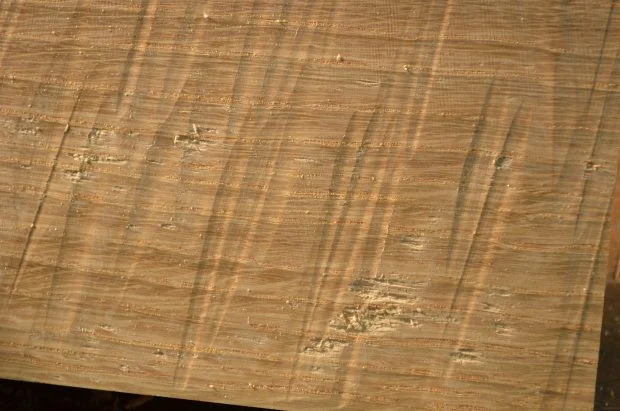
When we are new to woodworking and less confident with bench planes, starting them at exactly the right level and the right point on the wood as we land and start the plane, the plane stroke is awkward. We are unused to this block of cast metal and the location where the blade engages the wood. The short platform of the forepart of the plane's sole is but two inches or so long. We are bound to be out of parallelity as we swipe forward. Such is the cause of the plane negotiating a level through-thrust that causes the plane to skip, hop and jump. We also are unsure about how to apply what pressure commensurate to the task. Other things affect the plane's functionality too, things like the wood itself, the wood type, the grain configuration, grain direction and other conditions affecting our working. All I am saying is that it's not that easy in the beginning and you must persevere, learn to read grain patterns and things that will indeed cause the skud marks that make for disappointment. You will gain mastery by perseverance and not changing the blade for a thicker iron and worse still now the cap iron (chip breaker USA). This weak link between intention and actuality causes us to be less confident and assured that we won't ruin our pieces of wood. But it is this that causes 95% of our plane skipping at the start of a planing stroke, and nothing to do with blade chatter at all.
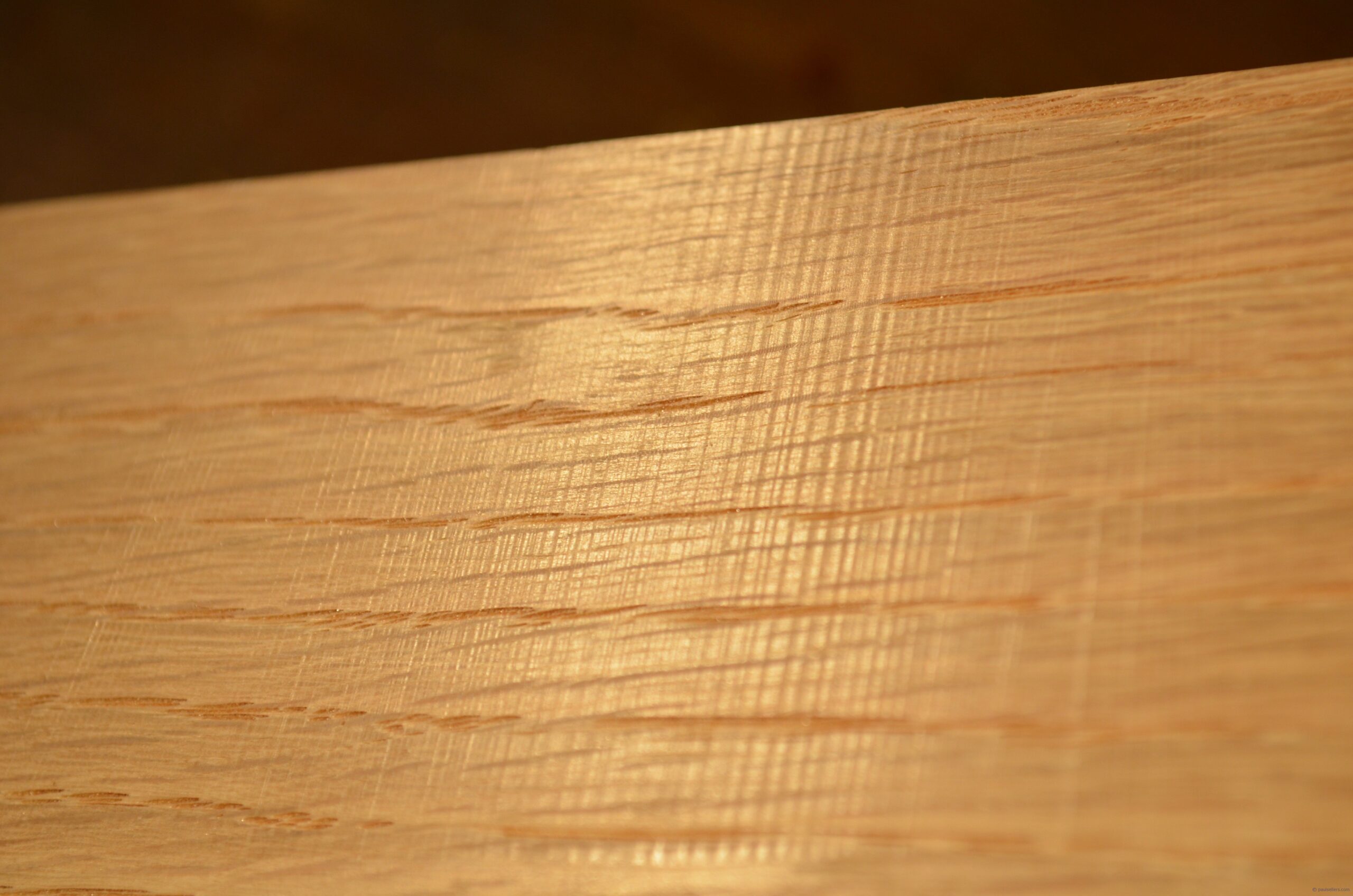
So along comes our premium maker of planes and blades with thicker special steel alloys and suddenly Leonard Bailey (who was indeed the finest inventor and developer of hand planes ever, anywhere) is seen as not to have thought things through. Well, that was far from true. He perfected his plane thoroughly through and through in every way. I have yet to see a single maker of his plane, all of the knock-offs, copying his design throughout, which they all have done if they make the Bed Rock or Bailey-pattern plane, give any acknowledgment of his absolutely brilliant designs in these planes. I really don't mind if someone retrofits their planes with a thick iron if they want to. `i am more concerned about the false information fed to them when all they really need to do is persevere in the learning curve. I have worked with enough new woodworkers through the decades to be able to say new woodworkers generally allow their planes to hop, skip and jump and indeed scud on the wood when they are indeed new to the craft. But every one of the 6,500 I ever taught had it within a few days of practice. 6,500 students adds a lot of weight to what I am saying. My bench planes have no retrofitted thick irons and they have never nor will they ever chatter.
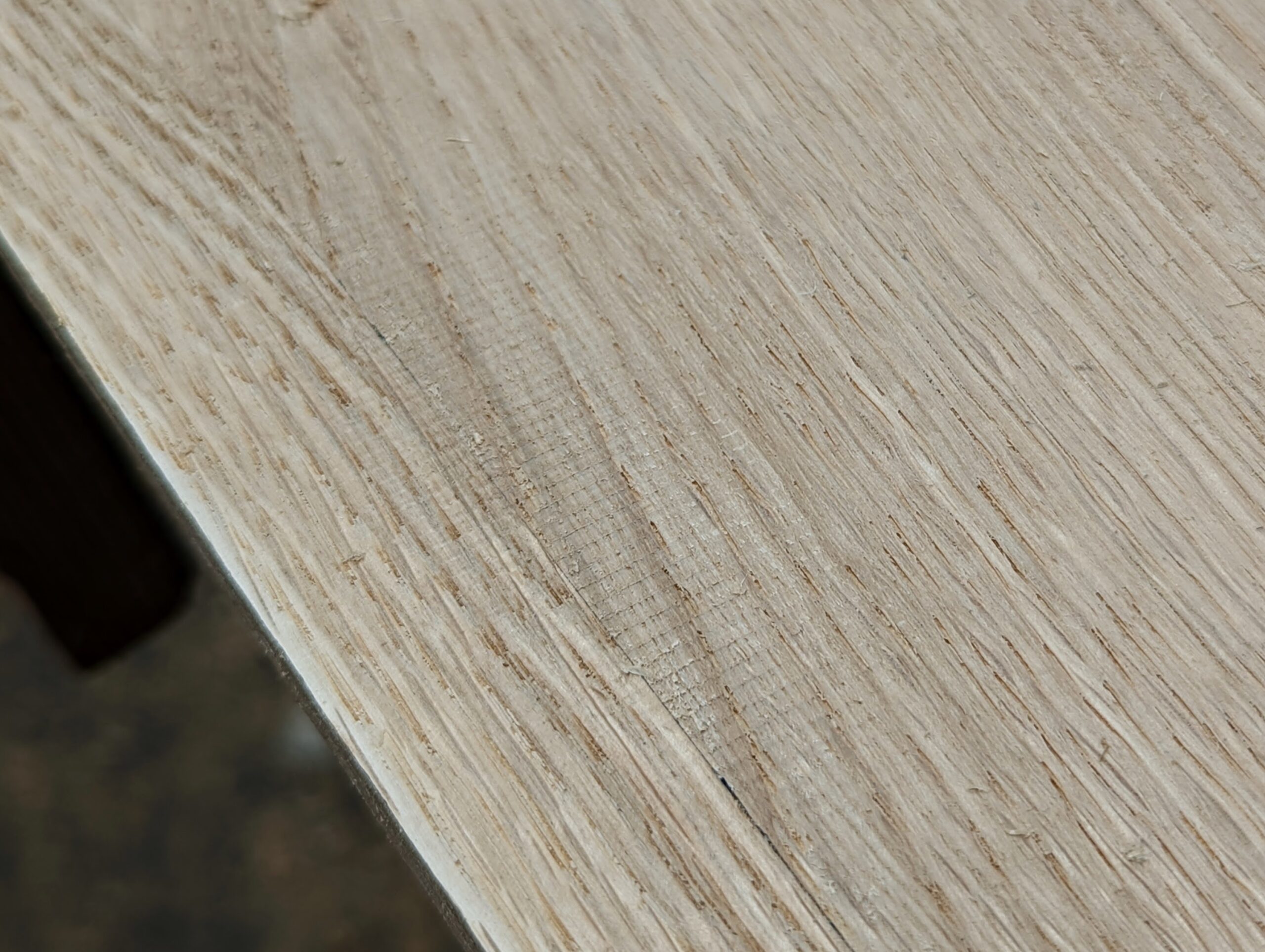
At the risk of repeating myself, I have a reason to go on. In this image, it looks as though I have some plane chatter on my oak surface and this is indeed what plane chatter looks like. I can replicate this anytime I want to yet I cannot replicate chatter with my standard bench plane at a whim. What this is is not plane chatter but unsupported wood flexing under the pressure of the tool as I move forward with a plane stroke. It occurs fairly frequently if and when I extend my wood beyond the vise so that it overhangs the vise by a foot or two. When I plane, the wood sets up a series of minute vibrations under the forward-thrusting resulting in the iterations you see here. I propose to call this phenomenon wood flexing but many would call this plane chatter too. It's not the result that matters so much as the cause of it. Not at all one and the same.
Comments ()