
Defending your space
A man baited me with a question and I didn't resist. I'd just done a remarkable demonstration of cutting a twin-tailed, two-minute dovetail to a perfect fit for an audience of 200 who cheered and clapped when I'd done. what made it the more remarkable was that the huge show was 98% machine manufacturers and distributors selling their wares and not a hand toolist in sight. From the back of the audience, the man shouted, "WHAT'S THE DIFFERENCE BETWEEN USING A POWER TOOL AND A HANDSAW?"
I answered, "In my experience, Sir, the key difference is simple. If you slip with a handsaw you always stop before you hit the bone!" It was unrehearsed but fast. Not cruel but real and true. He waved and left, offended. So it is with those who take offense at my advocacy for hand tool woodworking. Why do they take offense? Mostly they miss the whole point. Mostly it's because they're so-called professionals, but don't and can't use hand tools because their way disallows learning to master hand tools as a way forward. They were influenced to use only machines and power equipment; deep inside they might just be unfulfilled but don't want to admit it. In many cases, they are just plain envious and dare I say even jealous of someone who made it using hand tools as the mainstay of their working. These are the ones most hard to reach, are never impressed by the efficient effectiveness of using hand tools even when they see a man cut a dovetail in two minutes, surface plane an oak board to perfection in the same time, or take a thou' off a tenon for a perfect fit with just a one-inch chisel and a single stroke. Of course, it is not always like that.
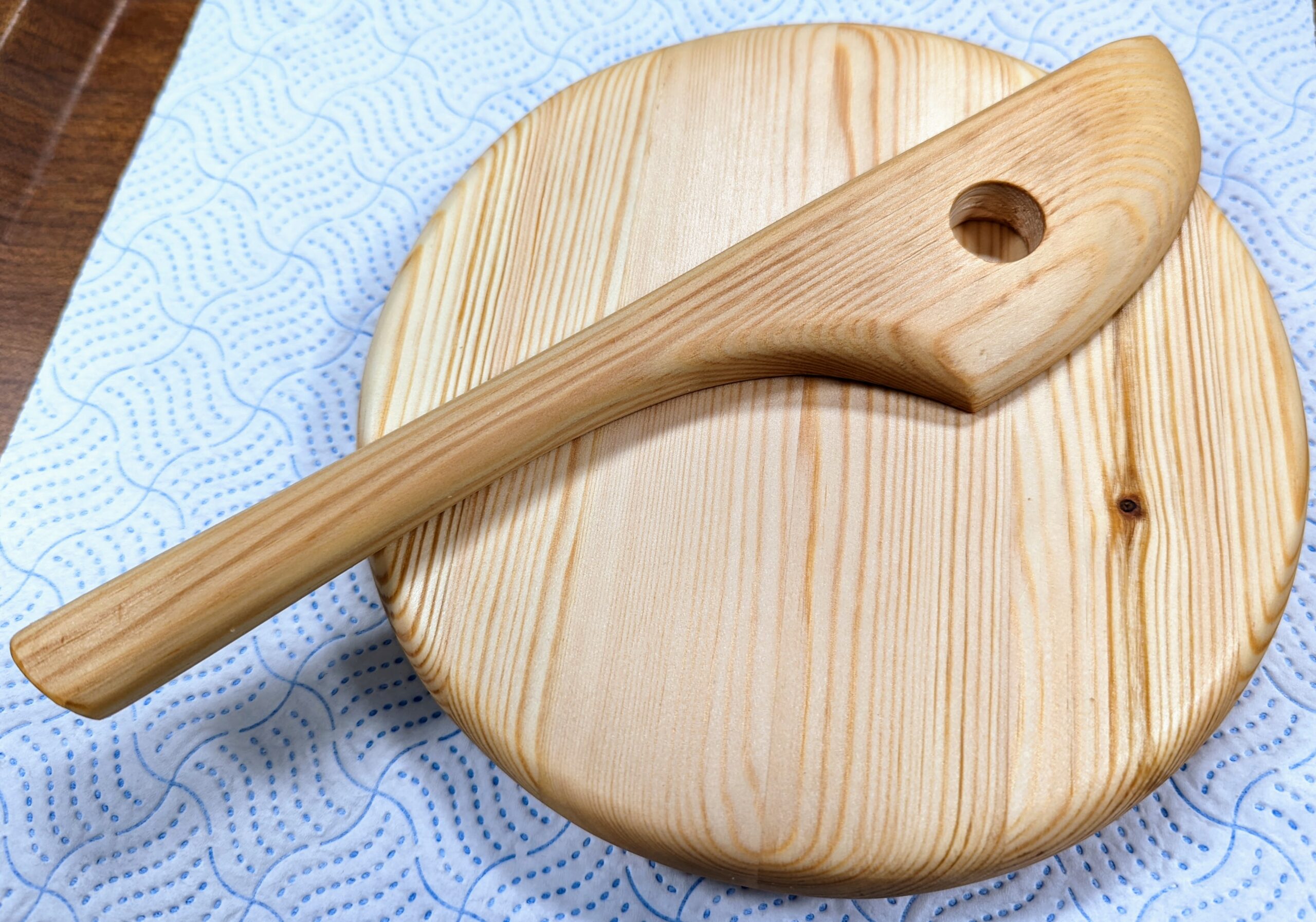
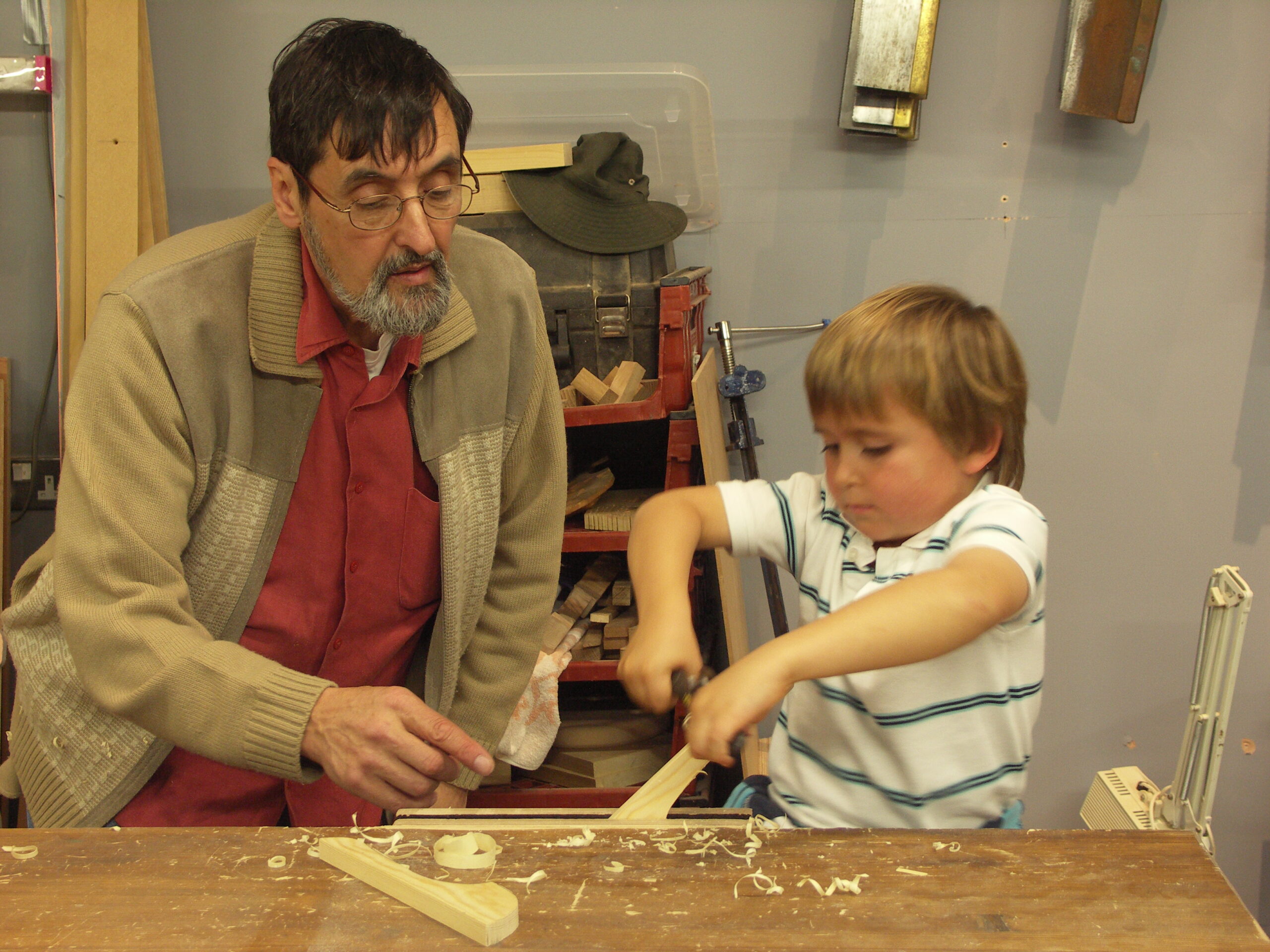
Here is a poem with the picture above that caused offense on my FaceBook page this week:
It's just pine
Zero machine work
but teaching work.
How to make a violin, a guitar, a cello.
How I taught my sons at three and four years old
To use a spokeshave, a coping saw, a rasp, a chisel,
a chisel hammer and a brace and bit.
Think about it, use your imagination!
Twelve years later they used the same tools
No machines to make fine things, furniture, violins, guitars, cellos.
Hmm!
Wouldn't change a single thing!
The poem prompted one man's adverse response. This usually happens about once a week and from a single entity but I don't mind at all because I understand. Supporters liked his comment, 25 of them, that is. They came from the same school of negativity, but just what is it that prompts such a response. What is surprising to me though is that the man has two small children. My very fondest memories of my young family years is working with my boys in the workshop in the evenings and seeing them make everything from walking staffs to birdhouses, spoons and spatulas, coracles, violins and guitars. His response below carries an accusation intended to dissuade me from the truths I bring about hand tools to a couple of million others every month. So why do they really do it? I have never once said don't use a machine as far as I can ever recall, but I do encourage and say do it by hand and experience skilled work, develop it and enjoy the difference and the experience to a level that you master skills. I might occasionally have said it is very slow to set up a machine for one operation or another, but only because it is true. Most machine operations take ten times longer to complete a simple task like cutting a dovetail or planing out machine marks that didn't actually need to be there in the first place. But much more than that, there's a dads and lads and dads and daughters deficit where the pair get together much less doing practical things like woodworking and such. My working with my own sons over a period of two decades taught me many things and not the least of which is everything I have written from my experience raising boys as a father and lifetime woodworker.
Here is the response the man made to my simple poem on Facebook:
"The romanticising of handtool only woodworking is getting a bit much. You’ve built a following out of advances in technology - digital video, YouTube, social media so why romanticise hand tool only woodworking when technology in woodworking has given us so much as well.
Do you also trace your timber back to the source to check it wasn’t felled and milled by machine?
I do love your teaching and projects but please, stop elevating handtool only woodworking as somehow carrying more virtue."
But at the end of the day, all I advocated was that you can start teaching your sons and daughters methods and techniques with hand tools that start with a simple project or two and that employ the tools and techniques used for making musical instruments and fine furniture. What I was saying was that hand tool woodworking can start as early as 3- and 4-years old but machining wood cannot start until two decades later and that such skills as handwork will be more than likely untaught and more likely never learned. I base this on my experience teaching and training adults who seem always to be exposed to machining wood as a first introduction to woodworking. Also worth noting is the last sentence where he demands that I, "stop elevating handtool only woodworking as somehow carrying more virtue." Does he not notice that in the last three decades I have only ever taught hand tool woodworking and never machining wood for which I have zero interest or need to? Anyway, skilled handwork does carry much more virtue.
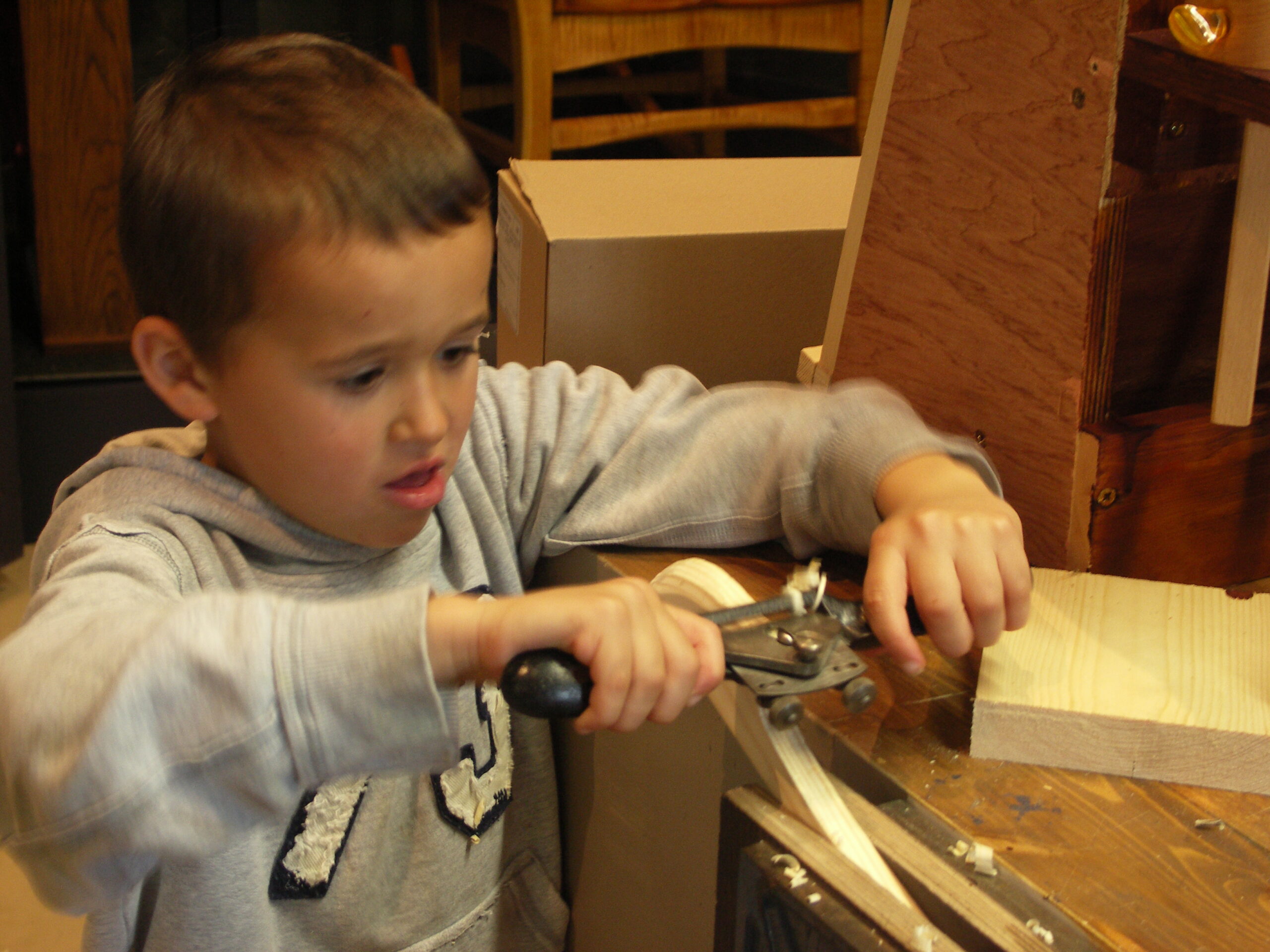
Do you see that because he was offended by a simple presentation advocating starting to teach and train small children at an early age he was completely blinded to what was actually being said all the way through, and made an accusation of my "romanticising" hand tool woodworking? I think that it is also very telling about the level of control the man tries to exert over me in his closing sentence but tries to disguise it by his opening words, "I do love your teaching and projects"
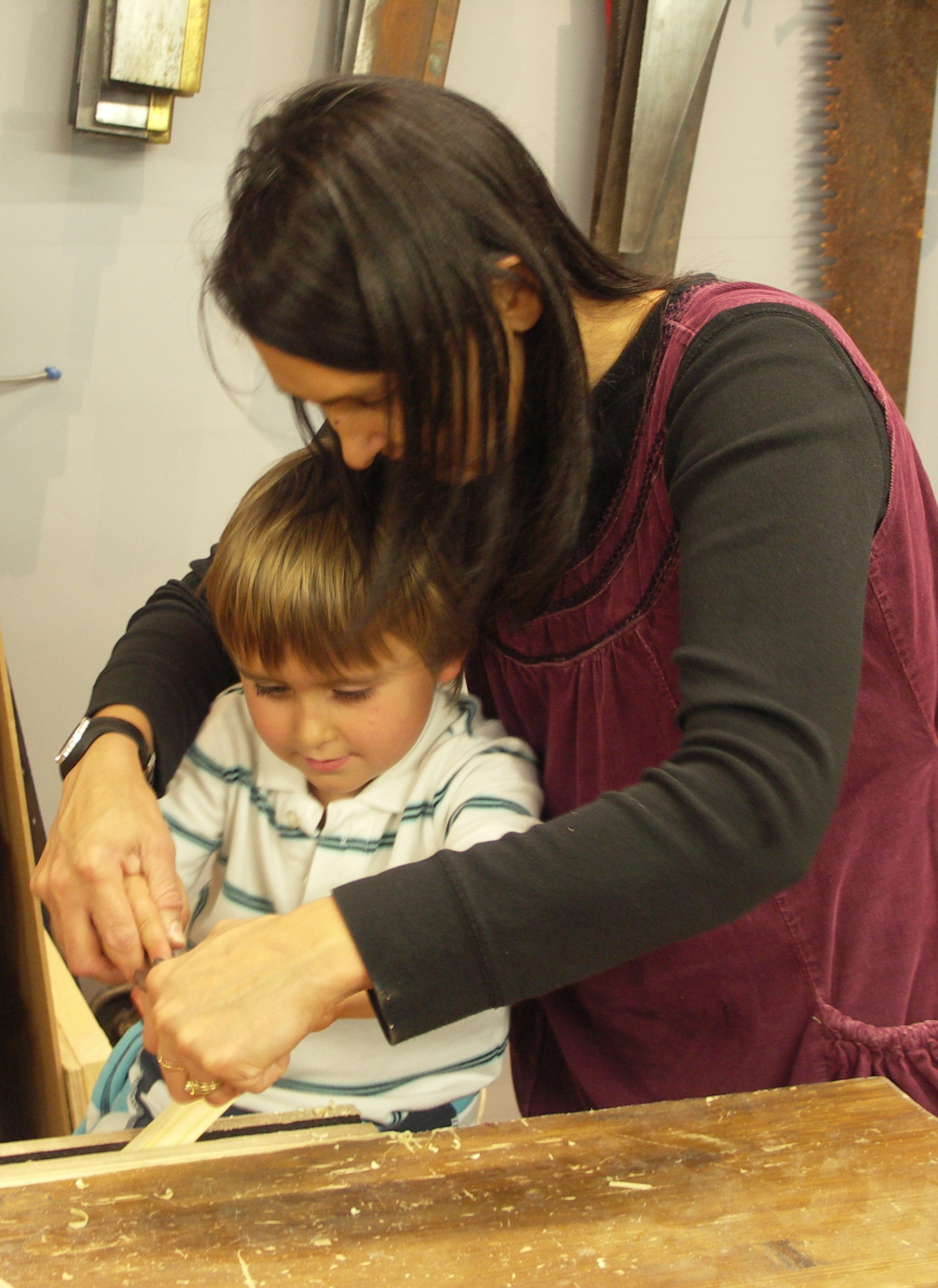
Some might ask why I am being so defensive. Well, in my experience, people usually say that to try to make you feel bad rather than listen to your point of view. I also feel that some things are well worth defending. Enabling children, people with disabilities of all kinds, and then too those excluded from handwork for a dozen other reasons is all the more worth whatever effort I can give to it to empower them. Had I not stood my ground through the last three decades I would have been swallowed up into so-called power woodworking and feel we might have only a small fraction of the hand tool woodworking we have today. More than that though, we now have enough woodworkers doing real woodworking worldwide to both preserve and conserve the true power of woodworking and that is in the hands of multiple thousands. I hate the thought that it would have been just entertainment rather than a way of life as it has been and still is for me. For those who say you can't make it with hand tools, that's just rubbish. In carpentry, on a building site, that's true, but most of that carpentry is about the most basic woodworking you can get. Mostly, these days it's men called carpenters who don't do too much more than cut and nail, drill and screw. Woodworking in amateur realms is far, far more than that. Carpentry may be a general woodworking term but it no longer includes furniture making and design, musical instrument making, boat building, joinery and bench work. All of the carpenters I have known over the past three decades have air-nailed stick frames together and hoisted roof trusses up to nail down OSB. Doors come prehung and window frames slide in with sashes already in place and double glazed. Not too much woodworking in carpentry.
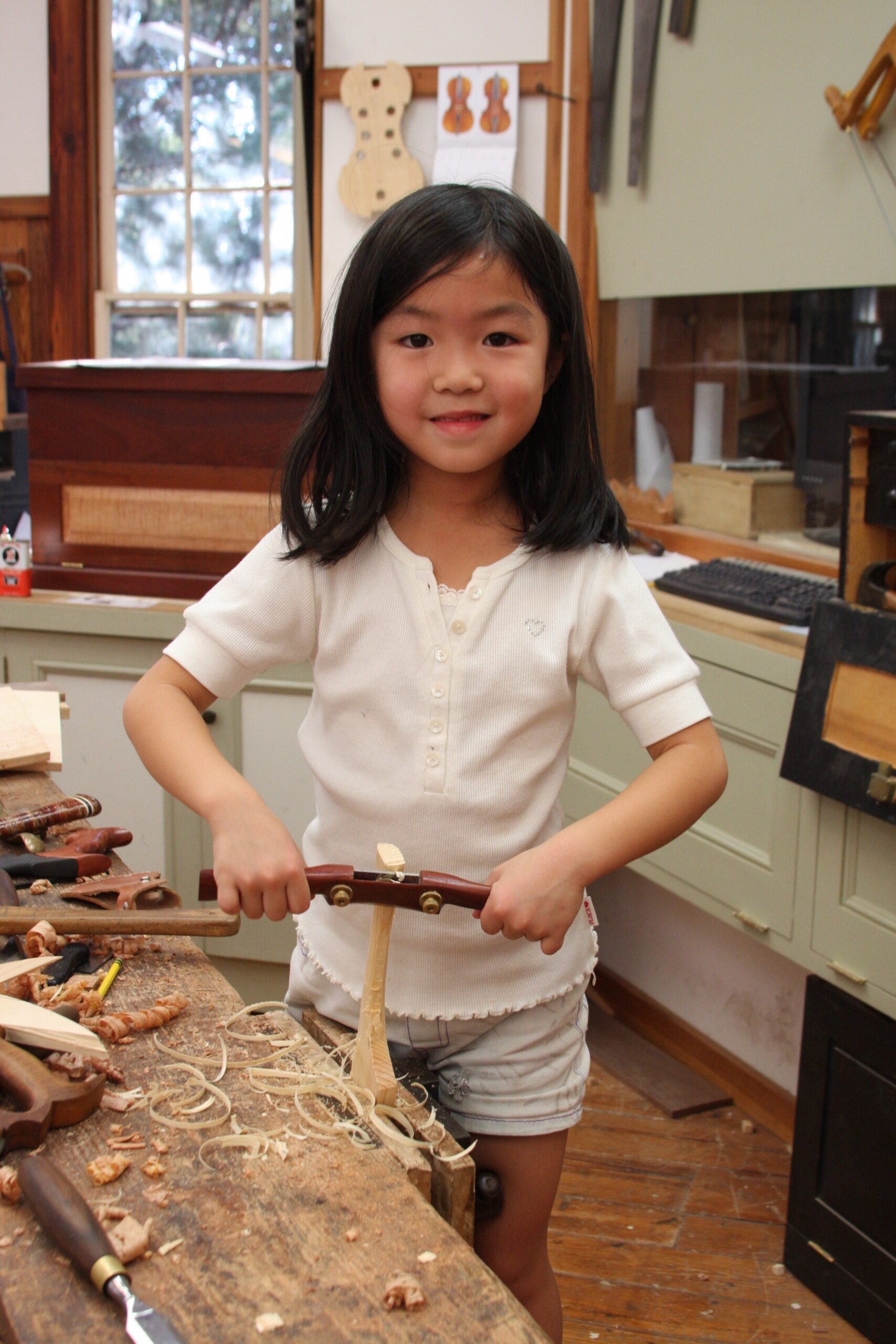
If you have a young child or children, the best time to get them interested in woodworking is around the age of five or six. That was what the poem was saying. Shaping a spoon with a gouge, the handle of a spatula with a spokeshave, the cutting board roundovers with a rasp and so on, uses the same techniques used for the neck of a guitar, a cello or a violin. Of course, there is nothing wrong with simply making the spatula and the cutting board alone. This takes skill. Contrast this with leaving your kids squarely outside the workshop door until they are sixteen or older. I'll guarantee the window of opportunity will be long gone by that time.
Let's not get offended by my corner encouraging real woodworking with hand tools that enable the young and old alike. No one will stop me in my remaining years. The conservation of craft is not the responsibility of museums and living history exponents but in the lived lives of people, and woodworkers worldwide doing it in their garages and sheds. It certainly is not romanticising, for it is very much reality itself.
Comments ()