
Hanging Around
More on hinges. Those things that just hang in open space to fill a space and keep out the enemies of life and let friends in and out as desired yet something that is so taken for granted. Everyone pretty much ignores gates and doors except the man that makes them, fits them and hangs them in space with an expectancy for them to stay hung so for a hundred years or two.
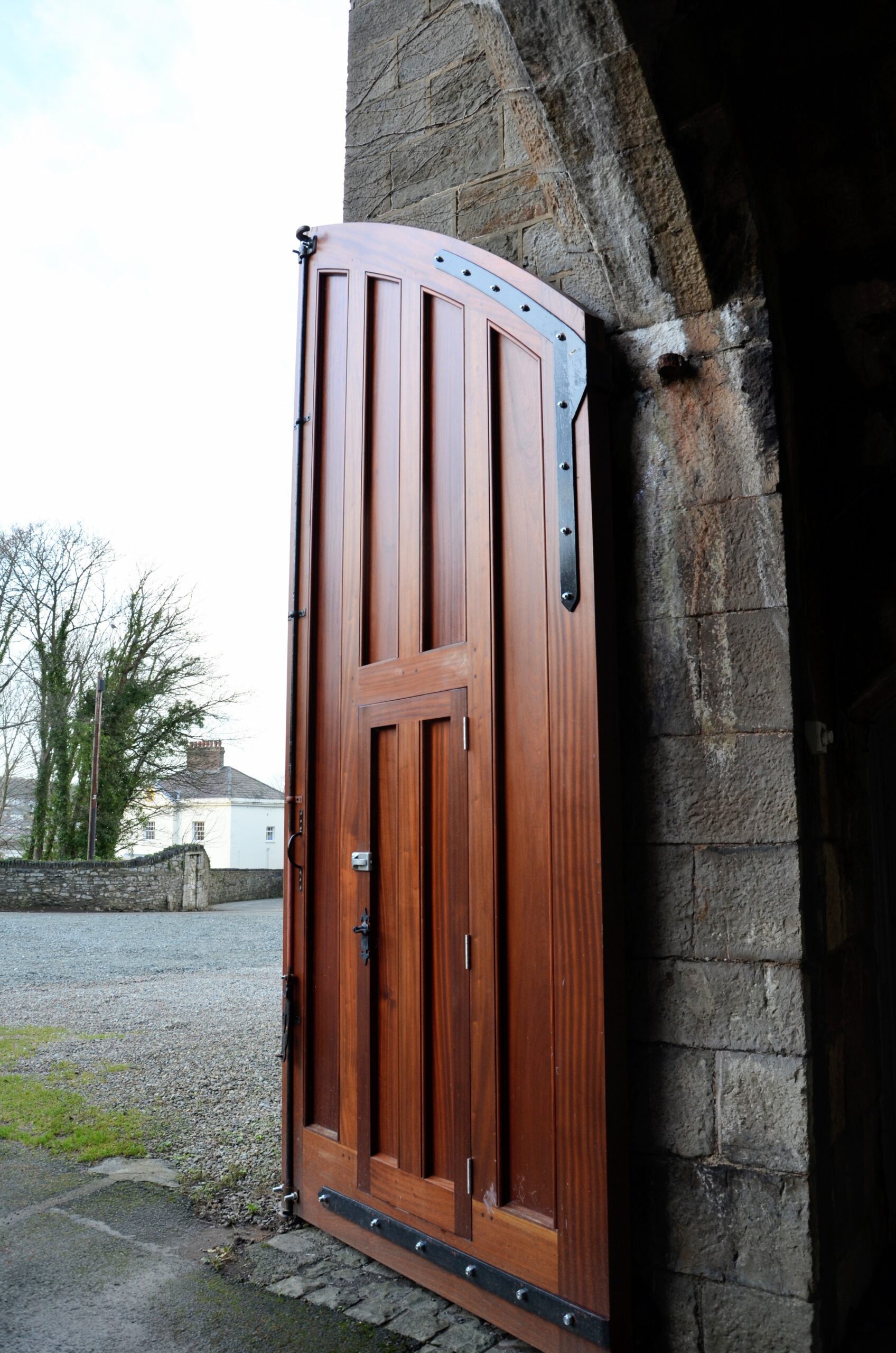
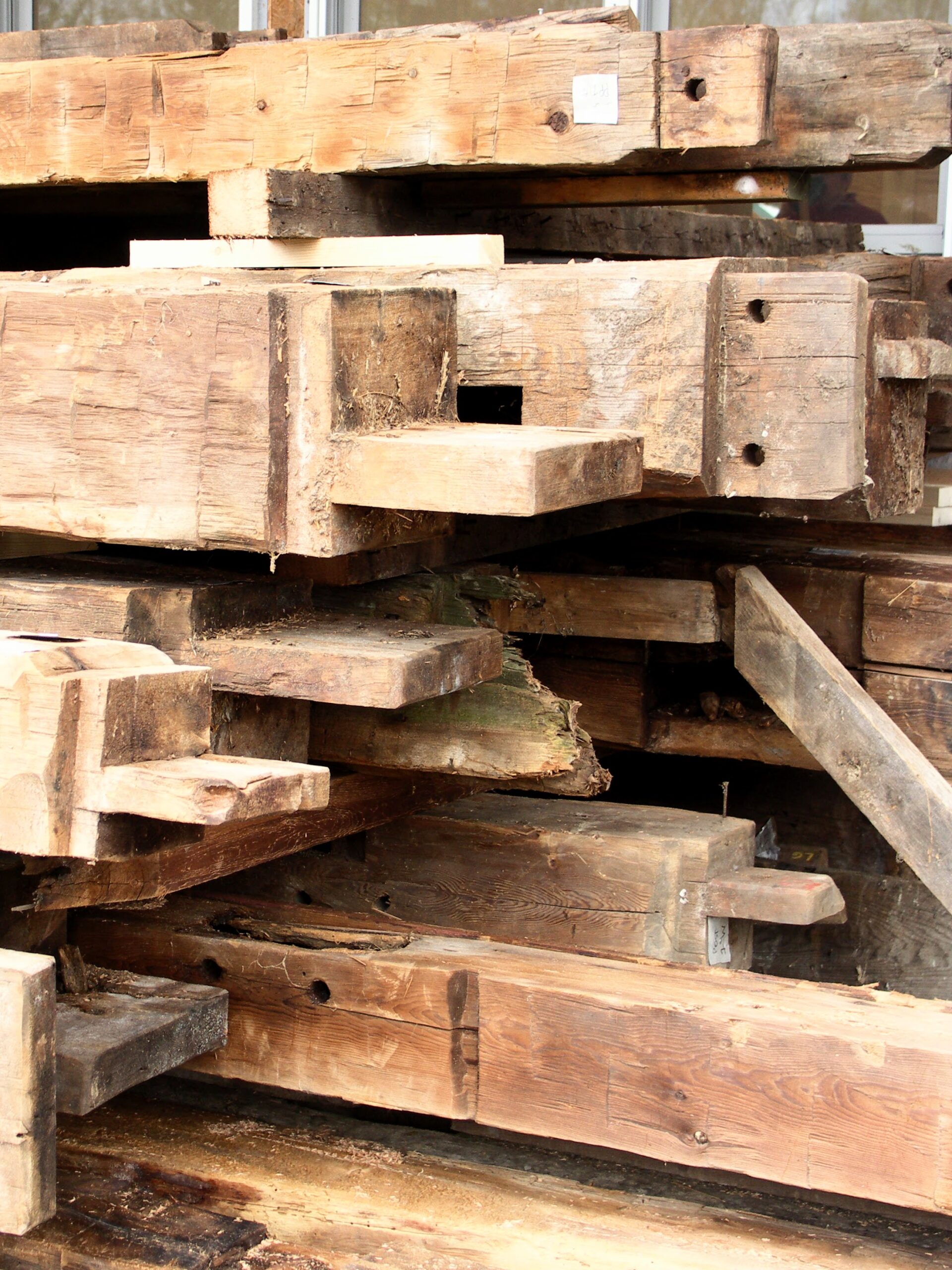
Considering the physics surrounding hinges and doors, questions arise around where to position them and this is mostly determined by the rails in relation to the stiles. Even modern doors still rely on mortise and tenon joints to the corners and rails and some of the larger, longest and deepest mortise and tenons we use today surround door making because the tenons extend into the mortise holes for maximising stability in something that literally just hangs within a space and that is fixed only on points along one side; this is especially so if we indeed dismiss timber-framed structures like vintage barns. On these buildings, I've seen them 21" wide, 1 1/2" thick and 10" long.
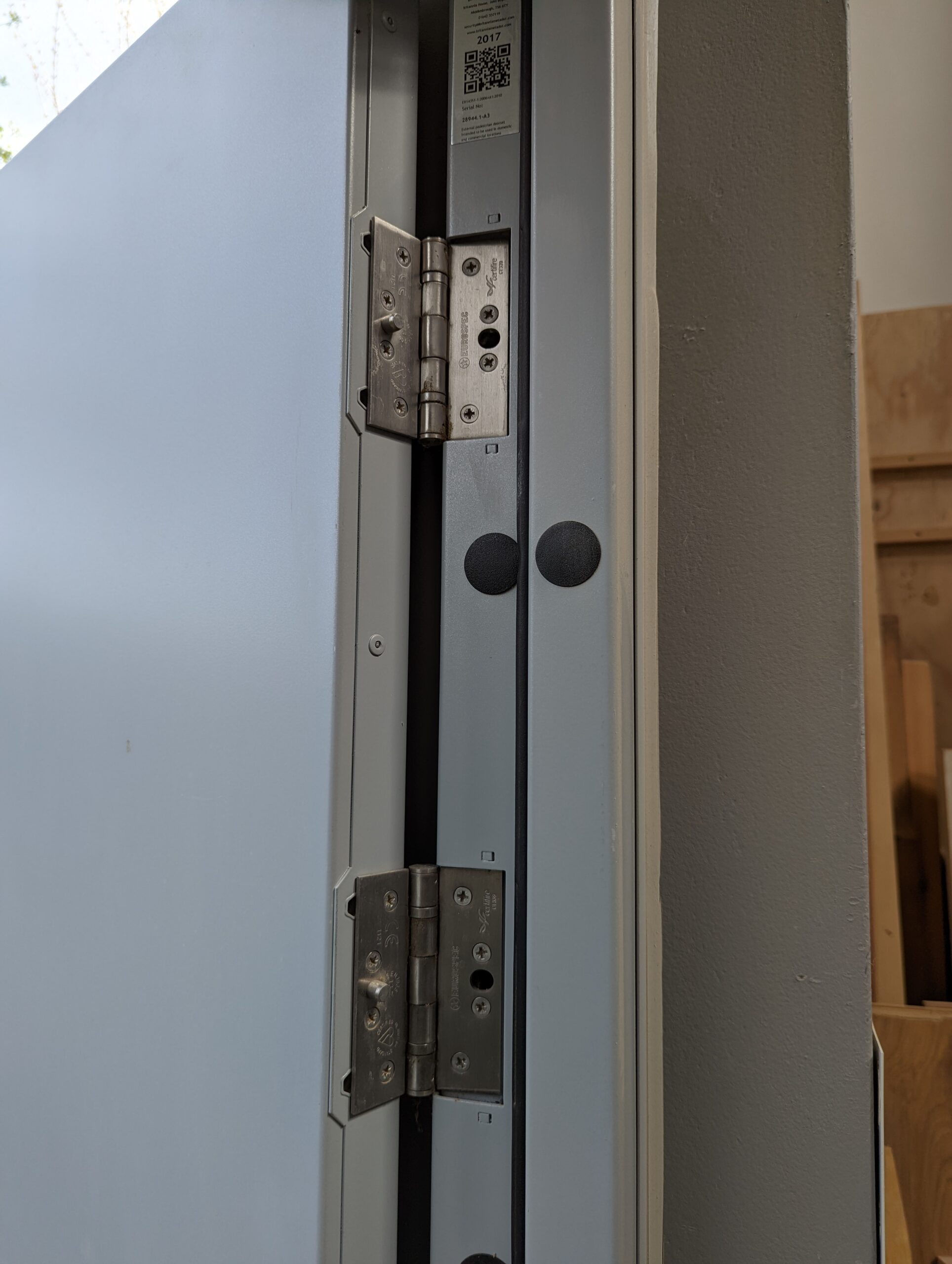
Most of us don't really think to consider what's taking place at the various hinge positionings in relation to the corner joints of doors, sashes and lids and gates Hinges need to be close to but not into the joint area if possible. It is common to site the top edge of the hinge and resulting recess level with the underside of the top rail and the bottom edge of the bottom hinge level with the top edge of the bottom rail. This avoids screws being driven into end grain which has less holding power. Middle hinges either get placed centred between these two or nearer as an offset towards the top hinge. This is of course relating to side-hung doors, framers, sashes and panels. For top-hung sashes and such, this positioning is a little more variable, but, mostly, hinges are placed near to or directly adjacent to the joint to minimise any distortion caused by weight to the stiles and rails; the more direct the linkage the less flex and movement there will be.
Taking time out to think about the hinges, you soon begin to see that the door more 'hangs' from the top hinge with the natural tendency to pull very directly away from the doorframe. On the other hand, the door hinge at the bottom of the door never pulls away but actually spends all of its time heavily sandwiched under weight pressure so that all of the wood and the hinge remain firmly under direct and opposite pressure direction to the top hinge. The top of the door, whether closed or open, takes the greatest amount of strain, many thousands of tons throughout a lifetime. That's why, on commercial doors, you often see two hinges a few inches apart to take the pull-strain of the added top weight and then a mid-placed hinge as well as the bottom hinge.
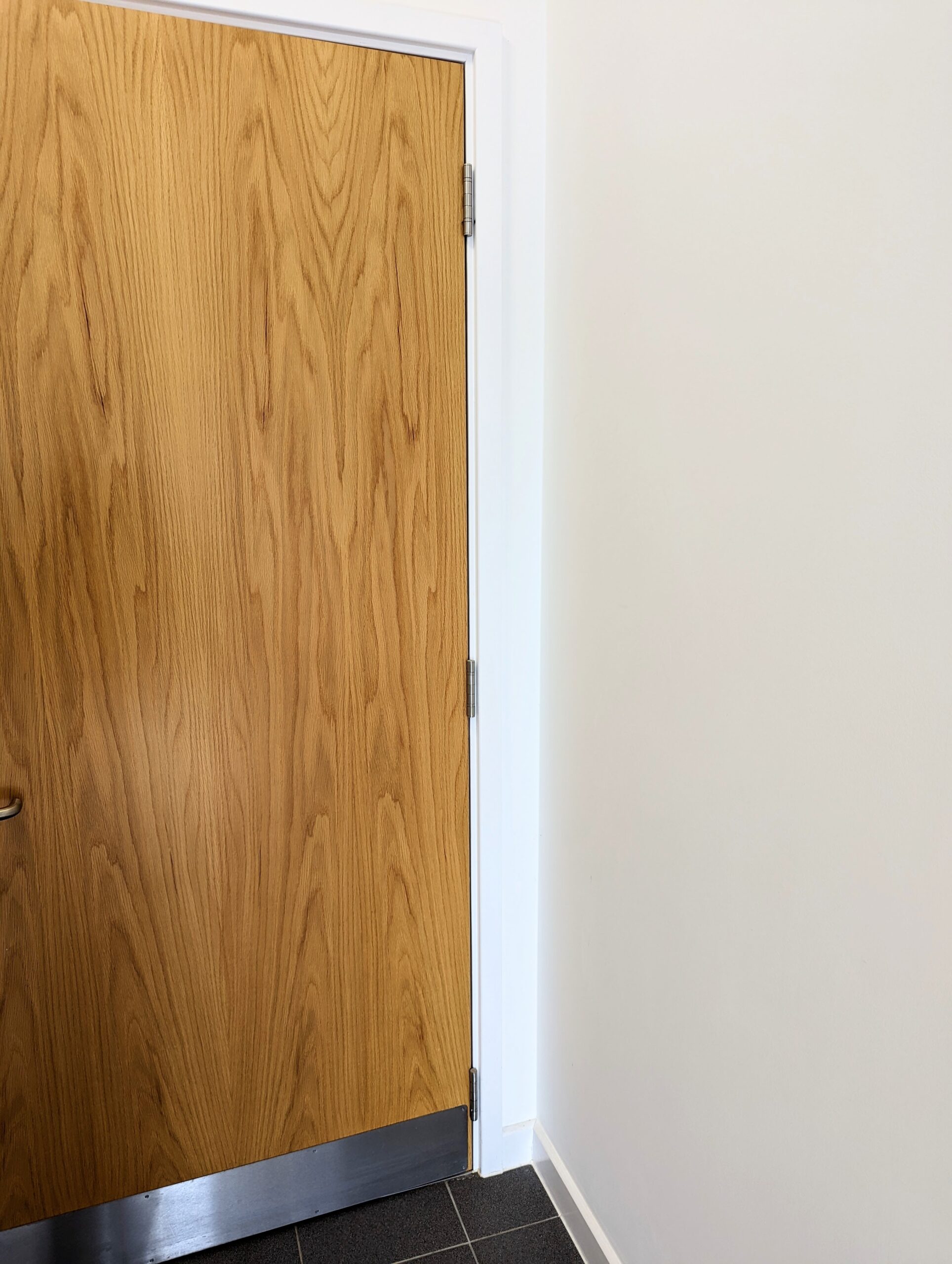
Fire doors may be required by law to have three hinges on certain buildings here in the UK; for a house, it might be if the building has more than two levels. On commercial buildings, it might be that every door must have three hinges, partly because of the weight and then because of the added resistance three hinges gives. This positioning of the two top hinges works in the same way twin rails are used in chair construction close to one another -- it's about transferring weight. Effectively they extend a tenon shoulder from say 2" to become the equivalent of say a 6" one, depending on how far apart they are placed. We do the same with rails to doors, to distribute weight and transfer pressure points. Door bracing transfers top outer weight to the inside bottom-weight at the bottom hinge. A brace placed as a diagonal this way serves as a permanent stop or check to stop drop at this extreme point in the door or frame.
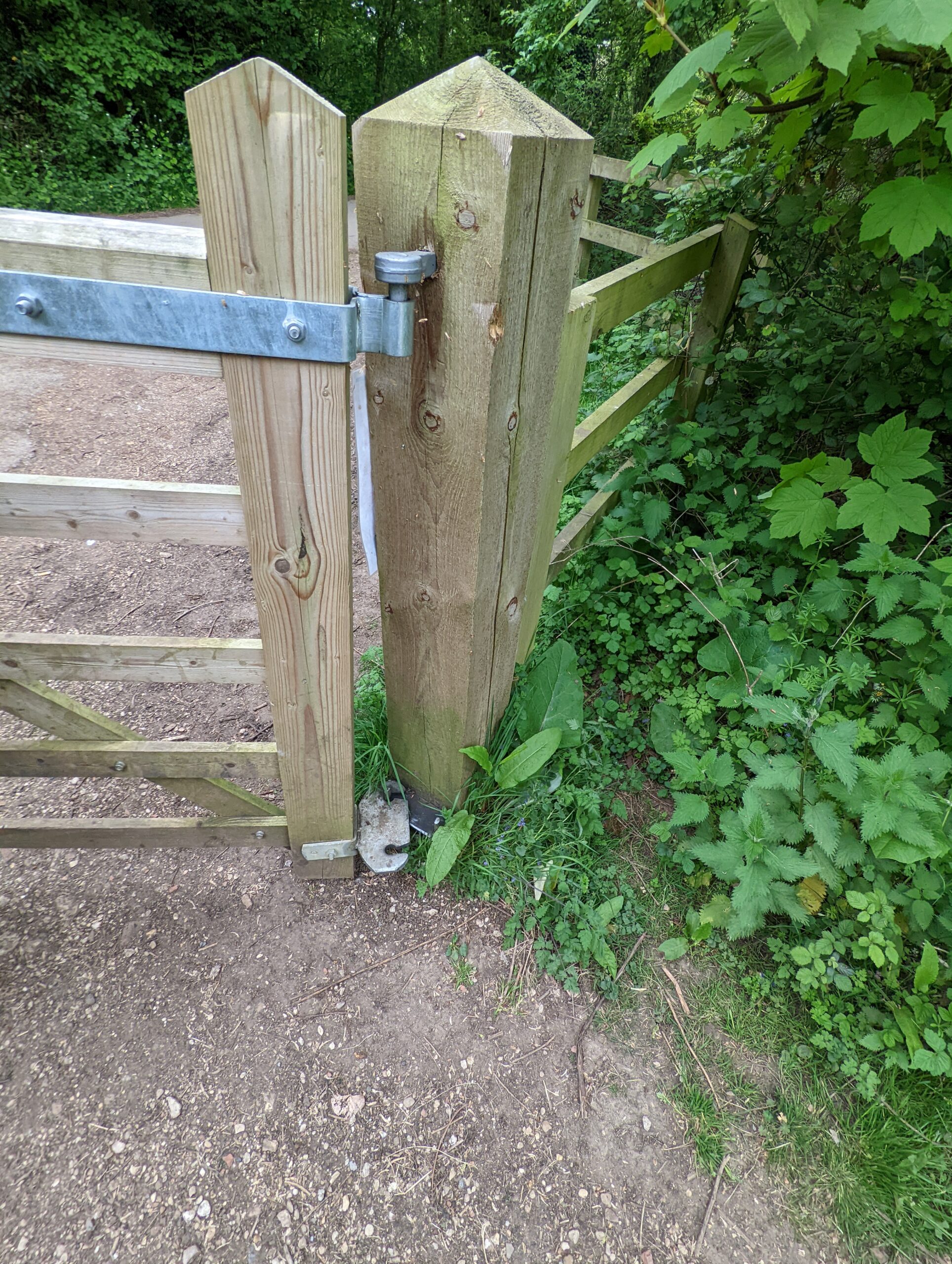
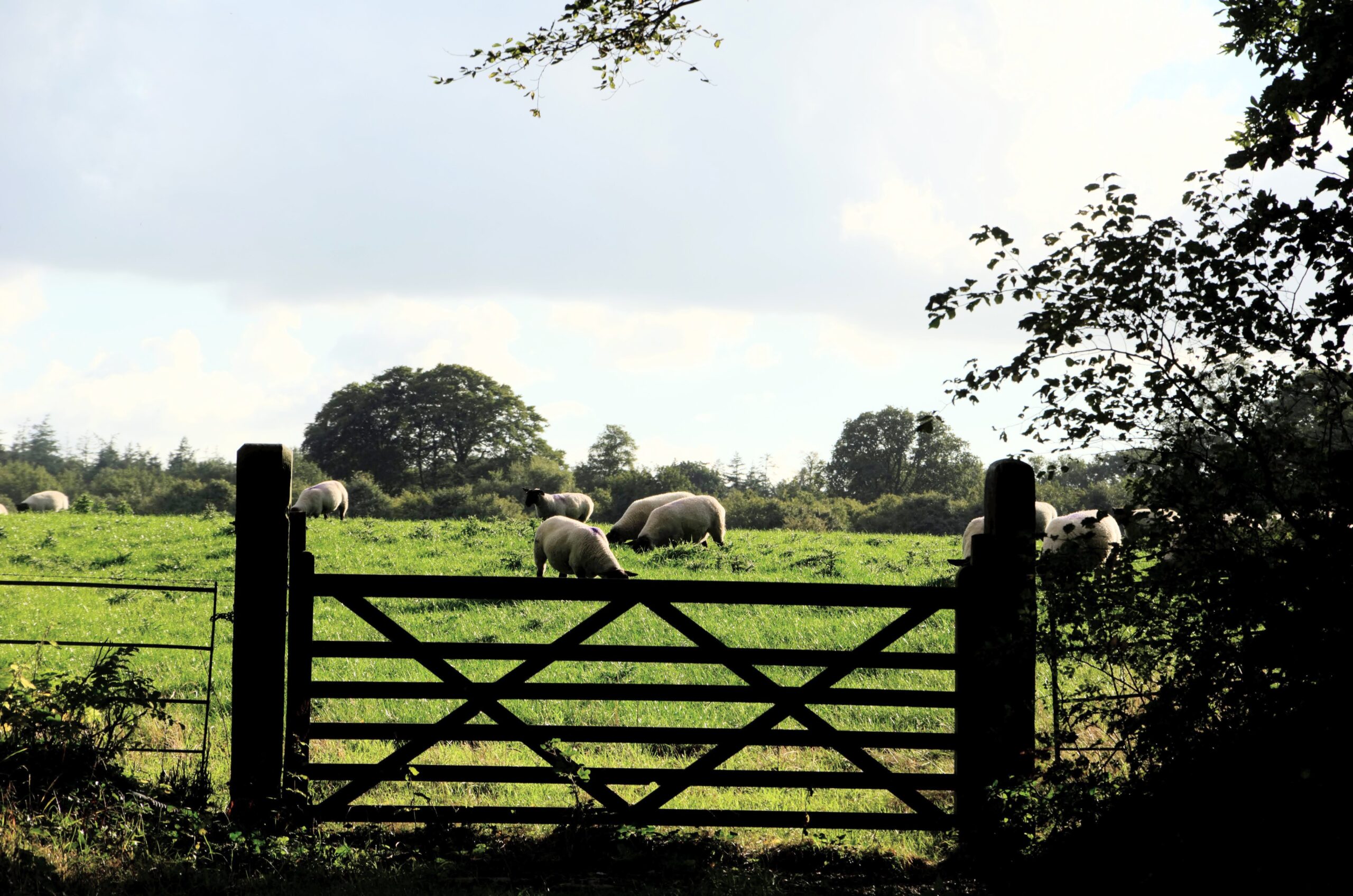
A wonderful example of weight transfer is the English field gate that relies on a fixed top pintel only and then the weight of the gate against the bottom ones twinned to allow the gate to open and close in either direction and used mostly for allowing horse riders to pass through whilst remaining mounted.
Comments ()