
Why My Lifetime's Work?
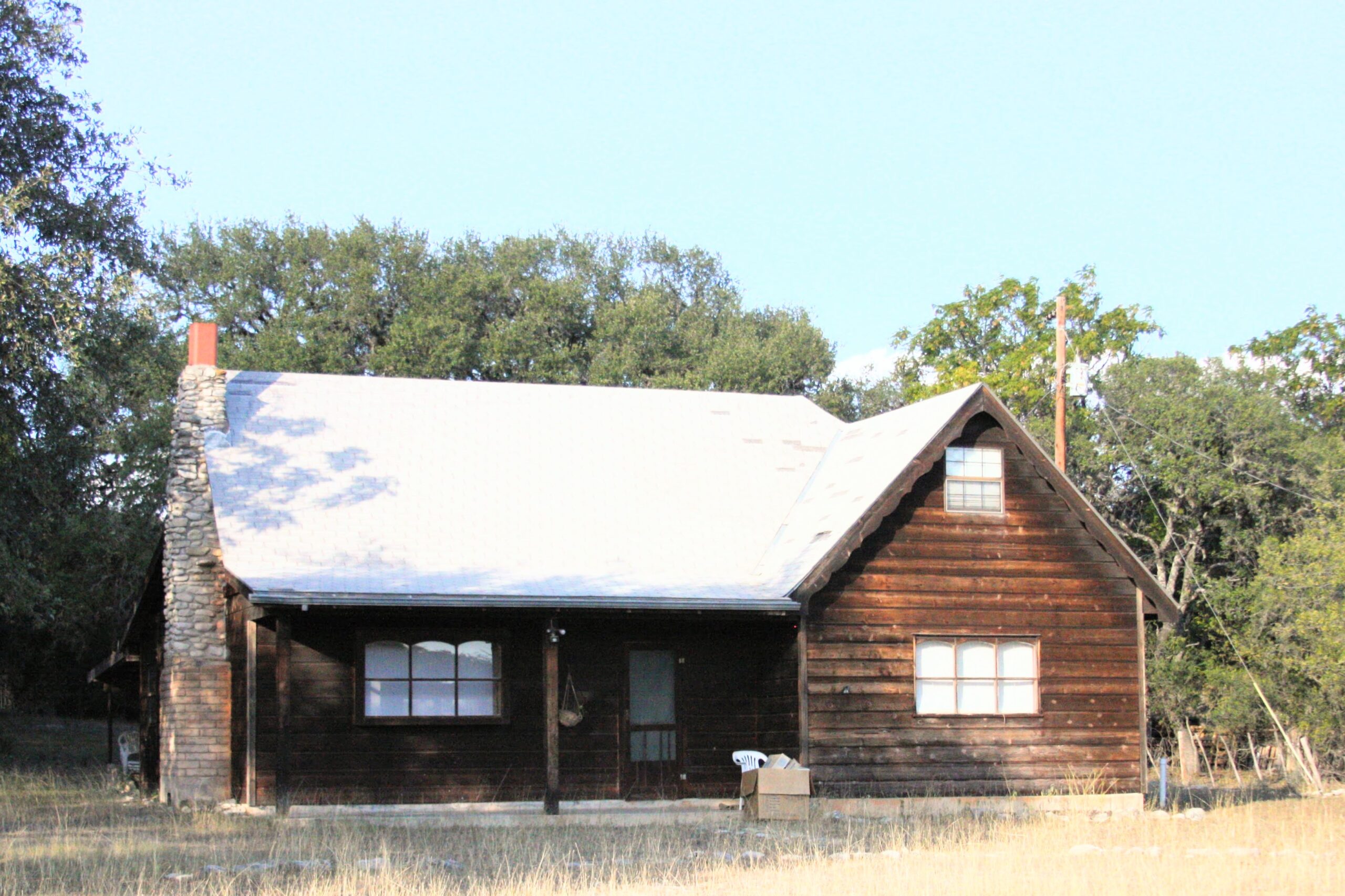
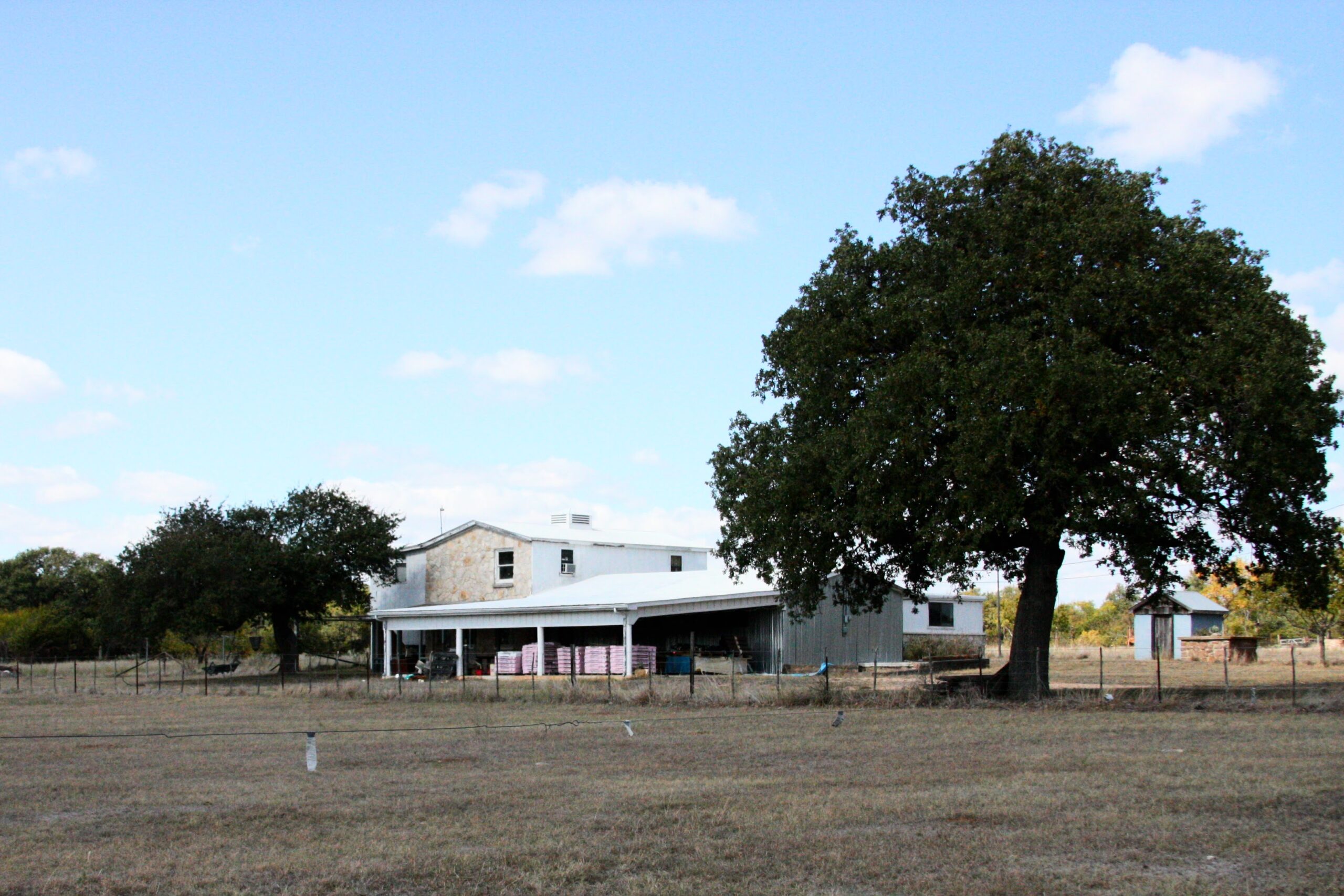
Perhaps it was the smell of wood permeating my shop. Then again, maybe the sign saying 'Hand Made Furniture: Visitors Welcome.' was indeed the invitation that drew people in to my small workshop in the wilder areas of Texas. The surrounding area on my then two acres was regularly piled with logs ready for slabbing or then neat stacks already slabbed and airdrying under the cover of my six-car carport. Mostly, I think it was an atmospheric setting most might never be invited to, after all, who wants to lose worktime entertaining visitors. Truly, though, it soon became apparent that most of those who came had never experienced anything like my workshop. It was definately different to any of the others I'd come to know. Opening the first door in, visitors came to my bench room where no machines dominated the space but only hand tools on my workbench, surrounding toolboxes and shelves around me. As a maker with hand tools mostly, my tools have always been close to hand for obvious use. In the same workshop, many wooden projects I'd made were offered for sale alongside those in progress. This was my way of life.
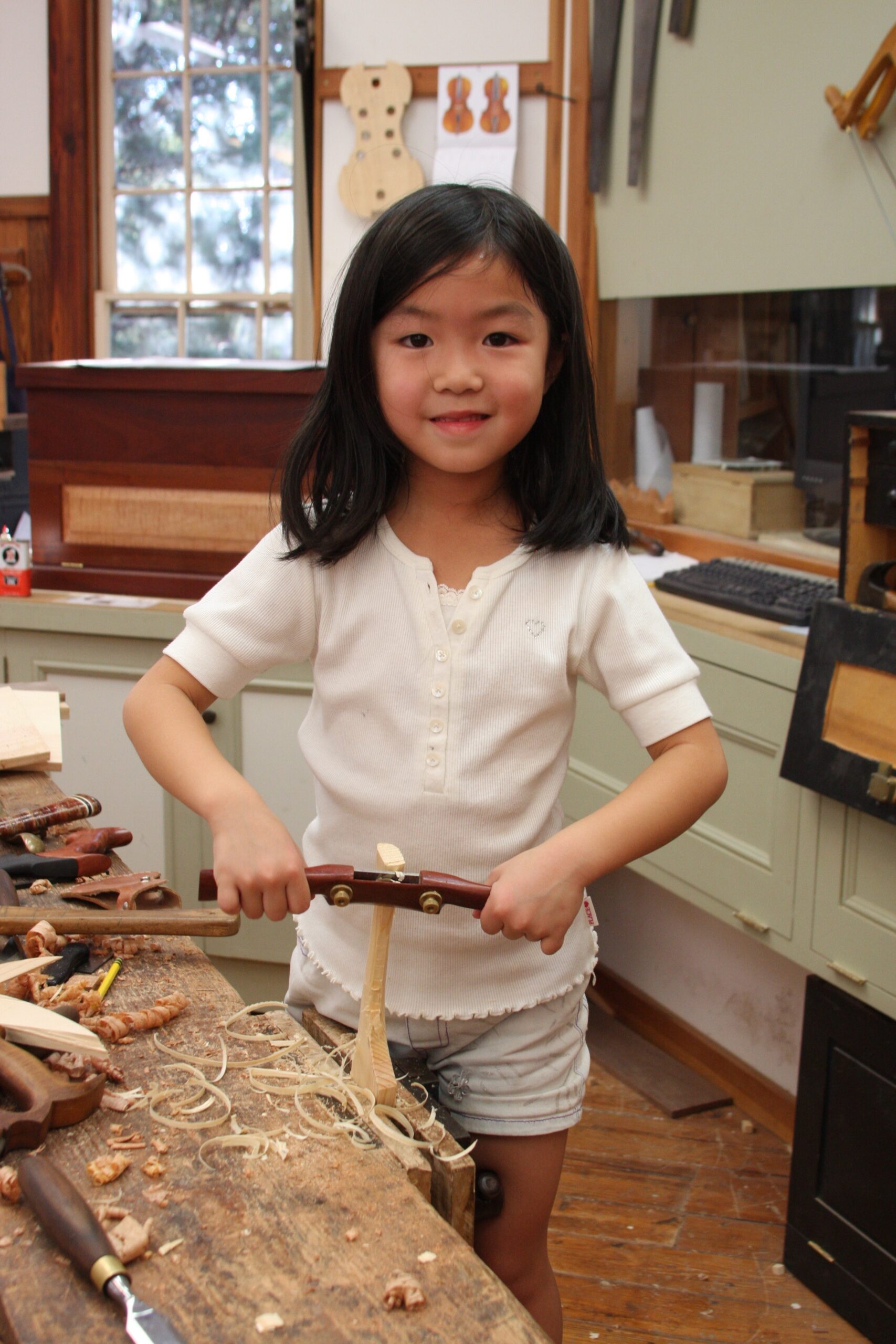
In the beginning, the early days when I started to teach woodworking over and above my days making as a full-time maker, I taught my classes to existing woodworkers because I was asked to. I didn't know at that point that there was a generation of woodworkers yet to come that would discover the craft but who had no knowledge or experience of woodworking. At that point many seemed to have no desire to engage in it at all. This began to excite me. Until this point, I had never seen anything like that. It was no different than someone discovering a new country, perhaps as yet an unidentified species of something, an animal or a plant. It was almost magical to watch when they saw me inlay a picture frame with a plough plane or cut a dovetail joint with a small tenon saw. For many if not most, it was the first time they had ever engaged with the sights and the sounds of a woodshop; the plane's swoosh, swoosh, the rasping of the saw. It was an opening of the sensors and the neat thing was that they hoped that they could do such a thing. I often handed a man and a woman a plane and a saw for them to try. Seeing the shavings rise from the throat of the plane the way they did was truly a magical thing.
The ripple effect doesn't begin until someone tosses that single pebble. Did I know there was such a thing as a 'ripple effect?' I did, but I didn't apply it to my future work. I only began to see it after many years of struggling against the tsunami opposing me. For decades I had watched my craft slowly die even though I kept on demonstrating that hand tools were often more efficient than many machine methods if you were prepared to make it happen. My greatest opposition back then was the professional woodworker. Tha amateurs were the ones who had what ot took to get on board with it and then survive to actually preserve the craft and art of my woodworking tradition.
Professionals, so-called, never really showed that much interest in my work. The assumption that traditional meant old-fashioned and outdated never dies. Especially were they dismissive when they saw only hand tools in my workshop. What they could never deny though was the quality in my hand cut dovetails and bench plane work. Disbelieving, they'd ask whether I used a power router, and, "What kind of dovetail jig do you use?" Seeing their faces, and then the further examination of the dovetails, it was as if something simply shut down. I mean, think aircraft engines cutting down at the end of a flight. something prevented them from seeing skilled hand work as a way forward for them to improve their woodworking life.
I guess they thought of hand tools as being outmoded and old-fashioned, that they had chosen a more advanced phase in craft development, the progressive way forward. Funny though, they actually saw themselves as a more advanced generation even though they could do so little by comparison. Funny, that! At that point, I never thought I would ever teach beyond those who came to apprentice with me. That was as far as I ever thought to go with it. At that time, I was already developing essential curriculum and teaching for children and teenage boys as the next generation of woodworkers most evenings and weekends. My workshops were always full with kids coming. I always had an open-door policy from 10 am until 4 pm for visiting customers. I started work at 6 am and finished around 10-11 pm, so I always managed a full day's making no matter what. You see, I felt it was important to have visitors in the shop wherever I could; I wanted to bring them on the journey with me so that they could see how my work was truly skilled woodworking with a high percentage of my work being handwork.
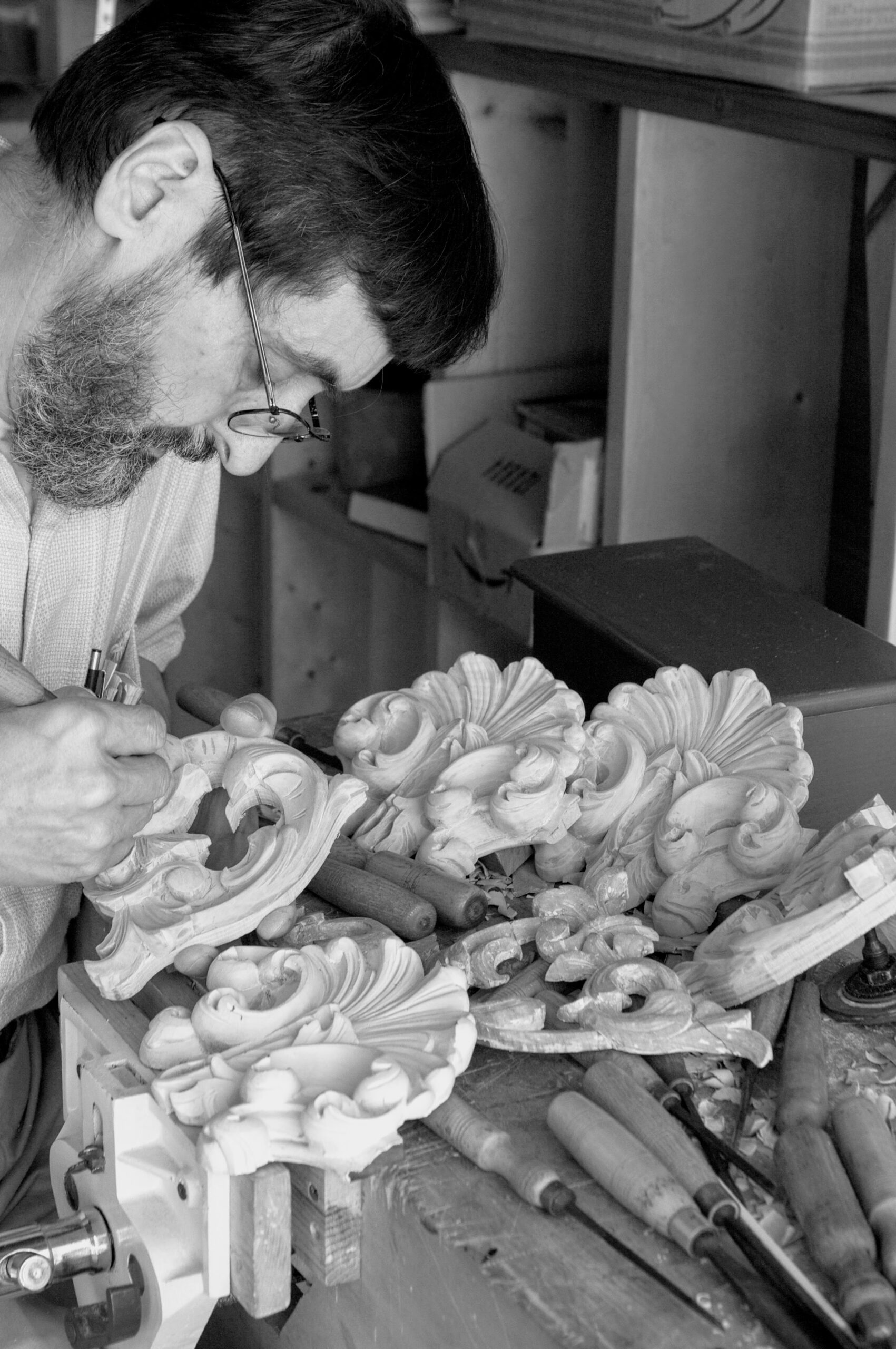
When those interested in woodworking stopped in as well, they asked me if I ever taught classes; something I'd never done nor considered. Part of my open-door policy meant that, for every visitor, I demonstrated how to cut a double dovetail. This took me about five minutes. In the early days, I did not teach beyond these demonstrations. In that era my reach was limited and small, but it was a stepping stone to greater things and a training ground for me. Beyond that, it was the demonstrations that sold my furniture. Little did I know then that I was selling the concept of real woodworking being a possibility for others to satisfy their interest beyond just reading magazines and books about it but by actually doing it for themselves. From that initial beginning, I began my woodworking classes and the weekend classes began. Those who sought to better understand woodworking began to attend the classes and over the years I taught many, many thousands of new woodworkers my craft of hand tool woodworking and particularly furniture making. It matters!
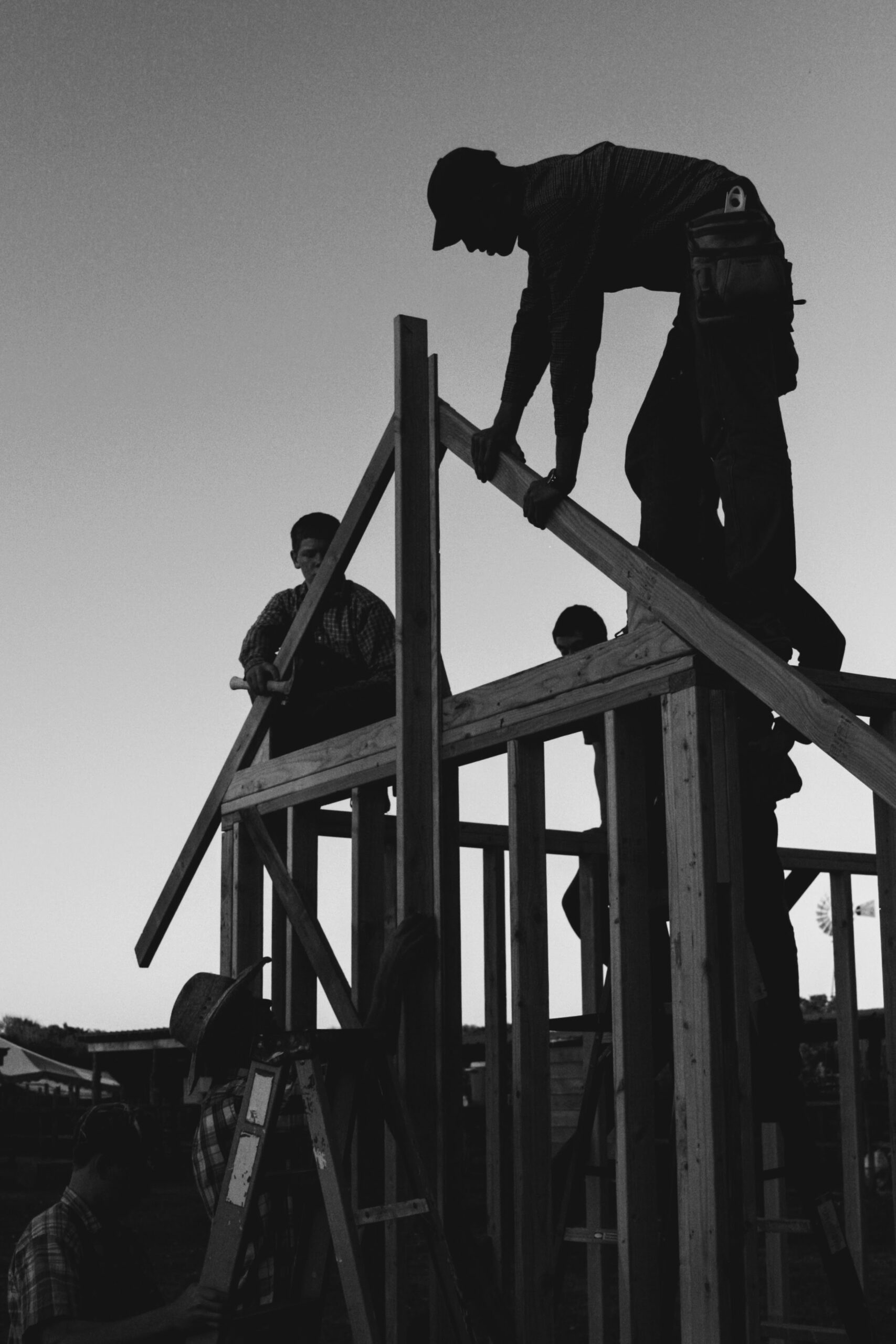
After all these years, decades, I still find myself trying often to put myself in the shoes of others and try to especially think how new woodworkers face taking on my craft might feel as they consider their future steps to include serious woodworking. By this, I mean what to dofirst? One issue is whether to take the obvious route and buy machines. Well, many if not most soon discover they must have a place to set them up and have a place that's big enough to walk around them to use them. The footprint of a tablesaw may be no more than a meter square, but factor in the outriggers, the fore and after space for feed and take off and the footprint generally quadruples. A bandsaw and a planer takes up similar space and a chopsaw or radial arm saw adds to the massive loss of floor space.
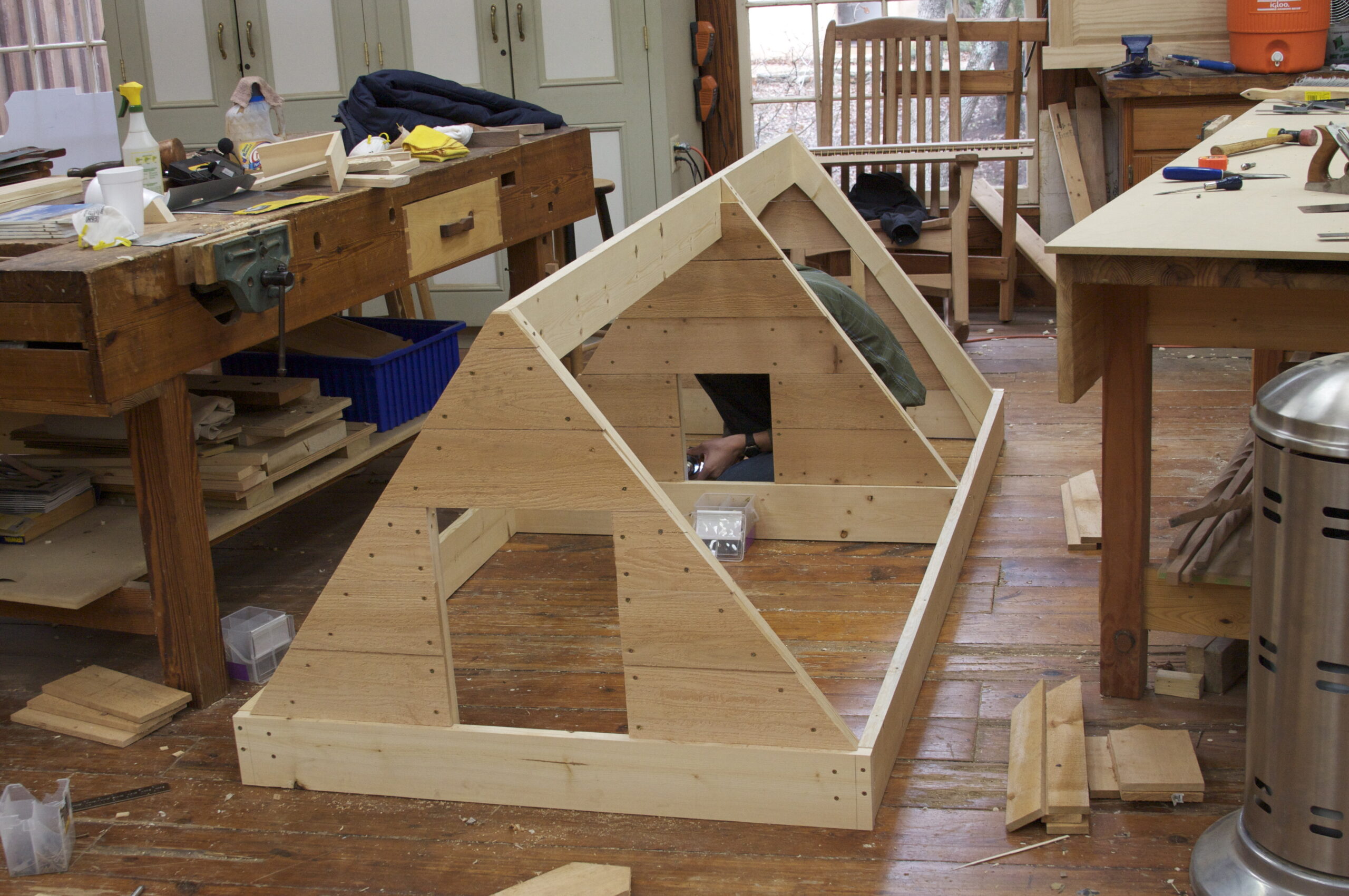
The conclusion for most is that they cannot give such valuable space room for thought. The next question then is how do you buy hand tools without being influenced by a salesperson padding their wallets and telling you you must have a £300 plane or a £200 saw. Then there's buying the wood and choosing the right wood, building that essential workbench. Knowing what to do, what the first steps are, and so on can be daunting. Most information tells them to buy half a dozen machines. And so we assembled Common Woodworking as commonwoodworking.com so we could tell the truth without selling subscriptions, taking sponsorships, selling classes, tools or equipment. We began our planned strategy to steer, guide and educate new woodworkers to follow a path to the least disappointment with the clearest instruction and information. As it happened, it became the least expensive path to take and the most effective strategy to follow. It worked and it's continued to equip people around the world!

Common Woodworking has become increasingly popular for new woodworkers getting started. This still amazes me with its successes worldwide. The courses on there follow my original work teaching new woodworkers from the very early days back in the 1990s. We receive zero income from other entities by promoting their tools and equipment, taking sponsorship money, wearing branded teeshirts and placing special equipment in camera scenes. We even took the name of the bandsaw because, well, like many disingenuous UK makers these days, and it is a global issue, it may have a British name on it but, as with all bandsaws just about, it's made in Taiwan. UK manufacturers, like many domestic manufacturers in different countries these days, have zero loyalty to their customers and country in that they sold out the makers to buy cheap labour.
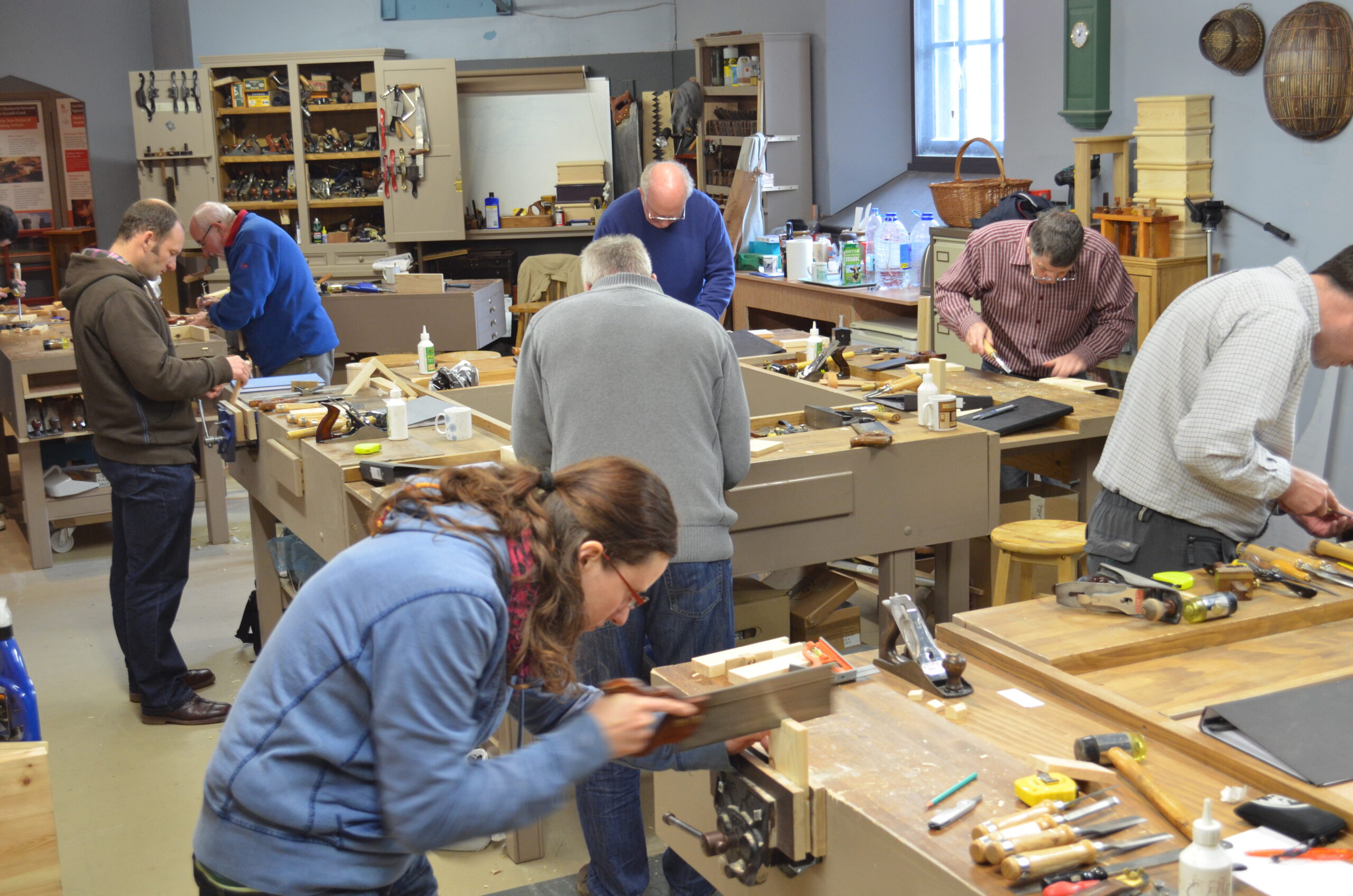
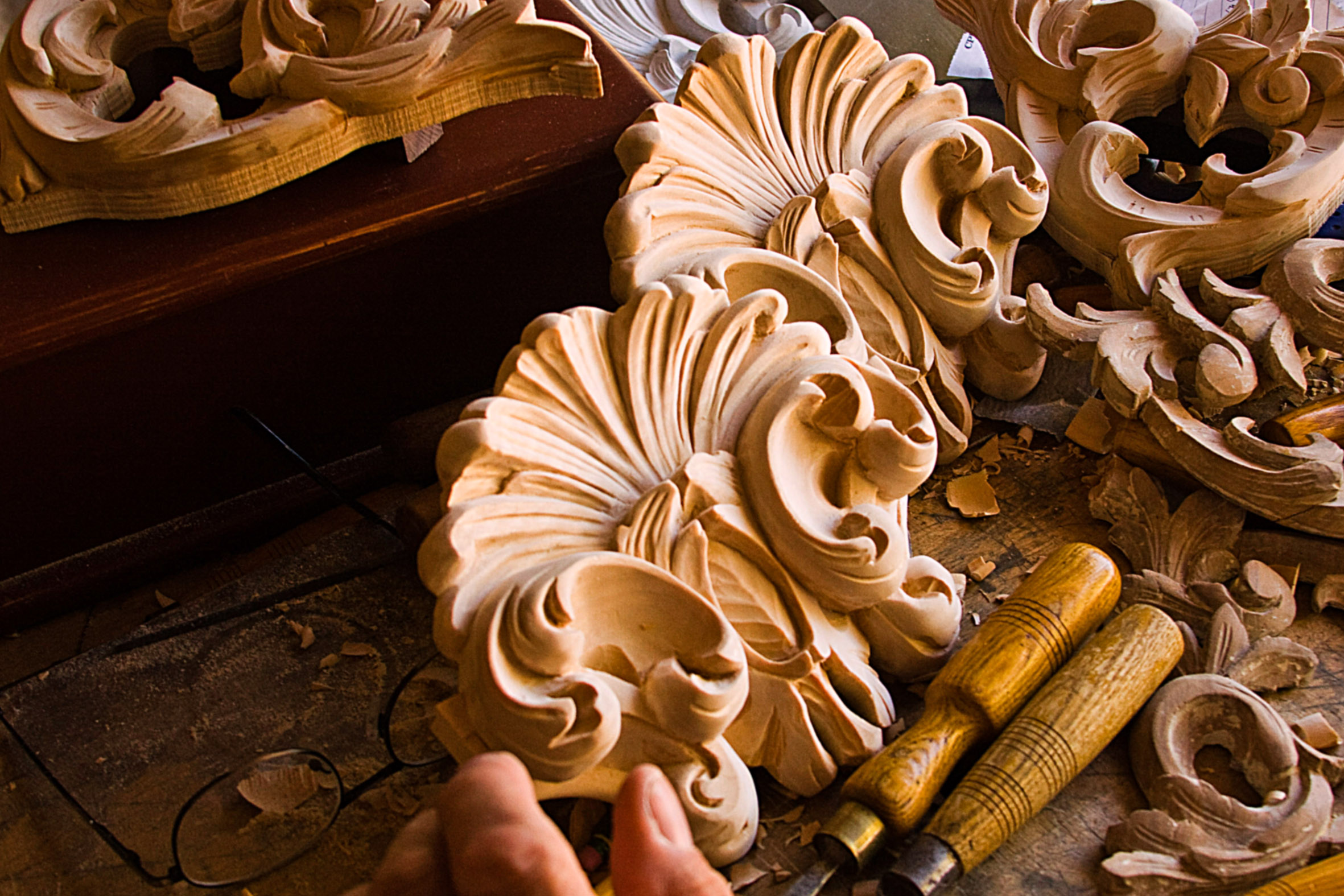
What woodworking has and has always been about for me is developing fine pieces using hand skills. In my early days, before I began teaching but then forever after, I always wanted to present well-tried-and-tested-paths but not because I just liked old-fashioned ways but because there was nothing better that I had ever found. Knowing what was available and adding my own systems and methods and even tools and ideas to it became exciting to me. Today we have become one of the most comprehensive resources for new and seasoned woodworkers to learn from. My foundational course comes from one I have used in one-on-one classes for three decades of teaching woodworkers all around the world. It's what Common Woodworking is all about. Those hands-on workshops never failed and its all the more successful today as we toggle three decades of teaching to over a decade of teaching via the internet. I never knew it could work so very well. My first workshops back in the 1990s were foundational to my endeavor to dismantle the premise as it was at the time and the message then was that the only way to work with wood was by using machinery alone. On the shelves of friend's workshops, I always saw planes and saws gathering dust. This is less so today than ever in the last 60 years.
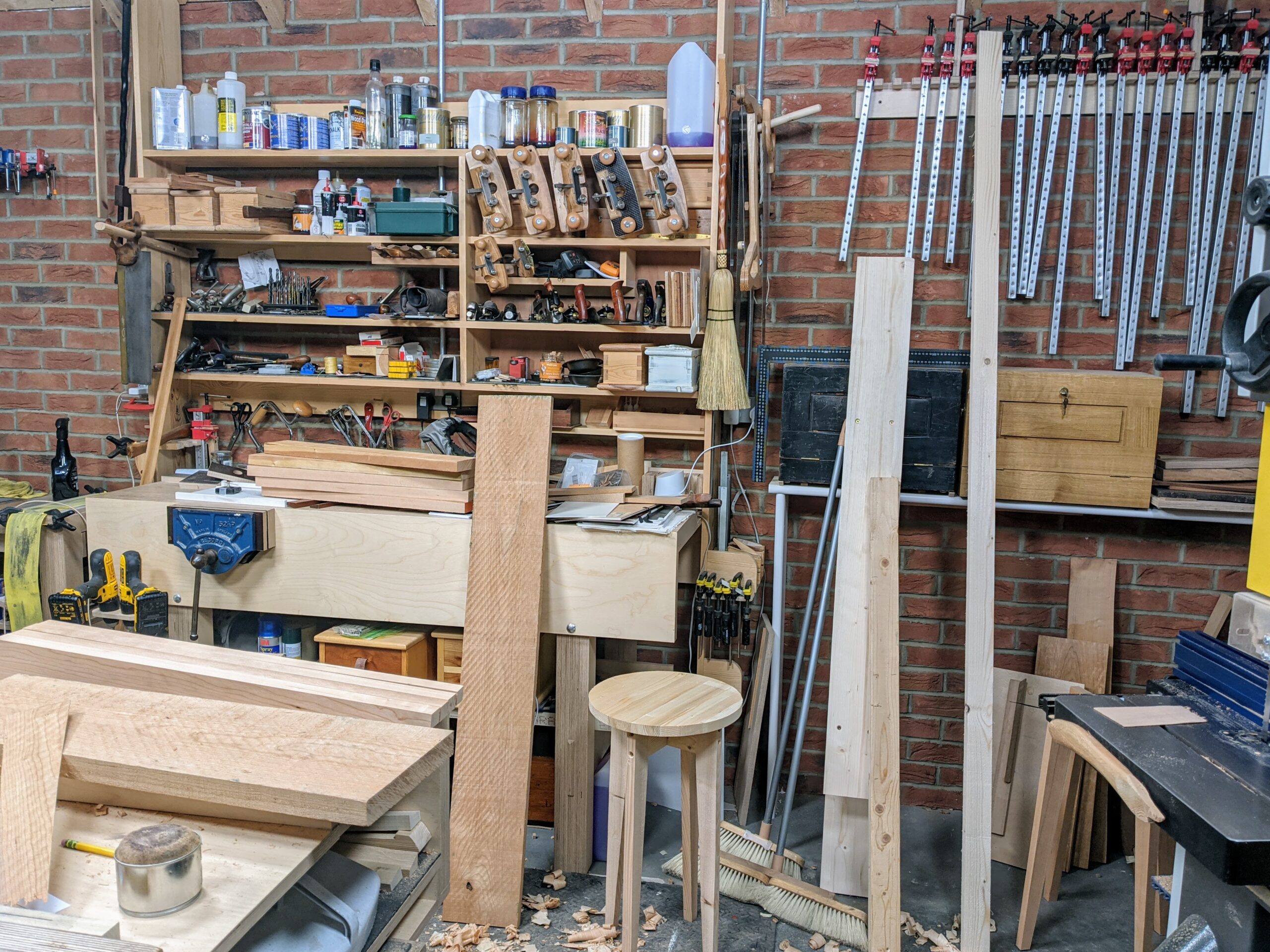
It's not always easy to change your thinking once you've set your course. In my garage workshop, the only buttoned equipment I have by way of a free-standing machine is a 16" bandsaw. If my garage was four times bigger I would still own but one machine. A bandsaw does everything I need. Primarily, I use this machine to reduce larger sections of wood to the components I need for my project. Planing the wood from there takes only a minute or two per piece -- about the same as it takes to walk from one end of a planer to the other to retrieve the wood to pass it through or over and under using a power planer. Is my wood as perfectly parallel as the machine produces? Probably not quite. Is my wood from the power planer as smooth as from my hand plane? No. Wood from powered equipment like planers, tablesaws, bandsaws, etc is never a finished surface. One way or the other, machined wood must be finished more. From the hand plane, it is mostly done.
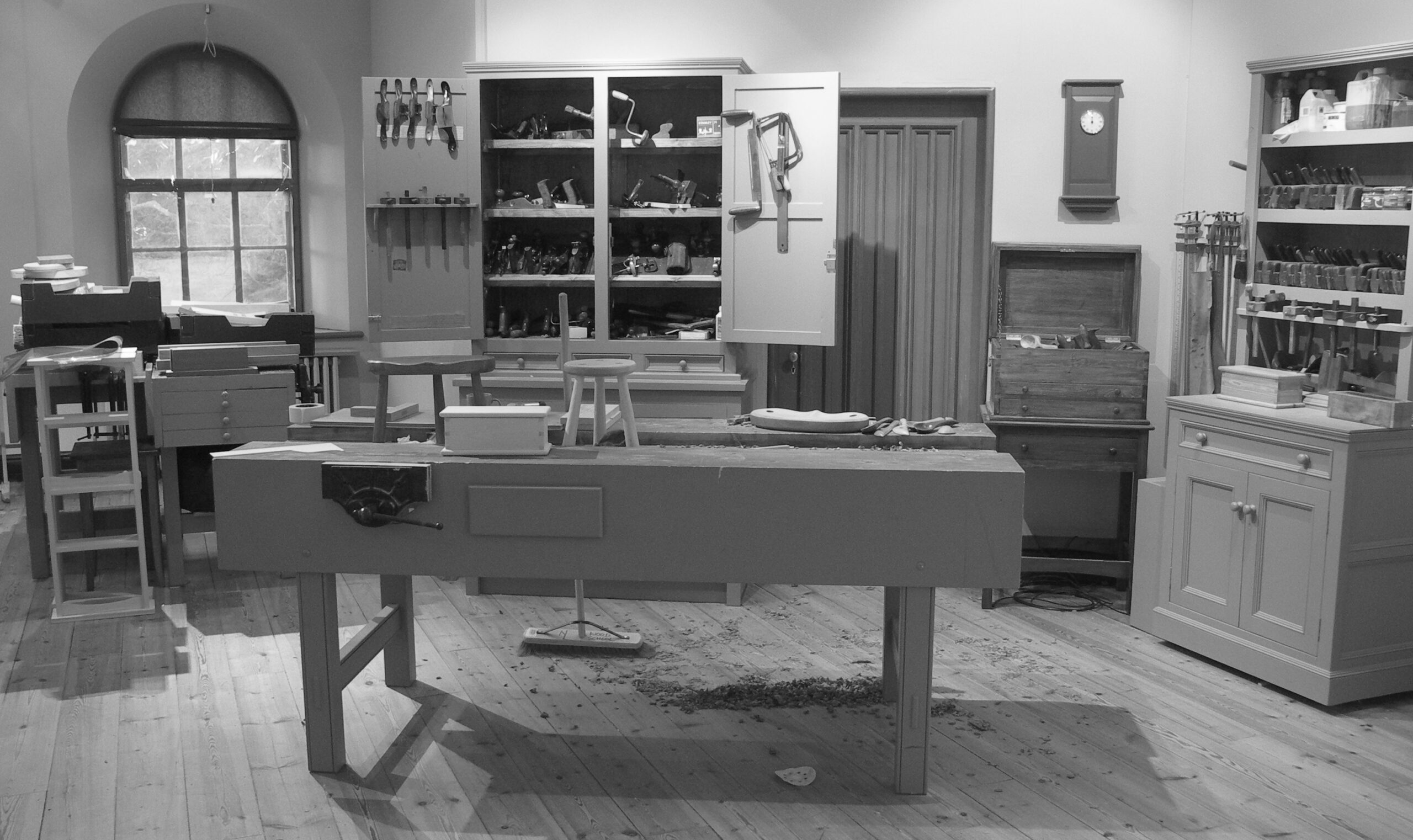
Of course, we are not comparing apples for apples. I'm saying this because the differences are not so massive as many might think, that's all. As an advocate for handwork rather than machining, my quest is not as most might think, a question of the difference it takes in time for us to prepare our stock. I would say that it is as much if not more about health and exercise as anything. I like to take my exercise throughout the day with muscle I develop specifically as usable muscle for the work I do. Others prefer the gym to develop muscle whether they use that muscle or not and then use machines to ease the work down to as near zero muscle power as possible.
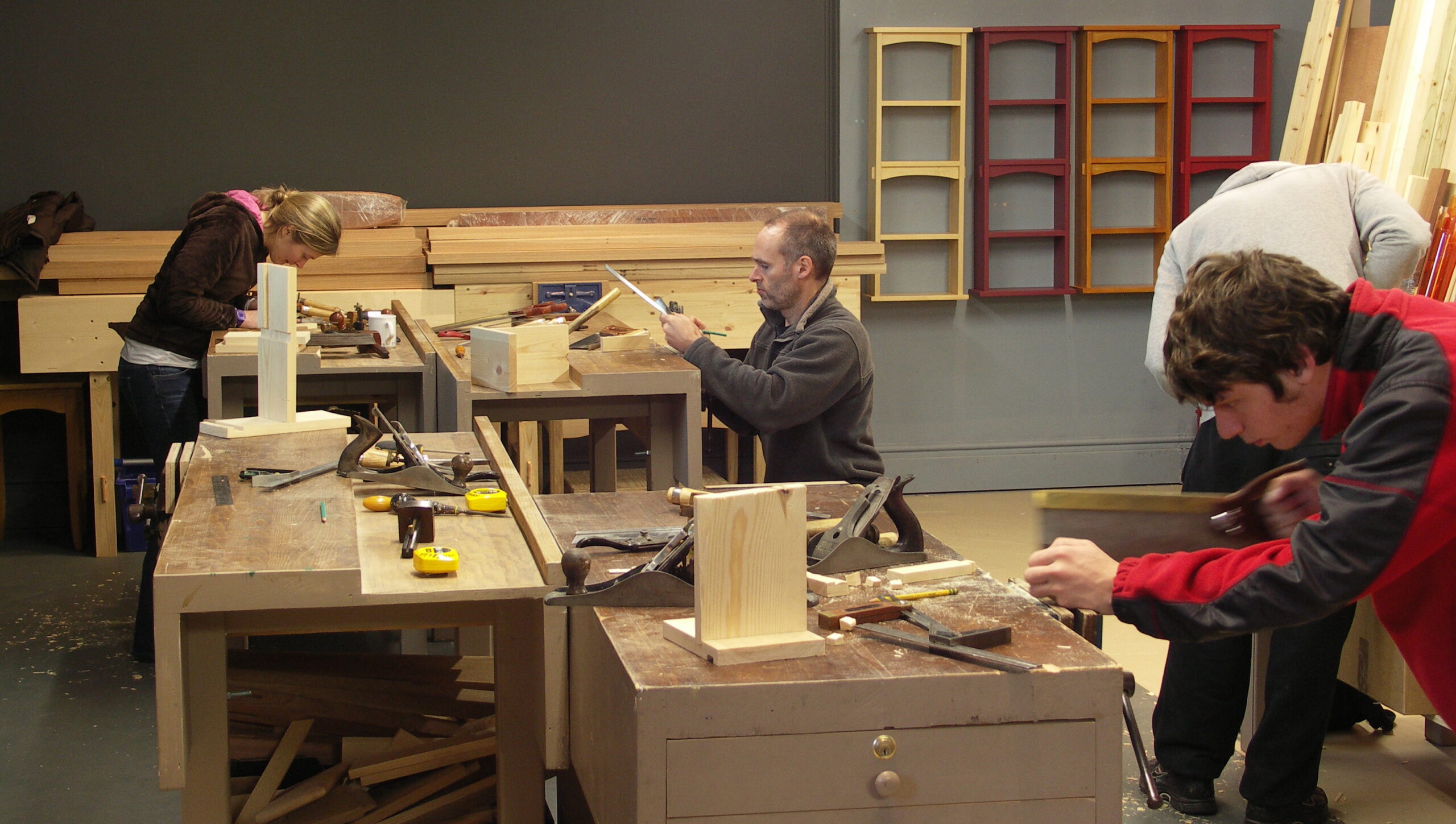
I sometimes see moving to hand tools for some is like getting off the couch to start an exercise program. We've gained weight, the body is heavy, it doesn't want to move and when we take that first step the leg feels like a lead weight. "Run." you tell your body, but your body is immobilised by months of stagnation. This can be the same for those considering the use of hand tools after using only machines. But presses through that wall of resistance eads to a healthier you. that is what woodworking with hand tools will do for you too!
Comments ()