
A Chair For Sellers' Home
If a furniture maker is to be fascinated by any area of his and her craft, surely chair making is the one. Walk into any building, home, shop opr office and you will find chairs and it is pretty much guaranteed that every chair you see that day will be different in shape, type, colour and material. Most offices no longer have any kind of wooden chair as today's plastic and metal versions offer full adjustability as a one-size-fits-all replacement. Furthermore, the five pronged wheel type tmeans they can be moved lazily around the desk to office printers, scanners and so on.
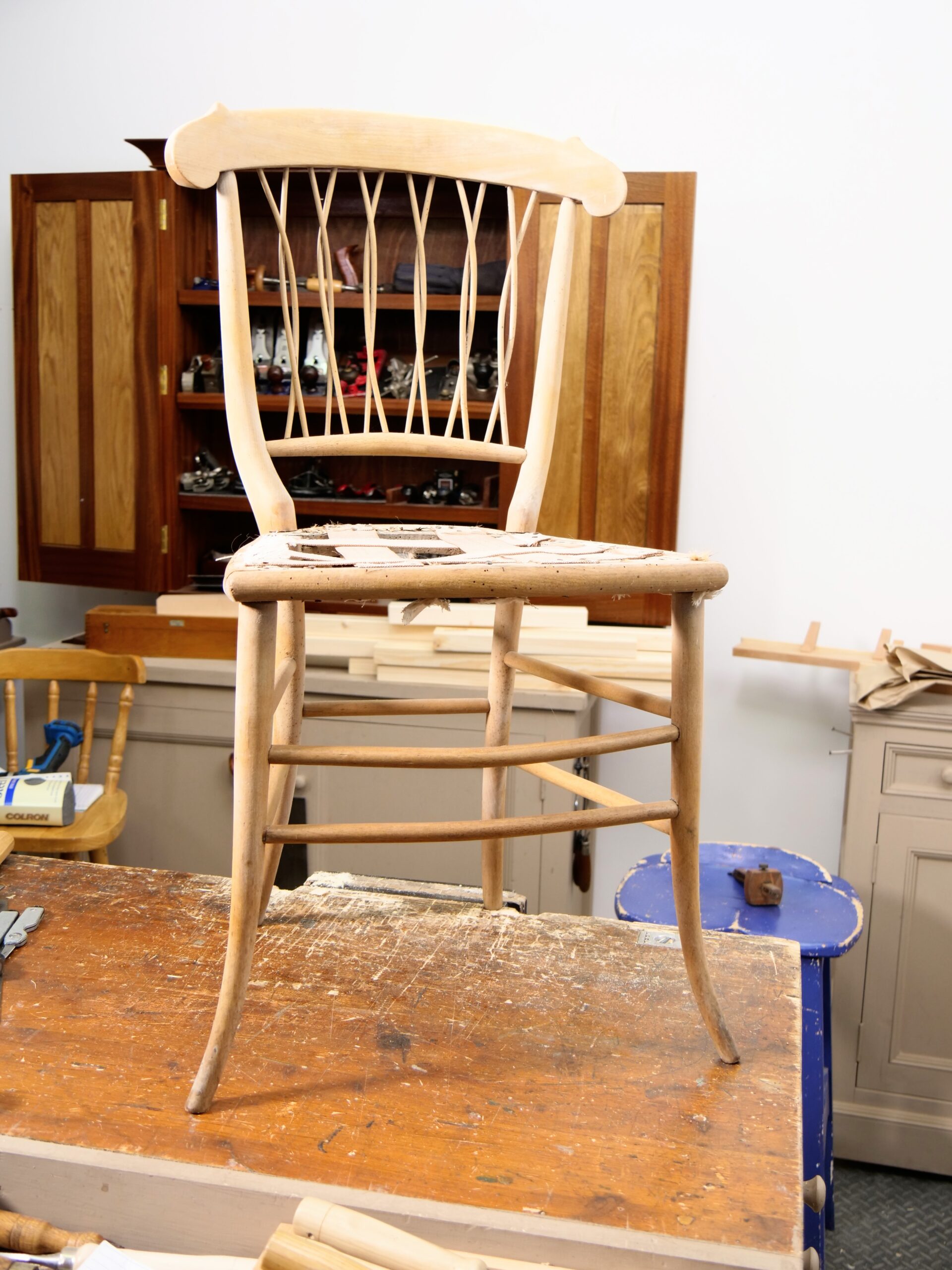
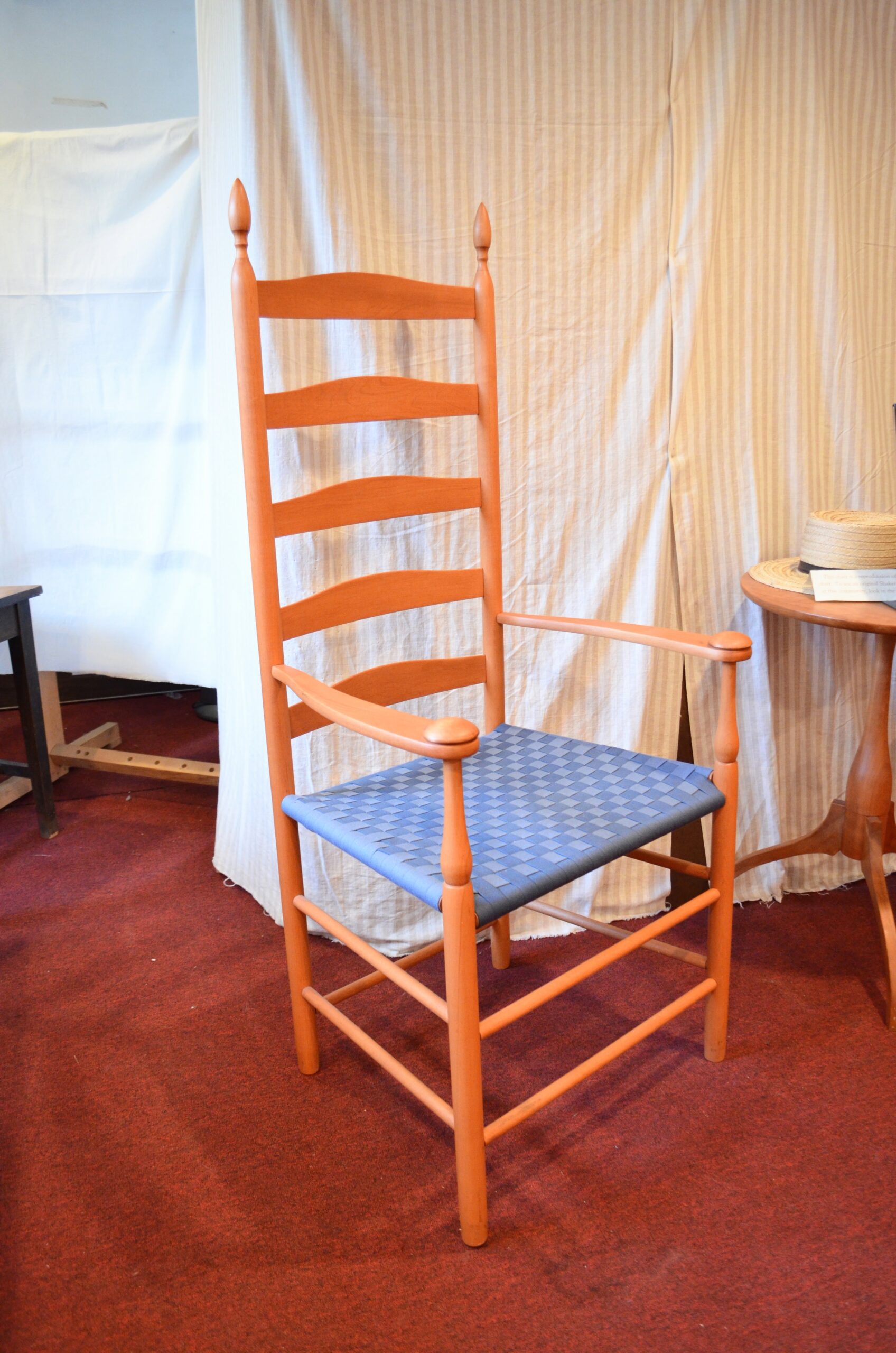
Chairs are complex, four-legged creatures, except the ones built for health-centre waiting rooms, county council offices, colleges and schools, institutions like these. Stick chairs like Windsor's, Clisset's and Thonet's and then, of course, the planest of chairs, Shaker chairs and stick chairs all of which simplified the issues of chairmaking by using mainly bored holes to receive rounded legs, stretchers, side rails or, as in the case of the Thonet chair, screwed-together, more cleverly bent, two-way com
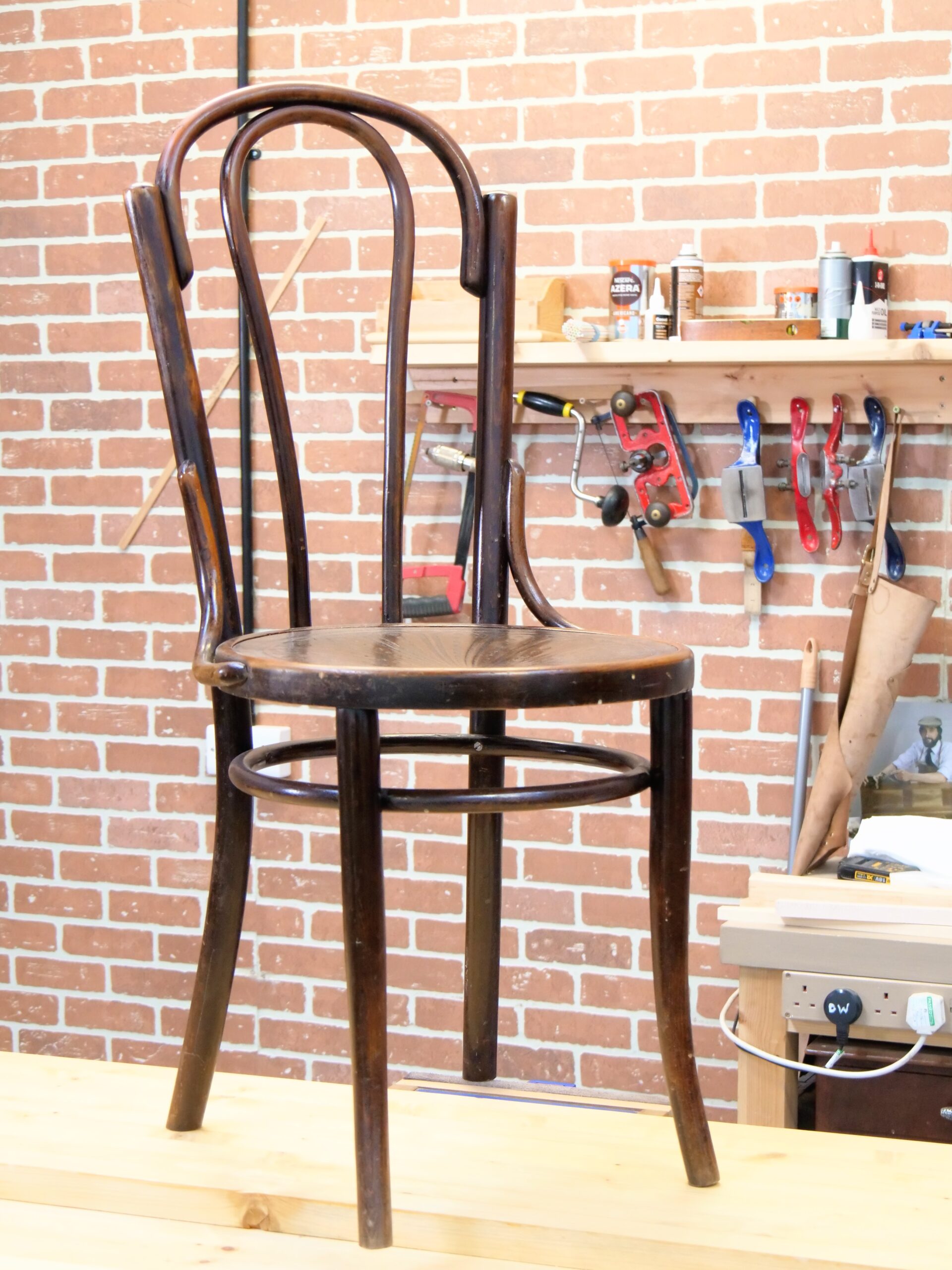
ponents. Having no shoulders to the inserted pieces removed any and all complex angles needed in the shoulders of tenons if indeed you wanted any splayed legs that add stability.
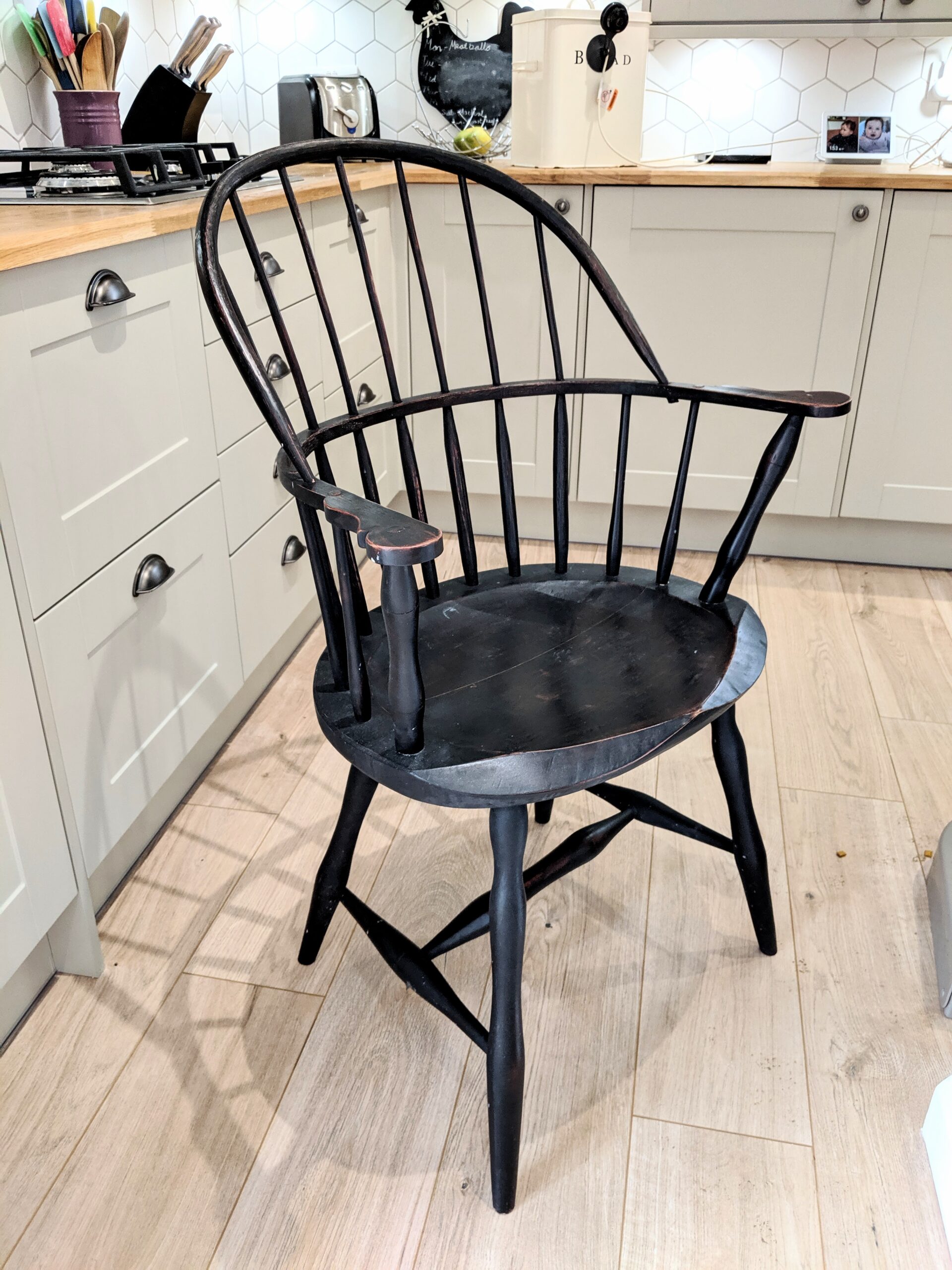
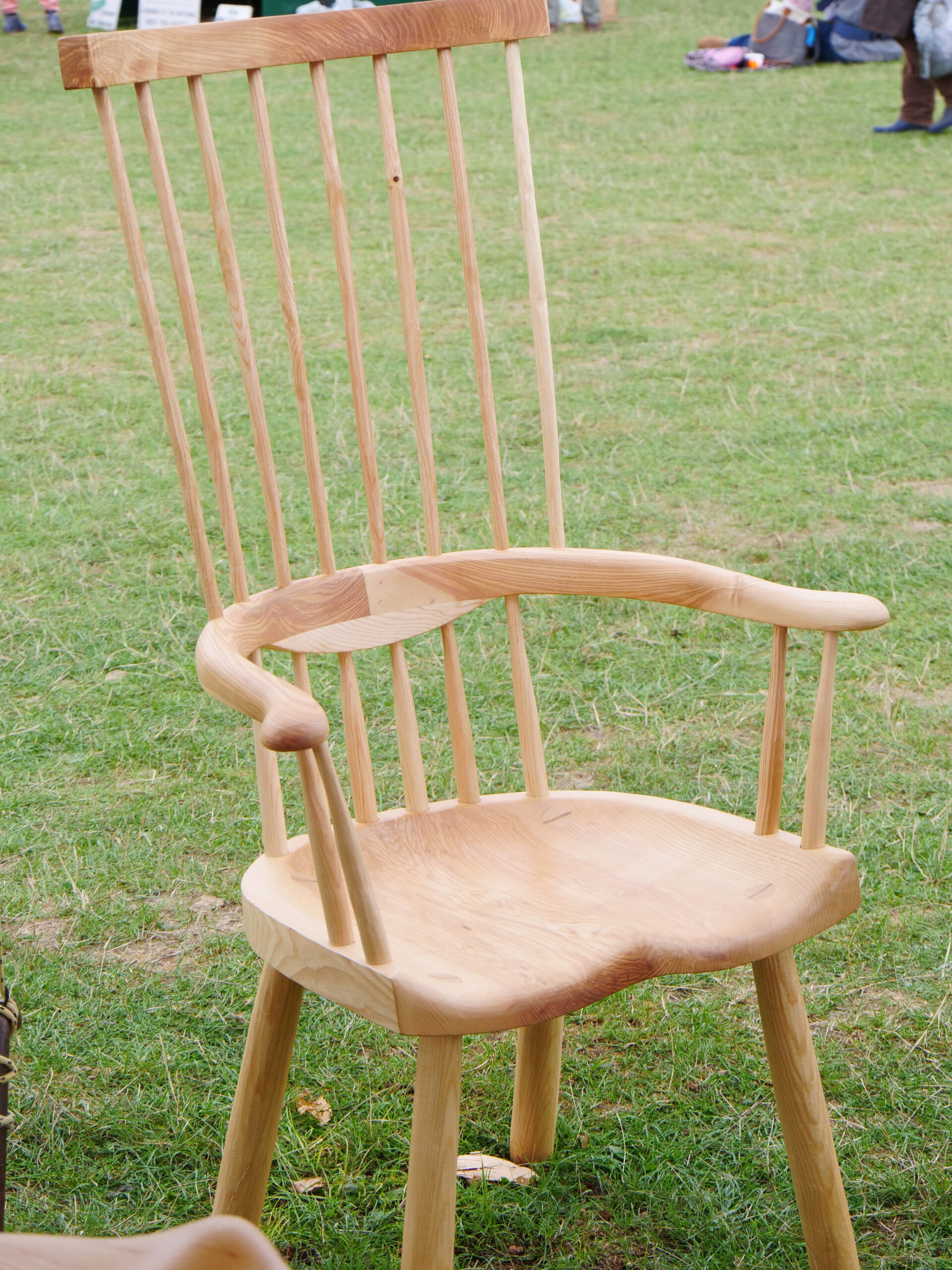
Comparing the so-called Welsh-stick chair to the American Windsor styling is a chalk and cheese comparison. Whereas both are actual styles of chairs, and the principles used in the designs are almost identical. one has the styling of a more country look and the other a lighter weight, less clunky, elegantly refined look.
Of course, there is a place for just about any style of chaor an especially when they are well made and made by hand.
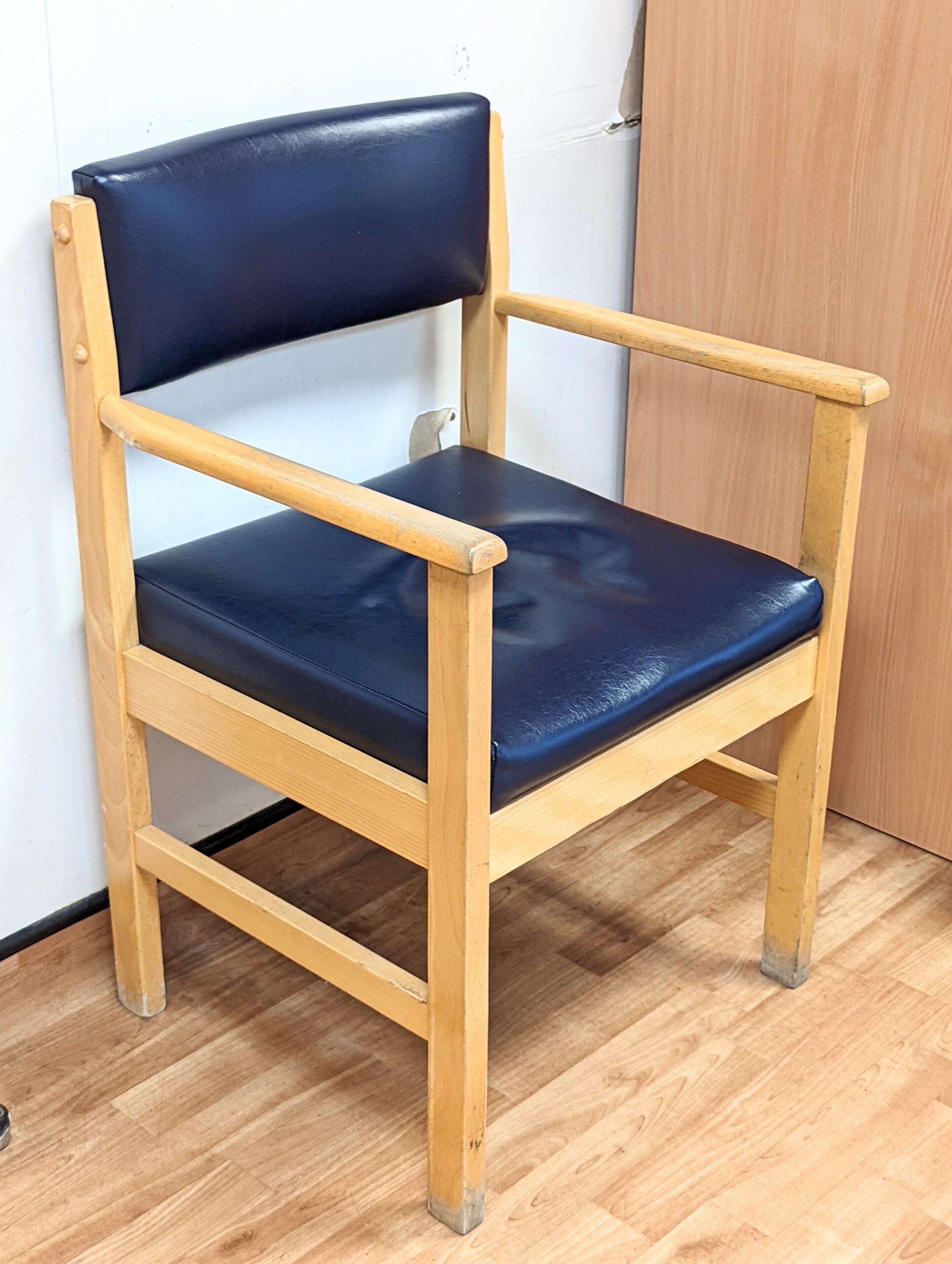
Of all the furniture pieces ever made, chairs are without doubt the most abused. Designing chairs that hold up to the rigours of daily, family life can be a challenge to any furniture maker-designer. Not only do the woods impact the design options, so too does the joinery, the intended use and the unknown possibilities of diverse misuse. Chairs get stood on, scooted fully weighted in many different directions, rocked on from side to side, tilted back on onto the two rear legs and even just one leg from time to time. Dead-square, blocky chairs with no tapers, a larger than average footprint and lots of rails mortise and tenoned well produces a long-lasting piece to sit on. The problems with such chairs are manifold, but two alone come immediately to mind; they take up too much space, and they are usually very ugly. In my design brief, I tackled the issues I feel are important. The chair must be a safe design for adults and children, compact enough to seat three on each side of my new dining table where three of them will fit readily between the table legs, solid enough to last for decades up to a century, lightweight enough to move singlehandedly by a lightweight, non-muscular person. I want my three-year-old granddaughter to be able to slide one across the kitchen floor, kneel on the chair facing the back without it tipping in any direction, things like this. We'll see! The other element I always want is shouldered mortise and tenon joinery throughout the main frame. I am fairly settled on my design now. And I am currently bringing all of the components together piece by piece.
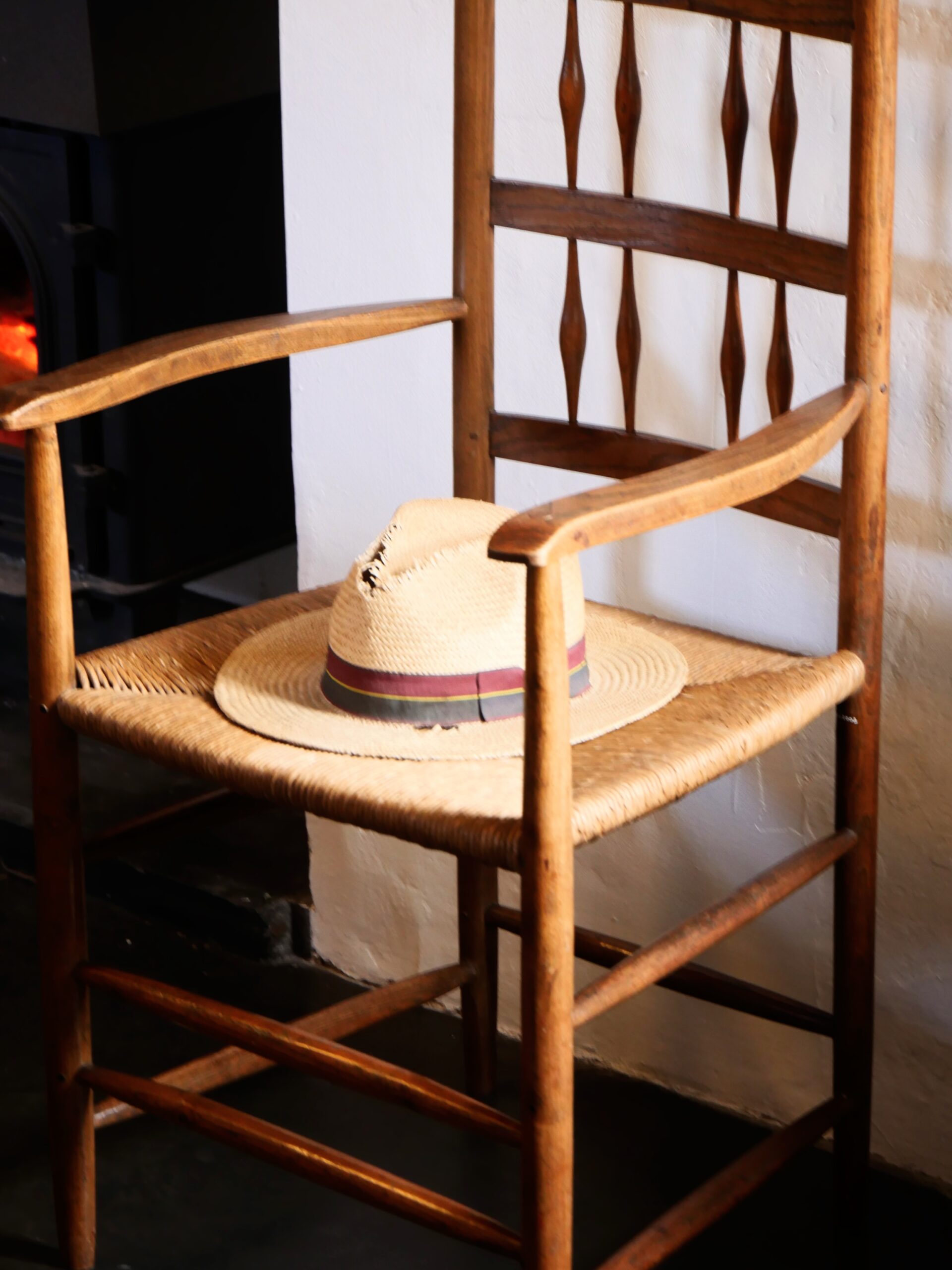
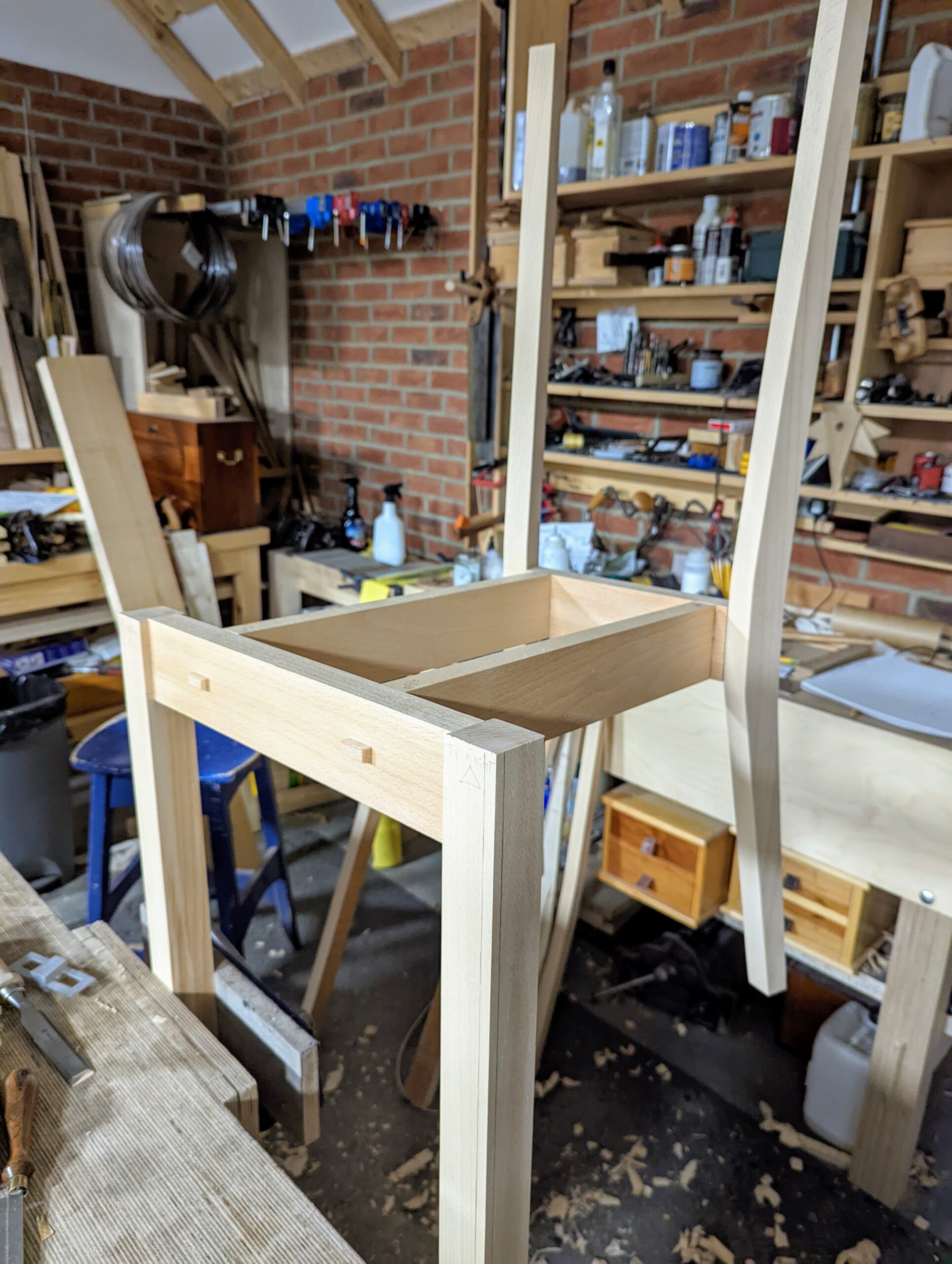
My design has one complicated mortise and tenon joint that also leads to a complicated glue-up. In both complications I resolve the problems in a spilt-second thought that worked perfectly first time, saving me a lot of time and heartache. Tonight the chair is all together apart from the chair back which io want to get right. The chair seat is different. I reduced the weight of the chair by my choice of slatting the seat. It's an unusual chair, a mix of tradition and simplicity I looked for and got, I think.
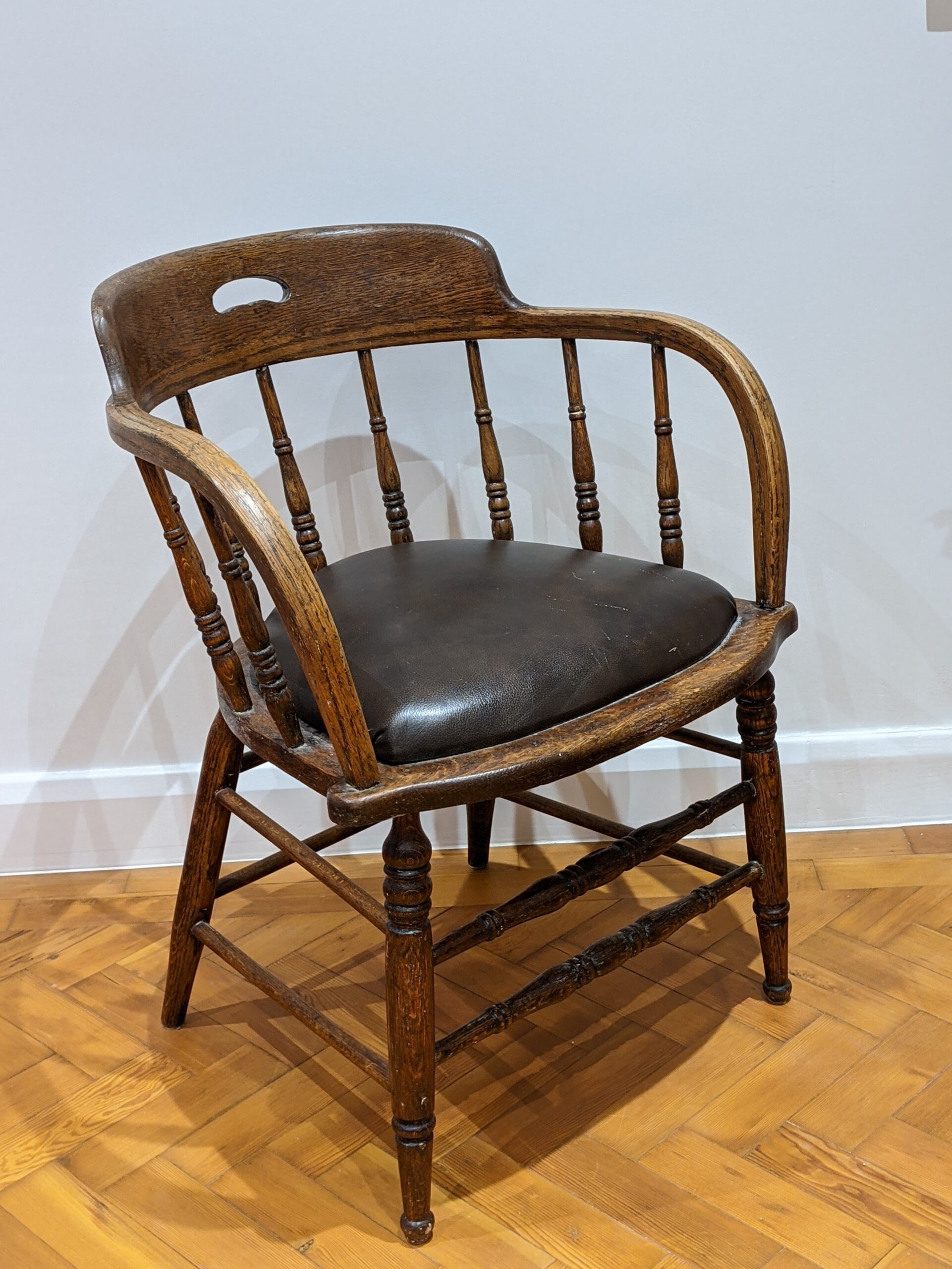
My chair here cost me a pound at an auction room and is extremely lightweight to lift and carry and is amazingly strong after a hundred years of daily use.
My chair started like this with components super-glued and screwed in place . . .
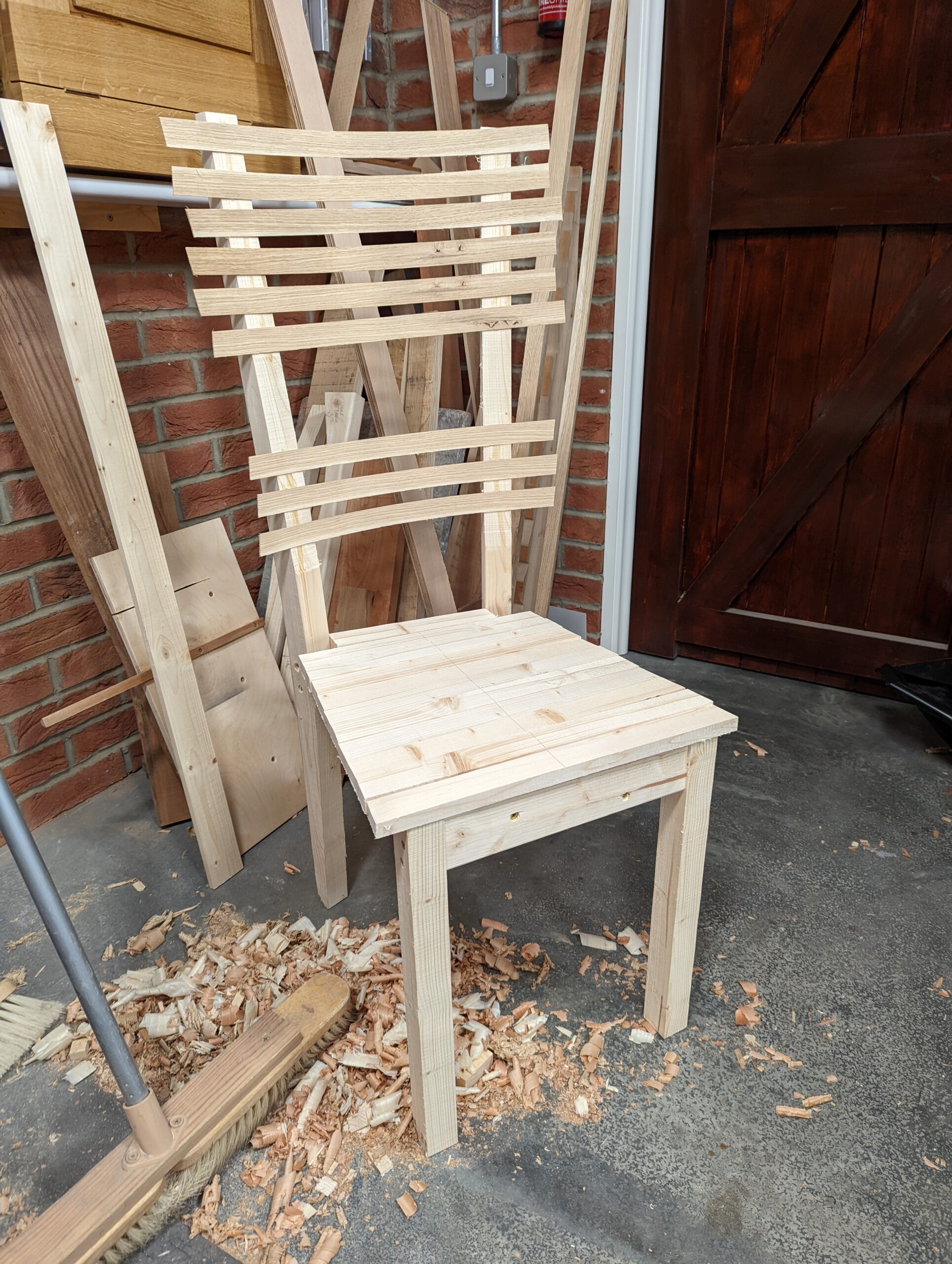
. . . so in the next two days we begin filming the chairmaking section of Sellers' home dining chairs to following from the dining table series we just finished. I am happy to have a new design come together. What's next?
Comments ()