
The Merit of Mesquite
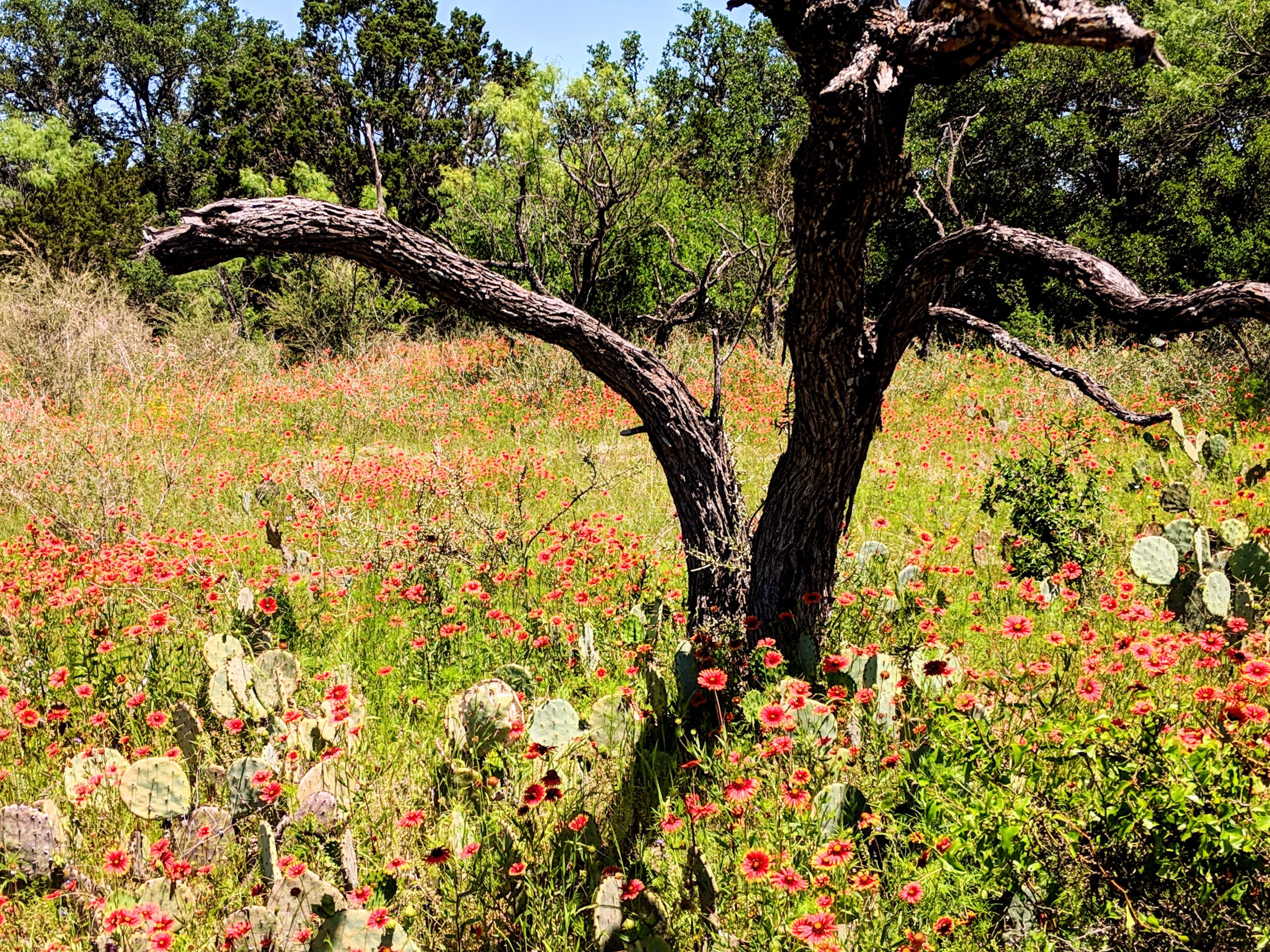
I have loved mesquite since I first met with back in 1984. I mistakenly thought it to be a Mahogany variety, perhaps Sapele, something like that, but it was too dense, too hard for those woods. I didn't work with it again until two or three years later when after my first introduction to it I started to harvest free wood by taking down the trees on pasture land of local ranchers. Ask anyone in Texas about mesquite and they will tell you of its amazing effect in barbecuing beef or for smoking brisket, that it burns hot in the wood-burning stove and that it is a scrub wood hated by farmers and ranchers. I too have seen it as all three but I have also known it for its amazing stability which I link to one thing alone; mesquite knows no equal when it comes to absorbing and releasing moisture. Compare it to any non-tropical or temperate hardwood and you will better understand what I mean.
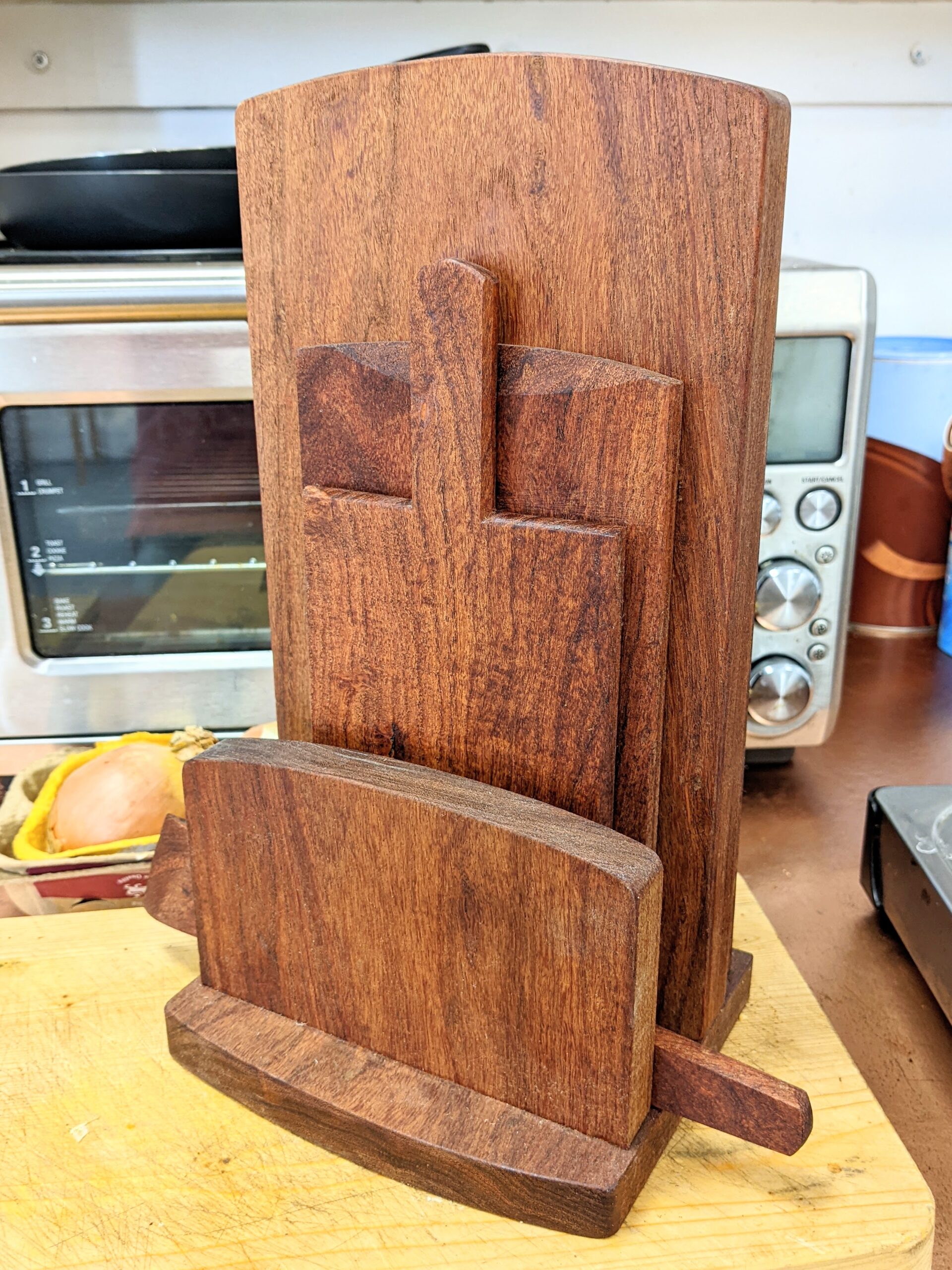
When I first began working with mesquite I was prepared to consider shrinkage as I did other hardwoods growing in the region. Woods like oak, ash, maple, cherry and walnut. When you take down a live tree, slab it and then reduce the moisture content by drying it in a kiln or air-drying, you expect the width of board you cut to shrink considerably from its original cut size. Some woods will shrink an inch or so rendering a 12" wide board a usable 11". This variance depends on the wood and whether too it is softwood or hardwood. In an endeavour to experiment with my woods, I soaked and resaturated the fibres of short cuts of all the above-named woods over 24 hours in a bucket of water. My sections were 1" long along the grain, 6" wide and 3/4" thick. My main interest was how the wood would expand across the six-inch width as this is the measurement I needed to know the increase of. Wood shrinkage in its length is so minimal it usually do not affect any of our work. Long story short, all of the domestic hardwoods increased a massive 3/8" to 1/2". Very substantial, I thought. Mesquite however increased a mere 1/16" in width and it is this that I consider the property that gives mesquite its intrinsic resistance toward distortion both in seasoning and in subsequent exposure to extremes of any and all atmospheric conditions surrounding it.

In the kitchen, by the sink, the cooker, the microwave and of course the kitchen sink, I am not too surprised at how quickly general hardwoods degrade as kitchen utensils. Now I am a bit like I am with hand tools, why buy into something that doesn't last so well. My preferred wood for kitchen support like spatulas and cutting boards, chopping boards and so on is needless to say Mesquite.
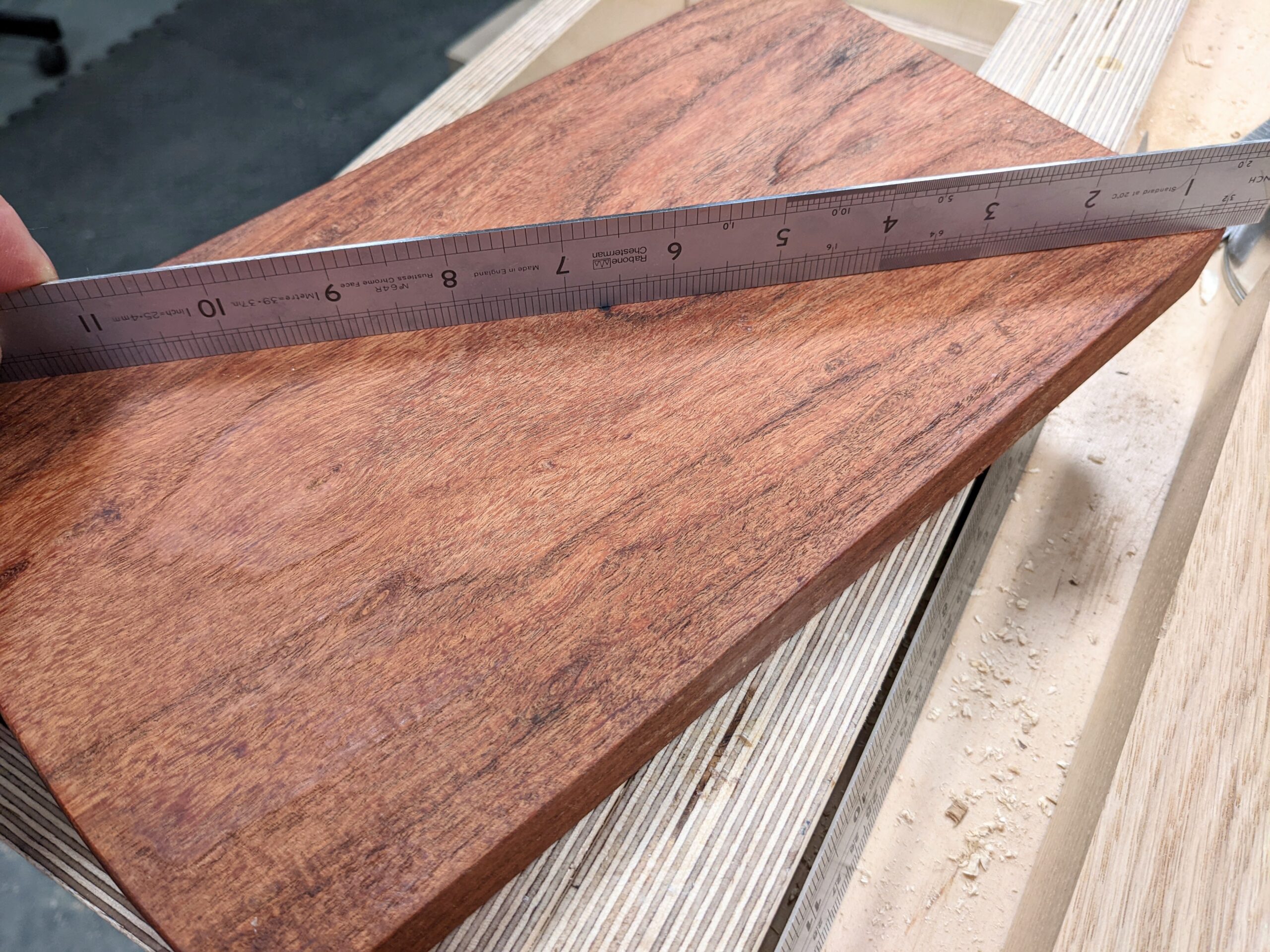
Not only is it a lifetime wood that resists degradation of any kind, more important to me is the fact that it stays dead flat and true year on year. Of course, chopping veggies, meat slicing and general food prep will crisscross-cut the surface fibres over the years and this will hollow the surface somewhat, but I doubt that even in professional realms of cooking, you would see much deterioration over a decade or two.
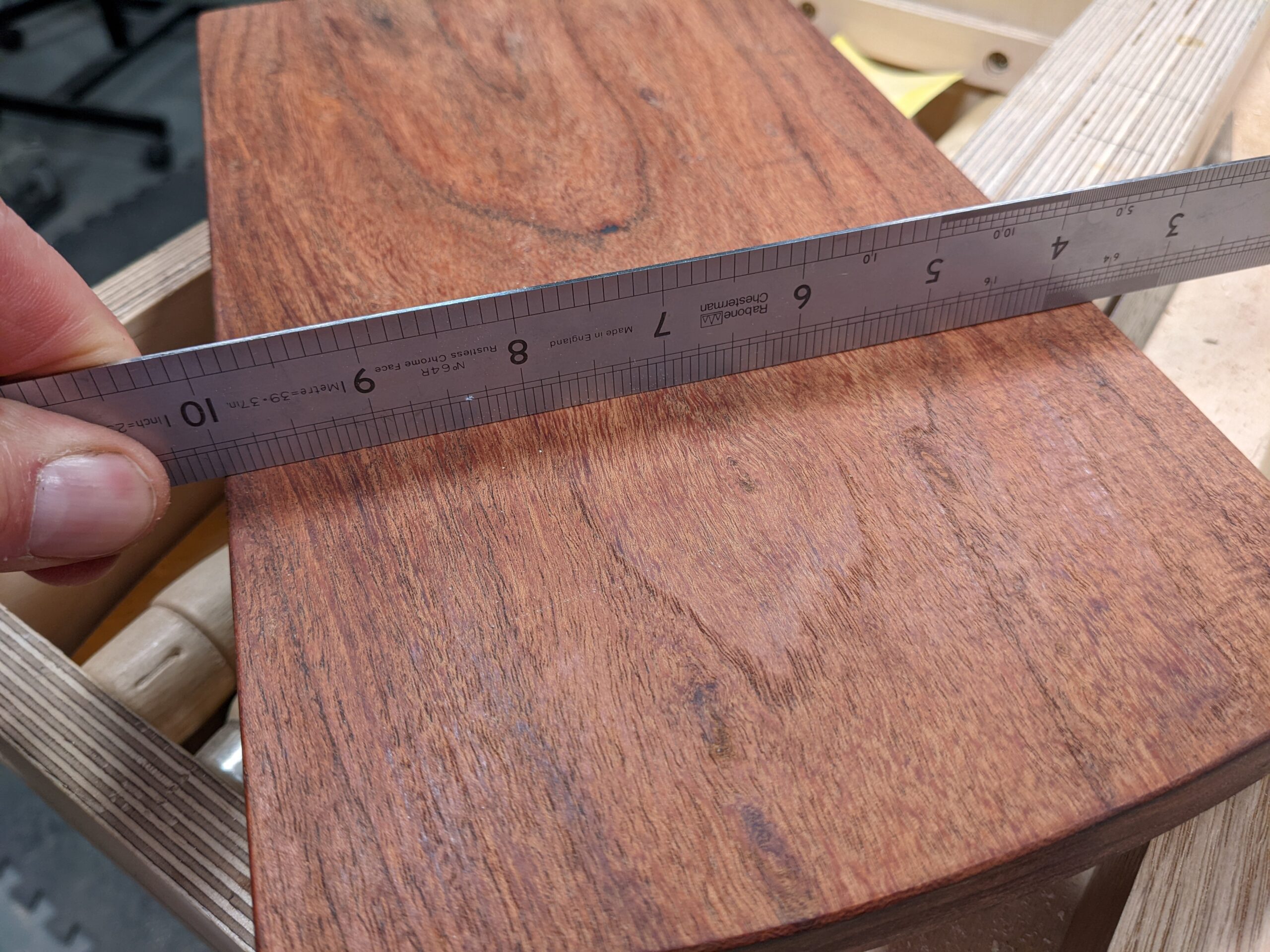
If I ever returned to live in the USA and my home state of `Texas I think I would pursue making cutting boards from mesquite as a business. In times past I have sold a 12" cutting board 8" wide for up to $80 US. They take only a few minutes to make and people love the idea that you are NOT barbecuing with it or throwing logs in the fire or bulldozing it and burning it in piles on rangeland. Imagine how narrow-minded the US government was in decades past when they invested millions in trying to eradicate this wonderful legume. The nitrogen fixer of Texas and other states restored more land than it ever deprived us of. It just needed better land management, that's all.
Comments ()