
different Views
It's not unusual for people new to woodworking to be averse to taking risks as they develop their desire to work wood. The uncertainty of outcome feeds into our fear of any kind of failure and of course, we're often involved with a material that generally presents us with an unpredictable outcome when we least expect it. Tools like saws sometimes seem to us to drift from the line we placed to leave us feeling unequal or worse still inadequate to the task. The wood rips and tears as we pursue the tasks of planing, chiseling and spokeshaving; operations key to a good outcome of our working. That surface we wanted to smooth so has torn terribly, as if, like hair, it was pulled out by its very roots. And then that ever so slight tilt into the cut line by a misaligned saw or chisel seems magnified a hundredfold when a partner piece meets the shoulder.
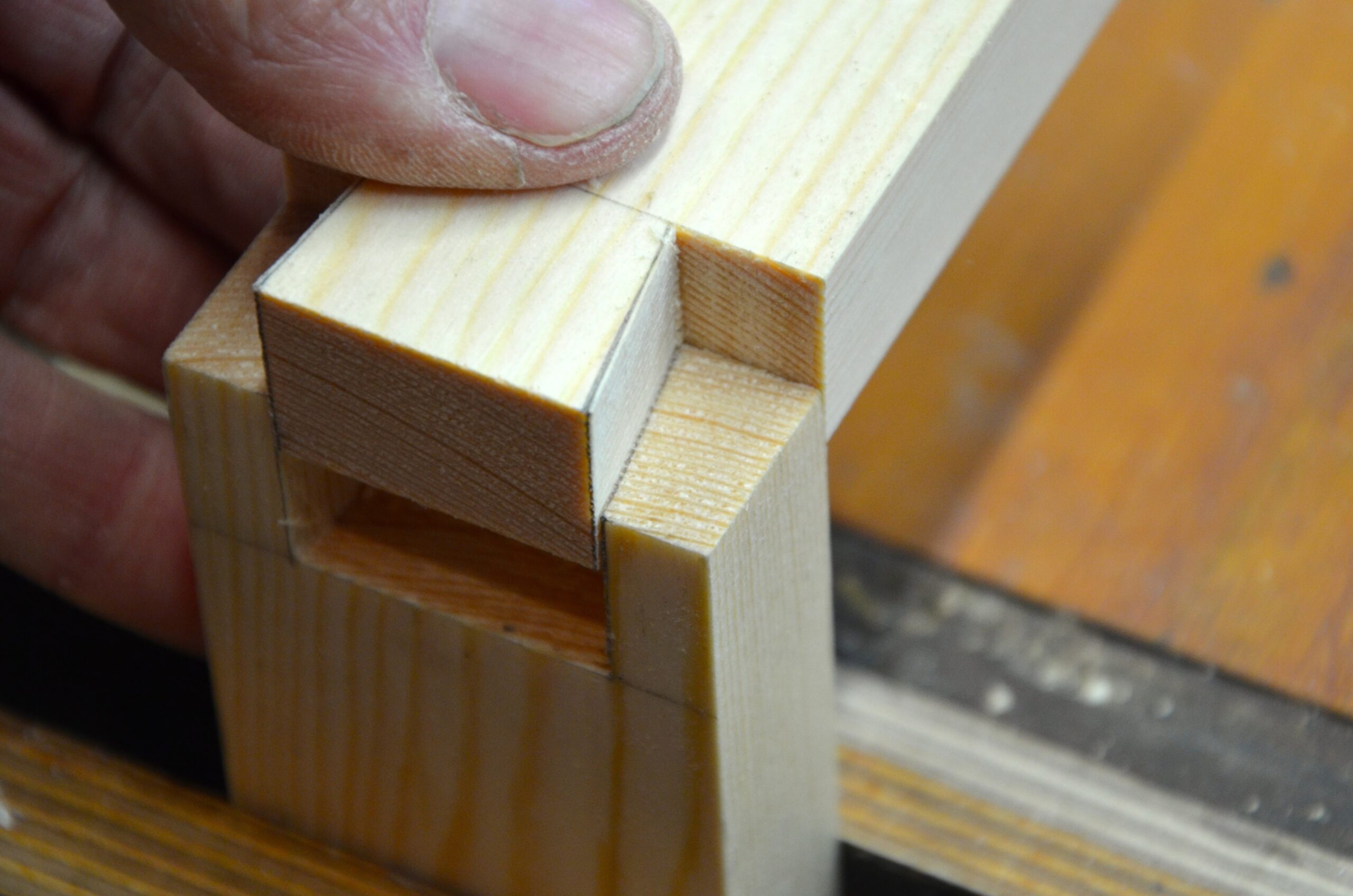
Tools, materials and our humanity must be synchronised continuously throughout the work we do and for extended periods of many many hours. If it's been part of an artisan's life for many decades it is as natural to him and her as breathing. In hand tool woodworking, the connection to the wood through the tools is incredibly high demand. You cannot allow distractions to cheat you of the prize you strive for by a less than positive grip, an unpredictable grain flaw, or an extra stroke that just overcuts too deeply. Once the wood is severed off accidentally, it simply cannot be put back, and though 50% of the time a patch might never show, the other 50% can and often does stand out like a bandaid on your face. The resultant gap in an off-square shoulder, even the very thinnest line, calls you a failure. Glue and sawdust, wood filler and such rarely ever leave you with a feeling of success but more a sick feeling. In some realms and by some, you would be considered the cheat.
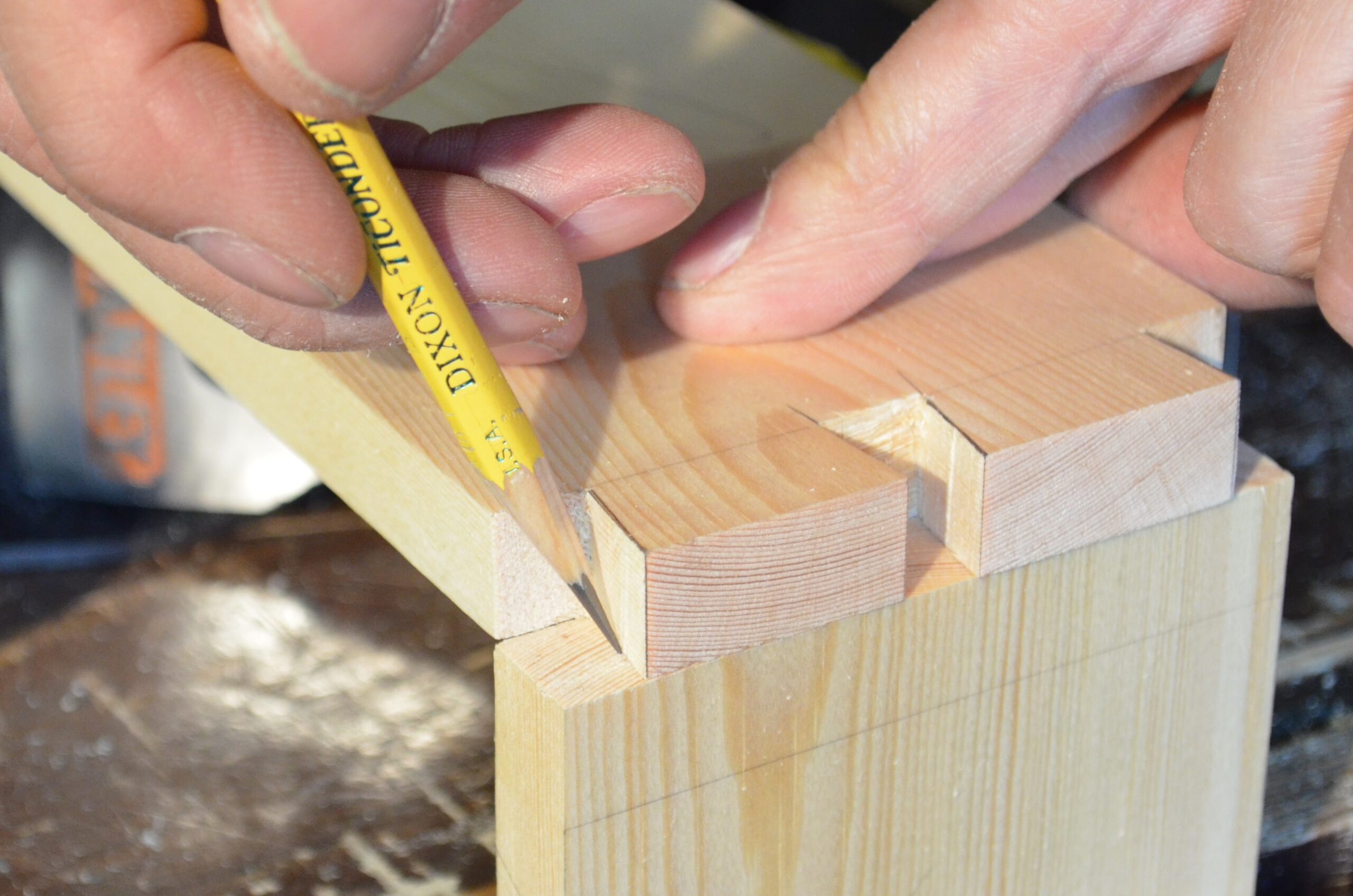
Overcoming our fears and self-doubting is an important step in our developing the much-needed practical levels of working. I doubt that rote practice by repeating an hour's worth of saw cuts and plane strokes rather than a few will be as valid as simply making a project and accepting miscuts that remain in the work as evidence of our learning curve. A chisel tray or silverware divider in a kitchen drawer will still hold together for a decade or even for a lifetime inside the kitchen drawer or on the benchtop. The vehicle for developing and delivering true skill is better achieved through using a project as a means to that end. Hence, in my classes, with 6,500 students through the three decades that I taught hands-on classes, relied on making three full-sized and substantive projects in steady and progressive succession after making only one of each of the kinds of joints needed in the upcoming projects. Newly gained confidences quickly translated into three finished projects of a decent size, replete with good joints and joinery throughout and the increase in confidence levels most students never thought they were capable of finding. What am I saying? I designed the projects for skill-building and the primary purpose in making them was to maximise learning so that the outcome was the skills you established and not the three projects. It's great to make something that still has demands but ones that provide the opportunity to both learn and practice on.
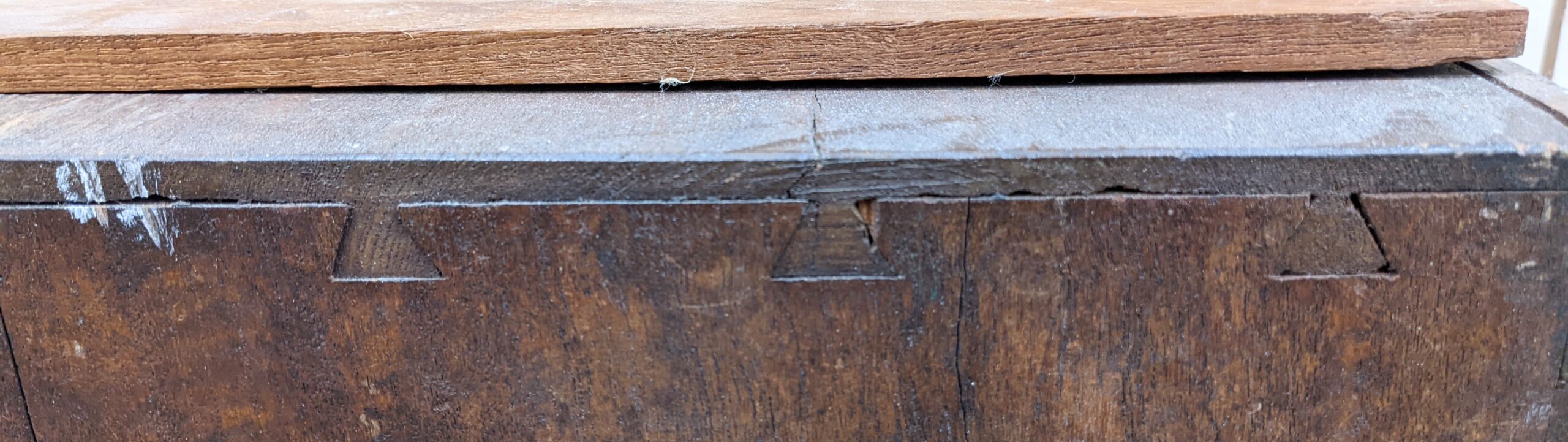
Living with gaps in our early works records the steps and stages of our development. Through this, we can see where, when and how we grew when later we compare subsequent work with the earlier efforts. Of course, for many, gaps and other man-made defects can be a source of irritation rather than the developmental record I think to be important -- I like evidence of improvement. Another issue surrounding a miscut is that it so pops off when we show others what we've made. That's when the joke might come from someone as though they 'caught you out. Instead of simply ignoring the cut, they just have to comment on the obvious, and the more the rest of the work nears perfection, the more the miscut stands out in contrast.
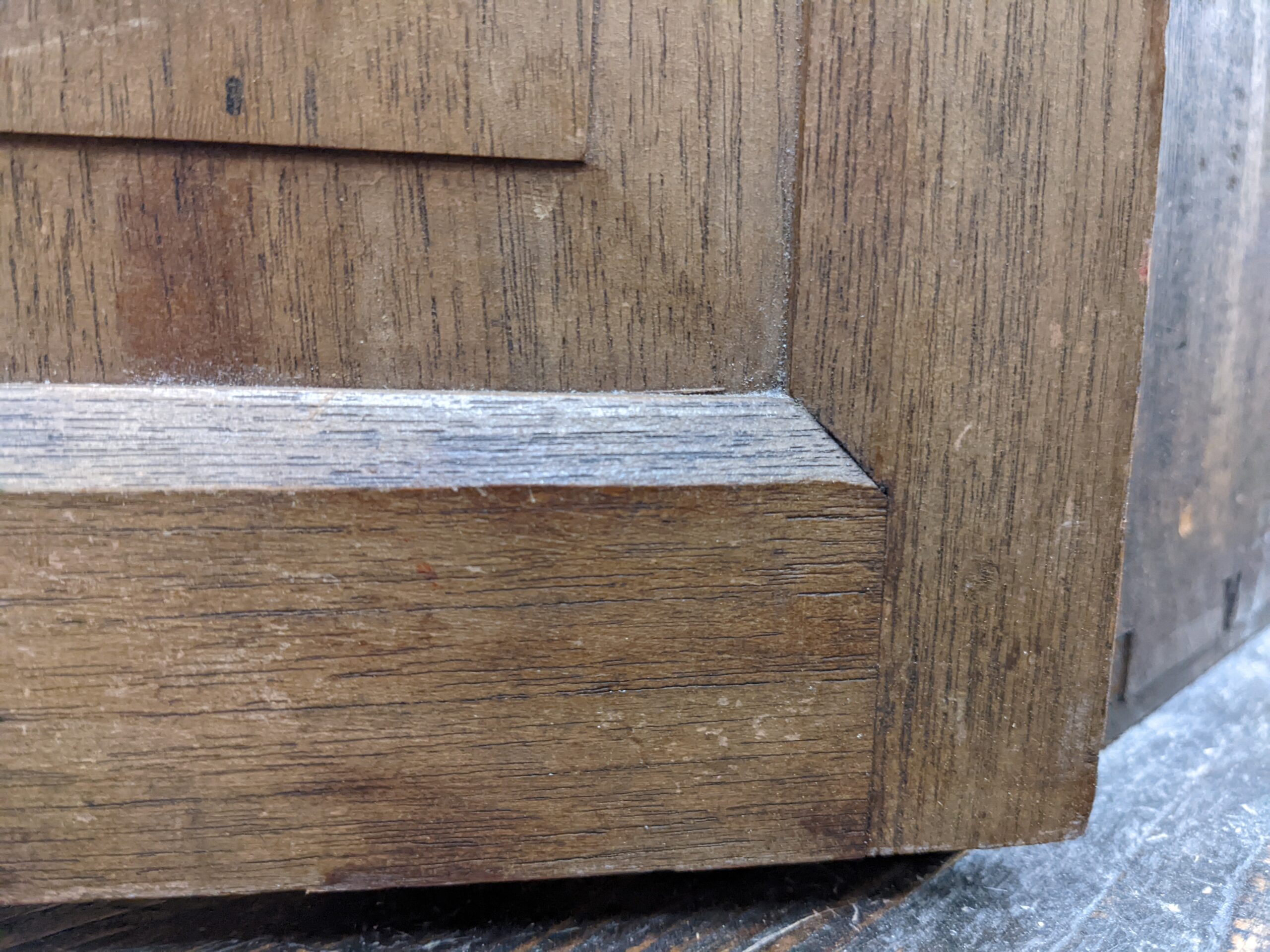
I think that it is very important to understand that a miscut joint line somewhere in the work is not a flawed you and neither is a flawed cut representative of who you are. These are not mirrors of who we are and especially is this so in the early stages of any learning. Indeed, flawed learning can be a result of the way we are or were channeled to think and do, and can just as easily be a product of flawed teaching, training and mentoring. . . and it might not!
But a gap can be a solid reference showing the best of our early ability as much as it can a mistaken cut and it is our option to accept it as no more than that. On the other hand, it can be a point at which we decide the best thing is and was to accept the gap but to then go on to replace the section with a good replacement piece of wood.
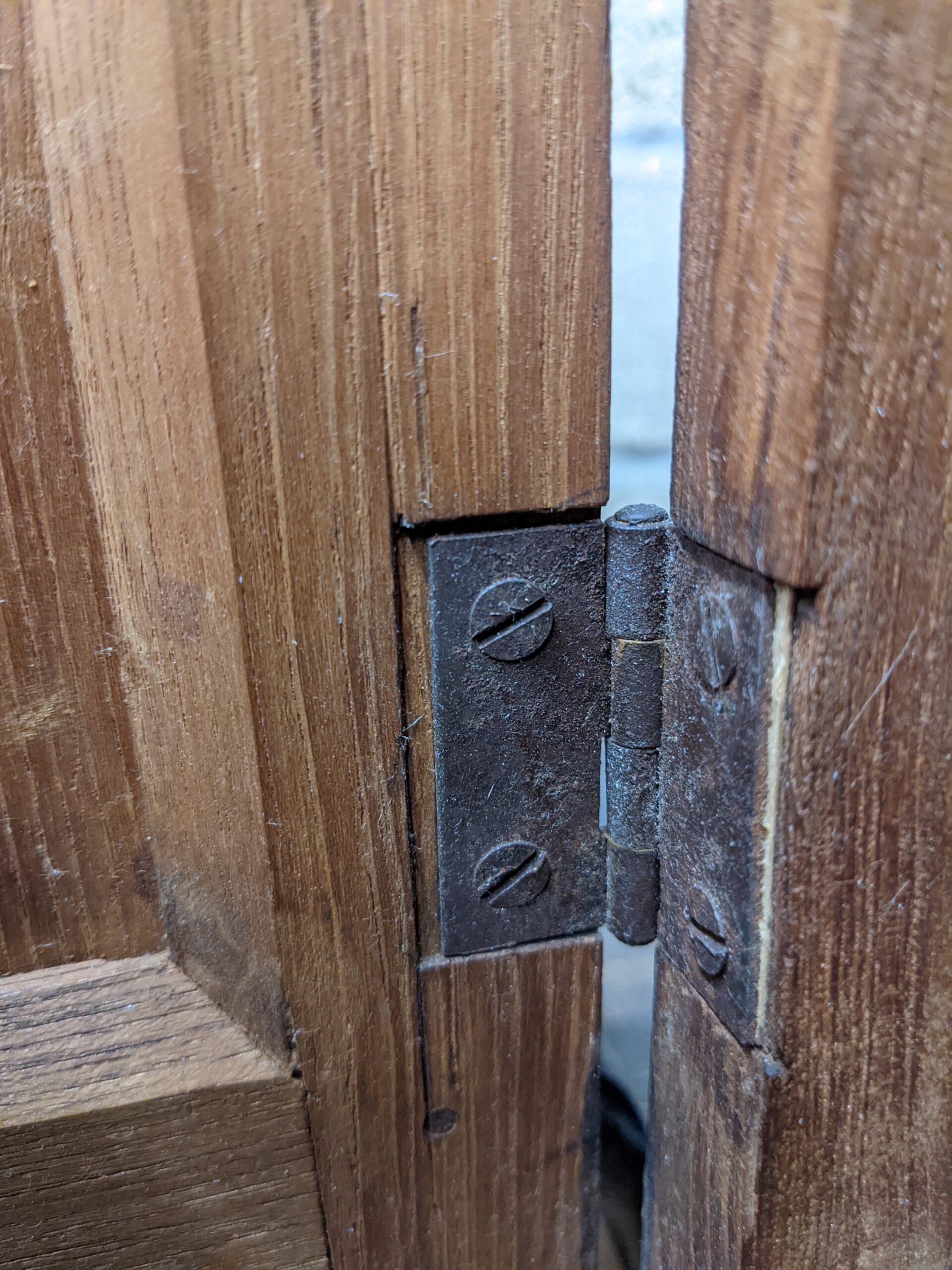
I look at expectations differently today than in years past. I've written on this before somewhere, but I might mention that one area of flawed thinking is to associate manual working like furniture making with levels of intelligence. I have known educators to say I don't get it, I'm an intelligent man, how come I can't get this to work right for me? Manual working can depend on many things not the least of which is whether you peeled potatoes for a family meal, whether you created order in your work ethic, or life was unchanneled buy guidance coming to you as a younger person. All crafts, no matter the craft type, are 95% or more about working to order with patterns and templates of working continuously being established as you grow.
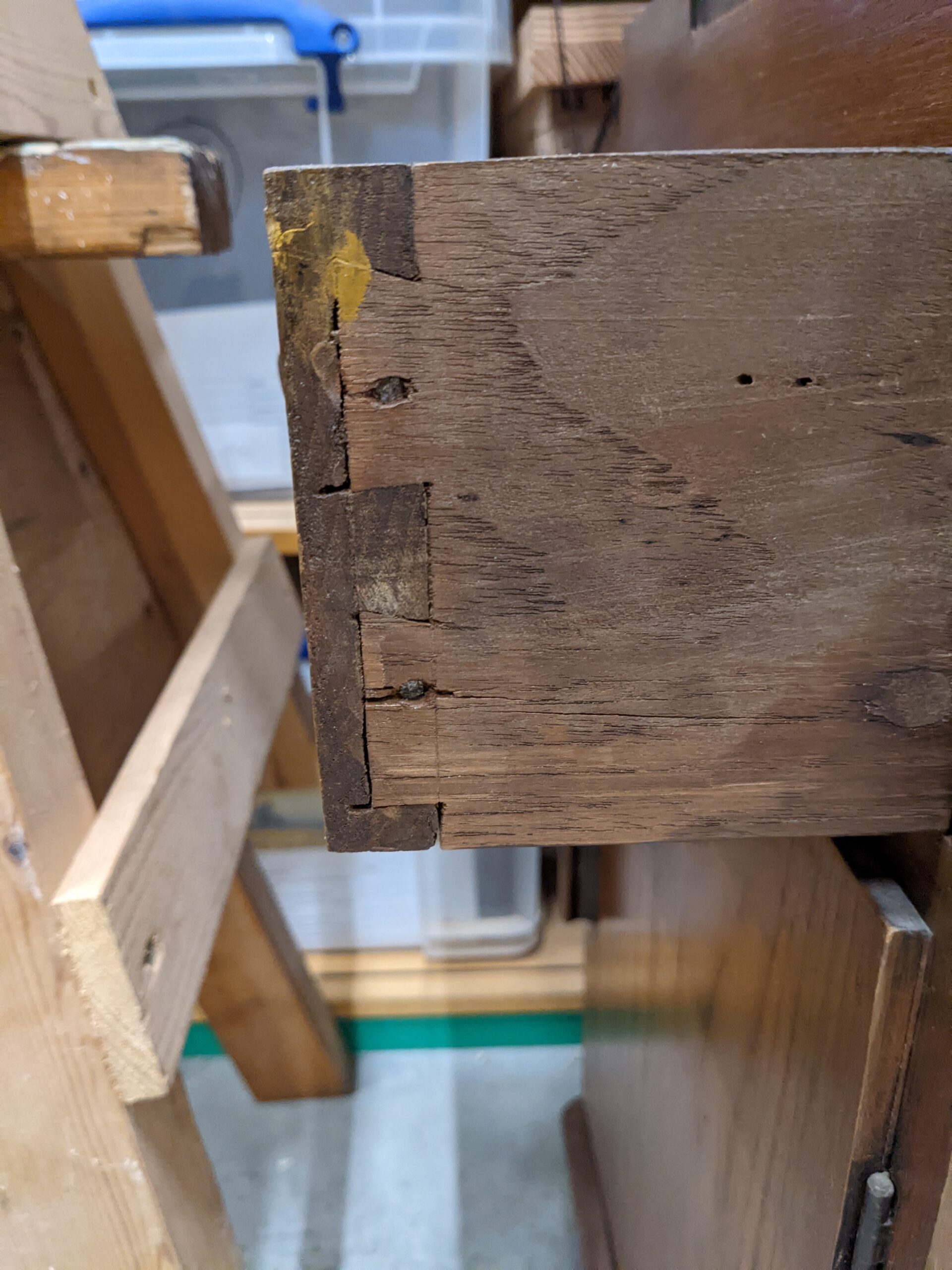
I doubt that I have ever made a piece that didn't have a gap somewhere or that I didn't need to replace it. Would I fill a gap with a piece of infil to fill the gap. Well, let's just look at that. Am I hiding flawed work, or am I creating an acceptable correction? Probably the latter. In the more exemplary pieces I once made there was a long gap along a groove housing a panel. It looked like a black line in a negative place. I sliced off a slither of wood beveled from zero to one-sixteenth of an inch over a distance of half an inch. The piece slipped in and self-tightened when halfway in. A slice with a knife took off the excess and the gap was completly gone. It was impossible to determine where the gap once was. In our world of making, there is no backspace and no delete button and neither can we just conjure up a replacement part using Sketchup. Would I throw out a good section of work because I have a gap of a paper-thin thickness? Most likely I would not. If the joint was compromised strengthwise, yes I would. I would never glue a component part to a chair component because of all furniture pieces used in life, the chair is subjected to the greatest rigours -- I would never risk it.
Comments ()