
Medullary rays Brighten My Days
When I was a boy, men, being what they are, mocked me when I admired grain, shook the planks of oak to break me from my admiration and shook me back to working. But George stepped in and let me be and took up the slack for me. He knew I saw what he saw, colours, textures. He knew I'd listen for sounds at my fingertips, sounds that the men had become benumbed to through world wars and the pressures to work and work hard. Roses stopped smelling you see.
I have cut so much oak in my lifetime but this wood alone fascinates me as much as the mesquite wood that grabbed my attention so strongly when I first arrived to live in Texas back in the mid-1980s. Though there is no link between the two tree species, it's the figuring that frequently occurs in both that piques my interest. No other woods allow me to dive into them with such total expectation that I will be immersed in fascination in a matter of seconds.
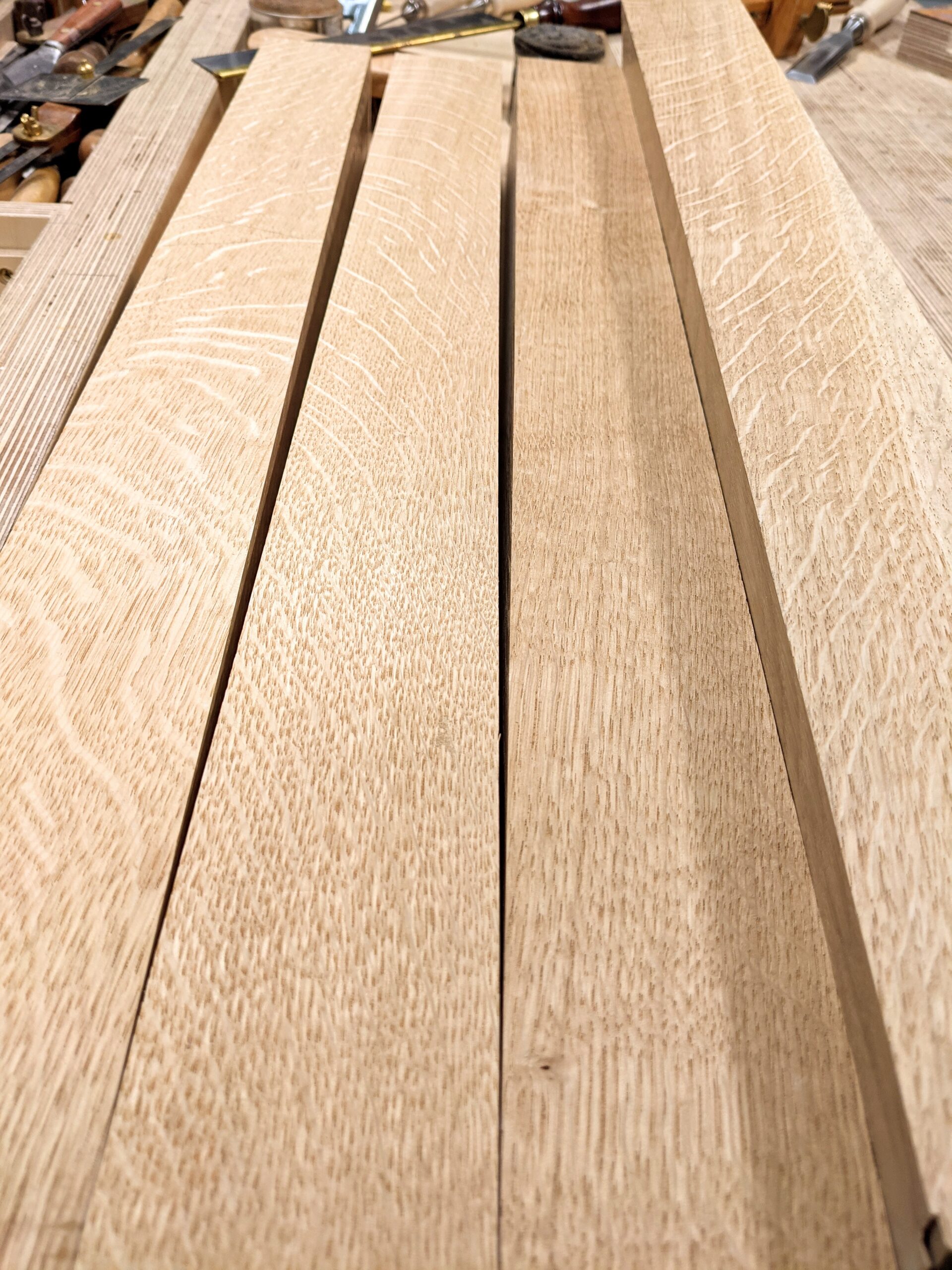
Rarely do or might I say can I just pass over the surfaces without stopping to stare and touch and even smell the wood for minutes and then return to stare again just minutes later. Why is this? I think mostly it is the unpredictability of where the cells will come but then how those cells will appear when I sever off a thousandth of an inch to split the cells as no other artisan in any other craft will ever know. When I swipe my plane the medullary ray shifts an inch and more across the board beneath my plane and completely changes shape, size and position and it is completely beyond my control. From single simple dots to a series, broad and narrow ribbons, sweeping arches, feathery bands, silvered flashes and more than is possible to describe, a veritable poem emerges to defy any man's words.
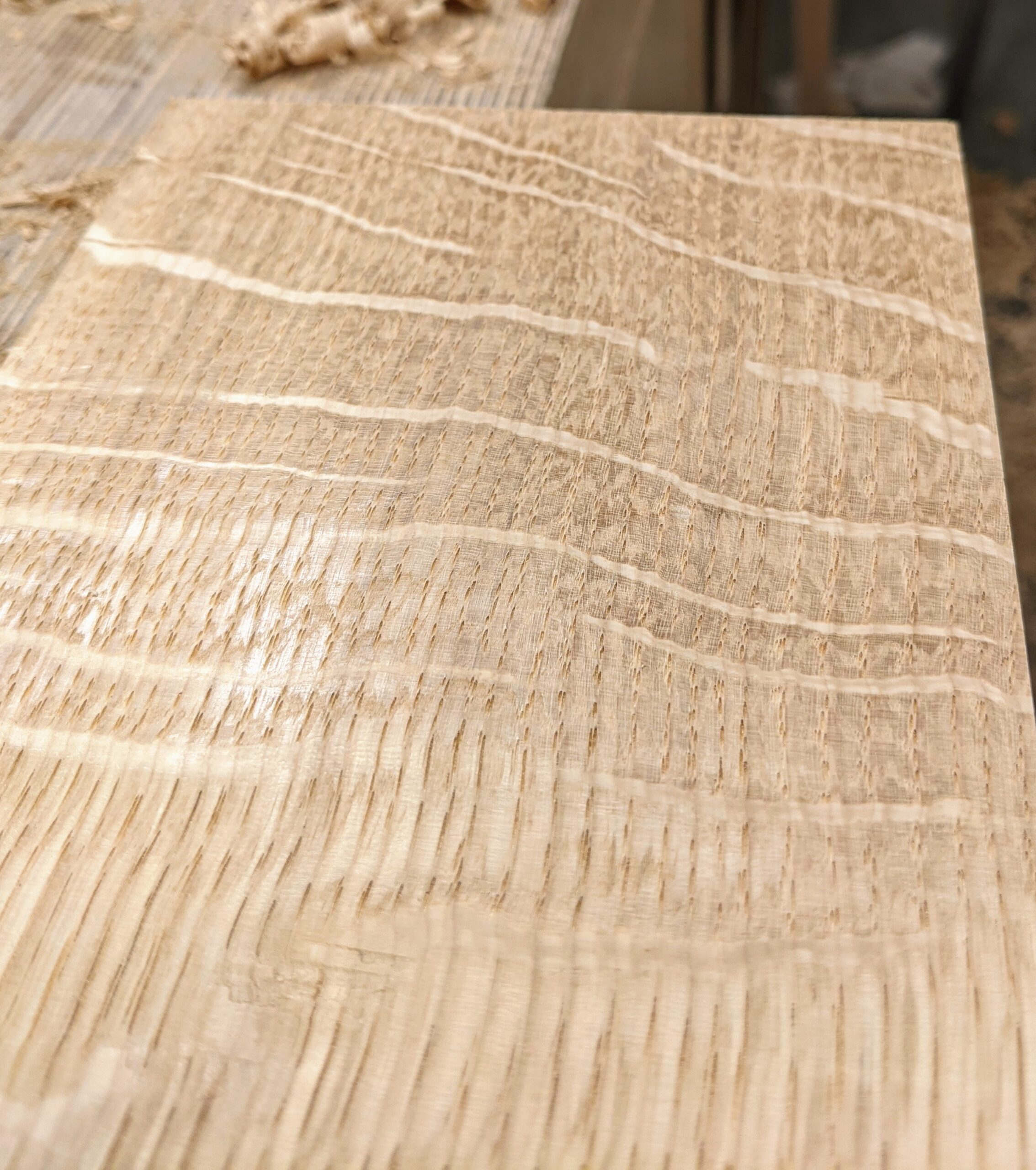
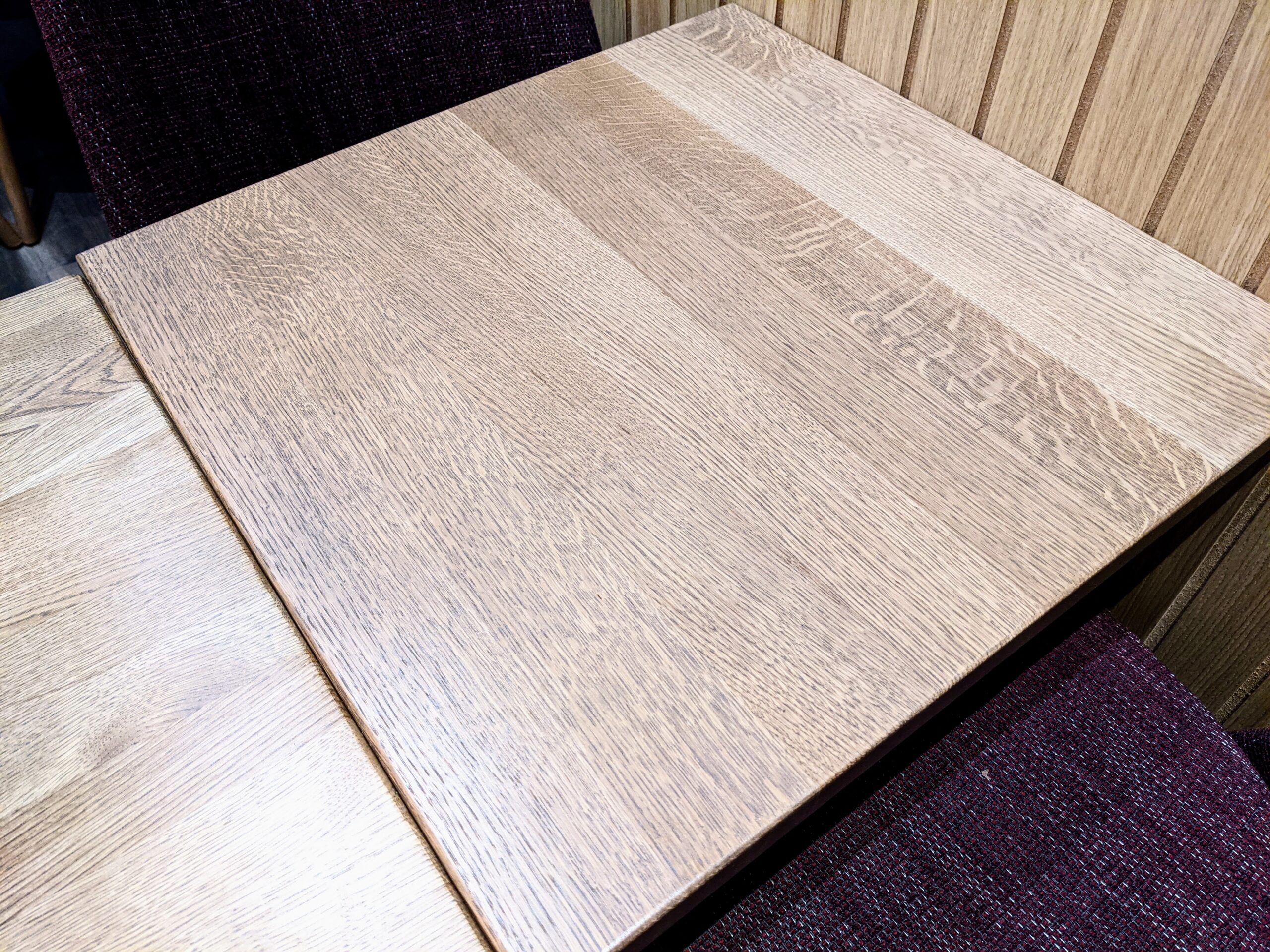
All trees have medullary rays as part of the tree growth but in most cases, they are too small to be seen unless you catch them perfectly perpendicular to the growth rings of the tree. In cherry and beech, you might catch them on occasion, but on oak, they will be 50 times broader, longer and deeper. This alone makes oak uniquely different from all other wood species. I am in a cafe right now and every oak table in here shows medullary rays in the quartersawn sections used in the tabletops. This alone tells you something.
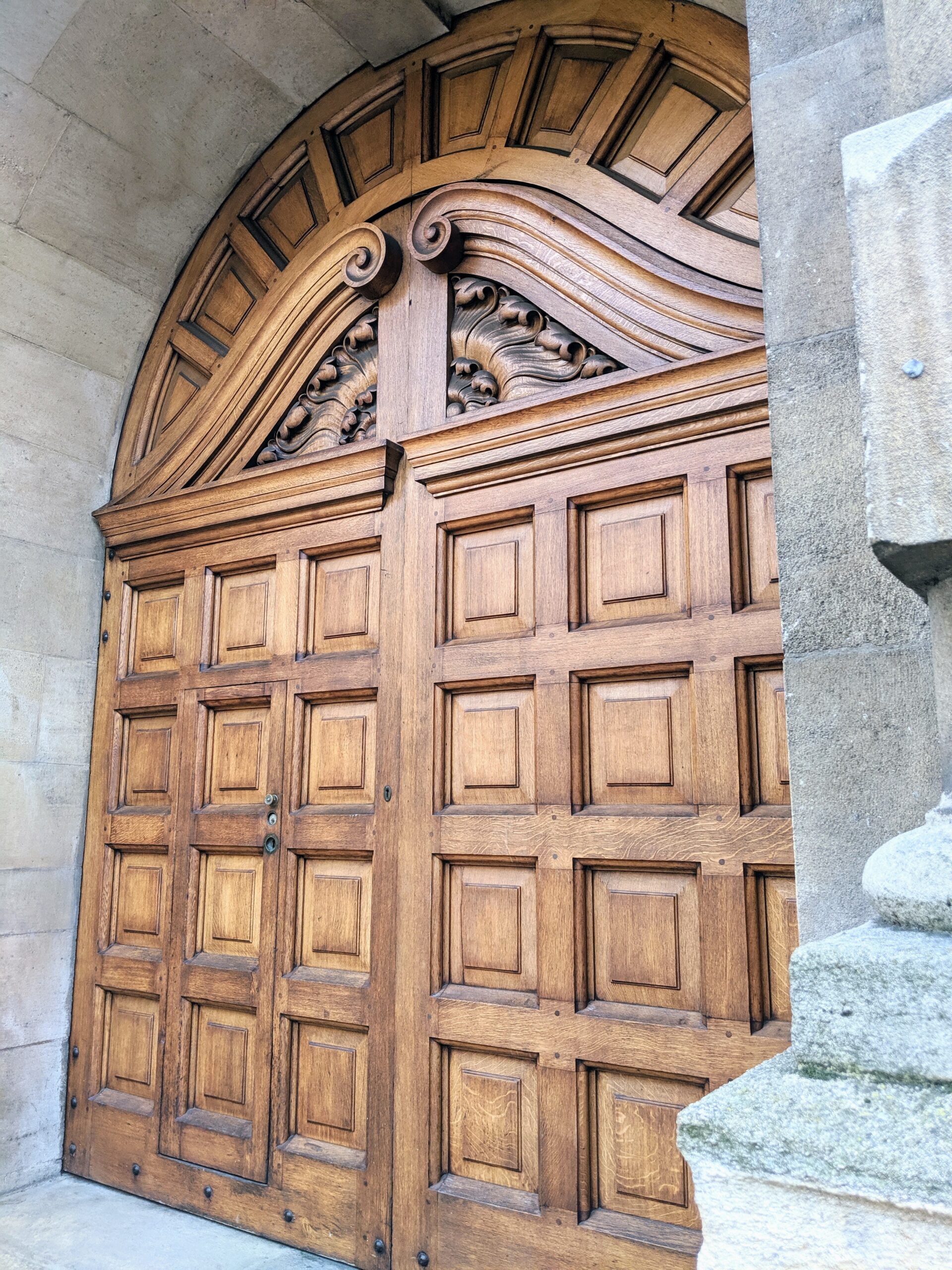
Go back into Oxford colleges across Oxford's university district and you will see panels of oak from the 1600s where the single-piece panels are 15-24" wide in single pieces by many a dozen. These panels, unintentionally decorated with ray cells, will have full-width rays traveling from top to bottom in the most amazing kaleidoscope of patterns and colours you've ever seen. Museums, town halls and post offices dating back to the early days of Oxford bespeak the historical value of oak to England's heritage and people walk past them without stopping, unable to tell the difference between the historical value in ancient oak panels and frames and the MDF tabletops covered with plastic veneers they just ate their sandwich at.
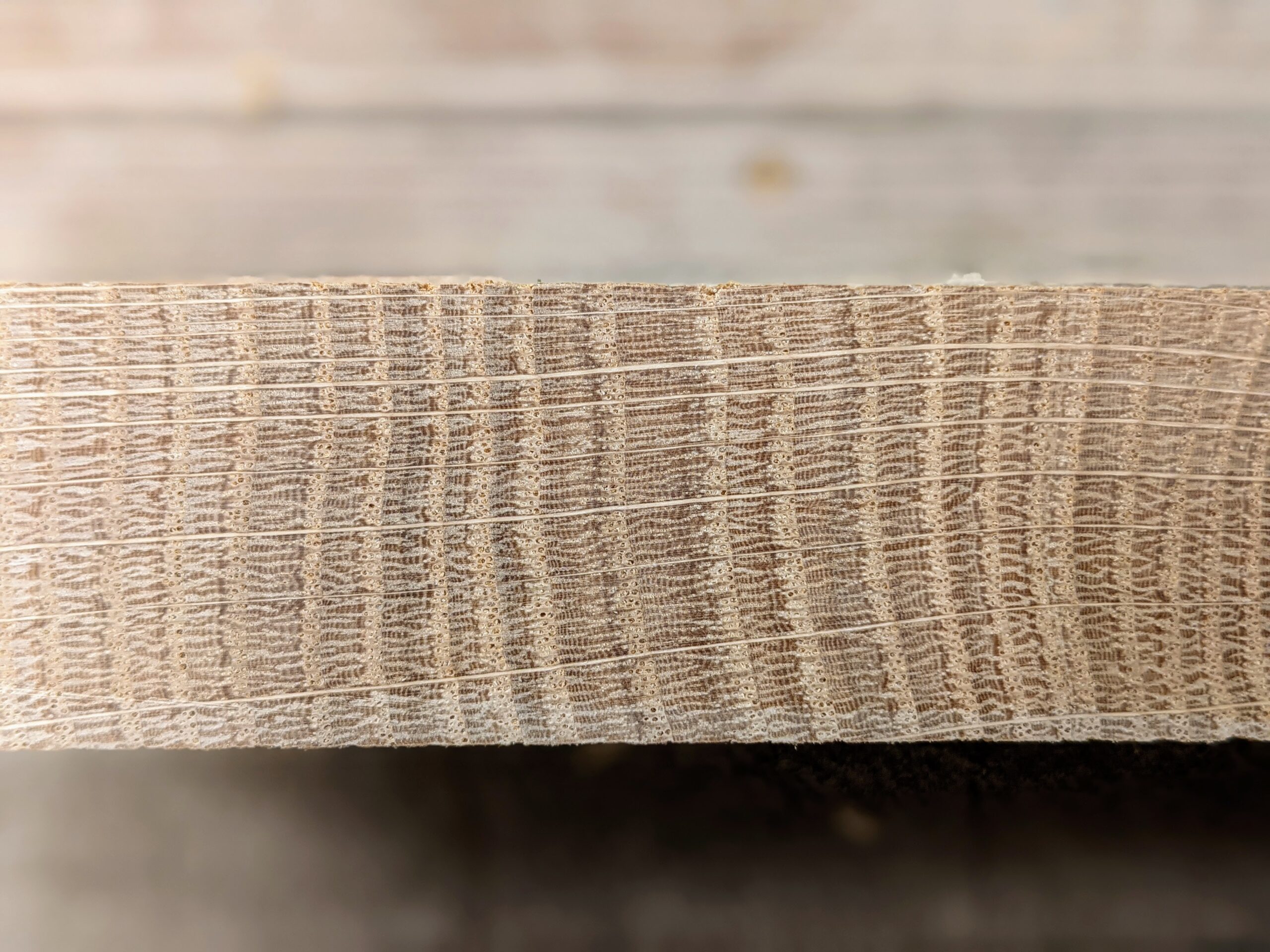
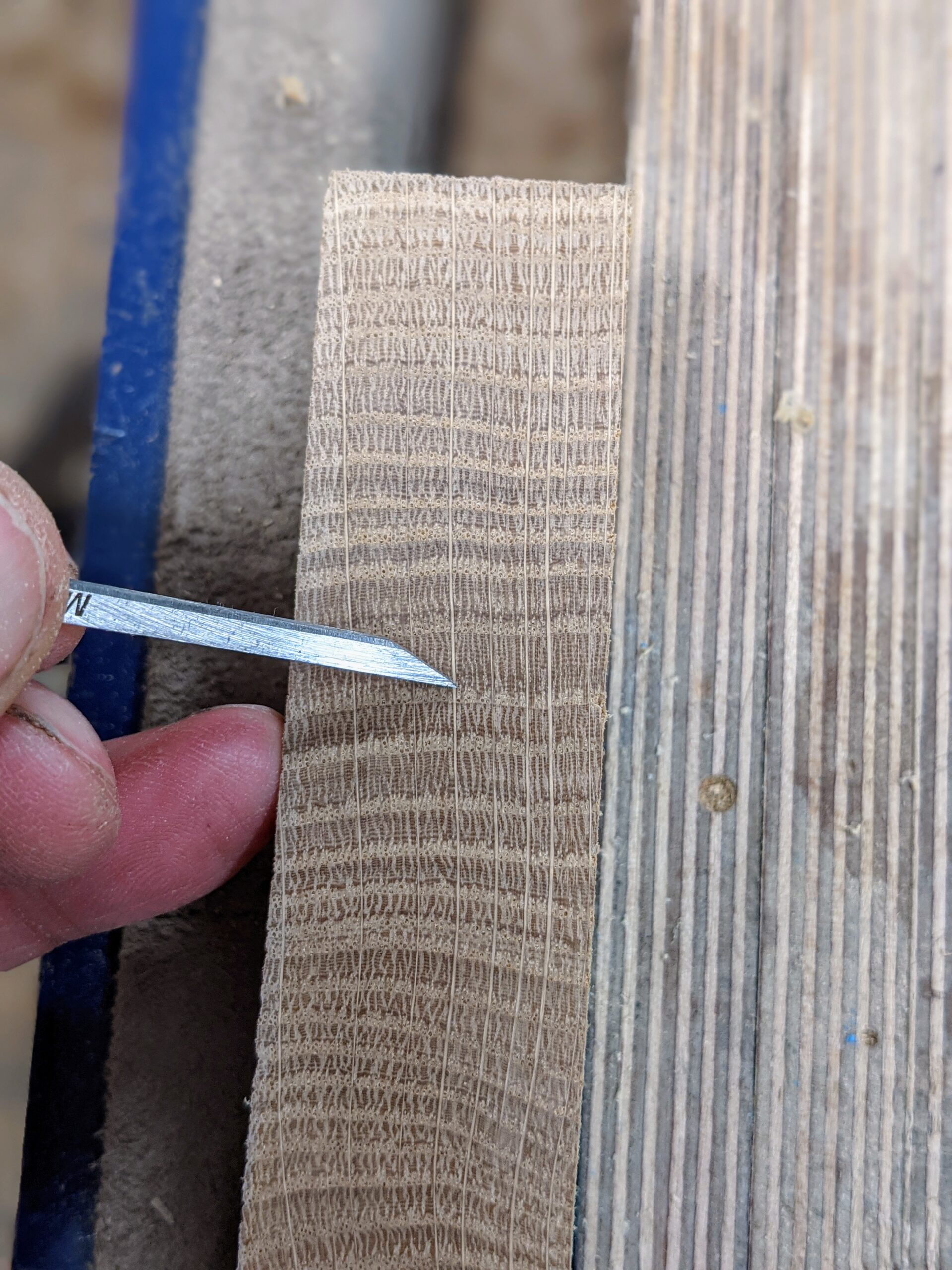
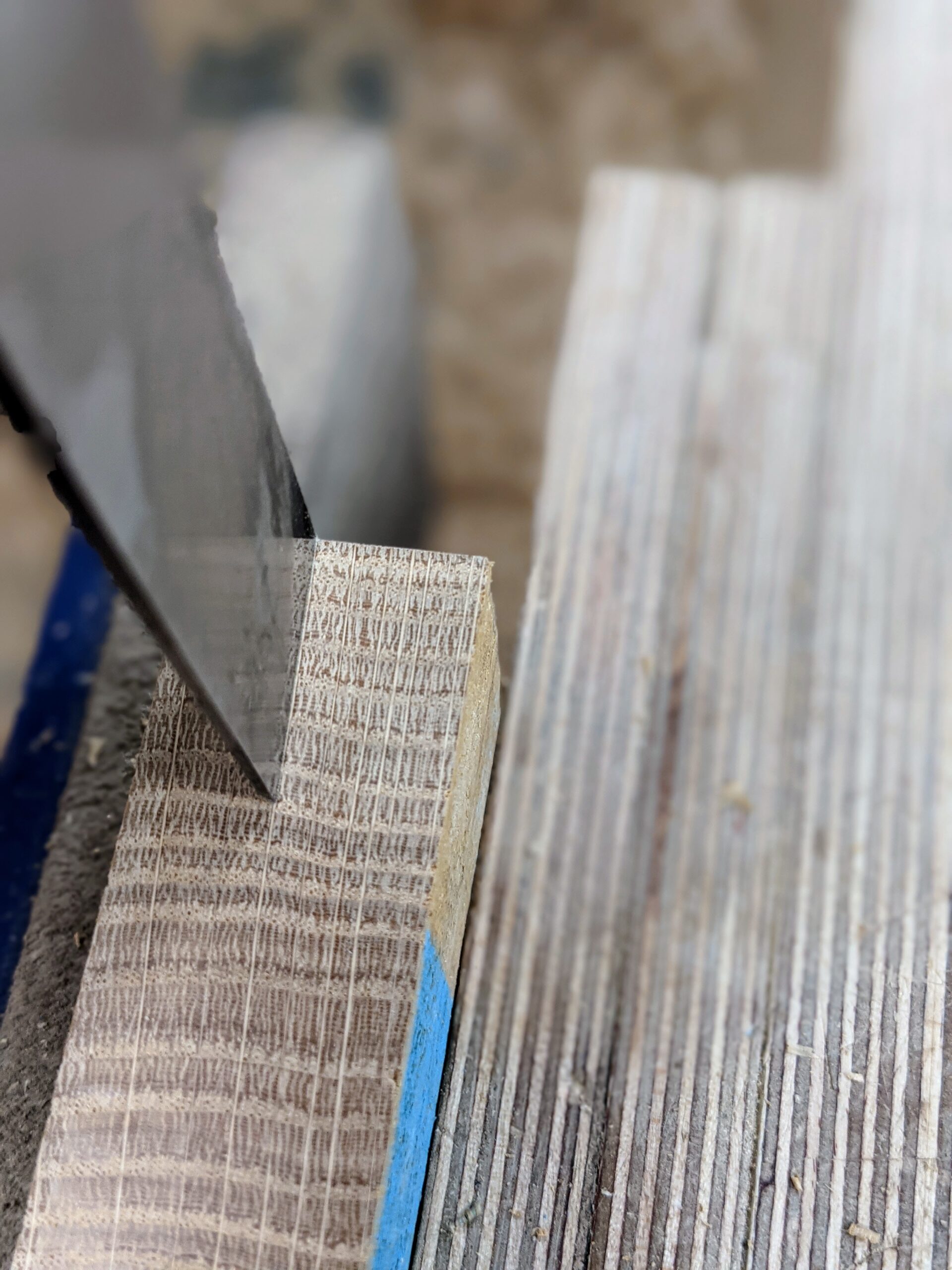
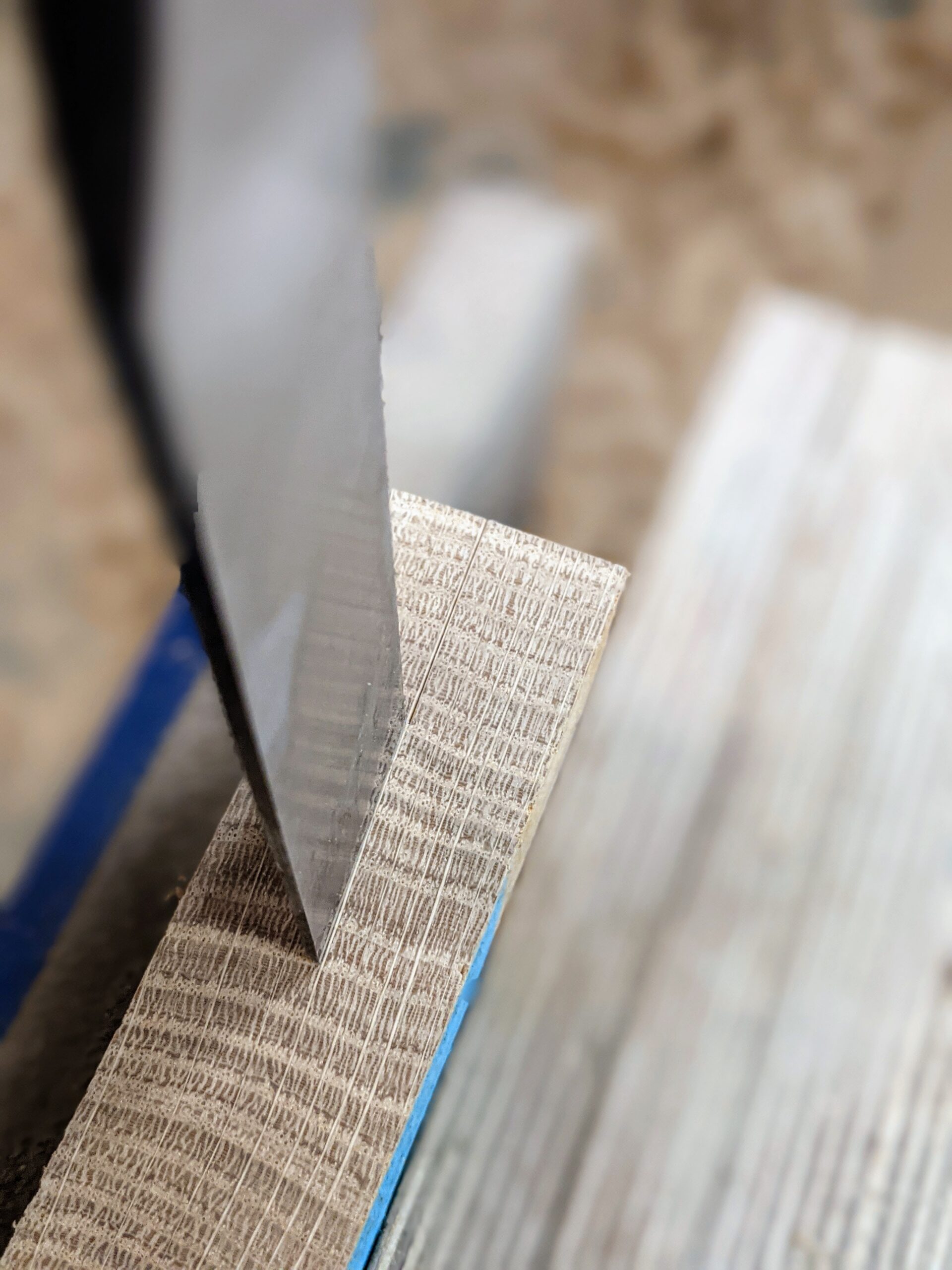
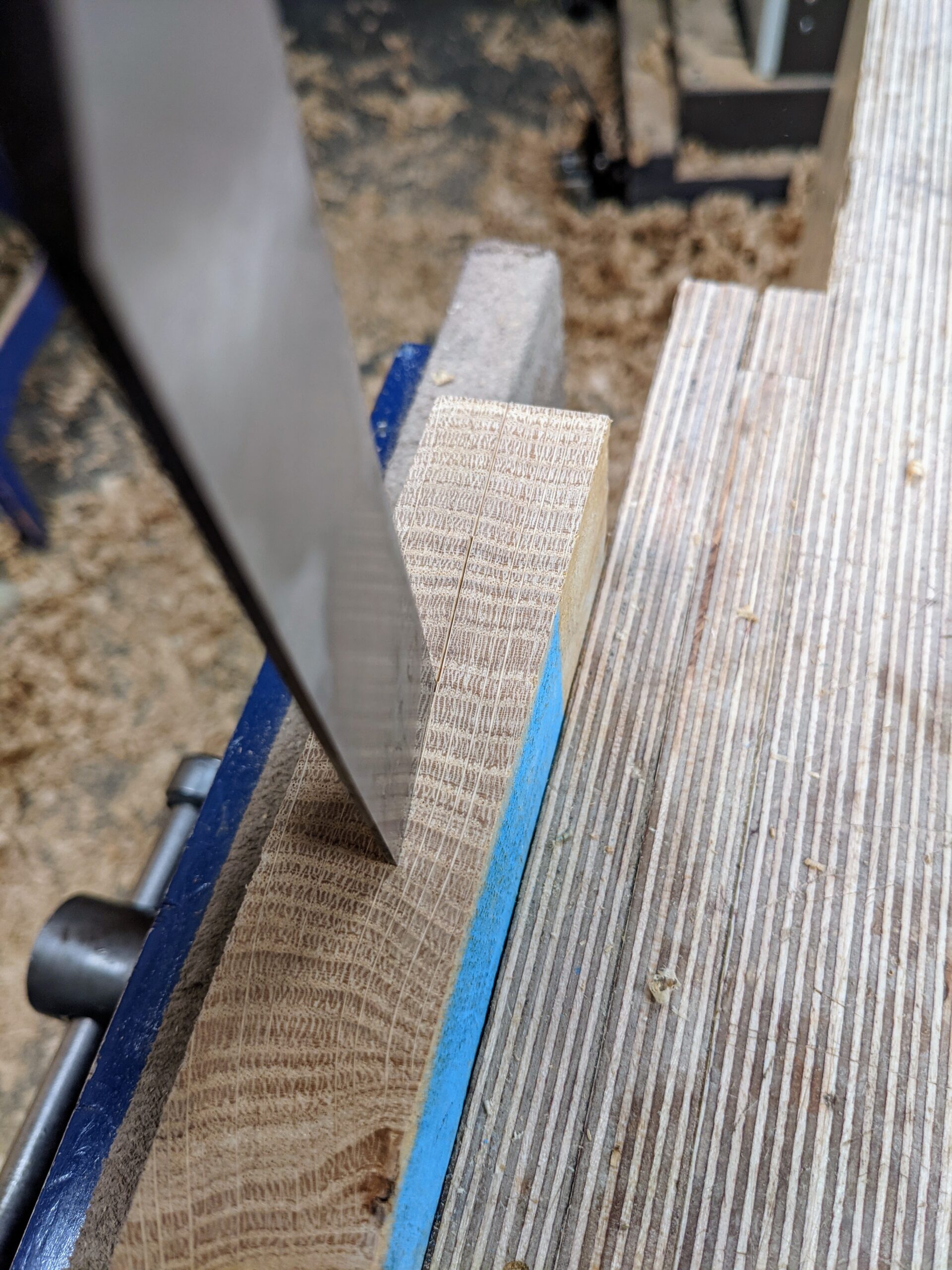
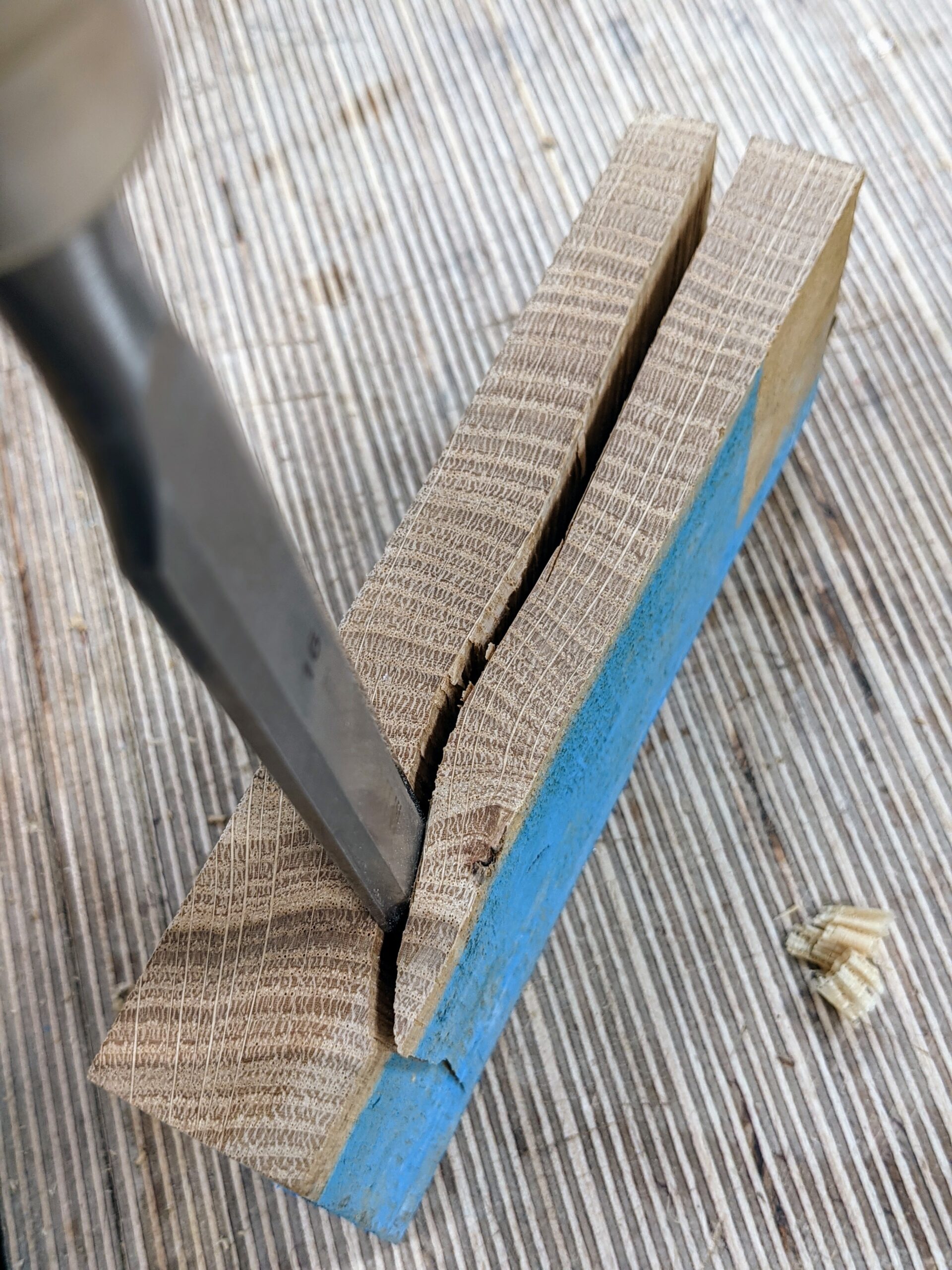
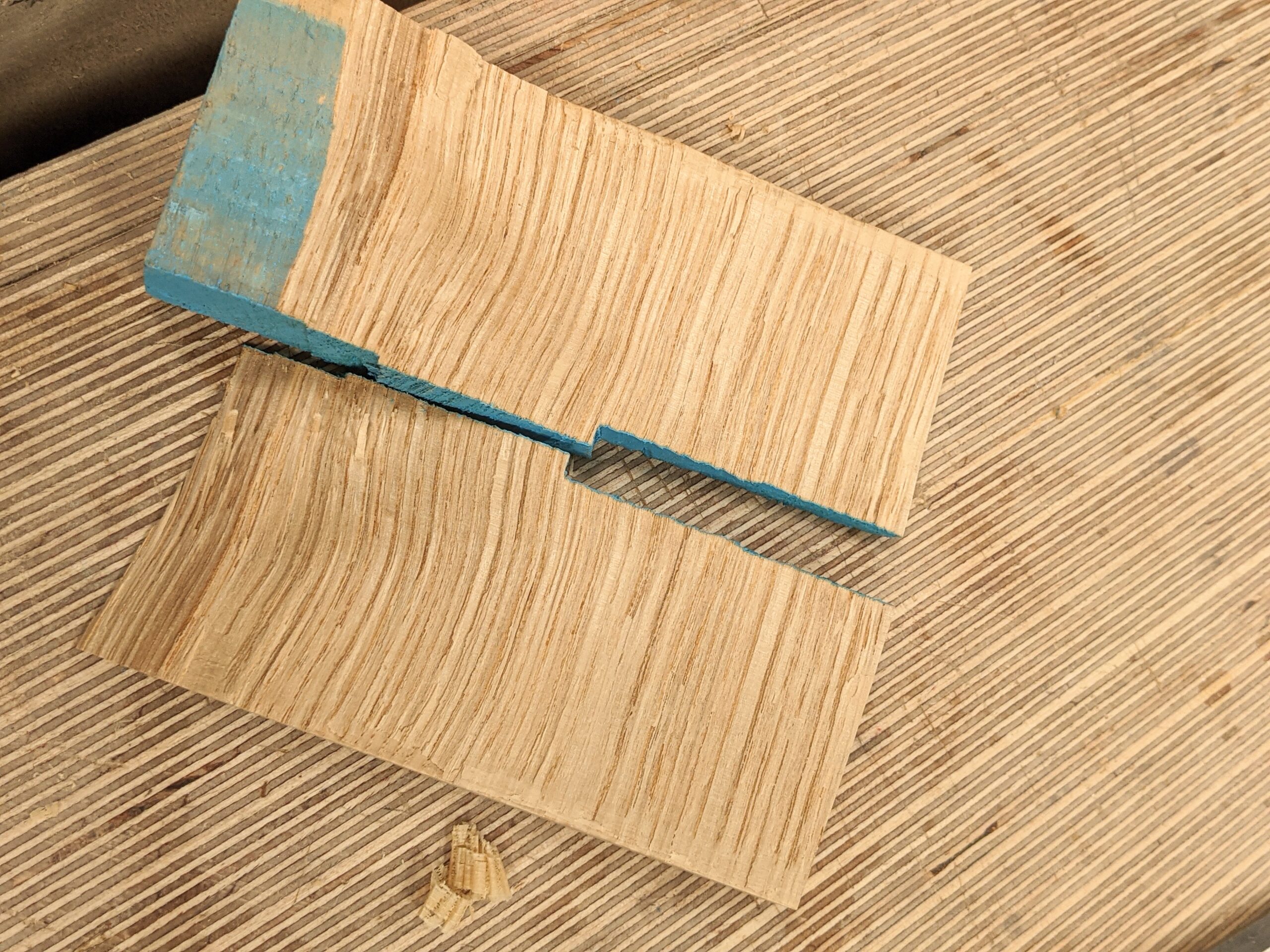
Medullaries, ray cells, pith cells and several others are one and the same with medullary rays or cells. Split an oak log for a Windsor chair or bench seat and the best lines to look for with regards to direction for driving the opening wedges are the very evident ray cells emanating from the central pith of the log, out to the outer cambium layer. I split this end grain offcut of quartersawn (as I often do) to show what it is to split a medullary cell. A light pop along the length of the ray with a sharp, broad chisel will result in a split along the length and you will see that broad band of the ray that decorates oak like no other.
In the days long gone when oaks were king and so plentiful we would have had no need but to take care of forests and let them do their thing, they and we would have survived. Then the greed of a great revolution came and also mining and the waste of life for what is now regarded as toxic pollution. The true pollution of course was not the fossils silently encased in the earth but those of the time who wanted their kind of supremacy and power. My work is simple and I am glad for my oak and that the table I will make will last for hundreds of years if respected and taken care of. The average life span for one big-box-store dining table is about seven years. Sadly, those with low income, have little choice but to support them. Oh, well!
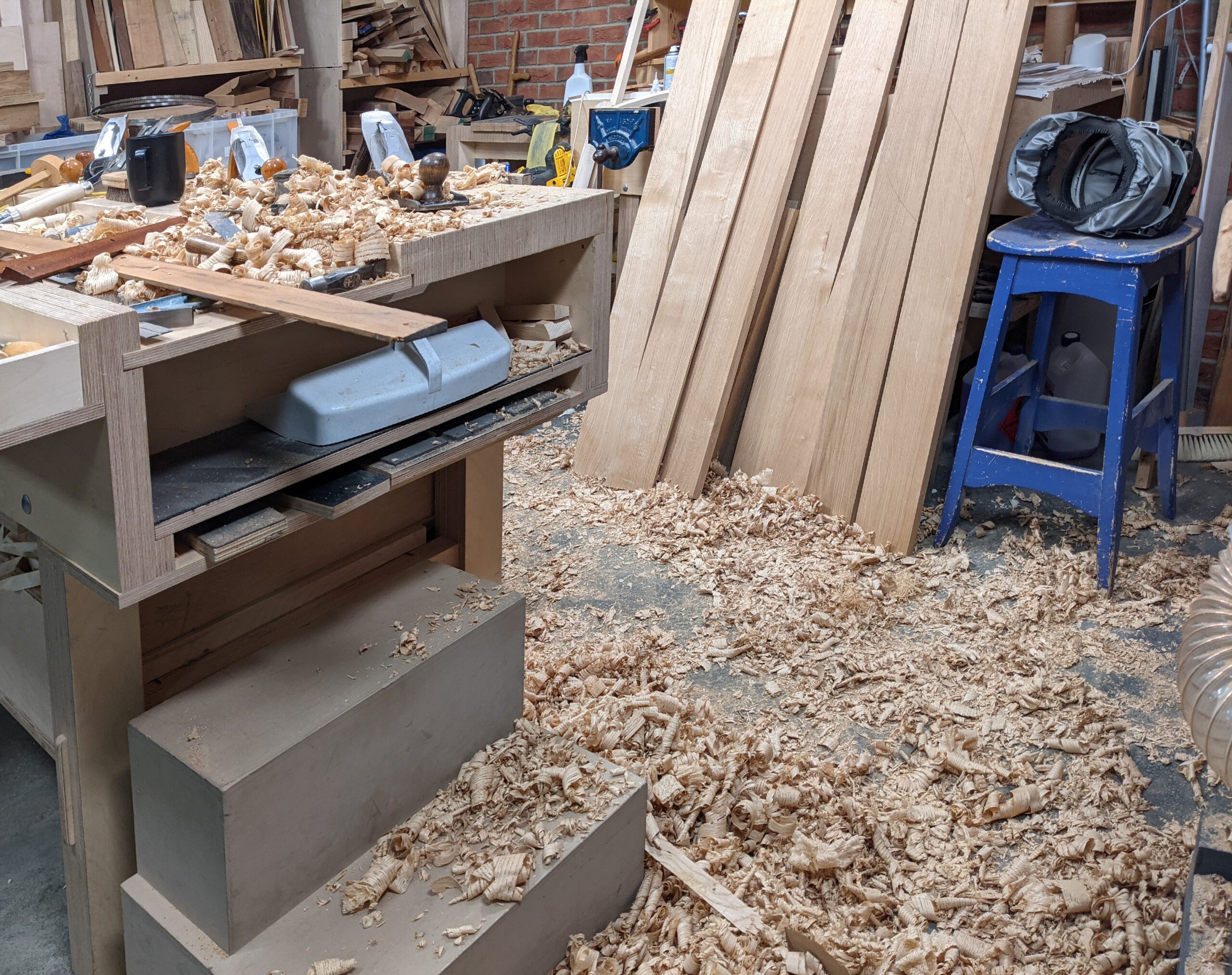
So many ways to discover and understand wood without just reading a book. I hope that you will take this and go and split some oak, even if it ends up as fire starter for the woodstove. I learned more splitting orange box crates as a boy and the memories of knots remain my best educator when it comes to knowing what knots do and are.
Comments ()