
The best router plane is born
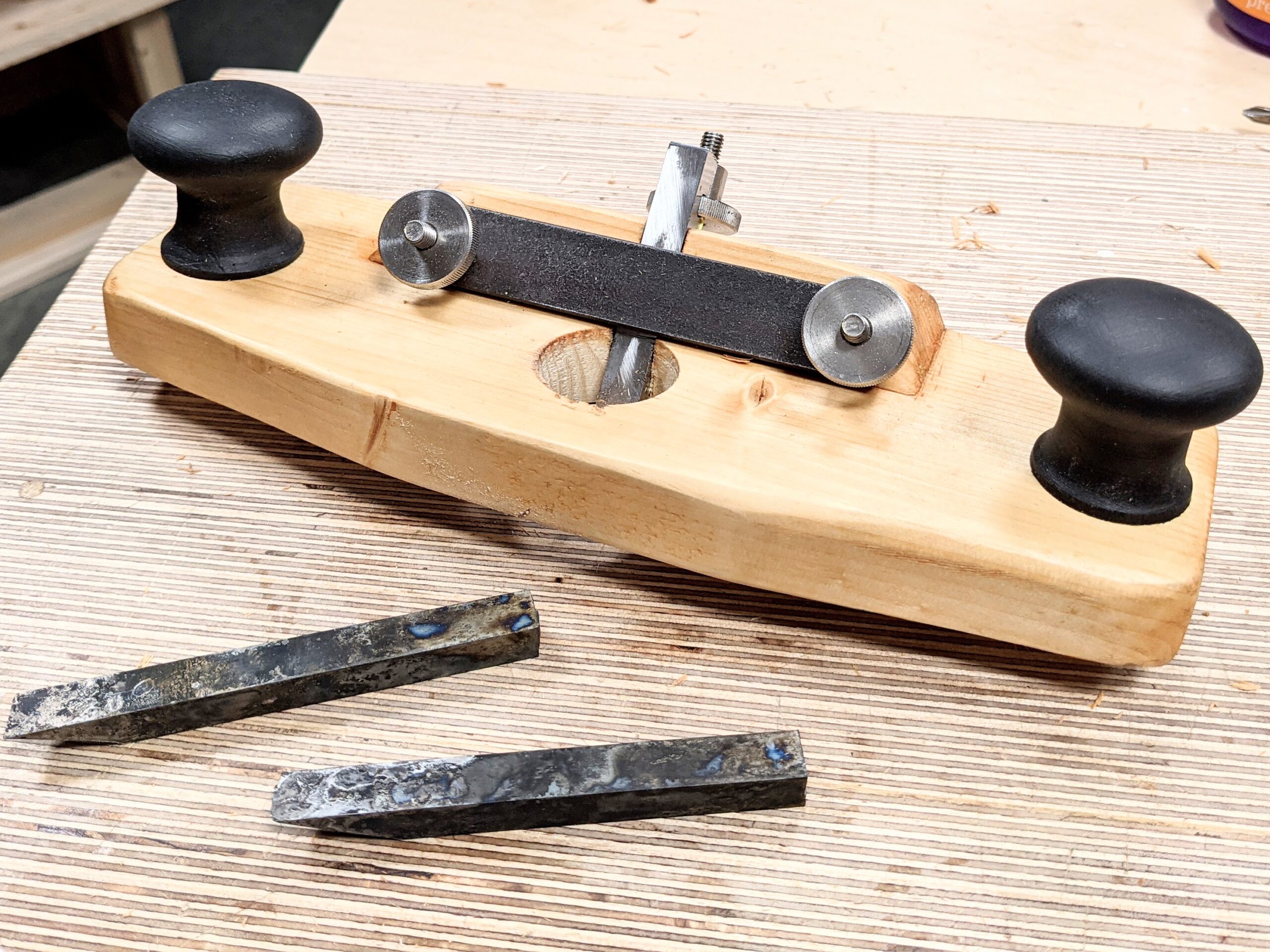
If you read my previous blog on why I made a wooden router plane you will better understand why I felt it was so very necessary to come up with my own for people to make. The one below was my very first prototype and since then I have made several variations to cater to different user scenarios. I took a 10" length of a 4x2 (2x4 USA) SP&F stud and worked it into the plane to establish blade presentations to see which worked best for me. I found that any bed angle between 45-55-degrees worked well but that the steep angle gave clearer visibility at the cutting edge. Things like this make a big difference as does making sure the cutting edge isn't too far forward to the front of the plane (though this can sometimes be a benefit for certain tasks too).
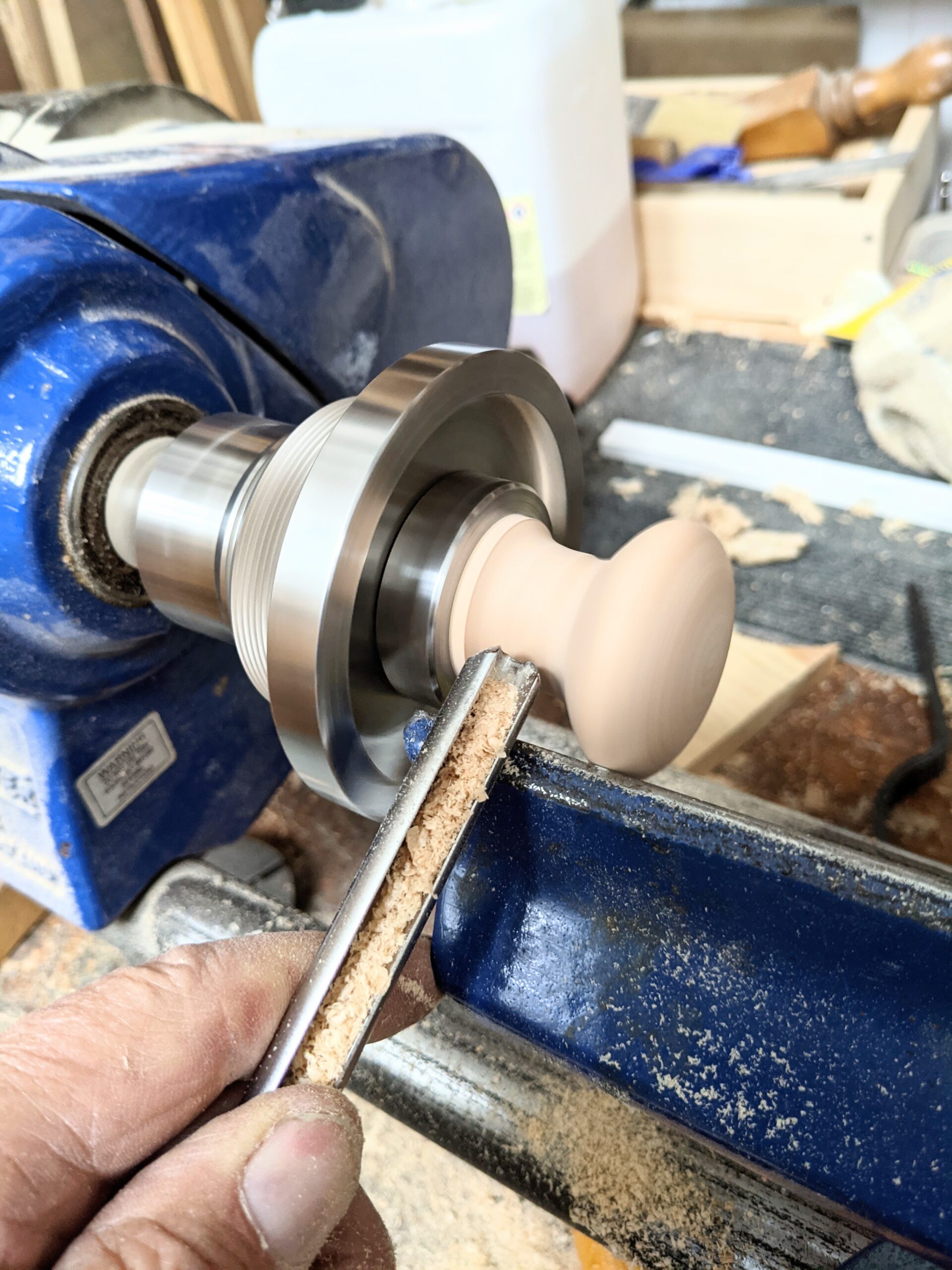
At first, I refined the doorknobs by rechucking them in the lathe and turning them to give better handling for plane use and less of a doorknob look too. The problem I then faced was that `I was telling my audience to go out and buy a lathe! I couldn't do that. My audience is global and I cannot assume that everyone has access nor did they have to own a lathe. I came up with a much better alternative.
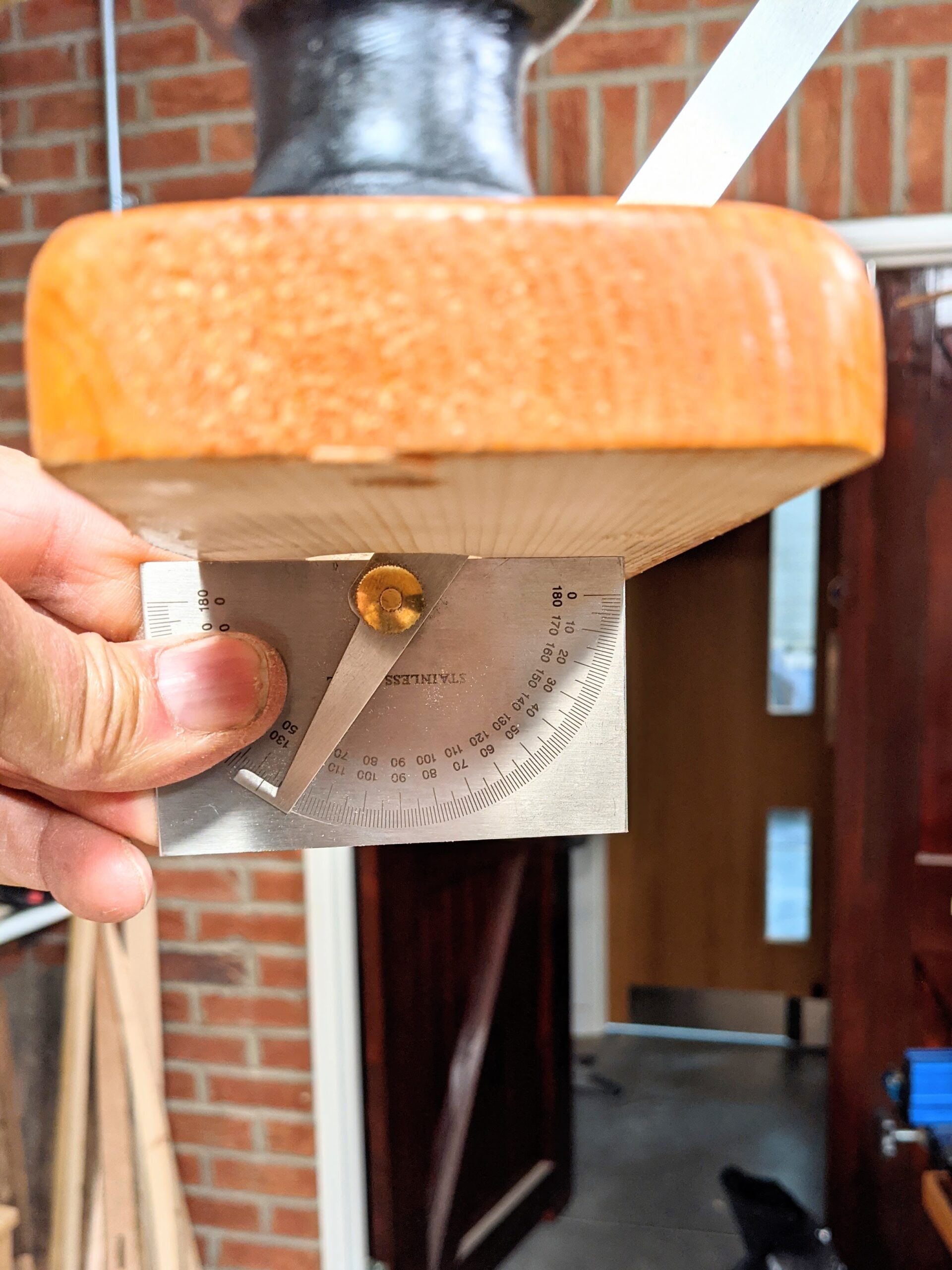
The angles of blade presentation fascinated me. I got mixed results and yet they all gave me a very nice finish to my lowered level recesses no matter the type. In the end, I felt it was mostly a matter of preference really.
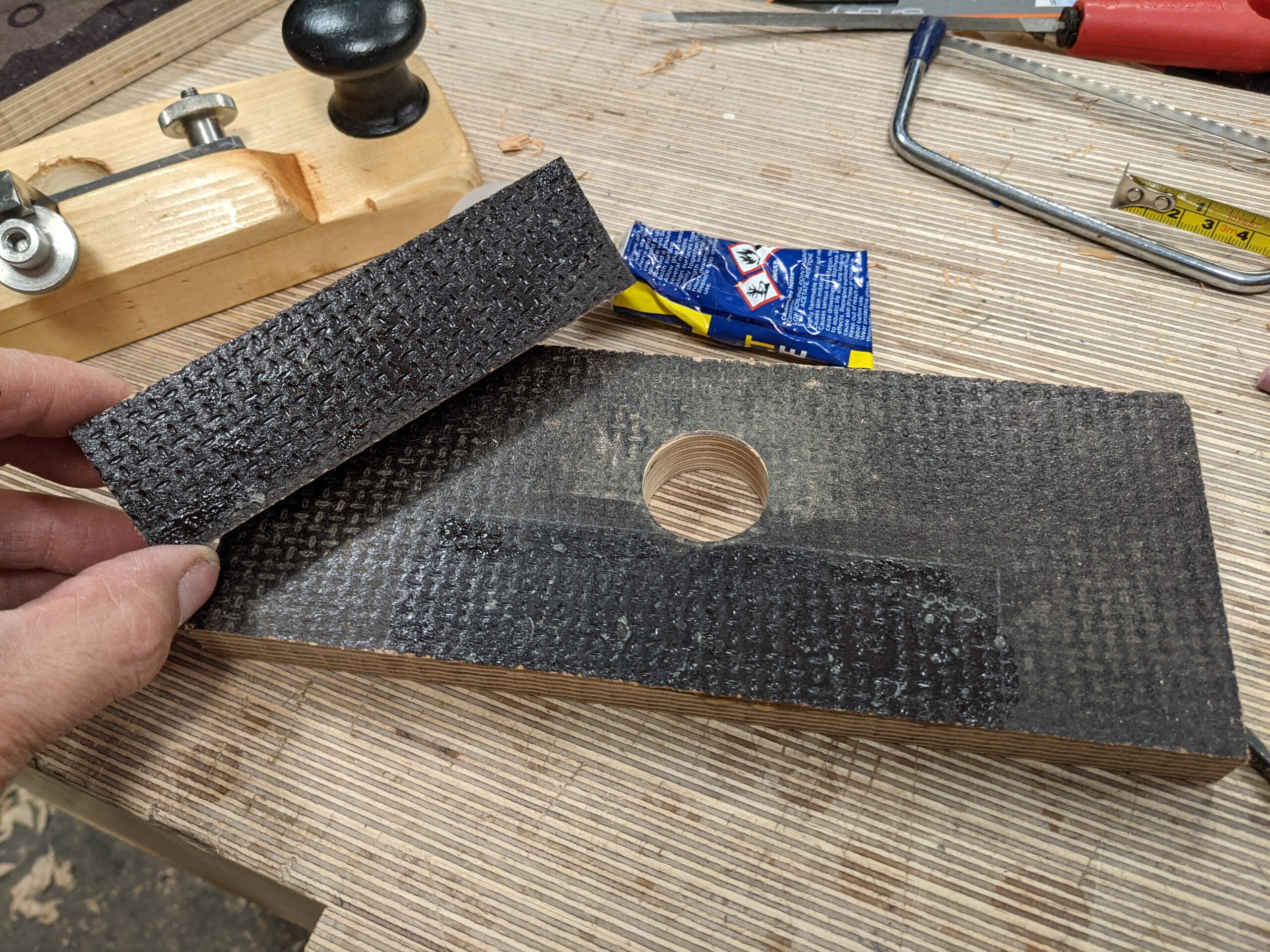
My materials varied too. On some of my planes, I use some coated and embossed Baltic birch anti-skid/slip, van flooring which I liked the look and feel of very much, and because it came from scraps, cost me nothing. There were issues surrounding thickness because the bolts came close to the face of the sole and a slight bubble appeared but I soon resolved that by removing the screw points by a small amount.
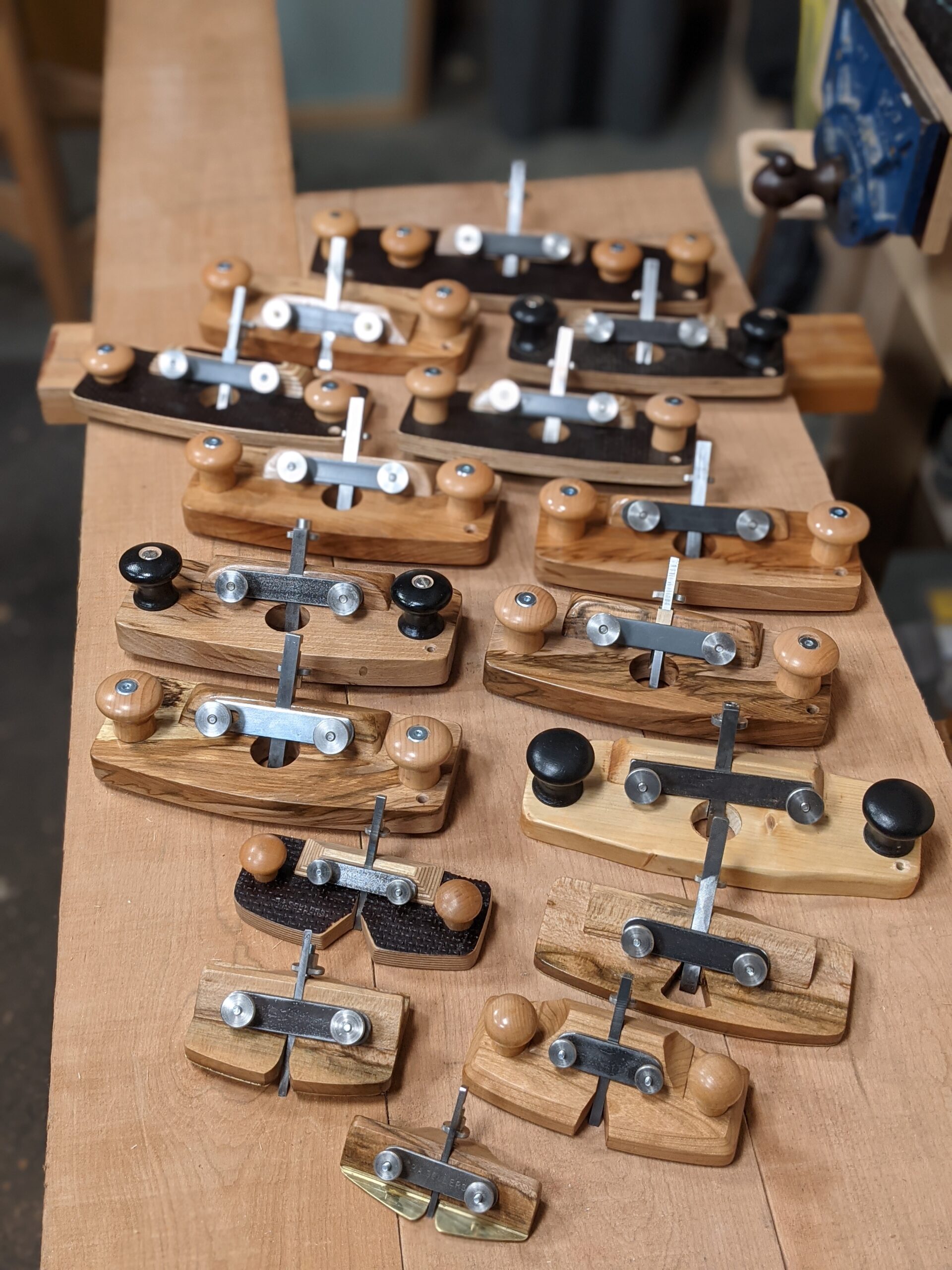
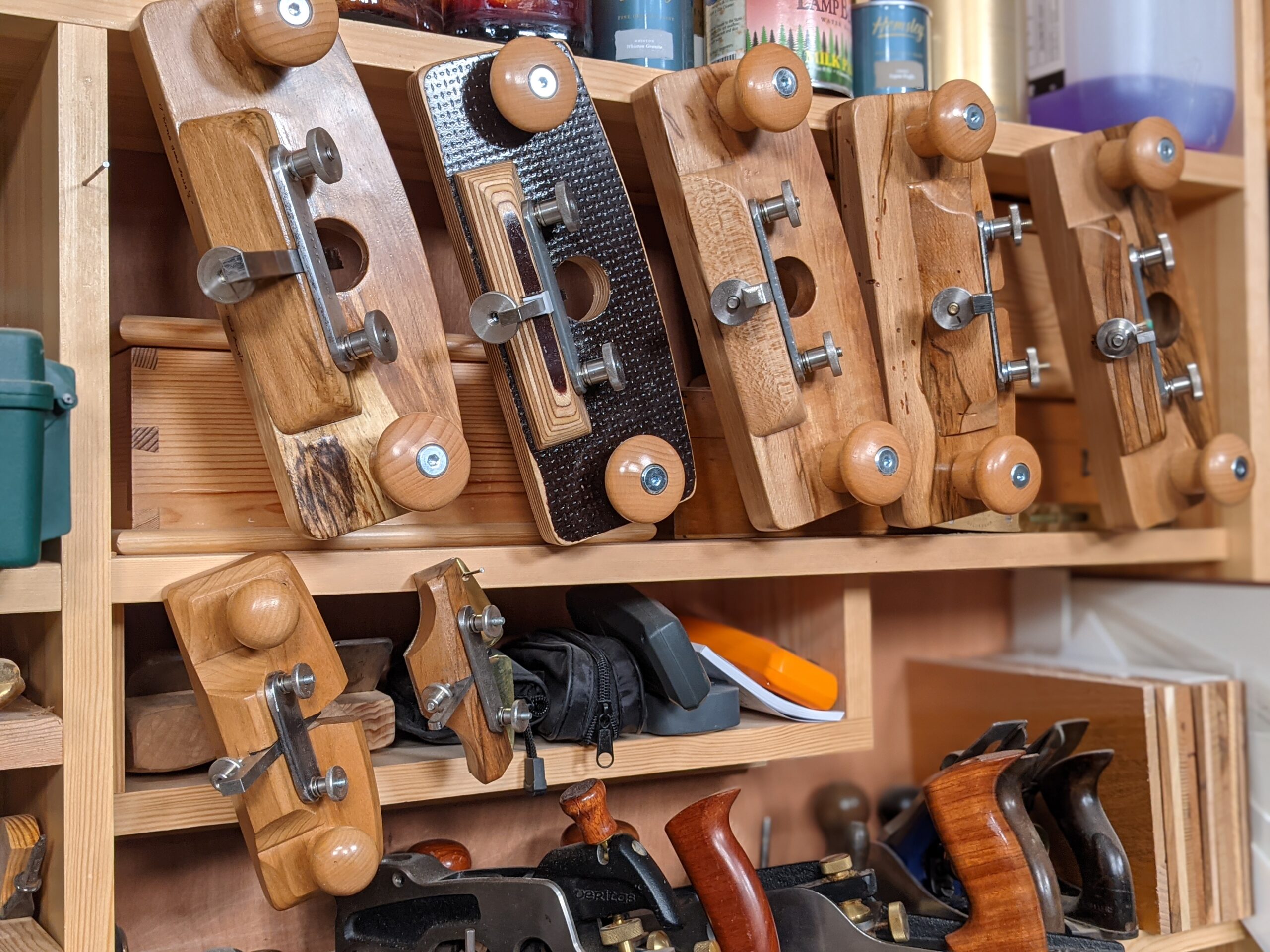
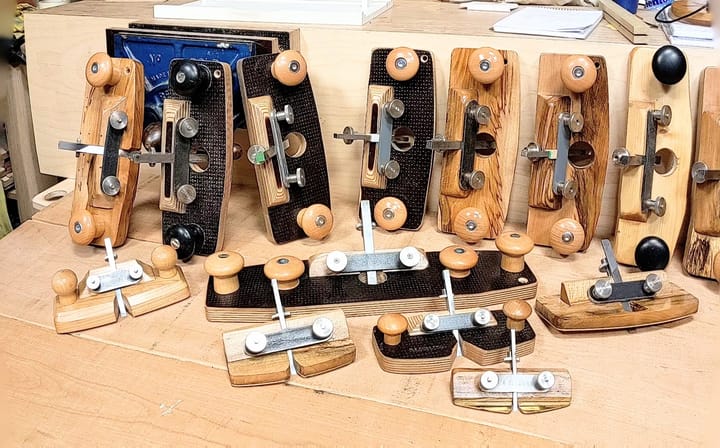
Ultimately I worked on a couple of iterations before I arrive at my spalted beech version which I just loved when done and in use. All in all, I made sixteen hand router planes before `I was done which gave me half a dozen variations on the theme and planes that would ultimately tackle every task I face using a hand router. I repeated my favourite version three times too and that is because I find it most useful to have a couple that I adjust in establishing different depths and one that I keep fixed for total control on repeatable final depths. This is perfect for things like bookcases where several shelves must be fitted.
I think you can gather the components for a single plane for around £30 ($42) but this comes down significantly if you are buying the components for several.
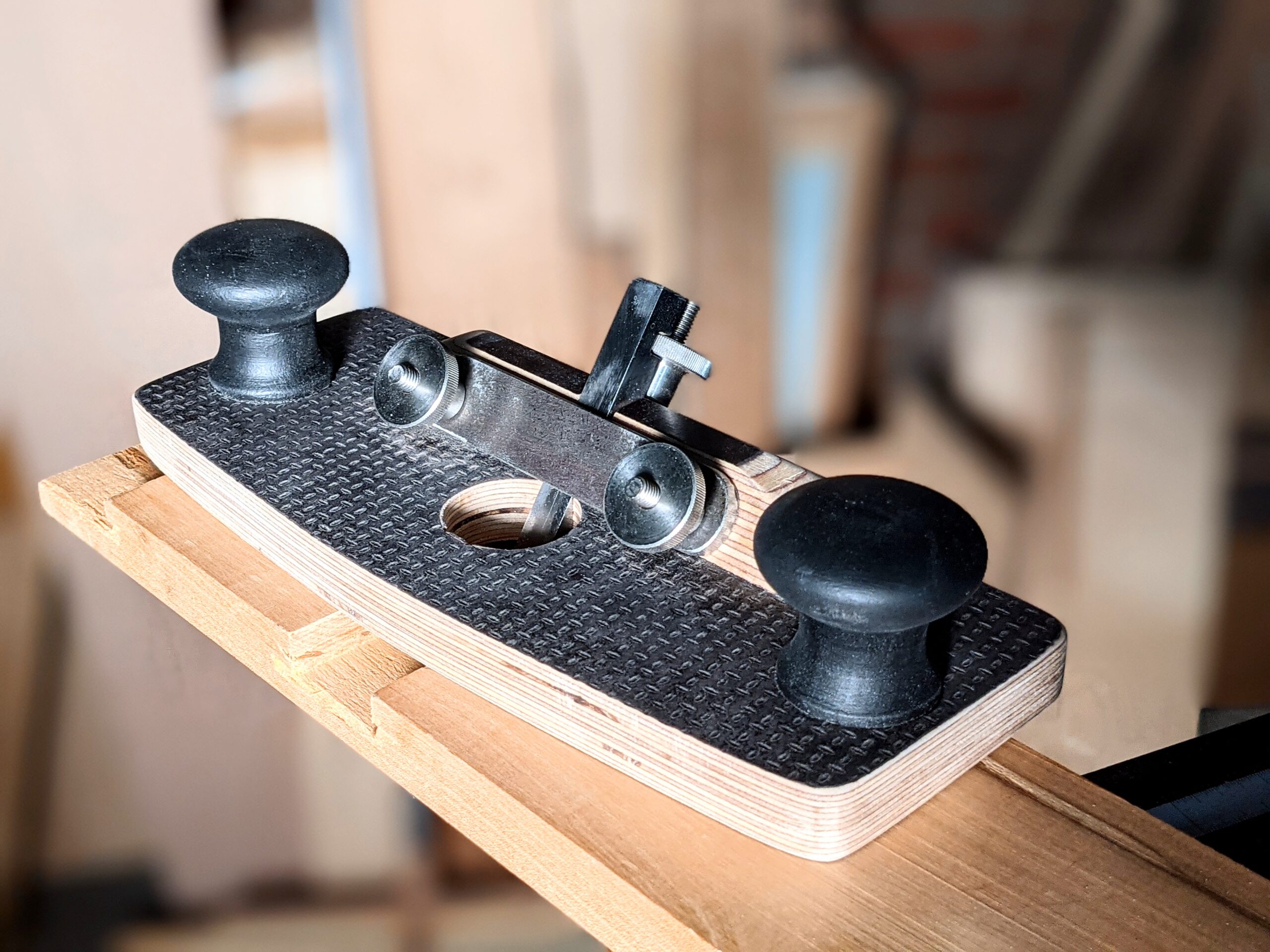
The plywood version has that utilitarian look yet I loved the way it worked and looked in the end.
So, here it is, a hand router plane that works just as well as (and I think better) than any premium, all-metal version with no compromise and one that you can make on a Saturday or in a couple of evenings after work. It's fully adjustable, locks in to depth, and yet retains adjustability with a single turn of the adjuster. Having now made sixteen iterations I can now give you a plane that will cost only a small fraction of an all-metal, premium version but with an equal and better level of adjustability and stability. I can now encourage anyone following to make three or even four and have one or two set for stepped cutting. I can recommend this without embarrassment that I will cause a shortage.
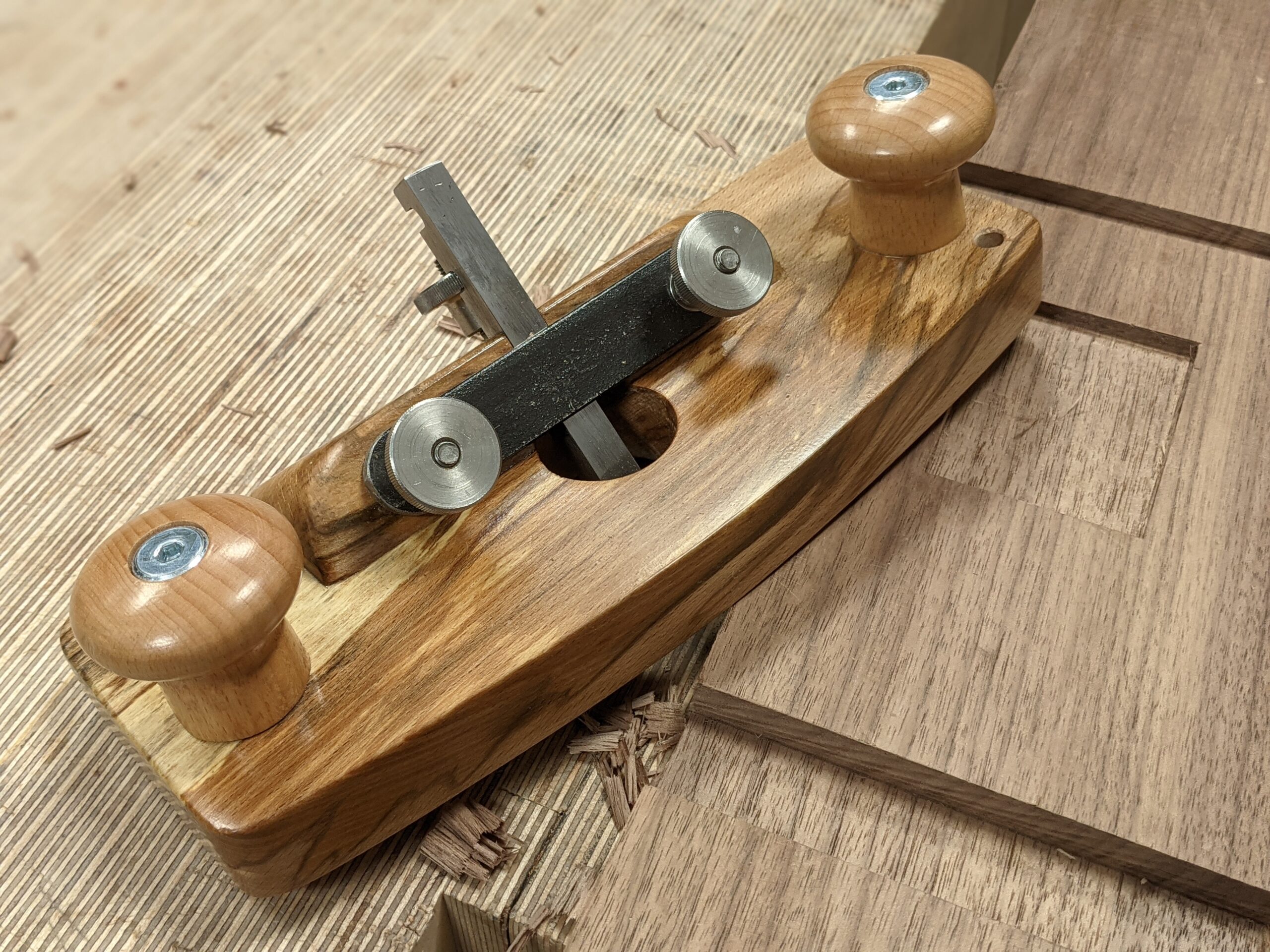
The change behind me at my workbench now looks different but as I reach for a router plane I feel very satisfied that everyone anywhere will be able to afford a good quality router plane at some point. I believe it is the best router plane in the world.
Updates
The videos and technical drawing are now available here.
The metal parts are either readily available or can be made but if you want to buy a kit with all the metal parts ready to go we have you covered:
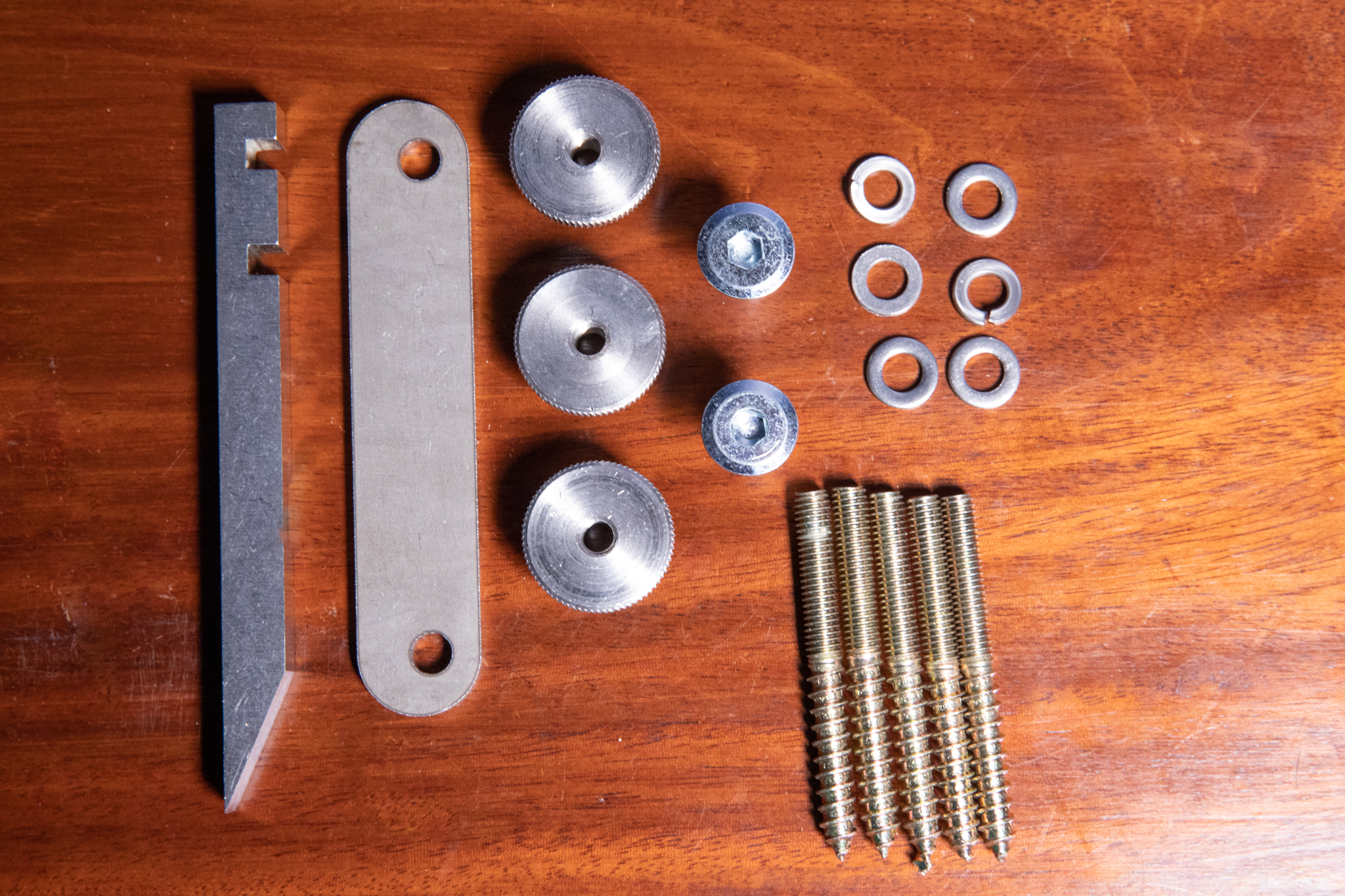
We have put together all the metal parts needed to make your own router plane. The parts are high quality off the shelf parts in the case of the washers, bolts, and nuts. In the case of the retainer bar and blade those are both made here in the UK by trusted manufacturers to a high standard. The blade is made from O1 tool steel and hardened, tempered, and ground to a 25-degree angle. You just need to hone the edge and it is ready to use in your router plane.
Comments ()