
Wellbeing and Woodworking
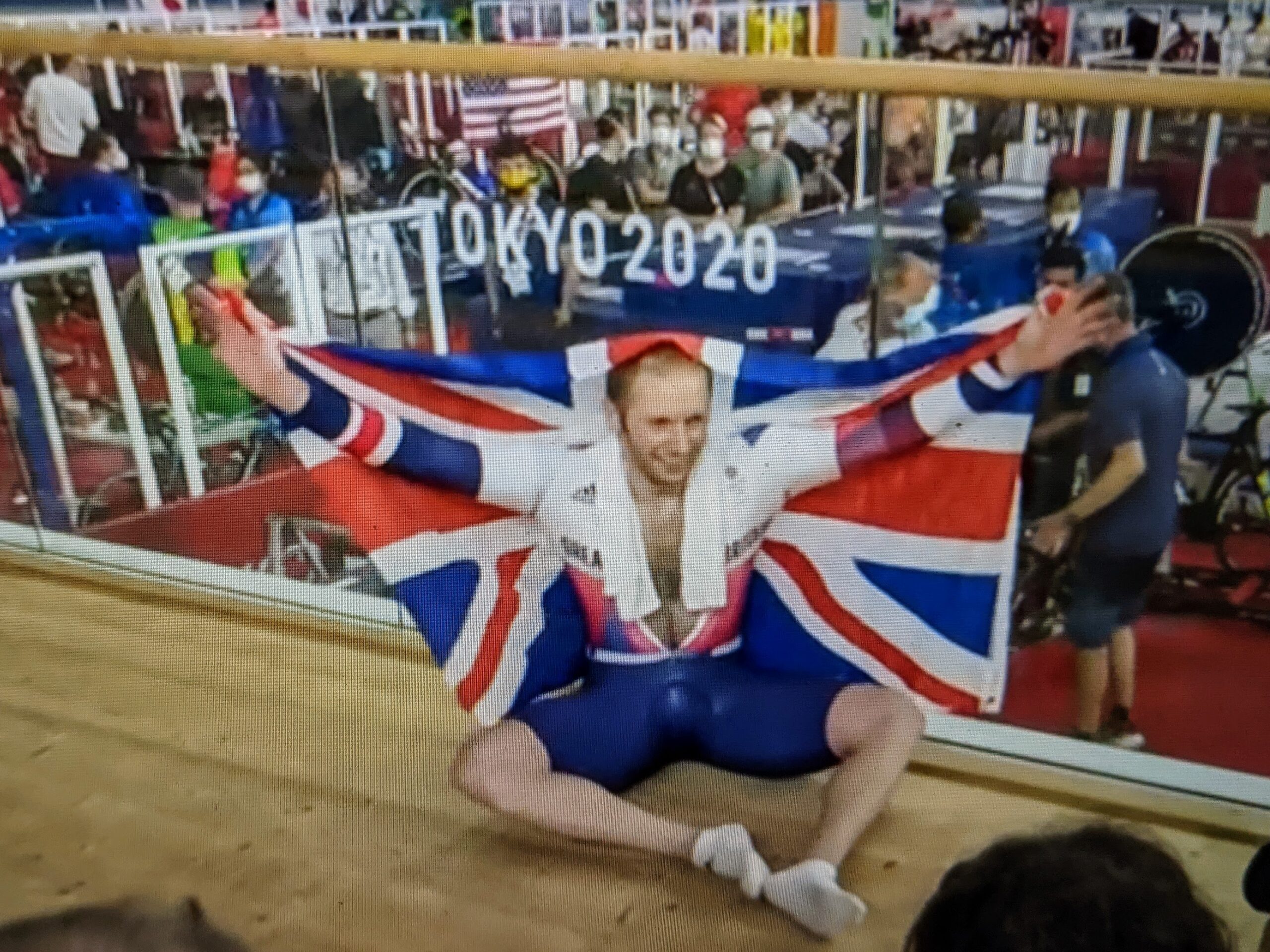
As it is in sporting worlds, wellbeing was hardly an issue 20 years ago, today, everyone uses the term for whatever realm they are in. We've learned through our first encounter with a pandemic about anxieties we never knew existed; loneliness and isolation, fear and its controlling influences and much more seem evermore present now. I'm sure that they always did, we just didn't identify them, in the same way we didn't identify many disabilities that were mental disabilities that are hidden from us. Wars and rumours of wars, the sudden death of a loved one all take their toll. That does not mean that wellbeing, being well and in good mental health, isn't still always an issue for many if not most, just that it wasn't talked about. Hearing all the more about it throughout the current Olympic games from athletes this year, and then in tennis at Wimbledon too, it made me think about the cultural shifts that not only exposed mental wellbeing as the responsibility of all but also the wellbeing of all disabled people who are all too often disabled by the abled and the disabled alike in differing measures. In some cases, I might cite the Olympics in this case, the stresses and anxiety causing a lapse in wellbeing might be as much self-inflicted as it might from external pressures. The Olympians I hear of supposedly do what they do for the love of the sport. In other words, it is a choice that they themselves chose to do. Nevertheless, when they found out that they were actually getting good and better at what they did, they were 'promoted' to new ranks as competitors and then expected to run, skip and jump into the arena to get the golds for themselves and of course their countries. This rising-in-the-ranks elevation, whether by others or by self, changed the stakes for them. As amateurs, they had little to lose, as professionals -- they suddenly had everything to lose. Five and ten years of training for one or two events became a must-have for them. Miss this opportunity and they might just be relegated to the ranks of the unknown has-beens. At some point, these emerging athletes were launched into a new and unknown future. A backing of expectation and sponsorship support soon followed and suddenly they were, well, owned by others. Before this point they were simply enjoying their sport on a day-to-day exercise program they set for themselves. Now, they were wearing the gear of sponsors and following the instructions of world-class coaches. In other words, it's here that stress levels peaked and anxiety pressures were somewhat normalised for them as part of the day-to-day of life. The ultimate prize of a gold, glinted in the eyes of expected success. Some could handle it, some could not! The truth is that many want to be known to be a professional when the joy for many is never being the winner because in the realms of the amateur, the joy is simply in sharing the same distance run and completing as best they can in a time and pace that matches their strengths and abilities.
In my world of working wood, I am considered an expert and a professional -- a master, if you will. In my world, I consider myself the ultimate amateur at the pinnacle of amateur status. I make because I can, because I am good at it and because I love it. On my shirt top there are no sponsor's names (not even my own) and hovering in the background there are no sponsor names that I promote anywhere to increase my income or status. If you do see a name somewhere, it is not because I am promoting something I am compensated for by getting free tools, equipment or monetary gain, but something I simply choose to use at that minute. I do have the right to change that if I want to but I choose not to and it is unlikely that that will ever change. Why? I am almost certain that I could triple or quadruple my income by taking sponsorship. Of that, I have little doubt. Were I to pick up the phone and make a call or two, I am sure that I could find added security for my future. The problem is that it would cost me too much. I post this and all other posts because I choose to and I write whatever I want to as responsibly as possible because this too is important to me. You may well see me use a Veritas plane now and then. They don't pay me to do that, I do it because, as far as planemakers go, they are one of the few that actually took a concept, revolutionised the minutiae to create a plane that had adjusters and adjustment tolerances that were highly beneficial and even designed plane elements that didn't exist before.
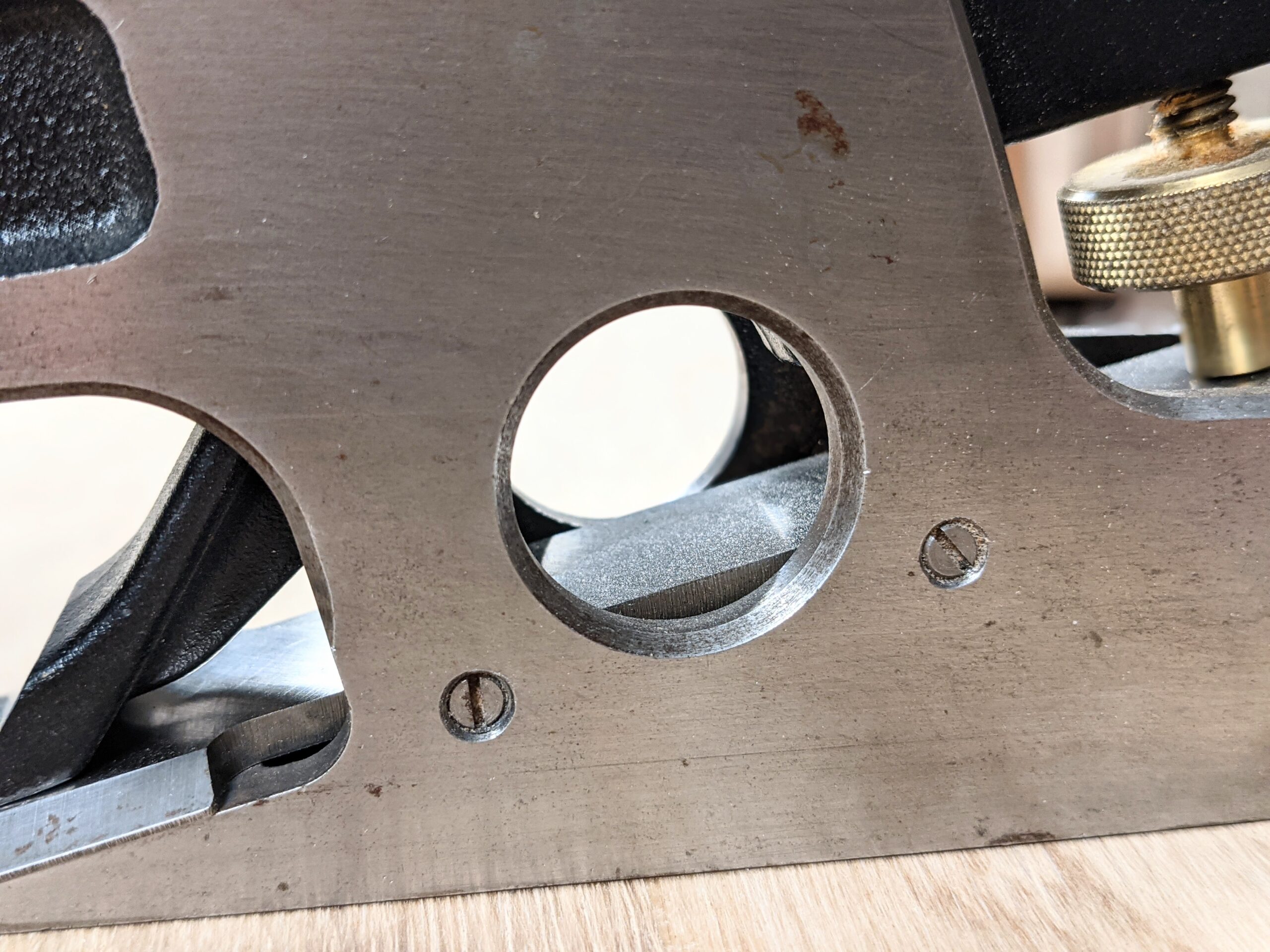
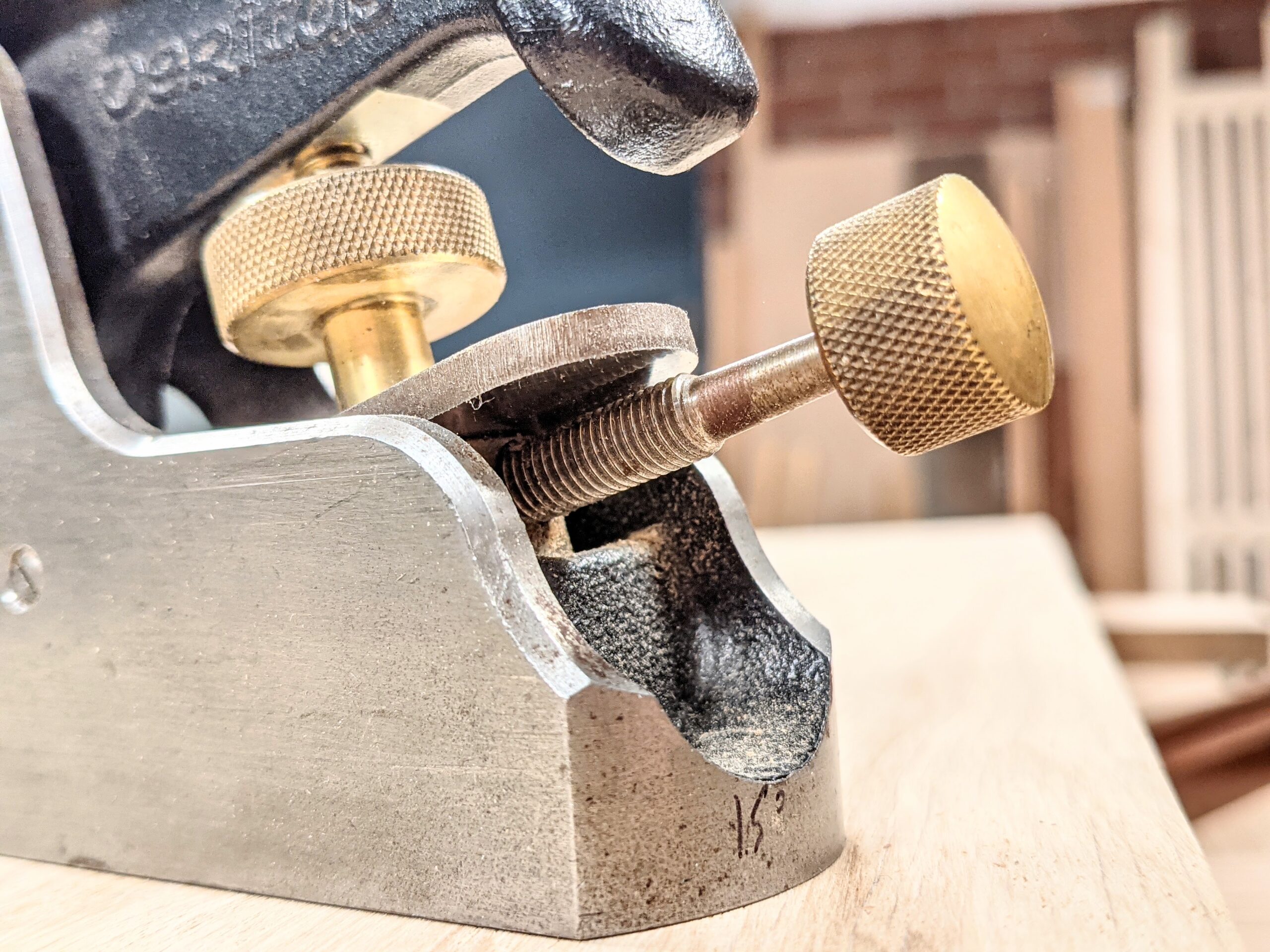
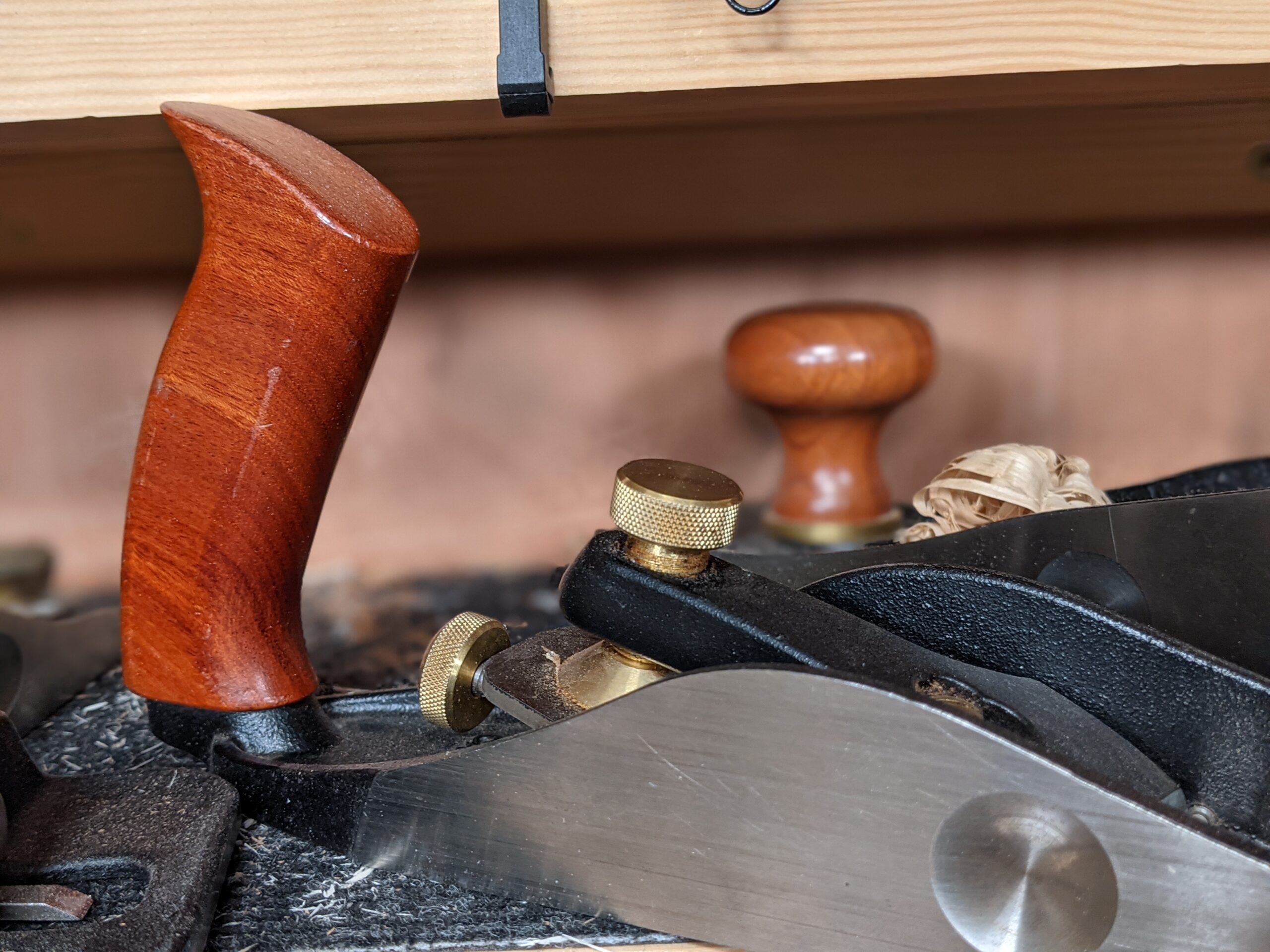
Their engineering standards are about the best for a production plane and their prices are affordable even though some might balk at the price initially because to them it might seem to be prohibitively high. I like that the cutting irons can be installed, centred to suit, and then set with the two side setscrews to make repeat setups identically repeatable. I like that the quarter turn on the fine threads adjust by thousandths of an inch and that once done they are rock solid. On some planes, I find these features of great value. I also like the fact that, despite high demand, they maintain fair pricing for what are essentially lifetime tools. Had I plumbed for a Veritas plane at the start of my now 56 years of full-time daily woodworking, I would know that I need not buy parts or even a second iron in case I wore anything out or down. I have worn through three and a half Stanley plane irons since I began woodworking, even though I rarely if ever grind them on a mechanical grinder. Lee Valley Veritas has always been highly supportive of the work I do, but remotely. Would I change from my Stanley and Record planes to Veritas versions? Well, as it is with many things woodworking, it's not really an either-or.
One of the things I enjoy the most about my woodworking and teaching and influencing the world I reach out to is the freedom to express myself and who I am, even when others have tried to bully me and silence the other intricacies of my life. For some, life comprises a diverse range of breaks, stages and phases in a day, a week, a month and so on. My workday starts when I wake and ends when I go to sleep. If I dig my garden, I am working, when I write a blog or film my efforts, I am working. If I take my fieldglasses to the lake I am working and if I clean or polish my shoes I am working. I do not split-divide my life-day off into recreational time, work time, family time and so on because all of my day is about recreation in the sense of re-creation, and by that I mean every minute. Were I to take sponsorship, I would be selling myself to the highest bidder and I would lose my freedom to be, well, who I am. This actually almost happened when I wrote my first published book. I chose to travel the US and promote woodworking classes and the lifestyle I lived through several states. The then publishers were profoundly offended because I didn't promote their work and a conflict developed that was irreparable. The fact that my reason and purpose was completely different and that I chose to travel independently seemed not to count for anything. I also had no reference to my published work in any form on my website because at that time I just wanted a clean and clear website free of advertising. You see, even though I had no contract to the contrary, there was an overt expectation to do otherwise. I chose independence and I still do. Sponsorship, quite naturally and expectedly, brings with it much baggage. Any pressure I have is not for the financial increase and sales of others, even though others try to piggyback my website in different ways. One US company tries most days to infiltrate my comments section with messages under different names that seem to be from an individual rather than the commercial business it is. They create URLs to that end each and every time amd because I read every single comment as they come in, I detect them without using a spam blocker that would not detect these comments anyway, and I take them out by the second.
I love and live for the freedoms I have engineered as part of my lifestyle woodworking. I use a Dewalt drill-driver but would use a Makita just as readily had I bought one when I came back to live in the UK. I also use Stanley, Makita and other pieces for some of my work. My jigsaw is an ancient Makita, ten years old when I bought it ten years ago, that works perfectly. I have a Dewalt skilsaw and Makita 4" belt sander none of which I depend on and I take no sponsorship from any of these big names and for good reason. FREEDOM MATTERS! I no longer use a chopsaw, the power planers are gone and so too the tablesaw. I don't need them anymore and neither do the major part of my audience. Look at the dozens and hundreds of pieces we have made without much power equipment and without sponsorship. I love it! Well-being is a right of all and we must take care to keep it that way.
Comments ()