
Underestimating and undervaluing
I think many woodworkers underestimate the value of both their hands and the hand tools we use in handwork. Undervaluing our own ability to master handwork to an acceptable level often leads to giving up well before we can experience the wonders of skilled work for ourselves, even when we are likely to be just a few strokes away from some level of success. Could this be because we just never expected to actually achieve something good? Often, I see this as more a sad condition of our present world where making anything is becoming rarer and scarcer. As a child, my mother, an apprenticed Belgian dressmaker with a lifetime of full-time experience making, sent me to the grocery store to ask for orange and apple crates. Today, these have been replaced by corrugated cardboard and plastic. My requisitioning small wooden crates was a family source of starter firewood to ignite the coal we burned for heat and water. How many people give a ten-year-old an ax and tell them to go and chop firewood. My early relating to wood was through chopping thin wood into sticks. It was through this seemingly mindless task that I came to know about knots, cross-grain chops, splitting, warpage, texture and much more. A simple ax, together with a screwdriver for a wrecking bar, taught me many things woodworking. Thus, wood soon became a resource for my early boat models and boxes, den walls and more. It led to my using a dull handsaw, some chisel working, knife shaving and shaping and other such fascinating relational knowledge. Could this have prefaced my idea to become a woodworker when I grew of age? There are always assumptions that follow such introductions to life skills. I had an academic once moan in a class I was teaching and say, "I am an intelligent being! People with much less intelligence can do this work better than I can. Why is this so?" Yes, I know, it was such false assumptions that enveloped him in unbelief. He assumed that manual workers were thick, dense of wit and wisdom. It was this that held him back the most. Such assumptions can do that for all of us.

A NASA scientist in my class of 20, fifteen or so years ago, understood skilled handwork better than anyone I know. His engineering mind began on the workshop floor where he first mastered mechanical engineering using machines and handwork. This had equipped him to work on multiple long-range space projects and his mind had not overly constrained him but had equipped him to make the correct assumptions in relation to both manual working and then his use of brainpower. Assumptions can be and often are the result of being misled by bad evaluations. We can be overly ambitious and make bad decisions in our enthusiasm. That said, some, many, have made very risky decisions that resulted in dynamic successes.
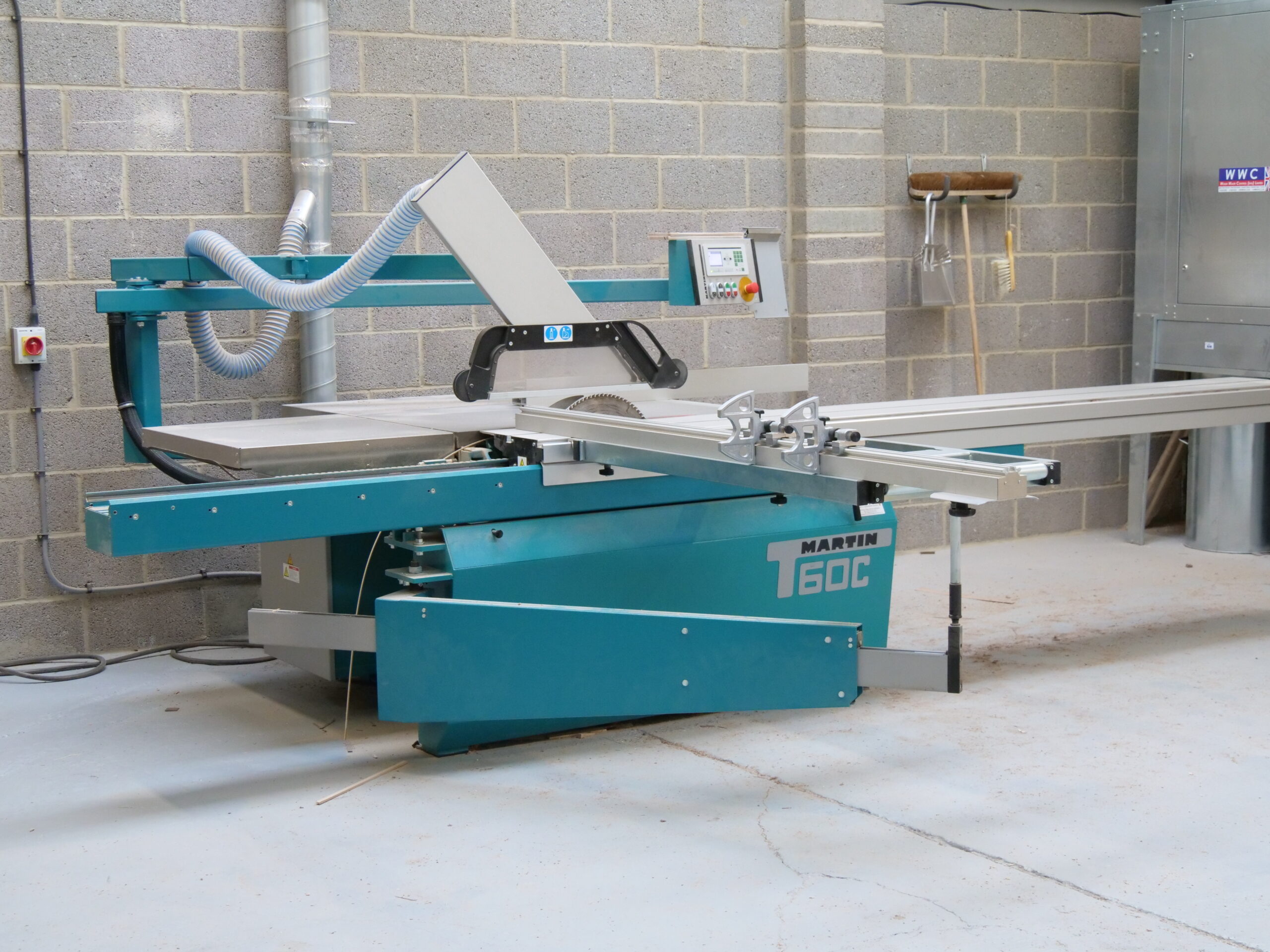
Programming or setting up a machine to cut perfectly parallel and perpendicular cut lines and recesses seem to automatically disqualify hand tools for most makers these days. Thankfully, there are those of us who like and even prefer the idea of self-developmental challenges. In this world, my now evolved world, where relative peace reigns despite the challenges, any slight discrepancy does not mean failure but successful hand-making in realms of greater silence, skilfulness, safety and more. It's in my world of handwork where I gain intimate and infinite levels of satisfaction that run in tandem with peace and deliberate energy levels. Using hand tools in my work delivers the most perfect levels of expended energy with zero waste of those ever-important energy levels!
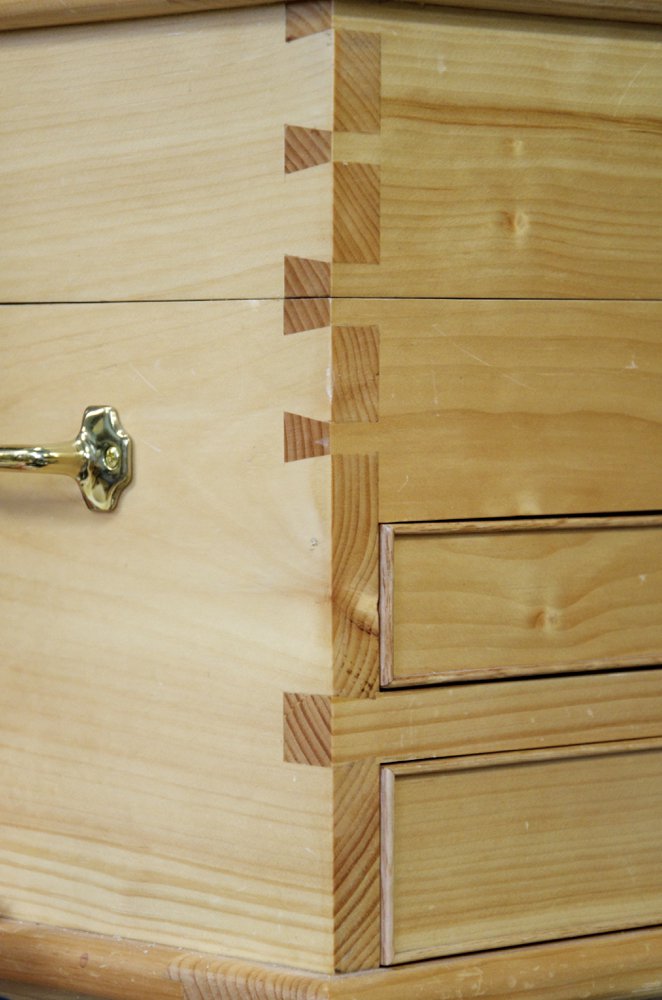
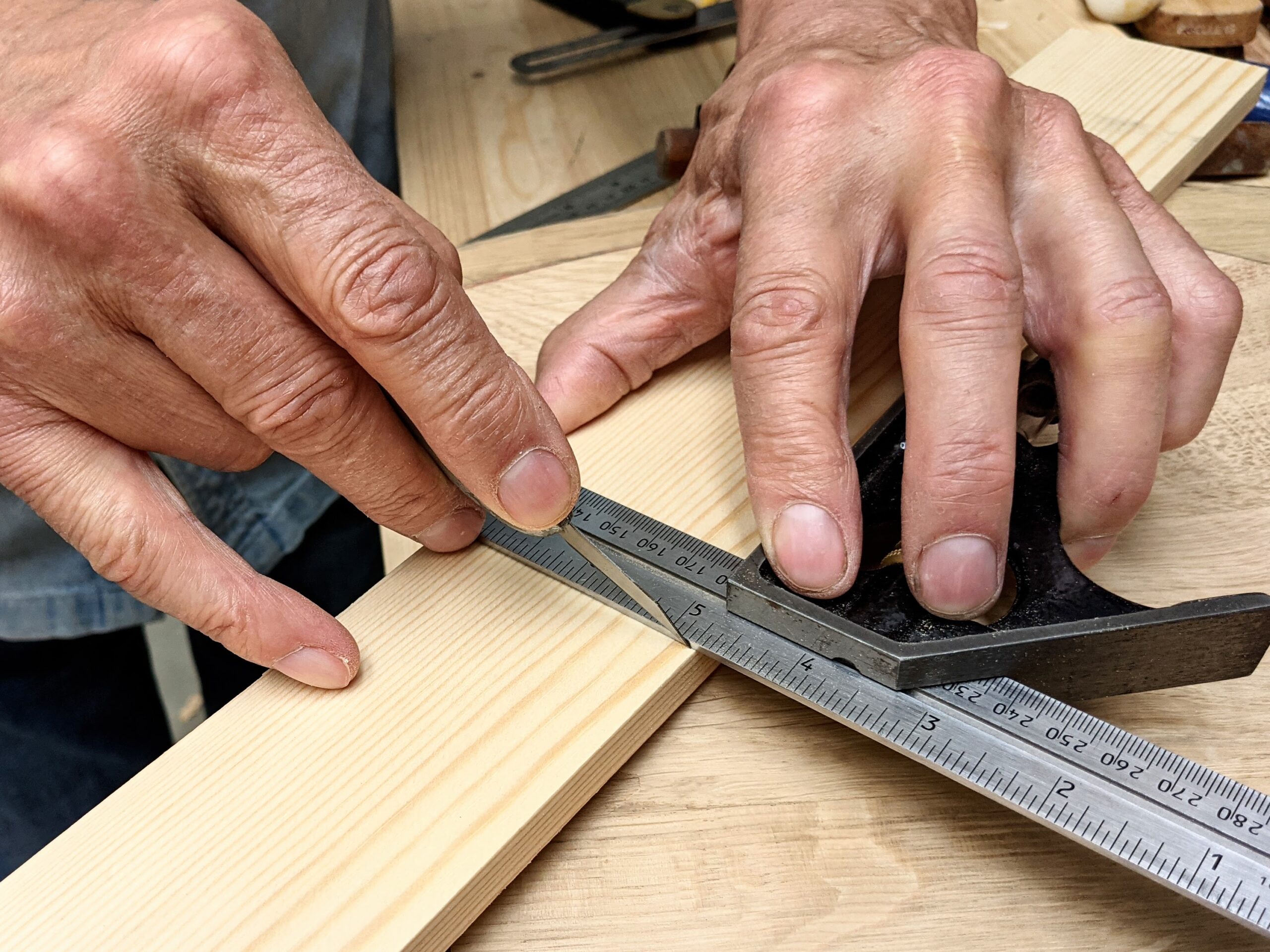
Estimating the speed with which we learn to master techniques and skills can be difficult to evaluate and assess because it's time-related learning that can hardly be measured in bits, bites and bytes. Additionally, for many, that means short and medium jabs of working in small to medium segments of time; more usually, woodworkers work mostly part-time with many breaks in the continuity that would defy establishing skill-building more quickly. This is frustrating, of course, but we do whatever it takes because, well, we want the experiential learning we get in the doing of it. When I started teaching, I created exercises thinking the more exercises you did the quicker you would learn. I soon learned that, whereas my approach seemed logical, that's not necessarily the case. I found that project-based making adds a dynamic that cannot be quantified. The project itself becomes the dynamic that inspires people to extend themselves beyond anything they may have done before. Project-based learning carries within it an energy that highlights the need for extra care and extra accuracy in every aspect of the making process. This extra spin value compels students to investigate and seek out answers as they are in the saddle, so to speak. In this, they learn far more readily knowing that there is a project to be completed and at the end of a day's working they will have something by which they can measure the quality of their newly acquired skills. Whereas they were uncertain as to what they could realistically accomplish, I pretty much relied on the fact that almost all my students, those standing on the other side of my workbench watching me, would do just fine. The biggest input I made into the world of amateur woodworkers using and wanting hand tool woodworking was believing that within them lay dormant skills as yet untapped and unknown and unmeasured. I had worked out what the core essentials were that they would need immediately on starting the journey towards good craftsmanship. For many, telling them about the knifewall somehow unlocked and unblocked the logjam of doubt they had about themselves. They saw the sharp point of the knife go in, the chisel sever and separate for a stepdown and a saw follow a perfectly straight and vertical cut. When they saw this, I had them. They saw it, they knew it, and once they knew it they owned it. It was not something that I was ever taught but something I knew of before as simply 'marking' and 'striking and 'layout'. Knifewall was the term I coined to describe what was hitherto unnamed. It brought pure clarity to what had just happened. The misnomers of marking, striking and layout marks were gone forever. These terms gave no sense of severing fibres with slicing cuts and of course, a conically-pointed cone of steel did no more than indent the surface with an elongated, bruised furrow. Hence, back in the early 1990s, my students willingly adopted the term, and today, at least in the realms of woodworking, knifewall as a description is pretty well universally accepted; a whole new word for woodworkers and one that I established in my own vocabulary without ever realising the word would spread because it explained exactly what it created. It has become a word I have now used for these past 30 years.
In many ways, this is to say that we should not underestimate or undervalue our ability to change the status quo and especially if what was so was purely for the sake of tradition. Laying planes on their sides is yet another silly practice unless you are hanging a door and working outside on rough ground, gravel and concrete. Inherent in our humanity is our ability to improve durability to work and this is intrinsic to who we are as workers working with our hands. Every human born with hands or a hand is born with the ability to work with what they are born with. There are only few exceptions. That being so, we should never underestimate our innate ability to develop skill of almost any kind. As sentient beings, we almost automatically create, and the more we do of any one thing, the better our senses enable us to adapt so that we become developed to do what we are doing and do it well. If then, we are patient in our knowledge that development comes with patience and determination, we can expect to become competent and even experts. I consider this to be like driving a car that once felt clunky and awkward to being able to multitask in the driver's seat by shifting gears, braking, steering, turning on the radio, adjusting the sound levels and clicking various switches seemingly at the same time. Whereas I dispute whether one half of the world's population multitask any better than the other half, this is one area where I accept that multitasking is not doing half a dozen tasks at once badly. In my purview, the perspective of multitasking being advanced abilities in some people is quite distorted. For the main part, it is the prioritising of many small tasks to put them in order for expediting in synchrony with ultimate need and nothing more.
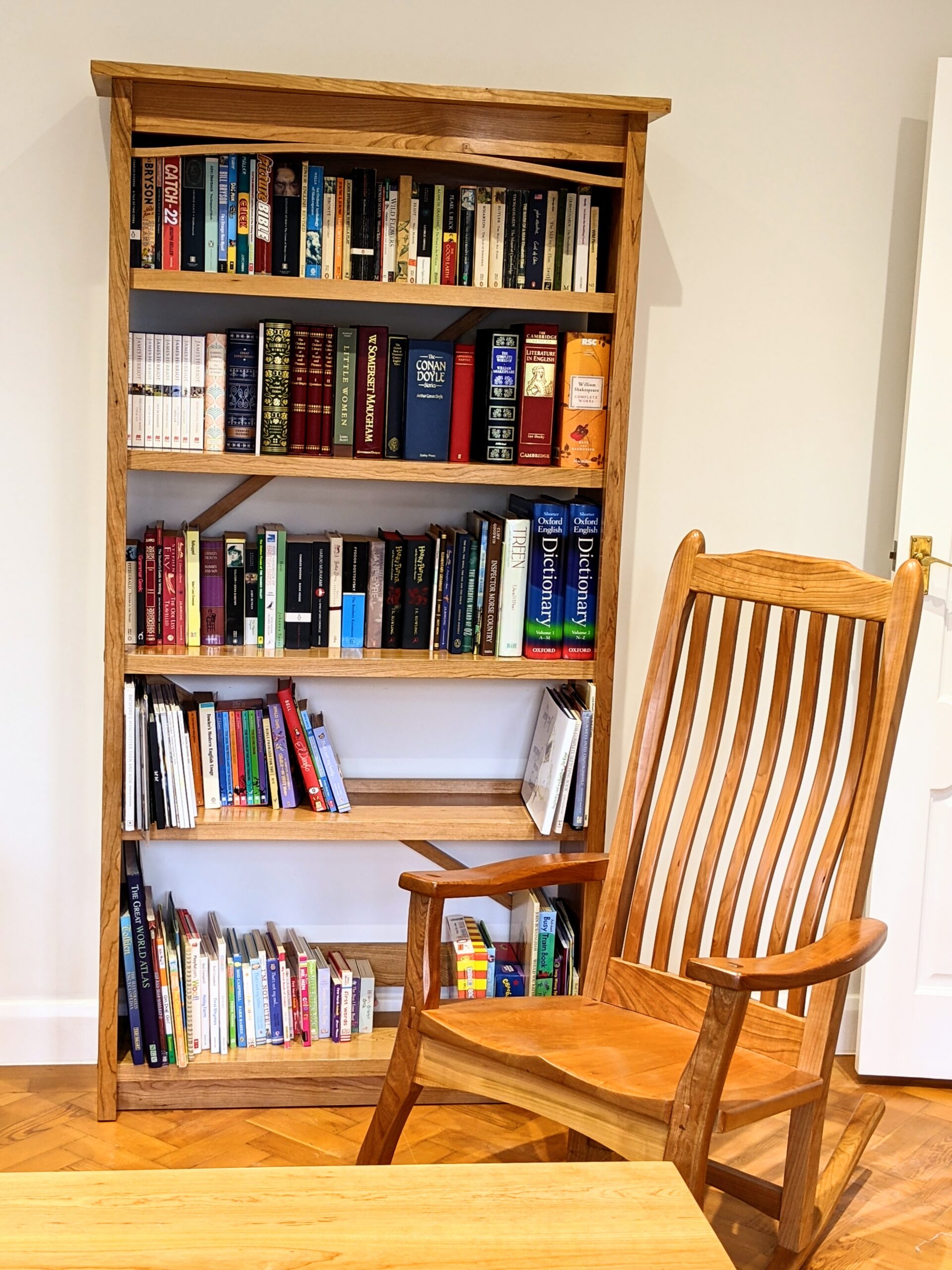
Persevering is the key to advancement in any craft. Those who find themselves self-deprecating are often modest about their abilities. Overcoming the fear of failure can be key to development, but accepting that we do indeed have abilities still yet lying dormant within can be the bigger challenge. Often, not always, we are told that we can't do it by some other who even unintentionally tells us we can't. "Oh, you know what you're like! You'll never do it!" and we give up without trying. Such condemning thoughts and phrases are often difficult to overcome. I don't think I have ever used such phrases in my life. Secure in my knowledge that dormant interest often needs additional third-party input, energising support usually comes from someone who cares to be that encourager, teacher, mentor. I have seen many thousands of my face-to-face students overcome self-doubt and the doubts of others to succeed in their endeavour, with many going far beyond their wildest expectations. By this, I know we can all steadily gain some measure of success. This is why we should never underestimate or undervalue the human mind and body in our making.
In some ways, we often fail to see that our inabilities are a form of disability. Once, an old man stood outside a revolving door for the first time. A friend of mine stood on the opposite side saying, "it's OK, wait for the gap and step in." She could see him hesitate each time the gap came and eventually she just shouted, "Go! Now!" and he did. He kept going, came out the other side, and he smiled to himself as he walked away. I recall similar things with my own first encounter with an escalator, a moving walkway and other such automated 'people movers'. Our hesitancy sometimes causes us to falter and miss that critical point of entry. Sometimes we are fearful of starting something we are uncertain about. Disabilities are mostly hidden and not obvious to others at all.
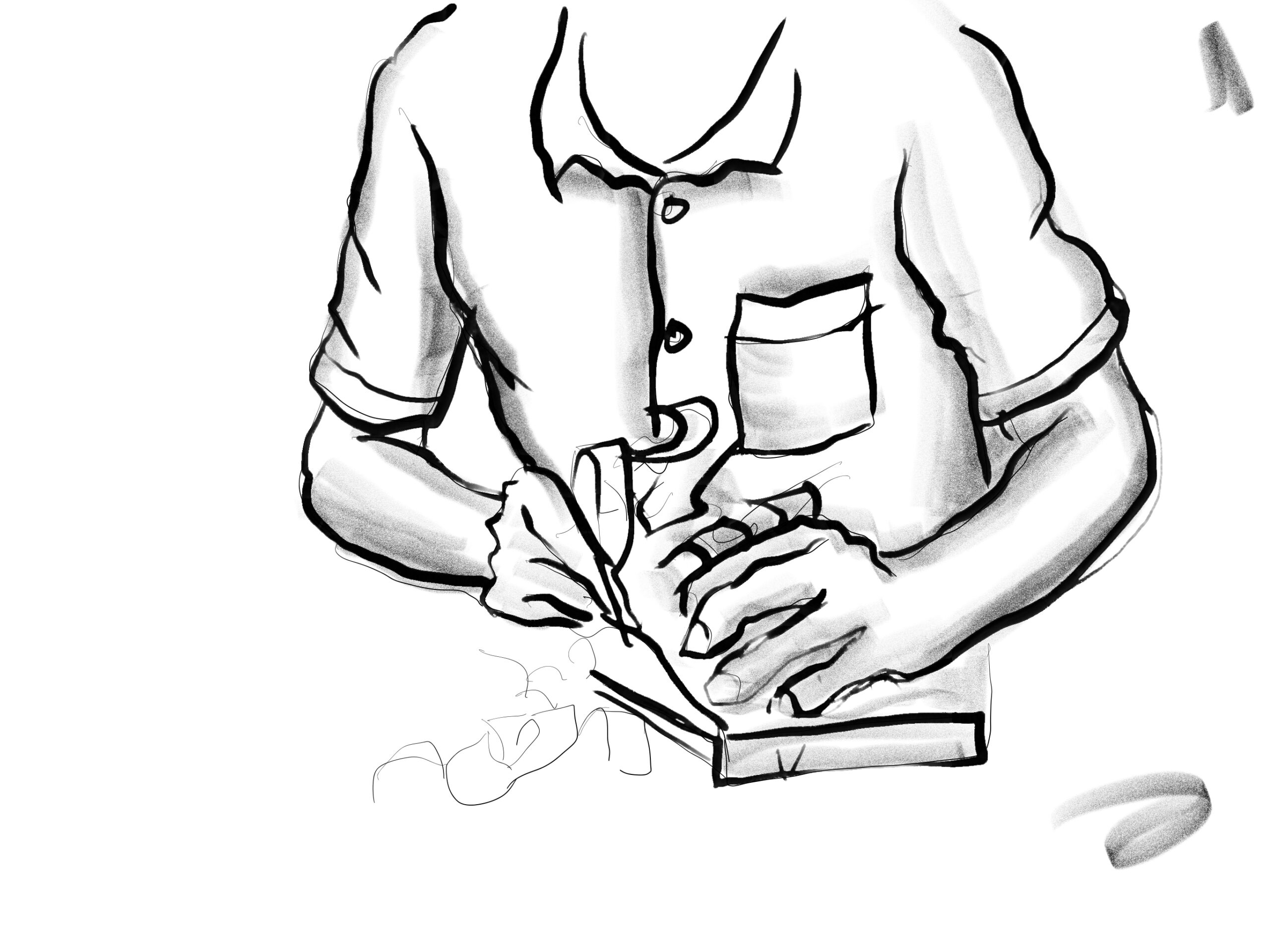
Disabilities can be the result of other factors too - not so much a physical disability - perhaps ones more closely linked to our emotions and our sociological and socioeconomic ones. Anxiety can be very debilitating; as much so as any physical disability. Lack of finance, lack of direction, lack of tools and equipment, lack of teaching and instruction. These too can be highly disabling. What about motivation too? What if you do have a disability on top of everything. Some disabilities can actually equip you and then dis-equip you. I think of autism as an instance here. Disabilities run the gamut for all of us. I see the whole of life as a spectrum. At one time, in my own life, I recognised my own disability when I had been offered a job for a season but one morning my own self-doubt prevented me from going into the workplace. I sat outside in my car for four hours unable to move; I neither wanted to leave nor go in. It seemed ever-more crazy as the hours passed. I was in my late 50s when this happened for the very first time. How could this be? I was more than confident in my work and my physical abilities. My work was in the White House. I'd traveled from state to state and taught many hundreds of thousands how to work with their hands. Just what was going on? Could I walk through that door? The funny thing is this. I can stand in front of an audience of five or 5,000 and speak for an hour with no problem. The cameras I present to never cause me an issue. I can be interviewed live about a variety of issues and can think of none that would cause me to falter. Self-doubt can affect all of us negatively at some point - even the most confident.
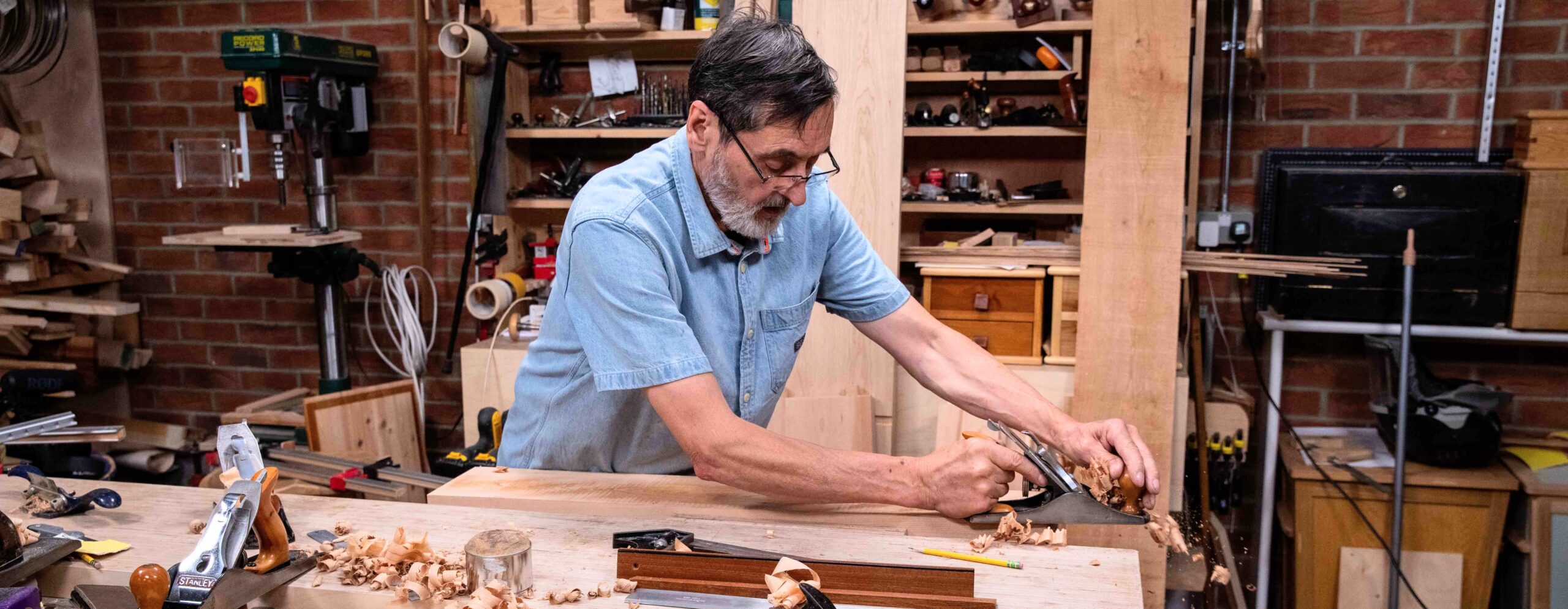
Sometimes we need just a small nudge from another. It comes best from someone who cares for us and has genuine interest in what we do. Likewise, when we experience negativity from another, or just from ourselves, we can hold back from achieving what is just a plane or a saw stroke away. What we held deep in our hearts for a long time can vanish in a wisp of air if we don't just step out and do it! So, what am I saying? Doubt your doubts and trust that you will achieve when you release yourself from self-doubt, fear of making mistakes. Most often, you can do it.
Comments ()