
I Rely on Two or Three Plain Planes
I've covered this from time to time but having just flogged off the wood from six bandsawn strip-panels made from 24 spruce studs, and I can tell you that the #4 did the lot with the greatest ease and the best workout a man striving for fitness and aged 71 can get. Furthermore, I might even suggest that anyone doing what I just did would indeed find themselves breathless every five minutes throughout the process. This I cannot get from any machining process. This is the best daylong gym and gym work I have found bar none because I get both the product I want and need at the end plus great physical exercise with legs, torso and upper body synchronised in the whole. Also, I think it is always good to remember that the lighter weight planes mean you can go for a longer period of actual planing, which is what you want for efficiency anyway. I see it as just like backpacking and bike riding, they both work better if you are not carrying any excess weight and who needs to throw a heavyweight plane to take off shavings anyway? Might as well just go to the gym. Saying all of this might seem unnecessary to a reader but you should remember that I plane wood by hand every single day six days a week and have done so for 56 years pretty much full time in my making. I choose this as my way of life and my way of working wood. I don't shun machines, I don't have need of them, don't need the noise and the support stuff that goes with them to make them safe and much much more. If you look back at what I have made over the past few years for woodworkingmasterclasses.com and now sellershome.com you will see that my work is not stymied in any way.
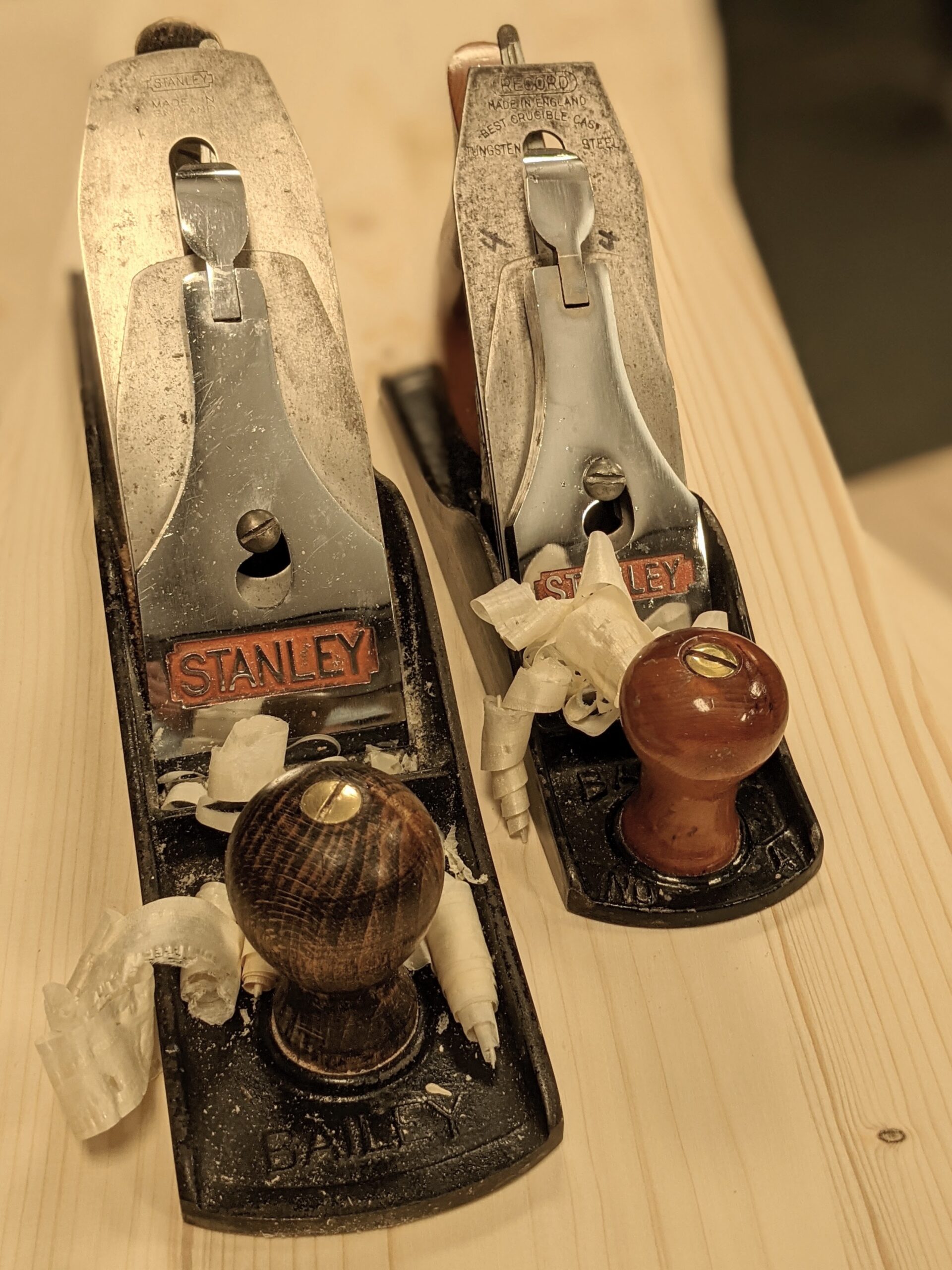
I often hear others say that the number five is best and then the number five and halves, sixes, sevens and eights. I can tell you that this is really far from true. I do understand though that people have preferences according to their exposure. But try to imagine the lives of others. Imagine that you are a 13-year-old woodworker or a 10-year-old version, perhaps you've grown elderly and you're muscle tone is not what it was, a woman with osteoarthritis or you simply have a slighter build. To truly understand, you might deny yourself the luxury of mental logic and consider working with the heavier and bigger, elongated planes at the workbench to see how you really feel and then too to compare the actual outcome. My audience is bigger than the macho-male flashing the big guns and flicking their pec's for show. Now, I am not opening the debate here so you might resist rising to the challenge. Long planes are not even a luxury, I think that they are simply unnecessary and if you are a maker not a user engineer type, well, you gotta persuade customers so you can indeed make more sales. In my world and from my own experience in my own shop and looking into others, these planes sit for far too long looking impressive on the shelves. I just want my audience to see that you can make just about anything with a #4 plane, you can add in a #5 too. If you do have the added strength and weight to handle their wider versions, the #4 1/2 and the #5 1/2, you will find them hand but not at all essential. The best plane I find that compliments the short Arabian-gelding of planes the #4 is the longer #5 but it is heavier and this added weight is always a consideration for a large percentage of my audience. I quite enjoy owning my #4 1/2 and the #5 1/2 and have owned these alongside my #4 and #5 1/2 throughout my work-life for the slightly extra width they give me and the main reason for this comes to light when I am edge-jointing two side-by-side boards clamped in the vise.
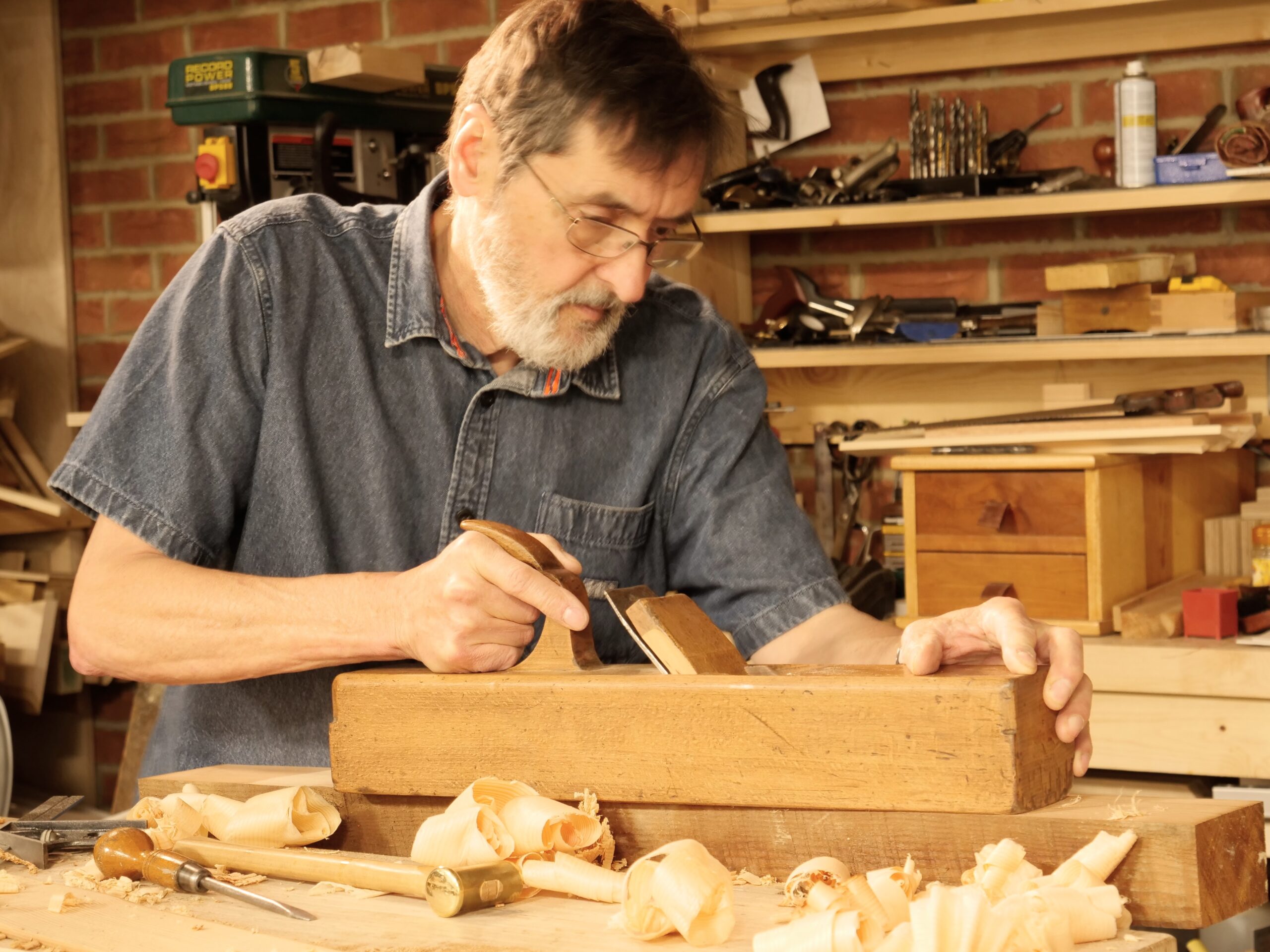
The men I worked alongside throughout my formative years never used any planes that were longer than a jack plane no matter the length of the wood being planed. In my own life, I have only on rare occasions touched, used and put back a longer plane than a jack plane. Now wooden planes are a different matter. In use, you can scarcely feel any weight - that's what wood on wood gives you. Do I advocate wooden planes to replace the cast metal ones? Nah, not at all. I love the Bailey-pattern bench planes. They are readily available and we can never exhaust the existing stock levels left by their former owner/users. They will last you for your lifetime even if they are third- and fourth-hand to you and better yet you can buy them on eBay for almost nothing at around £30 but sometimes as low as £20 here in the UK at least.
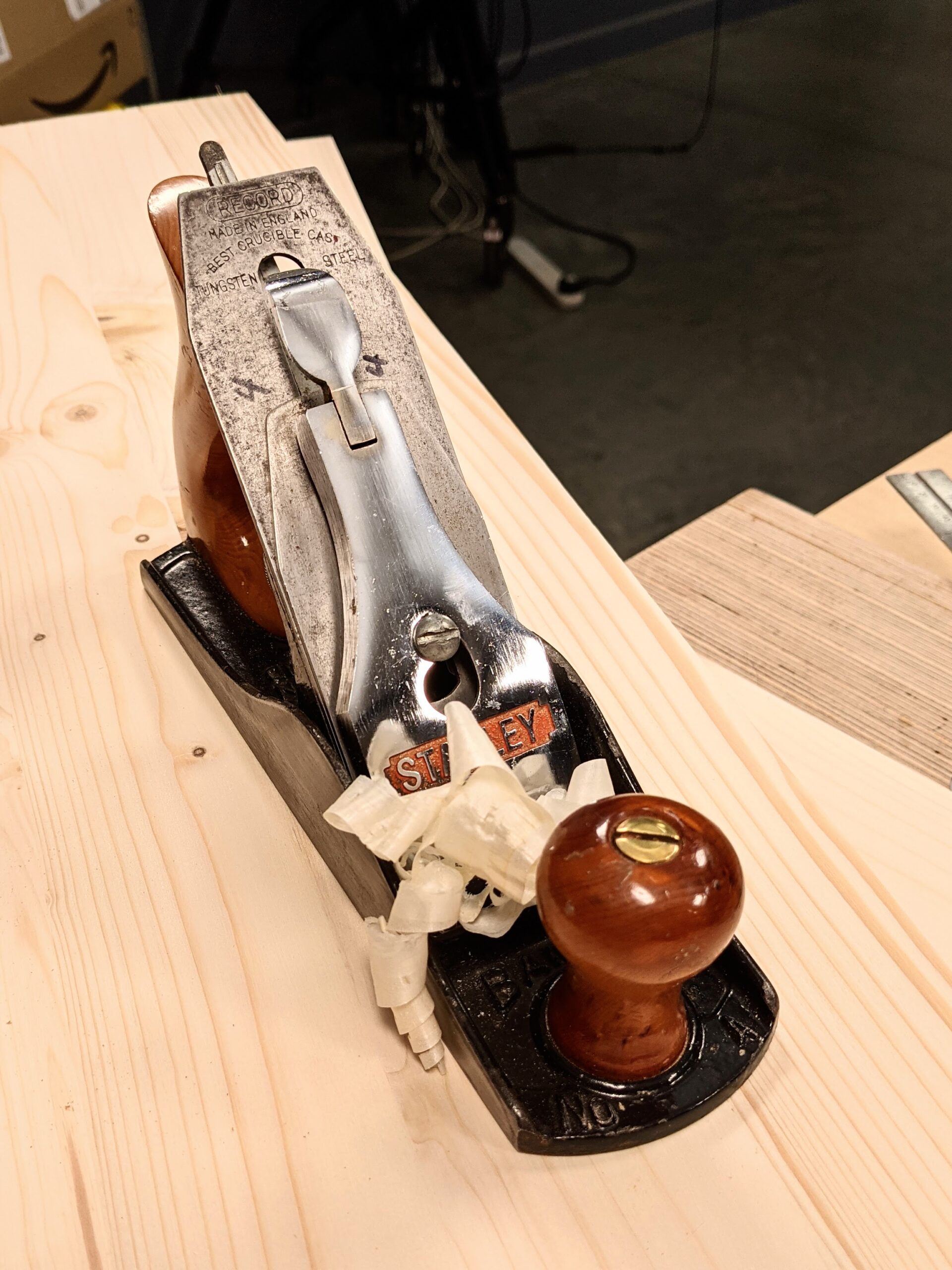
For those with a lighter frame, lower weight and upper body strength and perhaps some who have a disability or two or three, the basic Stanley and Record #4s cannot be beaten. To refurbish one can often take only minutes and then up to an hour usually. I just looked on eBay and there are about a hundred being offered right now in either make.
I have considered many finely made planes that are objects of art with regards to creative ability of the engineers. Do planes costing £5,000 serve better than the £25 eBay find? Or do new planes costing £250 offer much greater advantage? Well, no. I think my preference will always be in honour of the Stanley Bailey-pattern bench plane, which of course has been copied for almost a century by other makers. This plane was a remarkable design taking into consideration everything adjustment-wise in relation to the hands pushing it. Singlehandedly, all of the adjustments can be handled in split-second thumb- and finger-tweaks. No modern maker has made any considerable improvement to the 1865 version except in some cases tighter engineering tolerances using better metals, possibly. Does this advantage the user? In my view, no. You can over-engineer a plane and lose what I call the flex of looser thread tolerances. I love that I can simply flick my depth adjustment wheel to spin uptake of thread between clockwise and anti-clockwise directions. It's fast if I want/need it!
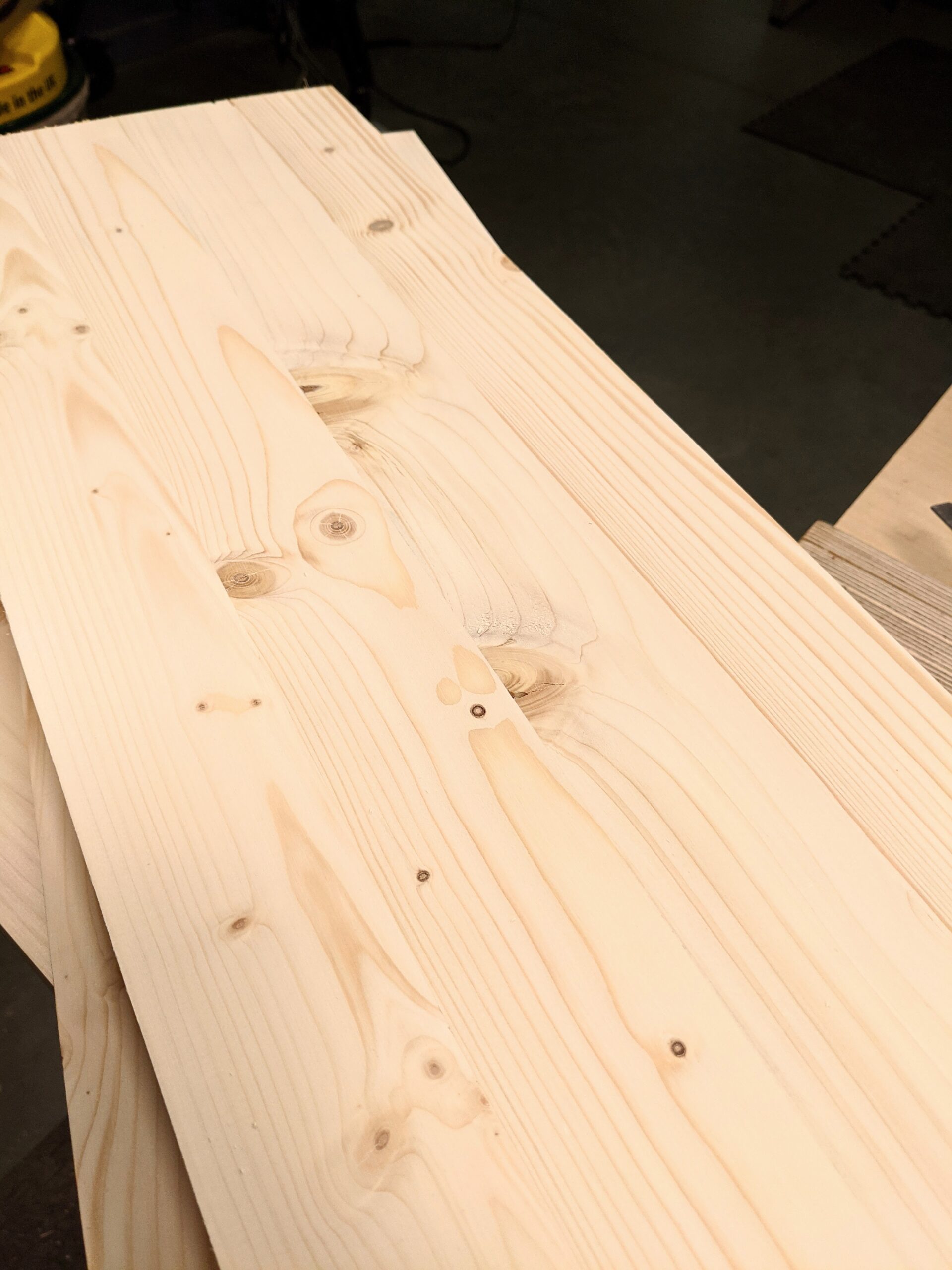
My prototype is coming together and as I complete each of the pieces for our continuing sellershome.com designs I feel a deep sense of satisfaction at one of those simple, unnoticed, unregistered things - I have been using the same Stanley #4 bench plane since I bought it at the start of my 1965 apprenticeship. Throughout the 56 years, I have gone through four cutting irons even though I generally never grind the cutting irons on a mechanical grinding wheel. I wonder, will this current cutting iron see me out at 71? Who knows and who cares? The plane has been a stunning example of a wonderfully amazing design!
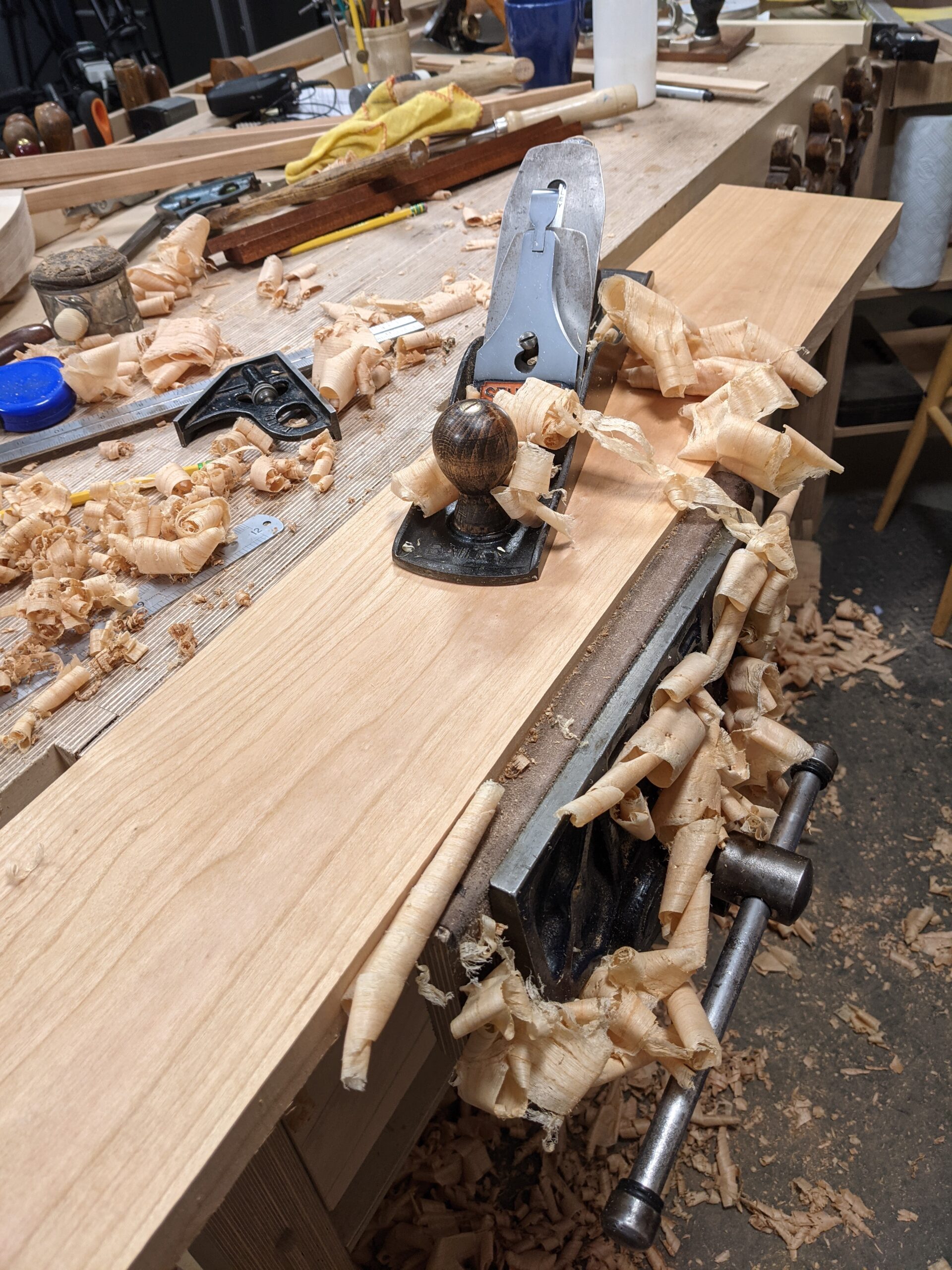
Hardwoods like cherry and oak are very nice to work because of their consistency. Spruce studs are a very uniquely different experience. Those hard knots that jar your strokes every few seconds can be more than just a distraction. But I got there by perseverance and fortitude and I wanted the workout anyway, no matter what. So, I ripped my studs down to 15/16" on the bandsaw and then I edge-jointed all the joint lines using both a #4 and a #5 or #5 1/2. After glue-up, I surfaced all the 10" wide, 8' long boards to level any discrepancies to both sides. Three large bin bags were filled with shavings at the end of the day and there, centre stage, sat my #4. I sharpened all three planes between four and five times throughout the day; that's more workout working that I did not mind at all.
Comments ()