
Beyond the Workshop Door
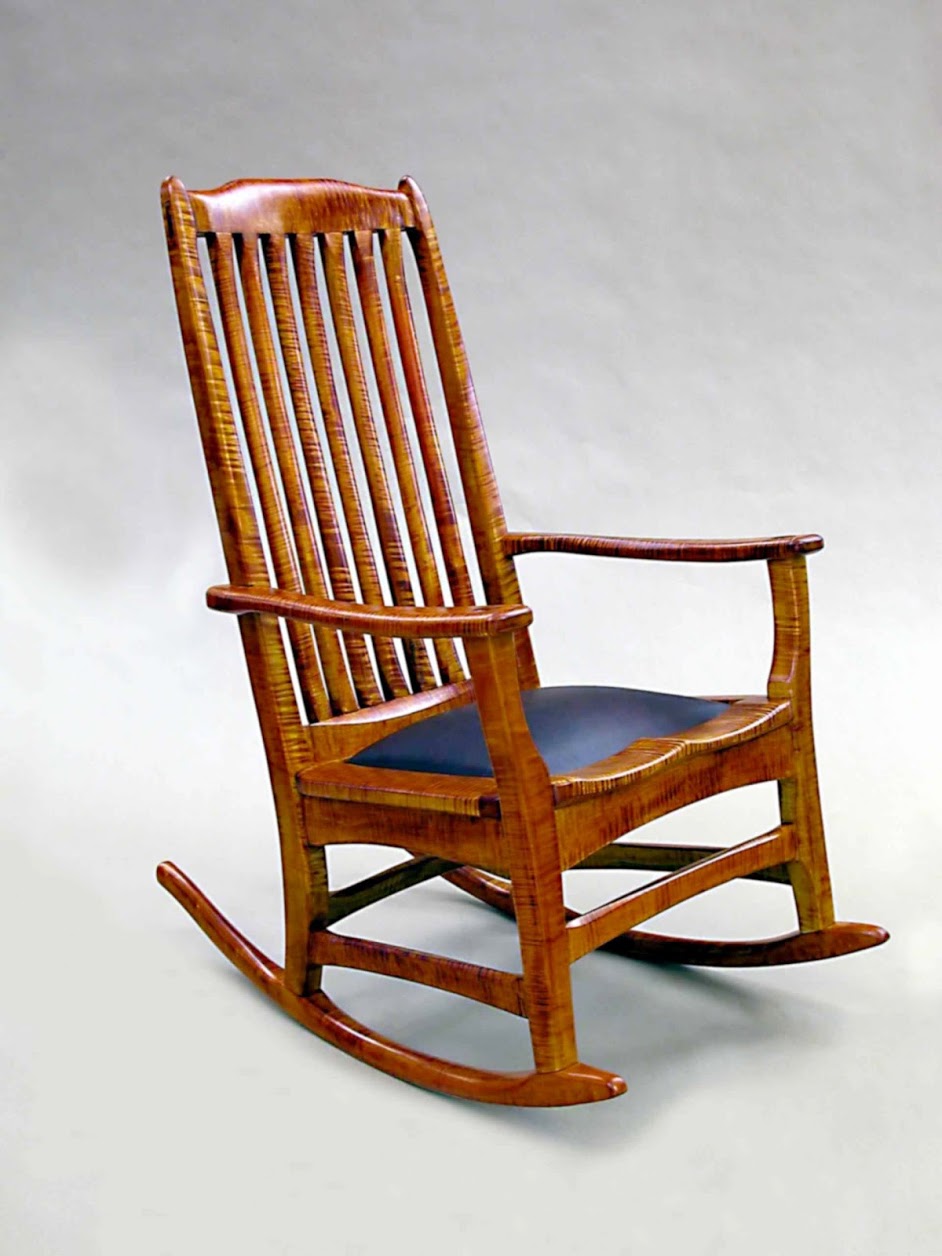
You may recall that I was teaching my classes on a regular basis from 1995 through to two years ago. Throughout those years I was always a maker and a designer involved closely with my own work and the work of other craftsmen working alongside me. Often, I didn't even make some of my designs beyond the first prototype. I can think of dining chairs and desks, tables and the like. My Brazos rocking chair design has been made for about 20 years to date and continues to be made and sold by those I trained as young boys in evening classes when they were but young children establishing their formative skills using hand tools.
Working back then was in some sense an incubation period when my life was in a period of flux, transitioning to a place where furniture making continued with staff but my interest in teaching ran parallel as I developed my as yet unwritten curriculum, wrote my own how-tos and followed my heart. Some weeks were roller-coaster weeks of intensity. I would be teaching at the bench and writing and sketching hands on saws on wood to capture the steps and pass them on in an hour's time to the students working there at 20 workstations. This put me in a role I had never thought of before. How do I describe the knife cuts I made to establish dead squareness in two plains to joint-line shoulders? What could I do to get dead parallel surfaces to tenons and mortises to make them correspond when the person at the bench only picked up a saw two days before? I would still be working at 3 am when I had a class starting at eight and I had a new idea that needed me in the woodshop at six. Now that 300,000 words have been written, now that almost 3,000 blog posts are available for free here, and with two dozen manuscripts written and two wonderful books under my belt, now that I have personally taught and trained 6,500 woodworkers in classes, my task of knowing what to teach and how is no longer guesswork. Teaching and training is made all the easier for me. Now I can enjoy the reality that 32 million views of my blog have taken place since my first blog post ten years ago. I say all of this because it came at a price. Little of what I have ever written has made me much income. Had I done this for a living I would have died long ago. But what I have written, every single word of it, has been written because it was needed and because I wanted to write it. Even without pay, I would have written it because it was the only way I could reach millions of woodworkers worldwide with one simple message that I had. Life is simple, woodworking is simple and we can do both with just our hands. Yes, we use technology. Our forebears did too. Did you know that the Shakers had patents out on many machines that they designed, that they too had production methods in lines that were practical to maximise production?
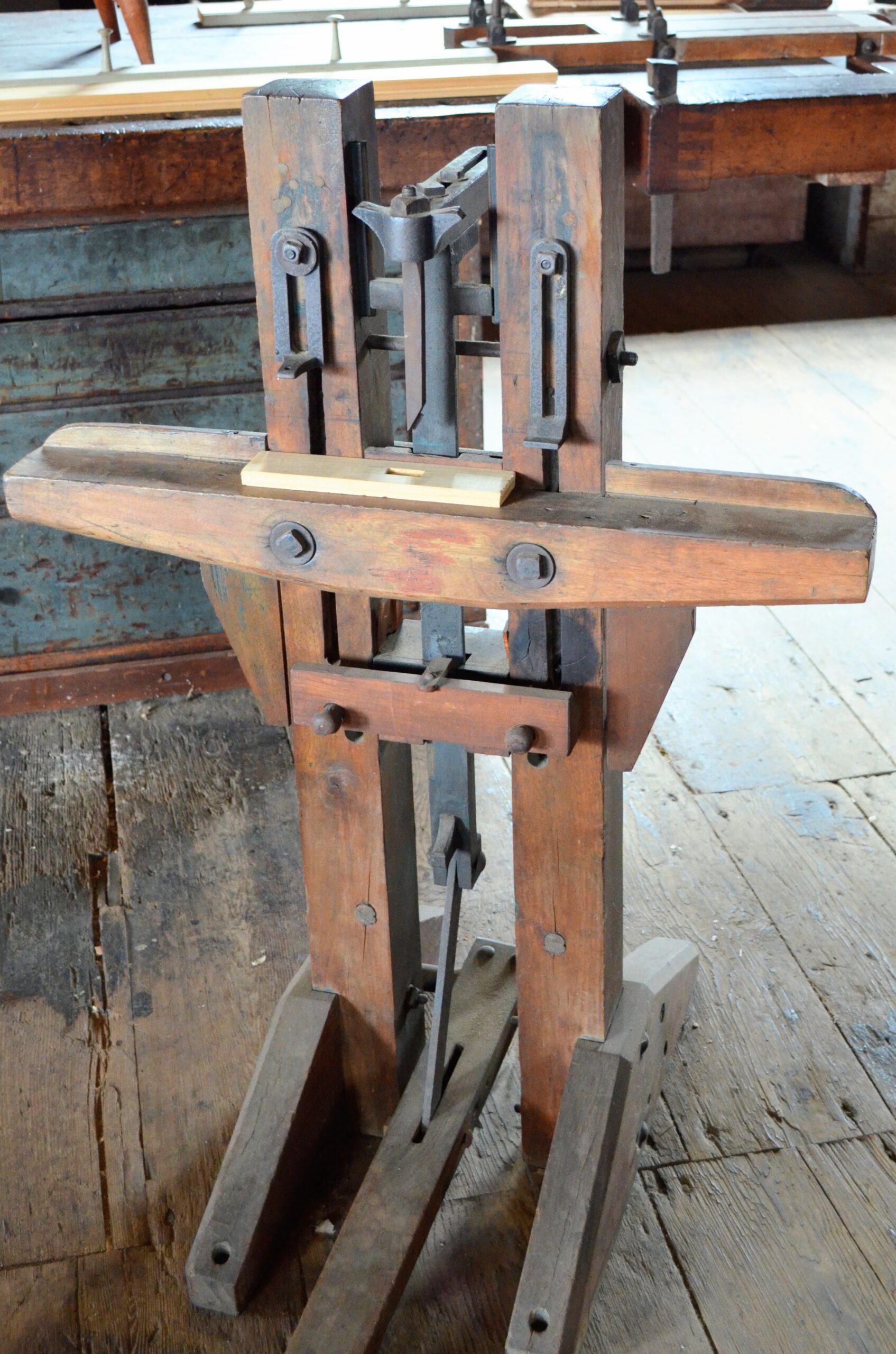
New technology has been emerging for millennia. We often build on the backs of our forebears. Some things can be seen as good at the time but later we end up fishing out plastic bags from the depths of the oceans because what we saw as simply convenient ways to carry our groceries home ended up strangling life at the sea bottom because, well, we couldn't see the future of the outcomes of our technologies. With new technologies bringing in virtual anythings into our lives, are we indeed polluting the minds of our children, and do we have yet to plumb the depths of science to find cures to relieve them? Hmm!
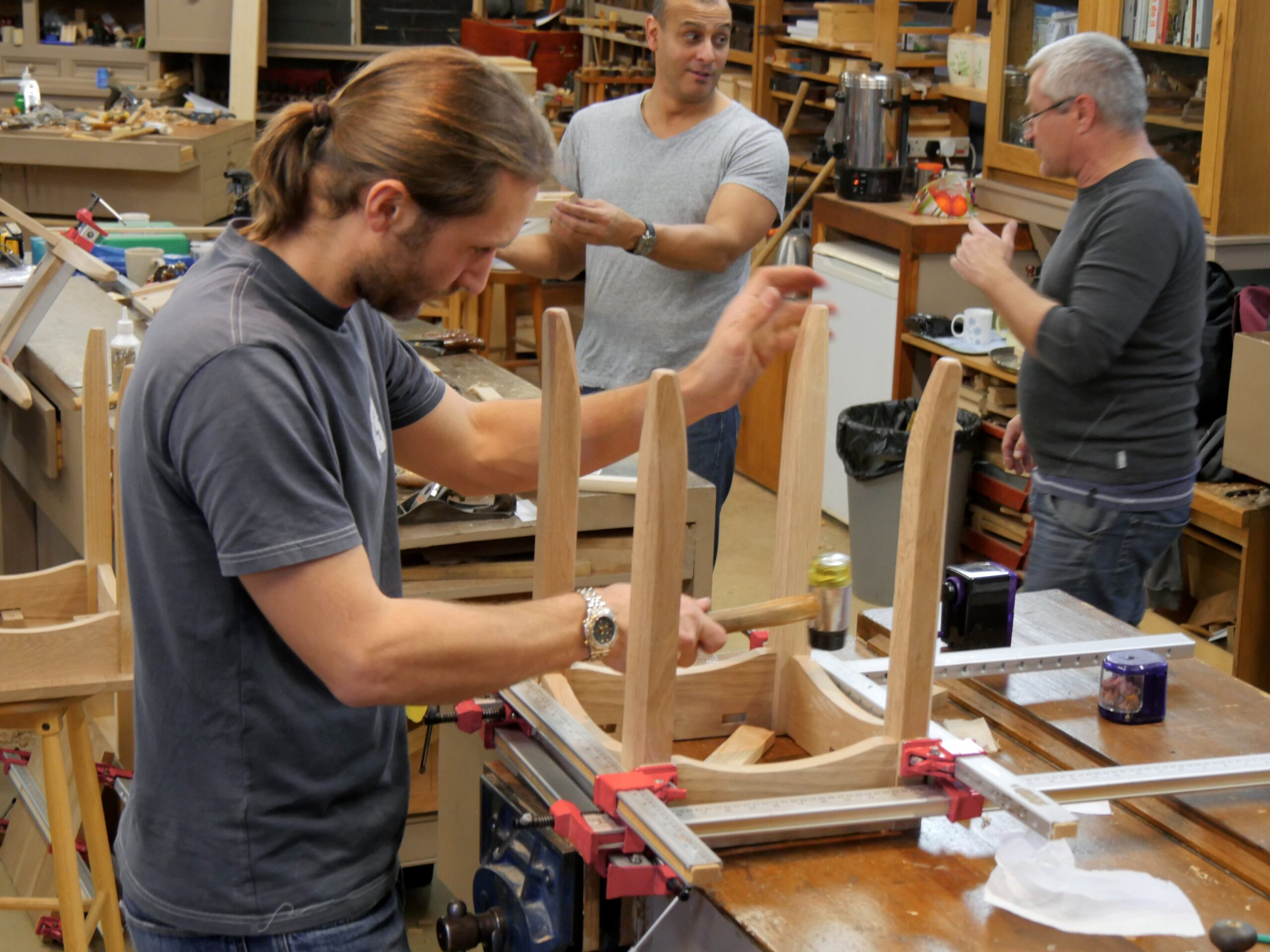
The demand for my hands-on teaching continued to increase year on year with the result of full classes every month for two decades, but the more recent demands precipitated my decision to shut down my own school and teaching invitations elsewhere too. In other words, the work I was doing on a more individual basis would no longer meet the demand for craftsman-teaching. There can be no doubt that my background followed on the back of a long career as a maker. Even today, aged 71, I am still making my pieces every single day and I do so by hand using hand tools. The difference? I no longer make with a view to selling but with a view to teaching on the widest scale ever in my history as a maker teacher.
Paying the way forward
Fundamental to what I teach and do will always be the desire to perpetuate my craft in the lives of those who love the craft too. My first formal class began with an initial one-day class for the Texas Arts & Crafts Foundation in Kerrville, Texas back in the beginning of the 1990s. I didn't realise then that I couldn't teach, so I did. I'm glad! Opportunities like this can and do spring up for us without ever our realising that a single 'lone-star' spark could ignite a whole future for us.
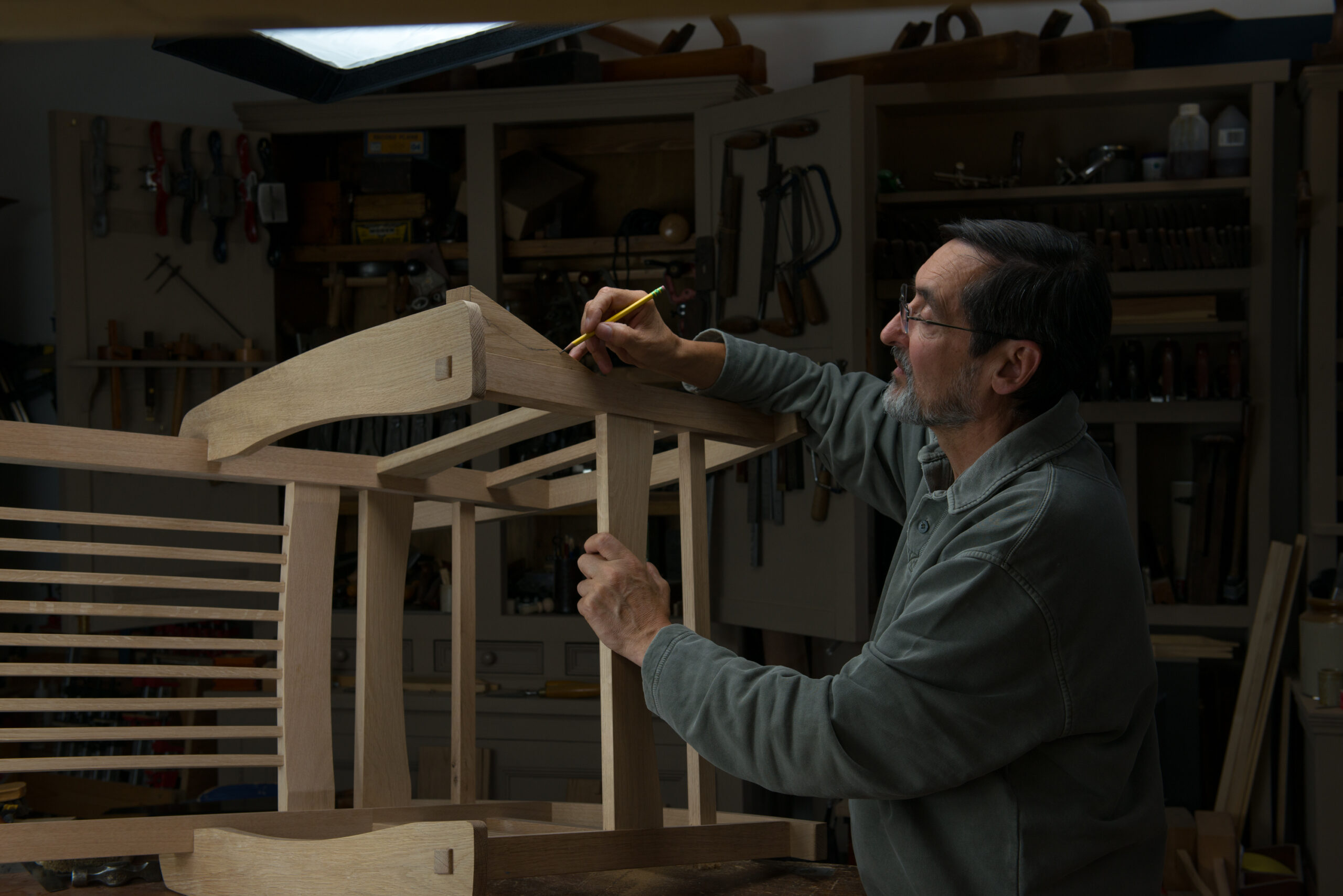
Teaching, training, writing and researching craft became integral to my life. Back in 1994 I became lead coordinator of the Heritage Craft Centre in central Texas where I ran the first woodworking school I started. But teaching and training others began even before that. Every so often I would take on a new apprentice but I have never taken on an apprentice to better my own cause or gain from as in times past. My apprentices were there to learn so that they too could become craftsmen in their own right (no women ever asked). Some made it to become crafting artisans and some didn't. Crafting in wood is not for the faint-hearted and neither is it for the undisciplined either. Lots of people want to get off the conveyor belt, wear braces and a bandana and work out of the back of a van in the woods somewhere. This is their choice for lifestyle and it's not for everyone. The woods may have its own appeal but without a dry workshop, a workbench and a place to stow more than an ax, an adze and a froe and froe club, it would not suit a furniture maker. Of course, it's more than mere belts, braces and beards and bandanas.
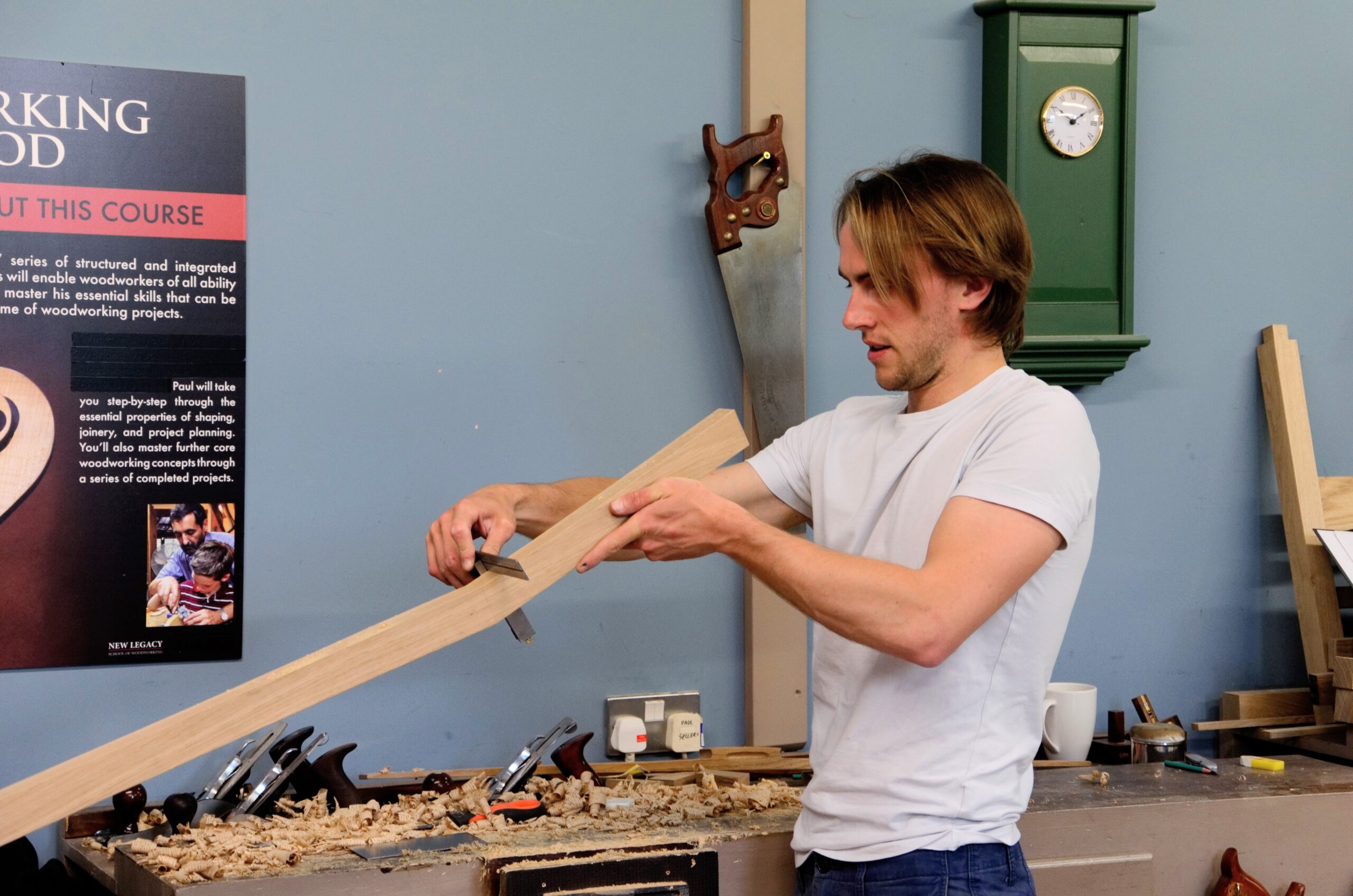
My continued development gave me deeper insights into what it takes to teach and train others about my craft, how to work and how to appreciate the value of work in our crafting. With the demise of true apprenticeships with individual artisans like myself and then too, especially, the slow and steady takeover by technical colleges and vocational training centres, I saw the trade-off where apprentices were forced to become 'qualified' with paper certification rather than the collective assessment and even judgement of their peers as they grew alongside the tradesmen at their workbench. I would have my work cut out if my craft was to be preserved as a living and vibrant culture of individual learning one on one. Today, my work now reaches out from my workbench to a wide audience of those who would never find or be able to take up an apprenticeship.
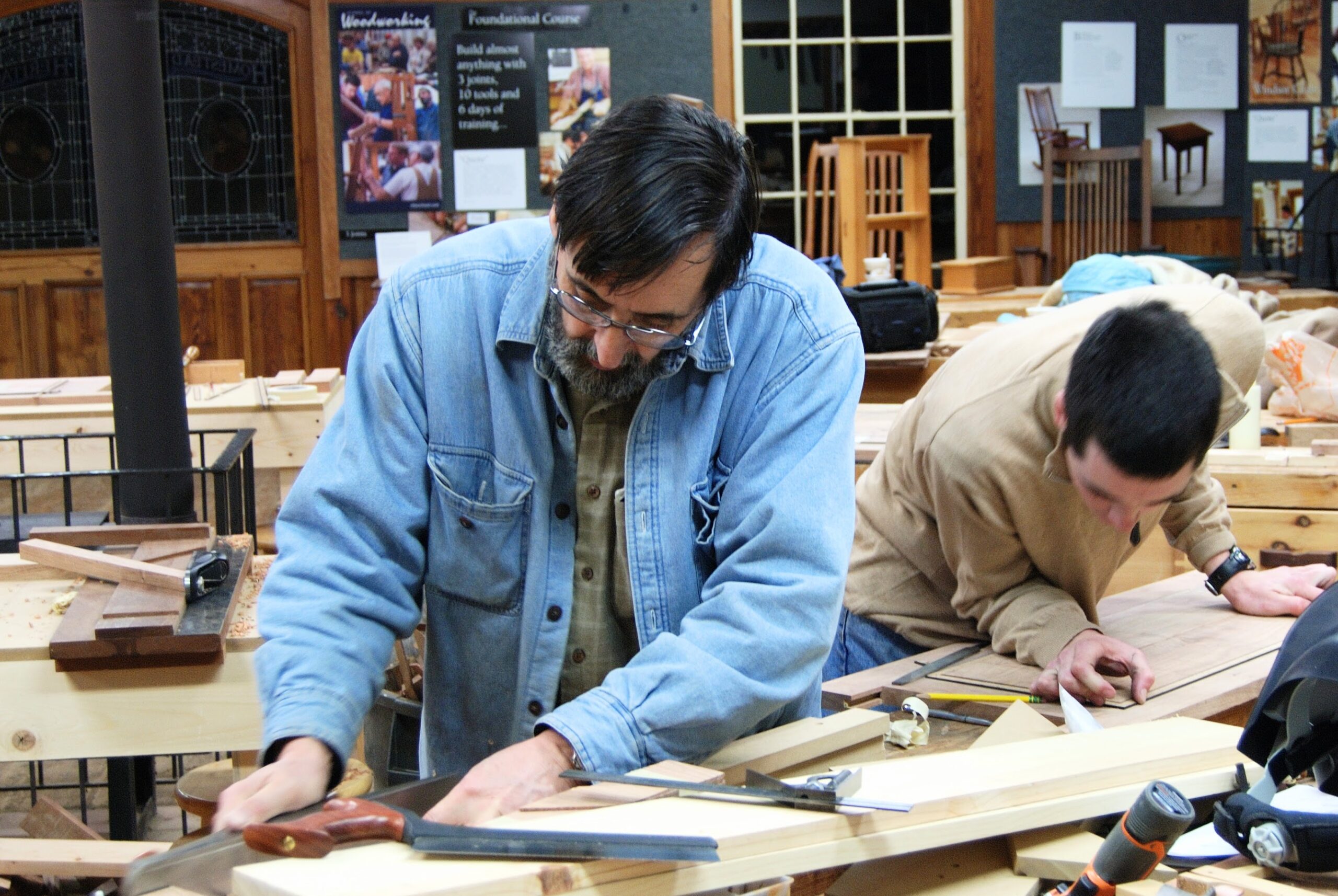
Being willing to change direction weaves its way throughout my life and my work; it's the heartbeat of what I wake for and it has become this that undergirds all that I and we do here at ther workshop. Woodworking Masterclasses saw us through to a tremendously successful start for the most intent and intense of woodworkers wherever they are. In days past, my work was local to where I lived in the USA. Back then, people drove a hundred miles to a class. Within a year, the classes filled all the more and I recall the day in one class when all that changed and out of a class of 15 students half of them came from different states in North America and other countries around the world too; people from Germany, Ireland, Australia and England.
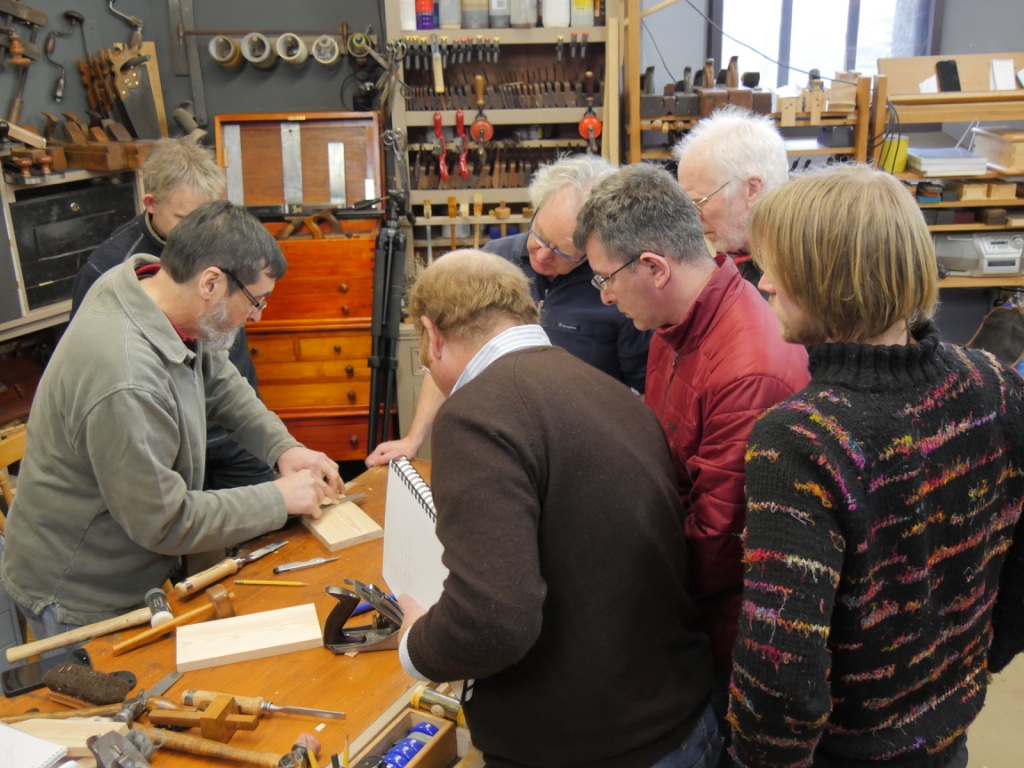
Today, due to our apprenticing online, we have taken 30 years of teaching and training, writing, and research to produce a strategic way for people to learn everything that I have learned throughout my 56 years as a producing craftsman - and it costs almost nothing too - probably this is the lowest cost anyone needs to pay for their training, ever. We currently teach what colleges, universities and many private schools can never ever teach in three-year training programs Many college teachers recommend our work to their students and indeed use our techniques and training for their students. You will learn more in a matter of weeks than any of these other courses offer that take many months and years. The greatest saving, of course, is in your time. Our basis for teaching is to watch and make. Week on week, you work alongside me with your device perched somewhere nearby. I love that thought that I am right there on the bench with you. Yes, it is different, but it is as practical a way of training as anything else I have ever done so far. But then too, you cannot discount the tens of thousands of pounds you save by not paying for and attending extended courses. In most cases, it is not just the course cost but multiple years of loss of earning capacity too. With an average college course here in the UK costing around £5,000 per year, a three-year course will run around £15,000 but can go up to £25,000 for a degree course. Factor in loss of earnings that can raise the bar by £75,000. The cost of a month's viewing with us is around £15 and you can access hundreds of instructional videos for that. Not much in the grand scheme of things.
My last ten years brought everything to the table for others to learn from and at minimal cost. Even just working through the 3,000 blog posts, which are all free btw, or my YouTube videos will thoroughly equip you to become a competent maker. Why not join us there for starters.
Comments ()