
Another Myth Buster
I was at a show 20 years ago, sitting with the audience, when an English guru of woodworking told his watchers that they must always set the so-called chip-breaker (he really meant the cap iron but didn't know it) as close as it was possible to the cutting edge and so close you could scarcely see the flat side of the cutting iron when locked together. Fifty people walked away with erroneous information and there was nothing I could do to counter it. Mostly, instruction states about 1/32" (1mm) from the cutting edge - who said that? Oh, it's the same man that said lay your plane on its side, I suppose! But generally, I tend to agree with the 1/32" rule even if I never stick to it myself at all. So, generally, it is just a rough guide. And that is simply because you need something you know to work and something you can shoot for each time you sharpen and set your planes. But here I want to encourage you to think differently and not always shoot for it as you progress in your knowledge, experience and skill. Experiential knowledge beats brains alone every time. There - it's said!
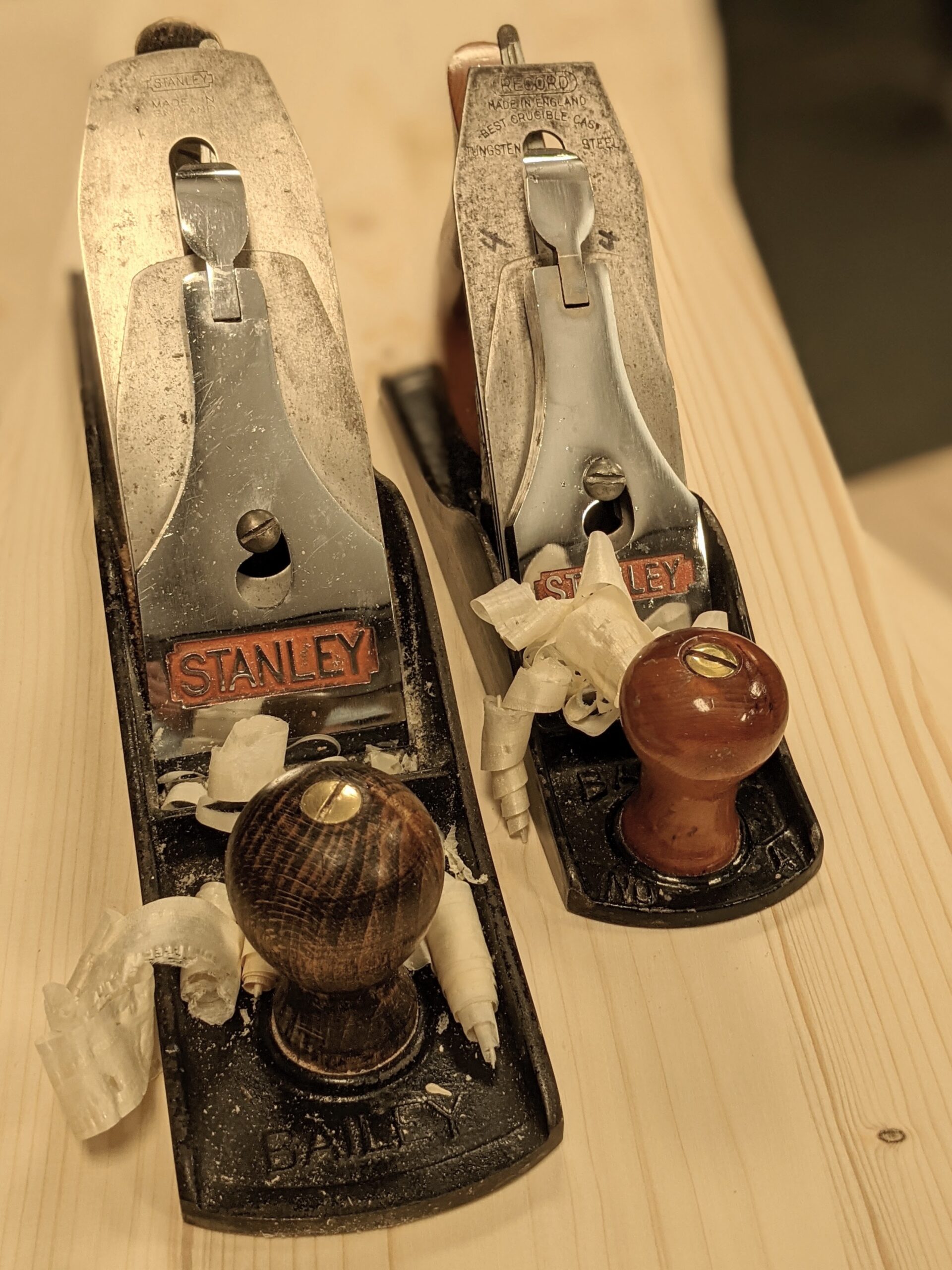
I have written on the set distance for your plane in a recent post because my experience is vastly different than many of the gurus who sell planes, devise plane parts and of course, they want to present themselves as experts when that's what they do at weekend shows. Are you buying diamond stone honing fluid? Just use an auto-glass cleaner. It costs a dollar for five years supply and it does exactly the same thing as the £10 version of snake oil. I was attacked verbally at a woodworking show and in a letter when the seller of this snake oil found out I was using auto-glass cleaner and telling people that's all that was needed. In another situation, I was harassed by another seller of snake oil for telling my audience not to buy into his very expensive kit using abrasive papers and film for sharpening. They should just buy a couple of diamond plates, bite the bullet and never replace abrasive paper or film again. These things happen. Okay, back on piste.
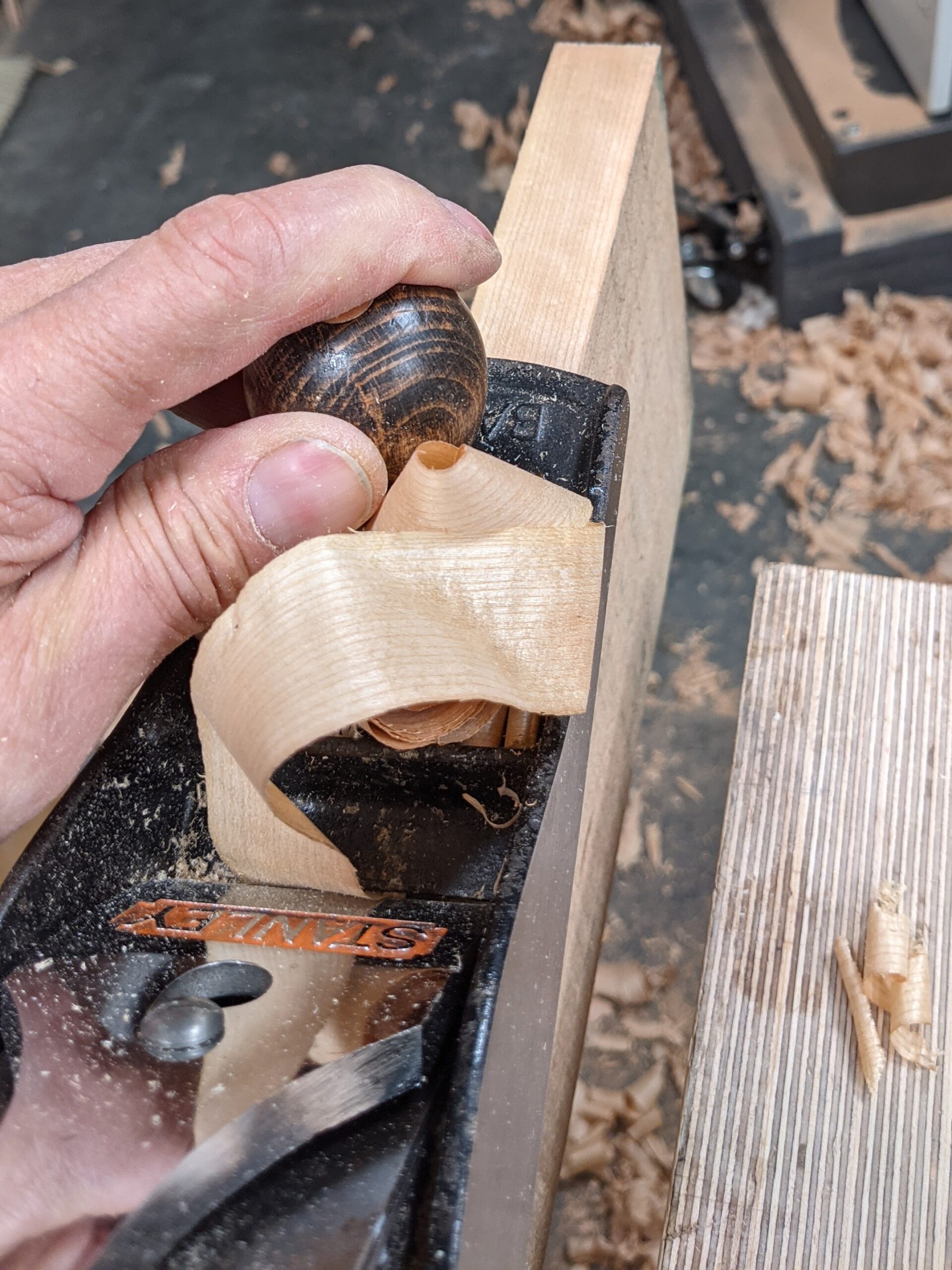
Agreeing that a mil or two is good for plane setting distances between cap iron and cutting edge, I want to tell you some experiences I have found through the decades. In my apprentice time Bill, the ancient cabinet maker (means furniture maker here in the UK) I worked with, set his cap iron on his wooden planes at around 3/16". They worked immaculately. Sometimes I would see a tighter setting but never 1/32". Over the years I have bought planes directly from end-of-work-life users. The distances varied up to around 1/8". How can this be? What was the industry standard? Well, what was written in all the books I ever saw looked mostly like non-digitized copy and paste from the tool suppliers the authors of which were responsible for selling, writing and not using.
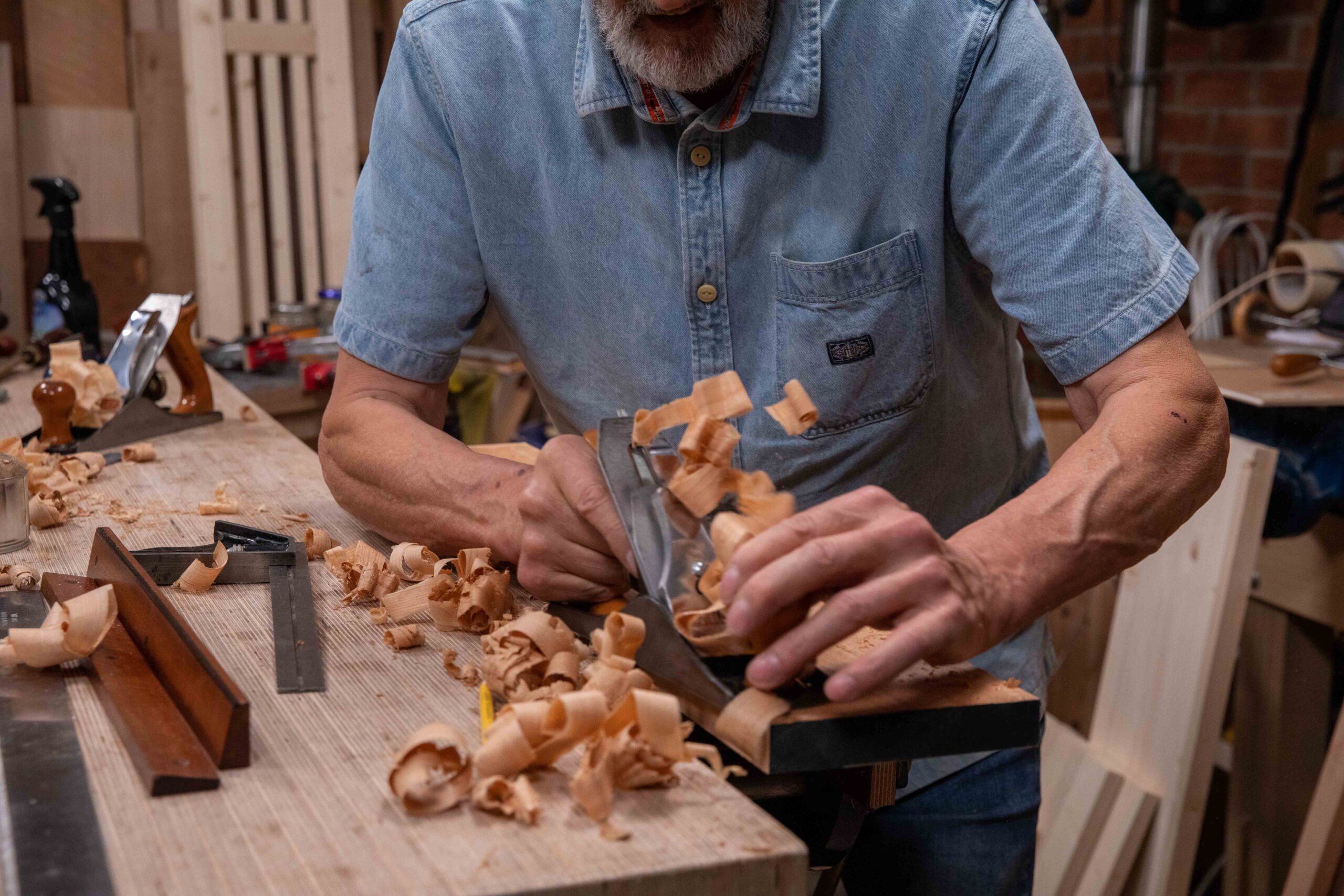
Here at the bench, here after 55 years of freedom to experiment, I might suggest loosening up a little. As many woodworkers do not plane up rough wood anymore, we may have lost the salient information of our now lost masters. Roughing down wood with a converted Stanely #78 shows that wood will plane without a cap iron. Most European woodworkers do just fine (generally) without them too. There can be no doubt that the unique relationship between a sprung cap iron and the blade has its own dynamic in joint symbiosis to counter grain and the efforts opposing planing.
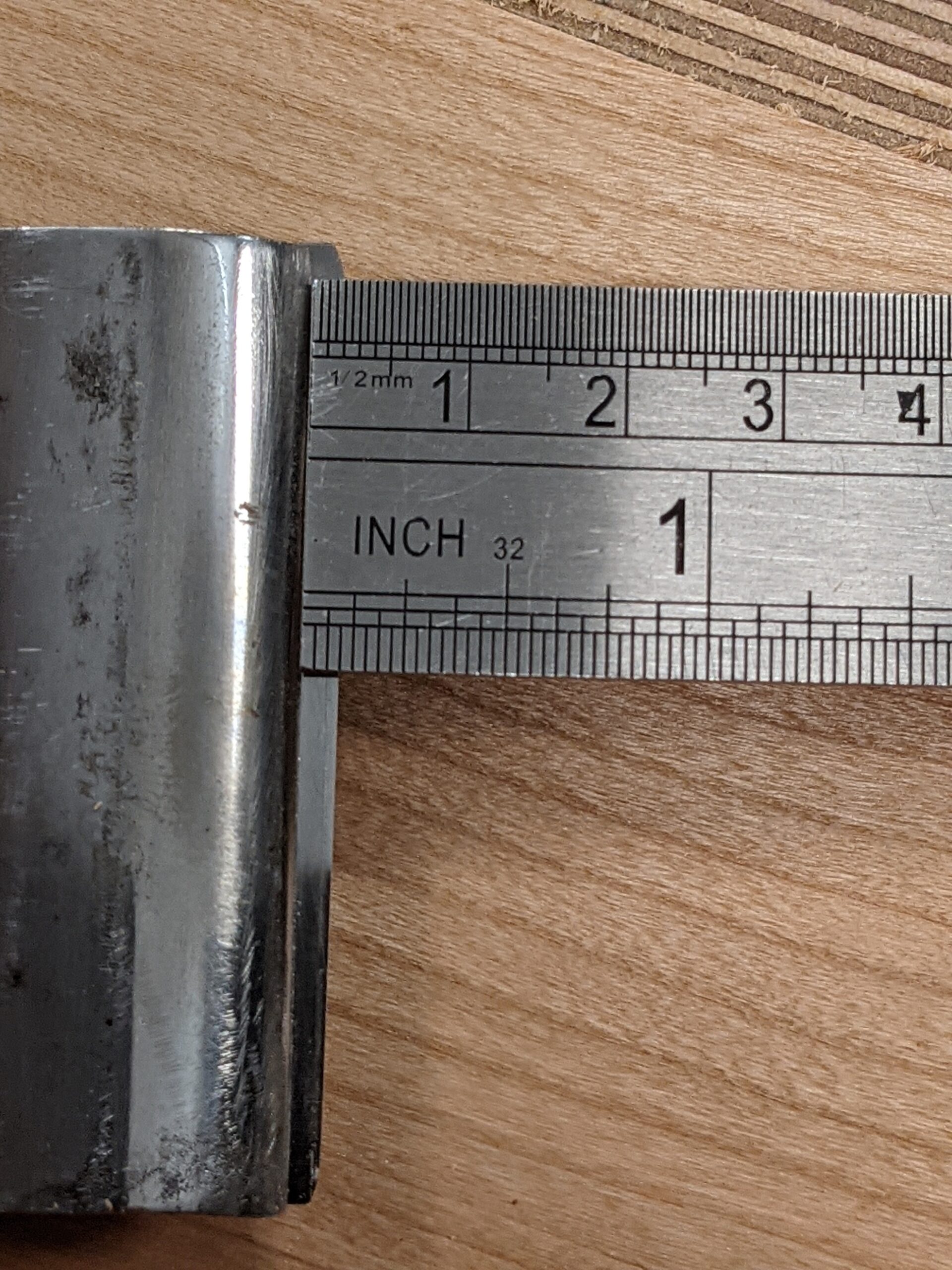
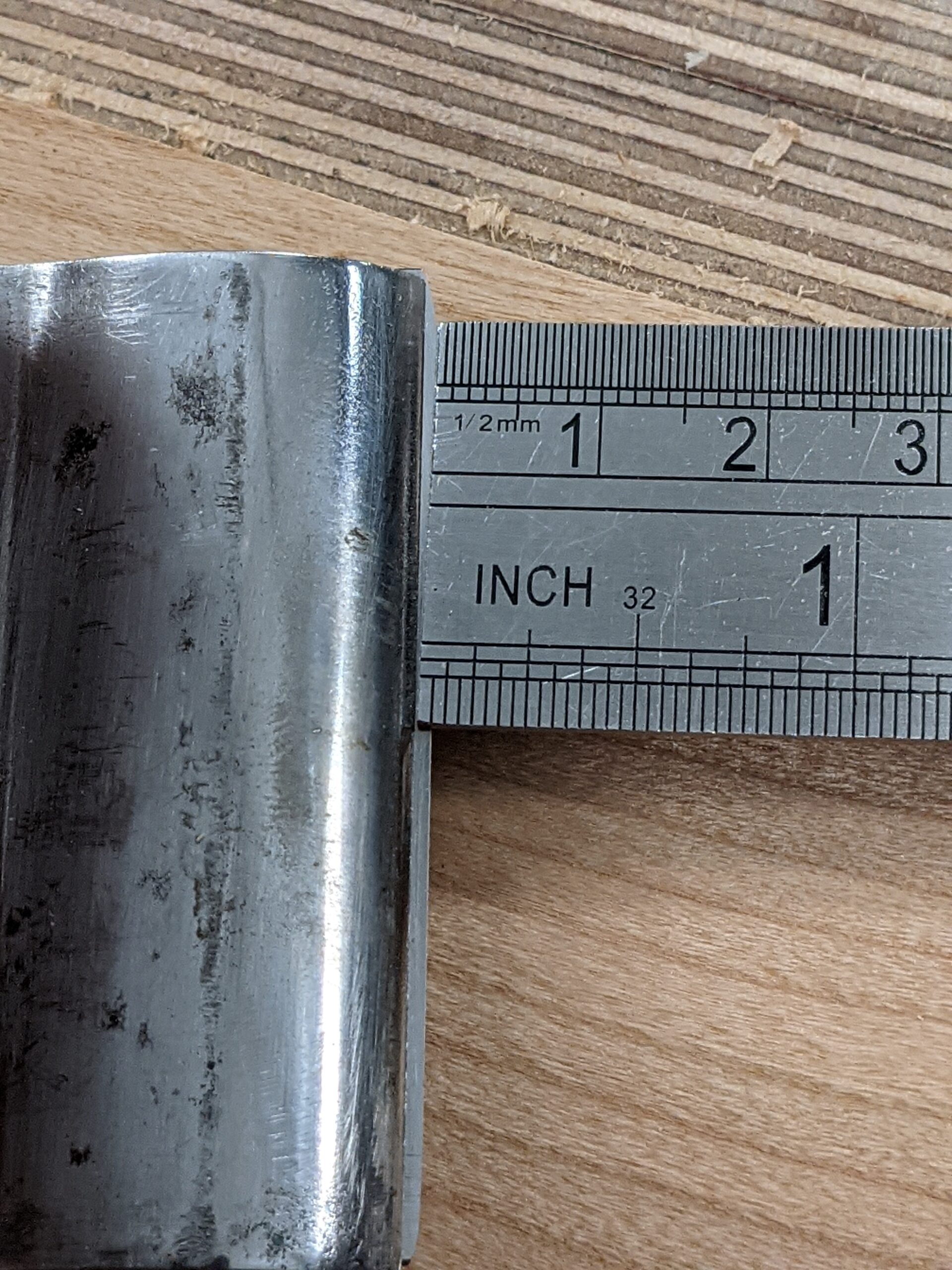
Okay, on rough wood, I will set my cutting iron up to about 1/8" and especially so if I encounter a really crowned board or section. This does not mean I am taking off more wood at all but that the plane (and me) will feel much less resistance. I set the protruding iron to my usual setting. What happens is that the shavings do not hit the hump-like a brick wall but more a gentle diverting tactic a little further from the cutting edge. Setting the cap iron further back saves my effort and energy by, I am guessing, around 25%. Of course, I can't measure this. I just feel I am much more comfortable with everything.
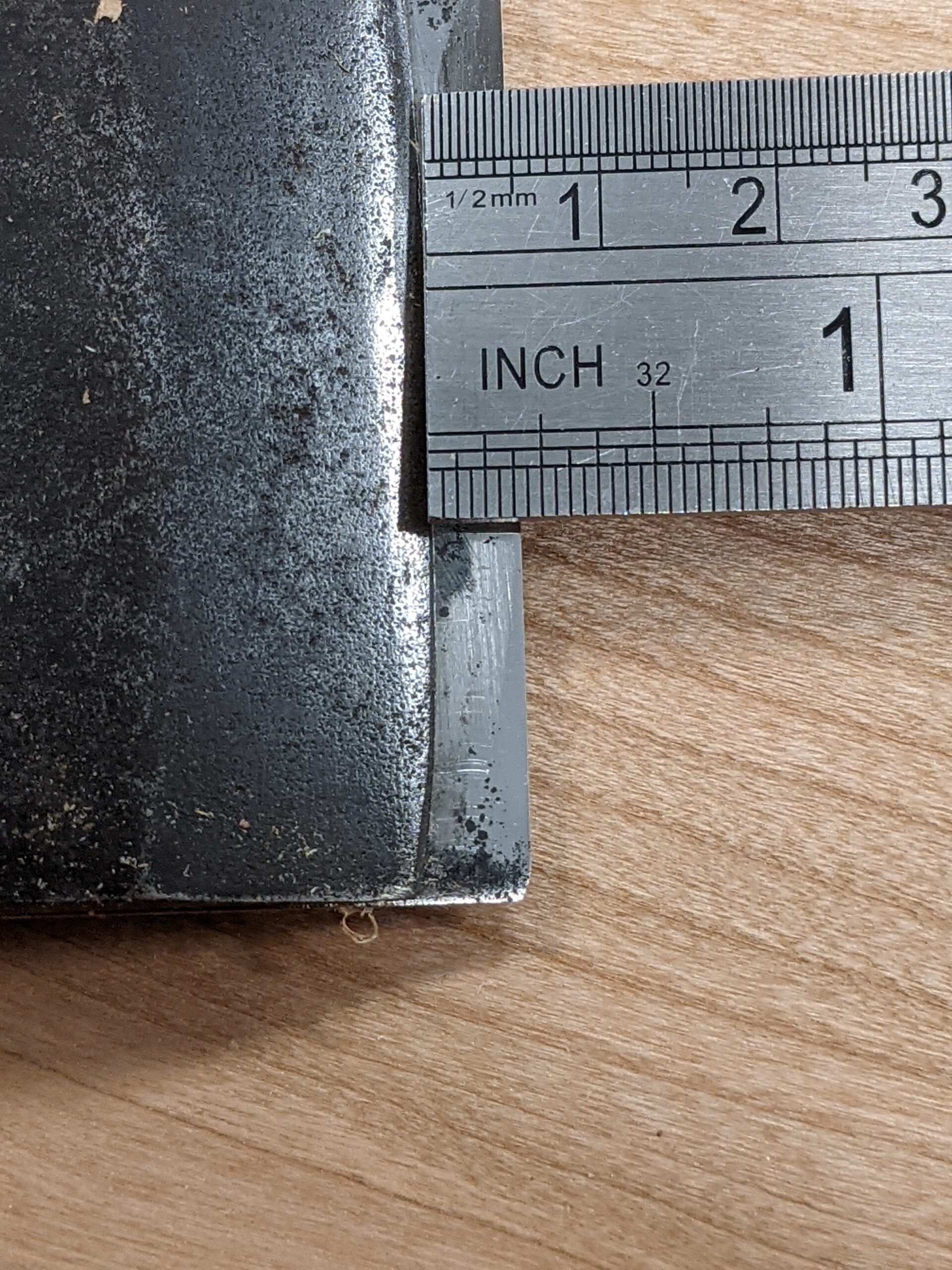
I want to suggest that these experiences give you more of a relational knowledge of your work and your working. Take this one instance for instance. Why not find a rough-sawn board and set the cap iron at two or three distance settings, plane the same section of wood and don't forget to reset the depth of cut each time. It might just surprise you. If you have two planes then sharpen up both and then set the two at the two setting of 1/32" and say 3/32" or 1/8". Remember that the depth of cut should be the same as near as you can get it. Whatever you decide, at least it will be your own opinion and not what you read in a pamphlet given out by a tool seller!
Comments ()