
Plane Away!
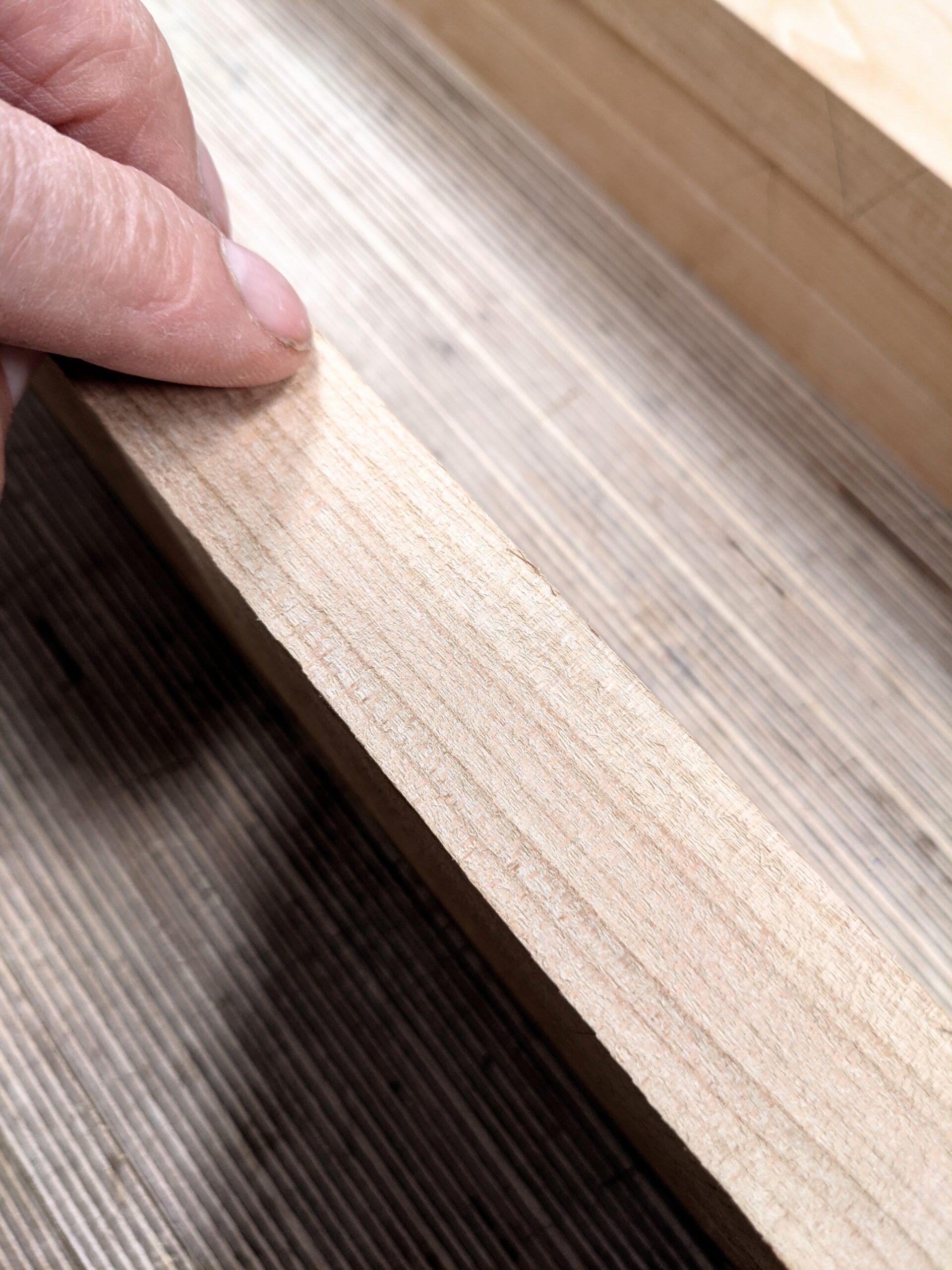
I did an experiment today. I took pieces of cherry and set myself a goal. I had eight pieces of rough-sawn cherry on my bench for a project I am building. I did not look at the wood in any sort of depth first but simply found myself tracing my fingers over the bandsawn surfaces, ever so very slightly and lightly. I then loaded the pieces into the vise in a direction I thought, no, sensed, would be the best orientation for me to plane 'with' the grain but `i denied myself from looking to confirm my choices each time. I did this on all four faces to each piece so 32 times.
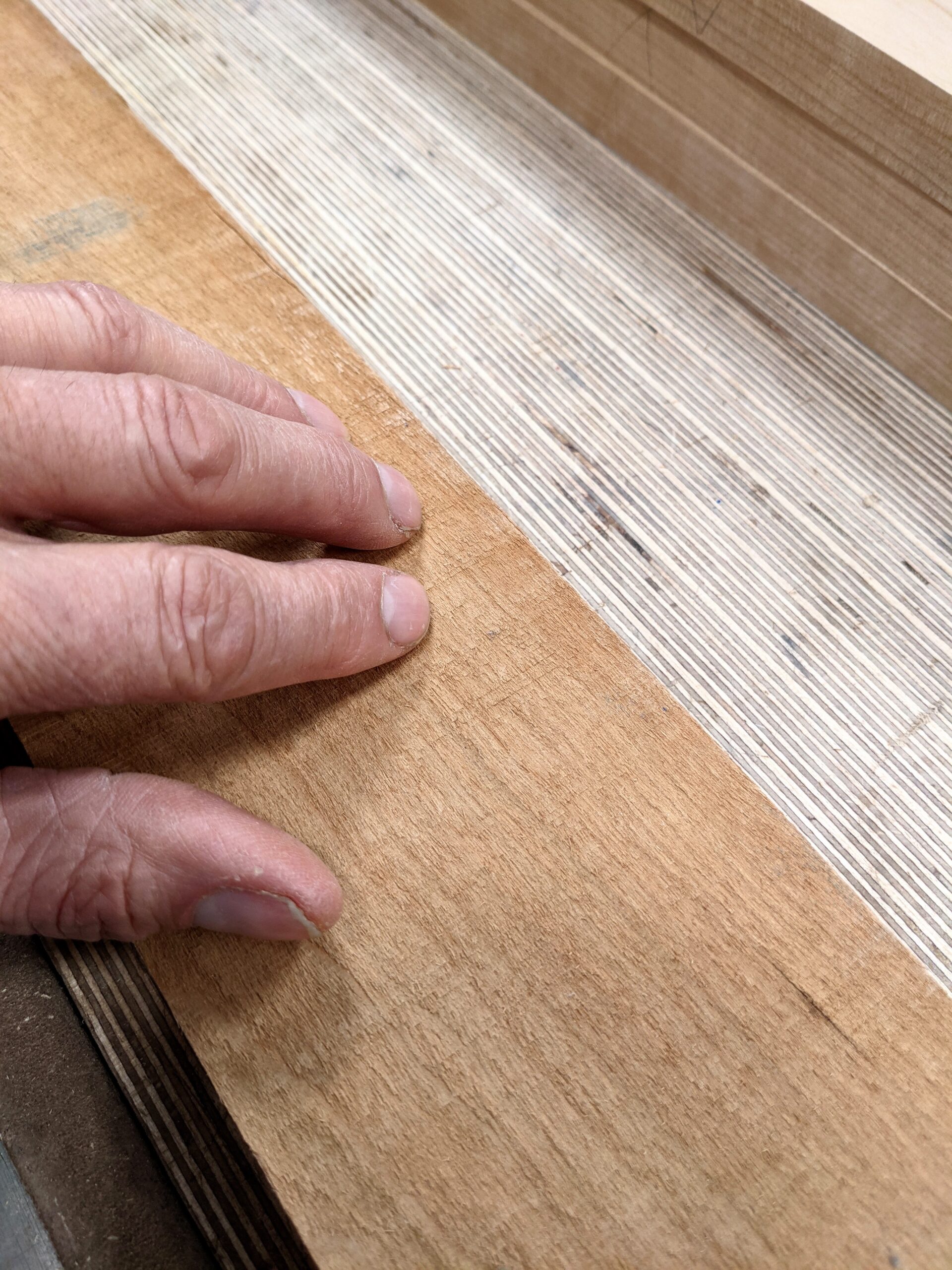
The pieces were all short, under two feet (63.5cm) long. On every piece, I placed the wood to plane with the grain. On two of the pieces, the grain changed ever so slightly so I was both with and against the grain, but the sharp plane planed them just fine; I could simply feel the grain change but could not see any difference and after the plane stroke I could feel the slight difference in the surface texture with my fingertips.
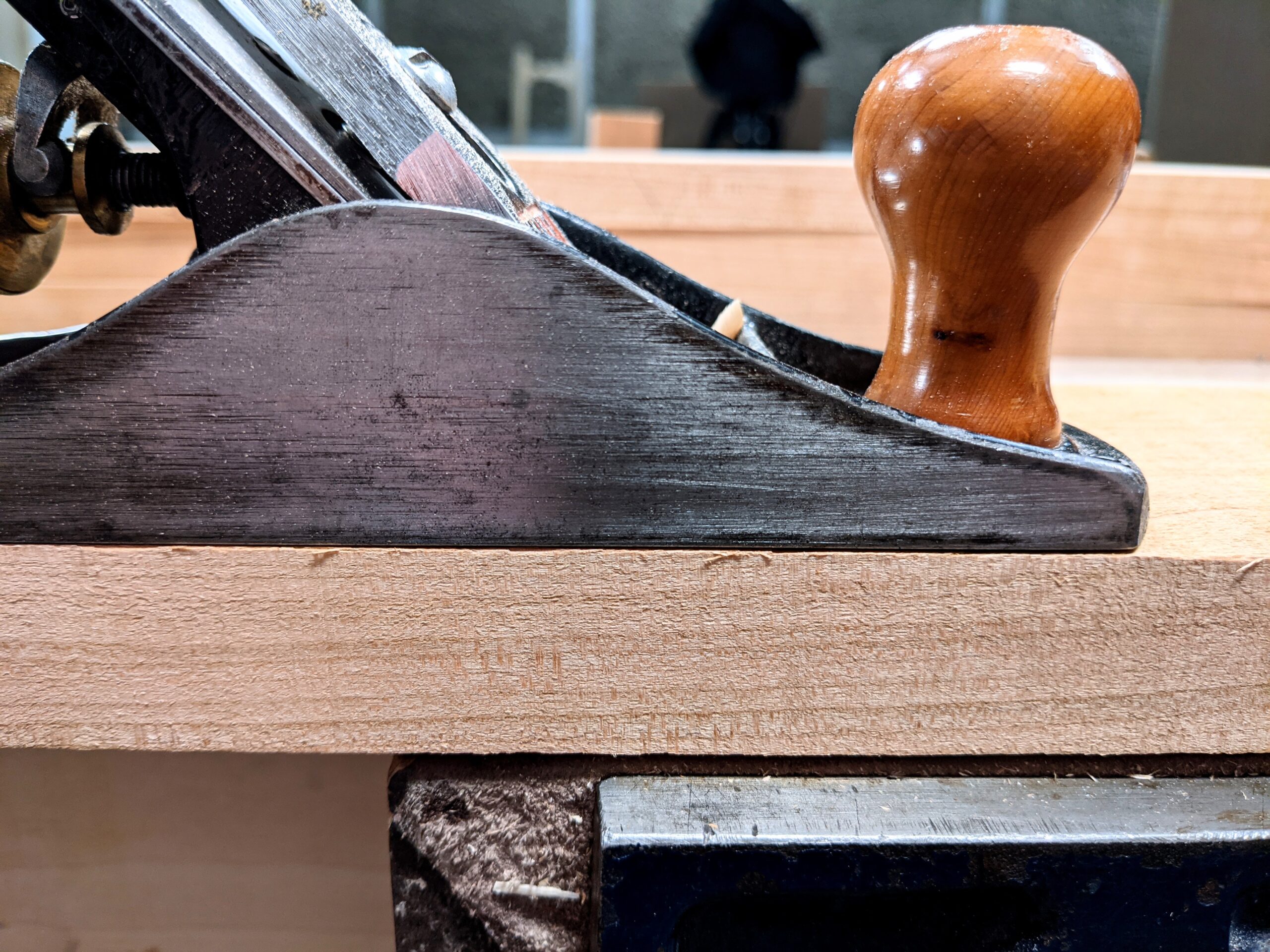
Now my hands are well worn and might I say even aging, but they are far from past their sell-by date - the very slightest of tracing on the surfaces, rough, super-smooth and any place in between, is still my best guide for picking optimal directional planing, even more-so than sight I might say. My recommendation for learning this? Do as I have done for 56 years of 8-10 hour-a-day of daily woodworking. Trace your fingers on every surface and trust yourself for what you might not be able to discern any other way. It's quick and effective. And guess what!!! Even wood machinists can use this technique. And how would you know that, Paul? I have been one of those too!
Comments ()