
The Meandering Path of Woodworking
I recall someone telling me that I had to teach to make a living from my craft because I couldn't and no one else could actually make a living from working with their hands. He didn't know that that was the case and nor could he. He simply assumed that because he couldn't, no one else could. I had made my living from making woodworking and furniture for four decades already at that time. I had sold everything I ever made and raised a family of four children on a single-income wage. Thinking I was just like him, he made the same mistake that many do, but I was not like him. He was a locally famed 'green woodworker cum woodturner' using primitive methods for lathe turning with no electricity to turn found limbs and such into "live edge" bowls. He even tried to prove that his methods with a treadle and pole lathe equalled that of the power lathes most woodturners use. What he actually proved was that he could do but one limited task as fast or faster. There were a thousand other tasks that he could not nor ever would be able to do. Whereas I can indeed cut a two-dovetail dovetail joint faster than anyone can set up a router and jig to do, what I cannot do is replicate the work a thousand times in quick succession at the same rate as a pre-jigged power router can. Machines were only ever made to displace the need for skilled workmanship. Do that and you control your future profitability. The more manpower you can reduce and replace, the more profit and less need you have for human interaction and human resources. The less human interaction you have, the more smoothly life will run.
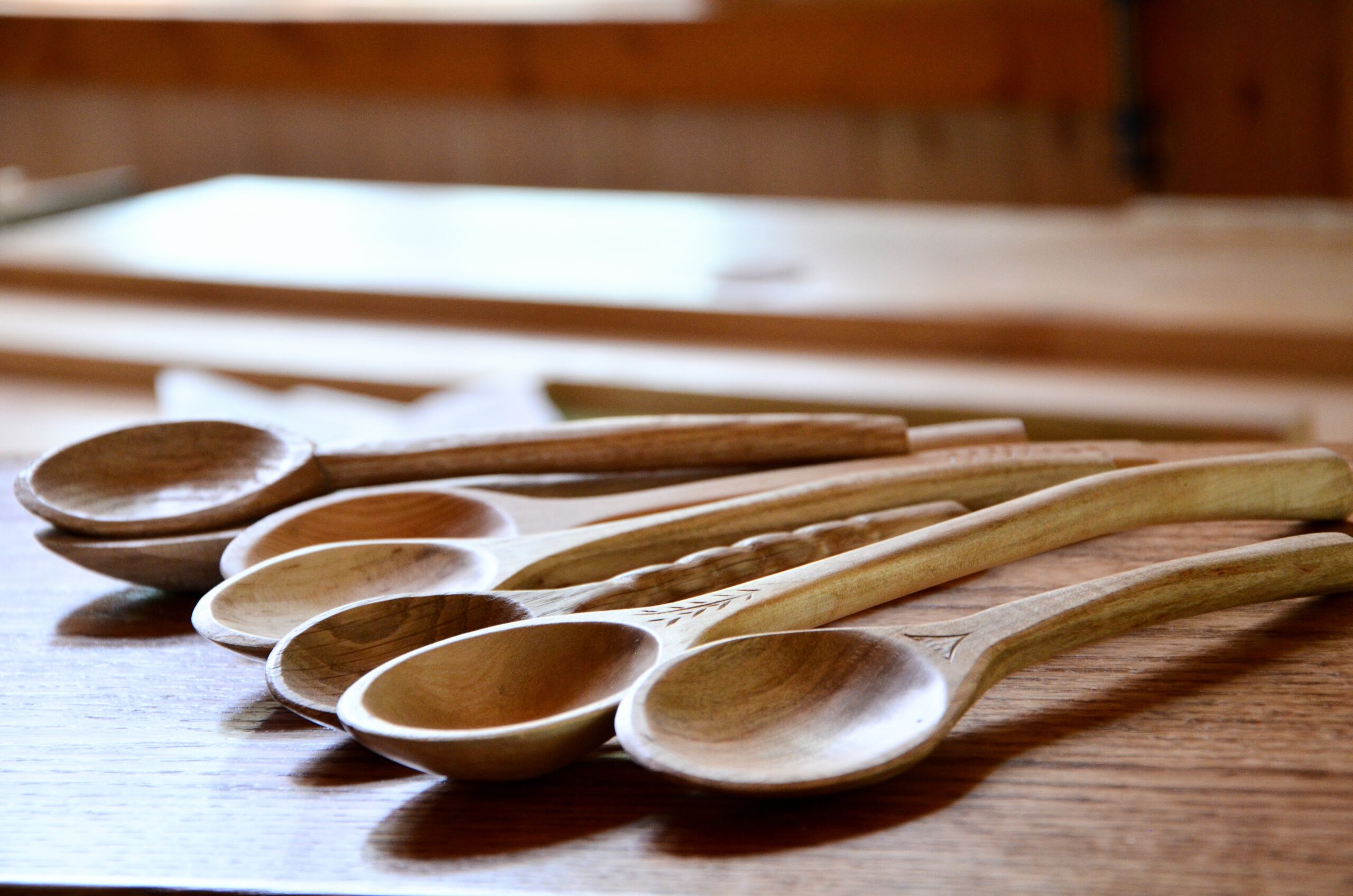
This man also carved spoons with a bent, curve-bladed knife. If he wanted to make a living from this, he'd chosen a hard row to hoe. That said, one or two have done that. Finding enough buyers in an idyllic country village made it impossible to generate a living from walk-in footfall. His skills and abilities were in reality quite limited for a long-term career path; some can make it this way, but the majority cannot. Buying a spoon in beech for under a pound makes it hard to compete when the hand-carved spoon does no more for the user in a bowl dough mix than the one you might pay £30 and up for This is where reality hots. And therein was the problem. Was it enough to take a two-day course in an English coppiced woodland to then launch yourself into generating income from whittling spoons from windfallen limbs and so-called "free wood?"
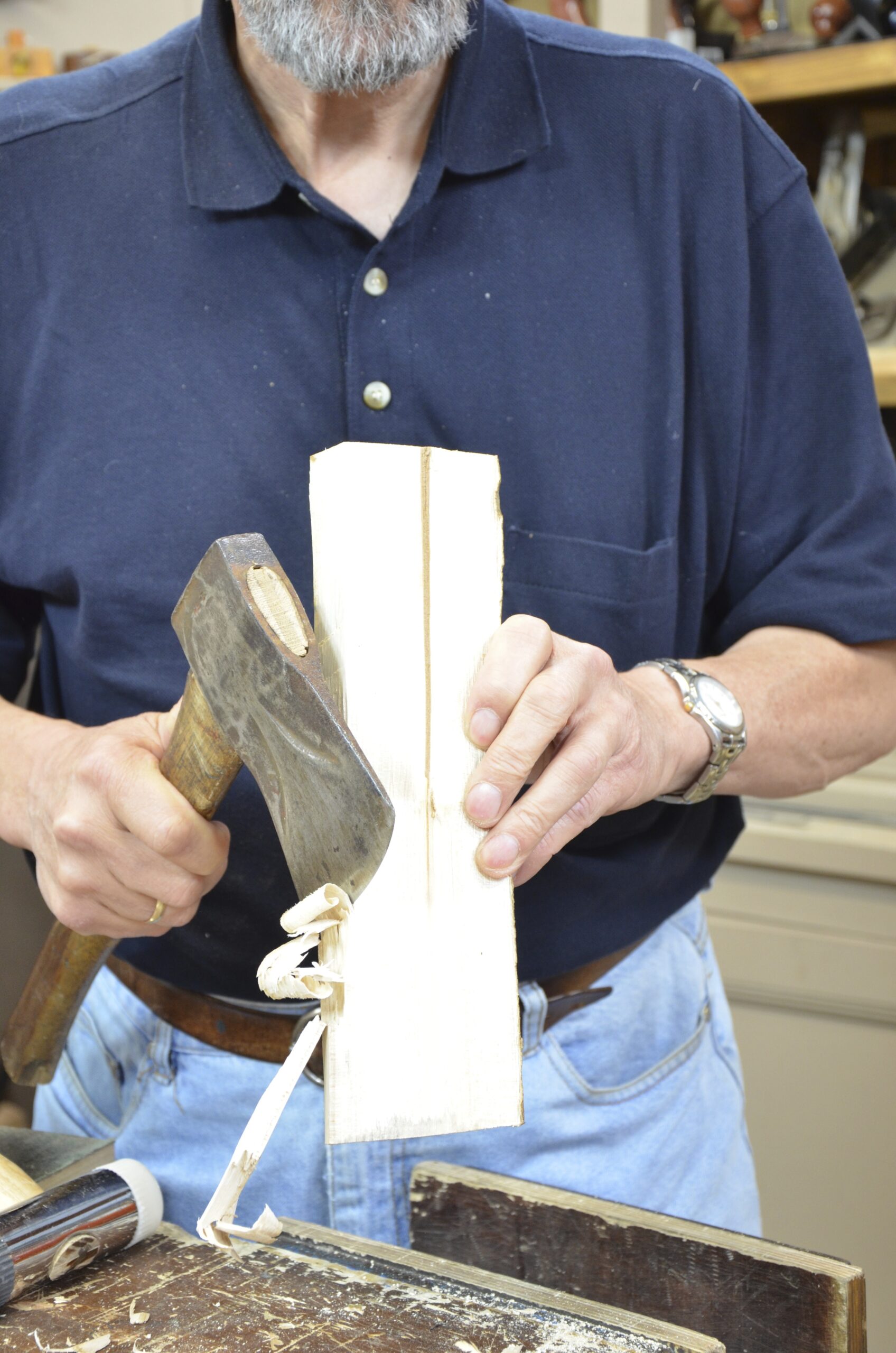
As it is with many things, actually earning your living from what you love to do is rarely that easy when working solely with your hands. Those who can work creatively this way are often asked if they will teach someone as they watch them making. The maker then convinces a following that they, you, can indeed do such a thing. In reality, they might well be able to after many months of establishing the skills needed, but it seems to me that most never give up their day job or they rely on support from a partner or spouse working in something called "the real world!" I have yet to meet more than the odd one or two that could actually make a living wage from their craft. But one thing they can do is persuade others that they did and were selling the wares they made for princely sums of money; that they were selling all that they made and that it was a good life. In actuality, selling classes was easier than spoons. Given half the chance, most people would like the challenge of making a spoon from a split limb of green wood. All they needed was an instructor. It doesn't take long to see that ten students paying £300 for a three-day green woodworking brought in some good supplementary income. It doesn't take too long to see that nigh on everyone who learns an element of any craft often becomes a teacher within their woodland sphere. Thirty years ago there was no such thing as a green woodworking course, today they are everywhere. It's is an interesting thing to chip carve a wooden spoon or a spurtle. Ask any dog where a good stick is and they will find you a dozen. Free wood is everywhere.
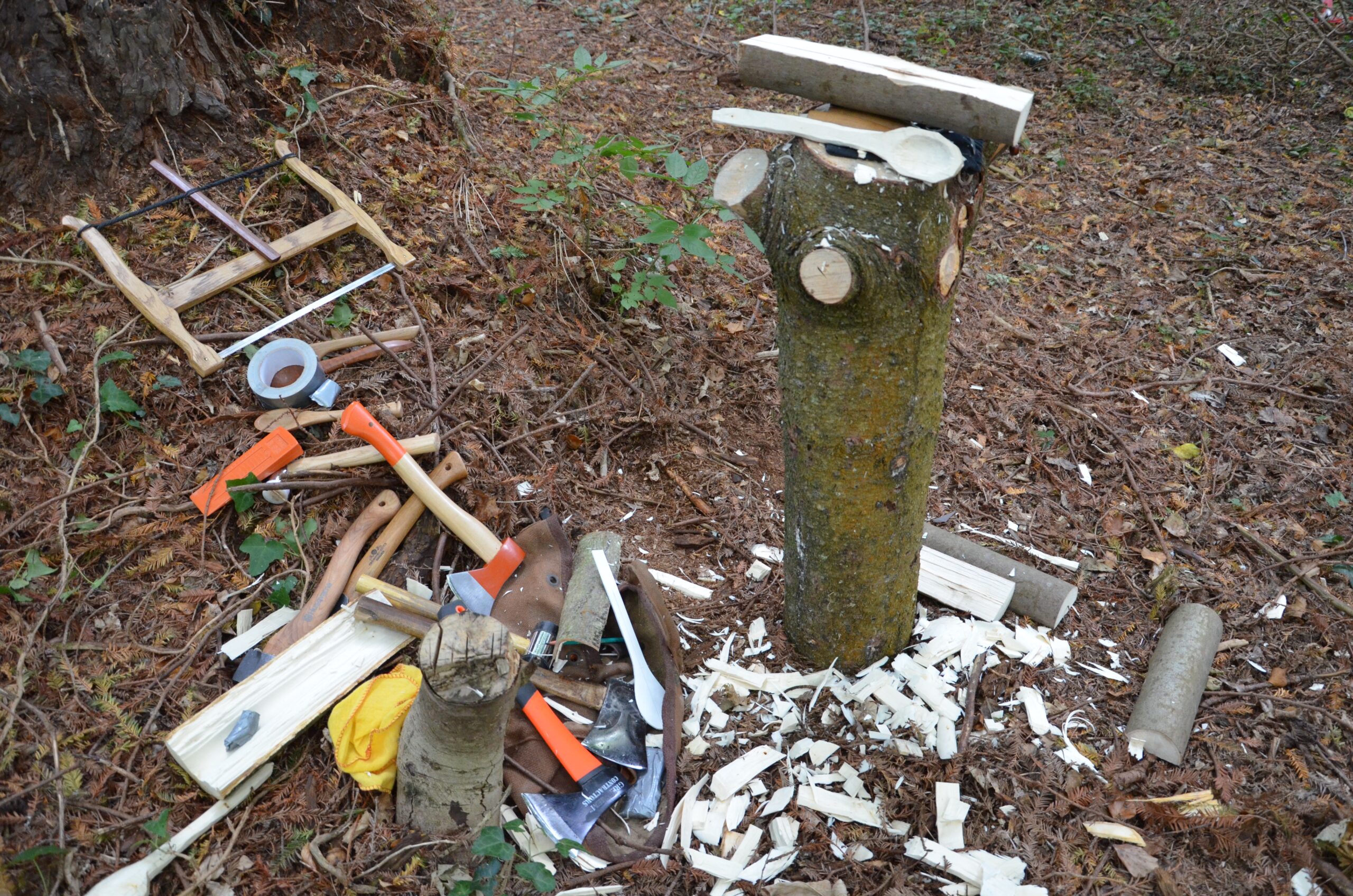
The truth is that there is something very appealing about making anything from nothing for free. The creative assembly of branches interwoven into a frame and tenoned with a piece of kit called a tenoner produces that quirky conversation piece in a quiet corner of a room. It's cute in the cutest use of the term. How comfortable and indeed practical such pieces are is questionable, but, well, it's more an art form after all!
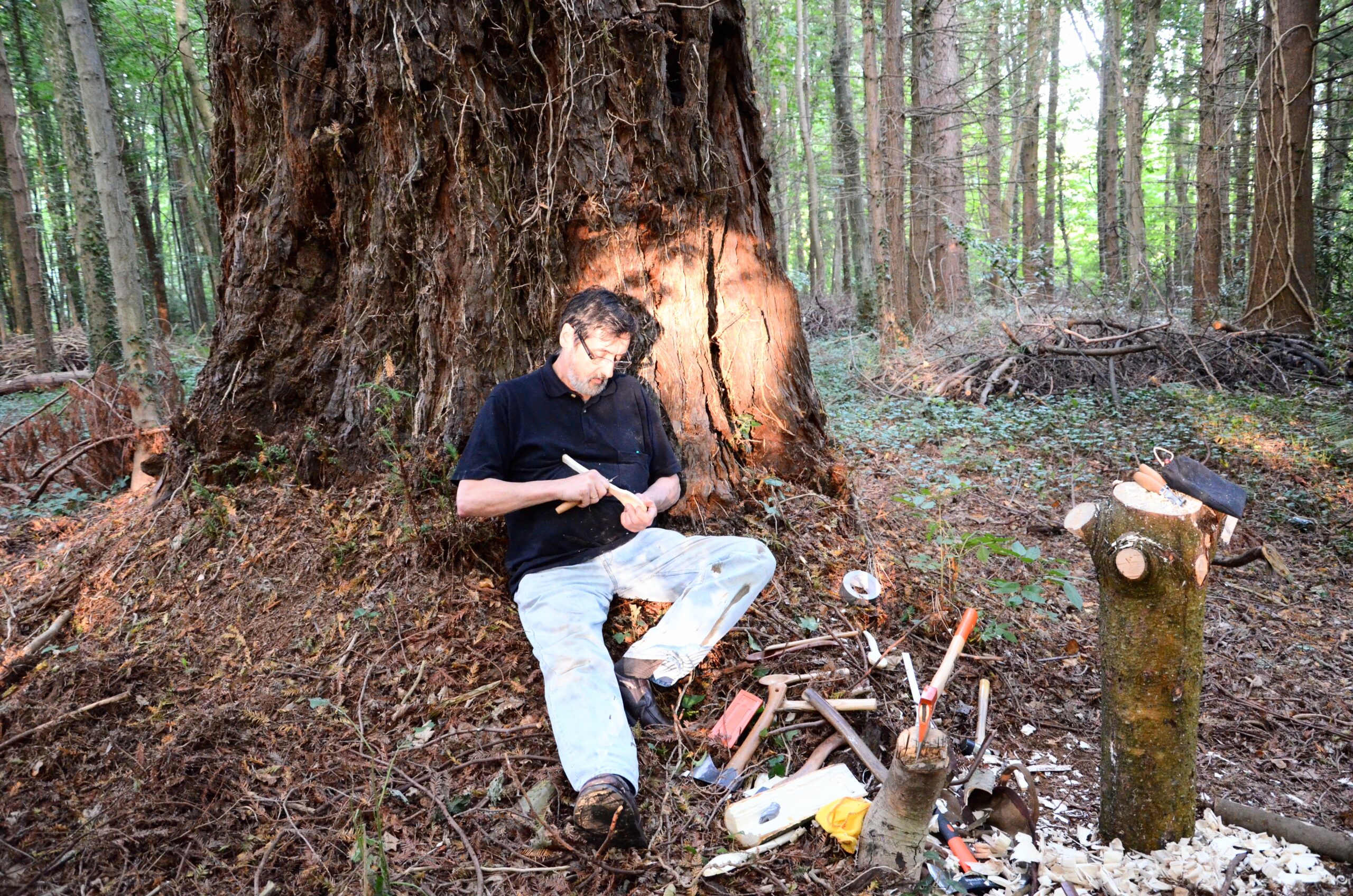
In truth, there is nothing wrong with spending a few days outdoors in a group or alone shaping some raw and rough materials into anything you can make to enhance life. The reality of this lies not so much in the thing made but the vehicle by which you got there. There is something almost primevally earthy about gathering with others to spend a day or two axing and chopping and chipping beneath leaf and branch in a woodland glade. It's an inspired setting where sights and sounds, smells, touch and taste can touch the palate and heal the soul. It would likely do every woman and man good to split some limbs, light a fire with the chips and then make a footstool to sit on and work from as they took what might otherwise be raw and perhaps even useless and made comfort from their efforts. But always remember, no matter where you move beneath that canopy of filtered sunlight, the smoke will seem relentlessly ready to follow and chase you somewhere.
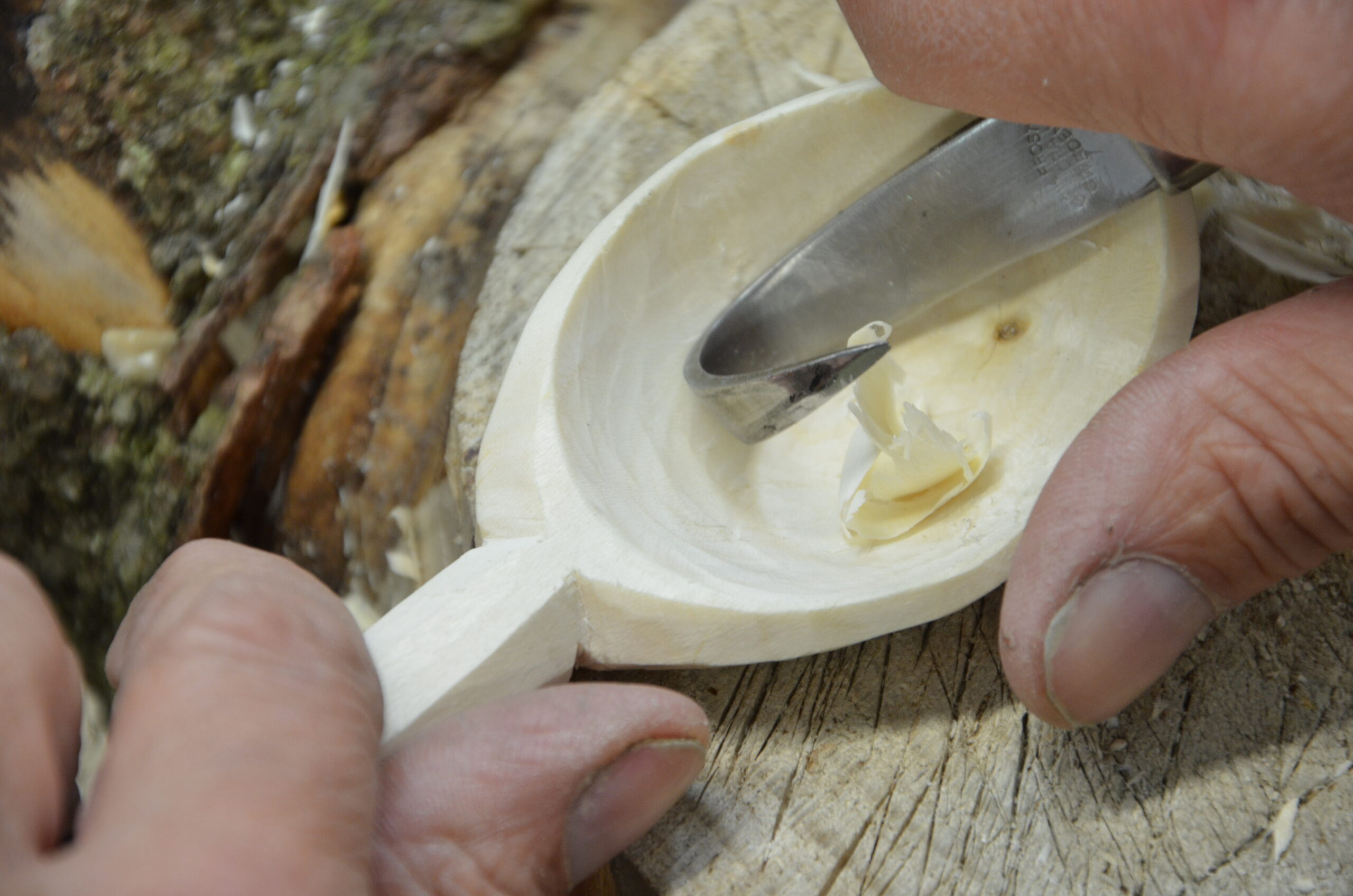
Green woodworking is not a way of life for more than a handful, but it is an enjoyable foray into creativity. You've got your drawknife and spokeshave, a selection of sharp knives, and your van is kitted out as a minimalist cave to work from and sleep in. Pre-covid you could slip away to a space in the woods and retrieve some dropped limbs to work into carved utensils. The drumming of a woodpecker with corvids watching your every move, the dashing of squirrels and rustling in the undergrowth is peaceful music to your ears and a sight for sore computer eyes.
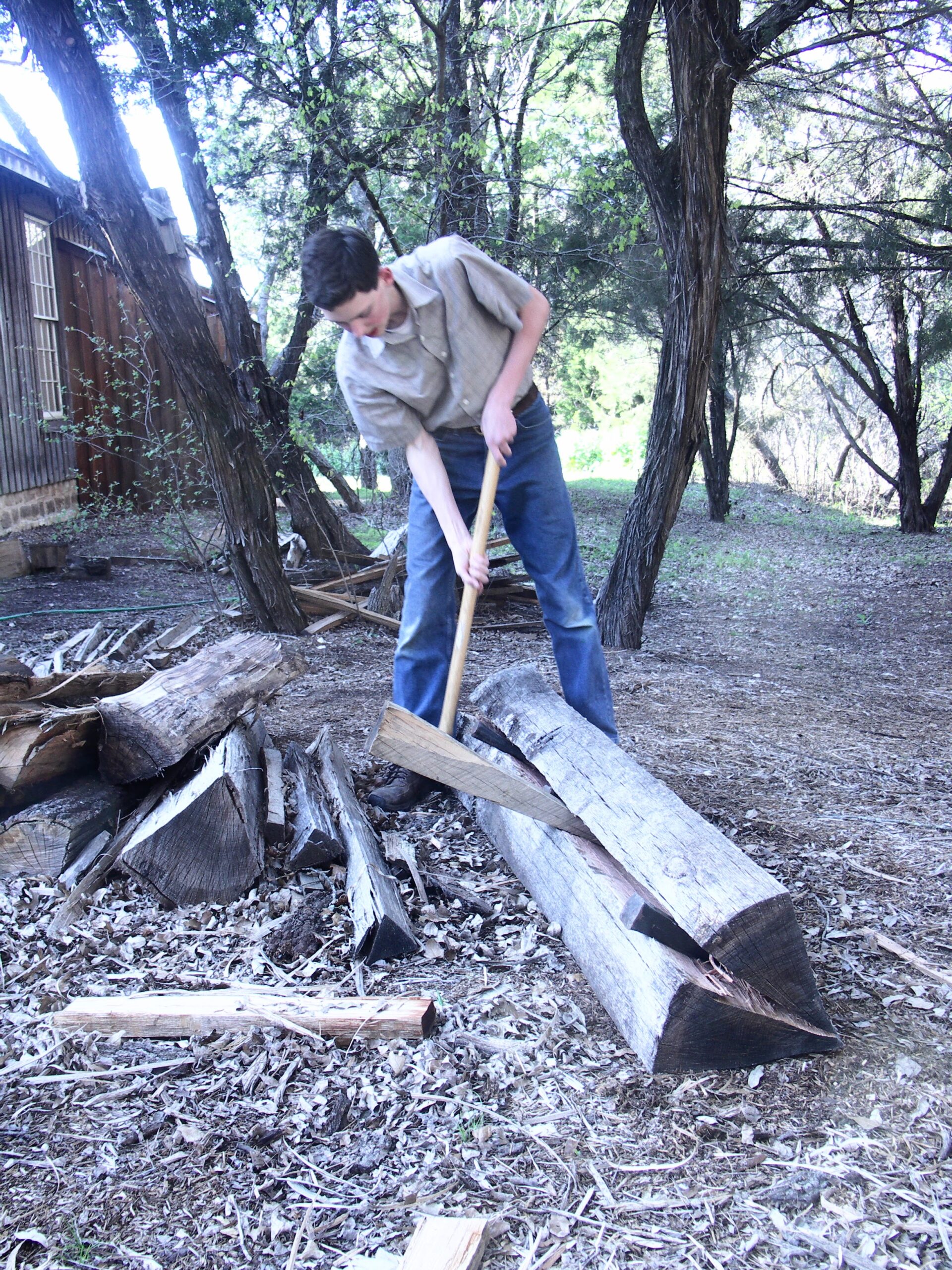
Bit by bit and chip by chip your skills improve and the piece you are carving becomes something quite beautiful. But then you begin to see what I said a little earlier, that it less important to sell what you make and earn your living by your hands than it is to allow yourself to be ambushed for a short season and be snatched from the mundane works of life to enter a new and unknown world of making. Most courses can be had online these days for free. Hands-on courses can be expensive and sometimes unnecessary because ven one-on-one cannot give you the skill you get from rote repetition and taking the steps to make and learn from. Most woodworking is about learning about the tools you use, how to use them and then the wood you will come to know. I recall making my first cello from scratch with my son Joseph. We had a book and no one to tell us or teach us what to do. I was amazed at how unfalteringly we worked to make that instrument. How the woodworking tools I had used throughout my life I could readily adapt and adopt for the work in the cello. Apart from one or two specialist tools, we did the whole with ordinary tools that we had. We decided that the purfling tool seemed less controllable and we designed one that far surpassed the one we thought we needed. So too that special knife for carving the blocking. and such. Again, we designed one and made one. It created a superb finish inside where no one could ever see the work of our hands.
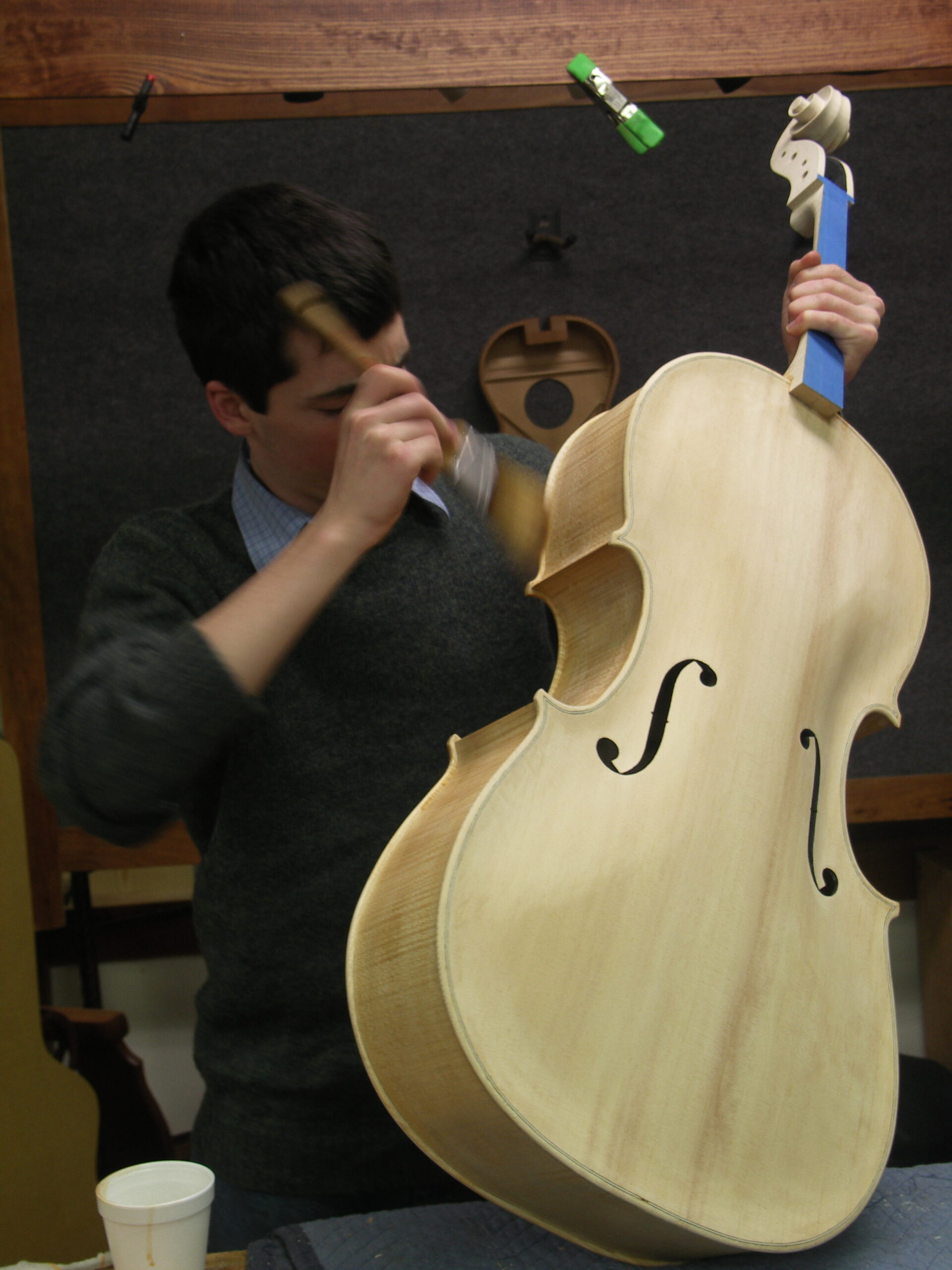
Starting out in one craft of woodworking often leads us into other spheres of craftwork. From kayaks to guitars and cellos to houses, woodworking is an amazing crafty to follow.
Comments ()