
Counter Culture
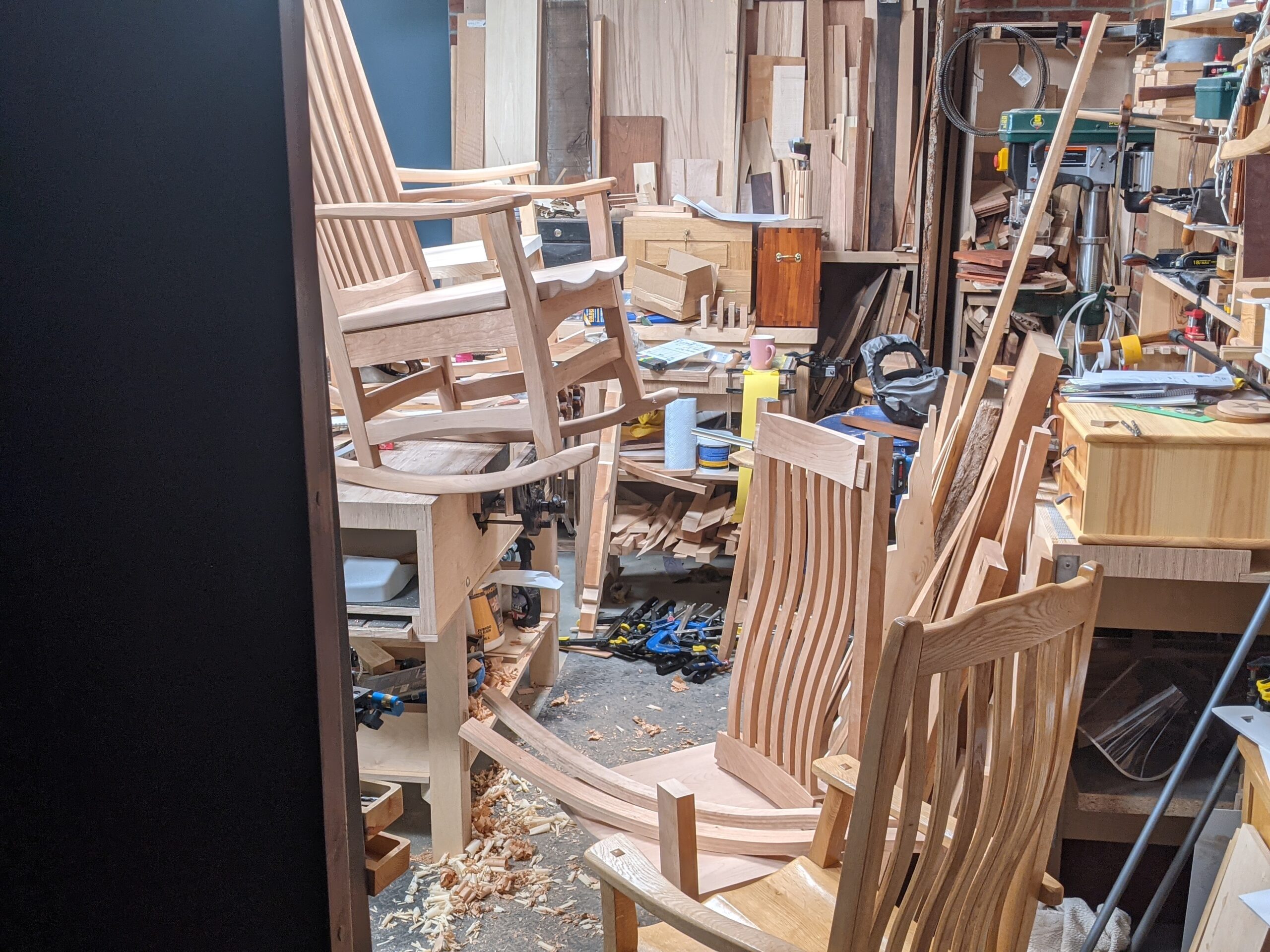
Working on the four rocking chairs I've just been making made me conscious of exavctly how often I reach for not one plane but four, not one saw but seven, not one spokeshave but four, maybe five, and I could go on.
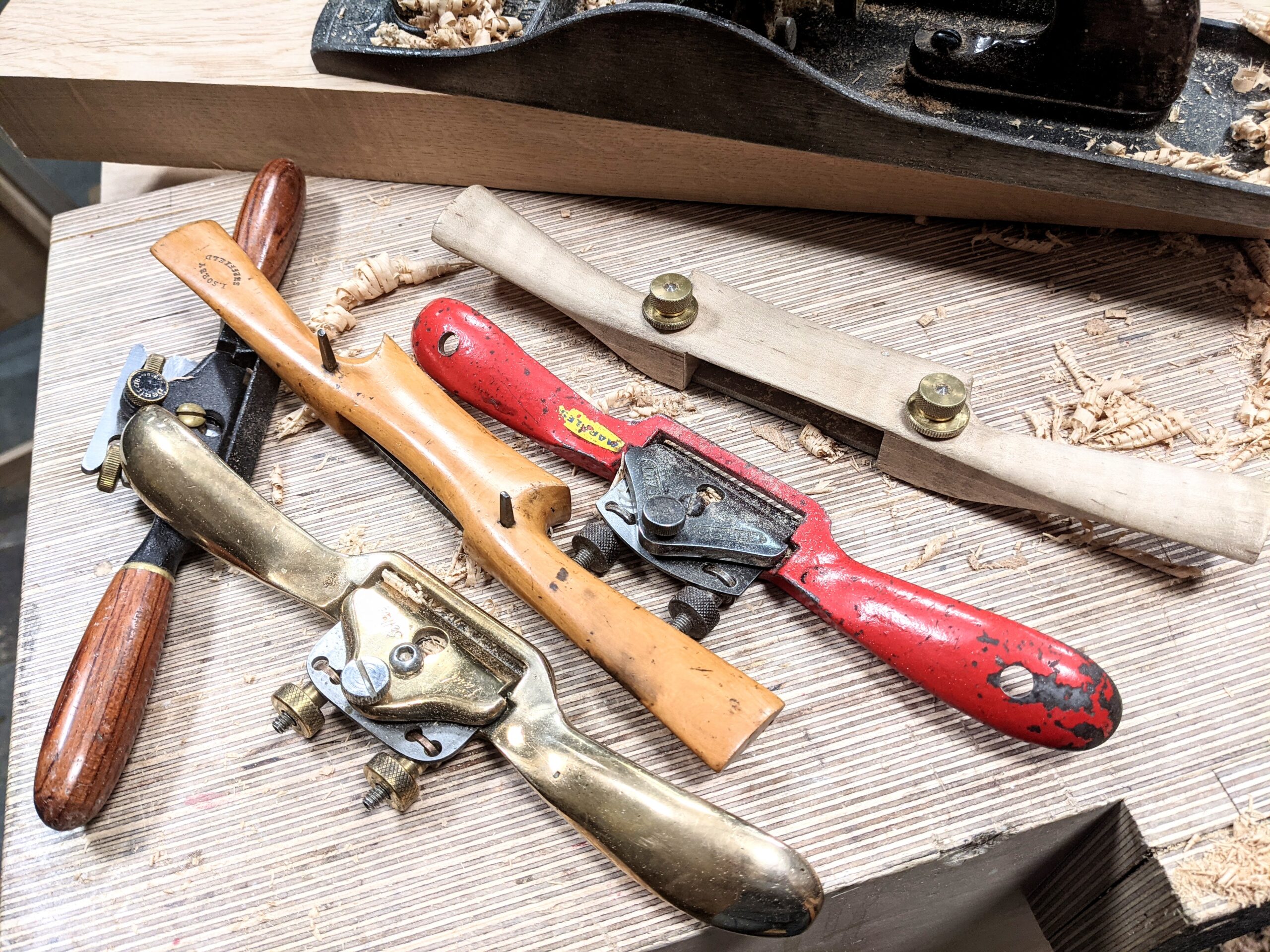
Of course, I could manage with one or two or possibly one of each but here at my bench and with wood supported in the vise or on my benchtop, I am led by peculiarities. Each of the aforementioned tools has its own peculiar ability in wood, a uniq. Their refining abilities give me exactly what I want in the split second by second shifts I make as I work. Limited as I am in the art and craft of writing and the selection of that precise word, I cannot tell you why this spokeshave tackles that scallop or crown better than the other or whether this saw will actually engage the wood over that one. Intuitively I reach for one saw size over another without thought. I snatch up a plane for three seconds and three swipes and then another and then another in split-second successions and the work is done before the swiftness of the camera's eye can catch any reasoning yet I know exactly and without any explanation needed why I did so and so.
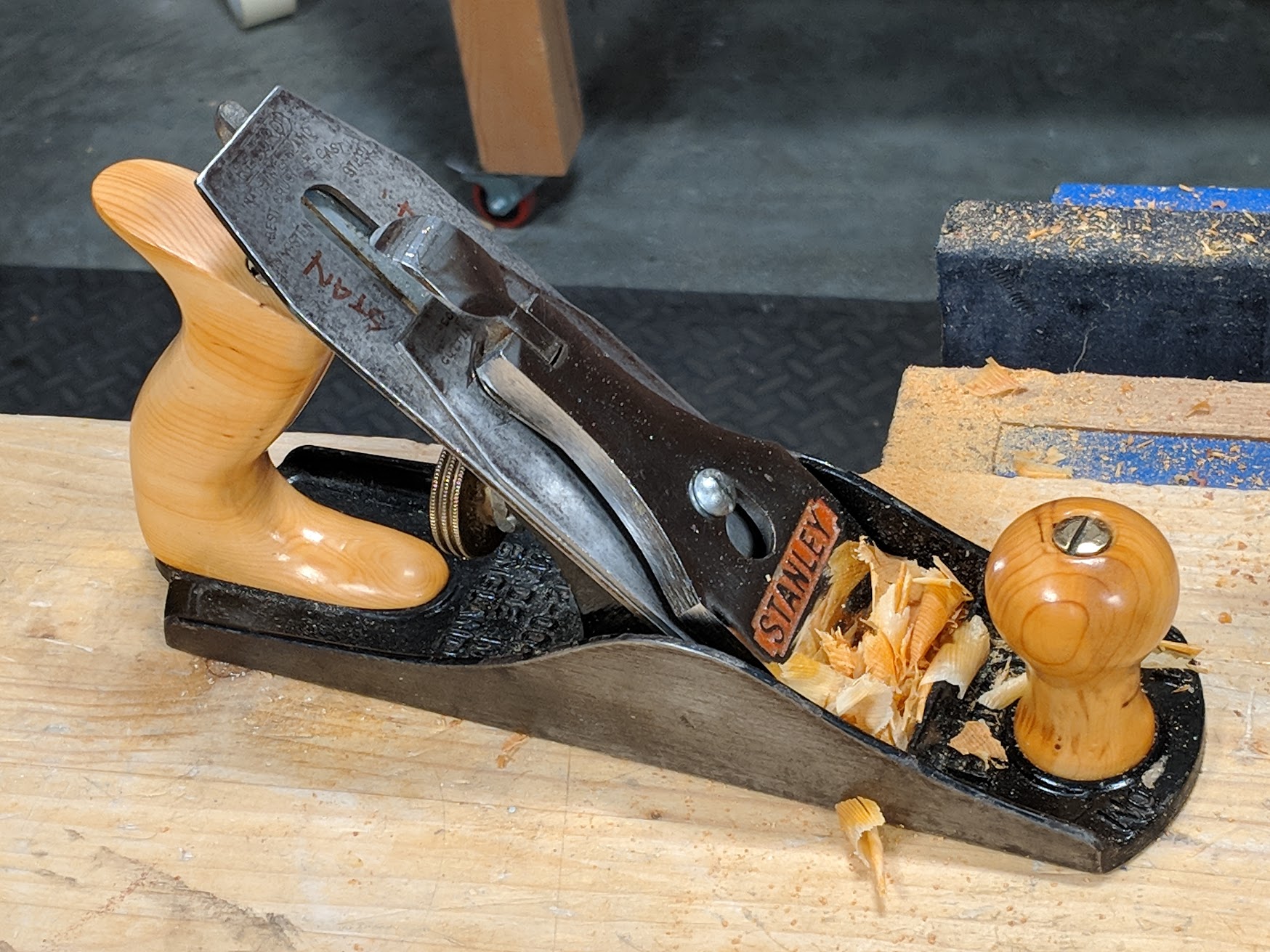
When one guru or sales expert pushing his bench plane or saw says you only need this or that I find myself laughing to myself, not him, because what tells a different story is what happens here at the real bench of my working. "All you need is a number four Stanley bench plane!" I hear myself saying in my head. This is what I have said for many years to thousands of students surrounding my workbench. For this, I make no apology. I've proved it time and time again so it is in fact a proven reality. Over a period of 30 years, I taught classes of up to 20 students woodworking. Over the expanse of that time, I offered only one bench plane type to the students, a number four Bailey-pattern bench plane. They made everything from basic boxes like my Shaker candle box to my Brazos rocking chair with a dozen or two more diversely different project pieces in between using that one smoothing plane type.
In taking my rough stock down from sawn, cupped and twisted to smooth straight and square, I have a strategy. It's not uncommon to me these days and it came about because of course, most wood machinists would never reach for a bench plane or a spokeshave. In their world, they reach for a belt sander or a buzz sander. In their world, they remove the arris with a random orbit (buzz) sander. To remove the surface textures left by the planing machine, they rely solely on the belt sander and the RO sander. It's fast and efficient and it leaves the surface feeling nice and even to the touch. In skilled hands, it increases productivity and spells out maximising profitability, often the only reason for doing anything. In my world, it means sanity not to so much rely on such things but to have them there at some point. In my world, all of my wood surfaces come first from a plane stroke, a chisel cut and when shaping is needed a spokeshave of one type or another.
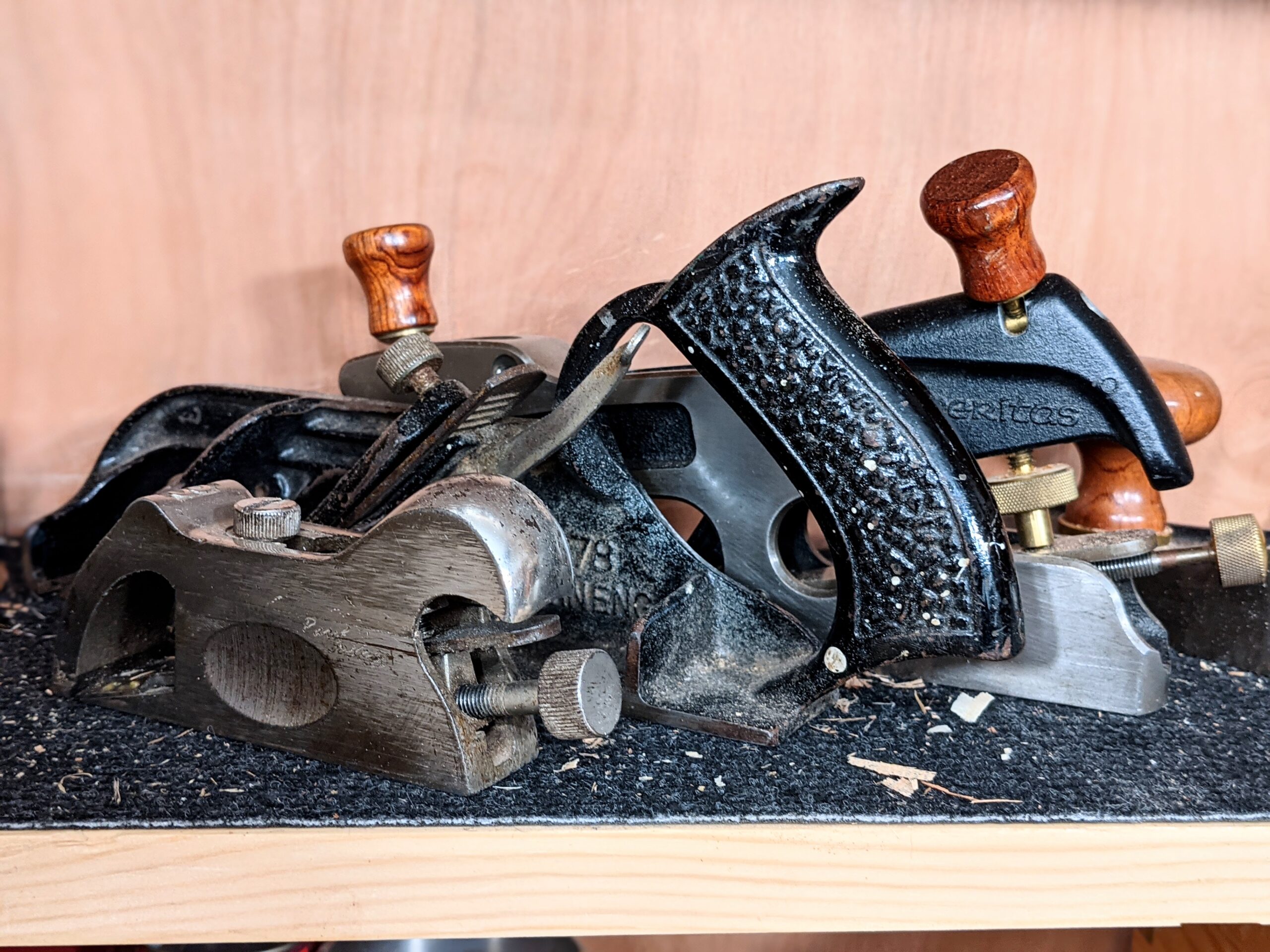
In my world of hand making my strokes minimise the need for abrasive and the resultant dust by about 95%. This compensates by time in equal parallel to rely on abrasives to perfect the imperfections of machining. But then it's not just that is it? Oh, no! For me, it's the sheer joy of high-demand handwork where every muscle and sinew gets deployed and my hand switches out the plane for a spokeshave and a handsaw for a tenon saw then a gent's saw according to what I feel in the resistance of the wood to the specific cutting edge or the angle at which I present the blade to the wood, the awkward grain and knotted region beneath the steel.
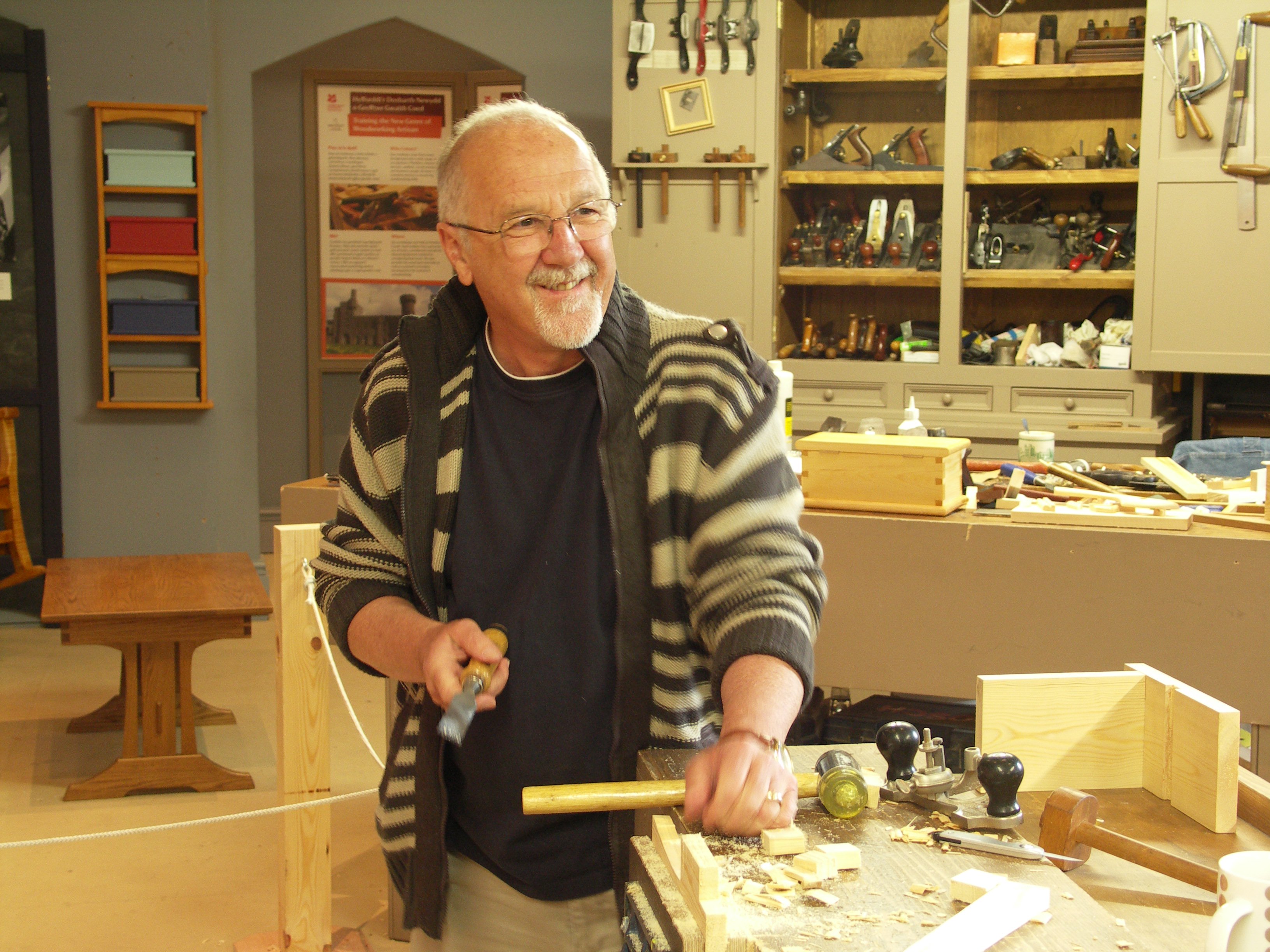
Mastering woodworking begins with the purchase of a few hand tools. In my first classes in the early days of my teaching students would bring their own tools in a bag and I allowed it for a few times. Then it became too complicated. Bringing in a bench plane that then needed restoring or remedial work meant time away from making the projects to a lesson on how to repair a broken or badly made plane. Multiply this ten times and by a dozen different tools and you start to understand the complexity. In the end I suggested people could bring their personal tools for critique but that the class would be slowed down to a quarter pace if everyone brought their own tools. Imagine how it was for me if spokeshaves differed between sole bladed bevel-up versions made in Japan or China or England or then again 5 types of the 151's with a slight twist to each one. So it was with the dozen or so hand tools I provided the students with in the end that I gained success.
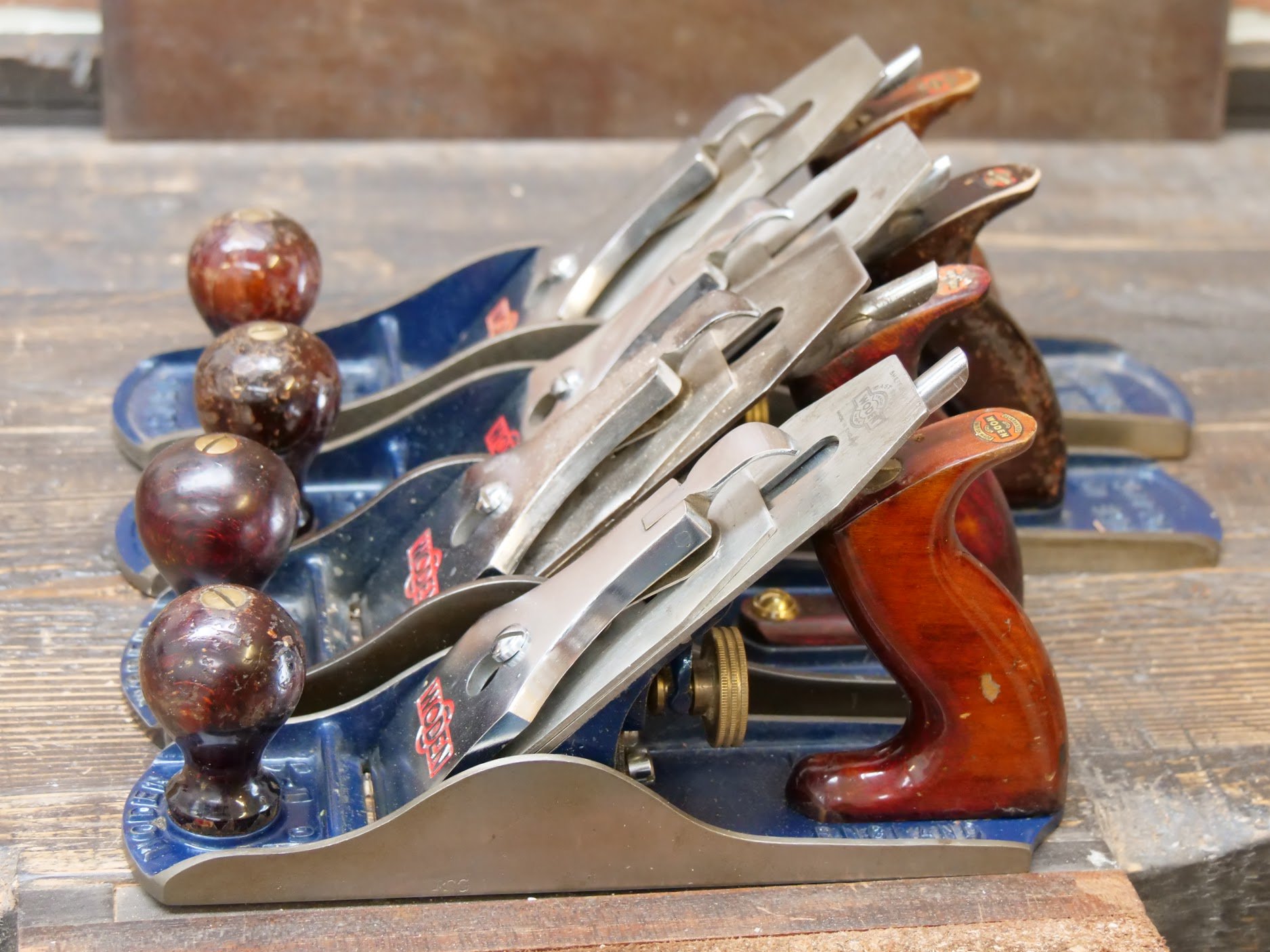
So I say all of this to say at my bench in the day to day of my woodworking there is no one size fits all nor suits all tasks and applications. If someone says this plane or this spokeshave or this saw is all you will ever need, take it with a pinch of salt. By that I mean that when you are in the zone and you have accumulated a few more options to choose from you will find your hand passing over one to reach for a less convenient one inches further away.
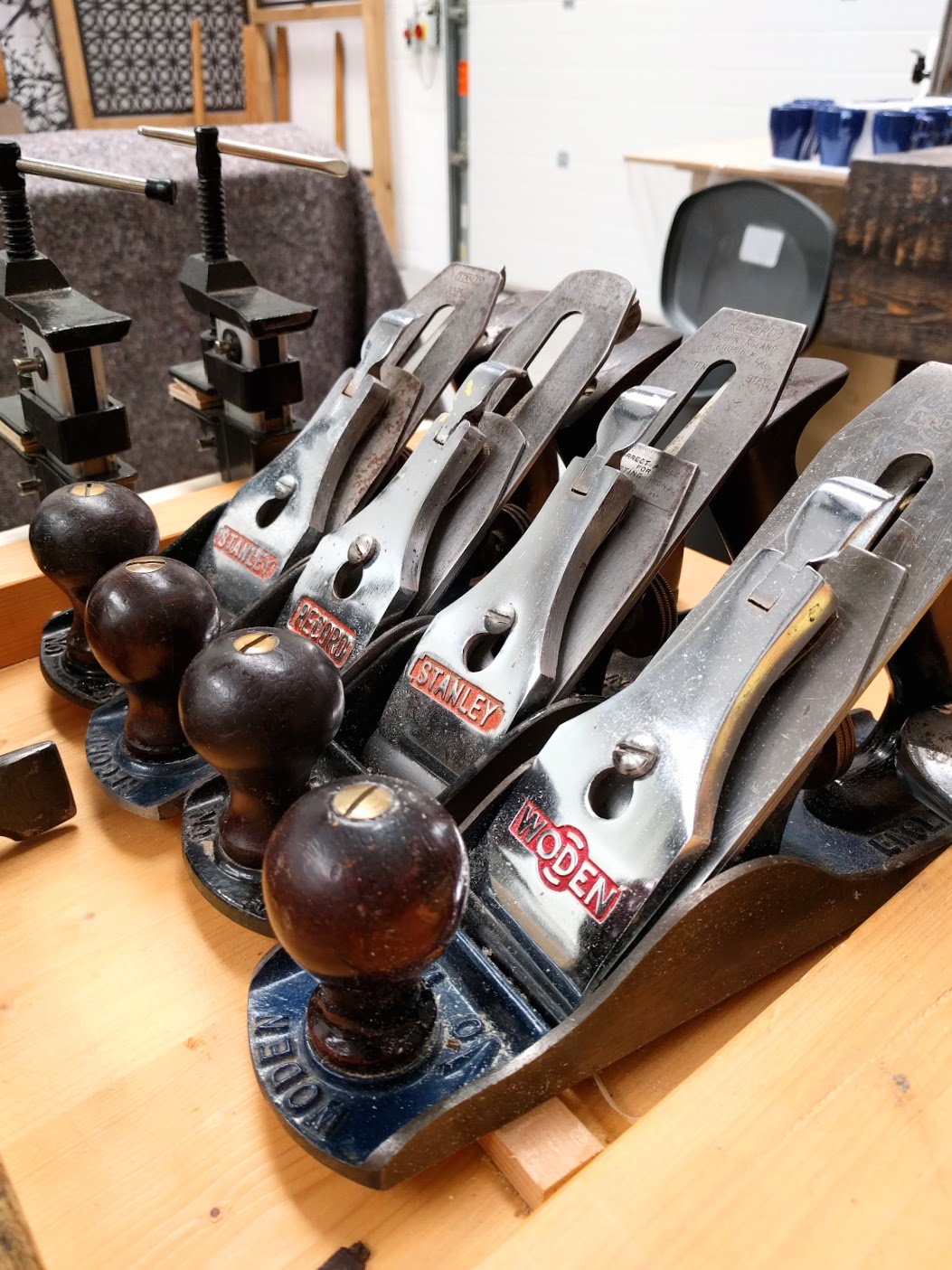
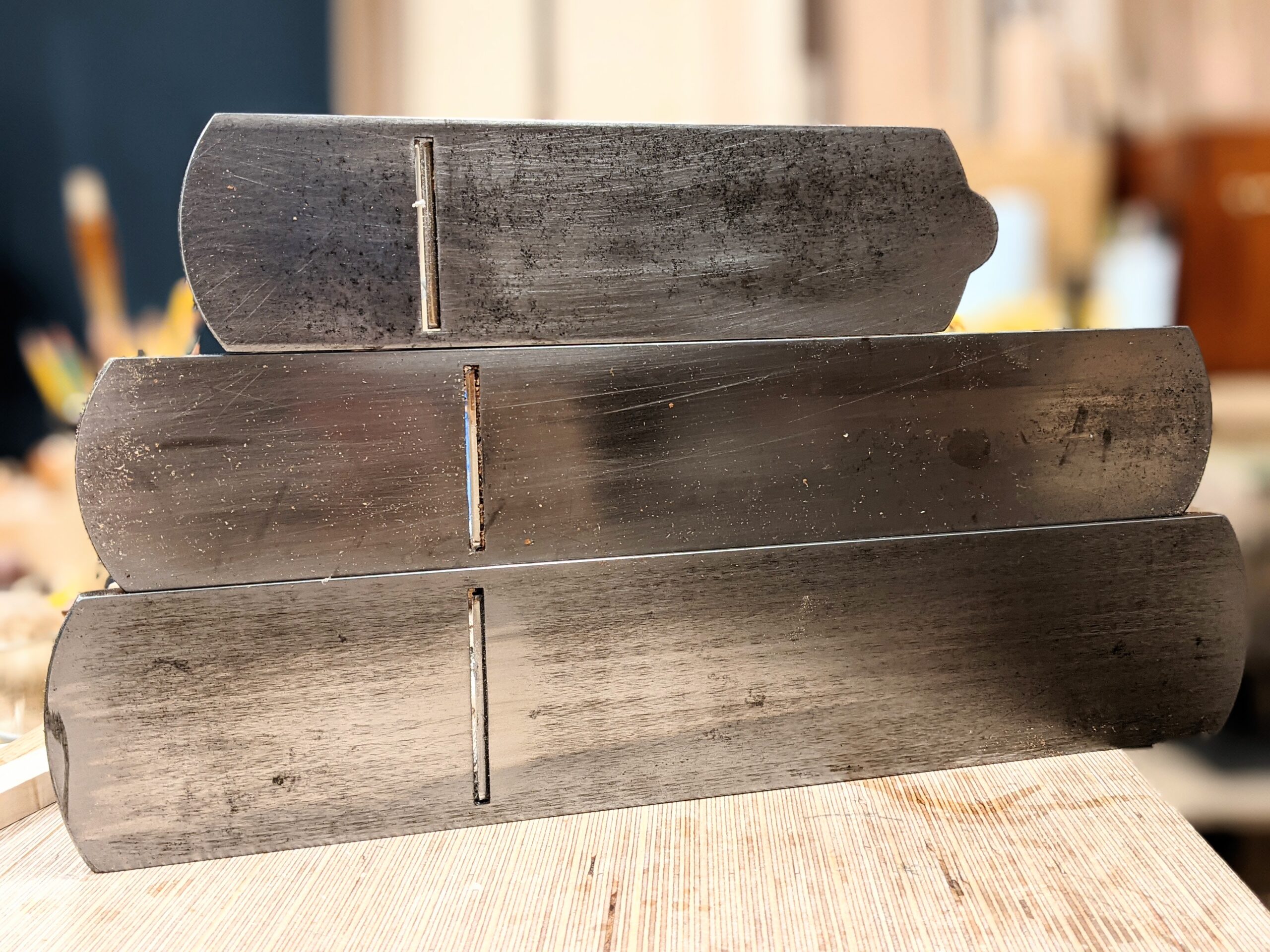
Truing up rough-sawn wood for me can take five planes yet my need is for one only. Yes, I can do just about everything with a plain #4 Stanley, but I have a converted #78 that serves as a rough scrub to scrub down the deep kerf from the saw mills. My converted #4 has a less aggressive curve to the cutting iron and serves still as a scrub plane but with a more refining cut. A #5 and 5 1/2, for a variety of reasons, come into play often during any given hour. I switch between these two throughout my day. And then, of course, my refined and much-loved standard #4 (with no refined retrofitted parts such as thicker cutting irons or cap irons) smoothing plane takes over from them all to perfect my working.
Comments ()