
Is it Helpful or No?
Almost all magazines do it! From the '10 best bike seats' and riding gear to the '10 best nail clippers'. We punch in the keys to find the information we need so we can buy into the item we are looking for, secure in the knowledge that we won't look like fools if we can say, "But the reviews were great!"
In our case, it's the reviews woodworking magazines give us from time to time that can often be more unhelpful than helpful. So too sponsored beings on YouTube channels. I recently posted a video on the uselessness and usefulness of block planes--those solid little rascals that in most woodworkers' lives are more likely to gather dust in a tool tray or workshop shelf than from practical applications in use. I have several and a couple on my shelf behind me, but never included even one of them in my classes with class attendees going well over 6,500 in number over a 30-year span. I have heard people respond to me when I have demoed at a show that they use theirs all day long in place of a smoothing plane. I walk away from the conversation knowing that that is not likely to be true.
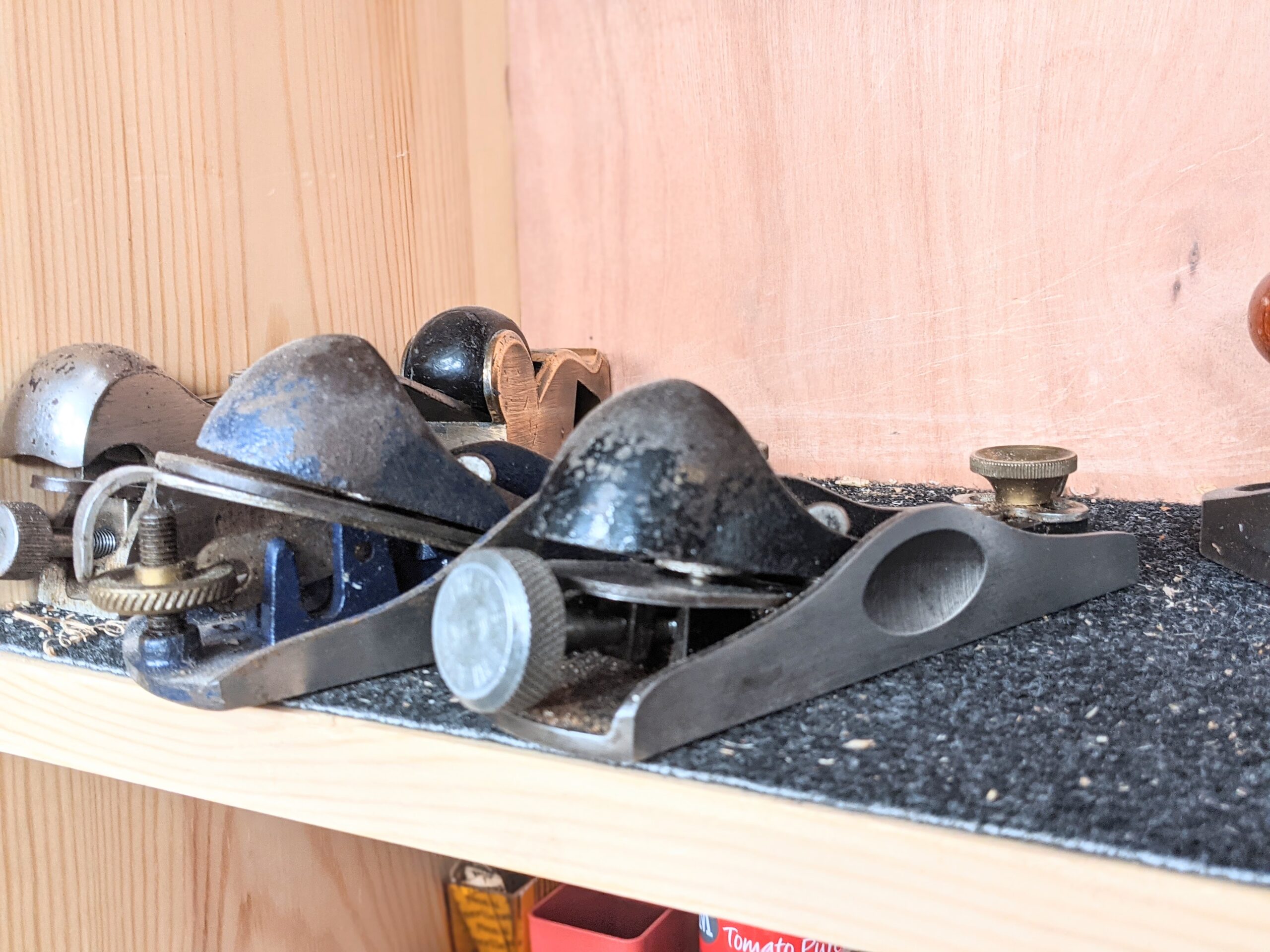
Most often, of course, we tend to defend our purchases and respond accordingly. I do own some, as I say, but I don't rely on them for any task at all in my general woodworking and furniture making. In my world of lifetime, lifestyle woodworking, they are more a luxury with little benefit. A bit like owning a high-end plane that does no more than a vintage Stanley or Record. If someone wants to buy a block plane, then they should just buy one. They can be handy from time to time, but they are, in general, nonessential. (See me here on this). On the other hand, if you are a modeler, an instrument maker, something like that, they might be the more essential tool.
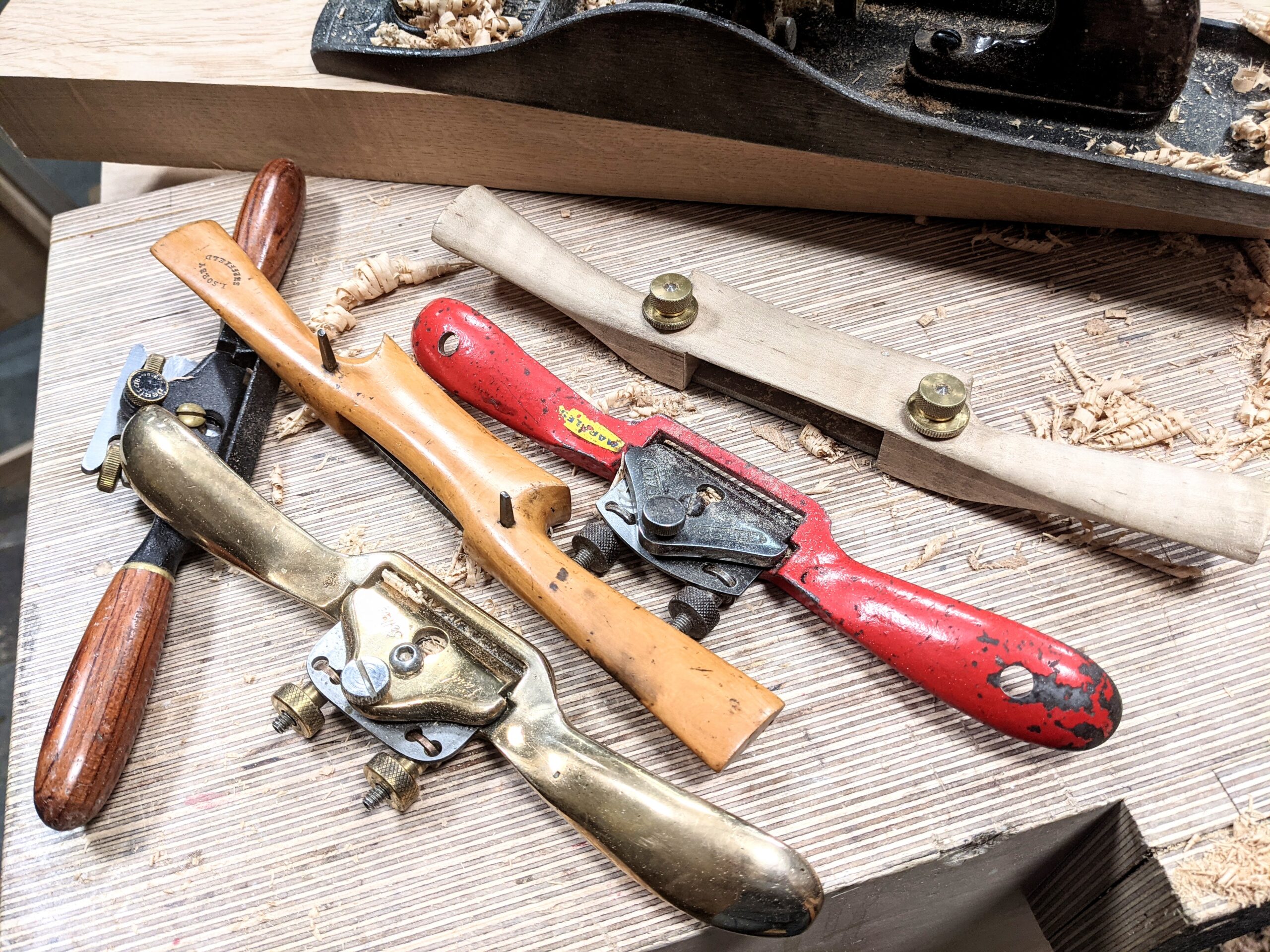
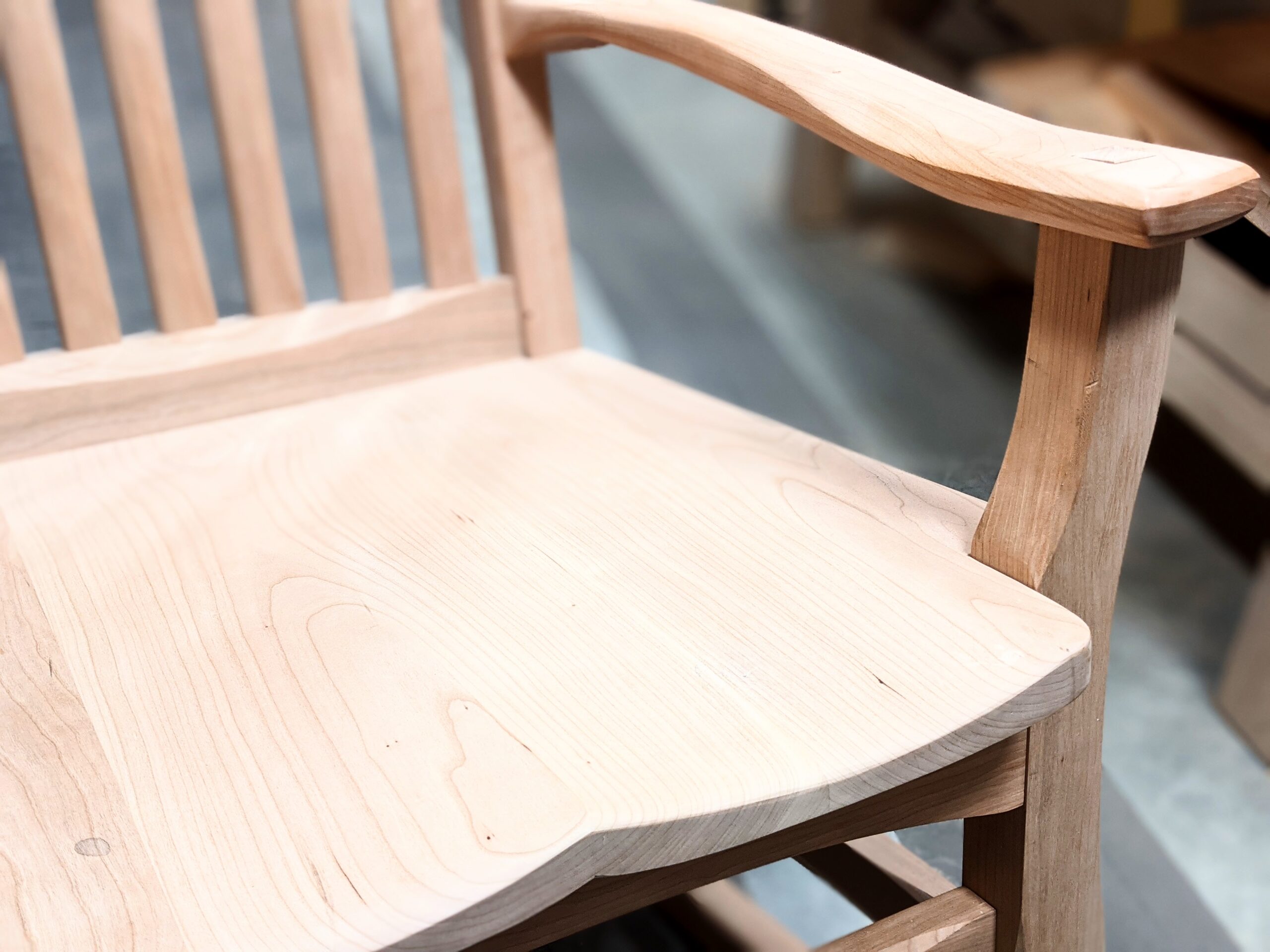
I read about spokeshaves in a magazine and of course, there is nothing new under the sun. It was this maker or that user's opinion with little based on much reality and being in the saddle for more than a few minutes or even a few hours. Wooden ones and vintage ones, new ones and metal ones were all included for this illusional 'fairness' to include all that we all seem to live under these days. I was making my rocking chair and carving seats, shaping and shaving arches and rounding over curved parts and chamfers day in day out for six weeks.
Had I read this article I might have plumbed for this Veritas 'high-end' or that Lie Nielsen Boggs version or perhaps dived into eBay to buy this vintage version that is no longer made. I have faced this dilemma for decades with each and every generation of magazine. Editors' choice comes usually from someone who never really worked wood. A good example in the past was Fine Woodworking, but there were others too. Not with every editor there, but definitely some. I am not saying a content like this here and there is of zero value, just that we need to expand our horizons beyond the editorial's of magazines, that's all. Remember I bought some Chinese made diamond plates six months ago and someone said that their diamonds had sloughed off almost immediately? Well, I'm still using mine with no signs of deterioration whatsoever. My £10 for three paid off. I'll let you know when they start to slow down. The point is of course that we need a starting point. My starting point is a plain Jane #151, be it Record or Stanley. I'm still trying to wear mine out after 50 years of daily use.
Ultimately, the conclusion steers you to the ultimate opinion to buy this or that version. But here, here at my workbench, during a single day's woodworking, I noticed that I had pulled out half a dozen from my arsenal. I know, but don't judge me, it's a luxury I have from never passing up a bargain at a flea market where one or two were sold for 50 pence and then again starting and or owning different woodworking schools on two continents. When it comes to many tools, often, not always, there is no one-size-fits-all tool. Green woodworkers making a chair in a class will plumb for whatever the teachers is using and recommending and then indeed, actually selling at the site.
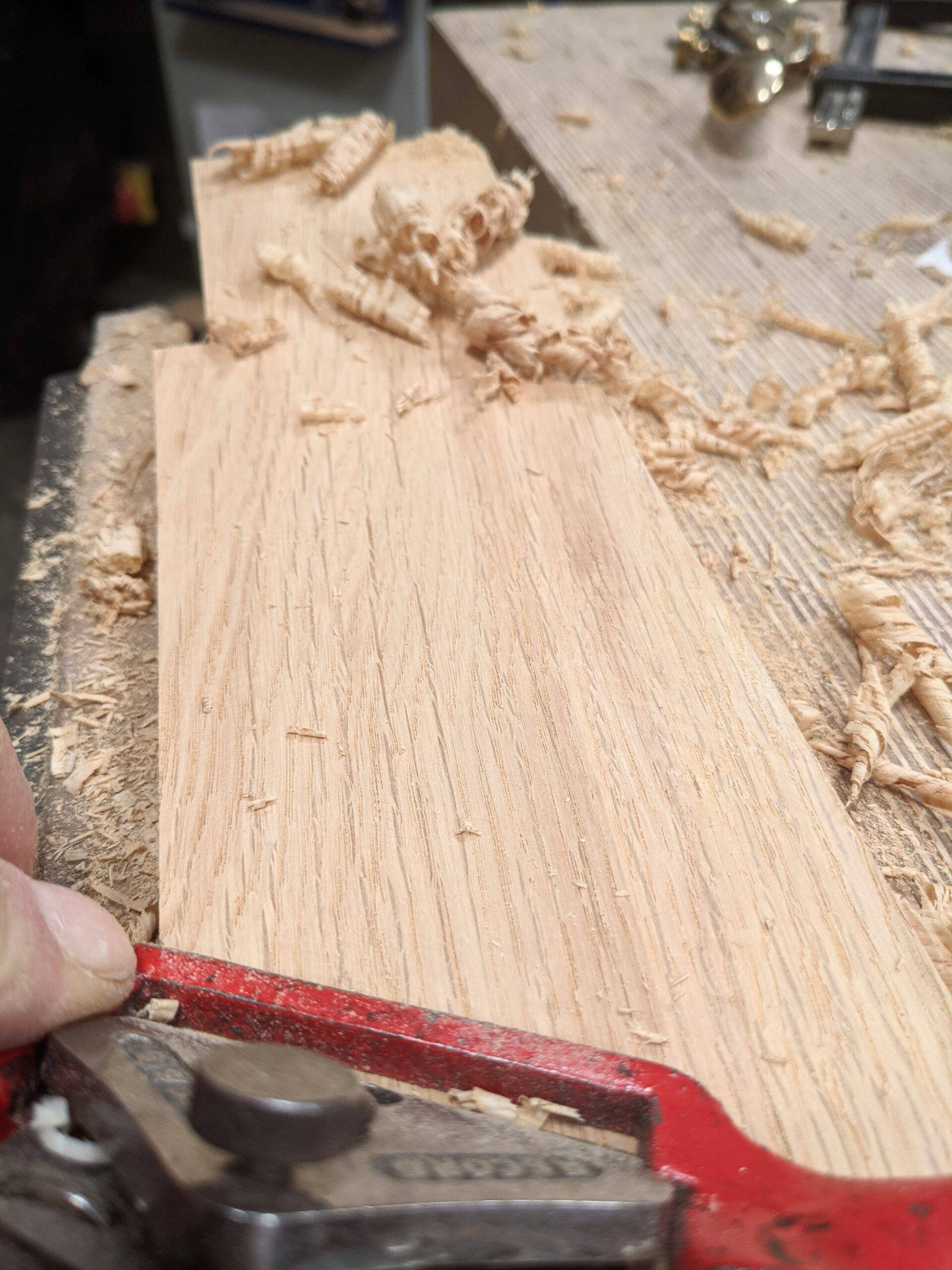
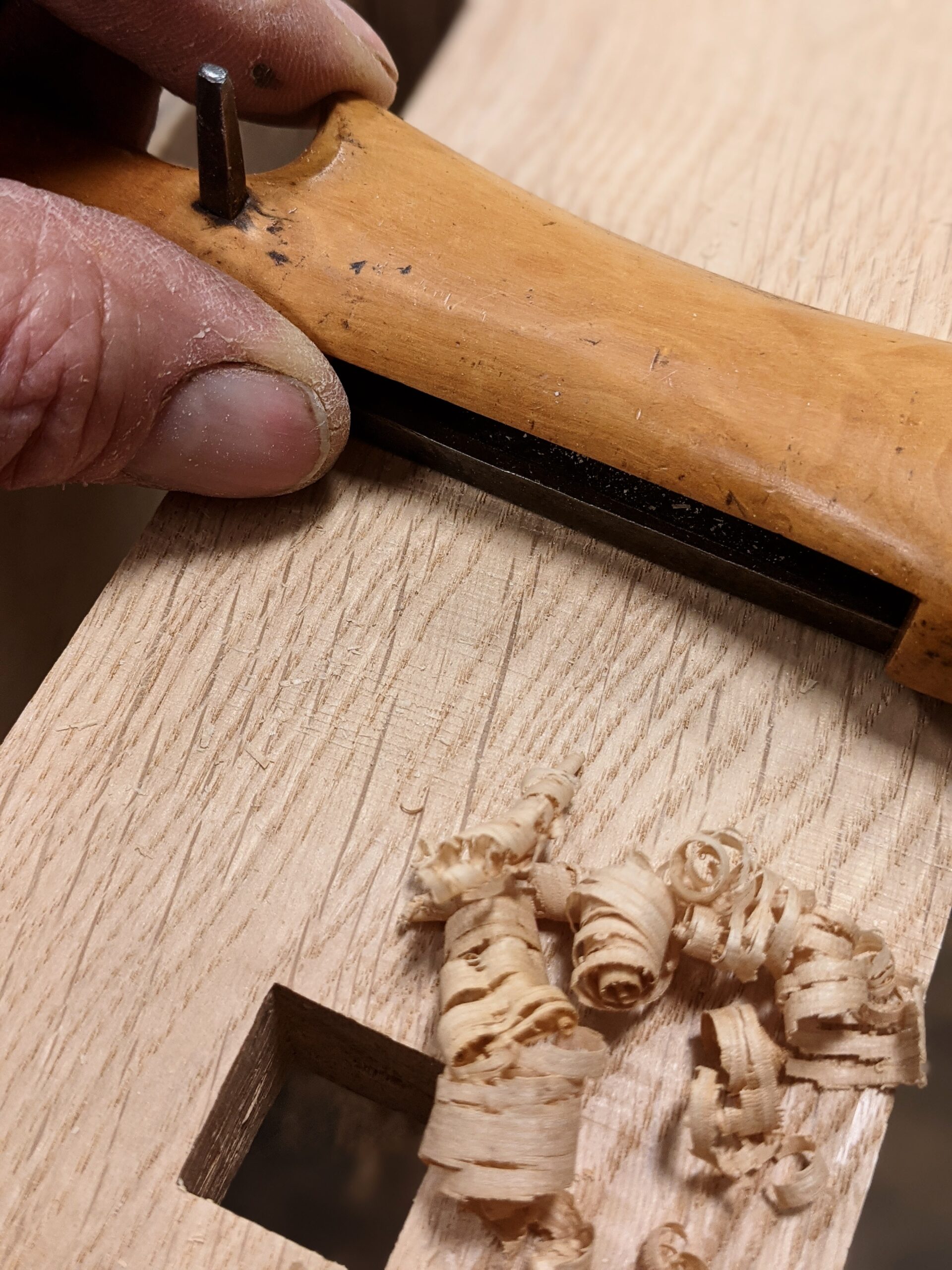
Whereas it may be helpful when an experienced woodworker declares the one to get is this or that, at the workbench, in the making zone, in the reality of day to day woodworking, I have given myself many choices. My research, my testing and trialing, my daily grind as a furniture designing, making, selling user has told me that this spokeshave will work great on green wood whereas another will tackle what I use 99.99% of the time--dry, cured, seasoned hard, dense-grained wood. On some woods, a blade-soled spokeshave (that's a bevel-up version) can and will stammer and stutter across a surface and a bevel-down spokeshave will not, and this is the reality of woodworking with spokeshaves. I put one shave down and lift another to task knowing that I should have known better than to use a bevel-up instead of a bevel down and that the consequences of my laziness deserved a slap on the wrist.
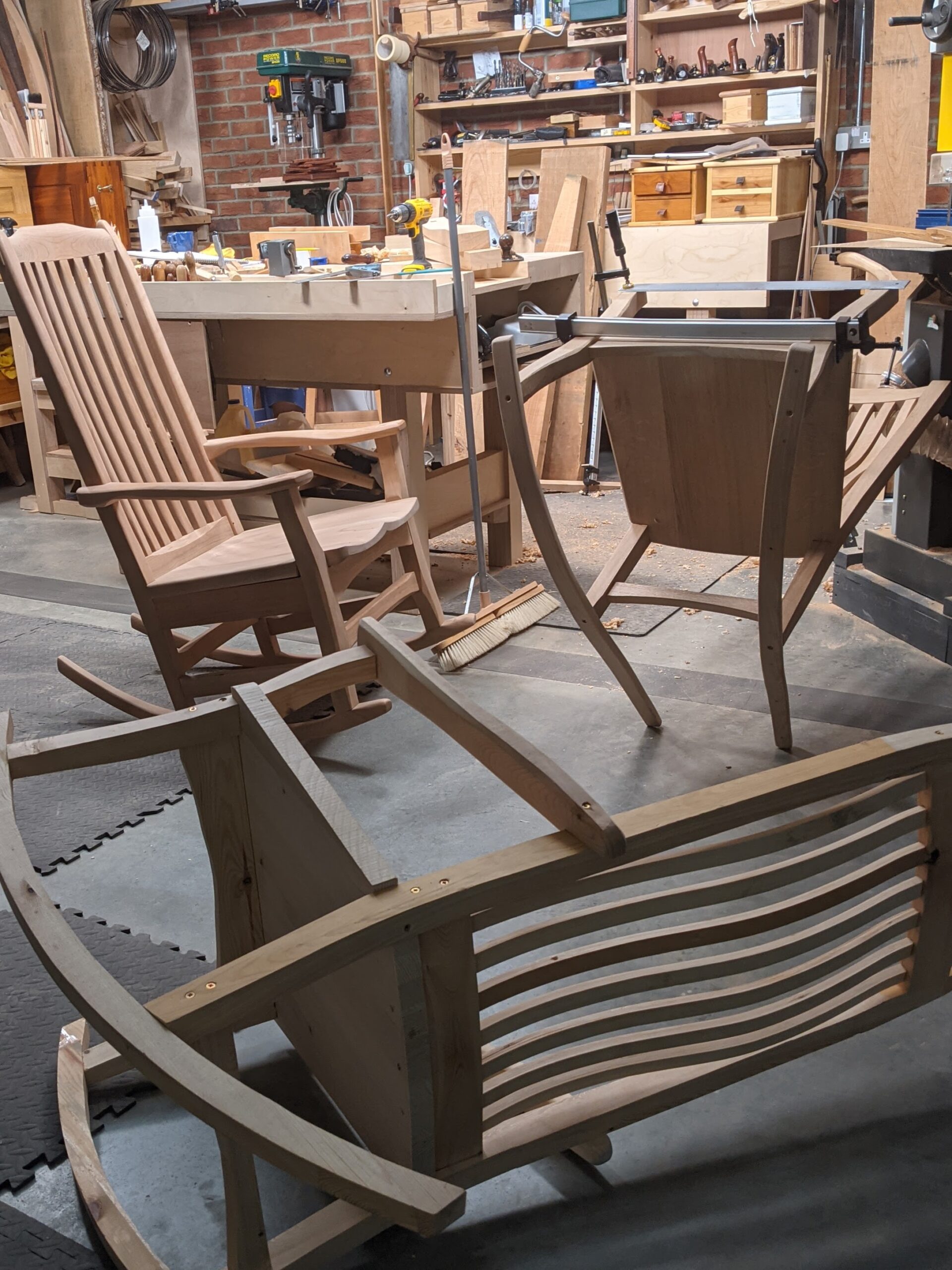
Remember that there is no substitute for the relational knowledge you will acquire moving forward into your woodworking future. Owning several planes and chisels, spokeshaves and saws may not be a luxury so much as simply very practical. You all know that I recommend the #4, basic Stanley plane with no retrofitted parts and perhaps a more vintage model off of eBay over say a so-called high-end version from Asia, the North American continent or indeed the UK. In my view the architect of them all was indeed the lone inventor and entrepreneur, Leonard Bailey, a plane made all the more famous by the Stanley range of mass-made bench planes. Wood River and Quang Sheng, Juuma from Asia, Lie Nielsen, Clifton, Record, Marples, I Sorby and many many others are all knock-offs of the basic Leanorad Bailey- and Bedrock-pattern Stanely versions. No one of them invented anything on their planes though some did improve the engineering qualities to the shame of British-made versions.
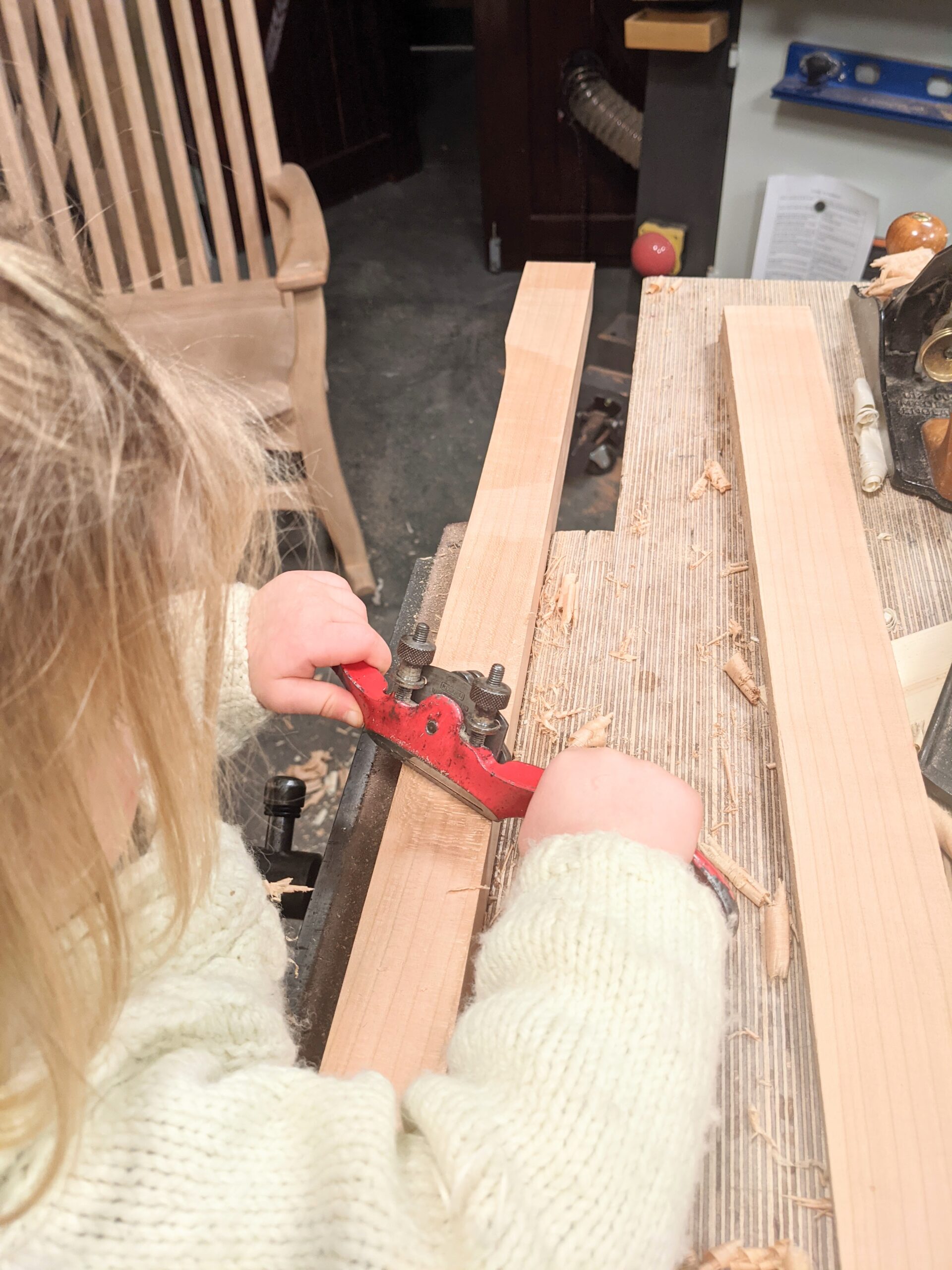
My spokeshaves interplayed my working on three rocking chairs over six weeks of making and designing and redesigning. I found it very freeing to pull one over the other according to wood density, wood type, grain type, task, grain orientations and so on. Very freeing and very rewarding. Do you need them all at once? No! Do you need only all-wooden versions? No! Do metal ones last longer? Of course they do! Should I just buy a metal one then? No! Should I buy a professionally made one? Not at all, make your own too. They are enjoyable to make, work exceptionally well and will probably last you a lifetime if combined with using other spokeshaves side by side!
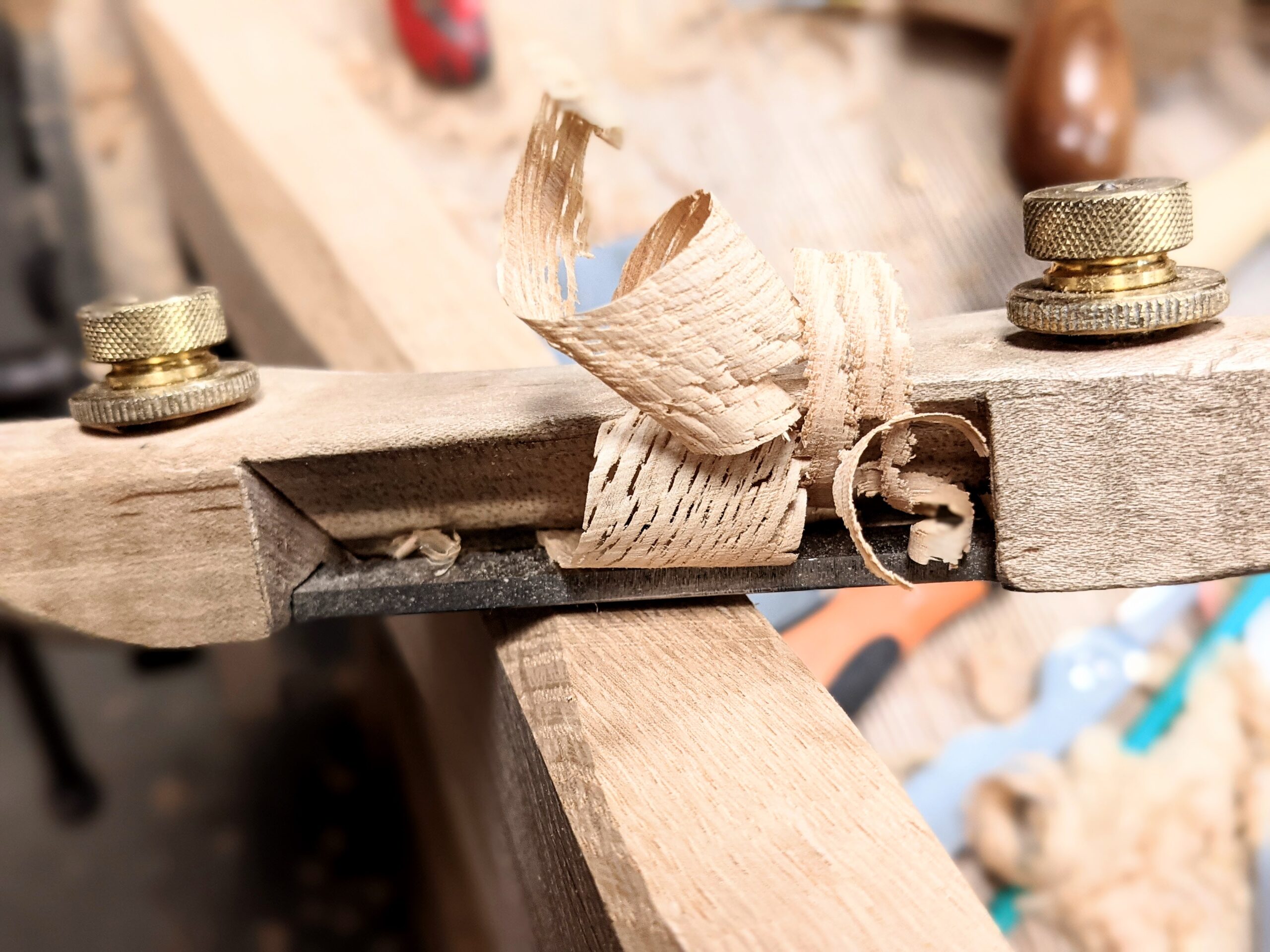
Apply this to all of your other tools and you will find the differences between the versions will not be written in articles selling mostly opinions and not necessarily the helpful information you get from working at the workbench in the making of pieces. There are indeed two ways of knowing: reading or even watching and then there is doing. The doing is the relational knowledge that spans all of the senses in use . . . and I am not simply talking about the five well-known senses here. Trust the gut feelings too. There are 25 more that we know and understand very little of.
Comments ()