
Perfecting Skilled Work
My plans for the future of hand tool woodworking haven't changed very much through three decades thus far. My time is not yet done and I write, sketch, build and create with the perpetuation of my handcraft in mind all the time. New developments in hobby realms include CNC production and this is an interesting phenomenon in that those pursuing it have a like fascination for the computer-guided machine as I have had for the hand tools I use. One thing I do love is that neither the machine nor the computer will ever destroy my world of woodworking. I suppose that's because, with handwork at least, the tools I'm so accustomed to have never really changed that much at all. There are no modern makers bringing anything new to the market. The closest to that end might be Lee Valley Veritas but even then it was to reinvent mechanisms and incorporate them into more modern versions.
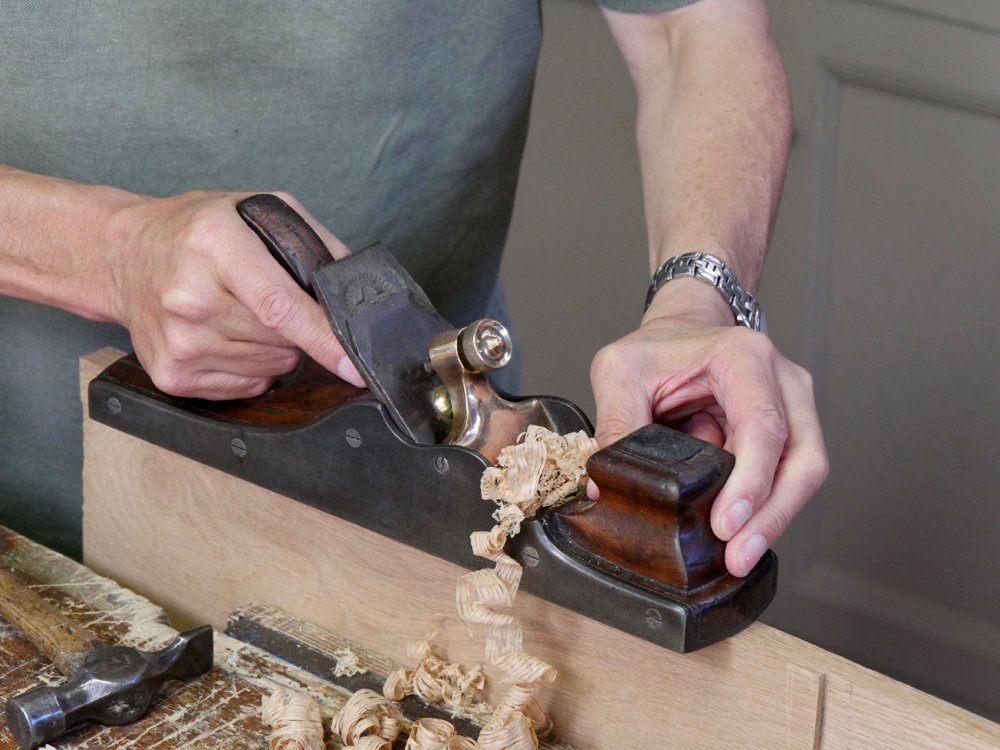
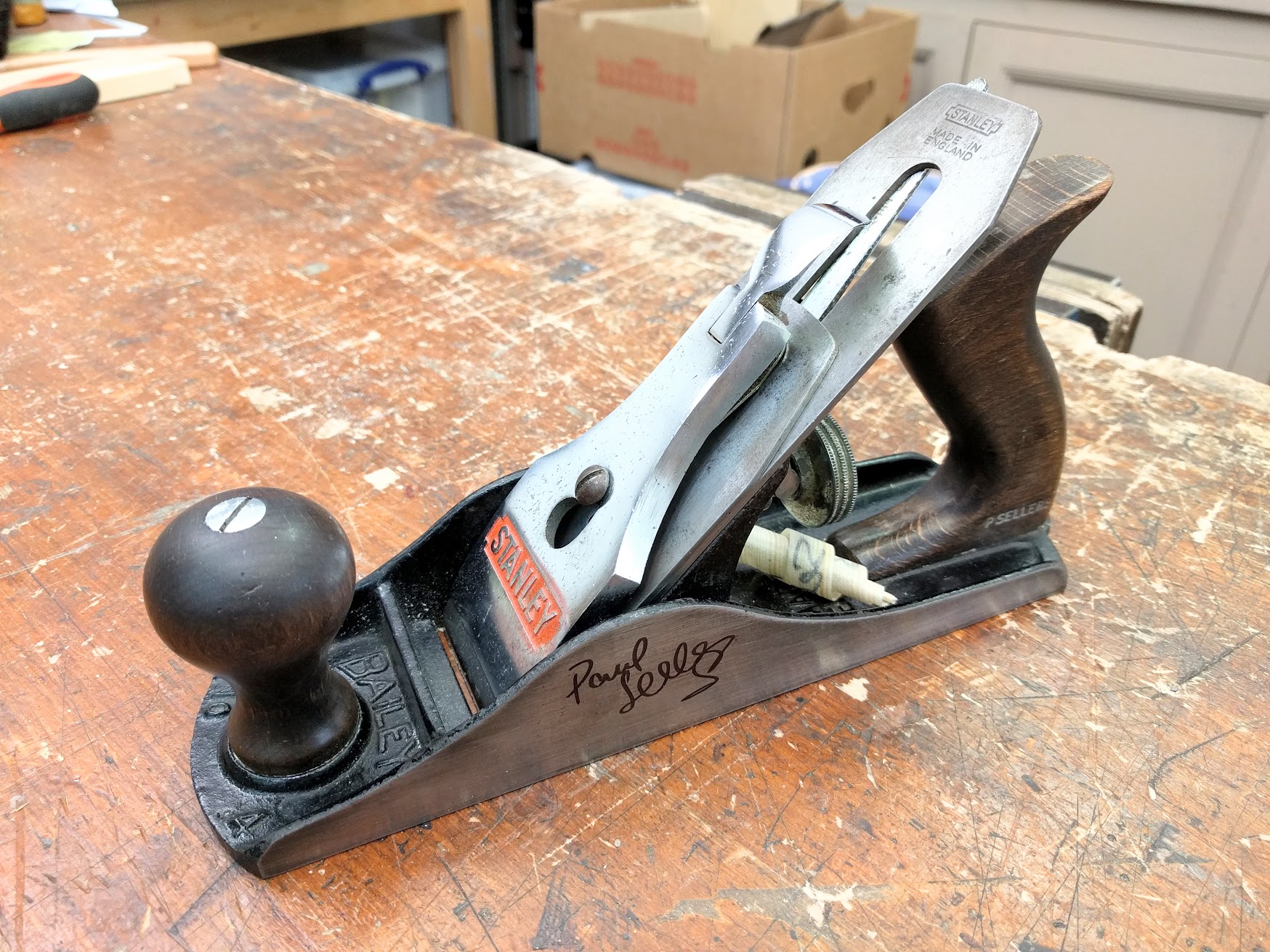
For the main part, the art of plane making is five millennia-long. For the Egyptians reportedly had metal cast planes 5,000 years ago. Leonard Bailey, of Stanley fame, was the designer of the plane Lie Nielsen makes but stands accused of making a plane with thin irons that chattered. Truth is that they never did actually chatter and they still don't. But this is like the story when a man in a public debate asks his opponent when he stopped beating his wife and children. Of course, he never did such a thing, but half the audience took that fact of family abuse with them and his name was sullied. The same is true of Leonard Bailey who never made a plane that chattered! He just couldn't defend himself from the grave, having died in 1905. That's why I am doing it now having owned and used a Stanley Bailey-pattern plane for 55 years every day of the week full time for full days of work. That engineering standards have much tighter tolerances when a maker takes charge of production standards there can be no doubt. Whether engineers are better than a century ago is highly questionable. Program a CNC machine to operate a mill and you take the human hands off the driving wheel for a driverless experience that will soon be so complete we will never see a machinist in the work zone. In reality, we don't produce anything much different than was available 300 years ago except that wood was replaced by metal and plastic or casting resins and such which gave us what we wanted more than anything, lower production costs. Who knows how a cast resin handle will feel in a hundred years time, or if it will even be in place on a saw handle. Stanley said that plastic handles would last for the lifetime of the plane but then they changed the plastic-type and now the plastic they use cracks when the temperatures drop to around freezing just with the pressures of working them. Of course, wooden handles crack when you drop them as do the soles of planes if they hit concrete from a few feet. Generally, though, wooden handles last for a century and cast-metal planes only crack when dropped from a height.
The methods I use have not really changed through the centuries for the main part but then they have too. Some things I do with planes are completely innovative in that I do things with them that no one ever used to. Expanding their capabilities to thickness wood, create veneers develop tenons within a thousandth of an inch in thickness and such enabled me to match the tolerances I need for fine work. Truth is though, for the main part, I could do these things by eye too, after a few years in the saddle; in most cases anyway.
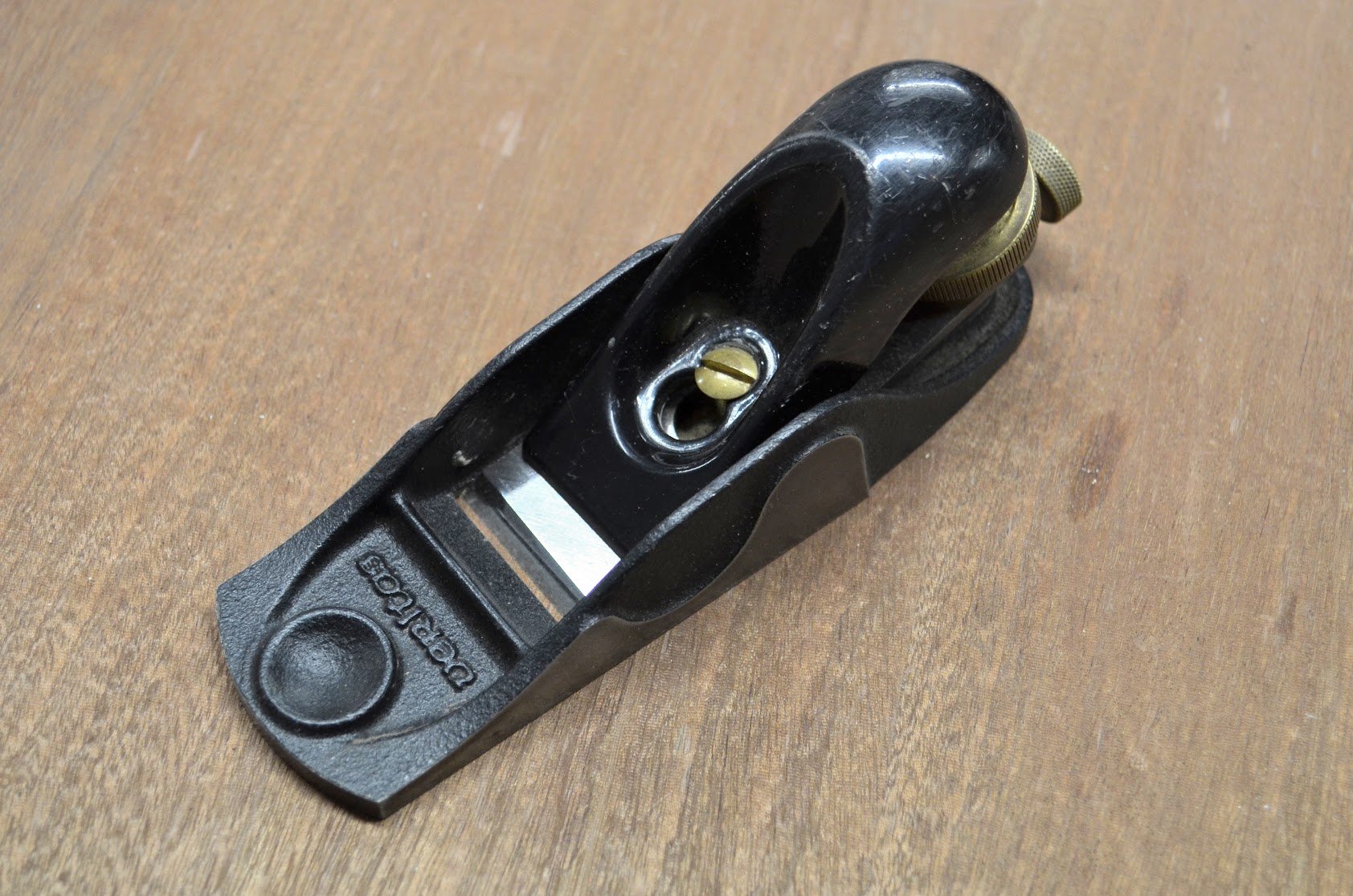
It remains up to us to develop ideas and products that remain as a testimony of good design, good workmanship and then too good quality. If an engineer sees a way to improve a product it doesn't make him a designer but more an improver. If a chair has four legs and a back to rest against then it already existed 5,000 years ago. The shapes of components can become a design aesthetic and the claim to it can be had by the designer. If a maker takes a tool to repurpose its functionality then he can claim the technique. By these things we perfect the skill and the outcome. Tom Nielsen creates wonderful tools and improved on the failures put out by complacent toolmakers in Sheffield England. Whereas British makers should have been ashamed, they never were. They just lived on their daddies reputation which declined with each generation. Even now, such makers could redeem themselves, but they never will.
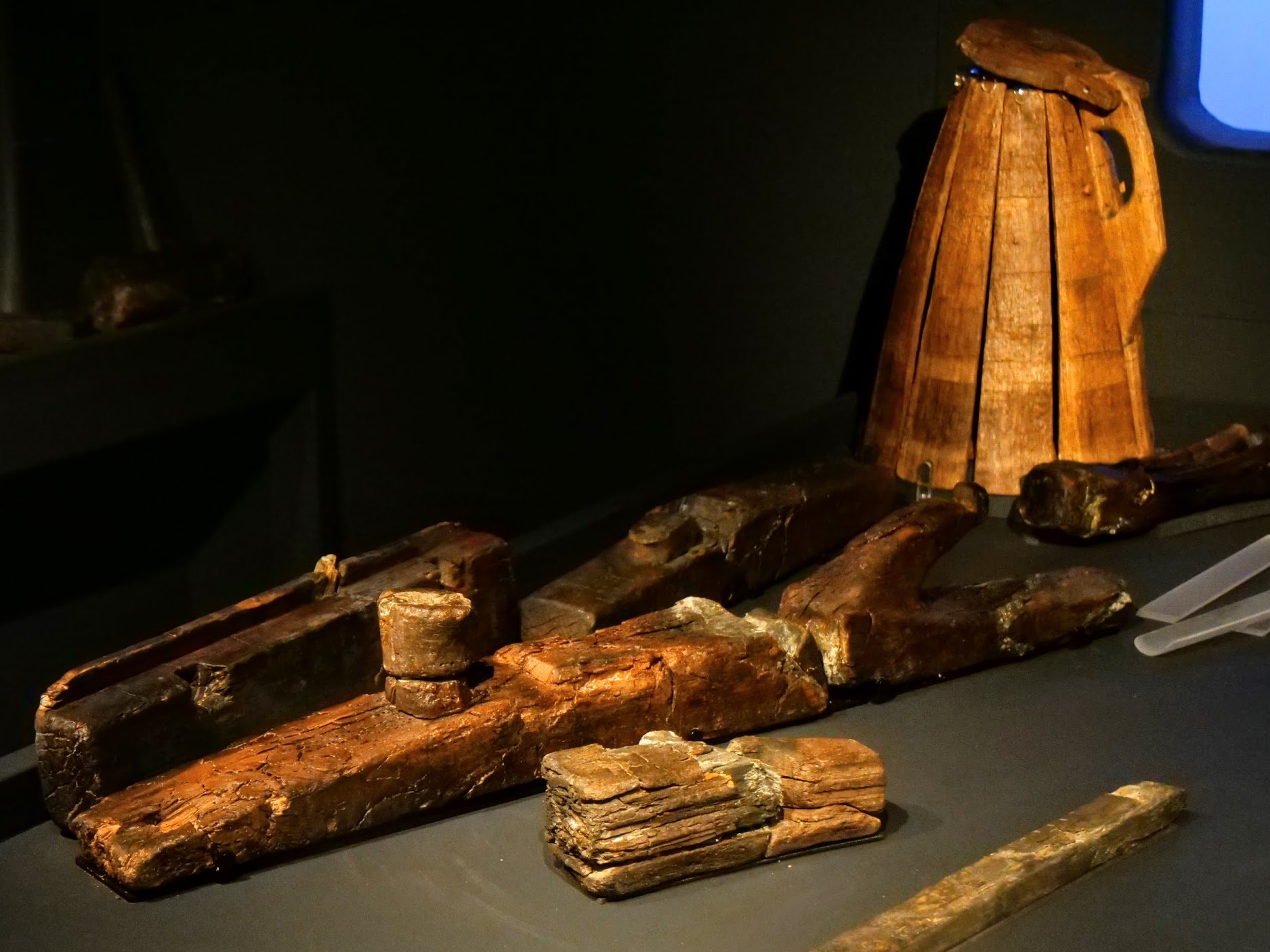
Were metal bodied planes an improvement on wooden ones? No! They were more readily mass-manufactured and needed lower levels of skill to make them that's all. Price is everything in our modern world. Makers could not compete with Stanley or, later, Record. The only reason wooden planes were abandoned was the skill and time it took to make a wooden plane. That's all!
Comments ()