
It's a Small Thing
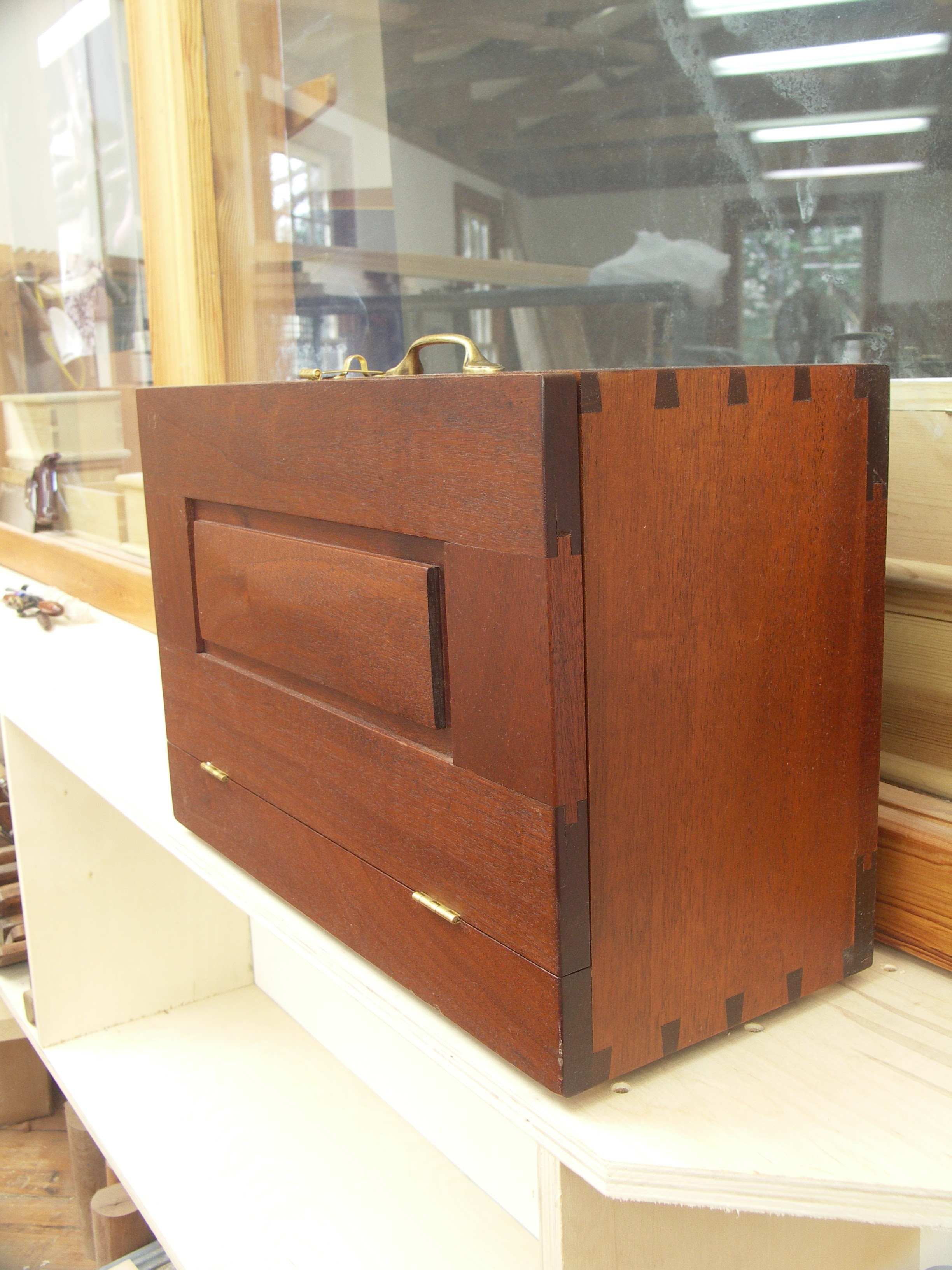
I often find that the small and ordinary can take on the large to become more than extraordinary. My toolbox here is one I designed and developed and perfected to displace the plywood-skinned versions that cropped up around the Second World War up until say the 1980s where and when the general demise in the use of hand tools and the need of them in joinery and woodworking declined at the most rapid rate ever in history. Their exponential abandonment had a devastating impact on my world of working wood and the way I perceived its value to me and others. This was the equivalent of what I see today with the loss of animal species, plant life and wild environs where they once thrived. Wrought by the embracement of so-called power equipment and what people professed to be the 'progressive way forward for all', I found myself lamenting the loss almost before my woodworking life had even got a foothold. Especially was this so in the realms of DIY and home or amateur/hobby woodworking. I found myself almost panicking for breath at the thought. Subsequent to this I found myself striving all the more to use mainly hand tools. When others said why this or that old way related to my life I saw that I had a great and worthwhile quest ahead of me; I discovered an untapped resource and an audience that not only listened but truly understood. Believe it or not, I found that most woodworkers loved the concept of learning old skills new to them and that they were the more than willing to develop the skilled handwork I speak of. Rather than solely relying on machining wood from beginning to end, they wanted the deeper satisfaction of making everything from the dovetails to the mortise and tenons and then too the planing and the sawing and beyond that the skills of sharpening planes, saws and chisels.
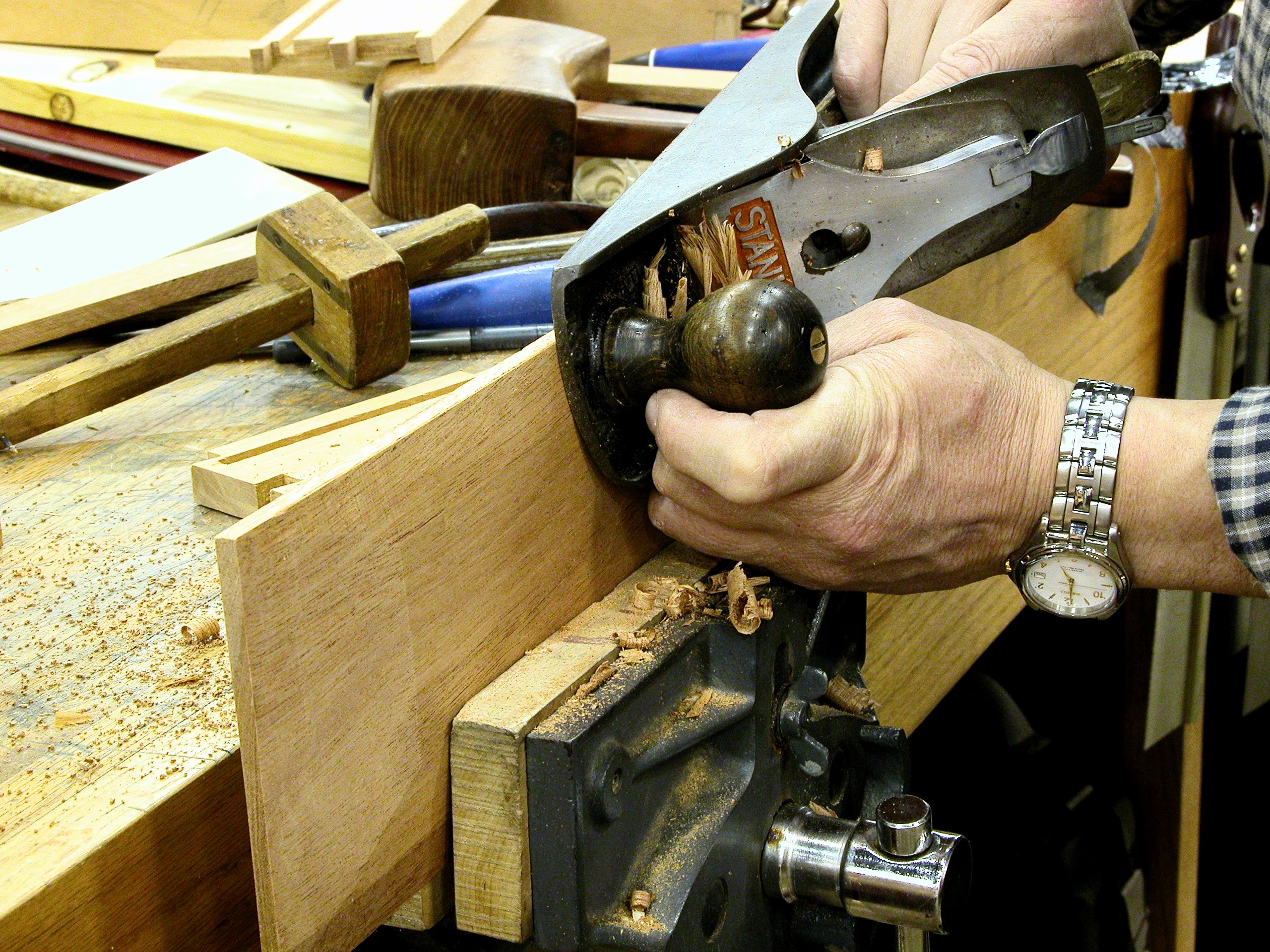
They actually had not believed that they could do it. I was now discovering that my real audience was not the so-called professional woodworker but the amateur searching for greater levels of fulfillment. I knew then, as a result of this, that I could and would influence change. My background earning my living as a working artisan for over half a century enabled me to write and develop new and as yet unwritten curriculum according to my experience. It was this then that paved the way for change. Subsequent teaching to those seeking this way of working, I was able to write also according to feedback I would receive from thousands of students going through my hands-on classes. This is why I am excited about how we progress this alongside making the new pieces for the houseful of furniture we have paced ourselves for over the next five years.
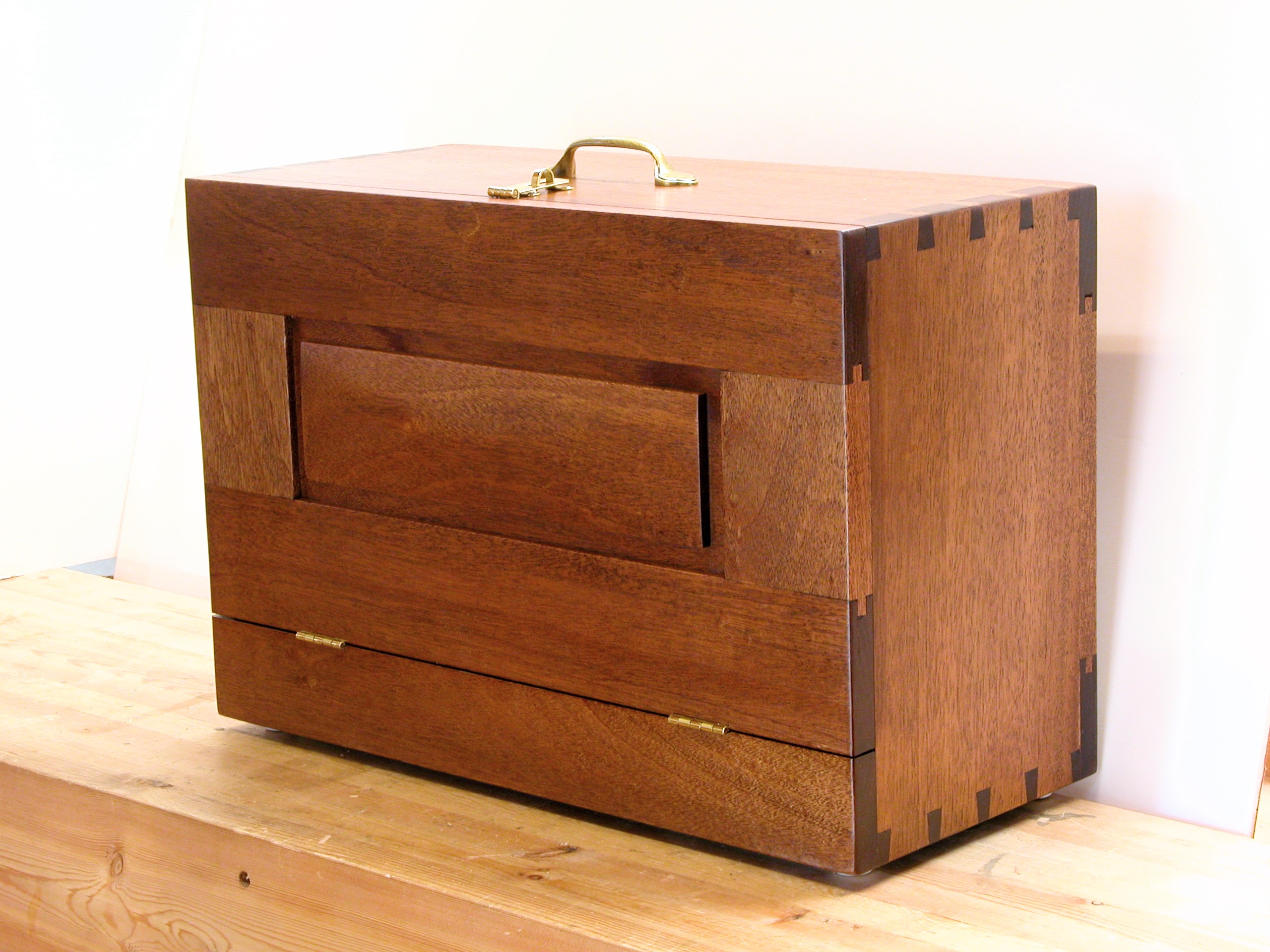
I am about to start the small Joiner's toolbox which is readily scaleable for the full-size version that I used for decades too. The methods of construction are identical.
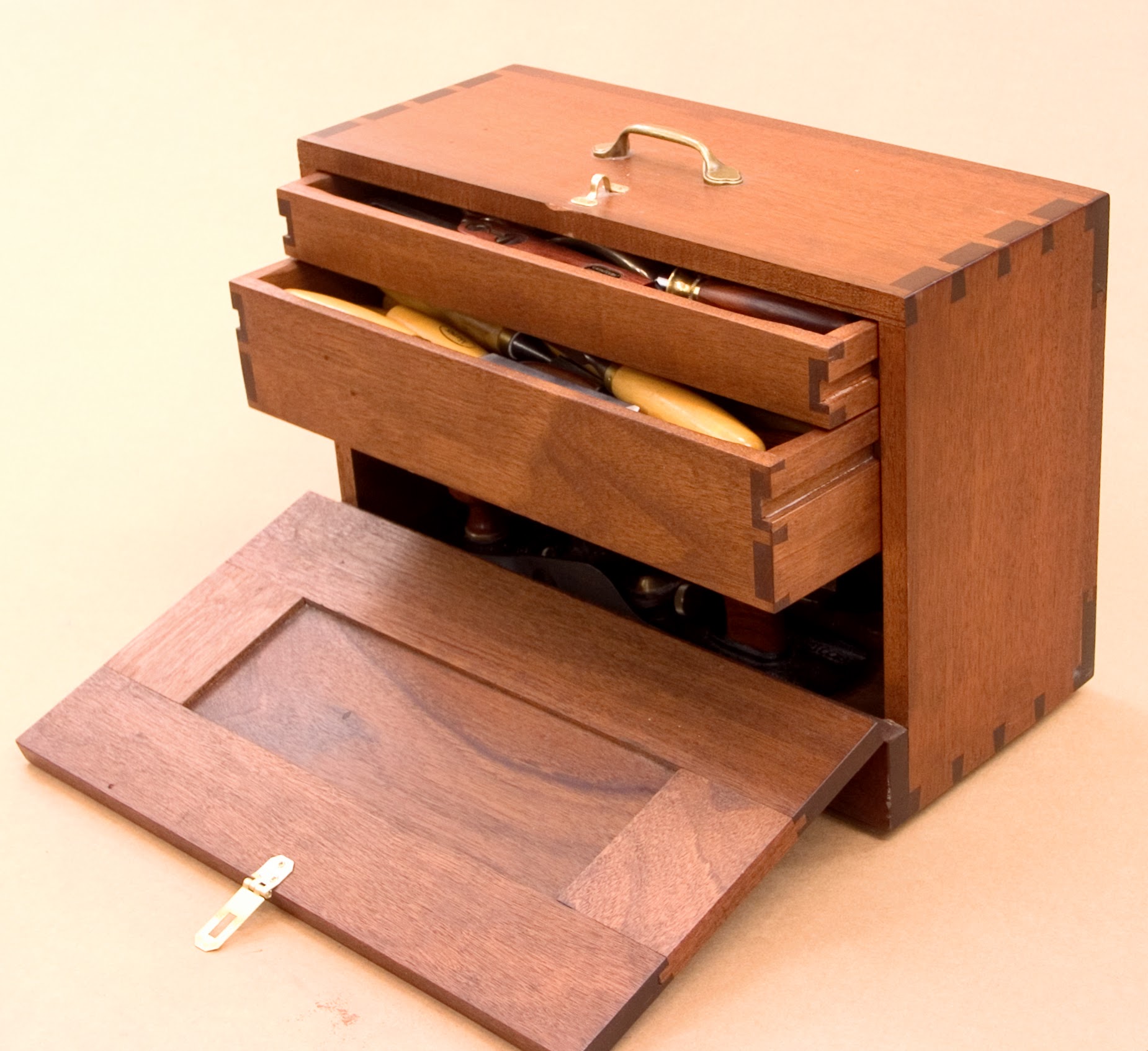
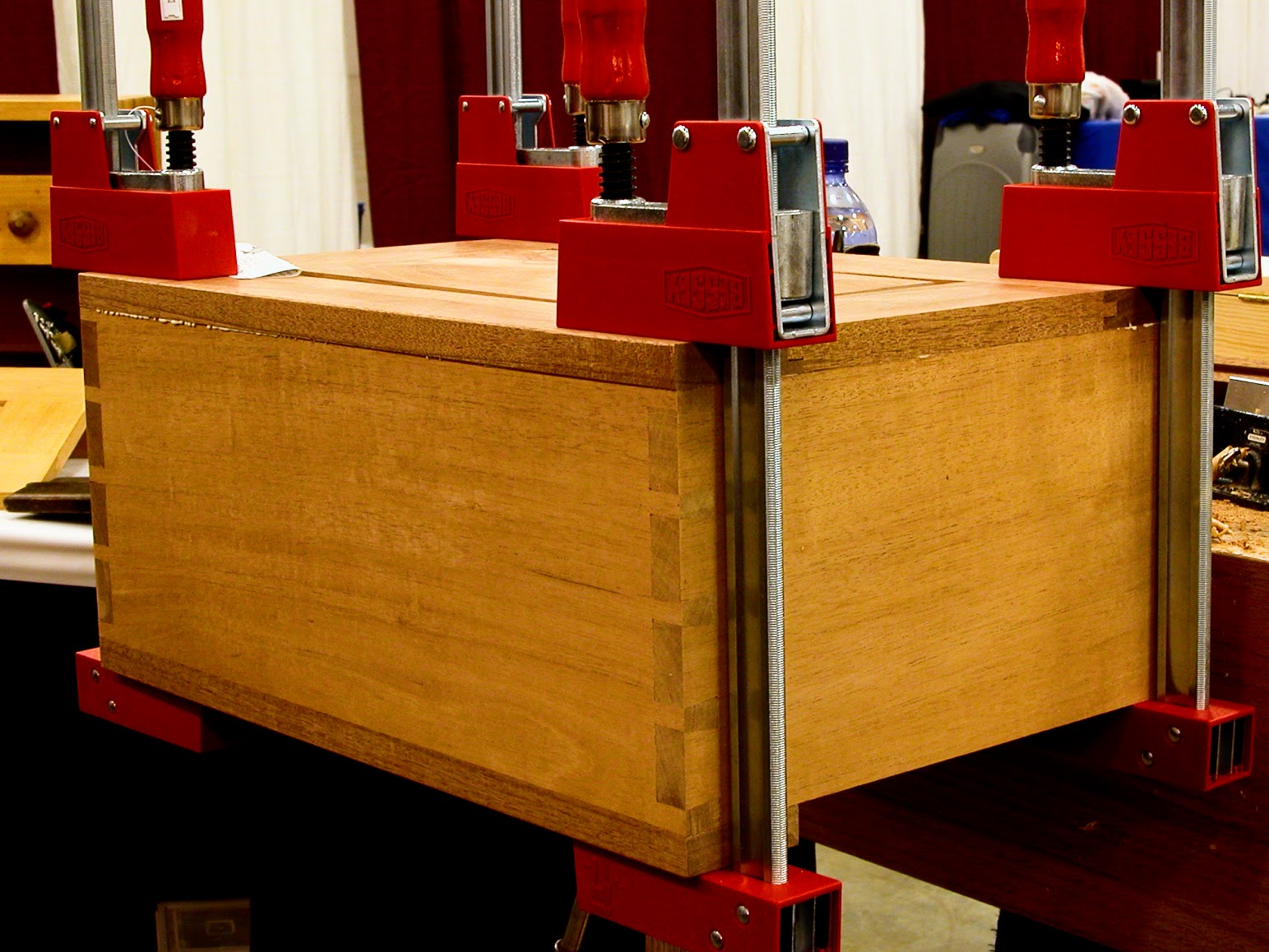
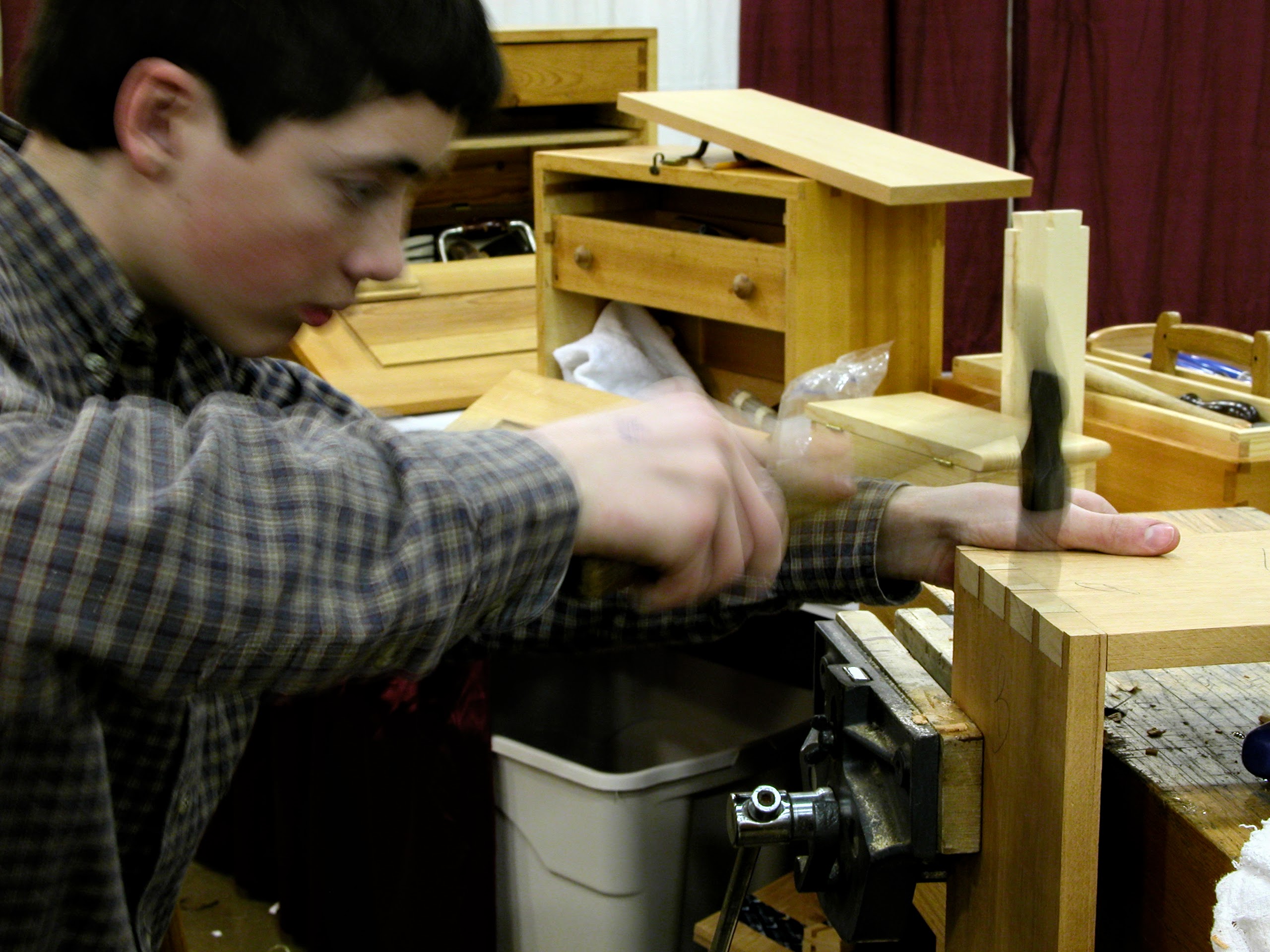
Many of you asked about this possibility after my recent blog describing my trip with Joseph and making one as we worked a three-day woodworking show in Tulsa, Oklahoma. We felt it would be of great value for anyone learning case construction because it includes dovetailing carcasses, door and panel making, drawer construction and fitting and then recessed hinging. This piece is also a compact project which lowers costs, work time and space for making. I actually wrote this piece for a US woodworking magazine around 12 years or so ago for which I was paid but it was never published. This is now to be published as one of the early manuals I spoke of working on between 1995 and 2009.
The significance of my publishing these books is the progression of my early work and the then hope I had that I might in some small but significant way change the way people thought about hand tool work. Here, on the other side of this curriculum, I live in the reality that I did indeed reach a massive audience. Realistically and conservatively, my audience comes from many platforms including my own websites. Over a given 28-day period, my YouTube channel receives around a million views with 388.800 unique views, which means each viewer watches about 3 videos a month. My blog has 101,000 active users per 28 days also. Instagram, Facebook and TikTok create audiences in the tens of thousands and I never advertise with nor do I take direct sponsorship from suppliers. For greater transparency, you can see my disclaimer here.
I will make two of the toolboxes, all being well. I have picked out my wood for both. One of the boxes will be made from vintage mahogany and here are my pieces of wood in the rough so to speak.
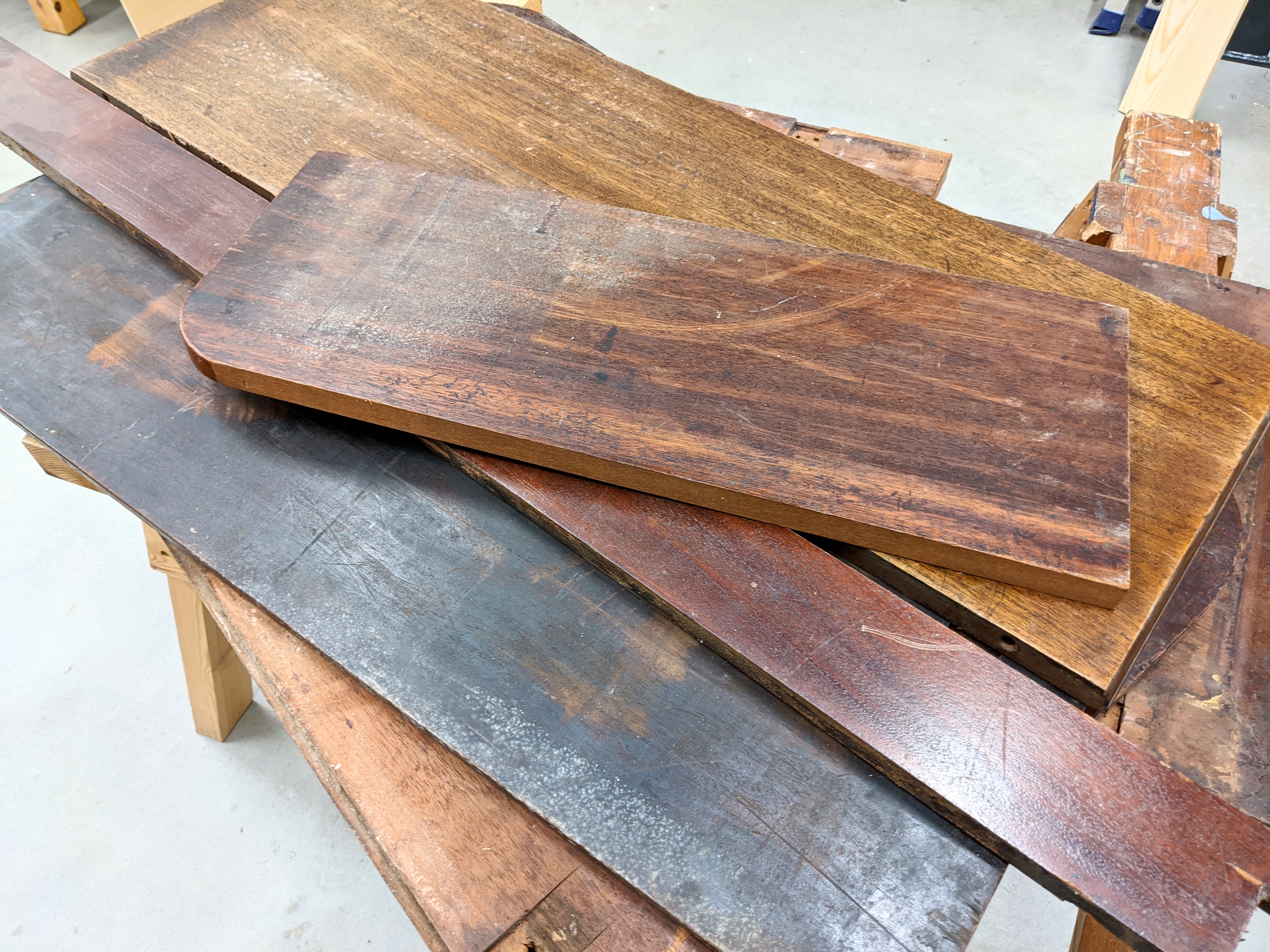
This toolbox will be for a giveaway but I have yet to work this through. For the second one, I am thinking possibly quarter-sawn oak with another wood as a contrast. Confirmation will come to me with more clarity as I work the wood. I had thought about making the two with each being a sort of reverse of the other, mahogany frames and the oak panels and then oak frames and mahogany panels. I am unsettled but will soon decide.
Comments ()