
Heard it Said...
...90% of woodworking is knowing how to fix your mistakes.
When a man starts working wood to live off what he earns, making becomes a resource to others. This is mostly because what he makes improves the life of another in some way, large or small. Being a solution is the way of life to the artisan and he and she is the vehicle through which the solution arrives. What I have enjoyed about wood is its predictable unpredictability. Just when you think you understand it, it seems apt to change its reliability. Here again, the artisan becomes the solution in that as soon as a problem presents itself, the maker seems unable to ignore the possibility and probability that he will become the solution. I say 'he' because I can only speak from my own perspective as a man having worked for a lifetime with men in what has been a male-dominated craft. That being the case, and having seen so little change in my 55 years, I am not sure whether I personally will see much change evidence over the remaining years of my life. Even though I have tried to enhance the future of woodworking as a non gender-specific craft it seems more apt to remain a male dominant craft even though I know and have heard of no situation where women have been held back by anyone.
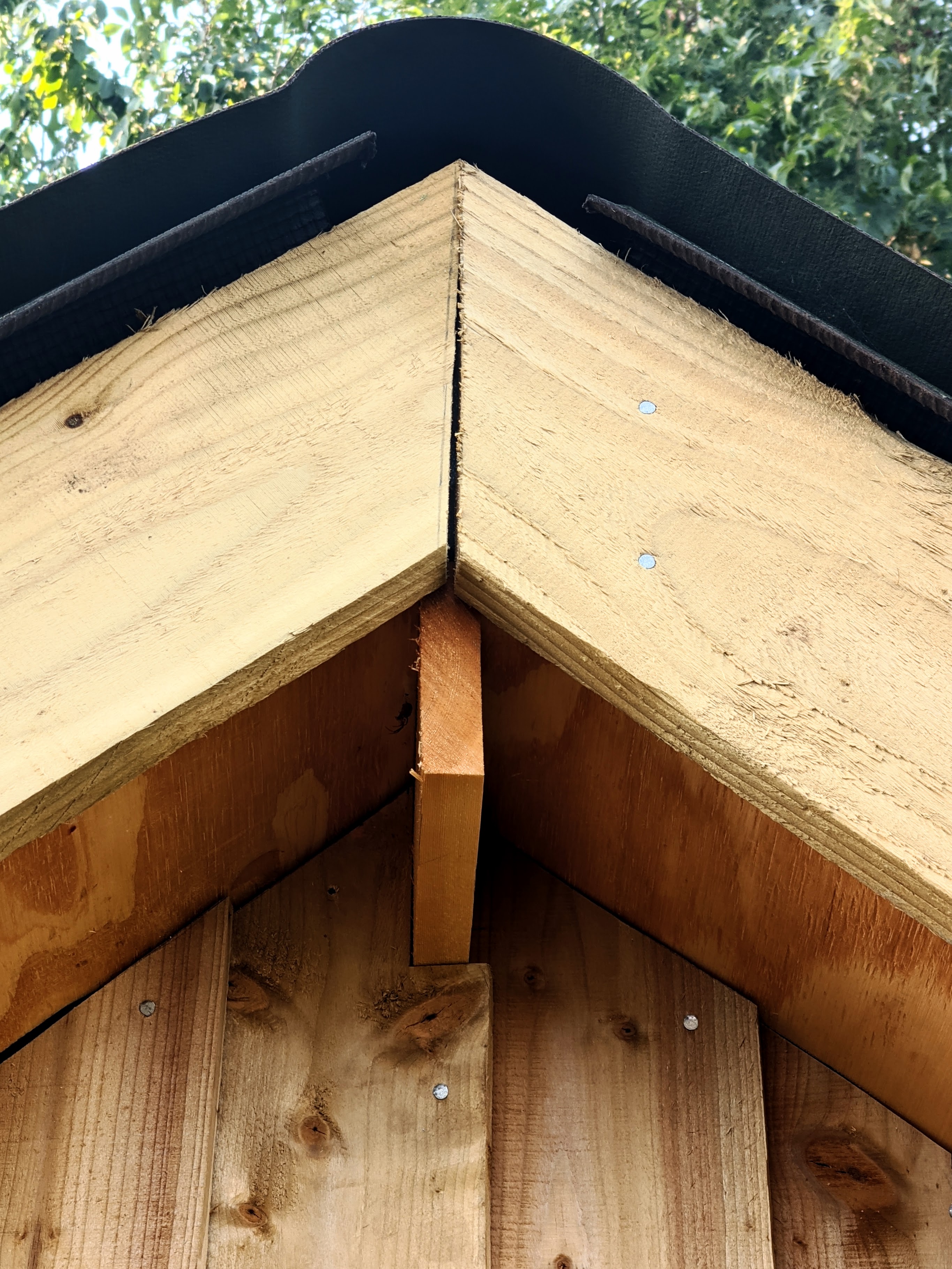
Minute by minute, wood keeps on presenting problems to me. It splits off with no pressure beyond the surrounding air that's still and quiet. It changes colour in places that were once totally balanced to become totally unbalanced. Joint lines perfected by shoulder planes and chisel cuts gape open for no apparent reason and then that smooth and smoothed surface develops a texture like a vintage washboard.
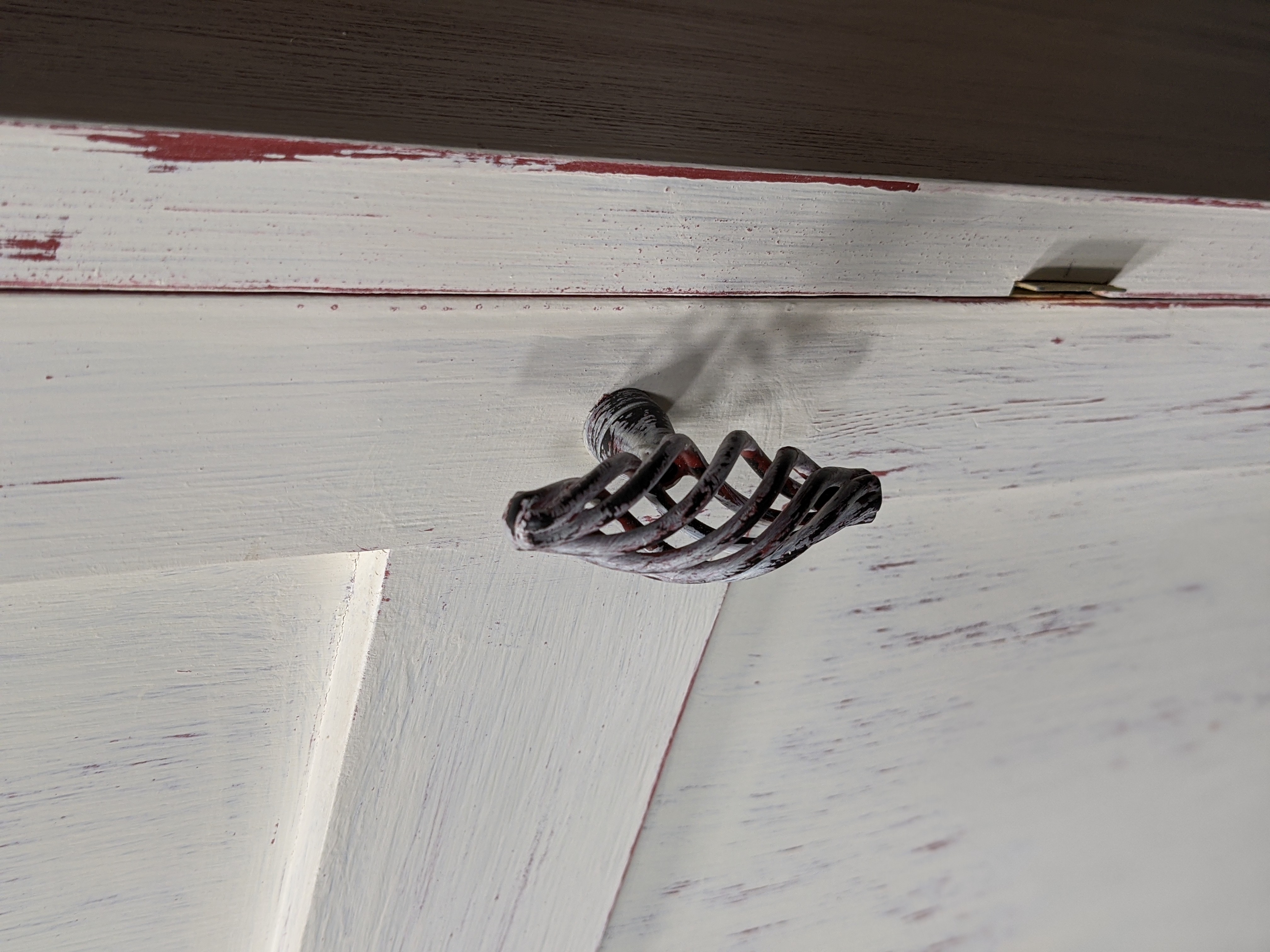
I recently made a cabinet that had an even gap a penny thickness all the way around and when I painted it with a water-based paint the gap closed up completely. The natural solution was to plane to refit and then repaint. I didn't. I just left it overnight and the next day the door had shrunk back to its former perfection plus a couple of thou'.
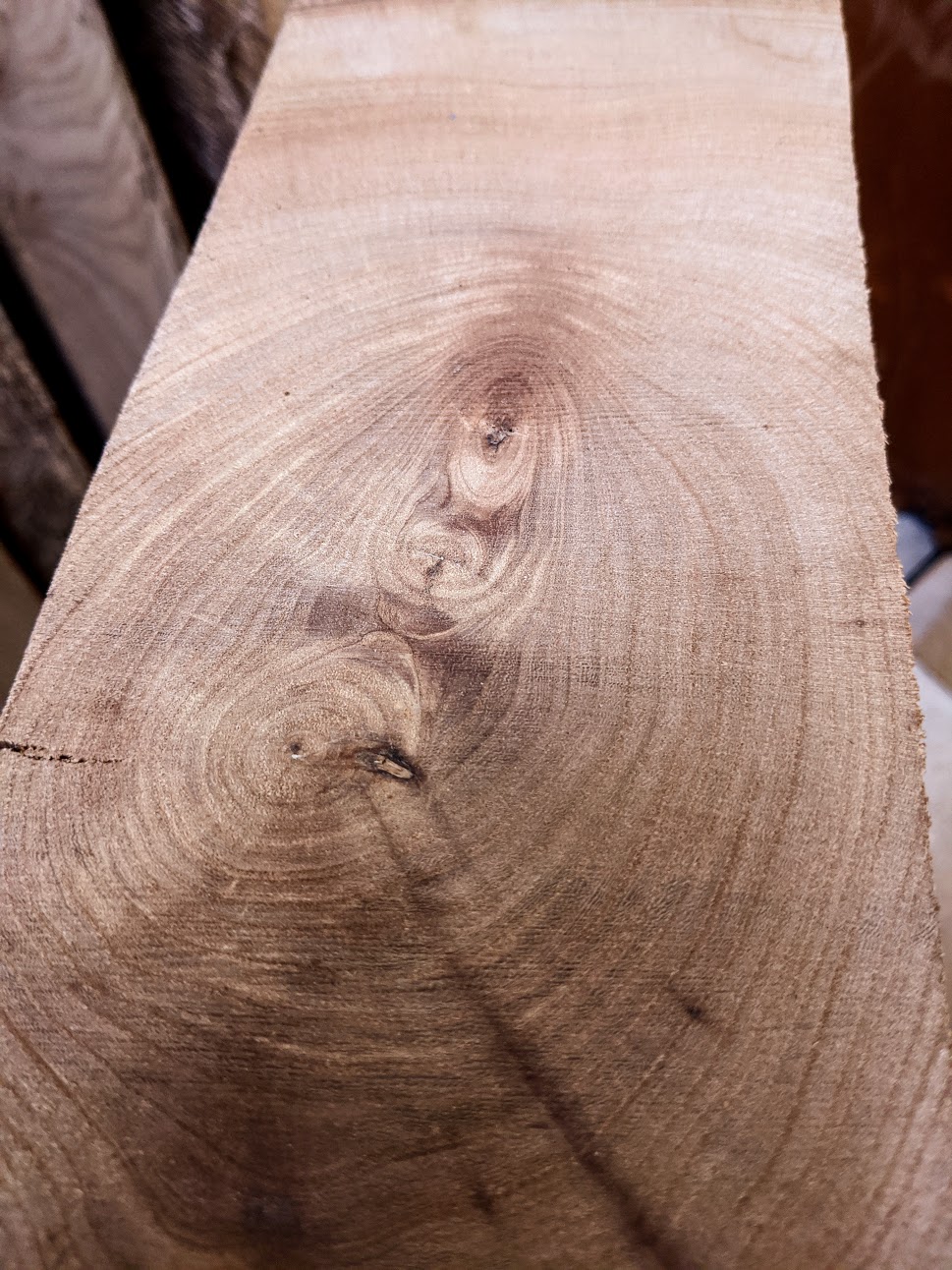
Woodworkers often say that 90% of woodworking is knowing how to fix your mistakes. The issue for me is this! When you pick up a mallet and chisel to chop a section of wood, do you at that point 'become' a wood worker? Well, the answer really is a resounding no! What you became was a person who worked some wood. But if you intend to go beyond this chiseling session to make a part of your life include woodworking regularly then as soon as you picked up the chisel and mallet, yes, you became a woodworker, albeit an inexperienced one. It's at this point you begin learning what you can and cannot do with that chisel and mallet. You began learning what you could and could not do with wood. Someone asked recently whether they could glue two outer boards to an inner one to stabilise the tabletop. The answer was, of course, yes! The next question was could this questioner orient the grain at 90-degrees to the other two? The answer again was yes, but with the caveat that what was intended to stabilise the tabletop would now destabilize it and the result would likely be three separated sections of wood with some splitting and differences in thickness. You move to the plane and the handsaw and then the spokeshave. Here, your education begins. The wood splits somewhere and you realise that you need to fix some mistakes. The biggest mistake is the assumptions you have. The assumption that wood can be simply glued according to your own whim can look great for a few days, but soon the wood cannot move, will move and will warp and split. You have already given it away, sold it or whatever and your reputation is on the line. Such faults do not somehow disappear with your internal mental-delete button and no remedial action can correct the great forces of resistance. Surely archaic practices by primitives who knew not the computer era in digital realms could not know more than a college graduate! Well, they knew masses that we we know nothing of. I have seen many a student take a huge mallet and pound a tenon into a mortise only to see and hear great cracks appear.How can this be?
I say all of the above to say that you do not continue fixing the same mistakes over and over and you will indeed make fewer and fewer as you grow in your craft. And you do learn how to fix things too, that bit is true. I would just hate for anyone to think that they might be making mistakes for ever, that's all.
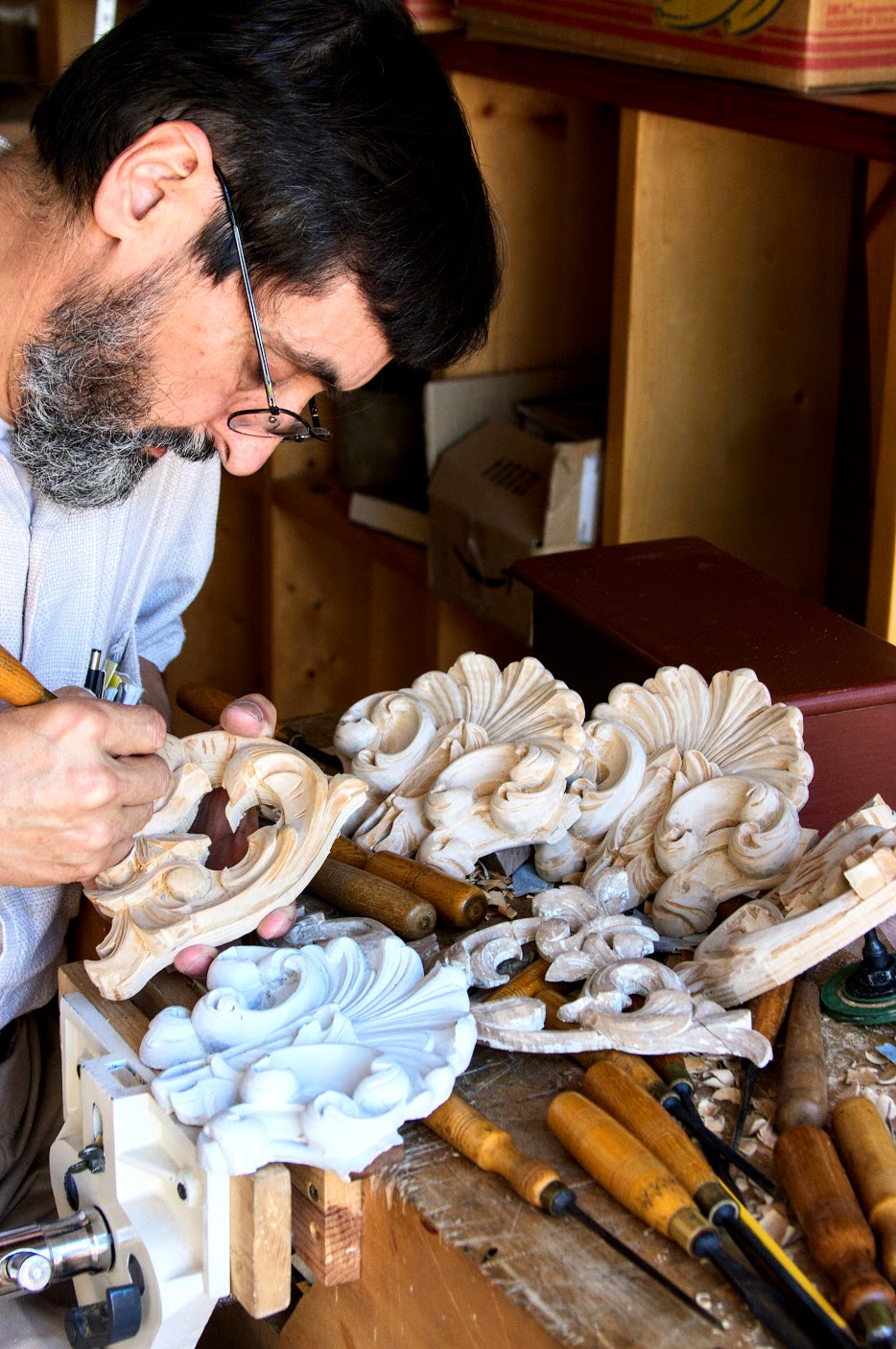
As I have grown in experience I make fewer mistakes. That all too common phrase, "90% of woodworking is knowing how to fix your mistakes!" remains ridiculous, at least for the main part. The assumption is that you will always be making mistakes. Mistakes on a continuing basis, especially the same ones over and over, usually result from insensitivities in individuals who might well be, well, less sensitive to key areas of working than others are. Mental and physical attitudes affect the way we work. I watch the slight build of a woman woodworker working with her tenon saw and she guides with perfect adjustment in anticipation of obstruction. Another takes the full-bodied weight of shoulder mass and shoves the saw mercilessly into the wood and achieves a cut that looks like a rat chewed its way through. One needs corrective surgery and part replacement and the other none. A man in my class refused to anchor his work in the vise after frequent warnings of the danger he was to himself. Ultimately the wood slipped and he ran a super sharp chisel across the back of each of his fingers and the blood was amazingly quantitative. Many stitches and two hours later he returned with an inability to continue the course. The mistake was fixed by surgery work but not at all without great cost.
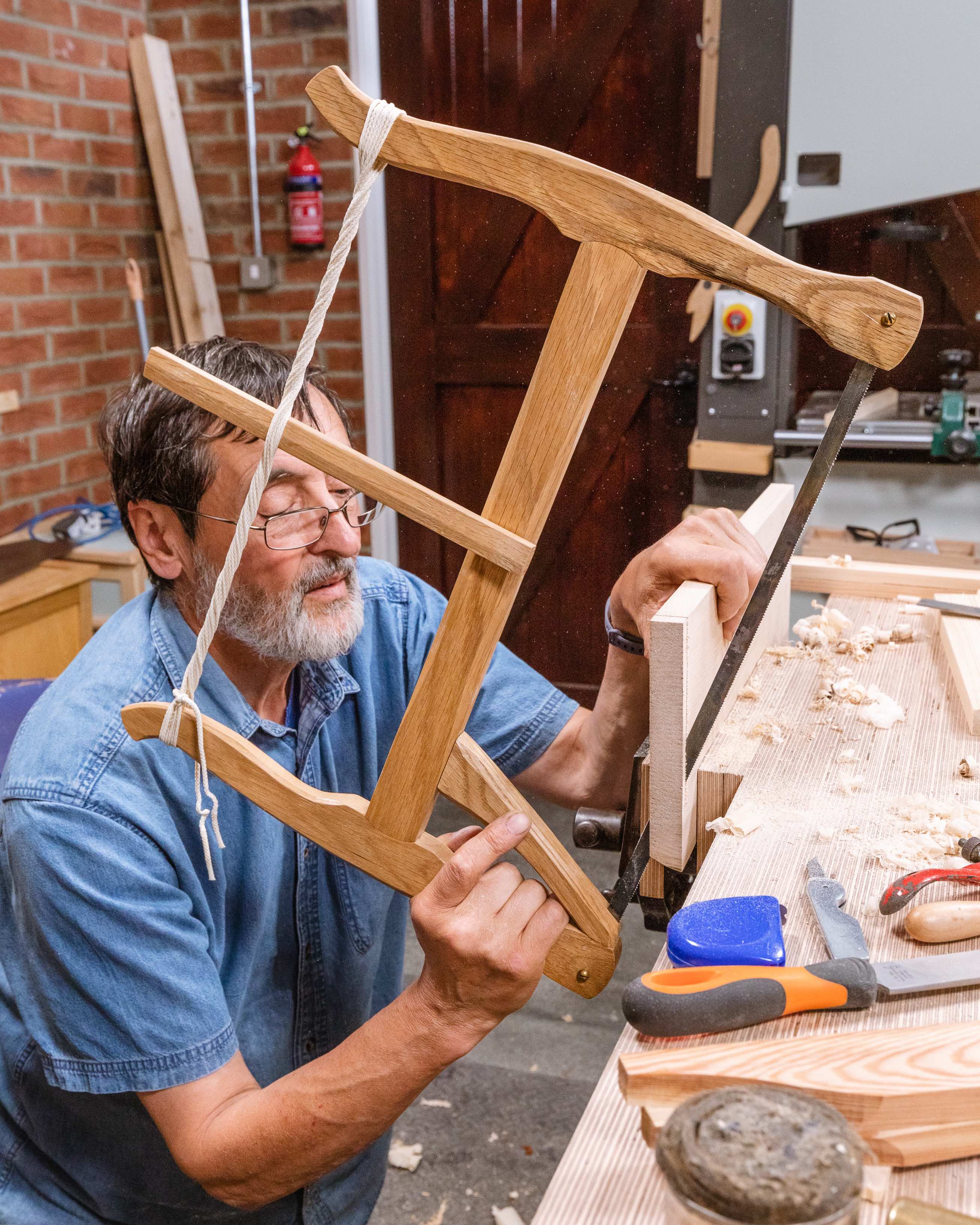
So in reality it's not true at all. 90% of woodworking is fixing mistakes for the rest of your woodworking life but adjusting from the inexperience level to the experienced, where you begin anticipating the probabilities that something could and will often go wrong if you don't do this or do that. Experience tells you what to expect and you taker precautions to ensure a good outcome.
Before beginning any project, I think through every stage to anticipate what will happen at the various junctures. I divide the passage if making into subassemblies. I rely on my now built-in radar experience in the way we all do in every aspect of life. If I were to continue to repair my mistakes with my driving or riding my bike, and all others did the same, chaos would be the result in an already over-chaotic world. I rely on my experience then not to repair mistakes but to ensure I don't make them in the first place or at least minimise the possibities. So, will the glue-up work if I do this or that first? A small question ahead of time with big consequences later on whilst in the process. Judicious planning obviates most if not all of the potential problems
Again it's less to do with you and more to do with the wood. Learning how to fix your mistakes is just a cute saying. Most woodworkers learn the important stuff early on. I think it's more a sloppy catchall and cover-up as are many other terms used throughout the woodworking world. I prefer things to be just plainly stated. Another bed partner to this is the one where someone said to someone, "I've been working so hard!" and the listener said, "Don't work hard, work smart!" Well, why not work hard, diligently, and, well, smart too?
Comments ()