
Relax! The Art in Craft is Flex!
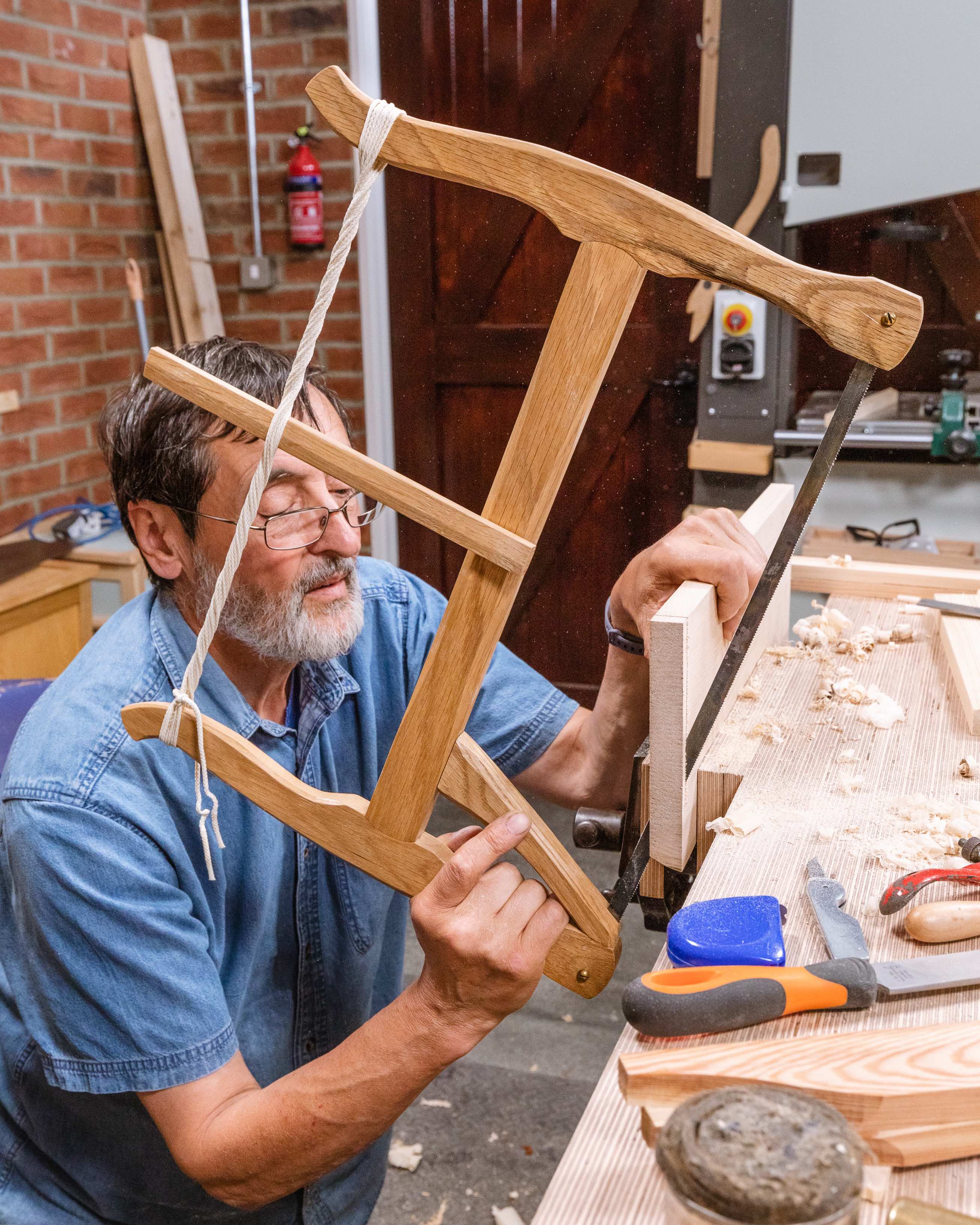
The art in all crafts is more about our ability to flex in the moment and the motion of working according to sensitivities we were born with or that were developed through rote persistence to master our work and working. Rigidity rules doesn't work too well for us, we must relax into most tasks and cuts and strokes.
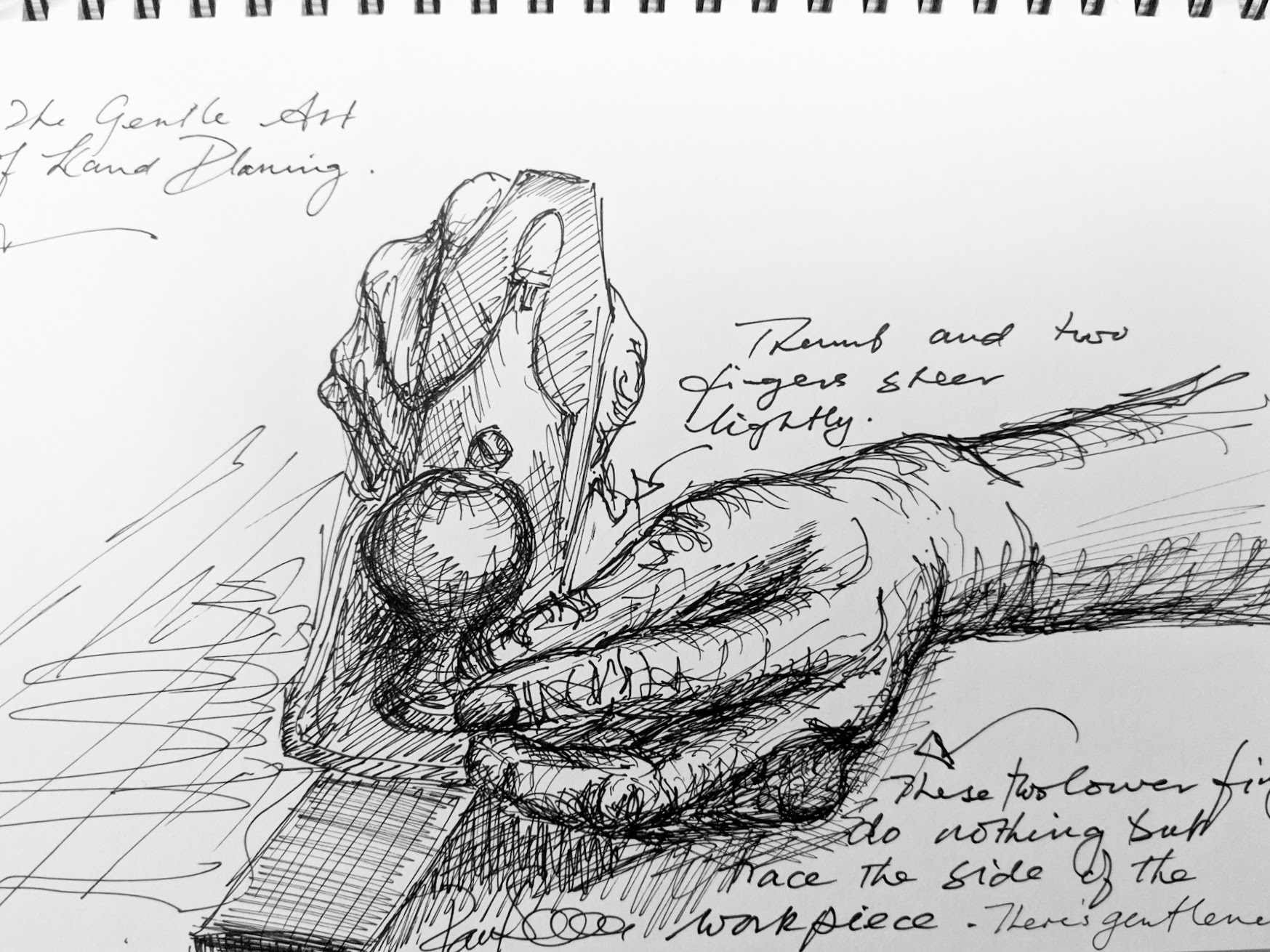
Rigid rules and rigidness in the use of tools of all the tools and materials we work with rarely if ever cut it as it should if you see what I mean. Just as new drivers often overcorrect or understeer or oversteer, new woodworkers (and many a seasoned one too) often think that muscling the tools in a locked body like a weightlifter under the weights is the answer. It's not!. Just when we think holding firm and forcefully will expedite the exact action we want, we artisans, through years and decades of practice, know that we must relax to a level of firmness only we can measure and feel from within the core of our being. Using saws and planes, marking gauges, knives and chisels, demands that we work sensitively to apprehend the feedback coming through the tools from the very cutting edges and points on the wood to the senses that govern (or should be) what we do.
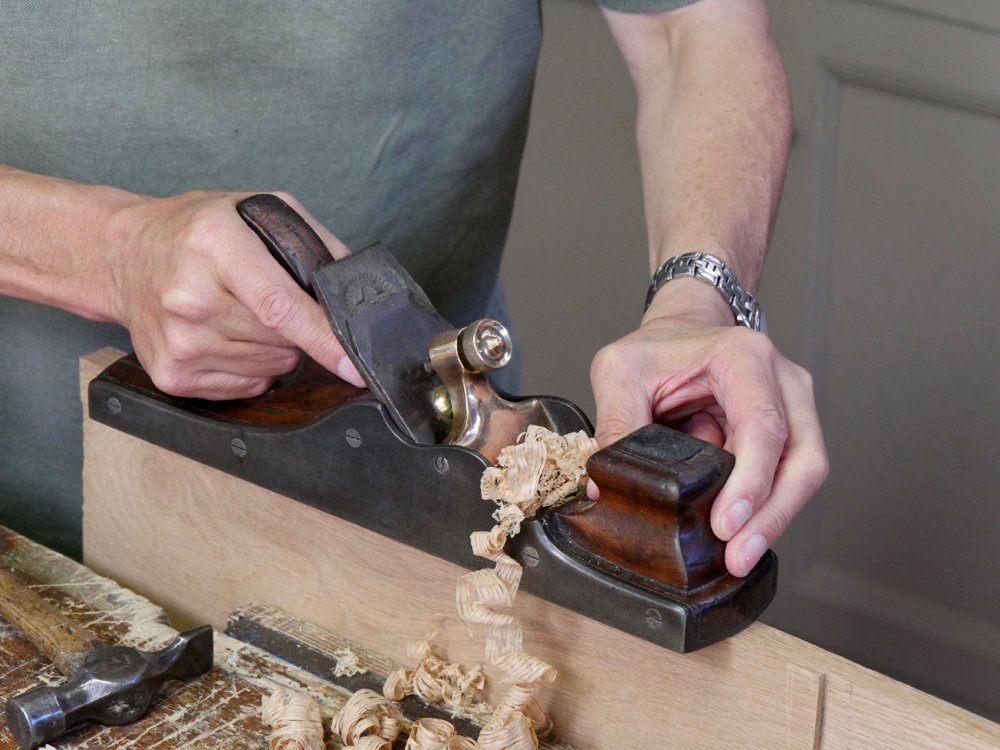
Minute shifts, often the most very minute ones, enable us to engage in our work with levels of accuracy even we ourselves cannot quite understand. I learned this early on in my worklife and found confirmation through those I was trying to help to learn my craft. I have studied all types of craftwork throughout my life. Work alongside a truly gifted blacksmith for any length of time and you might just glimpse and understanding of what I mean. So too the weaver and spinner, the leatherworker and basket maker, potter, seamstress and a thousand more. I have written on these subjects at different times, worked to develop curriculum to capture patterns of work and such with those who found writing awkward, difficult and impossible. They too, like me, learned the importance of flexing to work accurately, learned to release stress and tension by breathing in and out at just the right time before making the next move. If you know how to shoot, be that with a camera or a firearm, you know exactly the right flex you need.
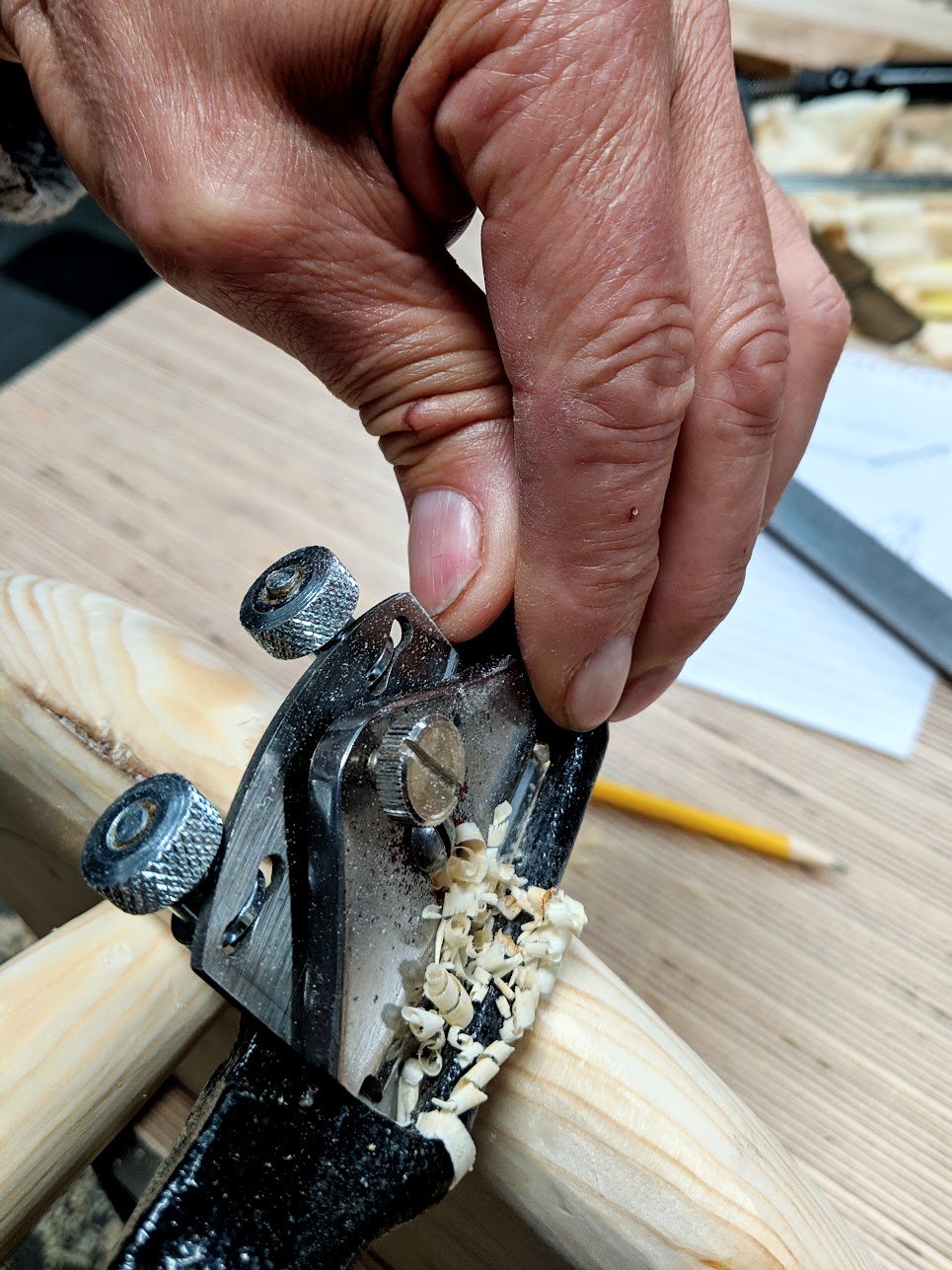
Take a man new to a cross pein hammer and unused to hammering and he'll strike with hammer blows so rigid he'll be worn out in half an hour. Furthermore, the hammer marks (hammer ash) surrounding the intended target signifies the intensity of someone who's more fearful of losing something and rarely exemplifying success. Hammer ash is the unintended marking of the material where, like darts surrounding the bullseye, rigidity resulted in misstrikes all around the target. It's true of new carpenters hand driving nails for the first time and watch how often their rigidity negates the hammer from actually hitting the nail anyway. Look around the nail to the wood and the hammer marks are scattered like confetti. A weaver feels for the pressure on the beater bar to get the rows evenly spaced and to a consistent tension that leaves the weaving at ease within the interwoven threads twixt weft and warp. Without flex, the leatherworker finds gathers she cannot get rid of after the stitching along a row is done and so must go back in to loosen her rigidity until she has absorbed some of the intensity in the early stitches. The shoulder part of a cowhide is different than the rump and the belly hide. A skilled leatherworker understands this and micro adjusts as the leather stretches on one part to interrelate to another.
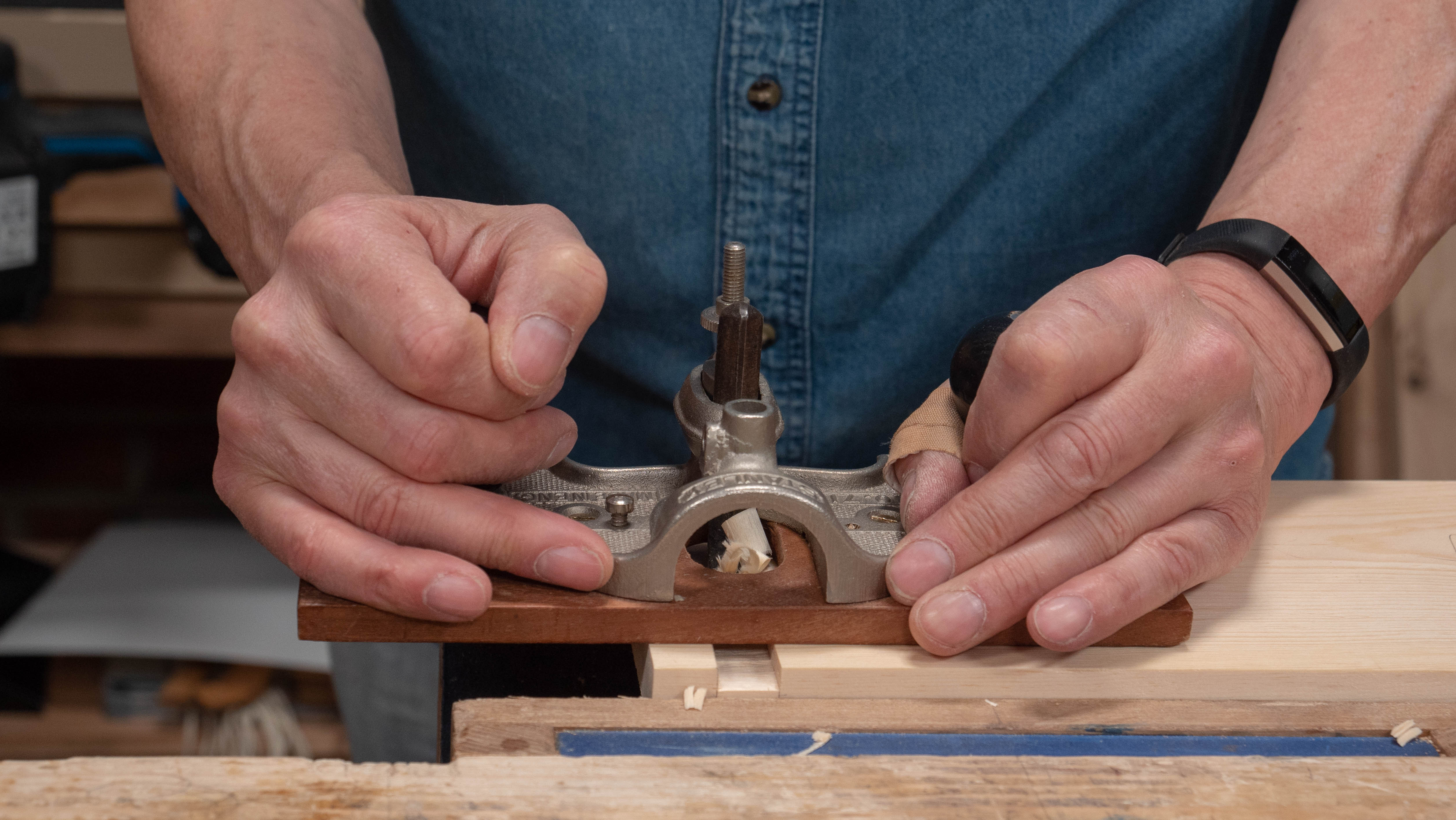
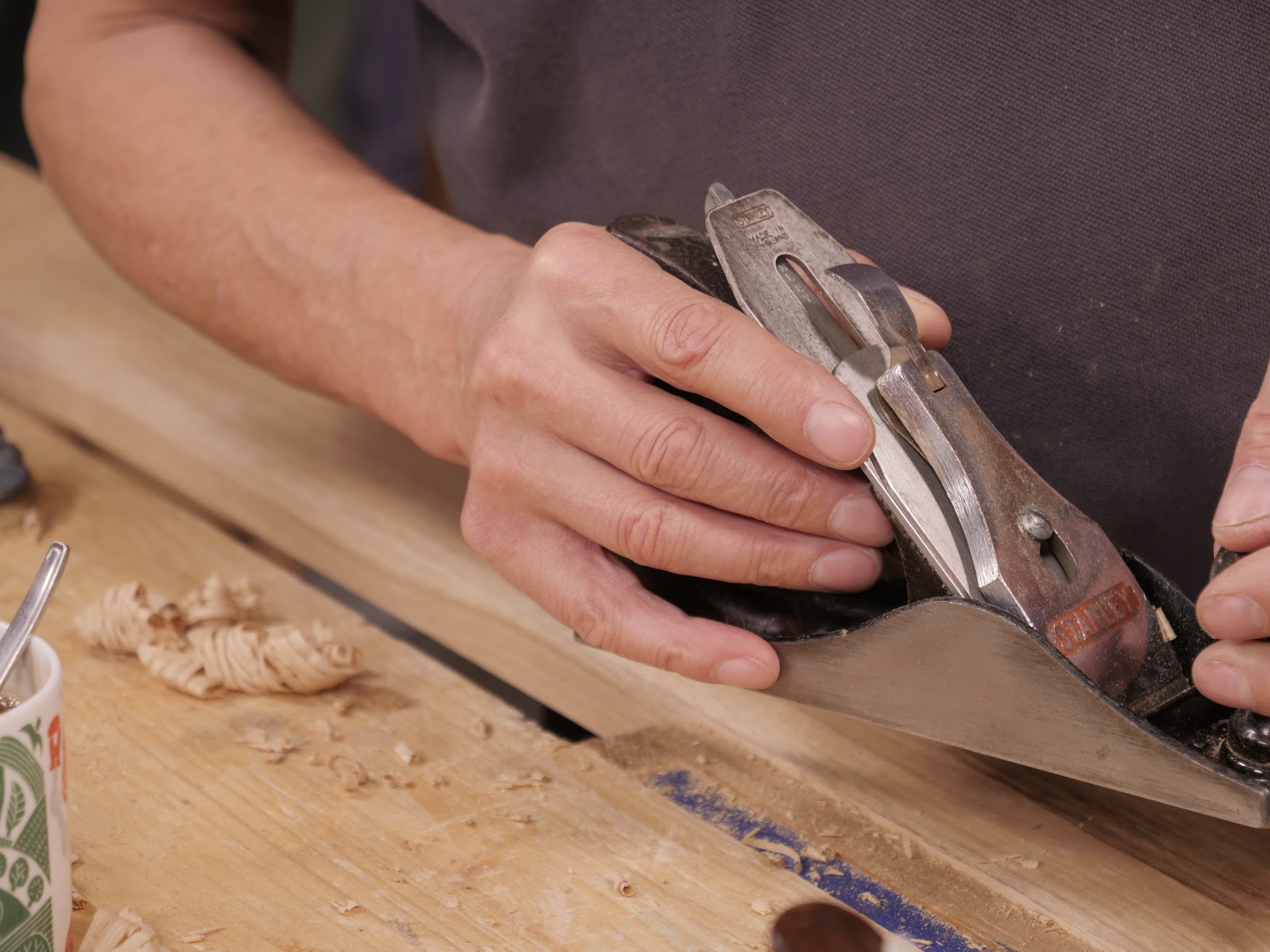
Locking-on in woodworking is often a disaster and an accident waiting to happen. How often did I see woodworkers new to my craft lock the plane and the saw into their hands in fear of losing the line they aim to reach. Relaxing into cuts, and especially successive strokes like in planing and sawing, is critical to the passage of cuts into and onto the work. Being a crafting artisan is all about flex. Did I say that yet?
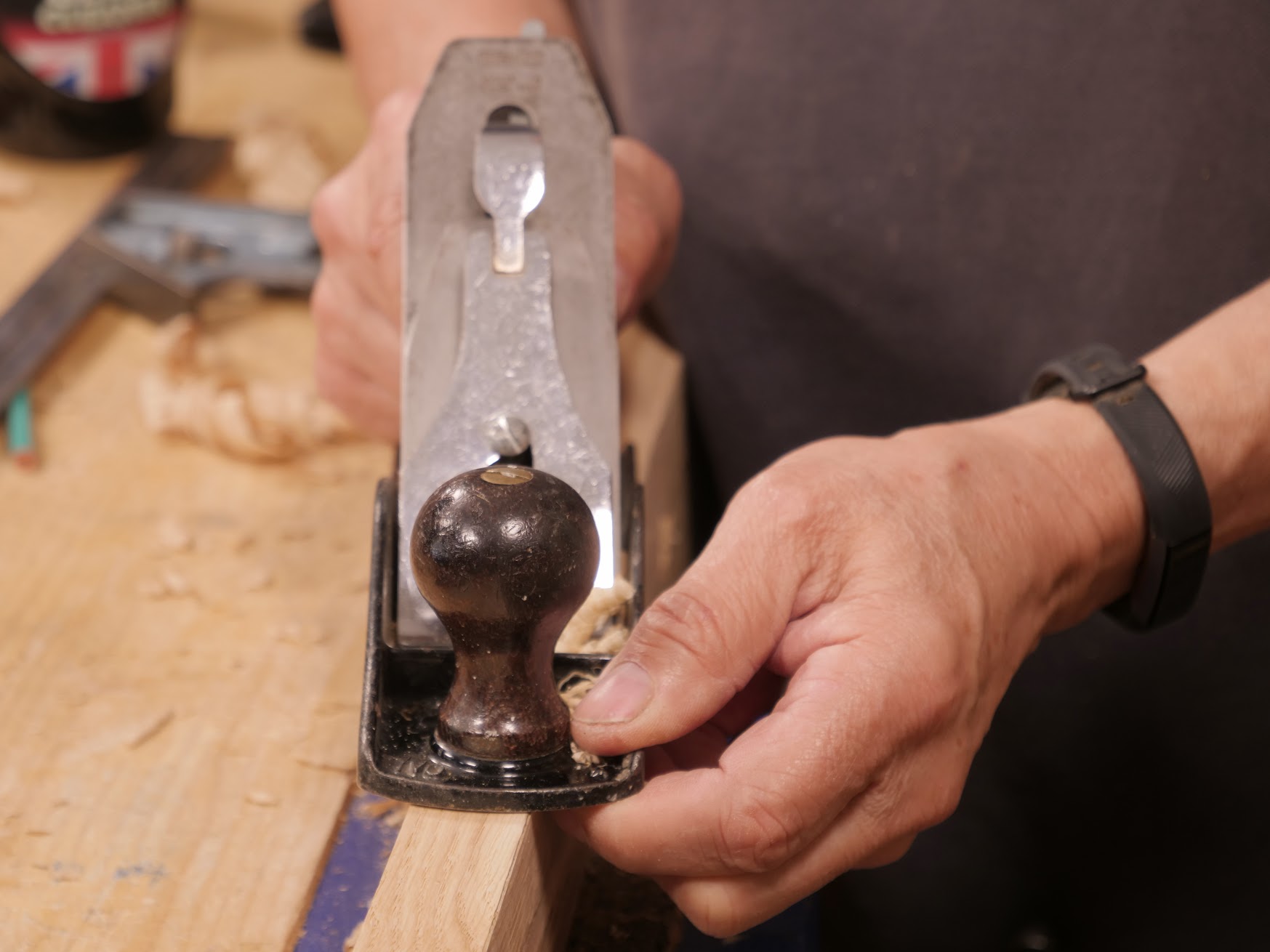
With flexibility in the hand, arm and all other linkage we use less muscle and indeed energy and the saw binds less and the plane stops skudding across the surface, simple! I loosen my wrist and move my fingers to cradle the handle often. The saw starts more to glide as I do this. Sliding into the cut with such grace and smoothness. I feel in synchrony now and my spirit lightens.
Comments ()