
Where My Wood Comes From
"Where do you get your wood from?" the man asked, as he wandered through the workshop, his eyes searching through the different colours for identity. My answer? "Well, anywhere and everywhere I can!" It was a truth I can now describe in a fullness many can't.
In some ways, I consider myself more an opportunist more than a planning seeker although I do plan my days, weeks and months for the many things I do too -- so I will always make the most of every opportunity, and that's the difference. I'm not much different to most woodworkers I've known through the years, but there is that unique percentage that seems always to fall on a deal or a bargain in wood-hunting that the ordinary guy never gets a look-in on. I tend to call it wood radar. As I walk, drive and ride I look, watch, wait and listen. Sensing is not like the water divining but a conscious and subconscious awareness for anything wood. Even the smell alone often tells me of the presence of different woods.
Over the years, you gradually develop a sort of sixth sense, an eye and an ear if you will for finding wood. Sometimes you seek out wood and in others, the wood seeks you out. Sometimes you come across a good deal and other times your good deal turns sour in a heartbeat. There are many elements to finding your wood and the wood-opportunist has a heightened awareness and sensitivity that aids his stocking up.
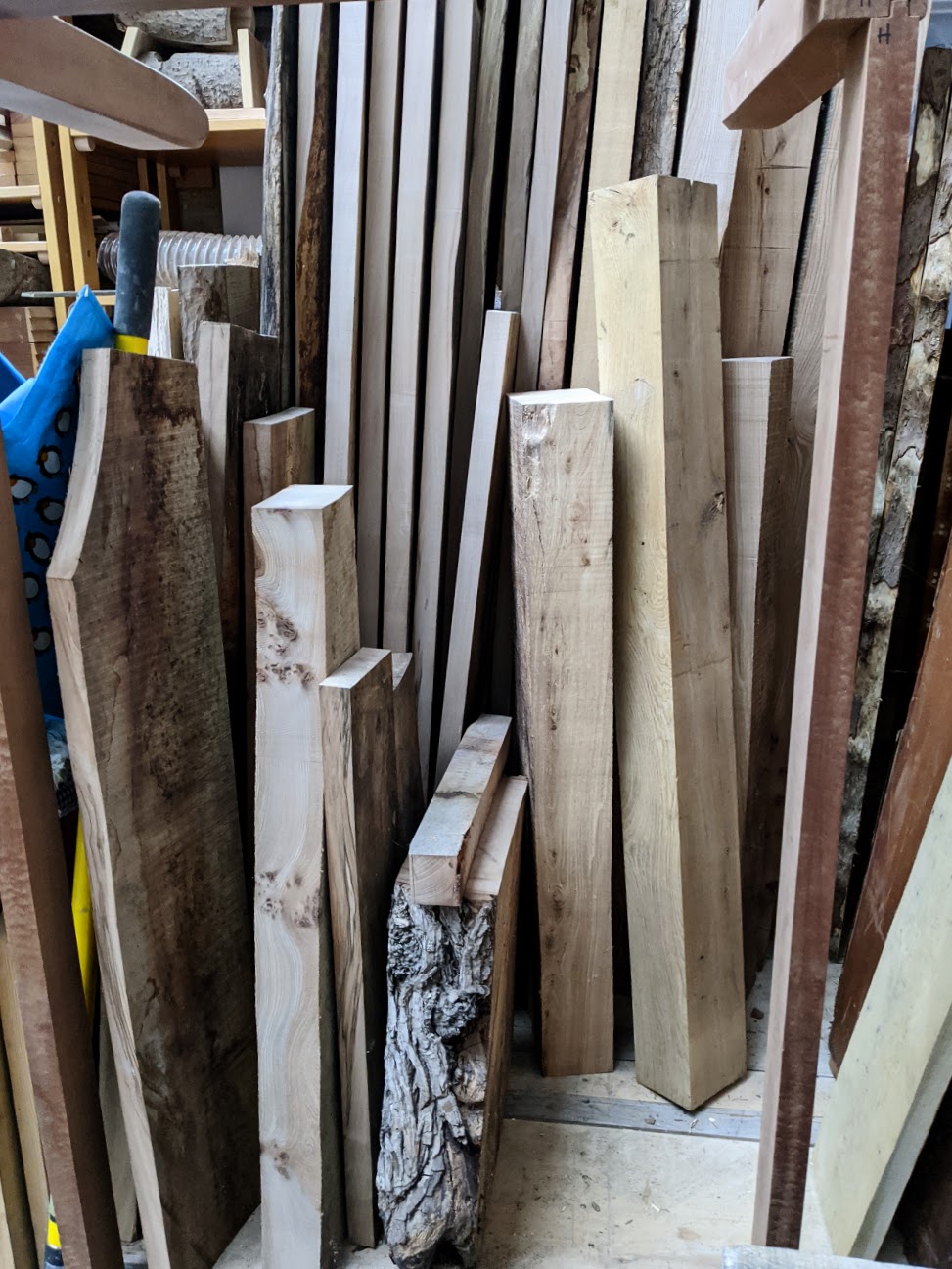
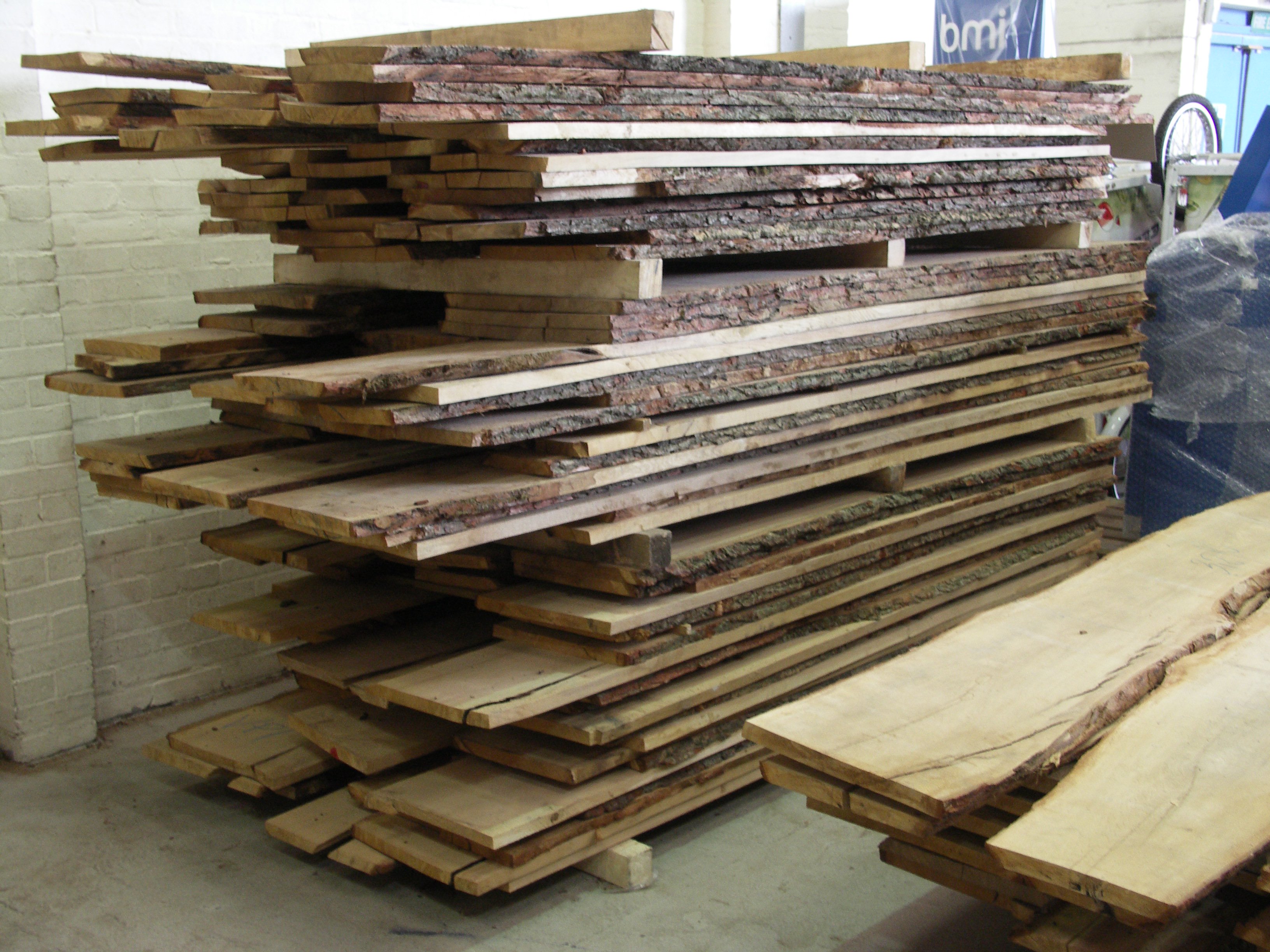
Between my leaving the UK in 1986 and returning in 2009 terms have come into being that at one time we would have said was a con. "Character oak" is a good example. Character oak is an oak board or section with a large amount of, well, character, it's true. In reality, it is wood that we would have once called unusable. The indescribable described this way seems to be more highly regarded and more highly priced than it would have been at one time. Knowing what you are buying is important. Sometimes, often, character wood is the most difficult wood to work and the most difficult to control. Occasionally, it can give decoration to a piece that might otherwise be too plain. Our creative juices flow when a wood comes with burrs and burls and whorls and other textures naturally occurring for us to work with. Generally, I think that it is fair to say we are looking for wood we can control. The odd knot, section of divergent grain, colour stray and such are acceptable. Wood with an even grain configuration, moderate colour changes and dry is the wood we want most.
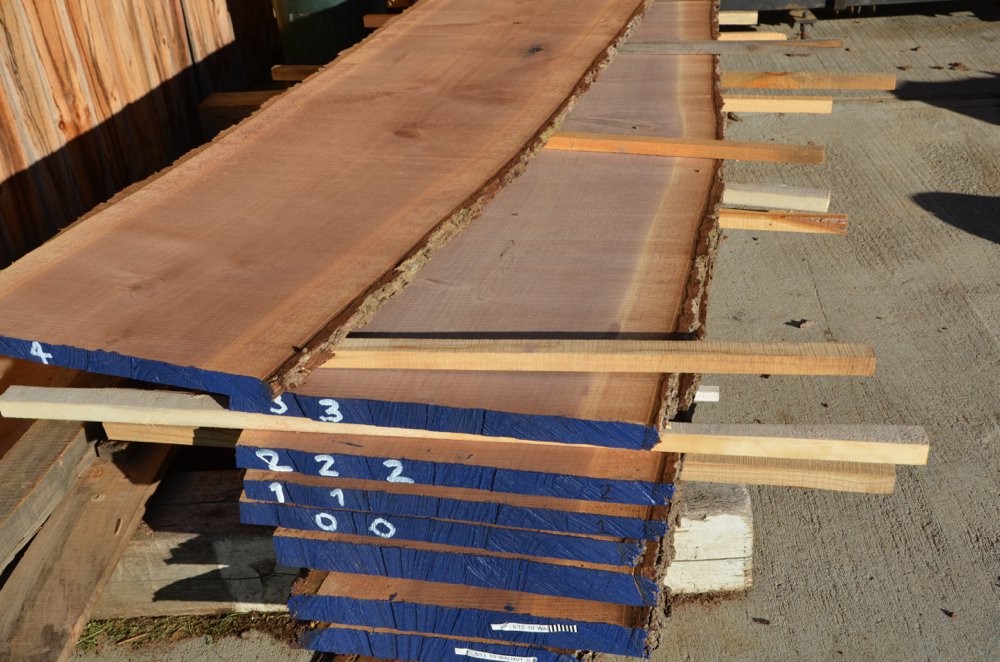
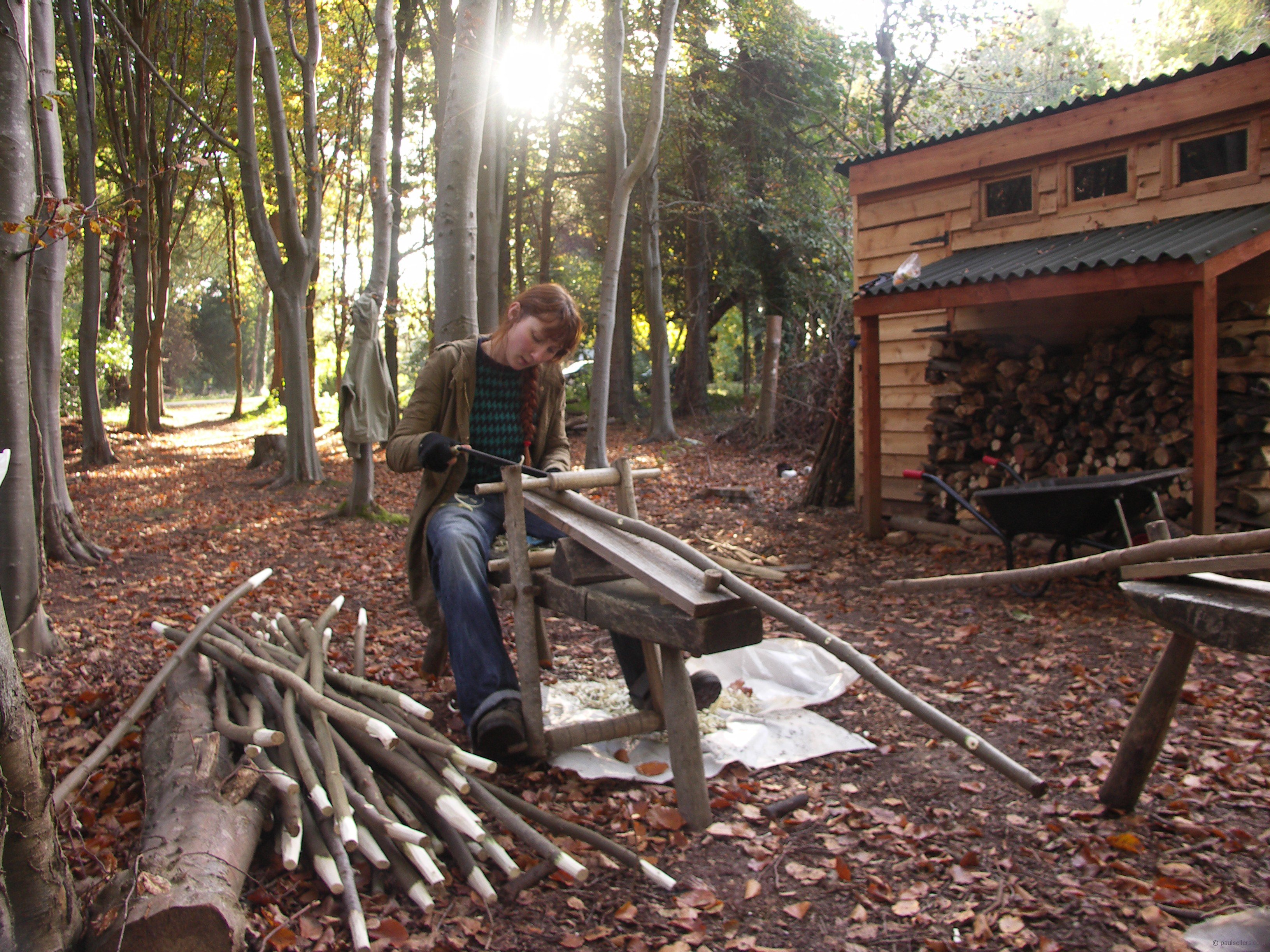
Green wood is the wood we take from the log stem freshly cut without any kind of curing or drying. We can get this wood for free or we can pay too much for it. I used to get calls from people who had a walnut or a mesquite that had come down on their property right next to the house. "You can have it for free if you'd like!" What I knew was that they had had a quote for a thousand dollars to have it removed. More of it was leaning dangerously close to the house they lived in. Leaning trees and US stick-frame homes can be a bad thing waiting to happen. I usually declined. These were often a job for those with the winches and cranes. That said, I have ended up with good wood this way, even though I needed to be patient before the wood was dried down enough to use.
When we made the White House pieces I had some highly figured mesquite I had gathered a few months before that I cut the edge-banding from. We were able to book-match every facet of the two opposite pieces now standing either side of the Cabinet Room leading the the Oval Office. Little did I know when I cut those trees that the wood take up so eminent a position. I had no idea.
Over the years we opportunists accumulate.Believe it or not I have twenty boards of mesquite 18" wide and 8' long that I have as yet nit found a use for. At age 70 I need to move on it. I have many woods I have not found a use for as yet and I realised this week for the very first time that there are always fewer and fewer tomorrows for everyone born on this earth. Come to 70 and reality hits!
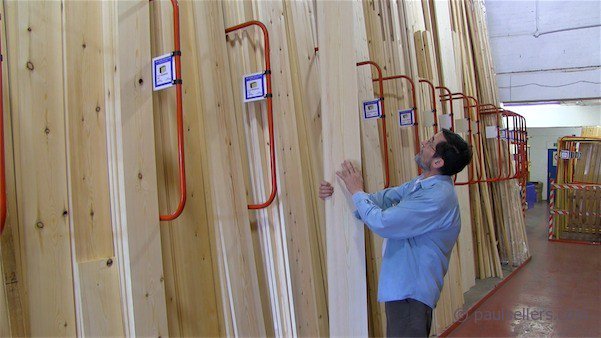
Every run to the wood mill and wood supply necessitates great self-constraint. there will always be a bargain not to be missed or an economy of time and money for you to consider. I love having wood in that has no destiny. Some pieces I have yet had for 20 years. A block of vintage ebony, lignum vitae and pink ivory have followed me for three decades and more. Perhaps they will become something beyond my life's span; pegs for a violin, stringing or purfling, inlay. Who knows? Not me! Not yet!
"Where do you buy your wood from, Paul?" I never really know where my next piece of wood will come from. It's an excursion from the norm, a rabbit trail into unknown territory, the end of a long and winding road seemingly leading to nowhere. Maybe one day I can describe the long drive from the UK to the Nueces river, Uvalde, Texas where the big mesquites grow and where my 1952, one-ton flatbed truck went down to both axles with the weight of the logs as I crossed the river and the winch seemed almost to give out but at the last minute pulled that sucker right out of the river mud at the very last minute and I was in my way. Those were the days! No digital imagery, no smart suits and smart phones. Pre facebook and YouTube sensationalist woodworking with hype and spin didn't yet exist and every fast-paced narrator was still yet to be born. I'm glad to have lived the pure reality when a lone Englishman in a lone Lone Star truck took a journey alone across some wild rangeland to feed his family and pitched himself against an emerging world he might never, ever understand!
Comments ()