
Today's Making
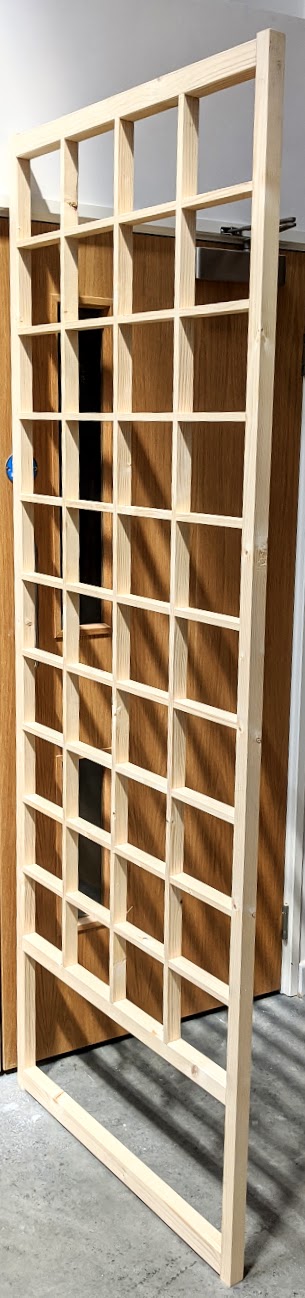
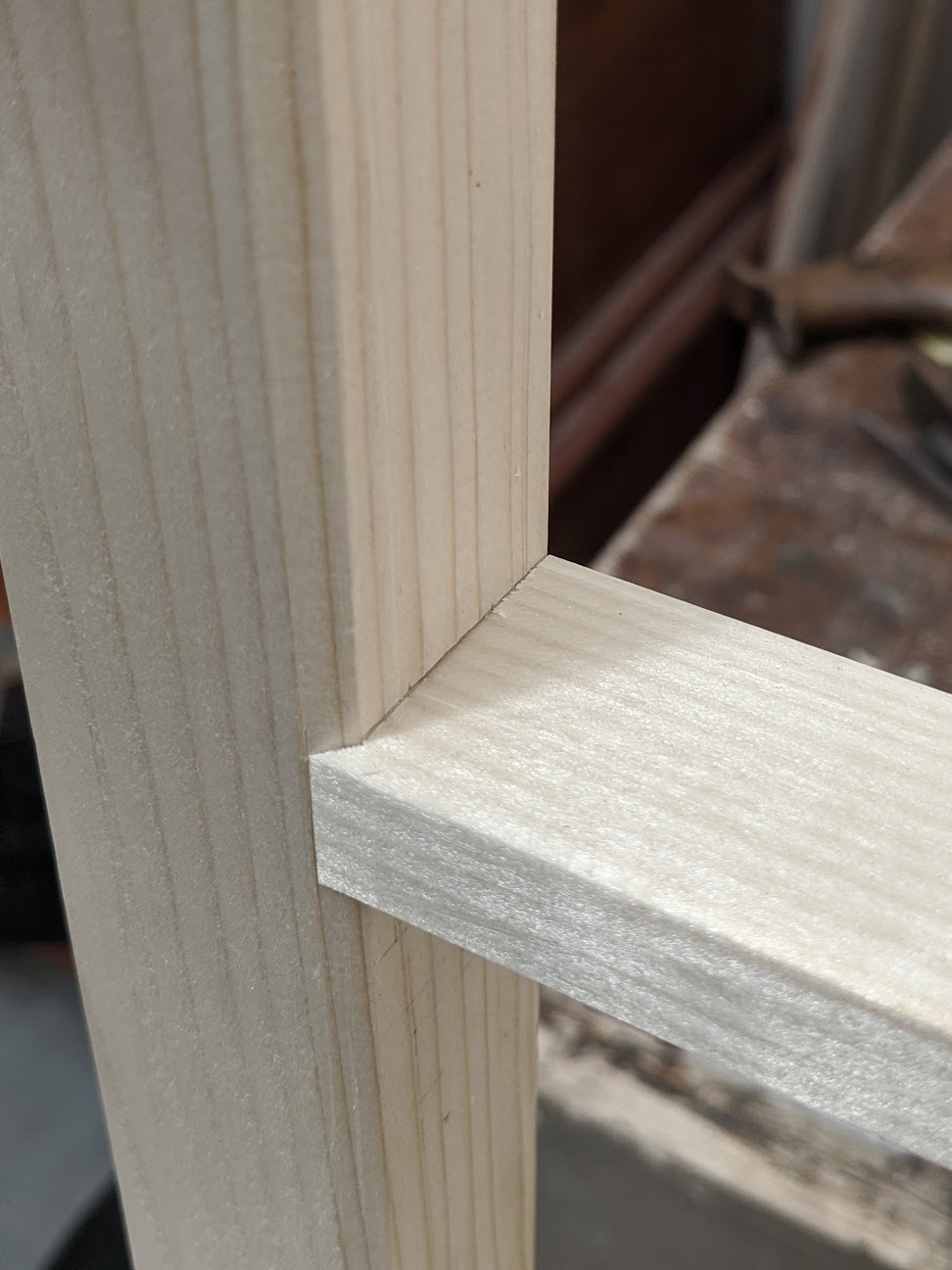
Mondays roll around to keep Paul forever on his toes and I am planning on the chamfer plane prototype today in readiness for as early a release as possible. I also have my next project prototyped for filming this coming Wednesday and I think I have brought everything together to make a basic shoji screen using the most basic of western hand tools together with western techniques that keep everything down to earth and very doable. Twinning this tenon or singularising another is one of those intimate choices we crafting artisans might make in the moment or then too plan ahead for. But then ganging up joints has never been my thing because often it is not a speed thing so much as the isolating of individual joints to enjoy the individual fitment of the joints in harmony one to its mate. You don't gang people-marriages up for a mass wedding, so I feel the same about marrying joints together too. That said, in the video I do plan to show both methods so that you can make an educated decision as to which you might want for your project.
Making panels for room dividing such as shojis is not at all complicated even though you can indeed make the designs as complicated as the human mind incapable of doing. I have made a basic panel, but you can incorporate small panels into the smaller openings using various angles as decorative features. Simplicity seems key to this for me and so my panel is a basic design that can be readily adapted in size without changing all of the principles of making. There is, of course, no compromise in the joinery but, as I said, there is no intention to adopt design elements for the sake of tradition or cultural preference or standards.
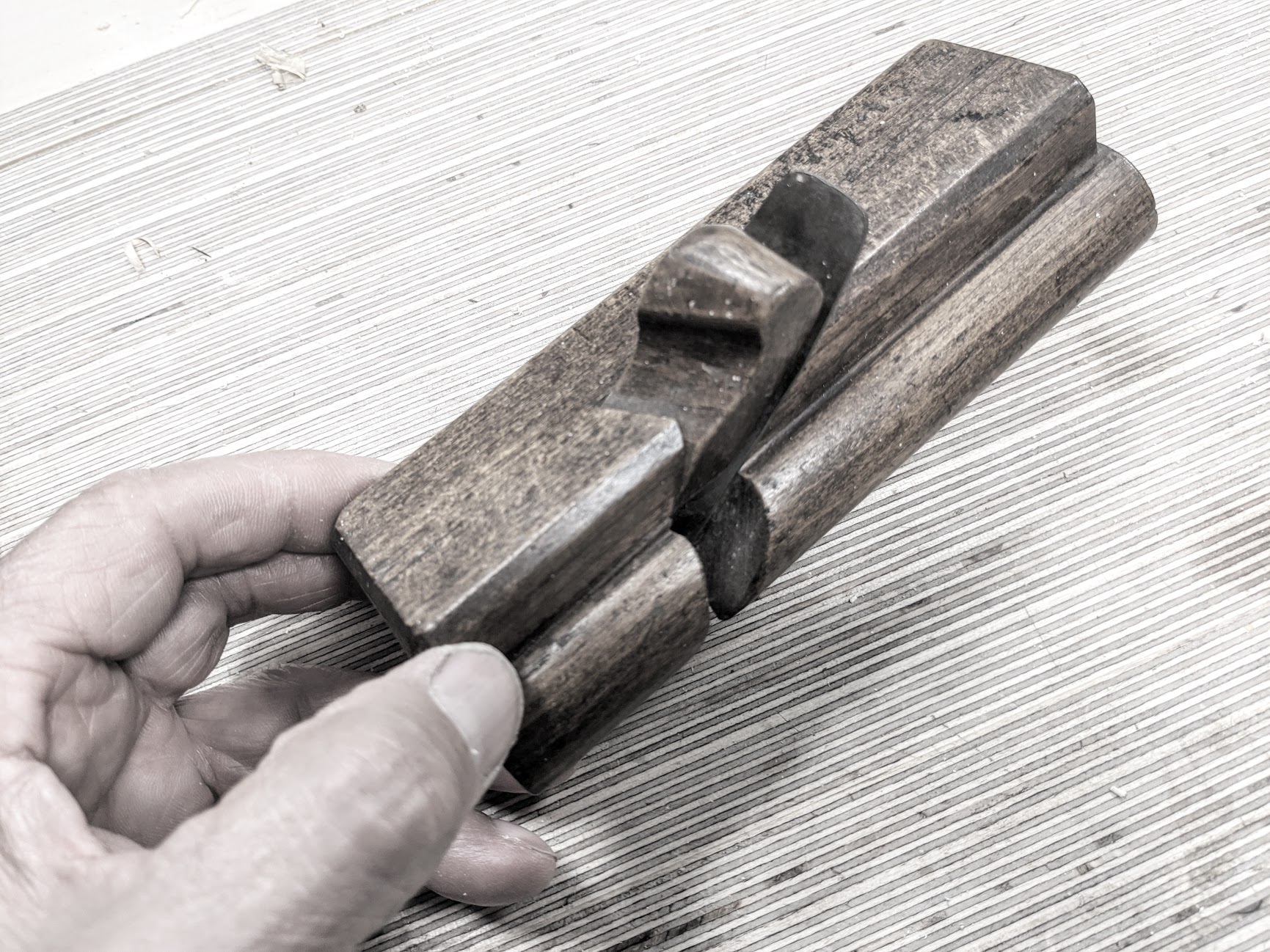
I feel what I did simplifies several things so as not to incur extra cost or overly demanding in terms of effort. It is still demanding however and that is what I wanted. The end result is a relatively inexpensive room divider that is attractive and non-invasive, and then moveable and adaptable to various conditions. It is an excellent sun filter to protect an interior from harsh sun or daylight and works as a filter even for photography in various situations. Think too lightbox, lampshade, privacy and much more. The lightweightness of the components and then the overall frames is a delight really, and it also speaks of a more gentle way of living because the panels are, by comparison to many western standards, most gentle and indeed delicate. I liked certain features and instead of following the Japanese traditions and the need for buying in specialist planes and such, I just went with what I had and this was in no way an inferior way. I think you will see what I mean when you see me standing at my bench and my vise. There is a lot of planing to thickness that needs precision and the basic #4 and #5 bench plane takes care of all that. For some minor chamfer work, my bullnose created absolutely perfect bevels and for others, I have put together a basic chamfer plane you can make easily and without fuss from any scraps of wood you like.
Comments ()