
Skill . . .
. . . the Little Big Things
It should come as no surprise that skill often takes most of us a developmental period to establish it. When we already have skills in one area, connected to or not to a new one, skill development can take some just a fraction of the amount of time it takes others to truly master what's needed. In reality, most skill is more to do with developing sensitivities surrounding feel, sight and sound than almost anything else.
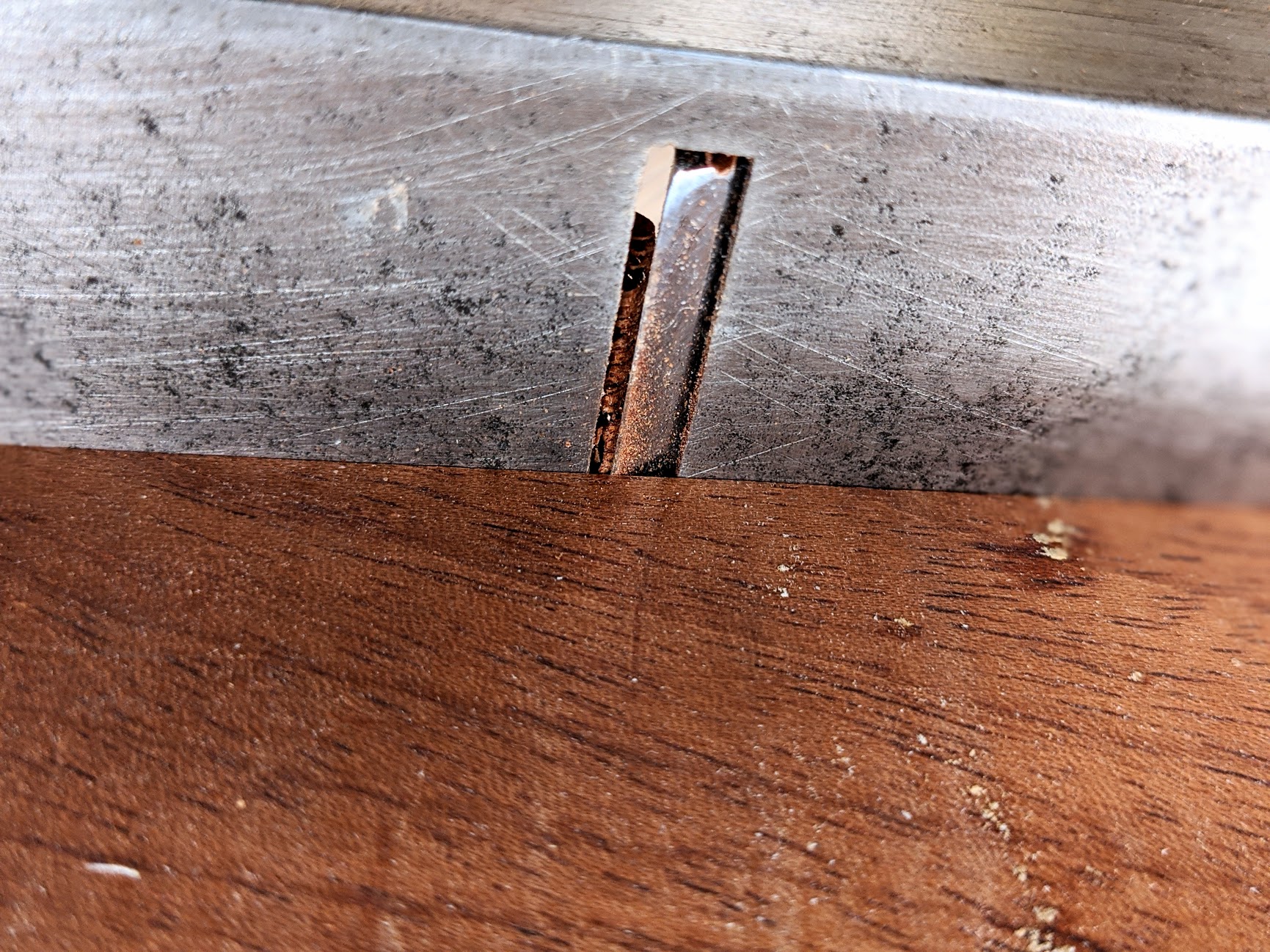
The things I want to say is that it is the very small things that we learn and understand thoroughly before we truly grow into our craftsmanship. It is an intent, most of the time, and then too it is an accidental learning at others. Mostly we learn by our wanting to know and understand. Understand. . . stand under!
Stand under what?
Stand under knowledge through experiential learning.
Experiential learning?
Something we learn by earning and paying the price for it in our bodies and minds. Earning by doing.
Owning knowledge is something we gain from many sources, but skill is gained in the attainment of both knowledge and manual dexterity if indeed the skilled output is based on manual dexterity of one kind or another. The ability to work and think three-dimensionally usually comprises the development of skill. This skill may at first seem to be the largeness of an ability. By that I mean some people can build a house from scratch from the concrete footers to the last roof slate. Such capacity to design and build a building for instance is indeed a massive ability, but this massive ability comprises the zillion minute segments of micro skills based on our sensitivity to each and every skill we develop.
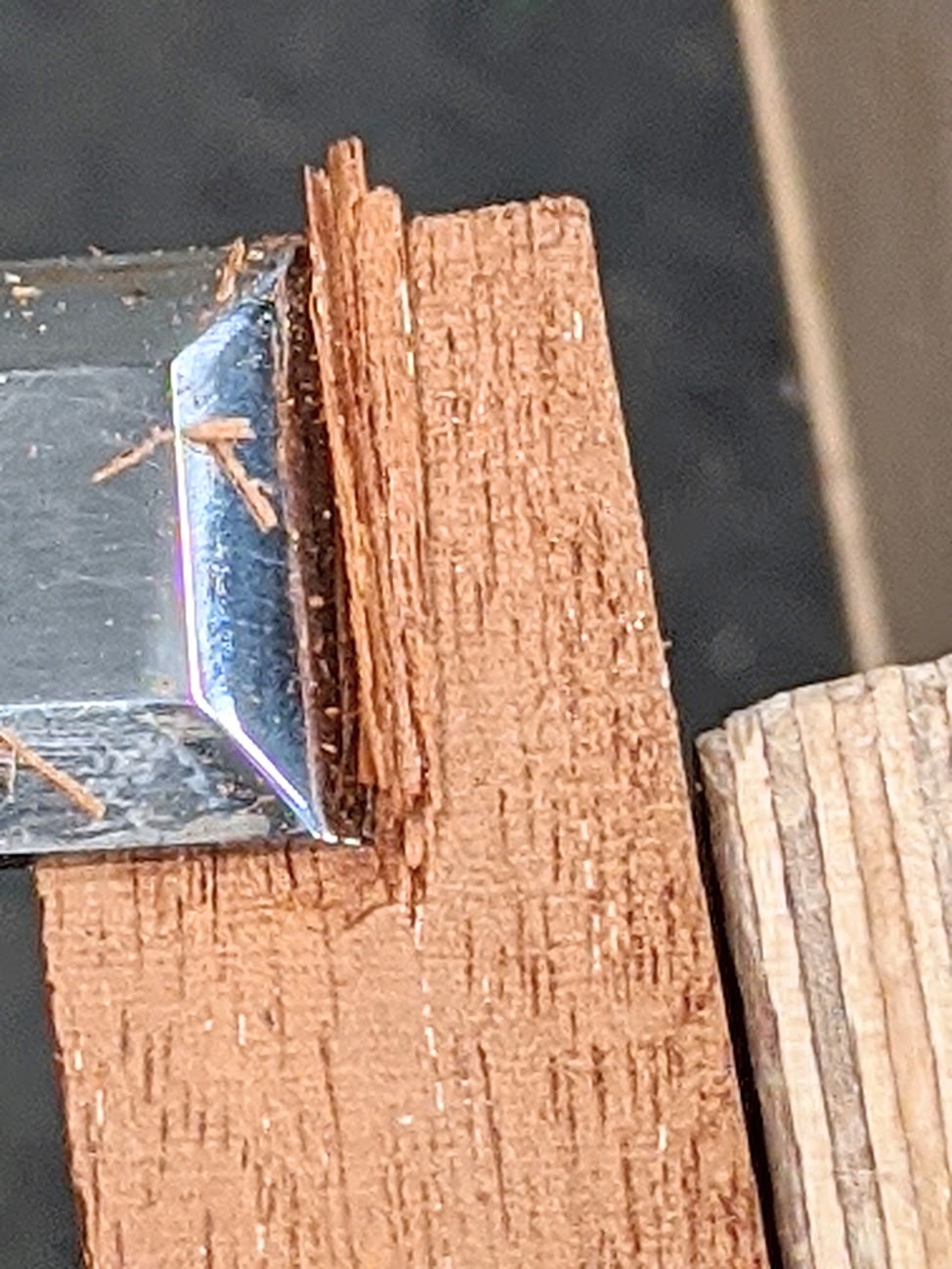
To cut a housing dado is a single task, but to cut a housing dado and fit the two components comprises several steps that are indeed many different skills. The skill of holding a knife differs to actually using the knife as does then using the knife in relation to creating a knifewall with a straightedge, square and so on. Factor in then the use of a saw and you magnify the dependency on skill and change the size of saw, tooth size and tooth pattern and different complexities affect the work in hand. To cut a housing dado may be a relatively simple task but it does require the development of a range of micro-skills and sensitivities that must ultimately be developed. As we enter the filed of woodworking many such skills owned by masters for centuries my be hidden to us whereas in times past a man said to a boy, "Don't press, use the weight of the saw and the weight of the hand only!" With that came a hundred more such prompts and skills were passed down from one man to a boy until the boy owned the skills.
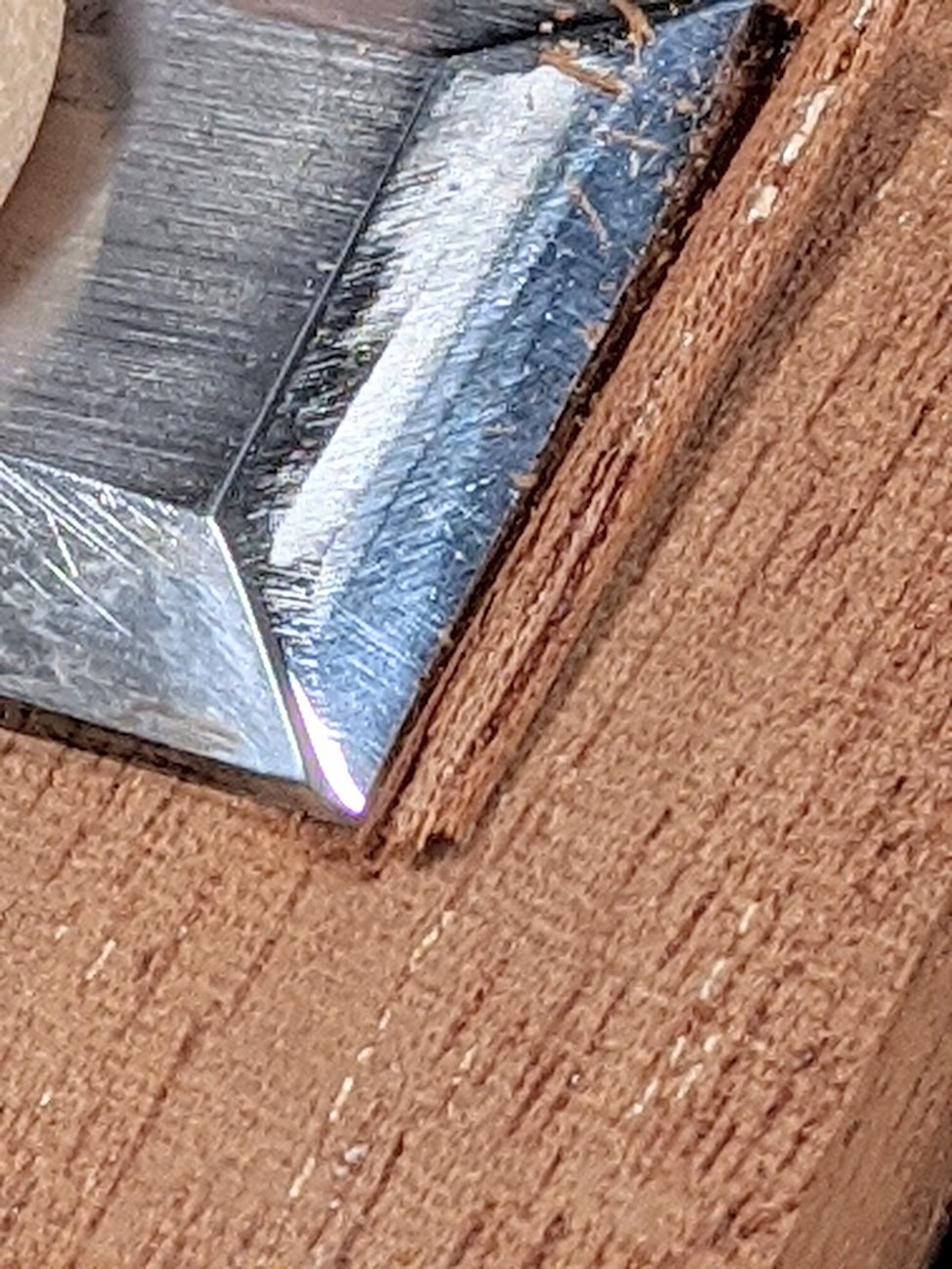
With this luxury now long gone, we must begin to understand that skill development will never depend on a mere papered degree or a book alone, it must be earned differently than most qualifications issued today because, well, there is no real qualifying body to do that any more (although many might claim such). What we are talking about must be attained by and through practical hands-on experience. Of course, knowledge is passed on through paper versions and videos, photographs and drawings, but what cannot be passed on that way is the physical sensing of what takes place at the saw tooth tips, the chisel edge and beneath the plane. This is where we must make ourselves aware of the impact the wood has on the tool and then the tool on the wood. different woods respond differently to different applications of the tools and the tools can be applied a dozen different ways to effect the cut. I constantly respond to the tool and the wood through this interaction and sensing. I am learning and adapting constantly and then no two different pieces of wood even in the same species and from the same tree are the same, often. This is what makes my craft so very interesting and stimulating.
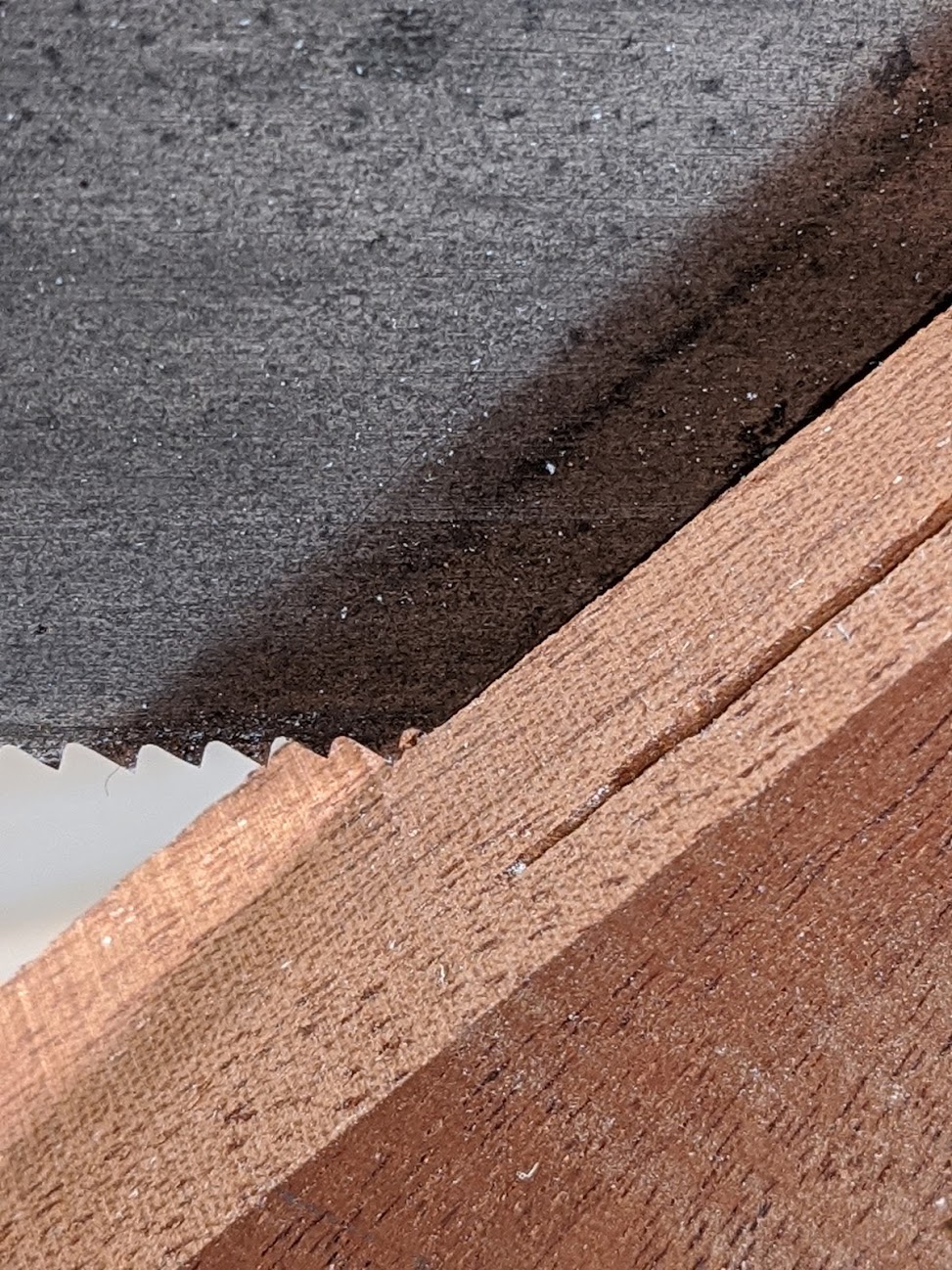
So small things big? It should never be ignored that a small dovetail perfected from four saw cuts and some chisel chops doesn't happen overnight. So many things in life rely on perseverance and especially is this so when we see smaller steps as, well, mere baby steps, kids stuff and such. Far from being inadequately retrograde, these steps lead to big things and whereas I could never admire the mans skill cutting a dovetail with a power router and Leigh dovetail jig, I can admire the man that designed the whole concept, the machine and the jig. And many times have I stood in awe at a man and a woman and then too many, many children who persevered to cut their first dovetail with just a saw, a chisel or two and a chisel hammer. Now this is admirable!
Comments ()