
Someone Wrote Me
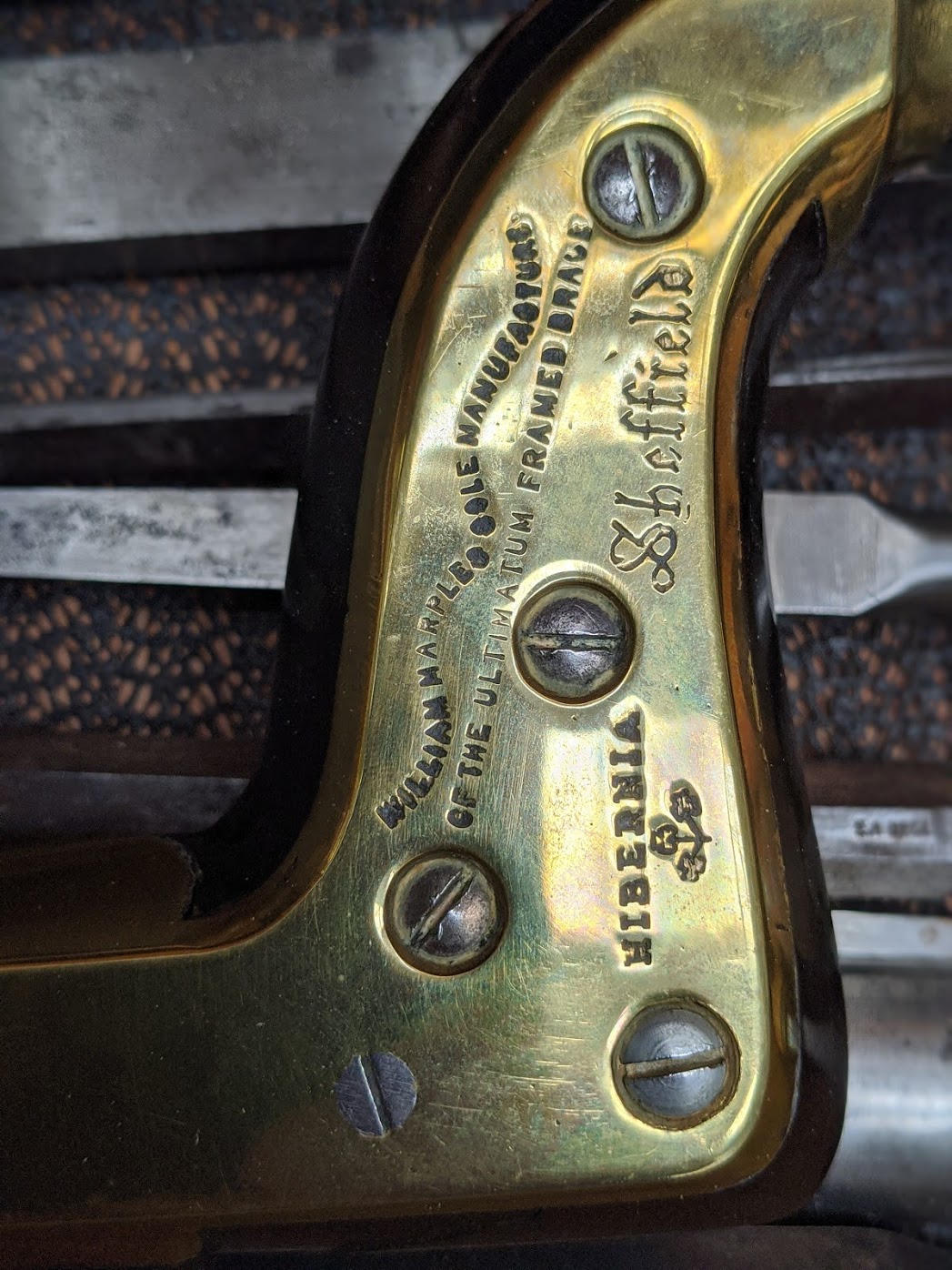
As a boy I peered into tool chests filled with some of the most beautiful tools ever made in the history of tool making. They were all hand made, of course! They usually remained just under the bench aprons and at the ends of workbenches and on the rare occasion that they were left open I drank in the sights of ultimatum braces stood alongside a series of handsaws where the plates had worn so thin through use, the back edges were like knife edges and the nibs were all but gone.
The writer said something along the lines of, "With tool making having reached such an advanced level, and steels becoming so superior to what once existed in the earlier centuries, just how did craftsmen of old achieve such high standards of workmanship without having what we have today?"
I confess to having a chuckle to myself. I think that I understand what his assumptions are. Every day I look at the fineness of my injection needles and marvel at how finely they are made. I inject myself with twice a day and each time I am grateful for this alone. Go back over the past 70 years and woodworking standards have fallen to the lowest levels ever in the history of woodworking. We can, of course, blame many things. What we are most reluctant to admit is that woodworking, carpentry, joinery, furniture making and such, is more skilless occupation. You decide the reasons. Lack of time, time is money, fierce competition, lack of good materials, machine-only methods, unskilled labour. The list can go on.
I think it is an unchallenged reality that the finest periods of making revolved just about anything and everything comes from the pre-machine era or an era when machines were emerging but the finest work came from hand tool woodworking. Antonio Stradivarius had his golden era in the 1700s, starting when he was around 50 years of age. He made a departure from both his own early style and then too the Amati style instruments so prevalent at that time and established his own through research and experimentation. Most instruments made today remain faithful to the patterns he stablished some 300 years ago. I could if course walk you through the various periods of furniture making to show the finest pieces came from that era too. But they are there as living examples for us all to see and though, well flamboyant, expressive and luxurious beyond belief in many cases, the reality of fine workmanship remains as I said, unchallenged. For nit was not just the finished pieces that exemplified the craftsmanship of old, hut the way things were made and the lengths the wealthy people went to to express their power, position and wealth too.
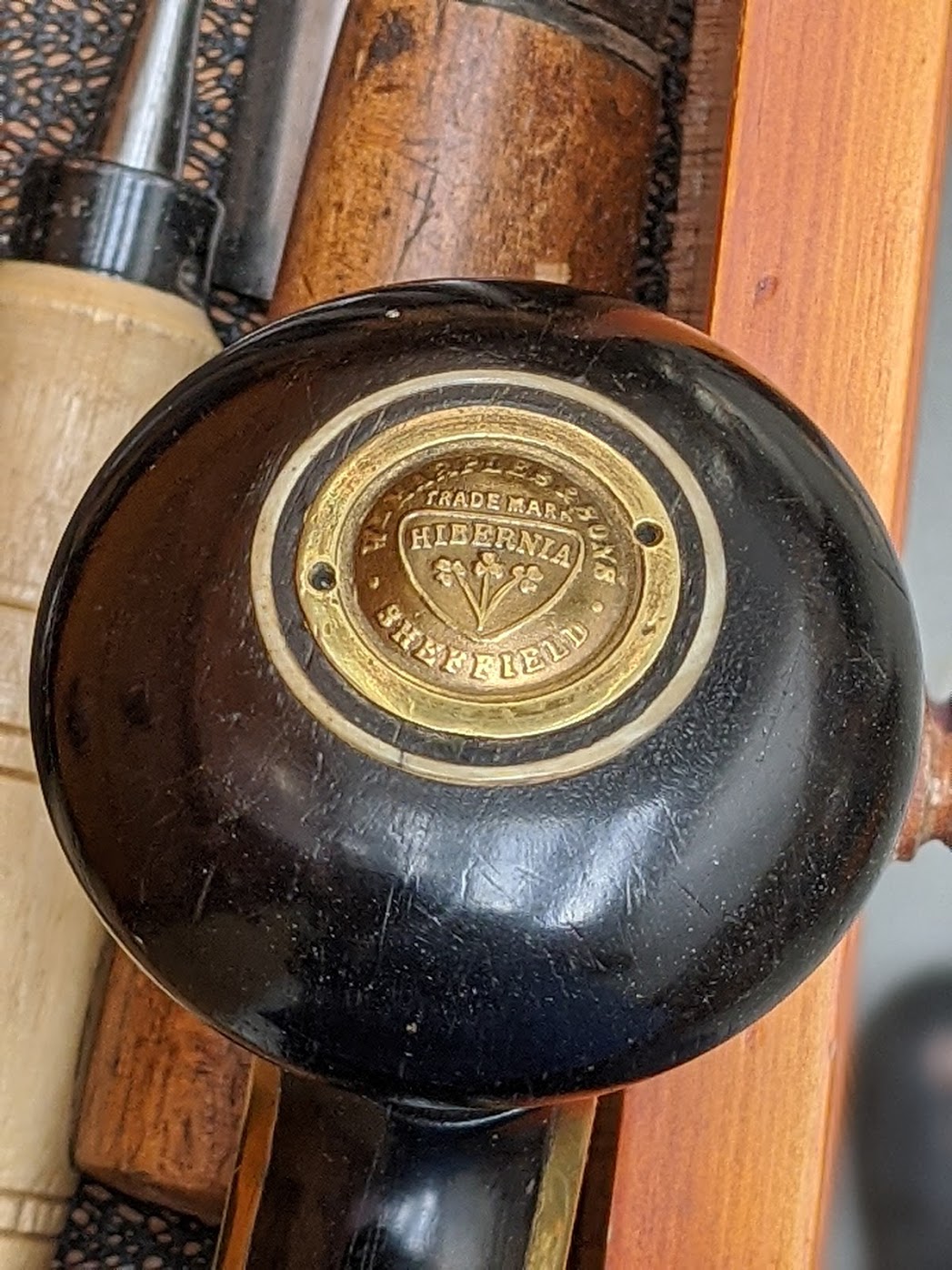
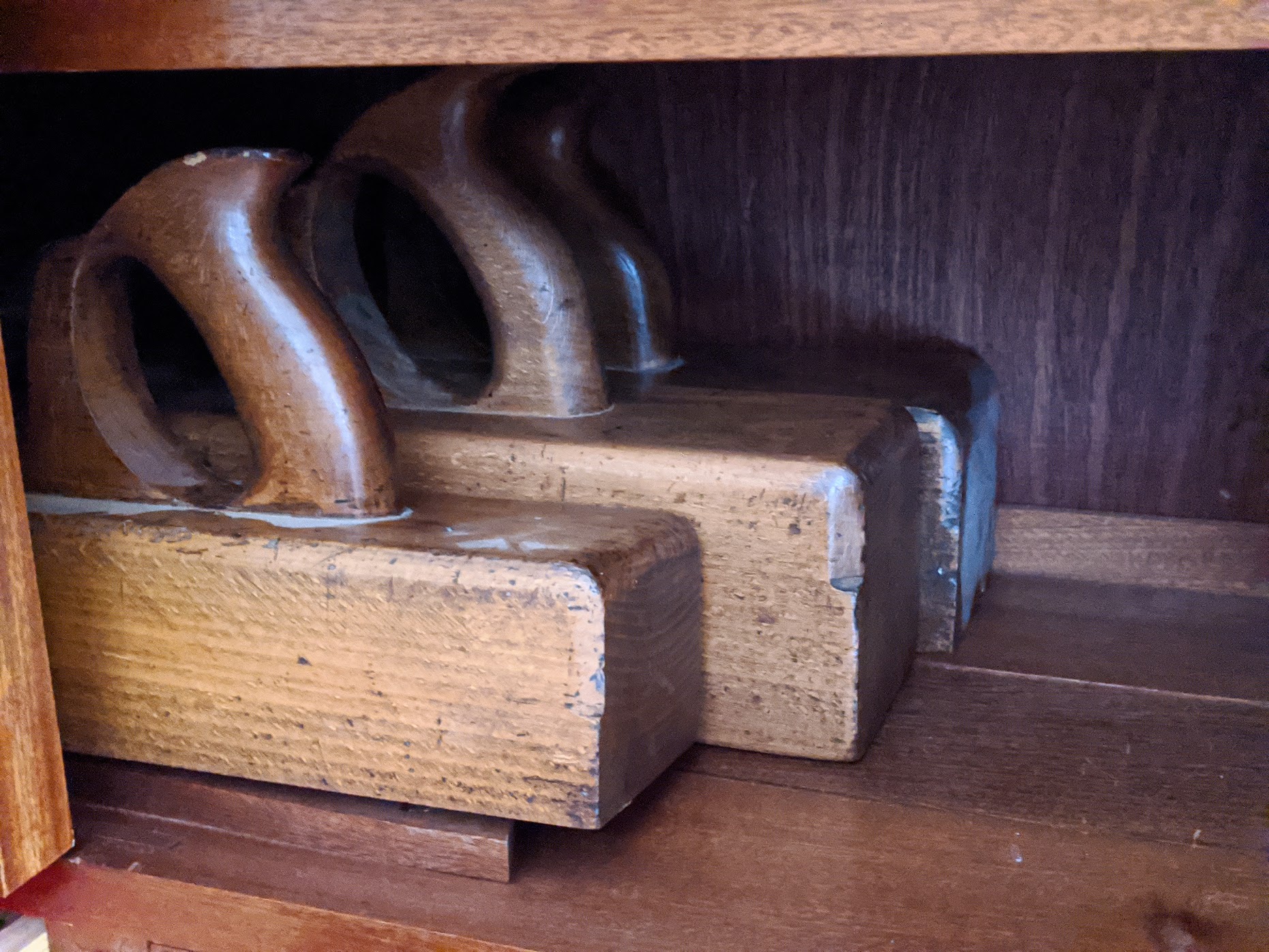
The very finest tools made then were all hand-filed, hand-planed, hand-cast, and hand-shaped. They were the extension of the men who made them and reflected their integrity. It is an unfortunate thing that in today's age the official guidance ruling commercial entities is that if the wood is handed into a machine to be cut by that machine by human hands it can be deemed 'hand made". You and I know that it is not and that the spirit of declaring something to be hand made is that hands and skills guided hand tools and in some cases hand-held machines to make them. And I am not saying that there's is no skilled machine work either, of course there is. Much machine work is highly skilled as is the programming that takes technical knowledge to send the machine onto the wood or the wood onto the cutter head automatically. But we should recognise and admit that much machine work takes the hands off the materials so that human touch and skill is taken off the table. I am simply saying we must look at things to see just what skill is. If I push a power-router along an edge of wood to steer it and keep it to the fence then my main task is to keep it moving and to prevent even the slightest tilt that would otherwise result in a burn mark or a step-down. It's a skilless task. If I take a moulding plane to do the same work it takes many types of skills to set it up and make it work and then too the skill to achieve the work itself. It is not just different in part, but different in the whole and much more a high-demand task altogether.
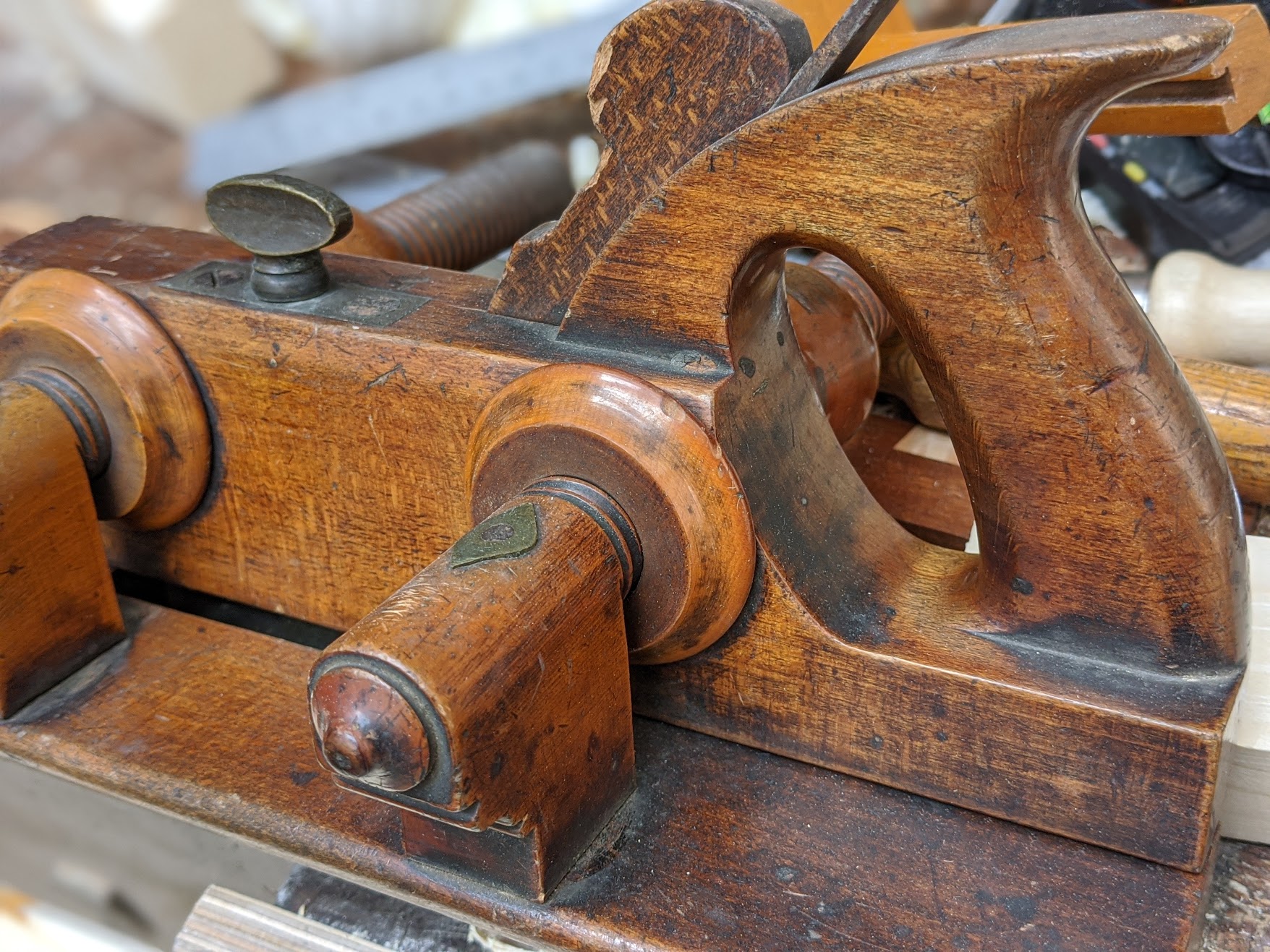
So we must yet again see that we have indeed lost the standards of fine workmanship to the machine era which didn't ever substitute with the same quality but displaced the other and left it as a redundant reality we will never see again.
Comments ()