
A Gem of a Remnant
I planed wood and stood staring into the depths of chatoyancy. Each reflection, I knew, reflected the significant order and the significance of order I placed on every facet of my working. As I looked with single-eyed resolution into the eye in the wood I sensed the prize of fine workmanship that was soon to come.
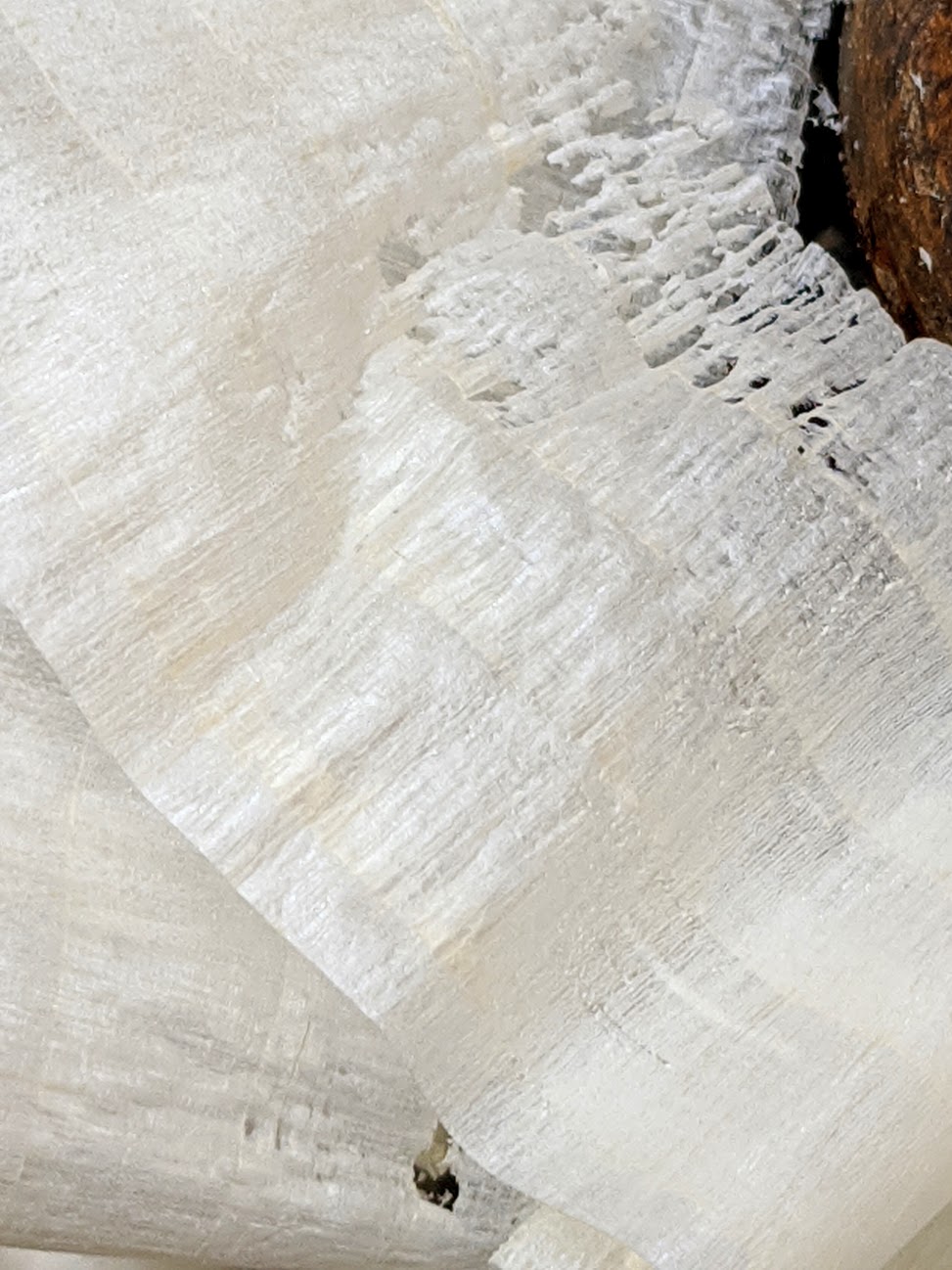
It was in the USA where I learned the term 'trash wood'. No, it's not a type of wood, more perhaps a type of attitude just a few people had and even still have do some degree to the lightweights that might have little deep colour of the more flamboyant nature of say the exotics we all know of. I'm currently working spruce. The wood planes quite readily though the knots can be as hard as teeth to the cutting edges of my tools. Even so, to get a true reflection of light in the surface requires the perfected demands that come only through order and structure in the work and the way I work it. My panels must be twist free when completed and so my opening efforts go to the sharpening and setting of my planes.
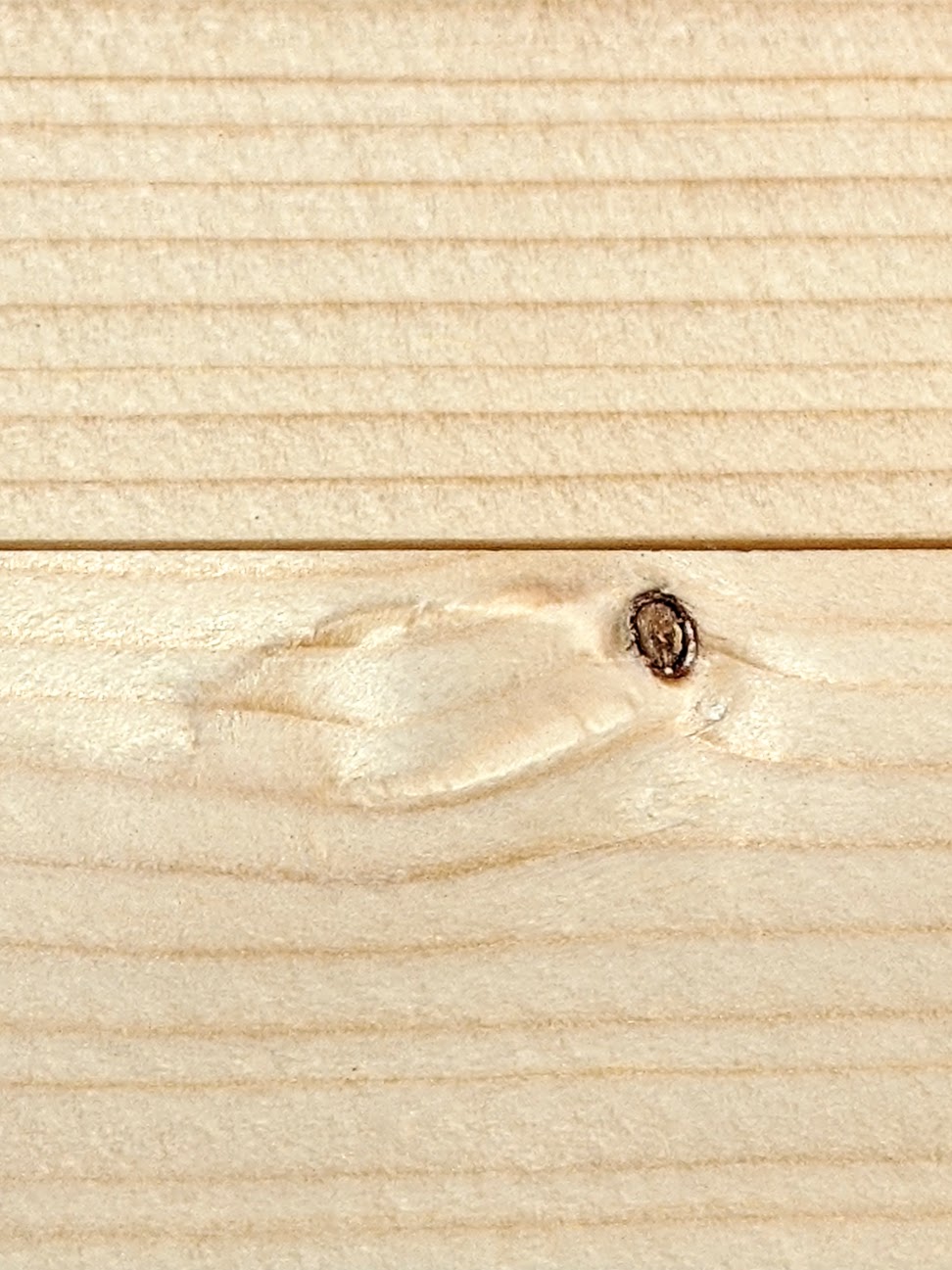
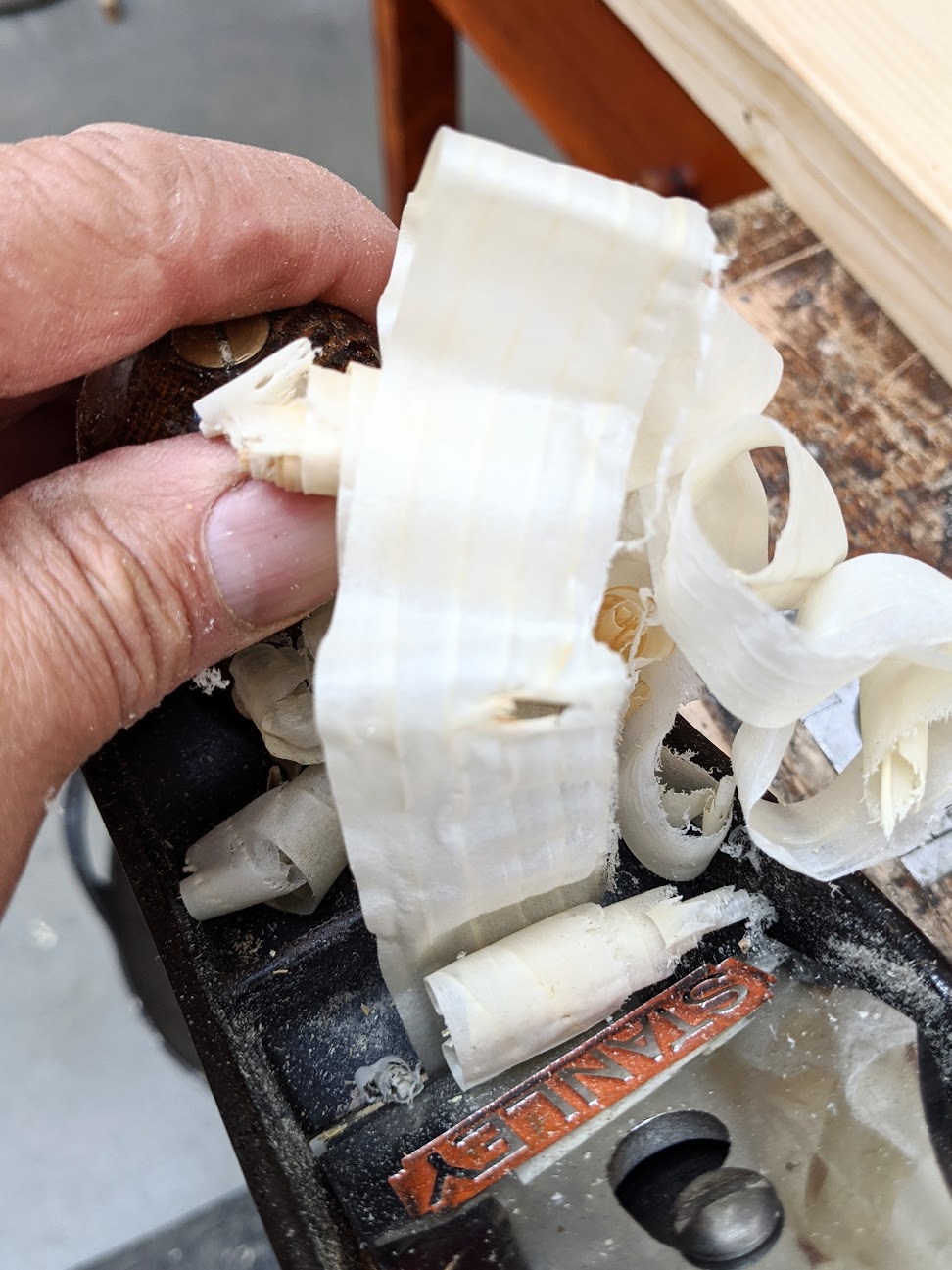
I rest the newly cut wood in a pile on my benchtop, lift my 4 1/2 jack from its shelf and stroke the surfaces of sole and sides with my hands and fingers. My fingers feel for the length of the cutting and there I trace the very tips along cutting edge. As I lower the plane to the workbench top, the handle moves ever so slightly in my grip. I reach then for the screwdriver, as I always do, because a loose handle results only in a loose attitude towards the accuracy of planework. It's only a second's delay but, had I left it, even just the thought of it being undone would have dogged me. My sharpening too is never delayed. Some say I sharpen too often, but I don't listen at all. Who are they that tell me such a thing without their knowing my standards of sharpening and my expectation of the plane? If they have never used my plane, and they never did because I wouldn't let them, then how are they to know? Besides, you can never sharpen too much.
George watched me as I lowered my plane to the benchtop, 50 odd years ago. He said to me, "Rust is a sign of a man's neglect." I looked at my plane, oblivious to a small cluster group of rust spots on the corner of the cutting iron, at least until that moment.
"Try something out for me, Paul. Will you?" I nodded my assent.
He continued, "Take your plane apart and deal with all the rust. You've got ten minutes to do it. Then put your plane back together and try it again and tell me what you feel!"
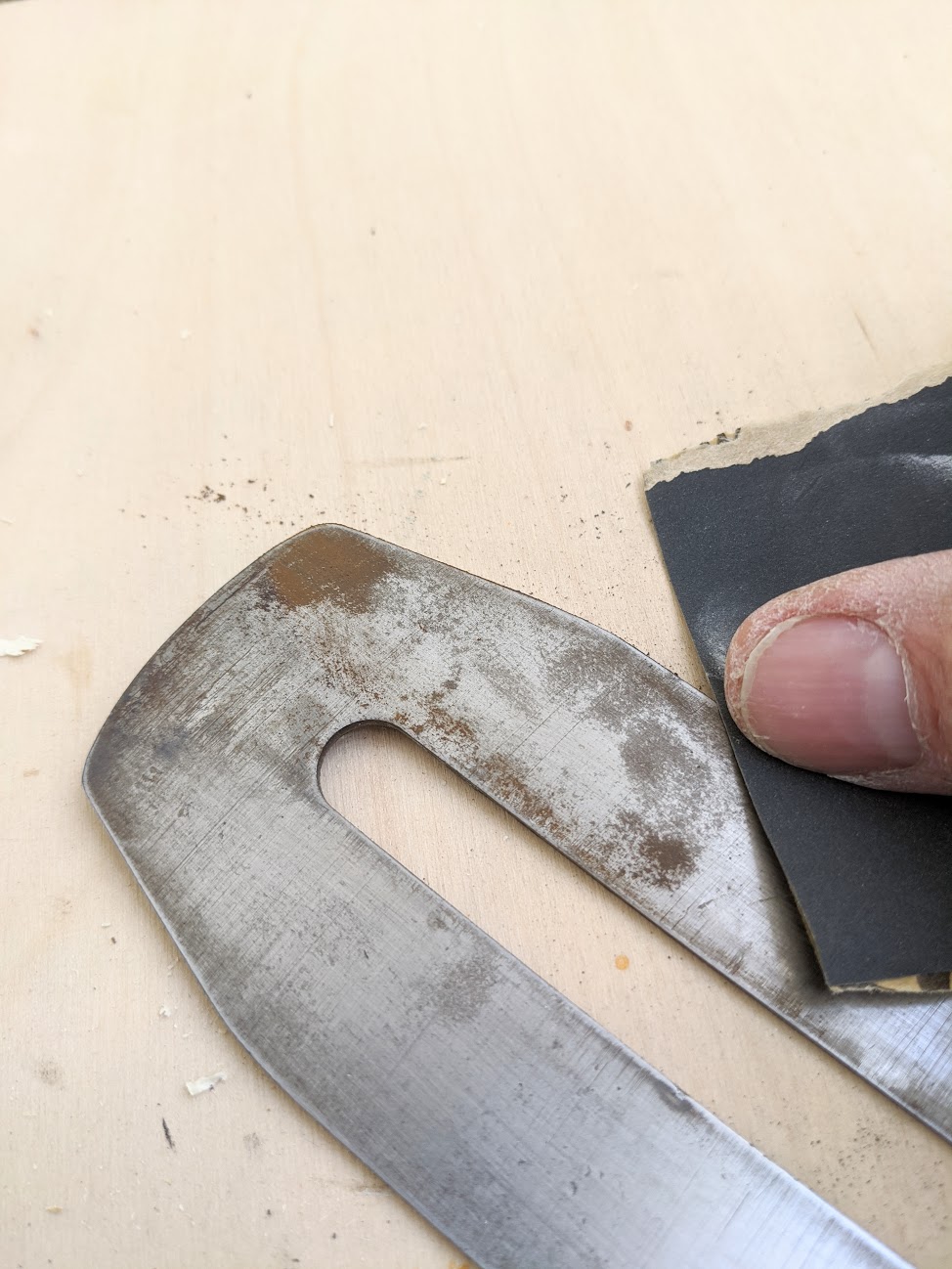
I did as he asked, sanded of the rust, coated the surfaces with a thin film of oil and reassembled the parts and set the plane thoroughly.
"Off you go, then!" George said.
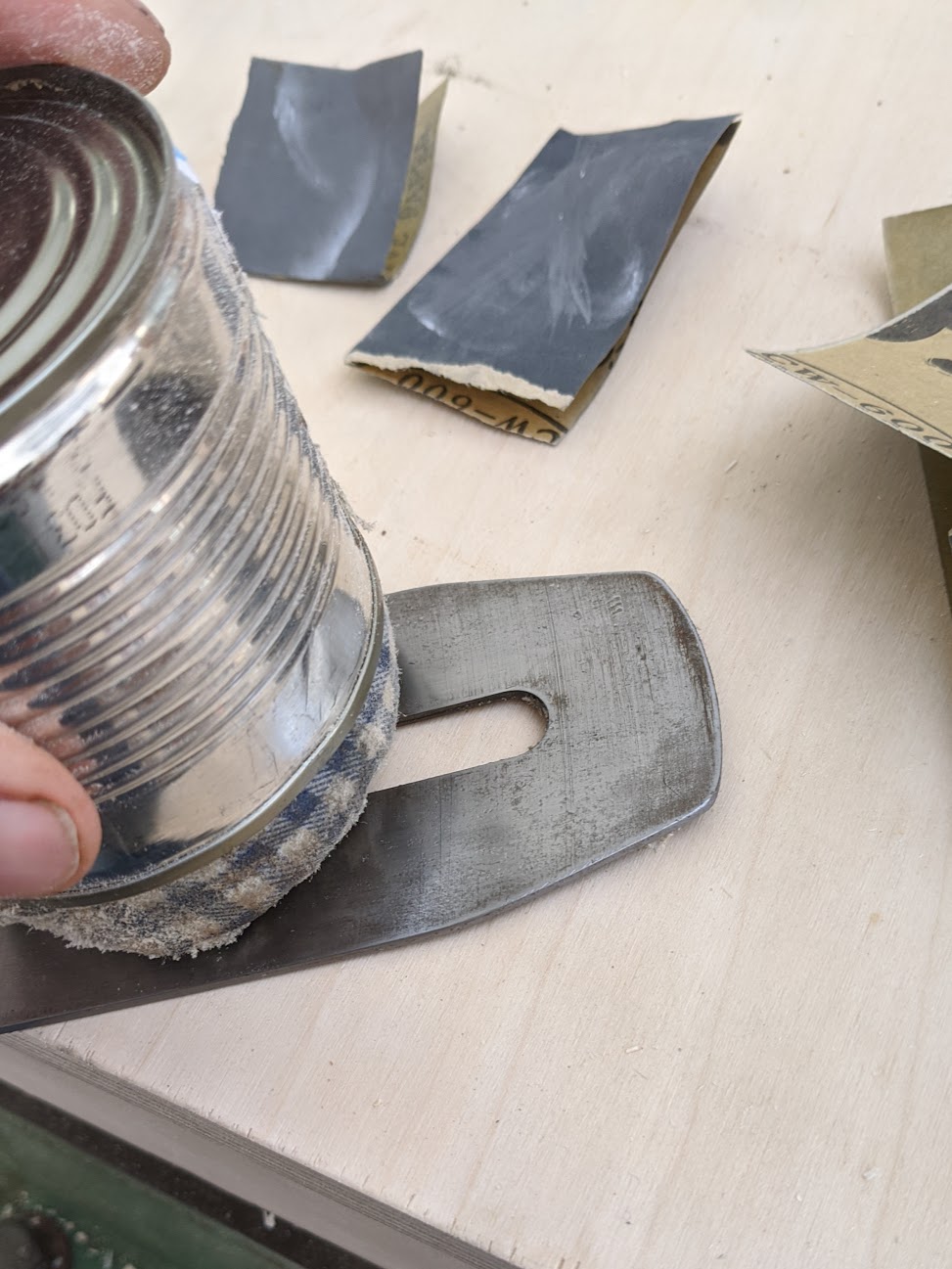
The plane felt different, more solid, somehow. How was that possible?
As the plane swiped the wood the shavings rose from the throat and the plane suddenly felt, well, refined.
"It's because now it's cared for." George said. "The whole of life is like that."
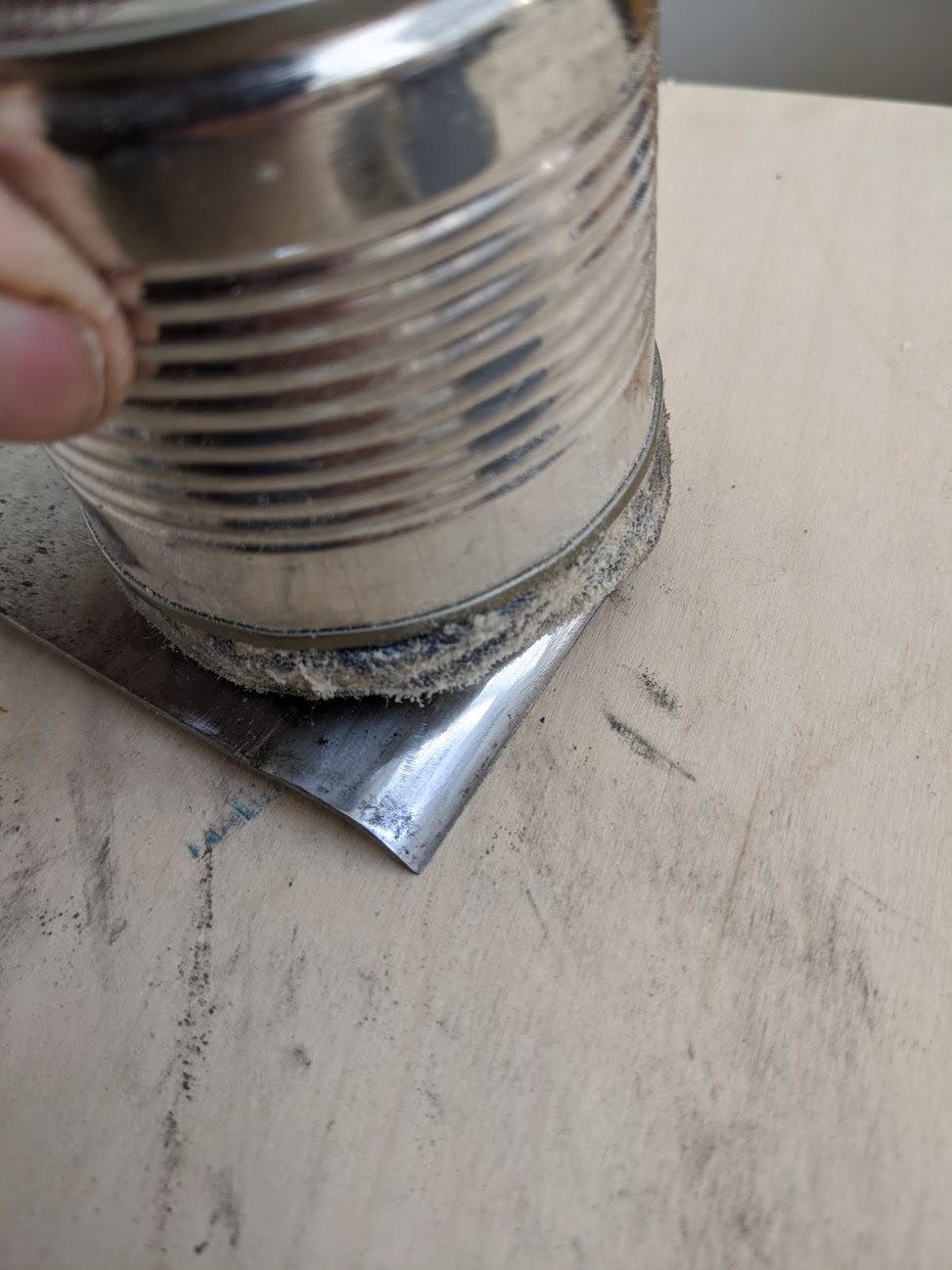
In the theory of things, such a thing should make little difference to the performance, but in the reality of it, it is as important as the sharpening itself. Of course, my planes are used so much they never rust, but not everybody has the luxury of being a manual labourer working with hand tools as I do every day.
Comments ()