
Palletwood or Pallet Wood?
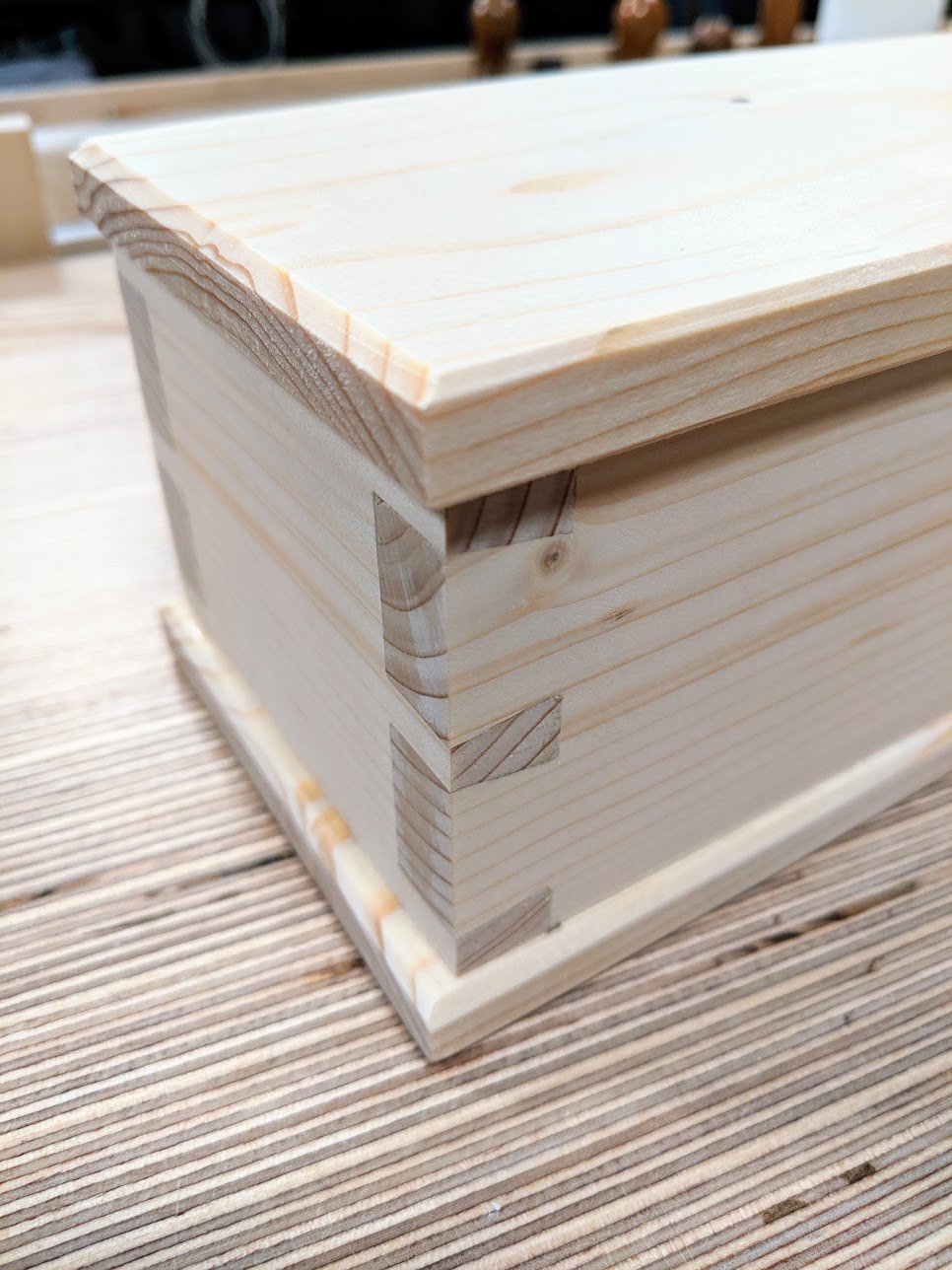
Of course, pallet wood is not a species, mostly it's a low-cost shipping and distribution pallet material taken from fast-growing softwood timbers meaning pine, fir, spruce and similar. What is important to logistics companies is its low-cost availability and that it is sustainable and pretty much self-perpetuating. So often I see two camps when softwoods are discussed. Depending on the continent and the country, softwoods are often relegated to a class known as trash wood. I first discovered this when I moved to the US in 1985. On the one hand, you have those who classify the softwoods as purely a disparaged group and name, meaning of little if any value to the other class which of course comprises those using only fine woods and especially hardwoods. Of course, there is no such thing as trash wood. It's mostly we who trashed it rather than the tree type. One thing about softwoods is that it provides us with a material well suited to certain products: who would make a bird table for feeding birds out of say oak, ash or cherry? Surely a discarded and redundant pallet and some rejected plywood sections fit the bill more readily. This is so fit for purpose it's a perfect answer to upcycling.
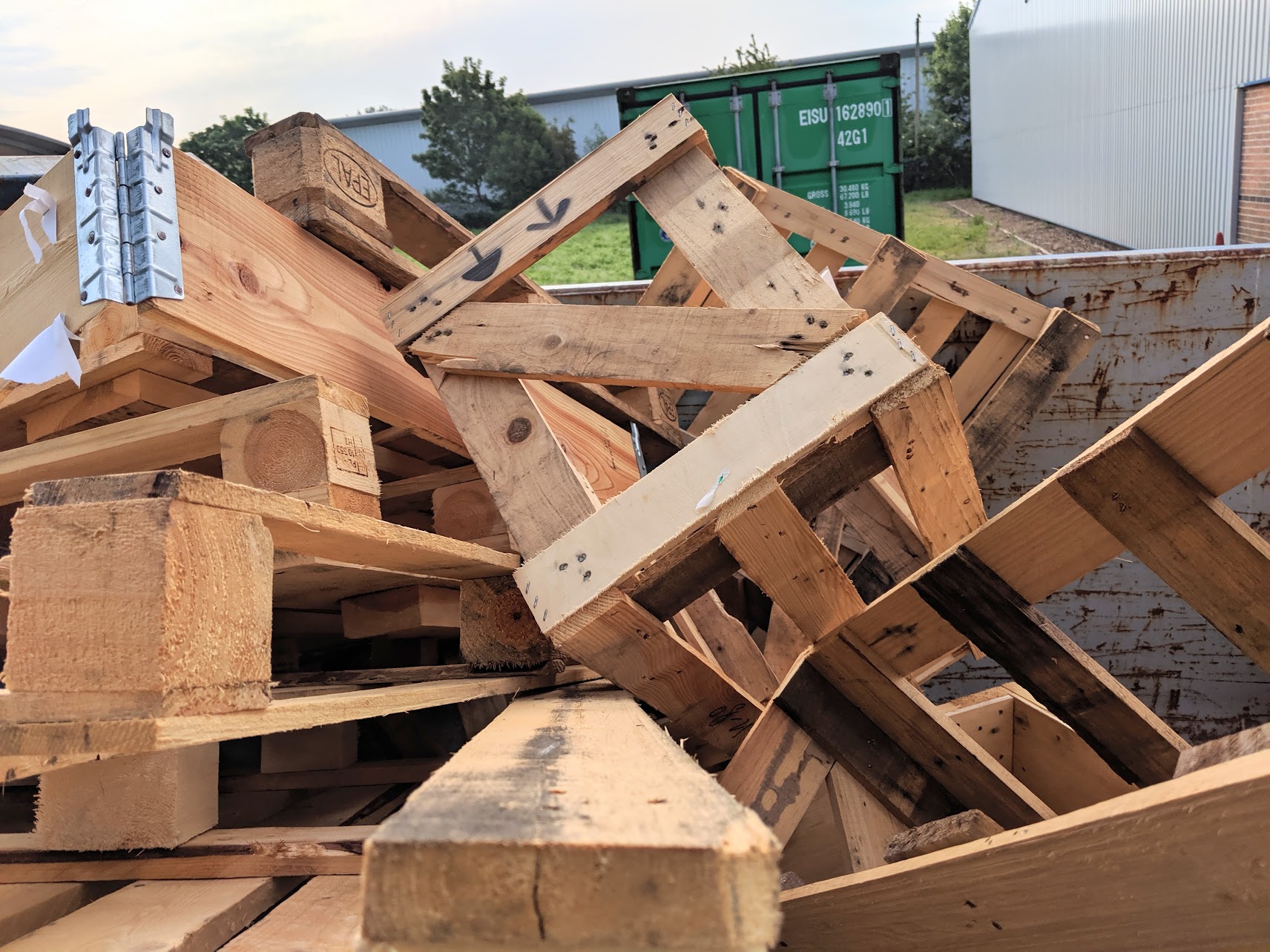
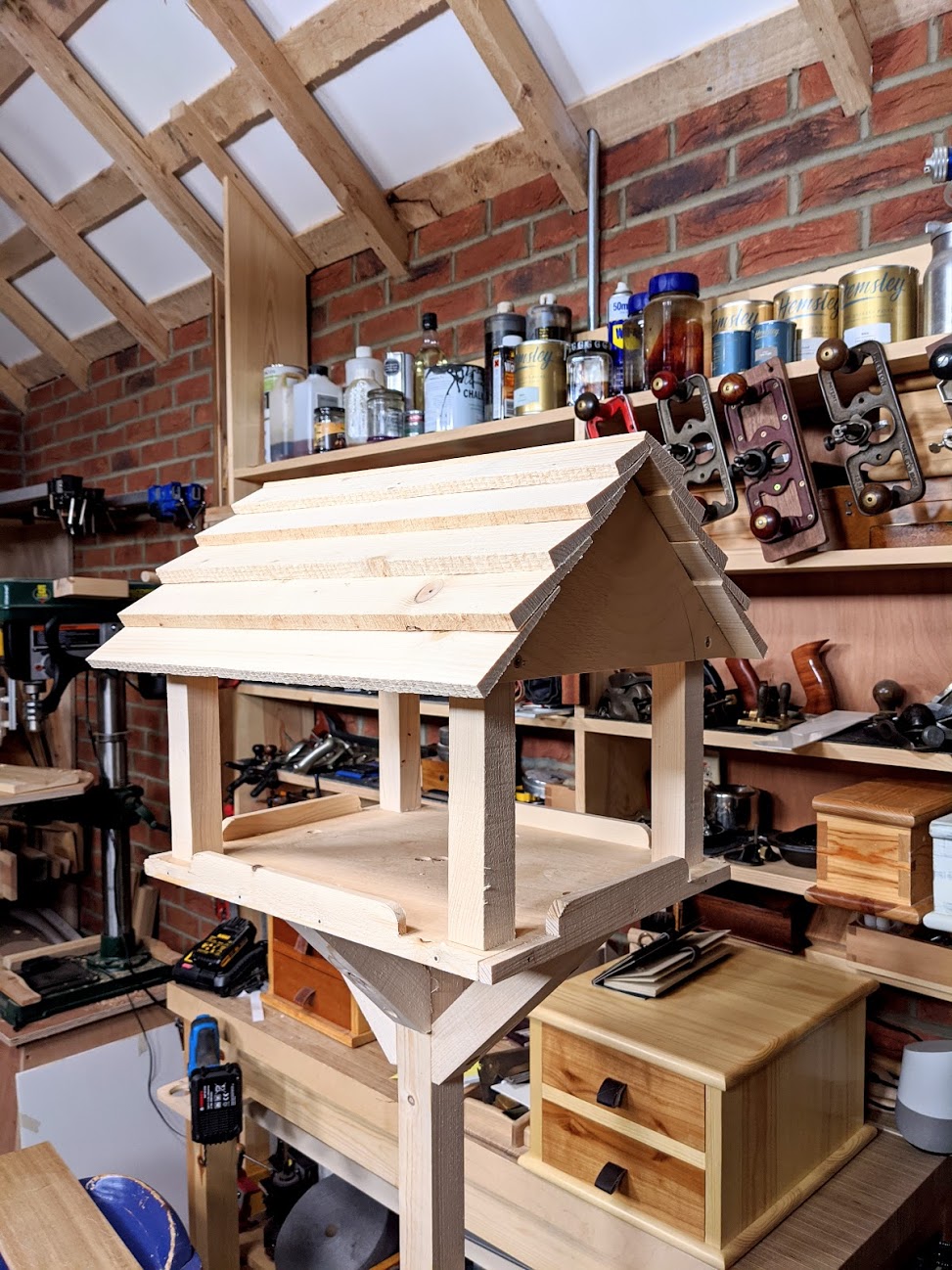
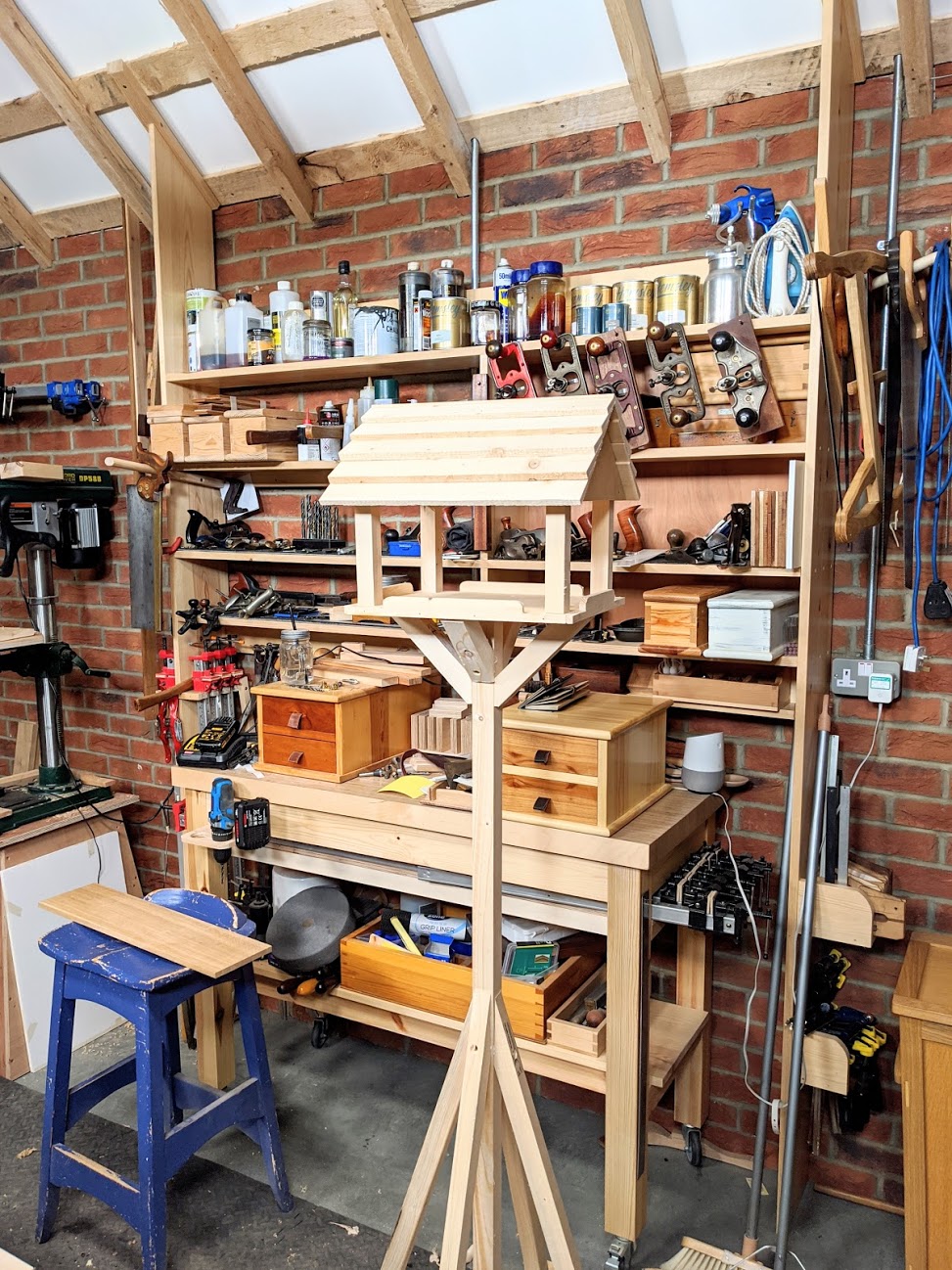
Last year I made my seed trays from old pallet wood. I also made garden boxes for growing vegetables, some trellis frames and this week my granddaughter's bird feeding table for the back deck as she has taken a real sparkle to watch birds through the kitchen window. When we take a walk she constantly looks up at any flutter or beat of wings that catch her eye and tells me there's a bird.
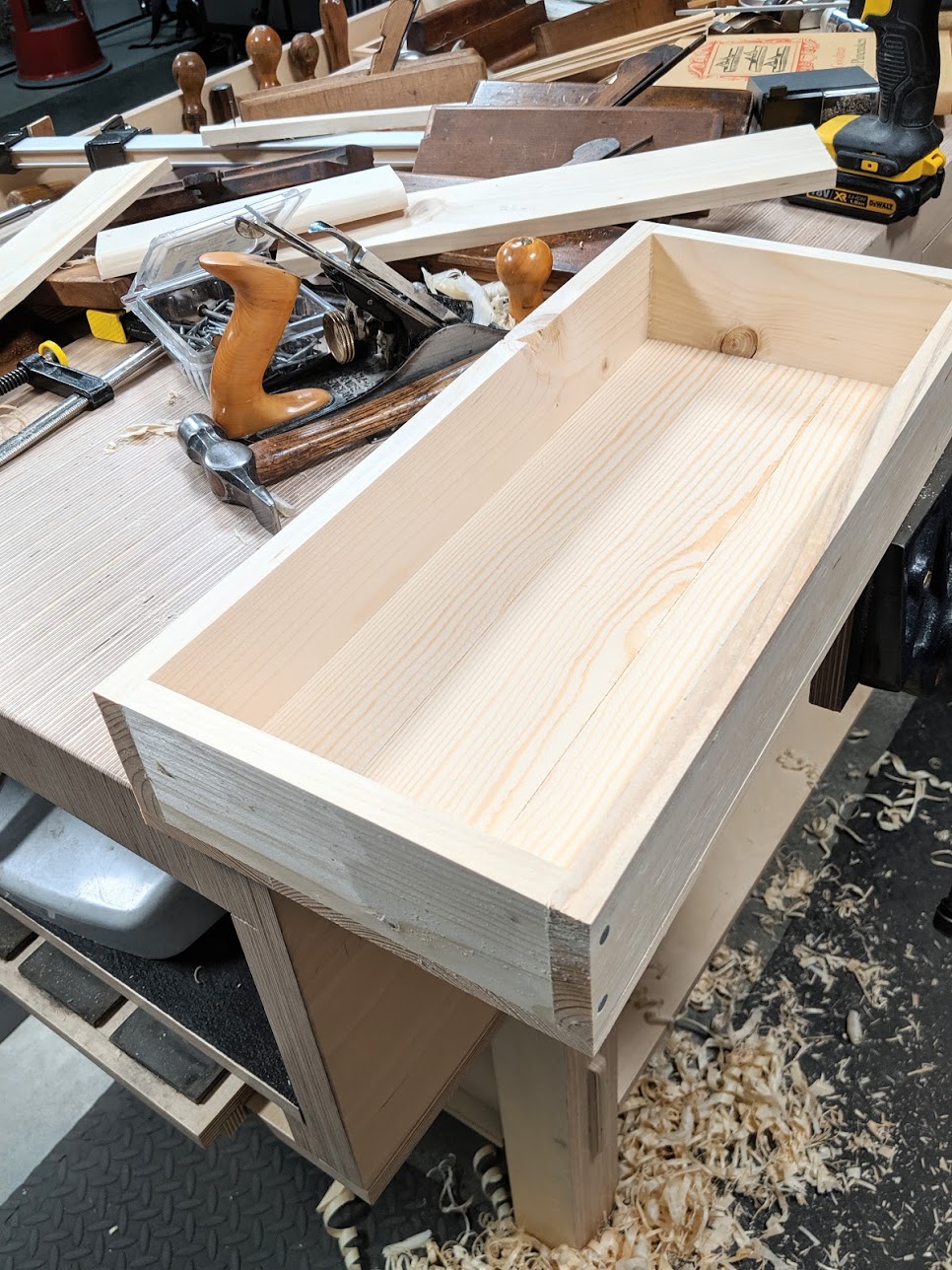
So far my efforts of using scrap pallets for useable wood have given me five years of planting my tomatoes and courgettes, beans and potatoes, peas and more. Basically it is just crosscutting to length and then screwing said parts together. It's quick and easy and very, well, palatable. Predrilling and screwing the parts together and with a dab of glue to seat means it will also last for a few years and of course, it draws new, otherwise distant birds into an area where you and others can enjoy watching their antics. I did use a stem of 2x4 to cut my stem from, and the offcuts gave me the bracing. It took me two hours to make because of course there is no joinery in it. It's all screwed together with an odd nail here and there. Simple cuts, mostly bandsaw work.
The delight, of course, was being down on my knees on the deck with my granddaughter and watching her insert the screws through the base so I could drive them with the drill-driver. And so the fascination with making begins! Soon it will be the spokeshave and the spatula as I pass on the opening steps for her to make the neck of a violin and a guitar.
Comments ()